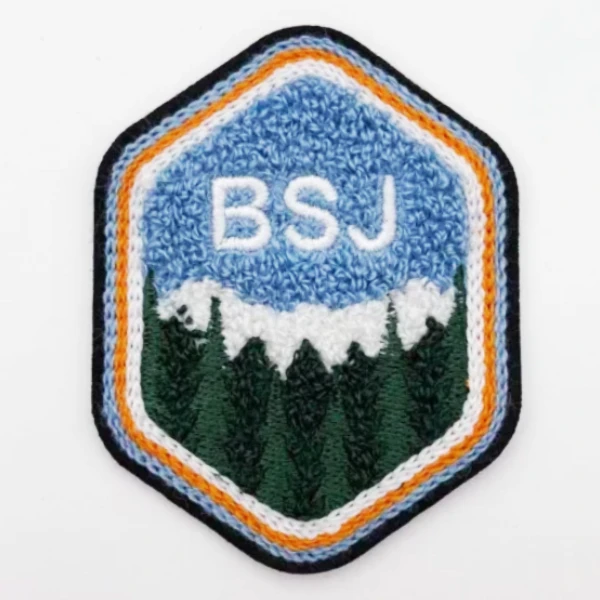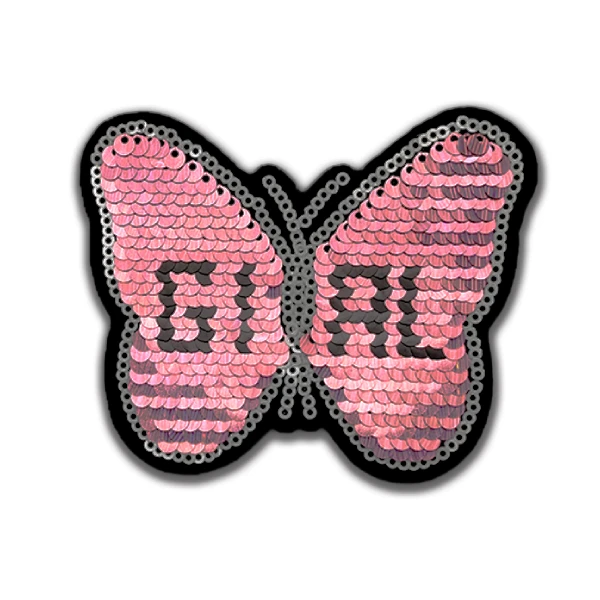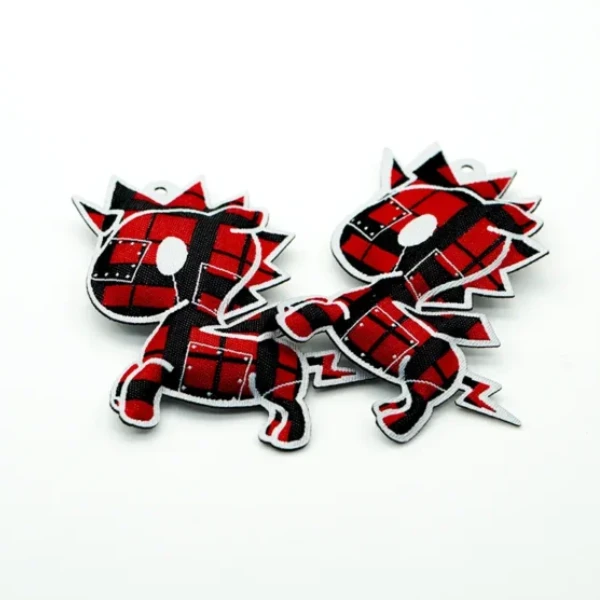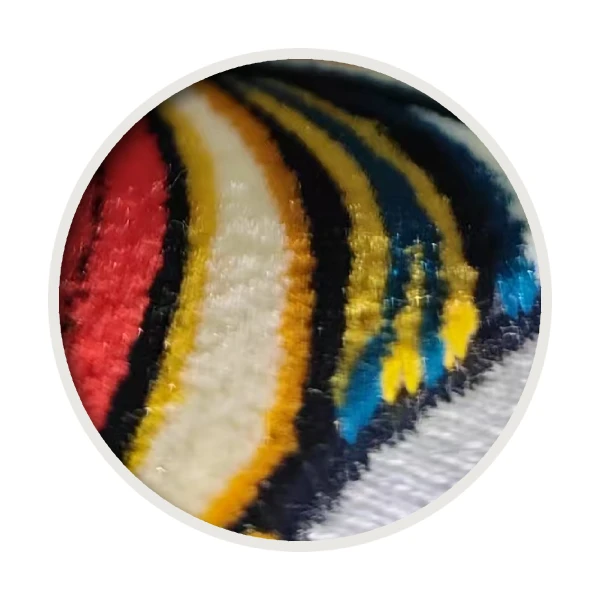
A chenille patch in USA refers to a soft, textured patch made with looped yarn, widely used in varsity jackets, sportswear, and fashion. Known for its bold appearance and premium feel, it is popular among businesses for creating eye-catching, durable, and high-value branded apparel.
What Is a Chenille Patch in USA?
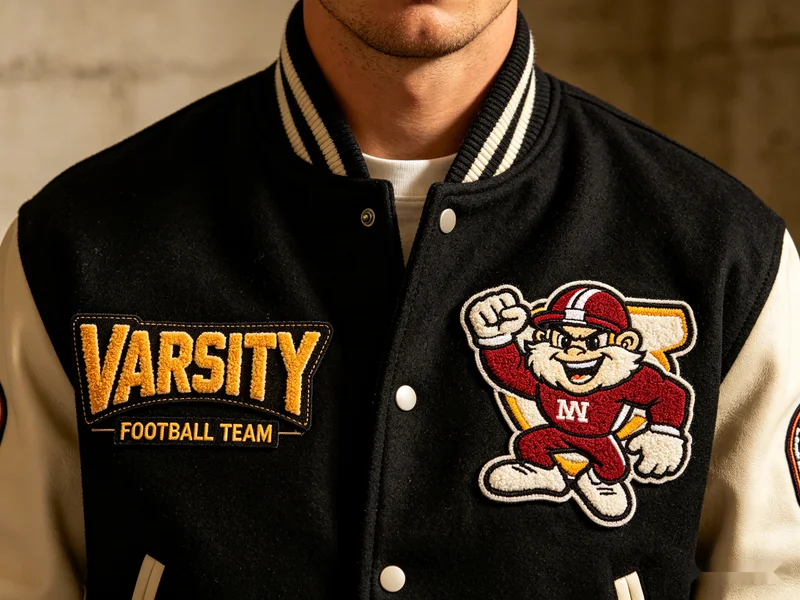
A chenille patch in USA is a decorative patch produced for the U.S. market, characterized by its soft, fuzzy texture created through looped yarn embroidery. These patches are most commonly associated with varsity jackets, where large letters and mascots are displayed prominently.
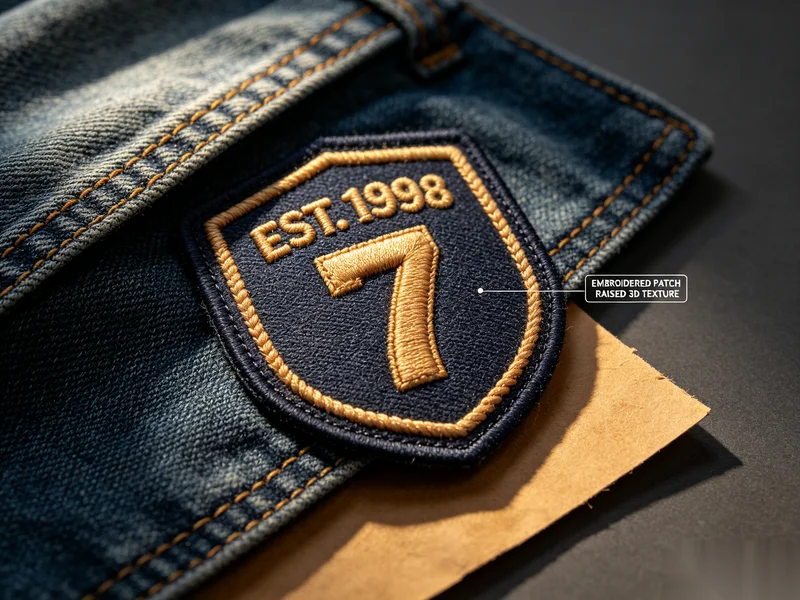
Unlike flat embroidered patches, chenille patches offer a raised, plush surface that creates strong visual impact. This makes them ideal for bold designs rather than intricate details.
For B2B buyers, custom chenille patches USA are widely used in school apparel, sports teams, and fashion collections targeting the American market.
Why Are Chenille Patches Popular in the USA Market?
Chenille patches have deep roots in American culture, particularly in sports and education.
They are traditionally used in varsity jackets to represent achievements, team identity, and school pride. This cultural association continues to drive demand across both traditional and modern markets.
In addition, chenille patches provide a premium and nostalgic look. Many fashion brands incorporate varsity chenille patches into their designs to create retro-inspired collections.
Their large size and bold appearance also make them highly effective for branding, especially in retail environments where visual impact is critical.
How Are Chenille Patches Manufactured?
The production of chenille patches wholesale USA involves specialized embroidery techniques.
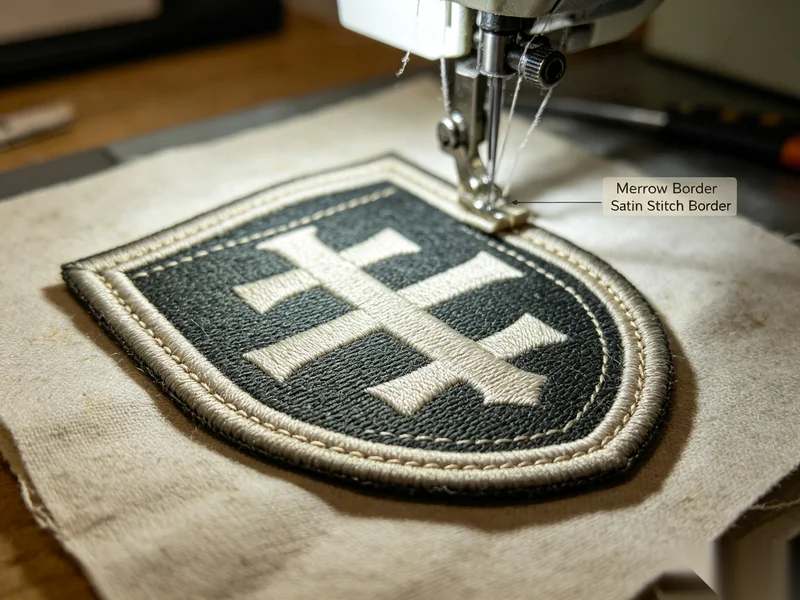
First, the design is digitized to define yarn placement and stitching patterns. Chenille embroidery machines then create loops using thick yarn, forming the signature soft texture.
A base fabric, typically felt or twill, supports the structure of the patch. Additional stitching may be applied to outline shapes and enhance detail.
After embroidery, patches are cut into shape and finished with borders such as chain stitching or laser cutting. Due to their thickness and size, chenille patches are usually sewn onto garments.
This process ensures consistent quality and scalability for large orders.
What Industries Use Chenille Patches in the USA?
Chenille patches are widely used across multiple industries in the United States.
Educational institutions use them for varsity jackets and team apparel, representing achievements and identity.
Sports teams apply them to uniforms and merchandise for branding and recognition.
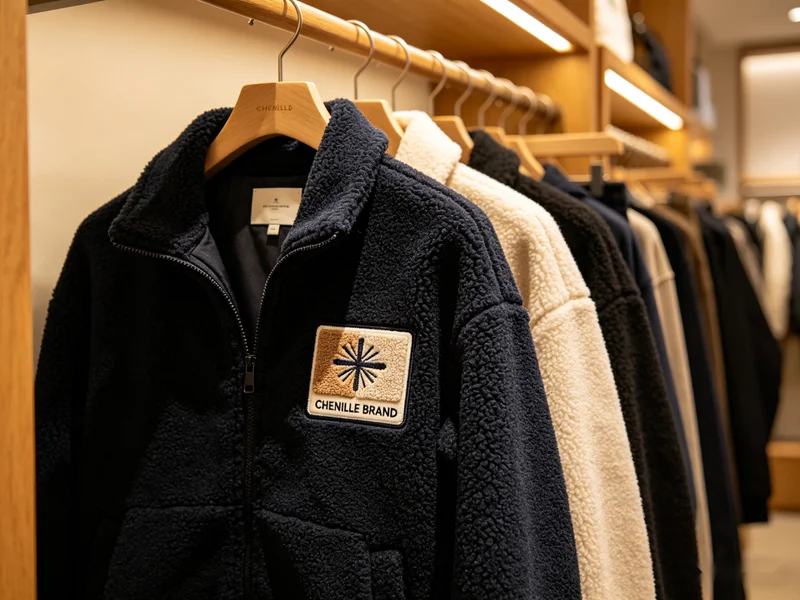
Fashion brands incorporate custom chenille patches USA into streetwear and lifestyle collections to create bold and unique designs.
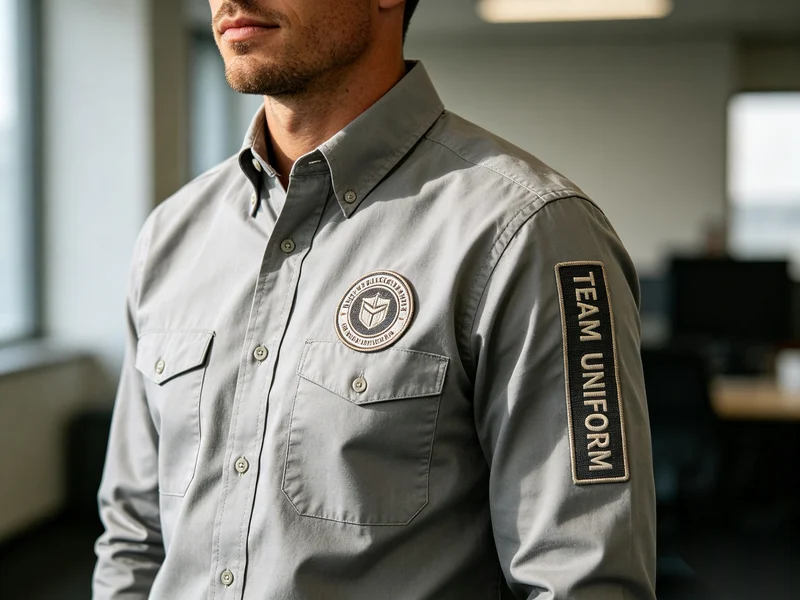
Promotional product companies also use them for custom merchandise, especially when targeting younger audiences or retro trends.
USA Production vs Overseas Manufacturing
When sourcing chenille patches wholesale USA, businesses often compare domestic and overseas production.
USA-based production offers faster delivery, easier communication, and strict quality control. It is ideal for projects with tight deadlines or specific quality requirements.
Overseas manufacturing typically provides lower costs and greater scalability, making it suitable for large-volume orders.
For many B2B buyers, choosing the right sourcing strategy depends on balancing cost, speed, and quality expectations.
How to Design Effective Chenille Patches?
Designing chenille patches requires a focus on simplicity and scale.
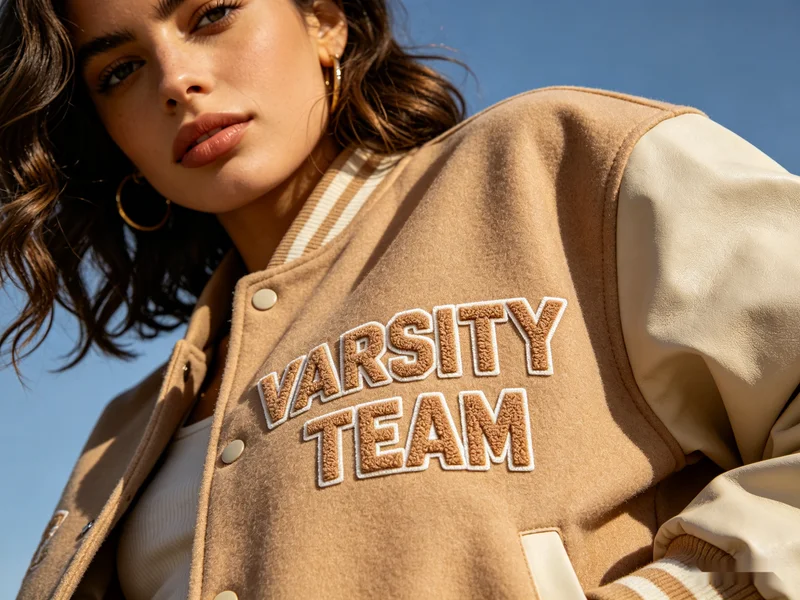
Bold shapes, large letters, and clear graphics work best, as the chenille texture emphasizes volume rather than fine detail. Complex designs with small elements may lose clarity.
Color contrast is essential. Bright and contrasting colors help the patch stand out against garments.
The size should be carefully planned, especially for varsity chenille patches, which are often large and highly visible.
Material selection, including yarn type and base fabric, also affects the final appearance and durability.
What Should B2B Buyers Consider Before Ordering?
Before ordering chenille patches wholesale USA, businesses should evaluate several important factors.
Patch size and thickness impact both cost and production time. Larger patches require more material and longer manufacturing processes.
Attachment method is critical. Sewing is the most reliable option due to the weight and size of chenille patches.
Order quantity affects pricing, with bulk production offering better cost efficiency.
Lead time should be planned carefully, especially for seasonal collections or school-related products.
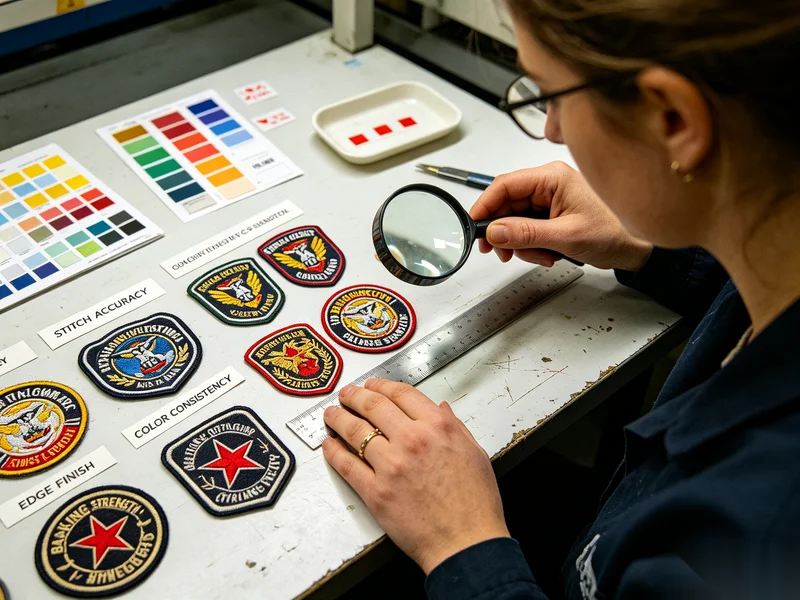
Quality control is essential to ensure consistency across all patches.
Working with experienced manufacturers helps ensure smooth production and reliable results.

FAQ
What is a chenille patch in USA used for?
It is mainly used for varsity jackets, sportswear, and fashion apparel to display letters, logos, and designs.
Why are chenille patches popular in the USA?
They have strong cultural ties to sports and education, and offer a bold, premium appearance.
Can chenille patches include detailed designs?
They are best suited for simple and bold designs rather than intricate details.
How are chenille patches attached to garments?
They are typically sewn on to ensure durability and long-term use.
What materials are used in chenille patches?
They are made with thick yarn on a felt or twill base fabric.
What is the typical production time?
Production usually takes 2–4 weeks depending on size, design complexity, and order quantity.
Chenille patch in USA continues to be a strong product category for businesses targeting sportswear, education, and fashion markets. With its distinctive texture, cultural relevance, and high visual impact, it provides a powerful solution for brands seeking to create memorable and premium apparel products.
About Author
——————————————————————————————————————————————

Alexander
Online Sales Manager
Alexander specialize in digital marketing and understanding customer psychology, providing clients with the right solutions through data insights and creative strategies.
——————————————————————————————————————————————