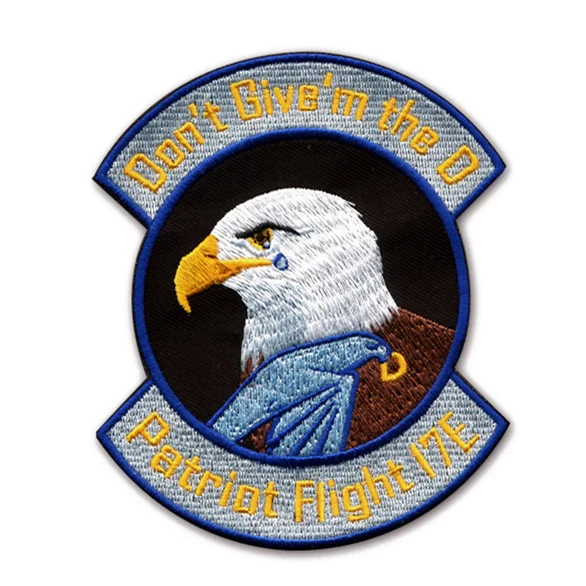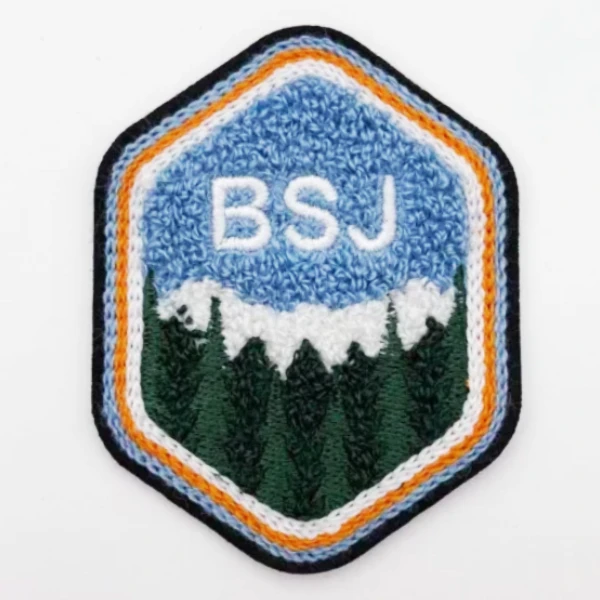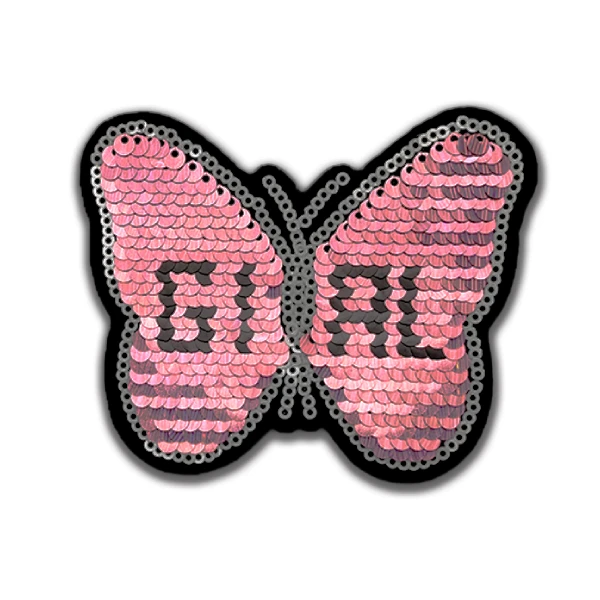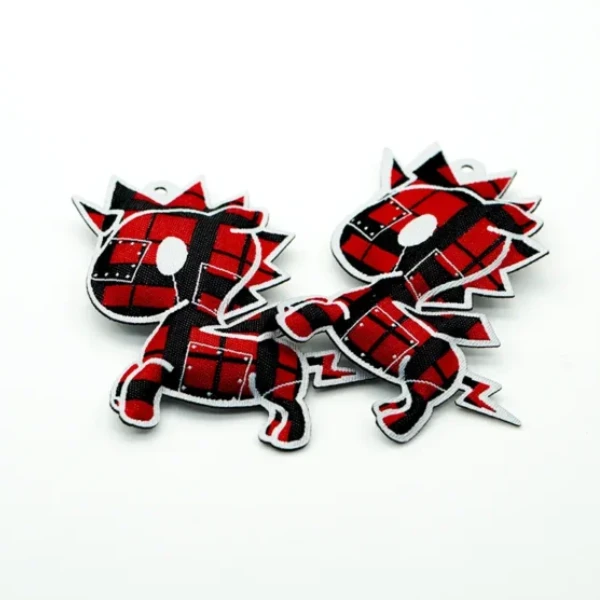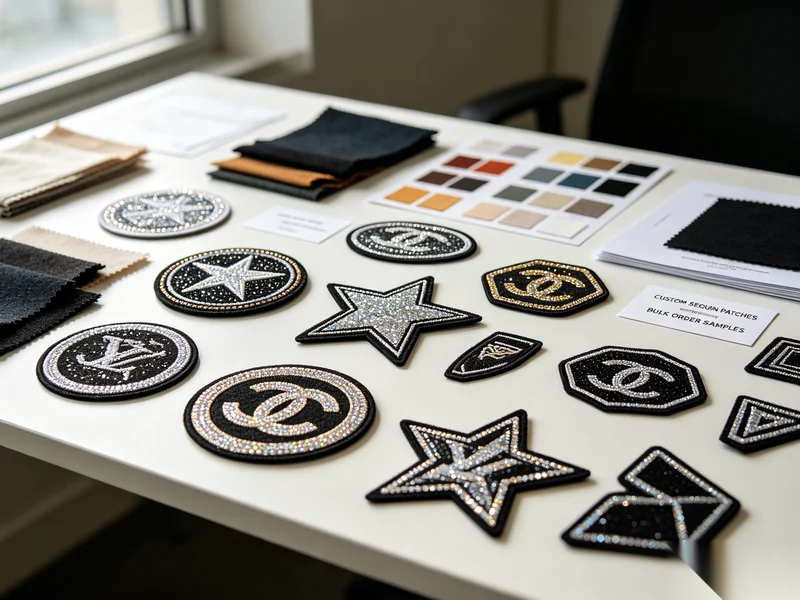
To create an embroidered patch, you need to prepare a clear design, digitize the artwork, select suitable materials, and produce it using embroidery machines. This process ensures durable, high-quality patches that are ideal for branding, uniforms, and promotional applications in B2B markets.
What Does It Mean to Create an Embroidered Patch?
To create embroidered patch products means transforming a logo or design into a stitched patch that can be applied to garments, accessories, or equipment. This process is widely used in industries such as apparel, uniforms, and promotional merchandise.
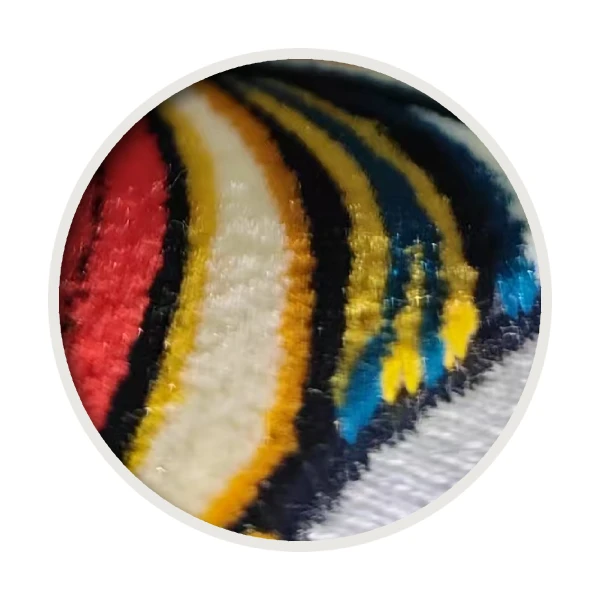
Unlike printed labels, embroidered patches offer a textured, durable finish that enhances brand perception. For businesses, custom embroidered patches provide a professional and long-lasting branding solution.
What Are the Key Steps to Create Embroidered Patch?
Creating an embroidered patch involves several essential steps that ensure both quality and consistency.
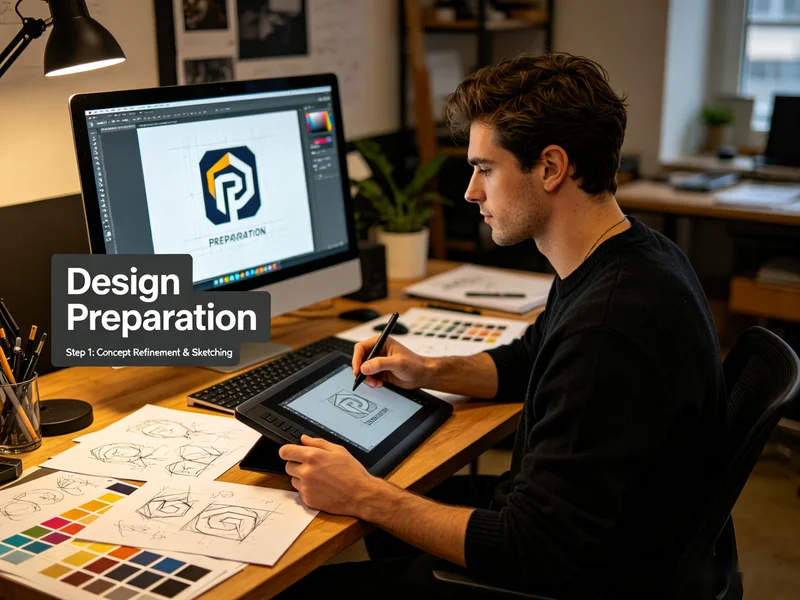
1. Design Preparation
The process begins with a clear and optimized design. Logos, text, and graphics should be simplified to suit embroidery requirements. Bold lines and solid colors work best.
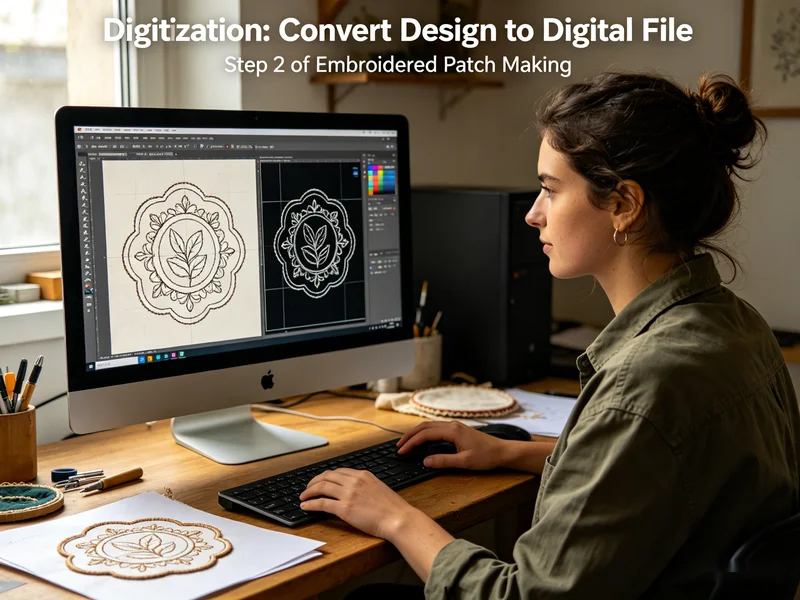
2. Digitization
The design is converted into a digital embroidery file. This file controls how the stitching machine operates, including stitch type, direction, and density.
3. Material Selection
Choosing the right base fabric and thread is crucial. Common materials include twill and felt, while polyester threads are often used for durability.
4. Embroidery Production
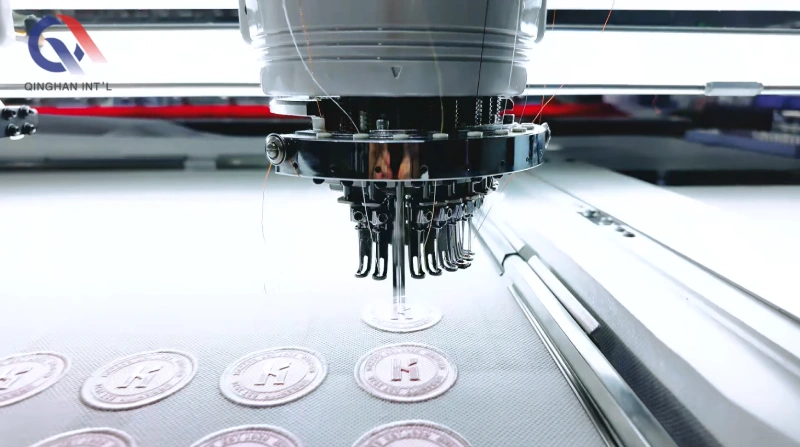
High-speed embroidery machines stitch the design onto the fabric according to the digitized file.
5. Cutting and Finishing
The patch is cut into shape and finished with borders such as merrowed edges or laser-cut edges.
6. Backing Application
Options include sew-on, iron-on, Velcro, or adhesive backing depending on the intended use.
This structured approach ensures efficient embroidery patch manufacturing for bulk orders.
Why Should Businesses Choose Embroidered Patches?
For B2B buyers, choosing to design embroidered patches offers multiple advantages.
First, embroidered patches are highly durable. They can withstand repeated washing and wear, making them suitable for uniforms and workwear.
Second, they provide a premium look. The raised stitching adds texture and depth, enhancing brand image.
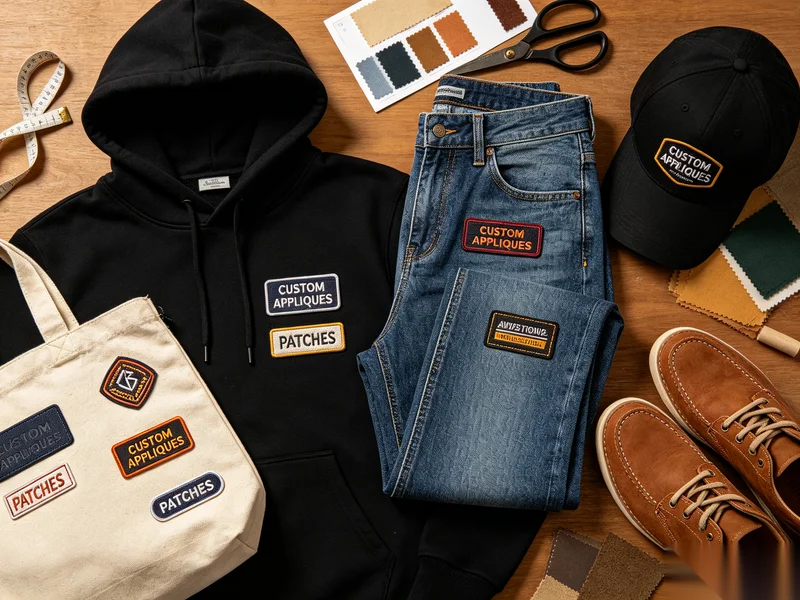
Third, they are versatile. Patches can be applied to various products, including jackets, caps, bags, and accessories.
Finally, they are cost-effective for large-scale production, especially when ordering in bulk.
What Design Tips Help Create High-Quality Embroidered Patches?
Design plays a critical role in the success of embroidered patches.
Simple and bold designs produce the best results. Fine details or very small text may not translate well into stitching.
Color contrast is important to ensure visibility. Using distinct colors between the background and the design improves readability.
Spacing between elements should be adequate to prevent thread overlap and maintain clarity.
Choosing the right size is also essential, as overly small patches may lose detail, while overly large patches may increase costs unnecessarily.
Working with experienced manufacturers helps optimize designs for production.
What Types of Embroidered Patches Can You Create?
There are several types of custom embroidered patches available for different applications.
Standard embroidery patches are the most common and suitable for uniforms and general branding.
3D puff embroidery adds a raised effect, often used for bold logos on caps.
Chenille patches offer a soft, textured appearance, typically used for varsity-style designs.
Combination patches integrate embroidery with printing or other techniques to achieve more complex visuals.
Each type can be customized based on business needs and target markets.
When Should You Use Embroidered Patches?
Embroidered patches are suitable for a wide range of applications.
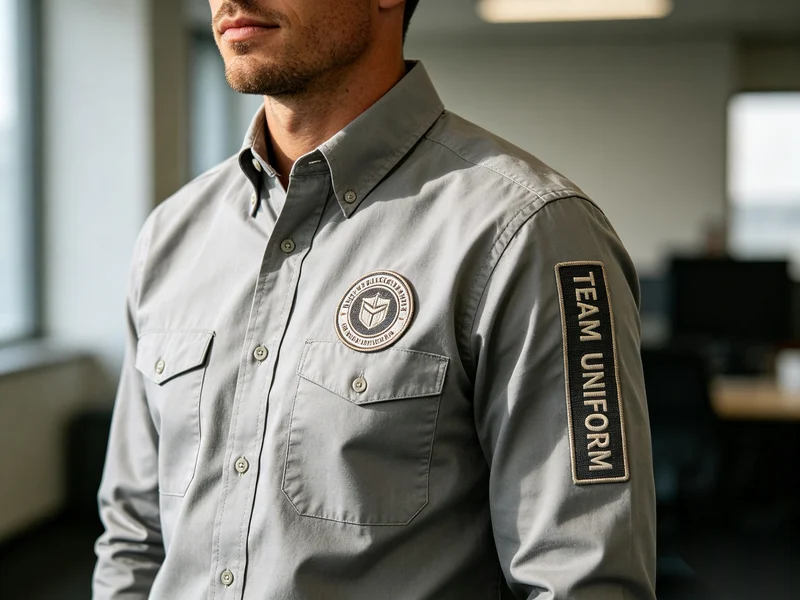
They are widely used in uniforms for industries such as hospitality, logistics, and security.
In fashion, they enhance product value and create distinctive designs.
They are also effective for promotional products, where durability and brand visibility are important.
Sports teams, schools, and organizations use them for identity and recognition purposes.
For businesses, deciding to create embroidered patch solutions depends on the need for durability, aesthetics, and scalability.
How to Choose the Right Manufacturer?
Selecting the right partner for embroidery patch manufacturing is crucial for achieving consistent quality.
Businesses should consider production capacity to ensure the supplier can handle bulk orders.
Customization capabilities are important for meeting specific design requirements.
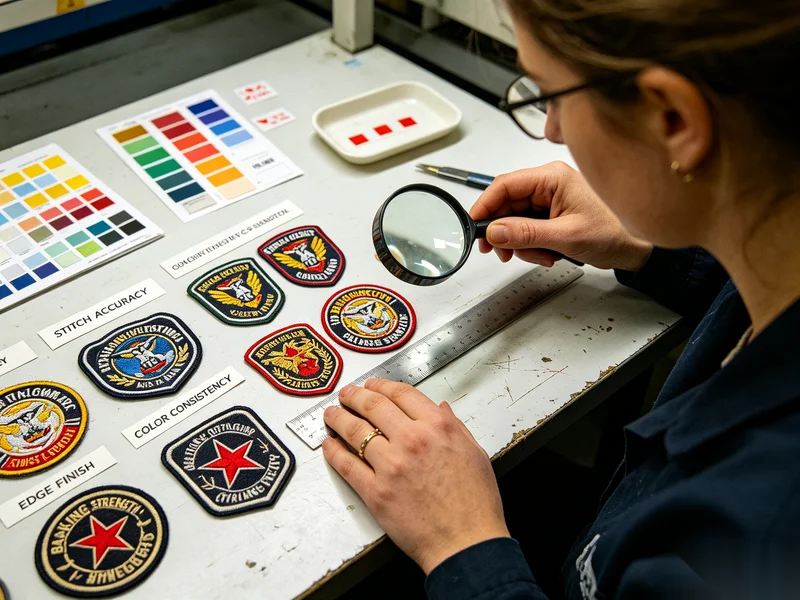
Quality control processes should be strict to maintain consistency across all units.
Lead time and delivery reliability are also key factors, especially for time-sensitive projects.
An experienced manufacturer can provide technical support and help optimize both design and production.
What Should B2B Buyers Consider Before Ordering?
Before placing an order, businesses should evaluate several important factors.
Order quantity affects pricing, with larger volumes offering better cost efficiency.
Material selection should align with the intended use environment.
Backing type should match application needs, whether for permanent or removable use.
Production timelines should be planned carefully to meet deadlines.
Quality assurance is essential to ensure the final product meets brand standards.
FAQ
How long does it take to create embroidered patches?
Production usually takes 1–3 weeks depending on design complexity and order quantity.
What is the minimum order quantity?
MOQ varies by manufacturer, but most support bulk production for B2B clients.
Can embroidered patches include small details?
They can include some detail, but simpler designs generally produce better results.
What backing option is best for durability?
Sew-on backing is the most durable option for long-term use.
Are embroidered patches suitable for outdoor use?
Yes, especially when using high-quality threads and materials.
Can I combine embroidery with other techniques?
Yes, hybrid patches combining embroidery and printing are widely used for complex designs.
Creating embroidered patches is a strategic solution for businesses looking to enhance branding with durable and visually appealing products. By following the right design and manufacturing processes, companies can achieve high-quality results that strengthen brand identity and meet the demands of competitive markets.
About Author
——————————————————————————————————————————————

Alexander
Online Sales Manager
Alexander specialize in digital marketing and understanding customer psychology, providing clients with the right solutions through data insights and creative strategies.
——————————————————————————————————————————————