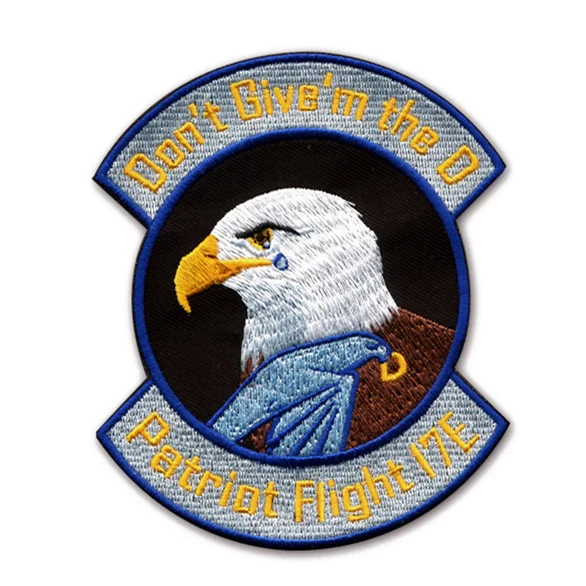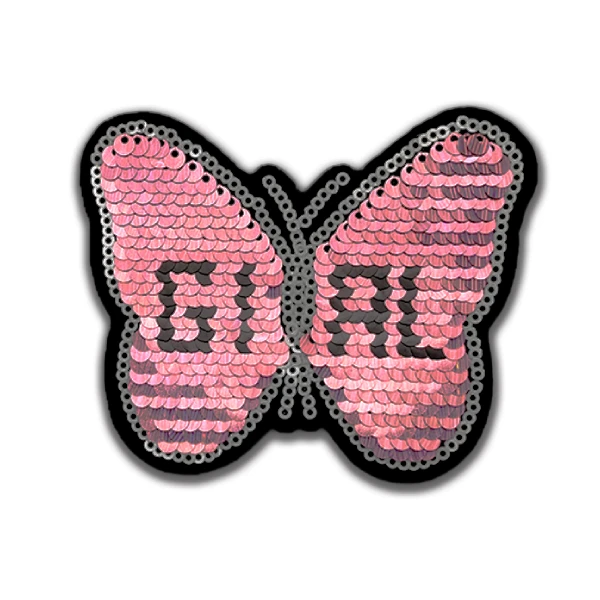
Embroidered patches are made through a process that includes design digitization, material selection, machine embroidery, cutting, and finishing. Businesses that understand how embroidered patches are made can better control quality, reduce costs, and choose the right manufacturing partner for scalable, customized branding.
Quick Overview of How Embroidered Patches Are Made
| Step | Description |
|---|---|
| 1 | Convert artwork into embroidery file (digitization) |
| 2 | Select fabric, thread, and backing materials |
| 3 | Stitch design using embroidery machines |
| 4 | Cut patch into custom shape |
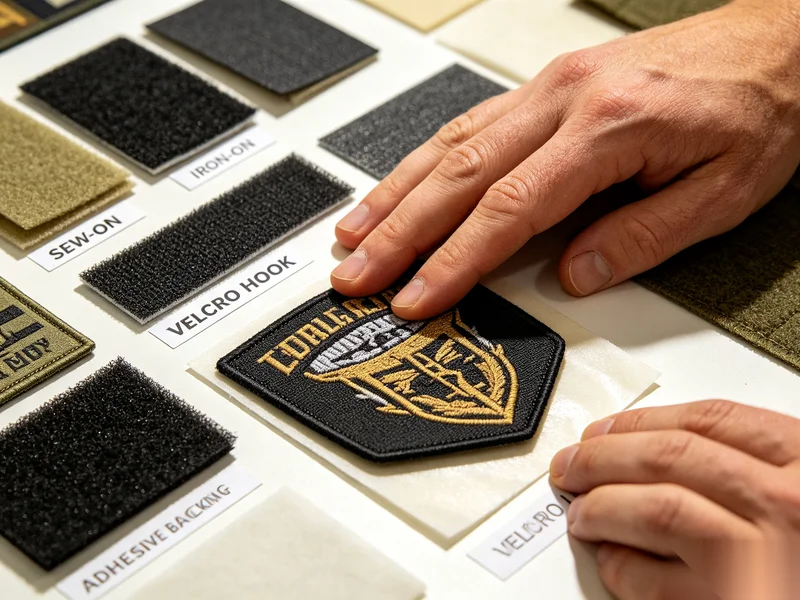
| 5 | Add backing (sew-on, iron-on, Velcro) |
| 6 | Inspect and package |
This structured process ensures consistent quality for wholesale and bulk production orders.
What Does “Embroidered Patches Made” Mean?
Answer:
“Embroidered patches made” refers to the full manufacturing process of producing custom fabric patches with stitched designs. These patches are widely used by clothing brands, uniform suppliers, and wholesalers to add logos, labels, and decorative elements to products.
Unlike printed designs, embroidery uses thread stitching to create texture and durability. This makes embroidered patches ideal for long-term use and premium branding.
Common applications include:
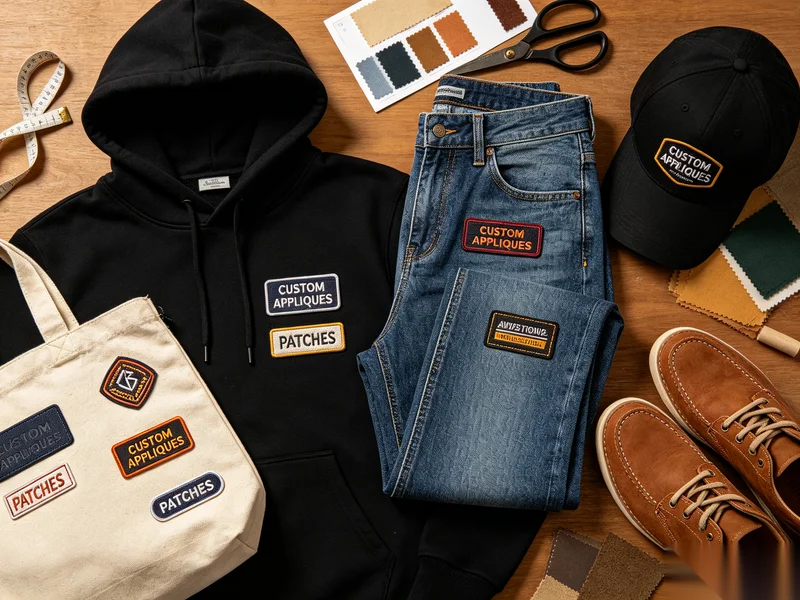
- Apparel and fashion products
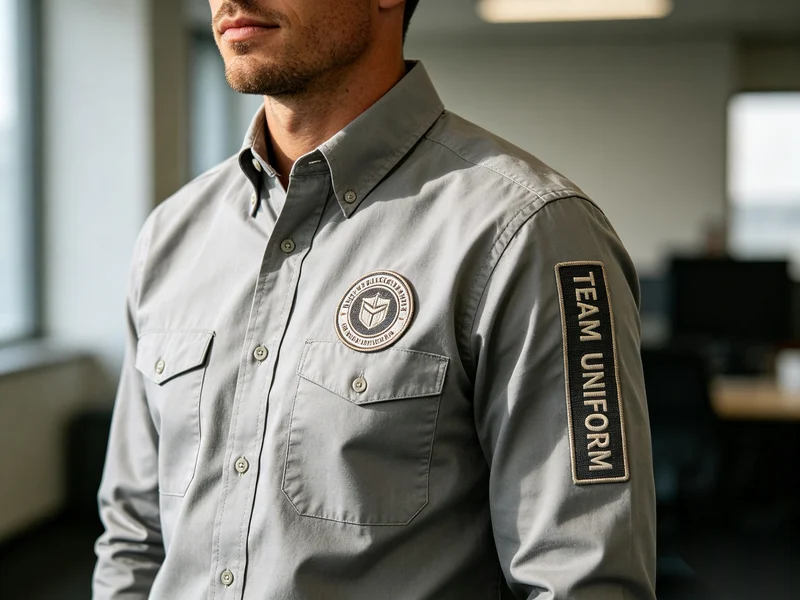
- Workwear and uniforms
- Hats and accessories
- Bags and backpacks
- Promotional merchandise
How Are Embroidered Patches Made Step by Step?
Answer:
Embroidered patch manufacturing follows a professional workflow to ensure design accuracy and production efficiency.
Step 1: Design Digitization
The process begins by converting artwork into a digital embroidery file.
This step defines:
- Stitch direction
- Thread color sequence
- Stitch density
- Design structure
Digitization is critical because embroidery machines rely on this file to produce accurate results.
Step 2: Material Selection
Answer:
Choosing the right materials directly affects patch quality, durability, and appearance.
Base Fabric
Common options include:
- Twill (most popular)
- Felt
- Polyester
- Cotton
Thread Types
- Polyester for durability
- Rayon for shine
- Specialty threads for decorative effects
Backing Materials
- Sew-on backing
- Iron-on adhesive
- Hook & loop (Velcro)
- Adhesive backing
Each combination is selected based on the final application.
Step 3: Embroidery Production
Answer:
Computerized embroidery machines stitch the design onto the fabric using the digitized file.
During production, machines control:
- Stitch accuracy
- Thread tension
- Color changes
- Border stitching
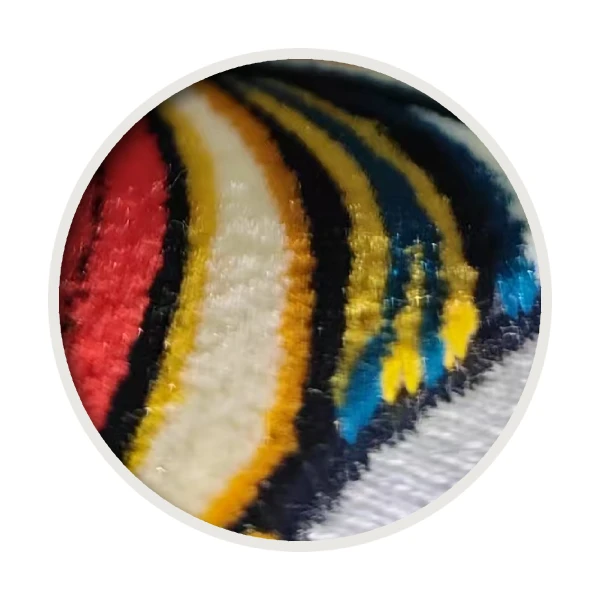
This step creates the textured, raised look that defines embroidered patches.
For bulk orders, multiple machines run simultaneously to ensure efficiency and consistency.
Step 4: Cutting and Shaping
After embroidery, patches are cut into the desired shape.
Common Cutting Methods
- Laser cutting: precise and suitable for complex shapes
- Die cutting: efficient for large volumes
- Manual cutting: used for small or custom runs
Clean edges are essential for a professional finish.
Step 5: Backing Application
Answer:
The backing determines how the patch will be attached to the final product.
Sew-On
- Most durable
- Ideal for uniforms and heavy-use items
Iron-On
- Heat-activated adhesive
- Fast and convenient
Velcro (Hook & Loop)
- Removable and reusable
- Common in tactical and sports gear
Adhesive
- Temporary use
- Suitable for events and promotions
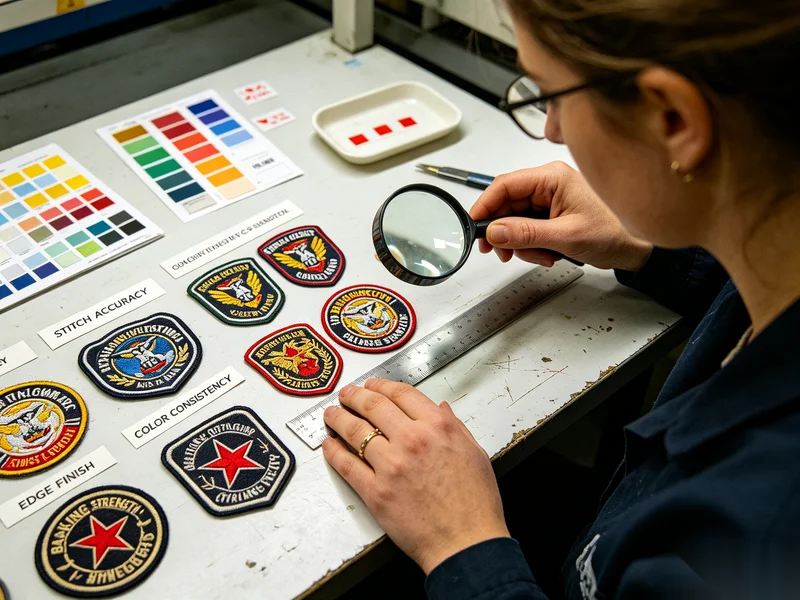
Step 6: Quality Inspection
Answer:
Before delivery, manufacturers perform strict quality checks to ensure consistency.
Inspection includes:
- Stitch accuracy
- Color consistency
- Edge finishing
- Backing strength
For wholesale buyers, this step is critical to maintain brand reputation across large orders.
What Types of Embroidered Patches Can Be Made?
Answer:
Businesses can produce a wide variety of embroidered patches depending on design and usage.
Standard Embroidered Patches
- Most common type
- Suitable for logos and branding
Iron-On Embroidered Patches
- Easy to apply
- Popular in retail products
Sew-On Embroidered Patches
- Strong and long-lasting
- Ideal for workwear and uniforms
3D Puff Embroidery
- Raised effect
- Often used on hats
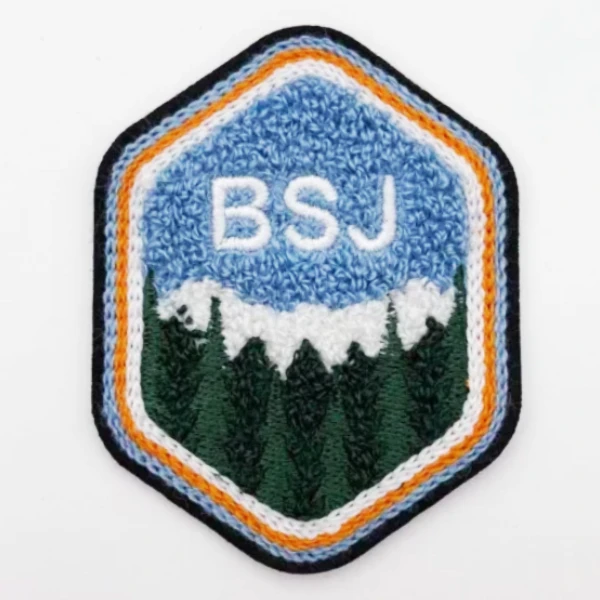
Chenille Patches
- Soft, textured style
- Common in varsity and fashion designs
Why Is Understanding the Manufacturing Process Important for B2B Buyers?
Answer:
Understanding how embroidered patches are made helps businesses make better purchasing decisions and avoid production issues.
Improve Product Quality
Knowing the process helps identify high-quality materials and proper techniques.
Optimize Cost
Businesses can adjust:
- Stitch complexity
- Size
- Materials
- Quantity
to control production costs.
Enhance Communication
Clear technical understanding reduces misunderstandings with suppliers.
Ensure Scalability
Bulk production requires consistent processes to maintain quality across large quantities.
How to Choose the Right Embroidered Patch Manufacturer?
Answer:
Selecting the right supplier is essential for reliable production.
Experience and Expertise
Look for manufacturers with strong knowledge of embroidery techniques and materials.
Customization Capabilities
A good supplier should offer:
- Custom shapes and sizes
- Multiple thread colors
- Various backing options
- Special embroidery effects
Quality Control System
Ensure the supplier has strict inspection standards.
Production Capacity
Important for:
- Wholesale orders
- Repeat production
- Long-term partnerships
Communication and Support
Efficient communication helps ensure accurate production and timely delivery.
Can Small Businesses Get Embroidered Patches Made?
Answer:
Yes, small businesses can easily get embroidered patches made for branding and product customization.
They are commonly used by:
- Startup clothing brands
- Independent designers
- Small retailers
- Promotional companies
Custom patches allow small businesses to create professional products without large manufacturing investments.
What Factors Affect the Cost of Embroidered Patches?
Answer:
Several factors influence pricing:
Design Complexity
More stitches and colors increase production time and cost.
Patch Size
Larger patches require more materials and embroidery work.
Quantity
Bulk orders reduce unit cost.
Materials
Premium fabrics and threads may increase pricing.
Backing Type
Different attachment methods affect production cost.
Frequently Asked Questions About Embroidered Patches Made
1. Can any design be made into an embroidered patch?
Most designs can be adapted, but very fine details may need simplification.
2. How durable are embroidered patches?
They are highly durable, especially when sewn onto garments.
3. What is the best backing option?
Sew-on is most durable; iron-on is more convenient.
4. Are embroidered patches suitable for bulk orders?
Yes, they are widely produced in large quantities for brands and manufacturers.
5. How long does production take?
It depends on design complexity and order size.
6. Can patches be made in custom shapes?
Yes, manufacturers can produce patches in almost any shape.
Conclusion
Understanding how embroidered patches are made gives businesses a clear advantage when sourcing custom products. From digitization and material selection to embroidery and finishing, every step plays a role in the final quality.
For apparel brands, wholesalers, and manufacturers, custom embroidered patches remain one of the most effective solutions for scalable, durable, and visually impactful branding. By working with experienced suppliers, businesses can ensure consistent quality and efficient production for both small and large orders.
About Author
——————————————————————————————————————————————

Alexander
Online Sales Manager
Alexander specialize in digital marketing and understanding customer psychology, providing clients with the right solutions through data insights and creative strategies.
——————————————————————————————————————————————