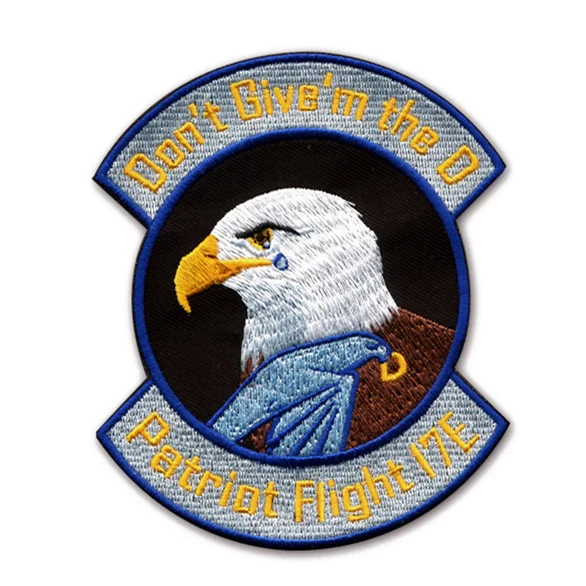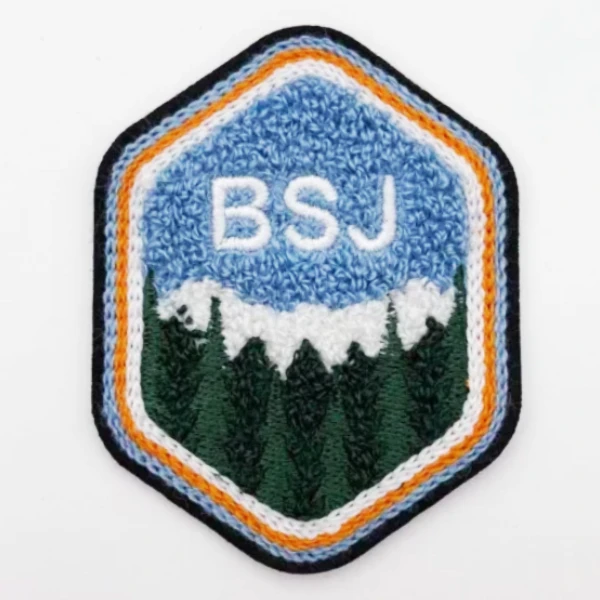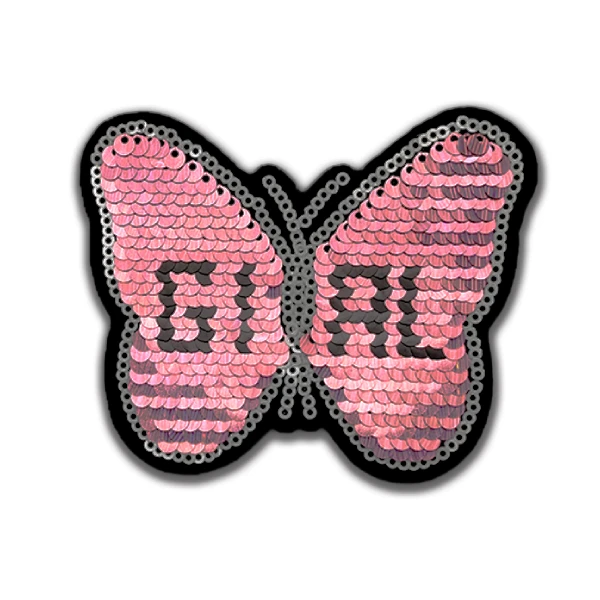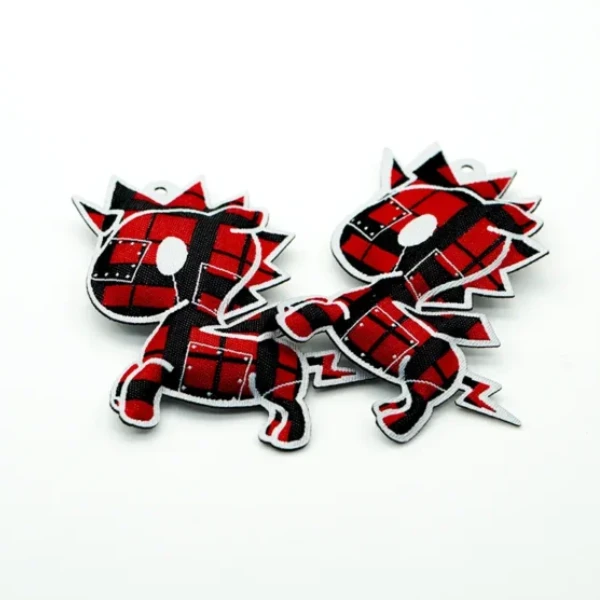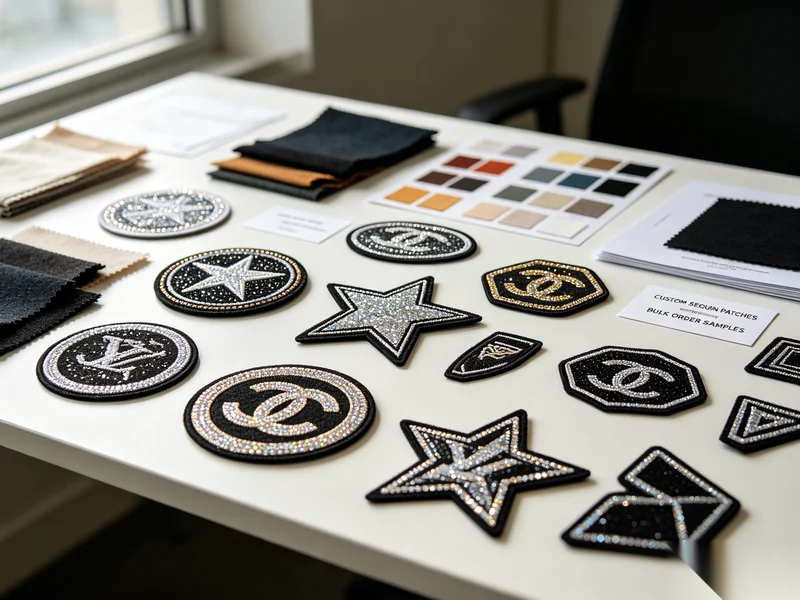
Embroidery labels sewing solutions are customized textile labels attached to garments and products through stitching. They combine detailed embroidery designs with strong sewing methods to create durable, premium branding elements. Custom embroidery labels sewing options are widely used by apparel, footwear, and accessory manufacturers to enhance product identity and long-term brand recognition.
What Are Embroidery Labels Sewing?
Embroidery labels sewing refers to the process of creating embroidered textile labels and attaching them to products using sewing techniques. These labels are made by stitching threads onto fabric surfaces to form logos, text, symbols, and decorative patterns.
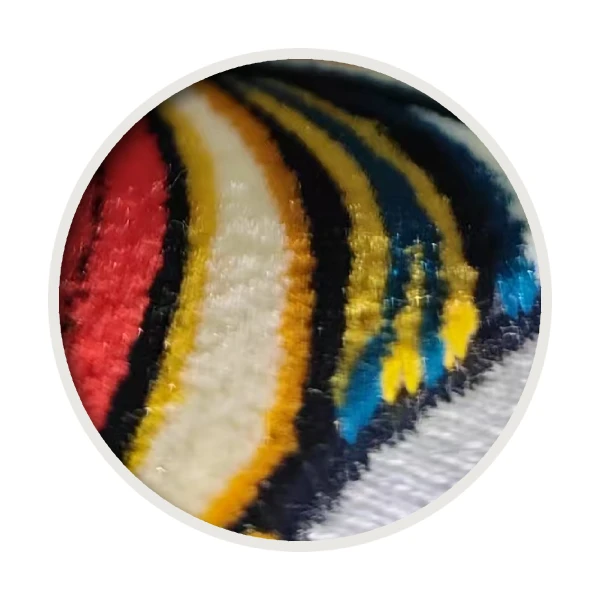
Unlike printed labels, embroidered labels create a raised texture and three-dimensional appearance. The sewing attachment method provides strong durability, making them suitable for products that require long-term use.
For fashion brands, clothing manufacturers, and textile companies, embroidery labels sewing solutions provide both functional and branding value.
They are commonly used to display:
- Brand logos
- Product names
- Collection information
- Size details
- Decorative graphics
- Company identity
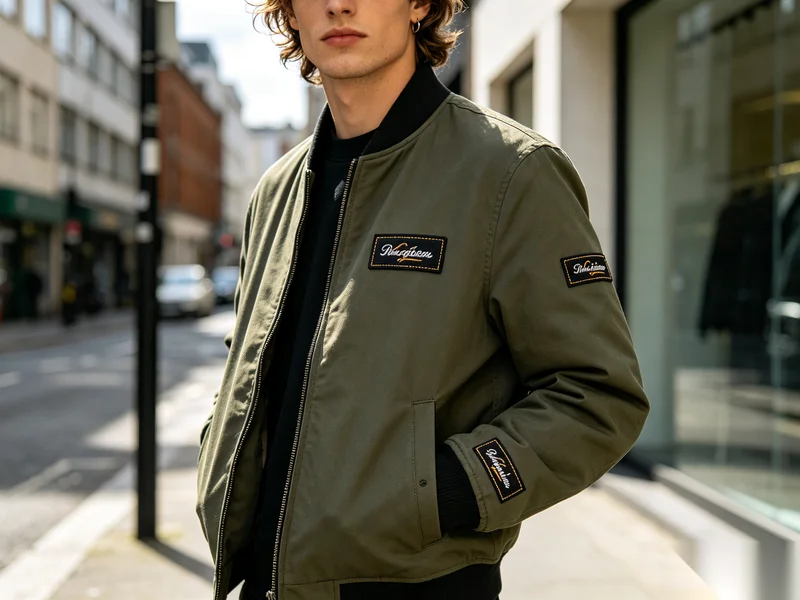
Quick overview: Benefits of embroidery labels sewing
| Feature | Advantage for B2B Brands |
|---|---|
| Sewn attachment | Strong and permanent fixing |
| Embroidery texture | Creates a premium appearance |
| Durable materials | Suitable for repeated washing |
| Custom designs | Supports unique branding |
| Flexible applications | Works for clothing and accessories |
For businesses ordering textile branding products, choosing the right embroidery labels sewing method helps achieve better appearance, durability, and product consistency.
Why Do Brands Choose Sewing Embroidery Labels?
Are sewn embroidery labels better than adhesive alternatives?
For many apparel applications, yes. Sewing provides a reliable attachment method that keeps embroidered labels securely connected to products during everyday use.
Compared with temporary attachment methods, sew on embroidery labels offer several advantages.
1. Sewing Provides Strong Durability
Clothing products often experience repeated stress, including:
- Washing
- Stretching
- Friction
- Transportation
- Daily wear
A sewn embroidery label remains firmly attached because it is physically connected to the fabric.
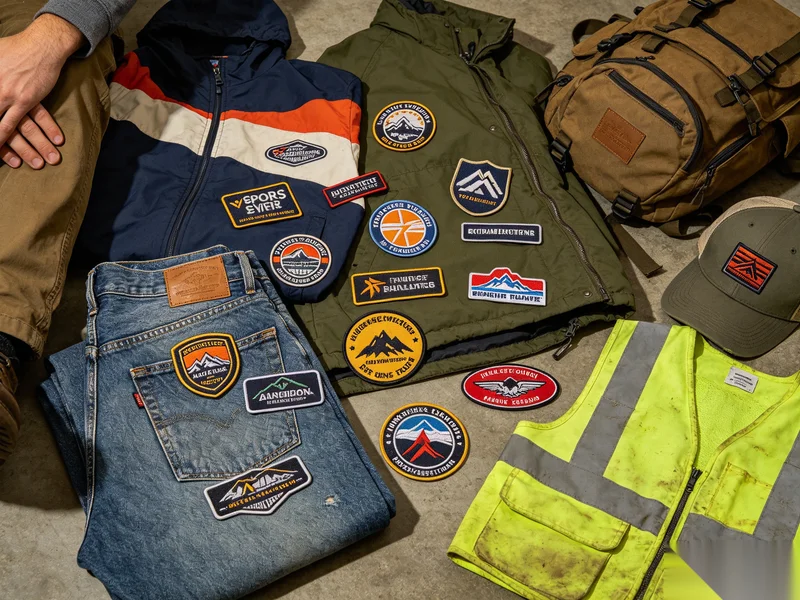
This makes it suitable for:
- Workwear
- Outdoor clothing
- Sports uniforms
- Denim products
- Jackets
- Bags
For manufacturers producing long-lasting products, sewing is one of the most reliable label attachment methods.
2. Embroidery Creates a Premium Visual Effect
The embroidery process adds texture and depth to branding designs.
Compared with flat printing, embroidered labels provide:
- Raised thread patterns
- Strong visual impact
- Professional craftsmanship
- Premium product appearance
This is why many fashion companies use embroidered clothing labels to improve product presentation.
3. Sewing Embroidery Labels Support Brand Customization
Every brand has different requirements.
Custom embroidery sewing labels can be designed with:
- Unique logos
- Brand colors
- Different shapes
- Various sizes
- Special thread effects
This flexibility allows businesses to create labels that match their product style.
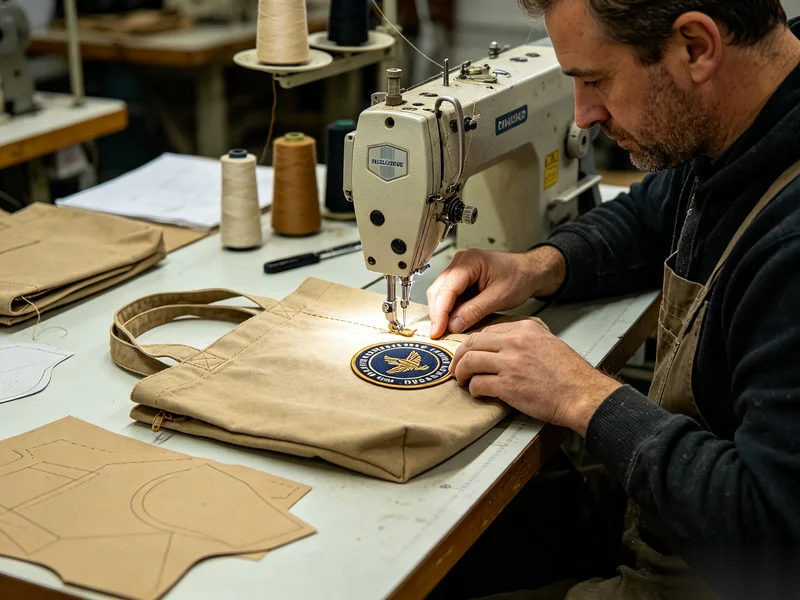
How Are Embroidery Labels Sewing Manufactured?
Understanding the production process helps B2B buyers select suitable suppliers.
A professional manufacturing process usually includes several stages.
Step 1: Design Preparation
The process starts with the customer’s artwork.
Brands usually provide:
- Logo files
- Design concepts
- Label dimensions
- Color requirements
- Application details
Manufacturers convert the design into an embroidery format suitable for production.
Because embroidery uses thread instead of ink, some adjustments may be necessary.
For example:
- Small text may need enlargement
- Complex details may need simplification
- Colors may need thread matching
Experienced manufacturers help ensure the final embroidered label maintains the original design concept.
Step 2: Selecting Fabric and Thread Materials
Material selection affects both appearance and durability.
Common fabric choices include:
Twill fabric
Often used for:
- Embroidered patches
- Outdoor applications
- Strong structured labels
Cotton fabric
Suitable for:
- Natural-style branding
- Soft-touch applications
Polyester fabric
Popular because of:
- Durability
- Color stability
- Easy maintenance
Thread selection also affects the final result.
Brands may choose:
- Standard threads
- Metallic threads
- Specialty threads
- Contrast colors
The right combination creates a professional embroidery label.
Step 3: Embroidery Production
During production, embroidery machines stitch threads according to the approved design.
Manufacturers control:
- Stitch density
- Thread direction
- Pattern accuracy
- Color placement
Modern embroidery equipment can create:
- Detailed logos
- Multiple colors
- Text designs
- Decorative patterns
- Custom shapes
This process gives embroidery labels their unique texture and premium appearance.
Step 4: Label Cutting and Sewing Preparation
After embroidery is completed, labels are cut and prepared for attachment.
Common finishing options include:
- Straight cut
- Heat-cut edges
- Custom shapes
- Folded designs
The label can then be sewn onto different product areas.
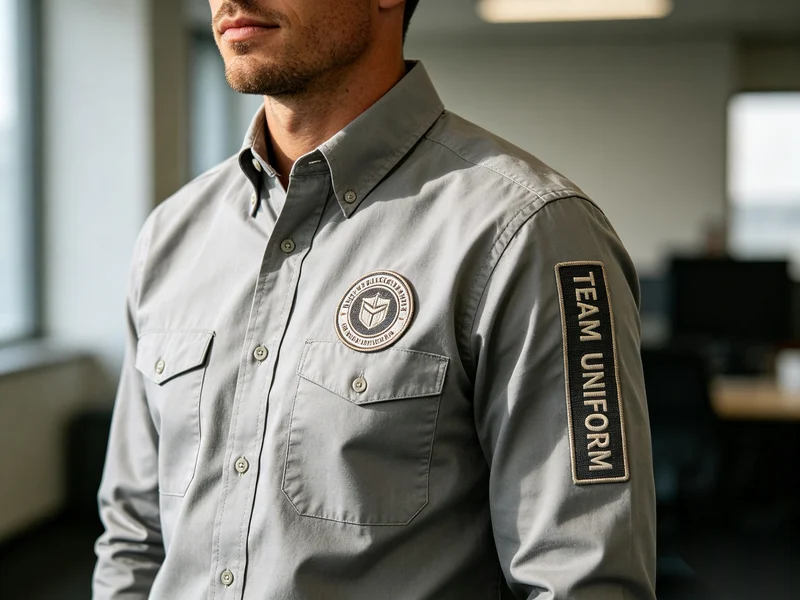
Common sewing positions include:
- Neck area
- Sleeve
- Chest
- Side seam
- Product exterior
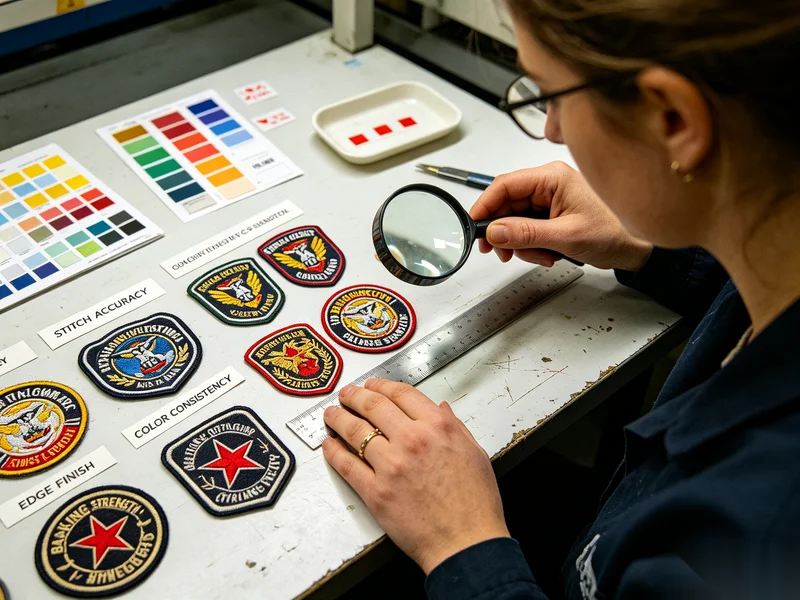
Step 5: Quality Inspection
Before bulk production is completed, suppliers inspect:
- Embroidery accuracy
- Thread quality
- Color consistency
- Label dimensions
- Sewing quality
Quality control is especially important for B2B buyers because inconsistent labels can affect entire production batches.
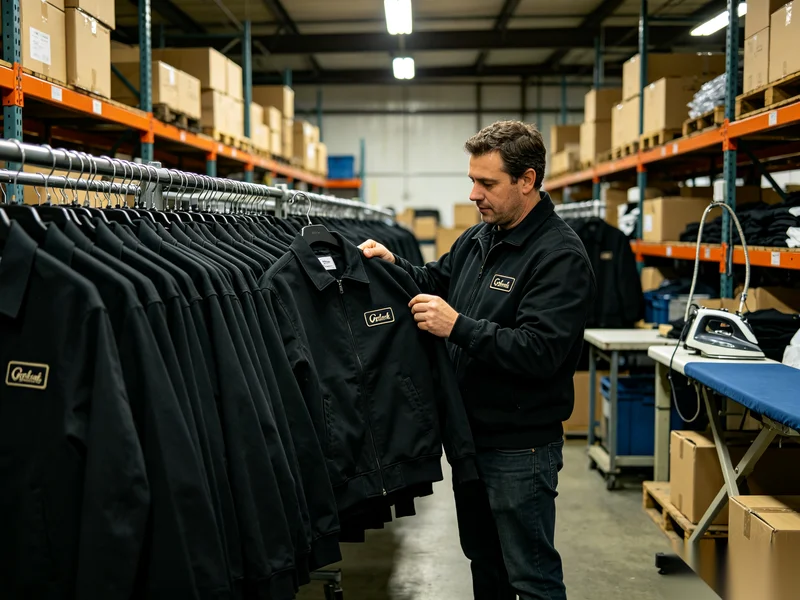
What Products Use Embroidery Labels Sewing?
Embroidery labels sewing solutions are widely used across different industries.
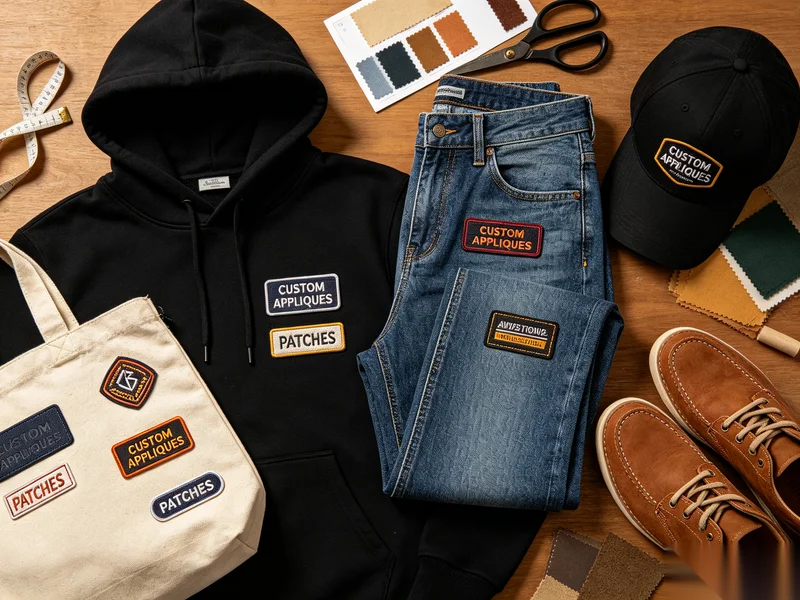
Clothing and Fashion Products
Common applications include:
- T-shirts
- Hoodies
- Jackets
- Jeans
- Dresses
- Uniforms
Fashion brands often use embroidered labels to create stronger product identity.
Sportswear and Outdoor Products
Sports and outdoor companies prefer sewn embroidery labels because of their durability.
Applications include:
- Team uniforms
- Training clothing
- Outdoor jackets
- Performance apparel
Bags and Accessories
Sewn embroidery labels are also suitable for:
- Backpacks
- Handbags
- Hats
- Shoes
- Lifestyle accessories
They provide both decorative and branding functions.
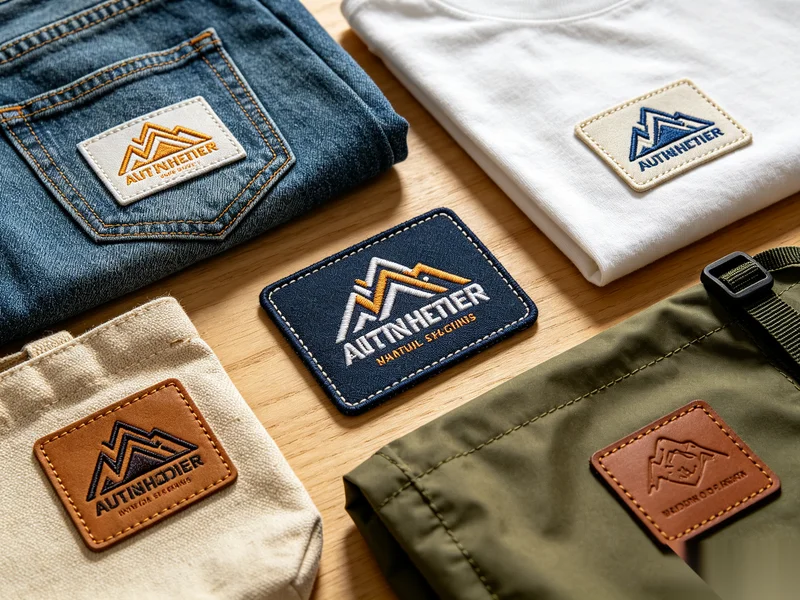
How Should Businesses Choose the Right Embroidery Labels Sewing Supplier?
Choosing the correct supplier is essential for maintaining quality and production efficiency.
1. Evaluate Manufacturing Experience
Experienced suppliers understand:
- Embroidery techniques
- Textile requirements
- Sewing applications
- International production standards
Their knowledge helps brands avoid common production problems.
2. Check Customization Capabilities
A professional supplier should provide:
- Custom embroidery designs
- Different sizes
- Various materials
- Multiple backing options
- Flexible sewing solutions
Customization ability allows brands to create unique products.
3. Review Quality Management
Reliable suppliers should inspect:
- Stitch quality
- Design accuracy
- Color matching
- Label size
- Sewing strength
Consistent quality is important for brands producing large quantities.
4. Consider Production Capacity
For wholesale orders, businesses should evaluate:
- Manufacturing capacity
- Production lead time
- Repeat order ability
- International delivery experience
A stable supplier relationship supports long-term business growth.
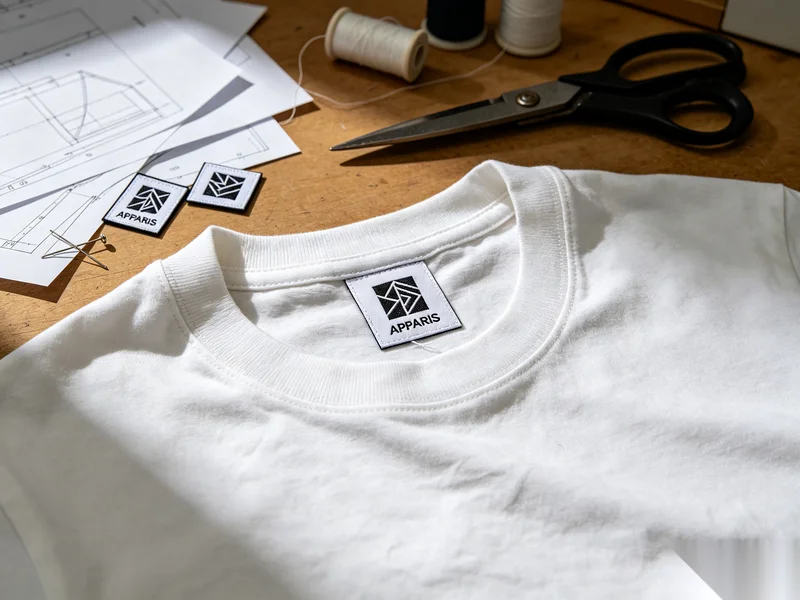
Can Embroidery Labels Sewing Be Used for Premium Fashion Brands?
Yes. Many premium and luxury fashion brands use sewn embroidery labels because they provide a refined and authentic product finish.
Luxury products often focus on:
- Attention to detail
- Craftsmanship
- Brand storytelling
- Customer experience
A high-quality embroidered label sewn onto a garment can enhance the perceived value of the product.
For premium applications, brands may choose:
- Fine embroidery details
- Soft materials
- Special thread effects
- Custom sewing positions
How Can Brands Improve Their Embroidery Labels Sewing Design?
A successful embroidered label requires both creative design and production knowledge.
Keep the Design Clear
Simple logos usually create better embroidery results.
Choose the Correct Label Size
The size should provide enough space for:
- Logo details
- Text readability
- Proper sewing
Select Suitable Colors
Strong contrast improves visibility and brand recognition.
Consider Product Usage
Different products may require different:
- Materials
- Label thickness
- Sewing methods
Approve Samples Before Bulk Production
Sample confirmation helps brands check:
- Final appearance
- Embroidery quality
- Sewing strength
- Product compatibility
Frequently Asked Questions About Embroidery Labels Sewing
What is the difference between embroidery labels sewing and iron-on embroidery labels?
Embroidery labels sewing are attached using stitching, creating a permanent connection with the product. Iron-on labels use heat adhesive and may be more suitable for temporary or easier application needs.
Are sew on embroidery labels durable?
Yes. High-quality sew on embroidery labels are designed to withstand repeated washing, friction, and long-term product use.
Can embroidery labels sewing include custom logos?
Yes. Manufacturers can create customized embroidered labels with brand logos, text, patterns, and different colors.
What products can use sewn embroidery labels?
They are commonly used for clothing, jackets, uniforms, sportswear, bags, hats, and textile accessories.
Can businesses order wholesale embroidery labels sewing products?
Yes. Professional suppliers provide bulk manufacturing solutions for apparel brands and textile companies.
How do I choose the right sewing method for embroidery labels?
The best sewing method depends on product material, label location, durability requirements, and final design expectations.
Conclusion: Why Are Embroidery Labels Sewing Solutions Important for Brands?
Embroidery labels sewing provides apparel businesses with a durable and professional way to display brand identity. By combining detailed embroidery designs with strong sewing attachment methods, brands can create products that look more premium and maintain quality over time.
For companies searching for custom embroidery sewing labels or embroidered clothing label solutions, selecting an experienced manufacturer ensures better customization, stable quality, and reliable production support. A well-made embroidered label is not only a product detail—it is a powerful branding element that helps businesses build recognition in competitive markets.
About Author
——————————————————————————————————————————————

Alexander
Online Sales Manager
Alexander specialize in digital marketing and understanding customer psychology, providing clients with the right solutions through data insights and creative strategies.
——————————————————————————————————————————————