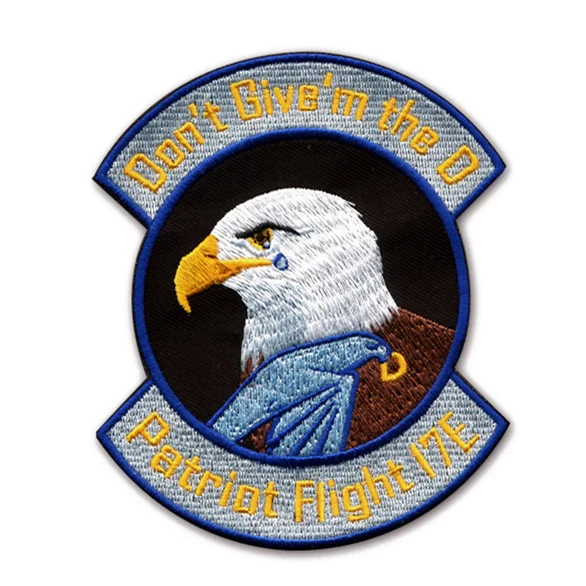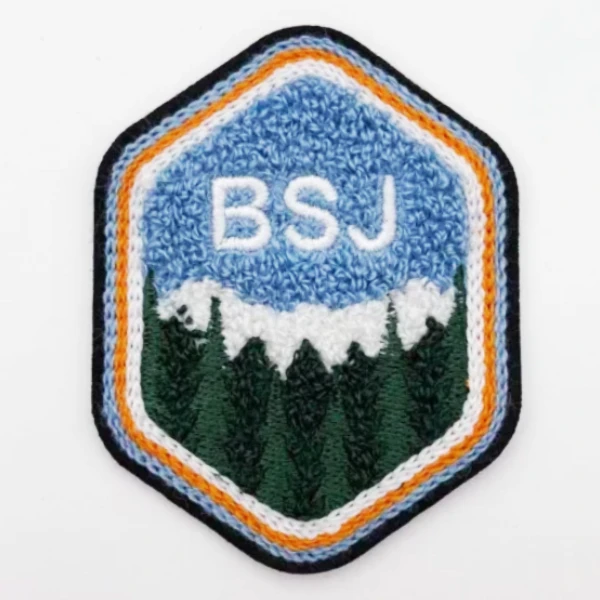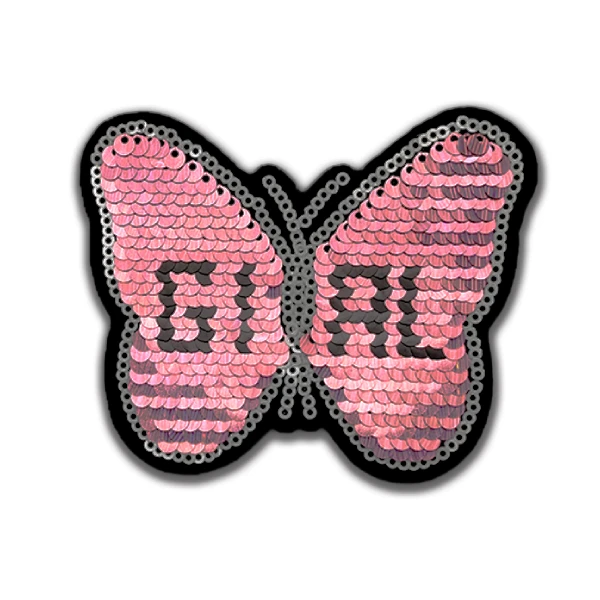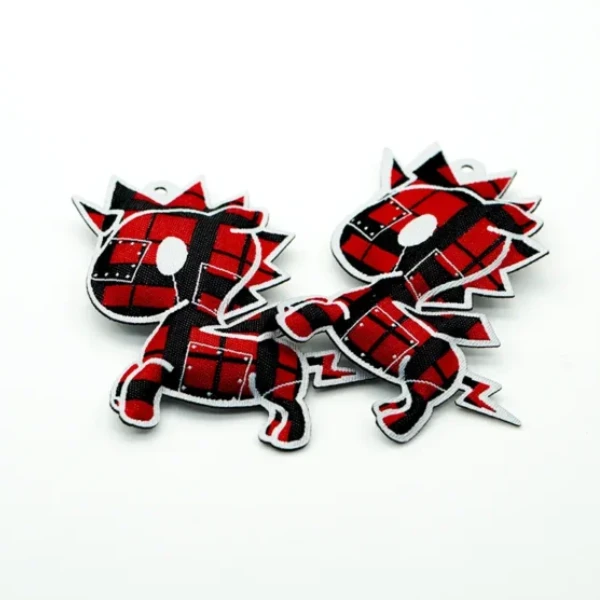
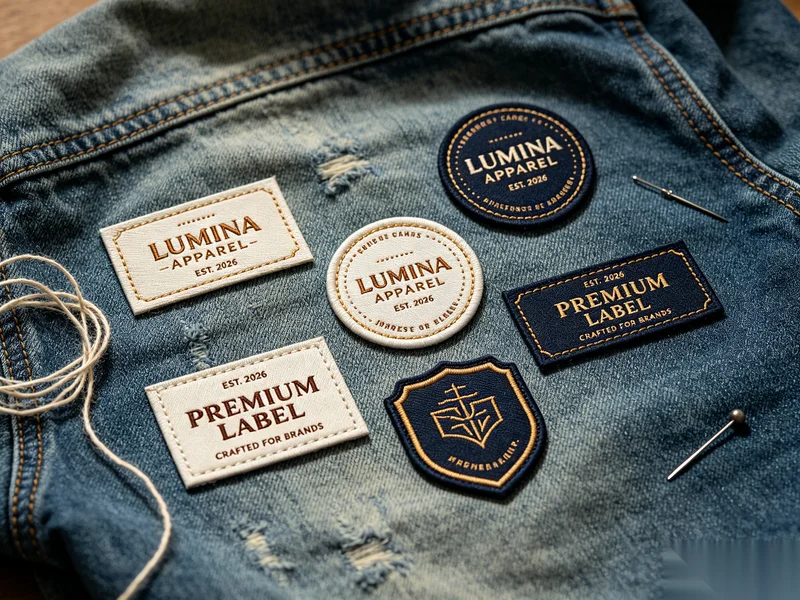
Custom embroidery labels are personalized textile branding elements created with stitched threads to display logos, designs, and product information. They provide apparel brands with durable, textured, and professional labeling solutions. Custom embroidery labels are widely used for clothing, bags, uniforms, and accessories to enhance brand recognition and product value.
What Are Custom Embroidery Labels?
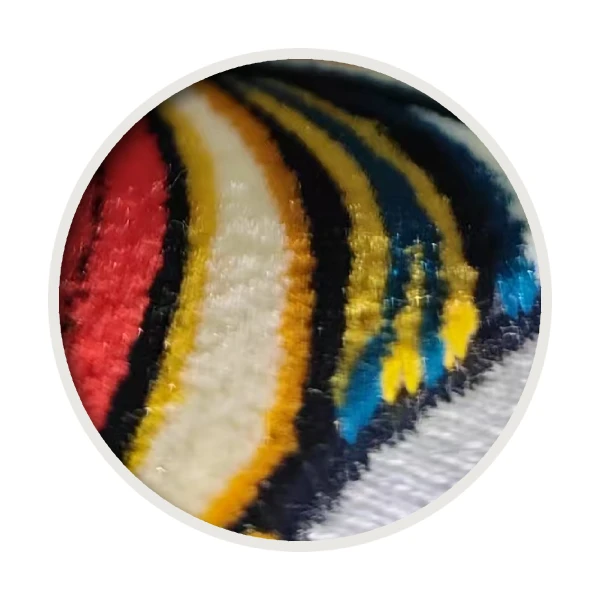
Custom embroidery labels are fabric labels that use embroidery techniques to create logos, patterns, text, and decorative elements through stitched threads. Unlike printed labels, which apply ink onto fabric surfaces, embroidery labels create a raised texture and three-dimensional appearance.
For fashion brands, clothing manufacturers, and textile businesses, custom embroidery labels serve as both functional identifiers and visual branding tools.
They can display:
- Brand logos
- Company names
- Product information
- Collection names
- Decorative graphics
- Special symbols
Because embroidery creates a textured and premium effect, these labels are often selected by brands that want their products to communicate quality and craftsmanship.
Quick overview: Benefits of custom embroidery labels
| Feature | Advantage for Brands |
|---|---|
| Raised embroidery texture | Creates a premium visual effect |
| Durable stitching | Suitable for long-term product use |
| Custom designs | Supports unique brand identity |
| Multiple attachment options | Fits different product applications |
| Strong visual impact | Improves product recognition |
For B2B apparel companies, choosing the right embroidery label manufacturer is essential for achieving consistent quality and reliable production.
Why Do Brands Choose Custom Embroidery Labels?
Can embroidery labels make products look more valuable?
Yes. In competitive markets, product details strongly influence customer perception. A well-designed embroidered label can make ordinary products appear more professional, unique, and premium.
Many fashion and textile companies use custom embroidery labels because they provide advantages beyond basic product identification.
1. Custom Embroidery Labels Create a Premium Brand Image
Embroidery has a long history in textile decoration because of its handcrafted appearance and detailed texture.
Compared with standard printed labels, embroidered clothing labels offer:
- A three-dimensional effect
- Strong visual appeal
- Better texture experience
- Professional finishing
This makes them especially popular among:
- Fashion brands
- Luxury clothing companies
- Streetwear labels
- Outdoor apparel brands
- Sportswear manufacturers
A carefully designed embroidery label can communicate brand personality before customers even wear the product.
2. They Improve Brand Recognition
A recognizable logo is one of the most valuable assets for a business.
Custom embroidery labels allow brands to place their identity directly onto products through:
- Unique logo designs
- Signature colors
- Special patterns
- Brand symbols
When customers repeatedly see the same embroidered branding across different products, it helps strengthen brand awareness.
3. They Offer Long-Lasting Durability
Durability is a major consideration for clothing manufacturers.
Products often go through:
- Washing
- Drying
- Daily friction
- Transportation
- Long-term storage
High-quality custom embroidery labels are designed to maintain:
- Clear stitching details
- Stable colors
- Strong structure
- Professional appearance
This makes them suitable for products that require long service life.
How Are Custom Embroidery Labels Manufactured?
Understanding the manufacturing process helps businesses choose suitable suppliers and achieve better results.
Professional production usually includes several key stages.
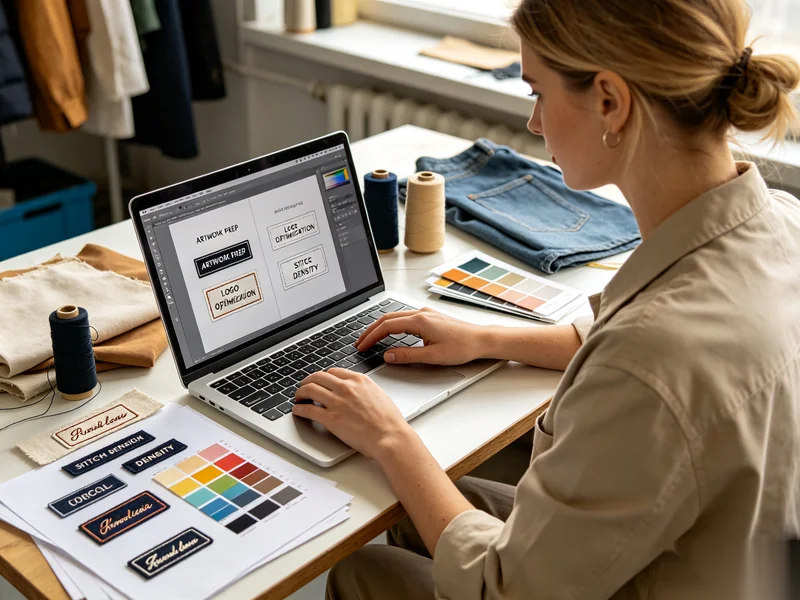
Step 1: Artwork Preparation and Design Conversion
The process begins with the brand’s artwork.
Customers typically provide:
- Logo files
- Design concepts
- Required colors
- Label size
- Product application details
Manufacturers convert the artwork into an embroidery production format.
Because embroidery uses thread instead of printing, some design adjustments may be needed.
For example:
- Small text may need to be enlarged
- Fine details may need simplification
- Colors may require thread matching
Professional suppliers help ensure the final embroidered result accurately represents the original design.
Step 2: Selecting Fabric and Thread Materials
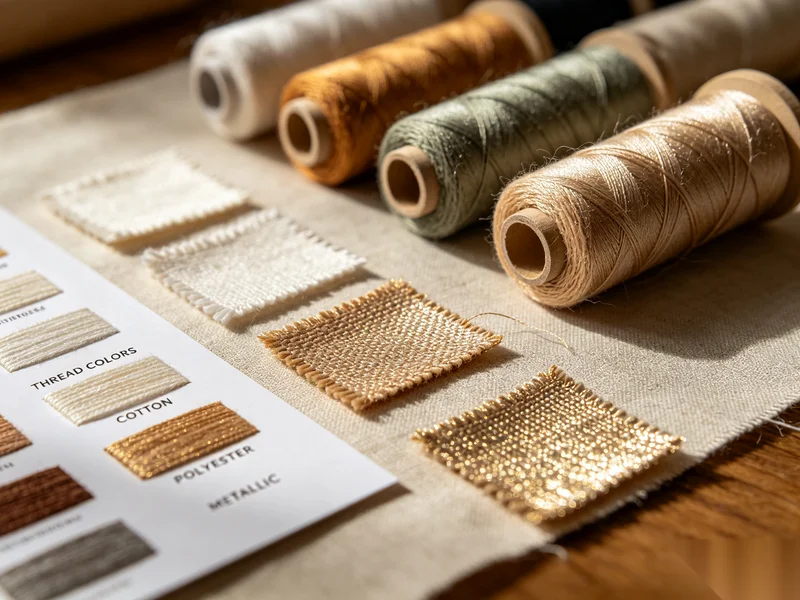
Material selection affects the appearance and performance of the final label.
Common fabric options include:
Twill fabric
Popular for:
- Embroidered patches
- Strong structure
- Outdoor applications
Cotton fabric
Suitable for brands seeking:
- Natural texture
- Soft touch
- Premium appearance
Polyester fabric
Commonly used because of:
- Durability
- Color stability
- Cost efficiency
Thread selection is equally important.
Brands can choose:
- Standard embroidery threads
- Metallic threads
- Special effect threads
- High-contrast colors
The right combination creates a more attractive custom embroidery label.
Step 3: Embroidery Production
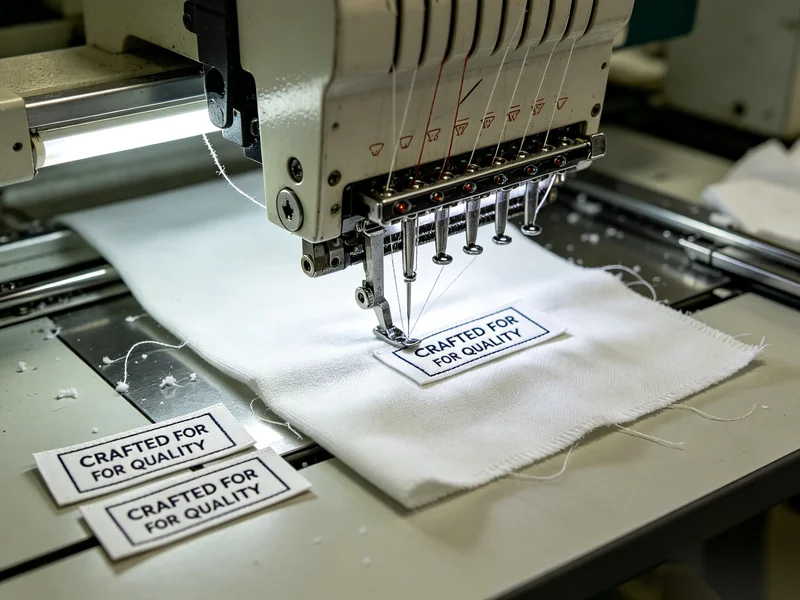
During production, embroidery machines stitch threads onto fabric according to the approved design.
Modern embroidery technology allows manufacturers to create:
- Detailed logos
- Multiple colors
- Complex patterns
- Text designs
- Custom shapes
The embroidery density and stitch direction determine the final appearance.
Professional manufacturers carefully control these factors to achieve consistent quality.
Step 4: Cutting and Finishing
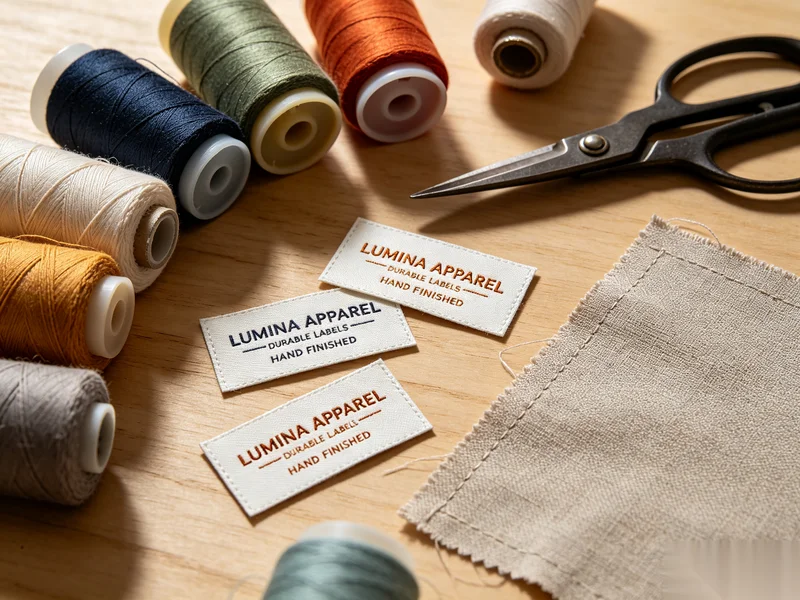
After embroidery is completed, labels are processed according to customer requirements.
Common finishing options include:
- Die-cut shapes
- Heat-cut edges
- Sew-on backing
- Iron-on backing
- Adhesive backing
- Velcro backing
Different attachment methods allow brands to use embroidery labels for various products.
Step 5: Quality Inspection
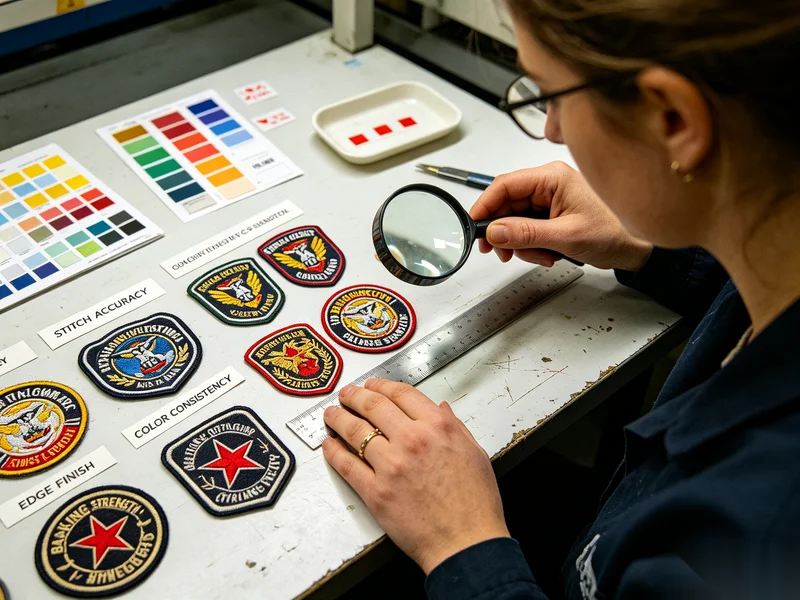
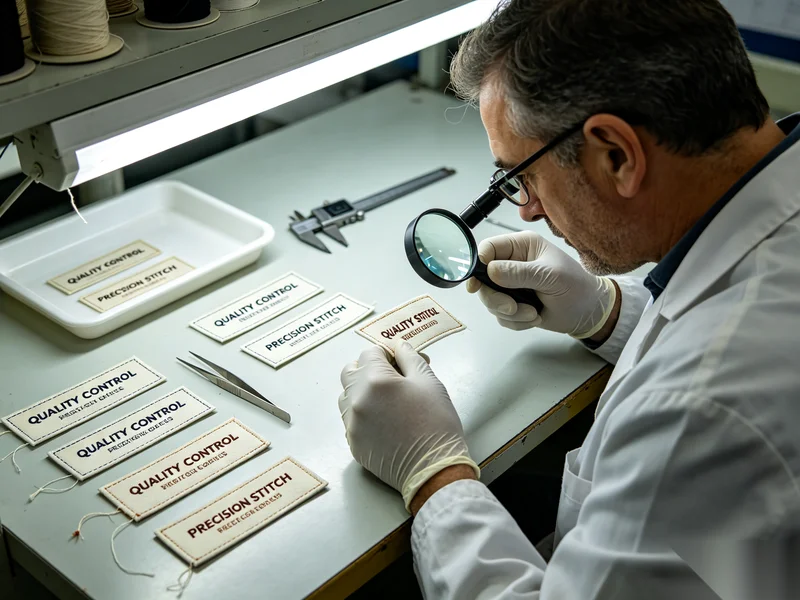
Before bulk delivery, professional suppliers inspect:
- Stitch accuracy
- Thread quality
- Color consistency
- Label dimensions
- Edge finishing
For international B2B orders, strict quality control helps maintain consistent branding across thousands of products.
What Products Use Custom Embroidery Labels?
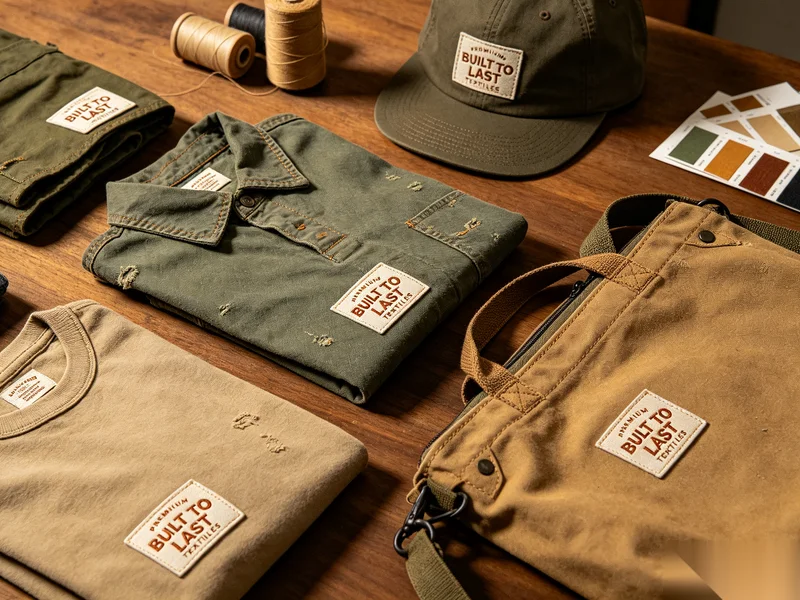
Custom embroidery labels are widely used across different industries because they combine decoration, identification, and durability.
Apparel products
Common applications include:
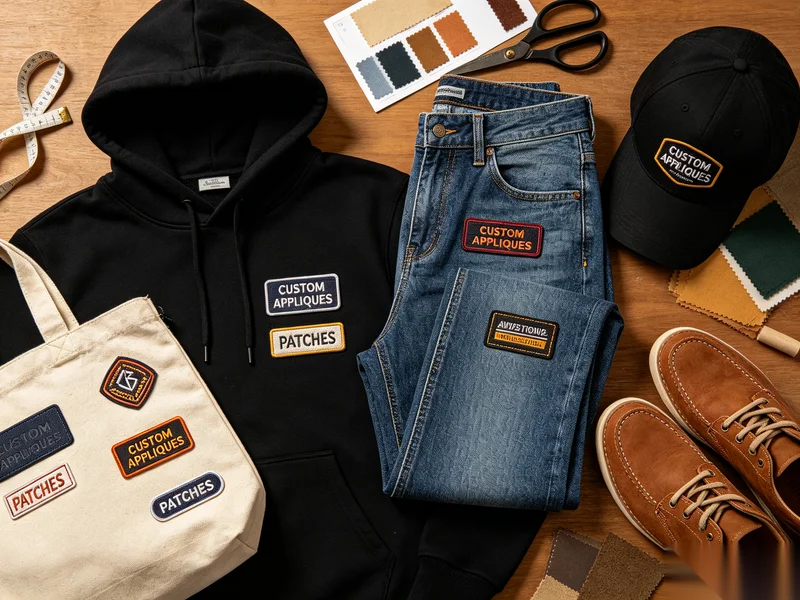
- T-shirts
- Jackets
- Hoodies
- Jeans
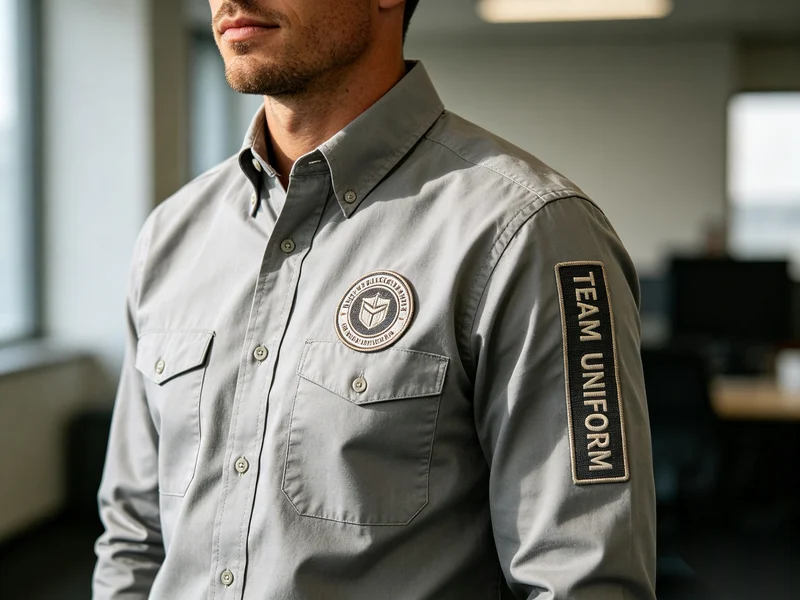
- Uniforms
- Workwear
Bags and accessories
Applications include:
- Backpacks
- Handbags
- Hats
- Wallets
Sports and outdoor products
Embroidered labels are often used for:
- Team apparel
- Outdoor clothing
- Performance equipment
Lifestyle and promotional products
Businesses also use embroidery labels for:
- Brand merchandise
- Event products
- Corporate items
How Should Businesses Choose an Embroidery Label Manufacturer?
Selecting the right supplier is critical for brands that require stable quality and professional production.
1. Evaluate customization ability
A reliable manufacturer should provide:
- Custom designs
- Different sizes
- Various materials
- Multiple backing options
- Flexible production solutions
Customization capability allows brands to create labels that match their products.
2. Check production experience
Experienced manufacturers understand:
- Embroidery limitations
- Textile requirements
- Different application methods
- Quality expectations
Their experience helps prevent design problems and production delays.
3. Review sample and quality processes
Before bulk production, businesses should request samples to confirm:
- Design accuracy
- Colors
- Texture
- Size
- Attachment method
A professional supplier should have clear quality control procedures.
4. Consider bulk production capability
For wholesale orders, production capacity is important.
Businesses should evaluate:
- Manufacturing ability
- Delivery timelines
- Repeat order support
- International shipping experience
A stable supplier relationship supports long-term business growth.
Can Custom Embroidery Labels Be Used as Embroidered Patches?
Yes. Many brands use embroidery techniques to create both labels and patches.
The main difference is the application purpose:
| Product Type | Main Purpose |
|---|---|
| Embroidery labels | Brand identification and product labeling |
| Embroidered patches | Decoration, badges, and removable branding |
Some businesses combine both solutions by creating embroidered patches with brand logos that can be attached to clothing, bags, and accessories.
This flexibility makes embroidery a valuable branding method for many industries.
How Can Brands Design Better Custom Embroidery Labels?
Creating effective embroidery labels requires balancing creative ideas with manufacturing practicality.
Use clear designs
Simple logos and clean graphics usually achieve better embroidery results.
Choose suitable sizes
The label size should provide enough space for details while fitting the product.
Select appropriate colors
Good contrast between thread and background improves visibility.
Consider product usage
Different products may require different materials and attachment methods.
Test samples before bulk production
Sample approval allows brands to confirm:
- Final appearance
- Stitch quality
- Color accuracy
- Product compatibility
Frequently Asked Questions About Custom Embroidery Labels
What is the difference between custom embroidery labels and printed labels?
Custom embroidery labels are created by stitching threads into fabric, producing a raised and durable texture. Printed labels use ink on fabric surfaces and are usually better for simpler designs.
Can custom embroidery labels include detailed logos?
Yes. Professional embroidery technology can create detailed logos and patterns, although complex designs may need optimization for the best result.
Are embroidered clothing labels washable?
Yes. High-quality embroidered clothing labels are designed to withstand repeated washing and daily use.
What products can use custom embroidery labels?
They are widely used for clothing, jackets, hats, bags, uniforms, footwear, and textile accessories.
Can businesses order wholesale custom embroidery labels?
Yes. Professional manufacturers provide bulk production services for fashion brands, garment factories, and textile companies.
How long does it take to produce custom embroidery labels?
Production time depends on design complexity, order quantity, sampling approval, and manufacturing schedule.
Conclusion: Why Are Custom Embroidery Labels Valuable for Modern Brands?
Custom embroidery labels provide businesses with a powerful combination of durability, creativity, and premium branding. They help apparel companies communicate their identity while improving product appearance and customer recognition.
For brands searching for embroidered clothing labels or reliable embroidery label manufacturing solutions, working with an experienced supplier ensures better customization, consistent quality, and efficient production. A professionally designed embroidery label is more than a decoration—it is a lasting symbol of brand identity and product value.
About Author
——————————————————————————————————————————————

Alexander
Online Sales Manager
Alexander specialize in digital marketing and understanding customer psychology, providing clients with the right solutions through data insights and creative strategies.
——————————————————————————————————————————————