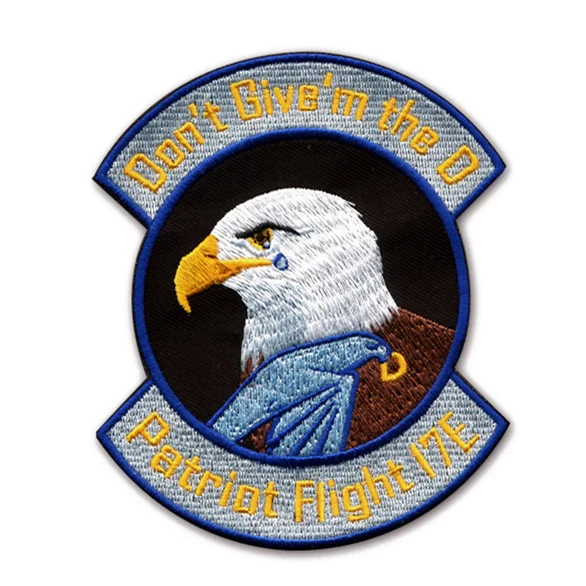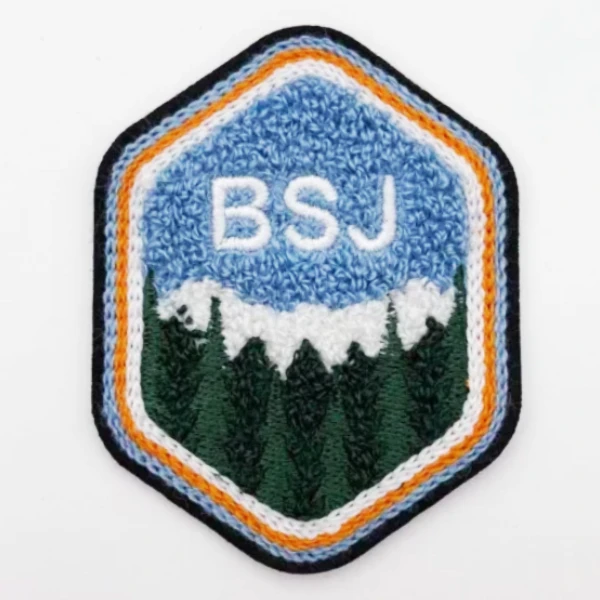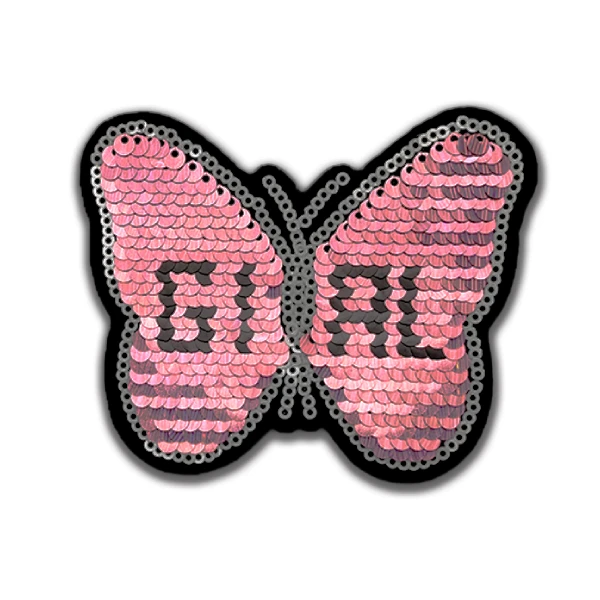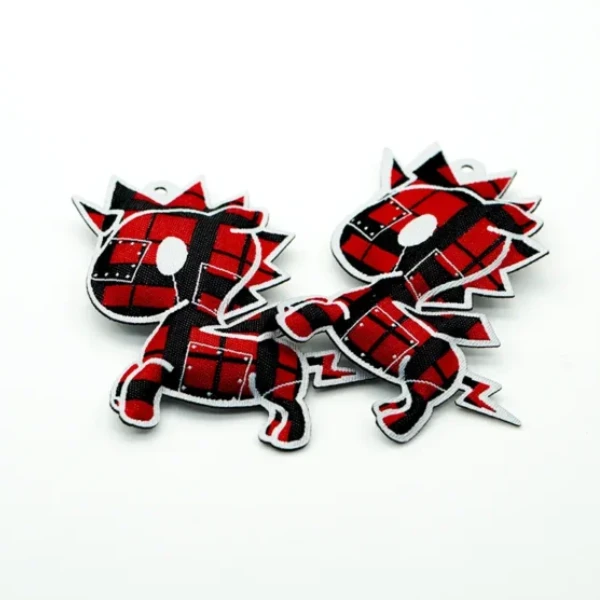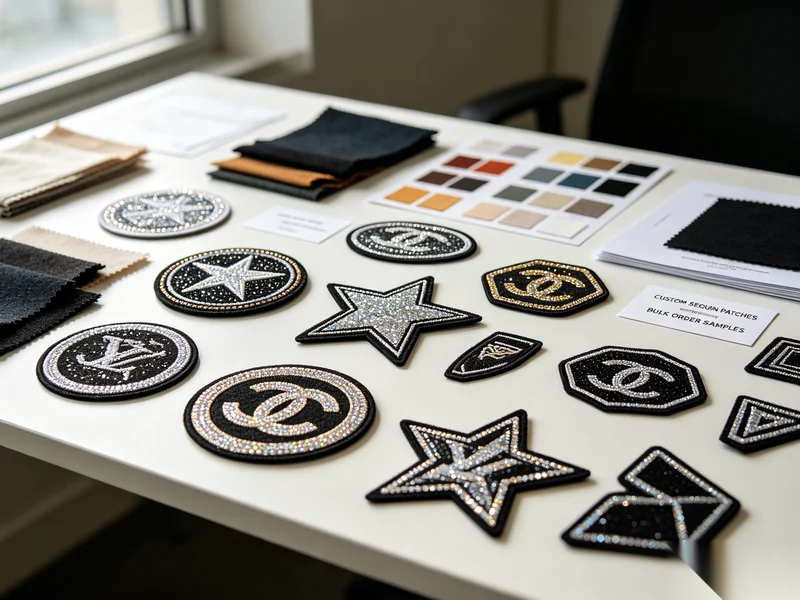
Machine embroidery label designs are digitally created patterns used to produce embroidered fabric labels with precise logos, text, and decorative elements. They help clothing brands, textile manufacturers, and businesses create durable, professional custom embroidery labels that improve product identity, brand recognition, and overall appearance.
What Are Machine Embroidery Label Designs?
Answer:
Machine embroidery label designs are specialized digital designs created for embroidery machines to stitch logos, symbols, names, and patterns onto fabric labels. These designs control stitch direction, thread density, colors, and production details to ensure accurate and consistent embroidered labels.
For B2B buyers such as clothing brands, garment manufacturers, and textile suppliers, the quality of a machine embroidery label design directly affects the final appearance of the product. A well-prepared embroidery file can transform a simple logo into a premium-looking label that represents brand value.
Unlike traditional graphic designs used for printing, embroidery designs must consider physical stitching limitations. Threads have thickness, fabrics have different structures, and embroidery machines require specific instructions to produce high-quality results.
Common applications of machine embroidery label designs include:
- Clothing brand labels
- Fashion accessories
- Sportswear logos
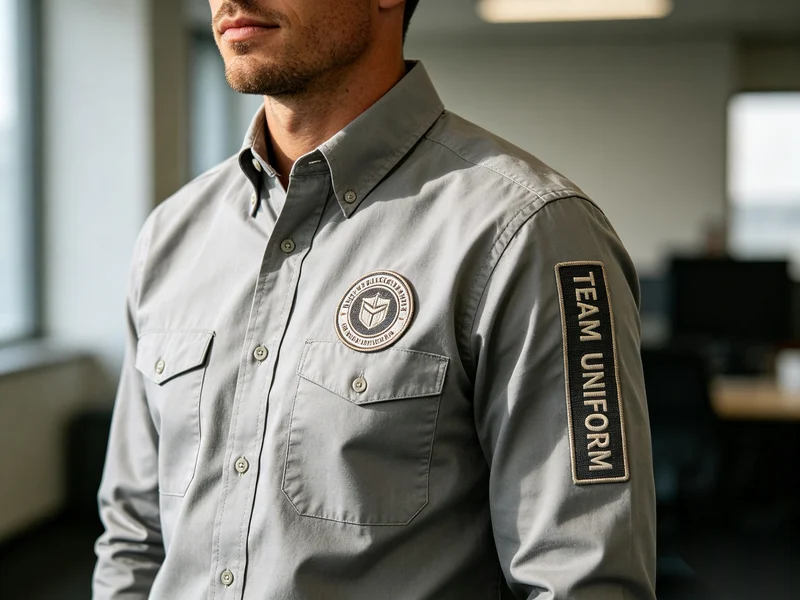
- Uniform identification
- Outdoor product branding
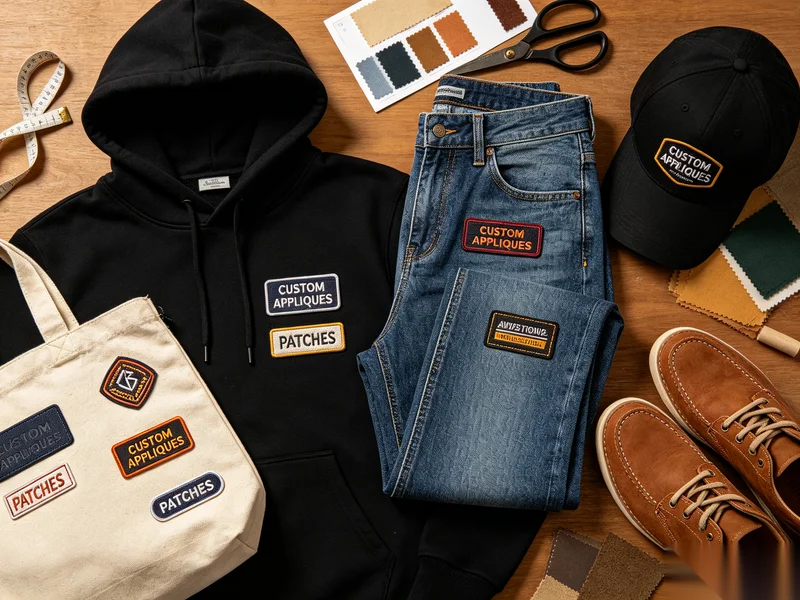
- Custom textile decorations
Why Are Machine Embroidery Label Designs Important for Brands?
Answer:
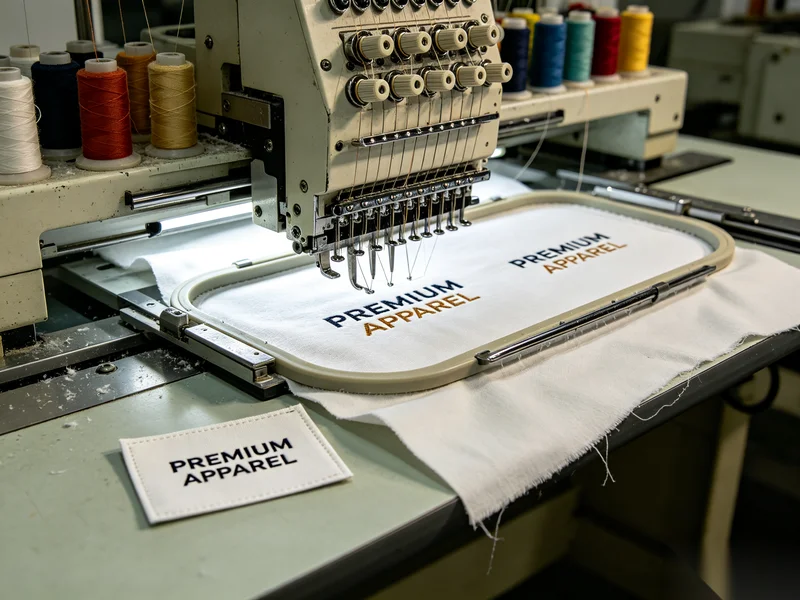
Machine embroidery label designs are important because they ensure logos and brand elements can be accurately reproduced through embroidery production. They improve consistency, durability, and visual quality for professional textile products.
A logo that looks perfect on a computer screen may not always work well as an embroidered label. Professional embroidery preparation adjusts the design so it can be successfully converted into stitched artwork.
The key benefits include:
1. Better Design Accuracy
A professional embroidery design considers every production detail, including:
- Stitch direction
- Thread layers
- Color transitions
- Small text readability
- Border structures
This ensures the final embroidered label matches the original brand concept.
2. Improved Product Quality
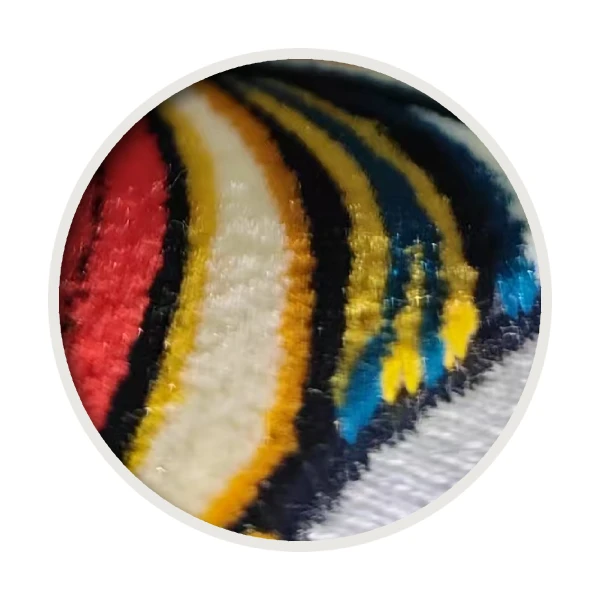
High-quality machine embroidery label designs create cleaner edges, smoother patterns, and stronger stitching. This is especially important for brands that require premium product presentation.
3. Consistent Bulk Production
For businesses ordering thousands of labels, consistency is essential. A properly digitized embroidery design allows manufacturers to reproduce the same logo repeatedly across different production batches.
How Are Machine Embroidery Label Designs Created?
Answer:
Machine embroidery label designs are created through a digitizing process where artwork is converted into embroidery machine instructions. Designers analyze the logo, select suitable stitches, and optimize the file for production.
The typical design process includes:
Step 1: Analyze the Original Artwork
The first step is reviewing the brand logo or design. Designers evaluate:
- Logo complexity
- Text size
- Number of colors
- Shape details
- Fabric application
Simple logos are usually easier to embroider, while complex designs require professional adjustments.
Step 2: Convert Artwork into an Embroidery File
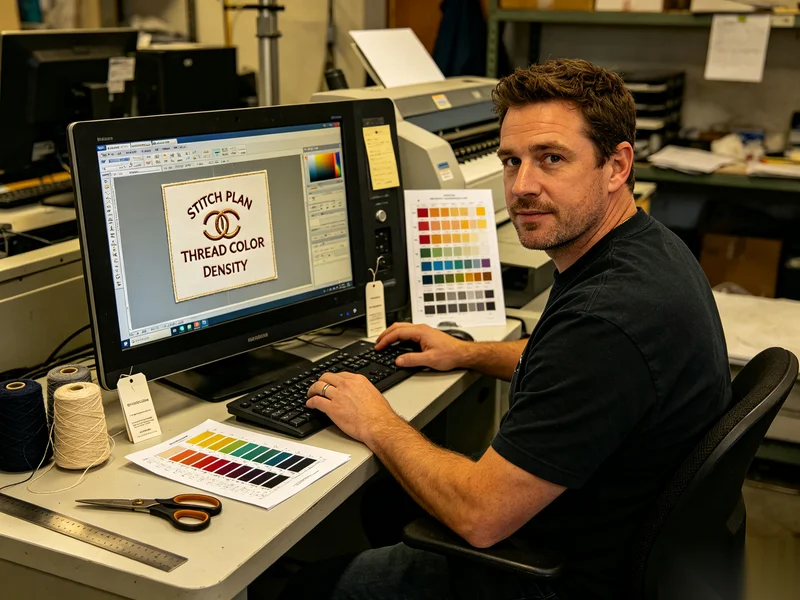
Unlike standard image formats, embroidery machines need specific file formats containing stitching instructions.
The digitized file controls:
- Stitch placement
- Stitch sequence
- Thread changes
- Embroidery density
- Machine movement
Professional embroidery designers use specialized software to create production-ready files.
Step 3: Select Suitable Stitch Types
Different stitch methods create different visual effects.
Common embroidery stitches include:
Satin Stitch
Used for borders, letters, and smooth areas. It creates a clean and shiny appearance.
Fill Stitch
Used for larger design areas. It provides coverage and texture.
Running Stitch
Suitable for fine details and outlines.
Choosing the correct stitch type helps improve both appearance and durability.
Step 4: Test and Adjust the Design
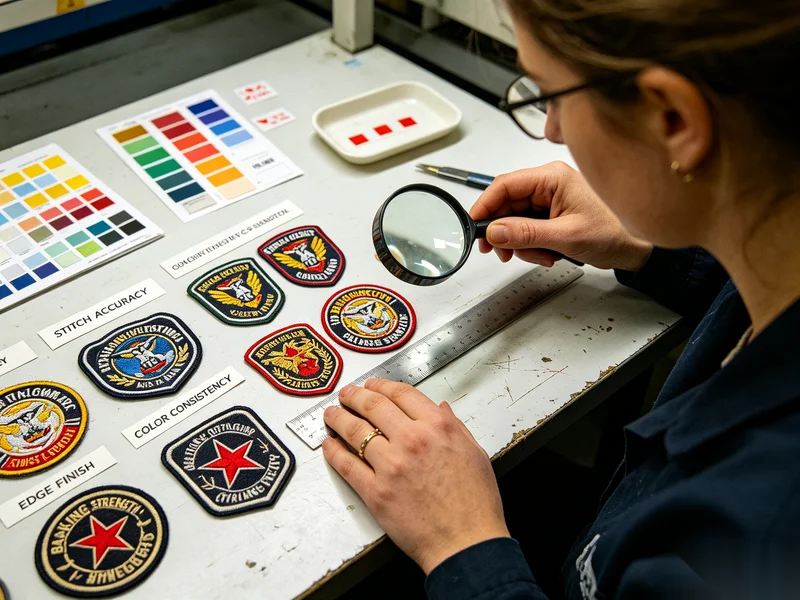
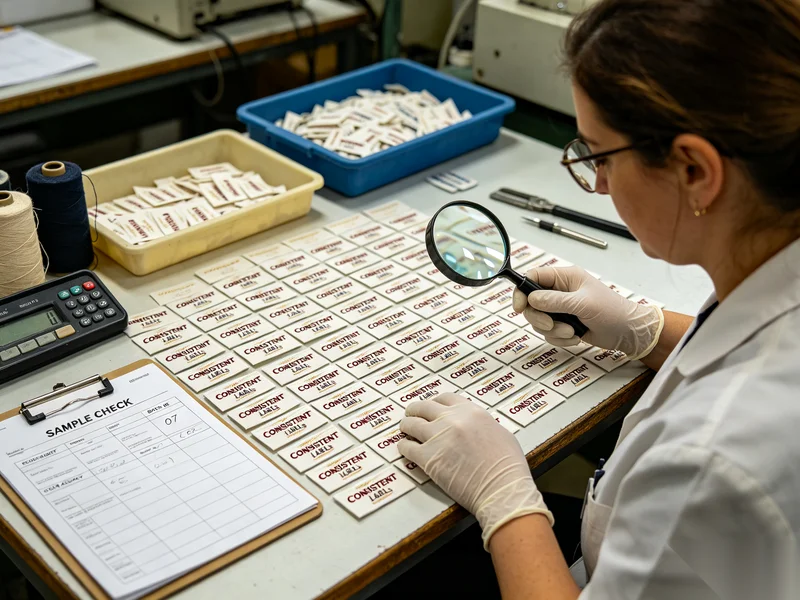
Before mass production, manufacturers usually create samples to check:
- Stitch quality
- Color accuracy
- Design clarity
- Fabric compatibility
Adjustments may be required before final production.
What Makes a Good Machine Embroidery Label Design?
Answer:
A good machine embroidery label design combines clear visual details, suitable stitch structure, balanced colors, and production-friendly artwork. It should look attractive while remaining practical for embroidery manufacturing.
Important factors include:
Simple and Clear Artwork
Embroidery works best with clean designs. Extremely small details may become unclear after stitching.
For example:
- Thick lines are easier to reproduce
- Simple fonts improve readability
- Balanced shapes create better results
Proper Color Selection
Embroidery labels use thread colors rather than digital colors. Designers need to select thread shades that closely match brand requirements.
Professional suppliers often provide thread color charts to help businesses choose accurate colors.
Correct Size Planning
The label size affects design performance. Small labels require simplified details, while larger labels allow more complex patterns.
Businesses should consider where the label will be attached before finalizing dimensions.
Suitable Stitch Density
Too many stitches can make the label heavy and stiff, while too few stitches may reduce clarity. Experienced designers balance density based on the fabric and design requirements.
How Can Brands Customize Machine Embroidery Label Designs?
Answer:
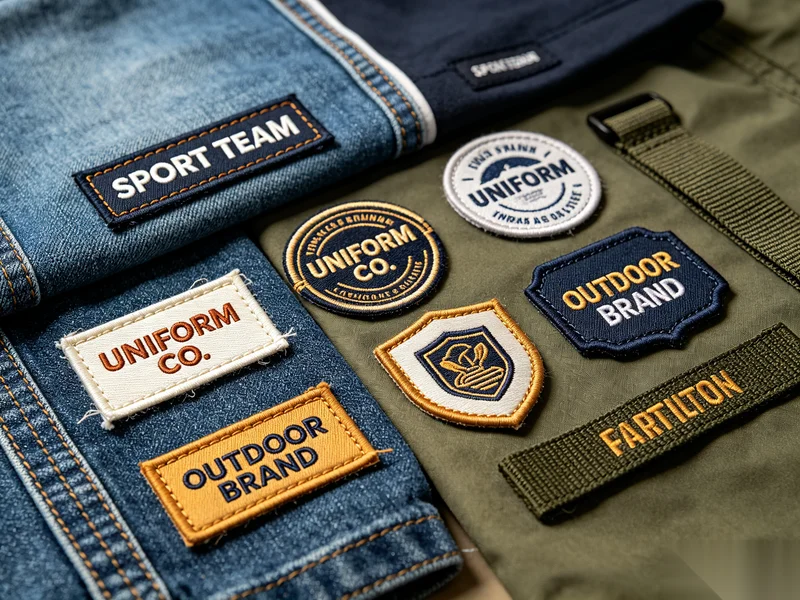
Brands can customize machine embroidery label designs by adjusting artwork, size, shape, thread colors, backing options, and finishing methods. This allows businesses to create unique labels that match their product style.
Customization options include:
Custom Shapes
Brands are not limited to standard rectangular labels. They can create:
- Logo-shaped labels
- Circular designs
- Shield shapes
- Decorative outlines
- Special character shapes
Custom Materials
Different base materials create different effects, including:
- Polyester fabric
- Cotton fabric
- Twill fabric
- Felt backing
The material choice depends on product application and desired appearance.
Custom Backing Options
Different products require different attachment methods:
- Sew-on backing
- Iron-on backing
- Adhesive backing
- Hook and loop backing
For long-term apparel use, sew-on labels are often preferred because of their durability.
What Is the Difference Between Machine Embroidery Label Designs and Printed Label Designs?
Answer:
Machine embroidery label designs create labels using stitched threads, while printed labels use ink applied to fabric surfaces. Embroidery provides texture and durability, while printing offers more detailed color reproduction.
| Feature | Machine Embroidery Label Designs | Printed Labels |
|---|---|---|
| Production Method | Thread stitching | Ink printing |
| Appearance | Raised and textured | Flat surface |
| Durability | Very high | Depends on material |
| Premium Feeling | Strong | Moderate |
| Best For | Fashion branding, patches, uniforms | Care labels, detailed graphics |
Many brands combine both solutions depending on product requirements. For example, a fashion company may use embroidered labels for exterior branding and printed labels for care instructions.
How Do Embroidered Label Manufacturers Support Machine Embroidery Label Designs?
Answer:
Embroidered label manufacturers help businesses transform brand ideas into production-ready labels by providing design support, embroidery expertise, and manufacturing solutions.
A reliable manufacturer typically provides:
Professional Design Assistance
Experienced designers can improve artwork for embroidery production while maintaining the original brand identity.
Material Recommendations
Manufacturers understand how different fabrics, threads, and backing methods affect final quality.
Sample Development
Before bulk production, suppliers can create samples to confirm design accuracy and customer expectations.
Bulk Production Management
For B2B customers, manufacturers ensure consistent quality across large quantities and repeat orders.
Choosing an experienced supplier reduces production problems and helps brands achieve better results.
Can Small Businesses Use Machine Embroidery Label Designs?
Answer:
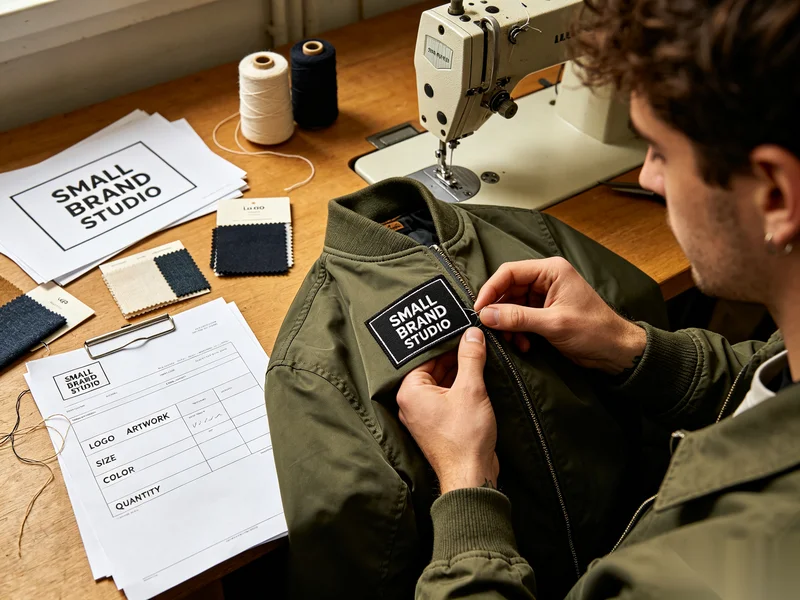
Yes, small businesses can use machine embroidery label designs to create professional branding solutions. Custom embroidered labels help startups and independent brands build recognition without requiring large-scale production.
Small fashion companies often use personalized clothing labels to create a unique identity and improve product value.
Before ordering, businesses should prepare:
- Logo artwork
- Label size requirements
- Preferred colors
- Product application
- Quantity estimate
Clear information helps manufacturers provide suitable recommendations and accurate quotations.
Why Are Machine Embroidery Label Designs Becoming Popular in Fashion Branding?
Answer:
Machine embroidery label designs are becoming popular because modern brands need unique, durable, and visually attractive branding solutions. Embroidered labels provide a premium touch that helps products stand out in competitive markets.
For fashion businesses, branding is not only about the product itself but also about every detail customers see and touch. A carefully designed embroidered label can communicate craftsmanship, authenticity, and brand personality.
As more companies focus on product differentiation, custom embroidery labels continue to play an important role in apparel and textile manufacturing.
Frequently Asked Questions About Machine Embroidery Label Designs
1. What file format is needed for machine embroidery label designs?
Most embroidery manufacturers accept professional artwork formats and convert them into embroidery machine files suitable for production.
2. Can any logo be converted into an embroidery label design?
Most logos can be converted, but complex designs may require adjustments to improve embroidery clarity.
3. How many colors can be used in machine embroidery labels?
The number of colors depends on design complexity, production requirements, and cost considerations.
4. Are machine embroidery labels durable for clothing products?
Yes. High-quality embroidered labels can withstand washing, friction, and regular product use.
5. Can businesses create custom-shaped embroidered labels?
Yes. Manufacturers can produce custom shapes based on brand logos or specific product requirements.
6. How long does it take to develop a machine embroidery label design?
The timeline depends on design complexity, revisions, sampling requirements, and production quantity.
Conclusion
Machine embroidery label designs are the foundation of high-quality embroidered branding solutions. They allow businesses to transform logos and creative ideas into durable, professional labels that enhance product value.
For clothing brands, manufacturers, and textile companies, investing in well-designed embroidery labels helps improve brand recognition and create a stronger market presence. By working with experienced embroidered label manufacturers, businesses can achieve consistent quality, customized designs, and reliable production results.
About Author
——————————————————————————————————————————————

Alexander
Online Sales Manager
Alexander specialize in digital marketing and understanding customer psychology, providing clients with the right solutions through data insights and creative strategies.
——————————————————————————————————————————————