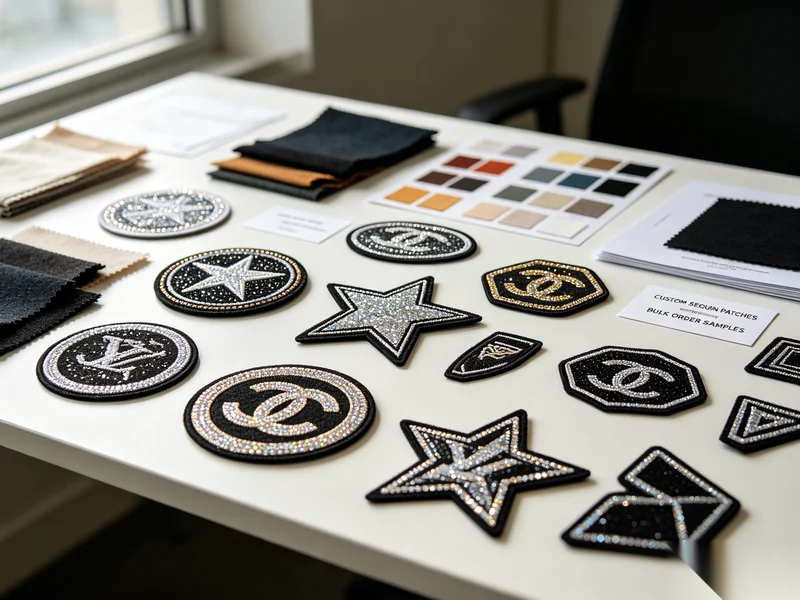
Machine embroidery has transformed the custom patch industry by making it possible to produce high-quality patches with exceptional consistency, faster lead times, and competitive costs. Whether you’re creating patches for clothing brands, military uniforms, sports teams, motorcycle clubs, corporate apparel, or promotional merchandise, machine embroidery patches deliver professional results that hand embroidery simply cannot match in commercial production.
For businesses sourcing custom patches, understanding how machine embroidery works—and choosing a manufacturer with advanced equipment and in-house production—can make a significant difference in quality, pricing, and delivery.
In this guide, we’ll explain how machine embroidery patches are made, compare them with other patch types, and share key factors to consider before placing a bulk order.
What Are Machine Embroidery Patches?
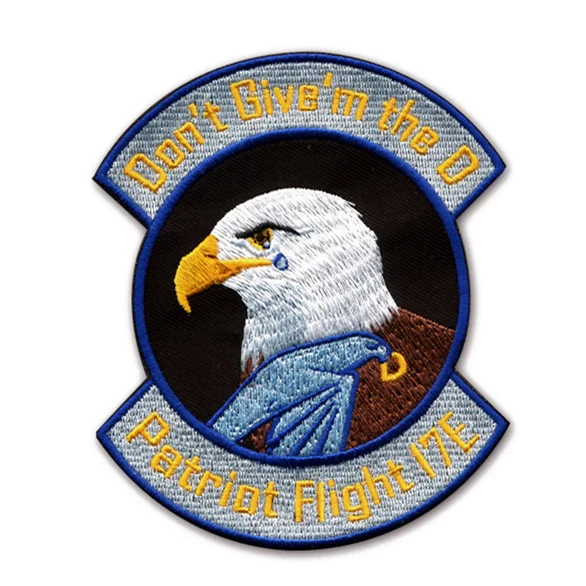
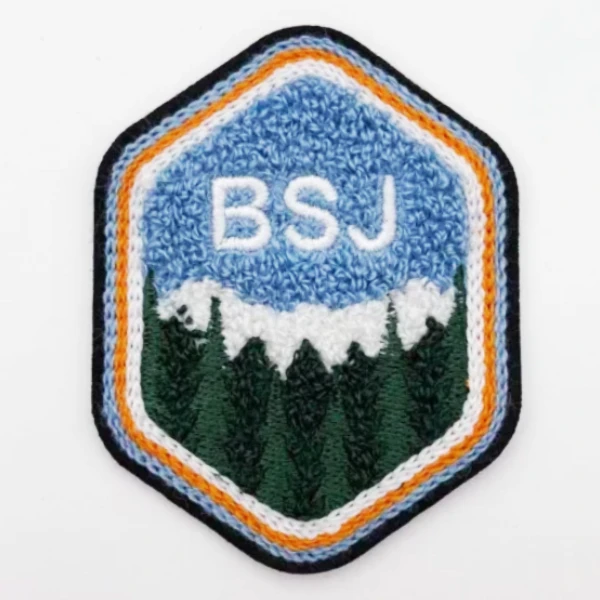
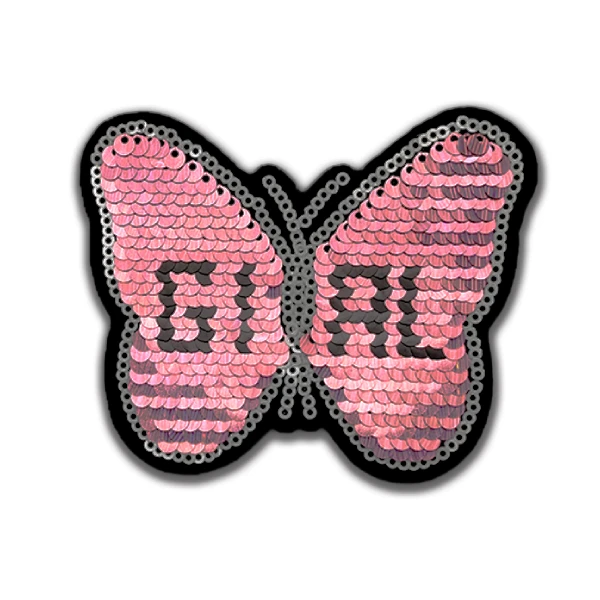
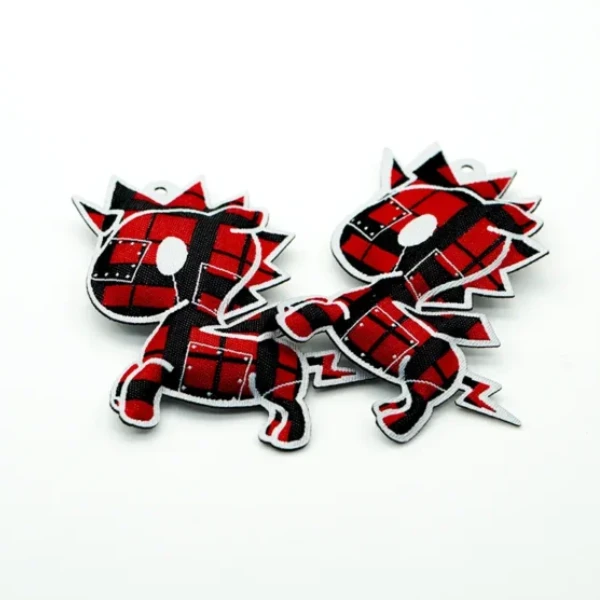
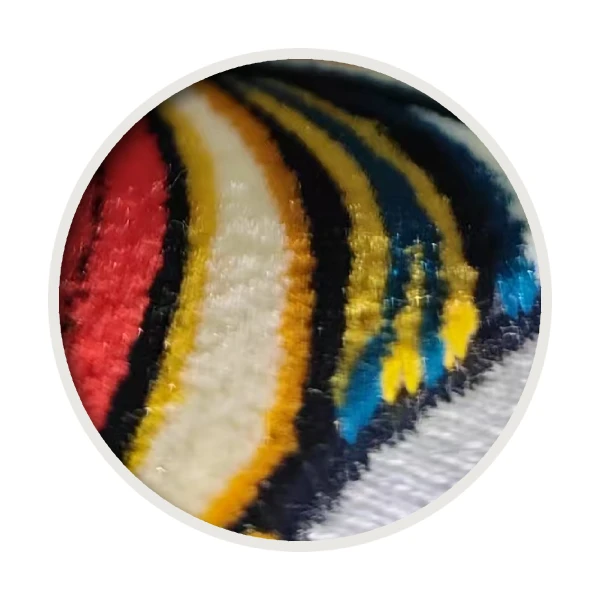
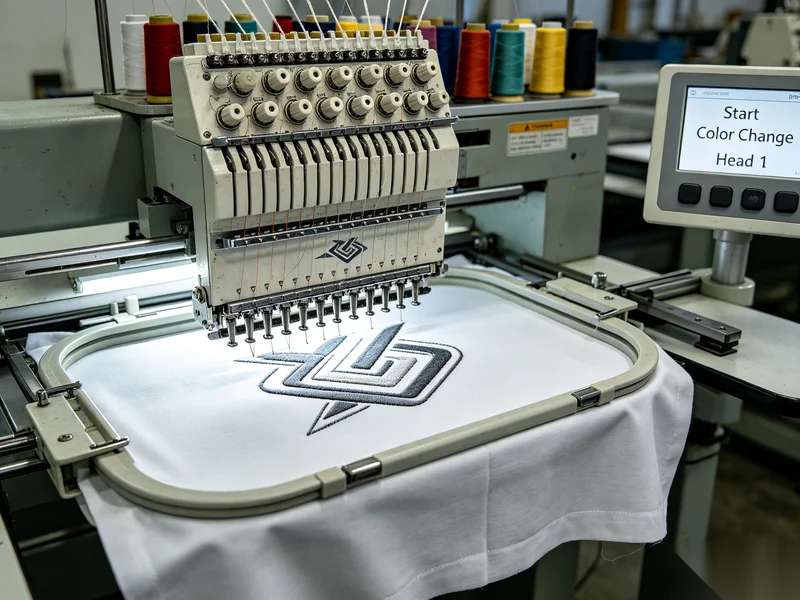
Machine embroidery patches are custom embroidered emblems produced using computerized embroidery machines. Digital embroidery files guide the machines to stitch logos, text, and graphics onto twill or felt fabric before the patches are cut, finished, and backed with the desired attachment option.
Compared with manual embroidery, machine embroidery offers:
- Higher production efficiency
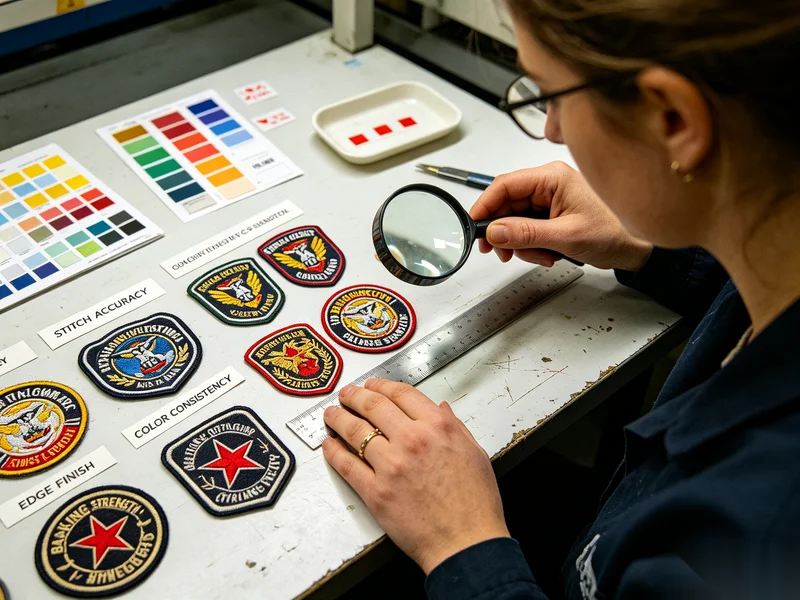
- Consistent stitch quality
- Accurate color matching
- Better repeatability
- Lower production costs for bulk orders
Today, nearly all commercial embroidered patches are produced using industrial embroidery machines.
How Machine Embroidery Patches Are Manufactured
Understanding the production process helps buyers evaluate a supplier’s capabilities and identify where quality differences can occur.
Step 1: Convert Artwork into an Embroidery File
Every embroidered patch begins with digital artwork.
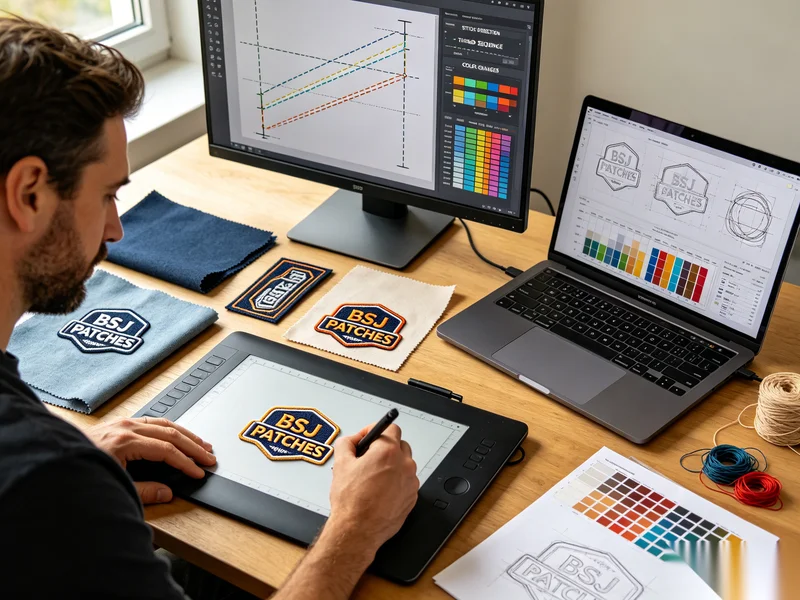
Professional digitizers convert your logo into an embroidery file that defines:
- Stitch direction
- Stitch density
- Thread sequence
- Underlay stitches
- Border type
- Color changes
High-quality digitizing is essential because even advanced embroidery machines can only produce results as good as the embroidery file they receive.
Tip: If your logo contains very small text or intricate details, ask your supplier to optimize the artwork for embroidery rather than simply shrinking the original design.
Step 2: Select the Base Fabric
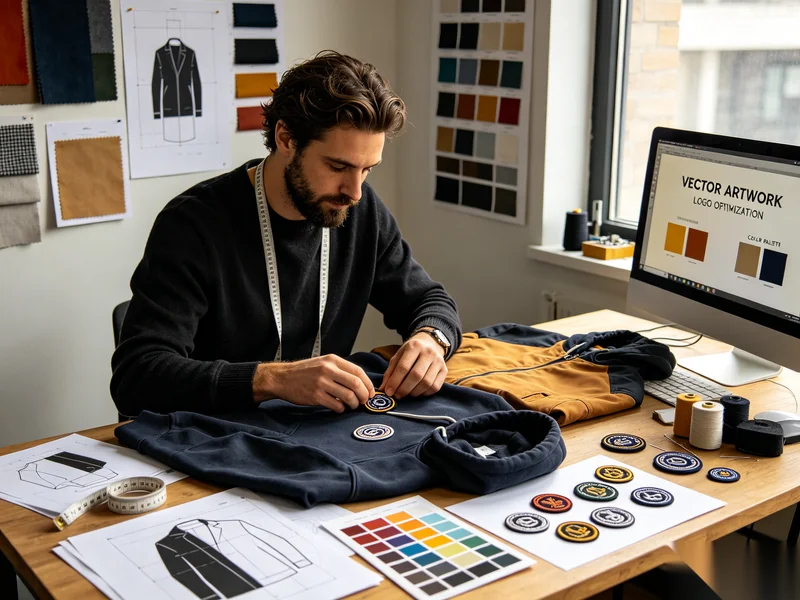
The foundation fabric affects both appearance and durability.
Common choices include:
Twill Fabric
Best for:
- Club patches
- Uniform badges
- Corporate logos
Advantages:
- Durable
- Cost-effective
- Excellent stitch support
Felt Fabric
Often used for:
- Vintage patches
- Letterman jackets
- Decorative badges
Advantages:
- Soft texture
- Retro appearance
Specialty Fabrics
Premium brands may choose:
- Reflective fabric
- Camouflage fabric
- Denim
- Cordura®-style materials
- Recycled fabrics
These options help differentiate products and support unique branding.
Step 3: Industrial Machine Embroidery
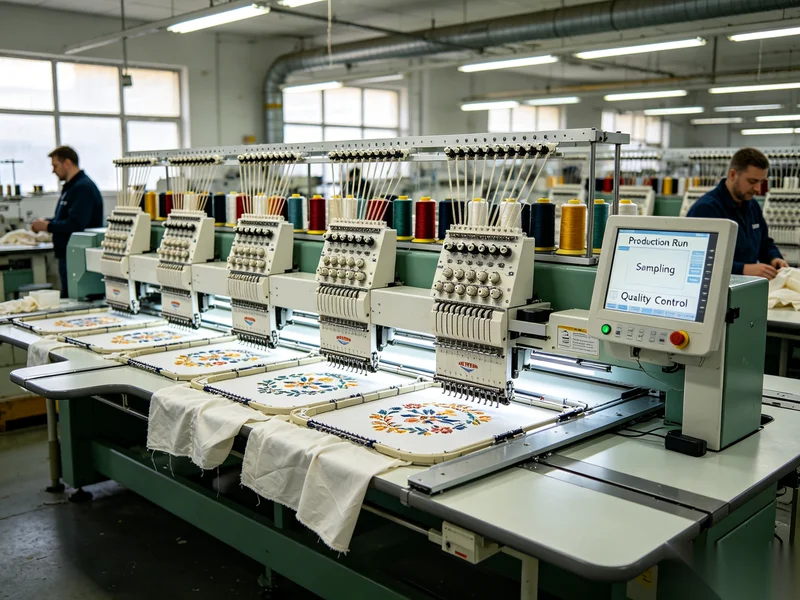
Modern factories use multi-head computerized embroidery machines capable of producing hundreds or even thousands of patches per day.
Machine embroidery provides:
- Consistent stitch density
- Precise thread placement
- Uniform logo size
- Stable color matching
Compared with manual production, industrial embroidery dramatically improves production efficiency and quality consistency.
Step 4: Border Finishing
The border protects the patch from fraying and enhances its appearance.
Popular options include:
Merrowed Border
A thick overlocked edge that creates a classic embroidered look.
Best for:
- Circular patches
- Shield patches
- Traditional badges
Laser-Cut Border
Provides precise cutting for complex shapes.
Ideal for:
- Custom logos
- Modern designs
- Fine contours
Heat-Cut Border
Suitable for simple custom shapes with clean edges.
Step 5: Add the Backing
The backing determines how the patch is attached to the garment.
Available options include:
- Sew-on
- Iron-on (heat seal)
- Velcro hook & loop
- Adhesive backing
- Peel-and-stick (temporary)
- Plastic backing for added stability
For uniforms and premium apparel, sew-on backing remains the most durable choice.
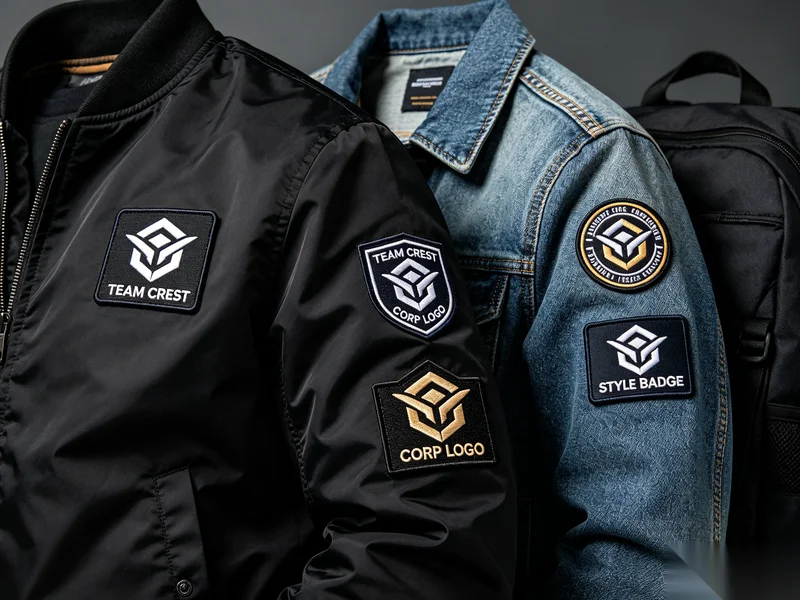
Advantages of Machine Embroidery Patches
Consistent Quality
One of the biggest advantages of machine embroidery is repeatability.
Every patch in the production run is manufactured to the same specifications, ensuring:
- Uniform logo size
- Consistent thread colors
- Stable stitch density
- Professional appearance
This is especially important for brands requiring thousands of identical patches.
Faster Production
Industrial embroidery machines can operate continuously with multiple heads running simultaneously.
Benefits include:
- Faster sampling
- Shorter lead times
- Efficient bulk production
For businesses working with seasonal collections or promotional campaigns, production speed can be a major advantage.
Cost Efficiency for Bulk Orders
Although digitizing requires an initial setup, machine embroidery becomes highly economical as order quantities increase.
Bulk production benefits include:
- Lower labor costs
- Reduced unit pricing
- Better production efficiency
This makes machine embroidery ideal for apparel brands, distributors, and promotional companies.
Excellent Durability
High-quality embroidered patches withstand:
- Frequent washing
- Daily wear
- Outdoor use
- Repeated handling
With proper materials and construction, embroidered patches can maintain their appearance for years.
Machine Embroidery vs Other Patch Types
Different patch technologies serve different purposes. Choosing the right option depends on your logo complexity, garment type, and budget.
| Patch Type | Best For | Advantages | Considerations |
|---|---|---|---|
| Machine Embroidered | Bold logos, uniforms, fashion | Classic texture, durable, cost-effective | Fine details may be limited |
| Woven Patches | Small text, intricate artwork | High-definition detail, thin profile | Less raised texture |
| Chenille Patches | Varsity jackets, retro fashion | Soft, textured appearance | Not suitable for intricate logos |
| PVC Patches | Outdoor gear, backpacks | Waterproof, highly durable | Heavier than fabric patches |
| Silicone Patches | Sportswear, activewear | Flexible, modern look | Higher tooling cost for some designs |
| Heat Transfer Logos | Performance jerseys | Lightweight and smooth | Less dimensional than embroidered patches |
If your logo relies on bold shapes and classic branding, machine embroidery remains one of the most versatile and trusted options.
Design Tips for Better Machine Embroidery Patches
Many embroidery issues begin with artwork rather than manufacturing.
Use Vector Artwork
AI, EPS, or PDF vector files provide the cleanest foundation for digitizing.
Avoid Extremely Small Text
Letters under approximately 4–5 mm in height may lose clarity when embroidered.
If your design includes very fine typography, consider a woven patch instead.
Limit Excessive Color Changes
Every thread change increases production time.
Simplified color palettes often improve both efficiency and visual consistency.
Choose the Right Border
- Merrowed borders suit classic shapes.
- Laser-cut borders work better for complex logos.
Selecting the appropriate edge finish enhances both durability and appearance.
Common Applications of Machine Embroidery Patches
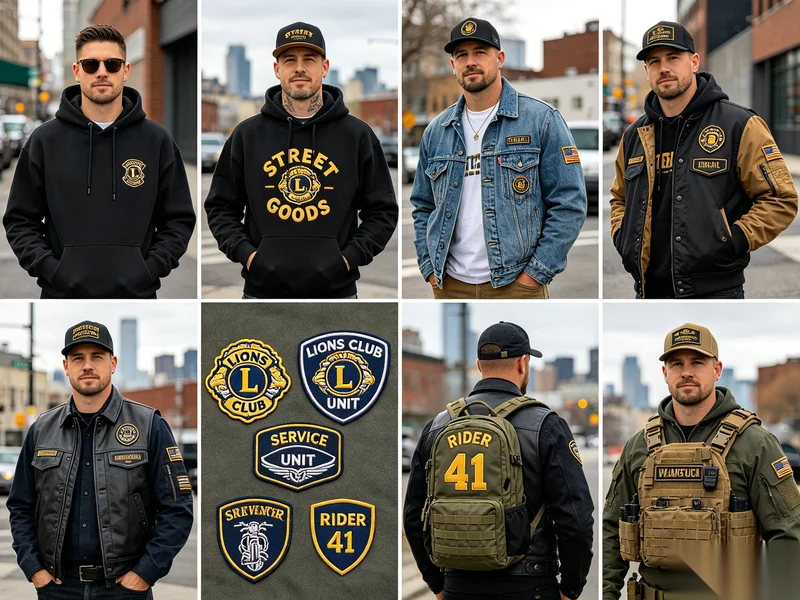
Machine embroidered patches are widely used across multiple industries.
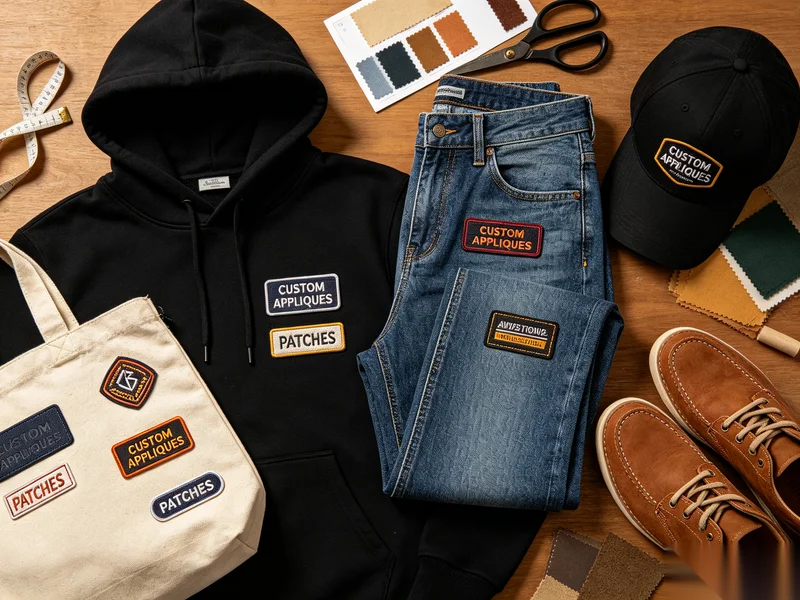
Fashion Brands
- Hoodies
- Jackets
- Denim
- Streetwear
Sports Teams
- Club crests
- Academy badges
- Tournament patches
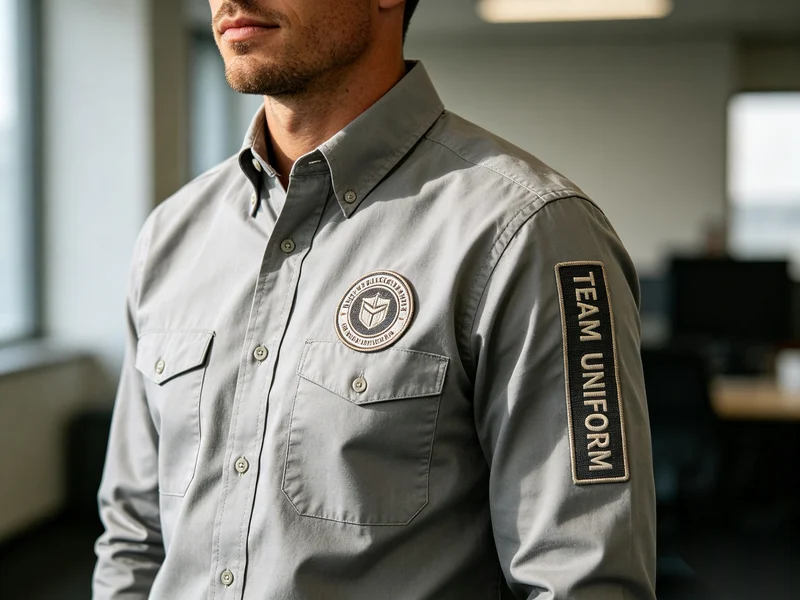
Corporate Uniforms
- Employee uniforms
- Hospitality
- Aviation
- Security
- Logistics
Motorcycle Clubs
- Back patches
- Name patches
- Event patches
Military & Tactical
- Unit insignia
- Morale patches
- Velcro identification patches
Promotional Merchandise
- Giveaways
- Brand campaigns
- Event souvenirs
- Retail accessories
Why Choose a Factory with In-House Embroidery Machines?
Many trading companies outsource embroidery to third-party factories, making quality control and delivery more difficult.
An in-house manufacturer offers clear advantages:
Better Quality Control
Every production stage—from digitizing to embroidery, cutting, inspection, and packaging—is managed under one roof.
Faster Sampling
Artwork revisions and sample adjustments can be completed without waiting for subcontractors.
Stable Production Capacity
Factories equipped with modern multi-head embroidery machines can efficiently handle both small custom orders and large-scale production.
Competitive Pricing
Eliminating intermediary costs often results in more competitive pricing for bulk orders.
Why Choose BSJ for Machine Embroidery Patches?
With 28 years of manufacturing experience, BSJ operates its own factory equipped with advanced computerized embroidery machines, enabling efficient production from sampling to mass manufacturing.
BSJ Machine Embroidery Solutions
✅ Custom embroidered patches
✅ Club and sports badges
✅ Corporate logo patches
✅ Motorcycle patches
✅ Uniform patches
✅ Fashion brand patches
✅ Merrowed edge patches
✅ Laser-cut patches
✅ Iron-on, sew-on, and Velcro backing options
BSJ Manufacturing Advantages
✅ In-house factory with advanced multi-head embroidery machines
✅ Professional digitizing and artwork optimization
✅ Fast sample development and rapid production turnaround
✅ Low MOQ for startups and scalable capacity for global brands
✅ Strict quality control throughout every production stage
✅ OEM & ODM manufacturing services
✅ Extensive export experience serving apparel brands, distributors, and promotional companies worldwide
Whether you need hundreds of custom patches for a new clothing collection or tens of thousands for a large-scale uniform program, BSJ combines precision embroidery technology with reliable manufacturing to deliver consistent, high-quality results.
Final Thoughts
Machine embroidery patches remain one of the most popular and reliable branding solutions for apparel, uniforms, sports teams, and promotional products. Their combination of durability, premium appearance, and cost-effective mass production makes them an excellent choice for businesses of all sizes.
By working with a manufacturer that offers advanced embroidery equipment, professional digitizing, and complete in-house production, you can ensure every patch accurately represents your brand while meeting demanding quality and delivery expectations.
With BSJ’s 28 years of custom patch manufacturing expertise, you gain a trusted production partner capable of delivering machine embroidery patches with exceptional craftsmanship, consistent quality, and scalable manufacturing for global markets.
About Author
——————————————————————————————————————————————

Alexander
Online Sales Manager
Alexander specialize in digital marketing and understanding customer psychology, providing clients with the right solutions through data insights and creative strategies.
——————————————————————————————————————————————