When searching for a patch embroidery company, many buyers initially focus on price, minimum order quantity, or production time. However, for apparel brands, sports organizations, uniform suppliers, and promotional companies, choosing the right embroidery partner is not simply about finding someone who can make patches.
A reliable patch embroidery company should understand your design requirements, provide professional manufacturing advice, maintain consistent quality across large orders, and have the production capability to support your brand as it grows.
A poorly chosen supplier may result in inconsistent colors, weak stitching, inaccurate logos, delayed delivery, or patches that fail after washing. On the other hand, an experienced embroidery manufacturer can help transform your artwork into durable, premium-quality patches that strengthen your brand identity.
This guide explains what to look for when selecting a patch embroidery company and the key factors that separate professional manufacturers from ordinary suppliers.
What Does a Patch Embroidery Company Actually Do?
A professional patch embroidery company provides complete services for creating custom embroidered patches, from initial artwork preparation to final production.
The process usually includes:
- Artwork evaluation
- Embroidery digitizing
- Thread and fabric selection
- Sample development
- Machine embroidery production
- Border finishing
- Backing application
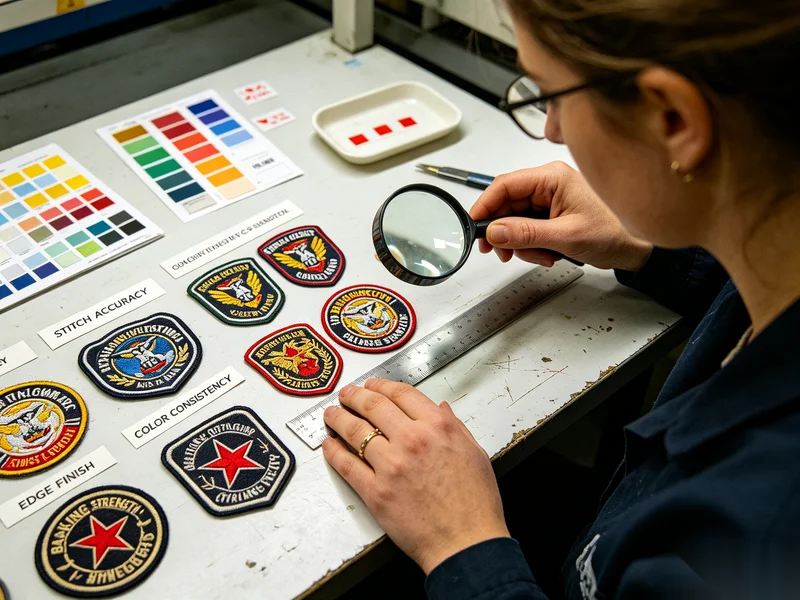
- Quality inspection
- Packaging and delivery
Unlike simple embroidery shops that only handle small custom orders, an experienced embroidery manufacturer has the equipment and expertise needed for repeat production and large-volume orders.
Typical products include:
- Custom logo patches
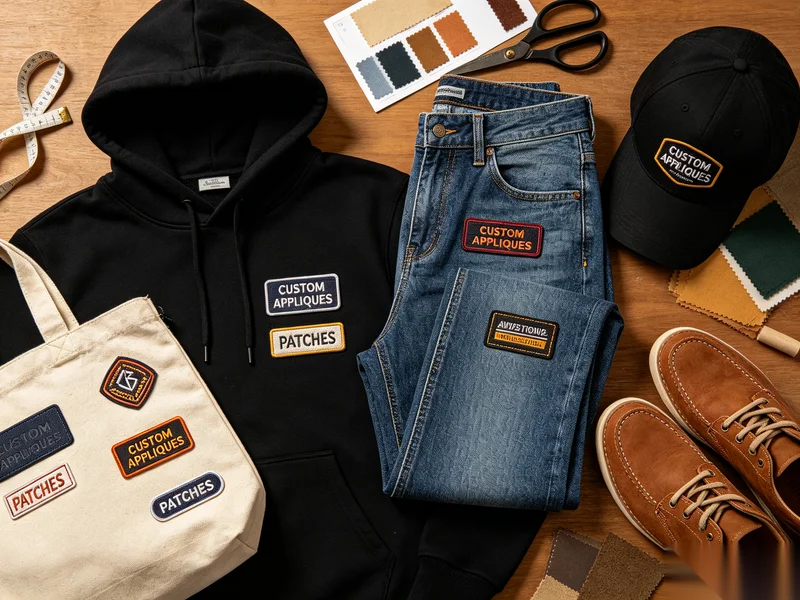
- Brand patches for clothing
- Military and tactical patches
- Motorcycle club patches
- Sports team badges
- School patches
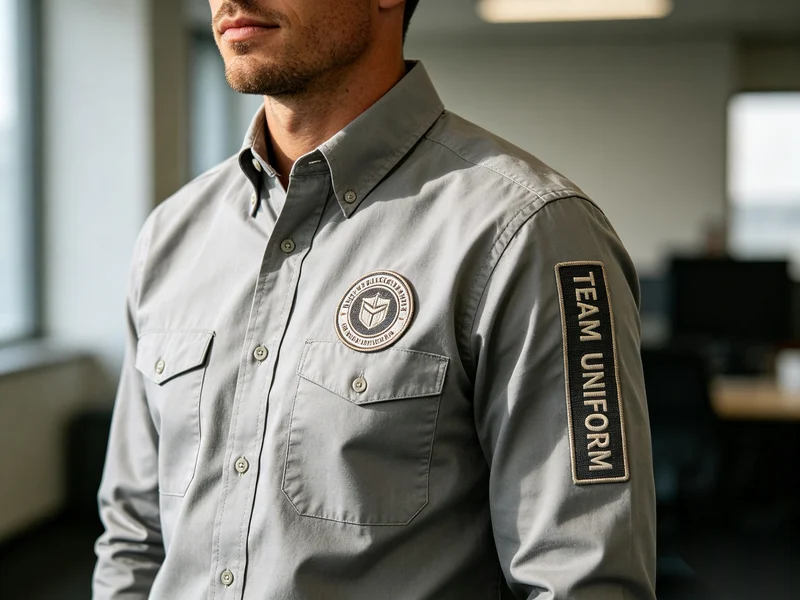
- Uniform emblems
- Hat patches
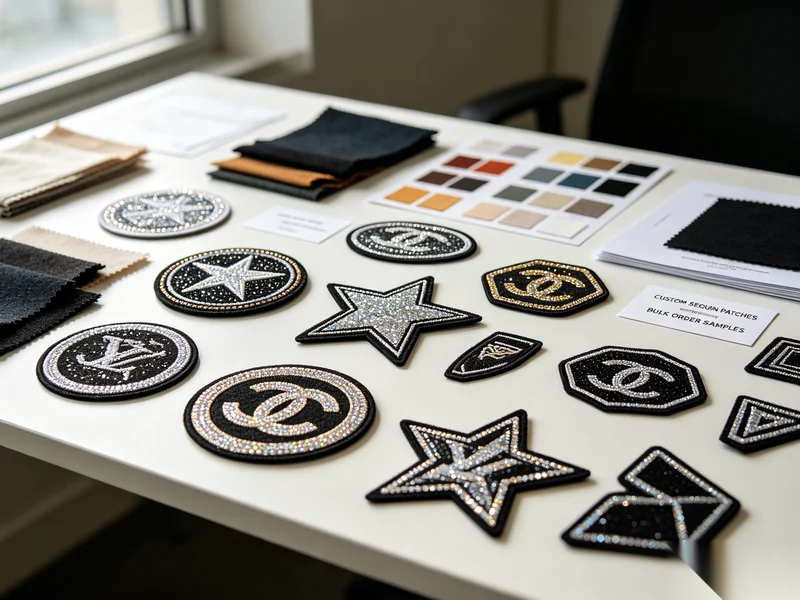
- Fashion patches
- Promotional patches
Why Choosing the Right Patch Embroidery Company Matters
A patch is often one of the most visible branding elements on a garment.
For many customers, the patch represents:
- Brand quality
- Product value
- Professional appearance
- Attention to detail
A low-quality patch can negatively affect how customers perceive the entire product.
Consistent Quality Across Every Production Batch
For apparel brands, consistency is critical.
Imagine ordering 5,000 patches for a clothing collection. The first batch looks perfect, but the second production run has:
- Different thread colors
- Uneven embroidery density
- Different patch thickness
- Poor edge finishing
These differences can create serious problems during garment production.
A professional patch embroidery company should have standardized production processes to ensure every batch matches the approved sample.
Professional Artwork Conversion and Digitizing
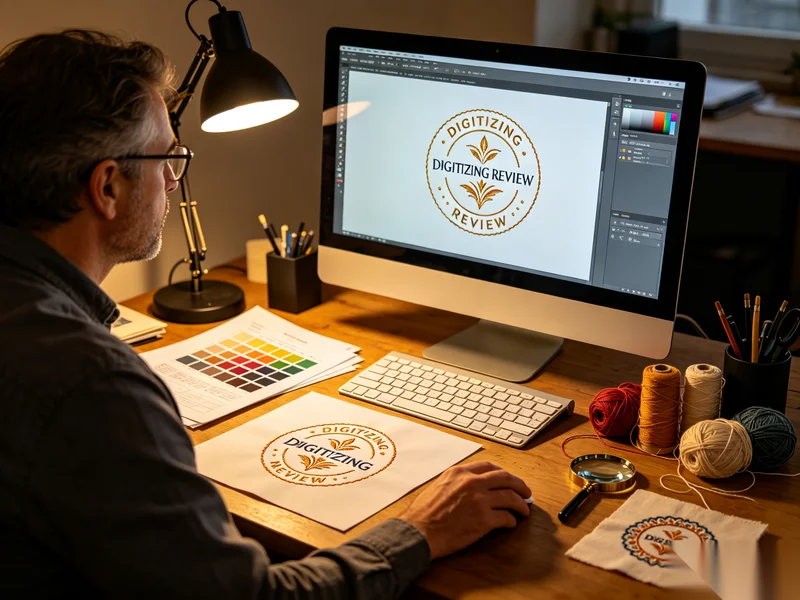
One of the biggest differences between experienced embroidery manufacturers and inexperienced suppliers is digitizing quality.
A logo designed for printing cannot always be directly converted into embroidery.
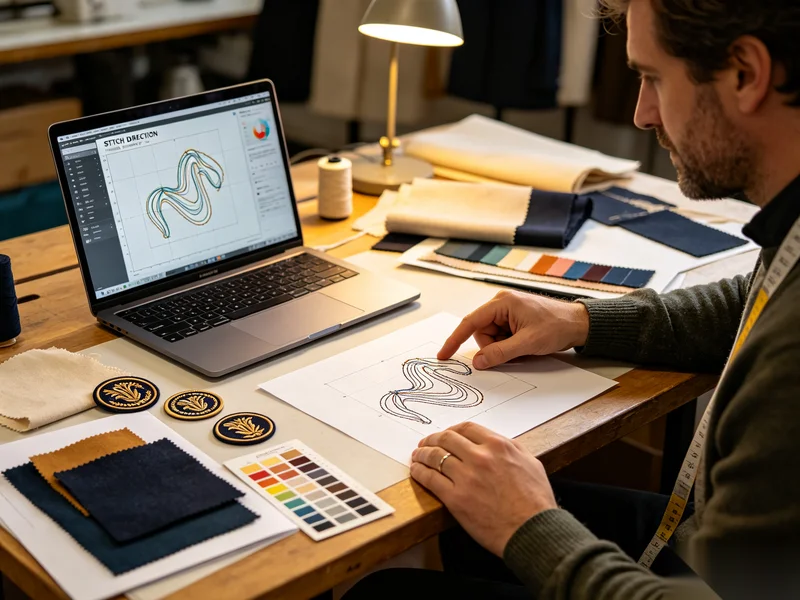
Professional digitizers analyze:
- Stitch direction
- Thread density
- Letter size
- Border structure
- Fabric characteristics
They optimize the design so the final embroidered patch maintains clarity and durability.
For example:
A logo with small text may look perfect on a computer screen but become unreadable when embroidered. An experienced supplier will adjust the design before production instead of simply producing a poor-quality result.
Understanding Different Embroidery Patch Materials
A knowledgeable patch embroidery company should not only offer embroidery but also recommend the right materials based on your application.
Embroidered Patches
The most traditional patch option.
Advantages:
- Classic appearance
- Raised texture
- Strong durability
- Premium feel
Best for:
- Fashion brands
- Uniforms
- Sports teams
- Streetwear
Woven Patches
Woven patches use thinner threads to create more detailed designs.
Advantages:
- Better for small text
- Cleaner details
- Smooth surface
Best for:
- Clothing labels
- Detailed logos
- Premium apparel
Chenille Patches
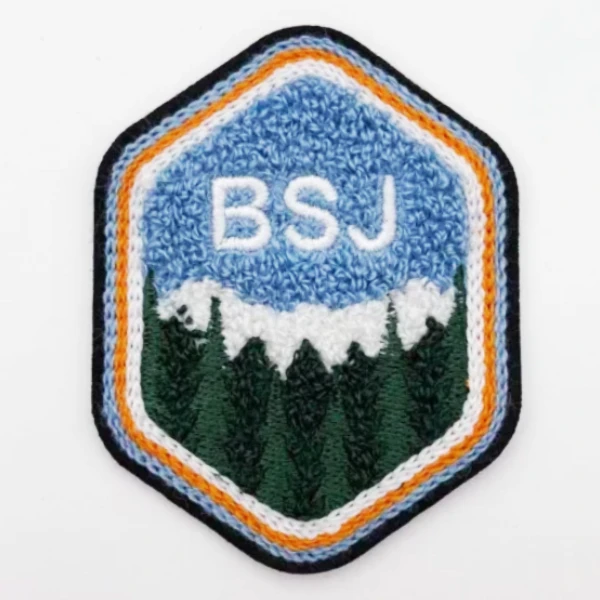
Chenille patches create a soft, raised texture.
Popular for:
- Varsity jackets
- Letterman apparel
- Vintage fashion collections
Embroidery Combined with Other Materials
Many modern brands combine embroidery with:
- Silicone
- PVC
- Leather
- Reflective materials
This creates a more distinctive and premium appearance.
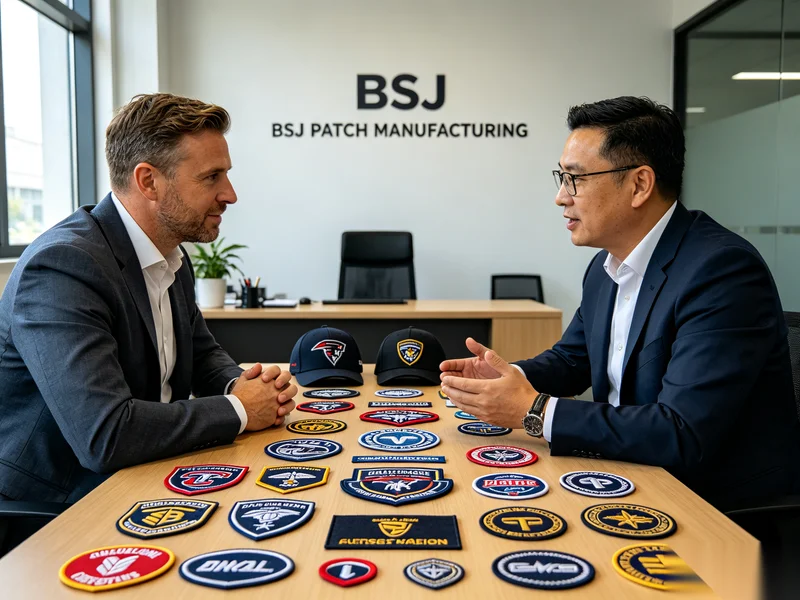
Key Questions to Ask Before Choosing a Patch Embroidery Company
Before placing an order, professional buyers should evaluate several important factors.
Do They Have Their Own Factory?
One important question is whether the company manufactures patches internally or outsources production.
A factory with in-house embroidery capabilities usually provides:
- Better quality control
- Faster communication
- More accurate production timelines
- Better pricing for bulk orders
Trading companies that outsource production may have less control over quality and delivery.
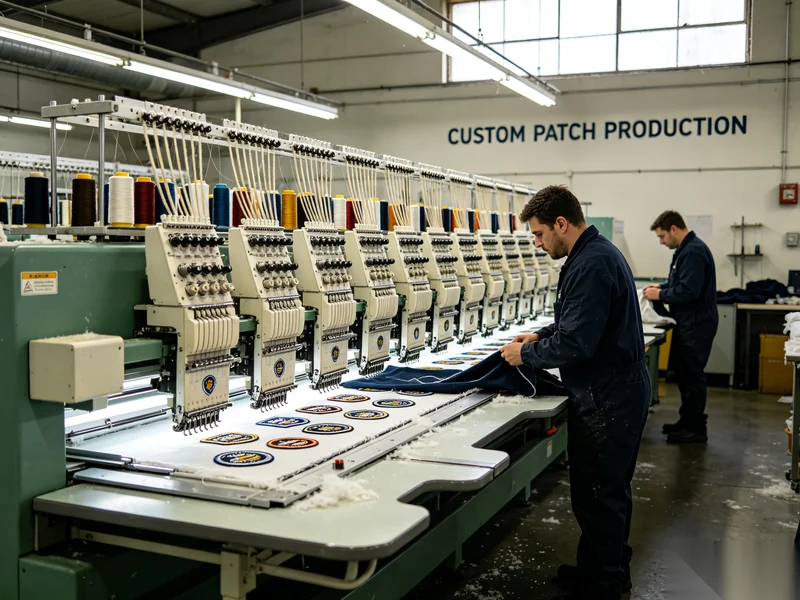
What Type of Embroidery Equipment Do They Use?
Commercial patch production requires industrial embroidery machines.
Professional equipment provides:
- Higher stitching accuracy
- Faster production speed
- Better consistency
- Ability to handle large orders
Multi-head computerized embroidery machines are especially important for brands requiring thousands of identical patches.
Can They Handle Both Small and Large Orders?
Different customers have different production needs.
A startup fashion brand may need:
- 100–500 patches for testing
A global apparel company may require:
- 50,000+ patches for seasonal collections
A capable embroidery partner should support both small trial orders and large-scale production.
Do They Provide Samples Before Mass Production?
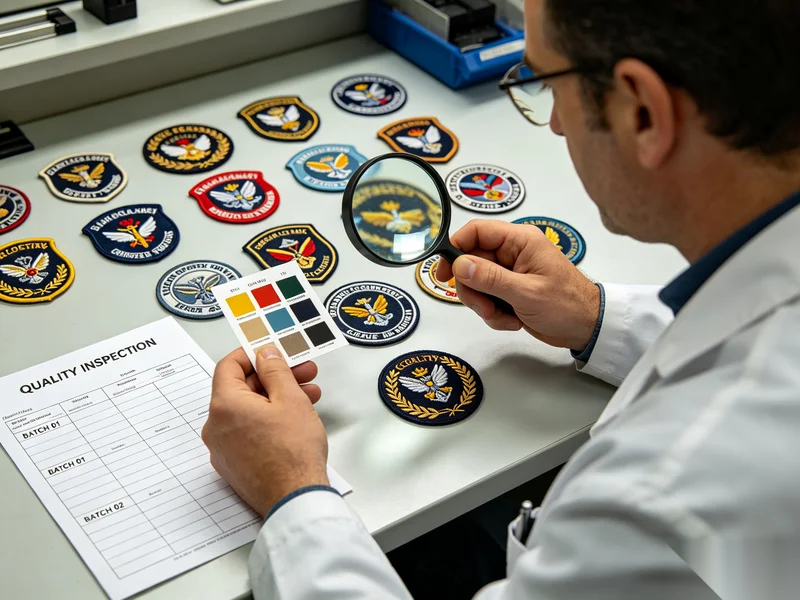
Sampling is an essential quality control step.
A professional supplier should provide:
- Embroidery sample
- Color confirmation
- Size verification
- Backing testing
Approving a physical sample before bulk production reduces the risk of expensive mistakes.
Common Mistakes When Selecting a Patch Embroidery Supplier
Many buyers experience problems because they evaluate suppliers using incomplete criteria.
Choosing Only Based on Lowest Price
The cheapest supplier may reduce costs by using:
- Lower-quality thread
- Lower stitch density
- Inferior backing materials
- Less experienced operators
The result may be patches that look acceptable initially but fail after repeated use.
Providing Artwork Without Considering Production Requirements
Some customers submit logos designed for digital marketing and expect identical embroidery results.
However, embroidery has physical limitations.
Small details, gradients, and thin lines may require adjustments.
A professional supplier should provide technical recommendations before production.
Ignoring Application Conditions
The best patch depends on where it will be used.
For example:
| Application | Recommended Solution |
|---|---|
| Fashion Jackets | Embroidered patches |
| Sports Jerseys | Heat transfer or lightweight embroidery |
| Outdoor Gear | PVC or silicone patches |
| Detailed Logos | Woven patches |
| Varsity Jackets | Chenille patches |
| Work Uniforms | Durable embroidered patches |
Choosing the wrong patch type can affect comfort and durability.
Patch Embroidery Trends for Modern Apparel Brands
The embroidery industry continues to evolve as brands seek more unique customization options.
Premium Minimalist Branding
Many fashion brands are moving toward:
- Small logo patches
- Tonal embroidery
- Clean designs
This creates a subtle premium appearance.
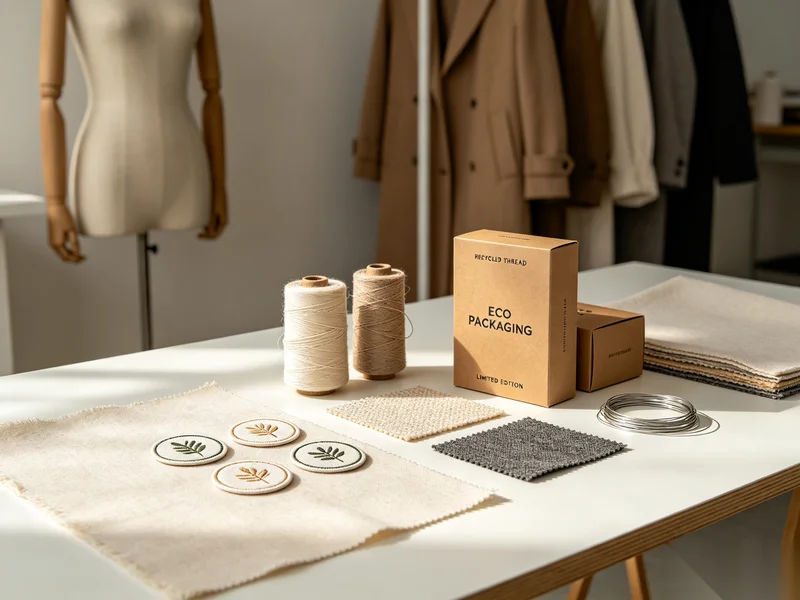
Sustainable Embroidery Materials
More companies are requesting:
- Recycled polyester threads
- Sustainable backing fabrics
- Eco-friendly packaging
Environmental responsibility is becoming increasingly important in apparel production.
Mixed Texture Patch Designs
Brands are combining embroidery with:
- Silicone
- Chenille
- Woven details
- Metallic threads
These combinations create more memorable products.
Limited Edition and Collectible Patches
Streetwear brands and sports organizations increasingly use patches for:
- Seasonal releases
- Collaboration collections
- Championship merchandise
- Fan collectibles
This increases customer engagement and product value.
Why BSJ Is a Professional Patch Embroidery Company
With 28 years of manufacturing experience, BSJ specializes in producing custom embroidered patches and apparel branding accessories for global clothing brands, sports organizations, uniform suppliers, and promotional companies.
Unlike suppliers that only provide individual products, BSJ offers complete patch manufacturing solutions from artwork optimization to final production.
Our capabilities include:
- Custom embroidered patches
- Woven patches
- Chenille patches
- Hat logo patches
- Sports badges
- Military-style patches
- Fashion brand patches
- Uniform patches
- Custom backing solutions
BSJ manufacturing advantages include:
- Own production factory
- Advanced computerized embroidery machines
- Professional embroidery digitizing team
- Strict quality control system
- Flexible MOQ options
- Large-scale production capability
- OEM and ODM support
- International export experience
Whether you are developing a new clothing collection, expanding a sportswear brand, or sourcing patches for large-scale uniforms, BSJ provides reliable embroidery manufacturing solutions designed around your brand requirements.
Final Thoughts
Selecting the right patch embroidery company is a critical decision for any business that relies on custom patches as part of its branding strategy.
The best supplier is not simply the one offering the lowest price—it is the partner that understands design, materials, production technology, and quality control.
By choosing an experienced embroidery manufacturer with professional equipment and complete production capabilities, brands can create patches that remain durable, visually appealing, and consistent across every product.
For apparel companies looking to build stronger branding through embroidery, the right manufacturing partner can turn a simple patch into a powerful symbol of quality and identity.
About Author
——————————————————————————————————————————————

Alexander
Online Sales Manager
Alexander specialize in digital marketing and understanding customer psychology, providing clients with the right solutions through data insights and creative strategies.
——————————————————————————————————————————————