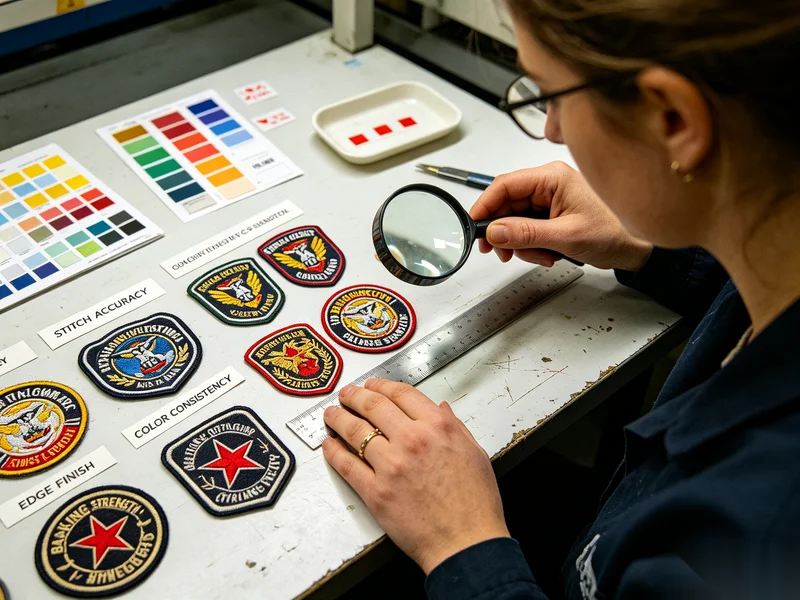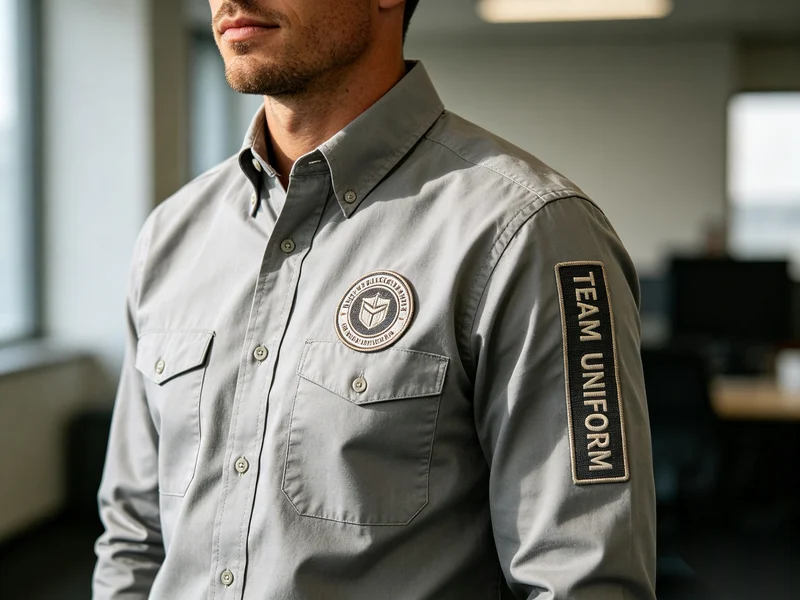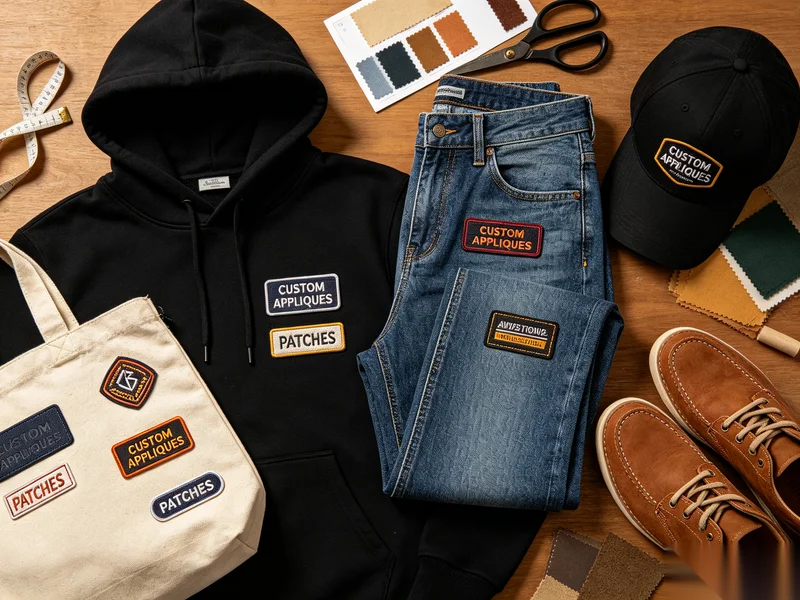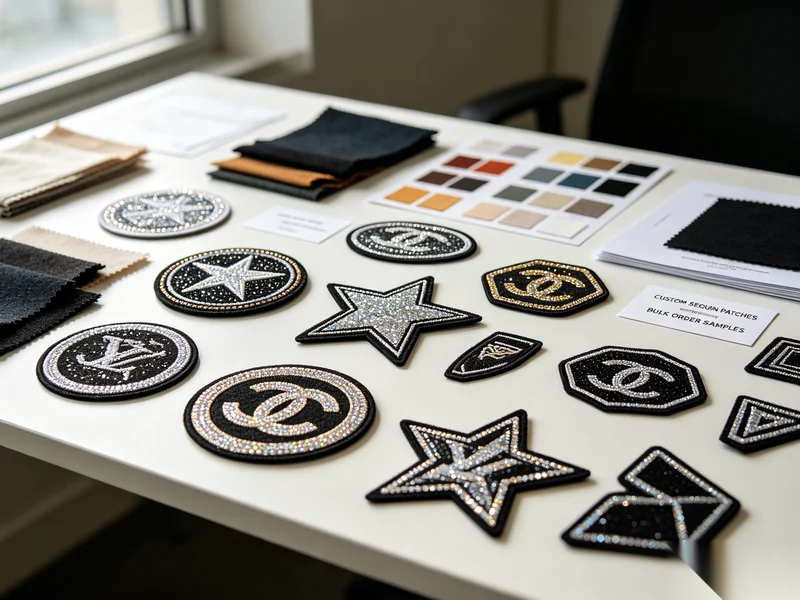
When people think about embroidery, they usually focus on the logo or artwork. However, experienced apparel brands know that the biggest difference often lies in something much less obvious—the embroidery thread.
Two embroidered patches can use the exact same design, embroidery machine, and fabric, yet produce completely different results simply because of the thread quality and embroidery process. Premium thread delivers vibrant colors, smooth stitching, excellent durability, and a refined finish, while low-quality thread may fade, fray, or lose its appearance after only a few washes.
If you’re sourcing custom embroidered patches, clothing labels, uniforms, hats, or promotional products, understanding how embroidery thread embroidery works will help you make better purchasing decisions and avoid costly quality issues.
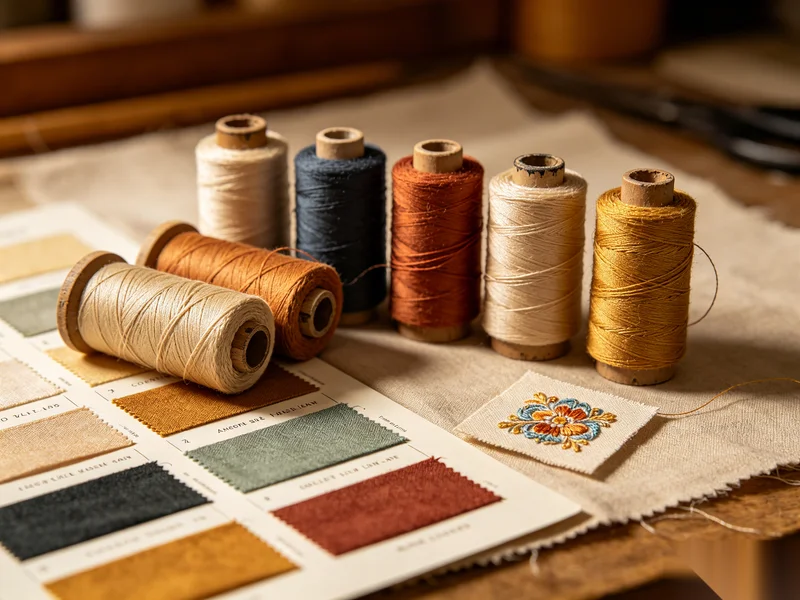
What Is Embroidery Thread Embroidery?
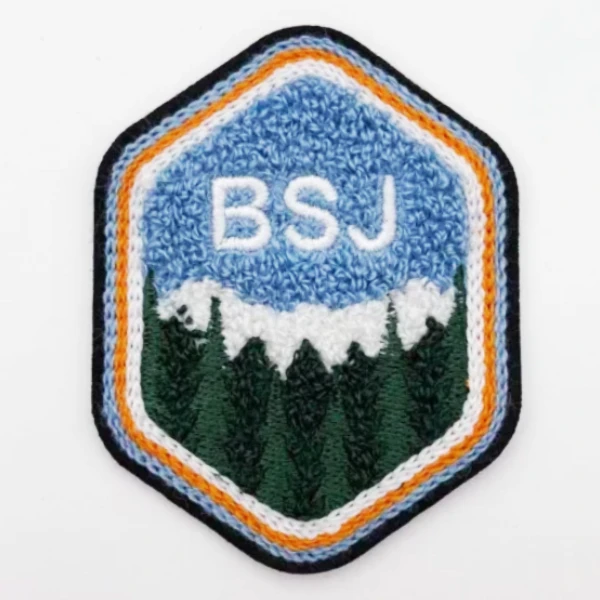
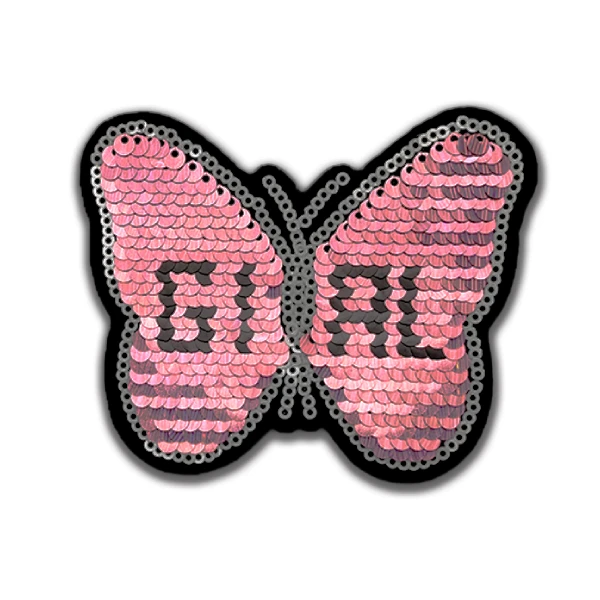
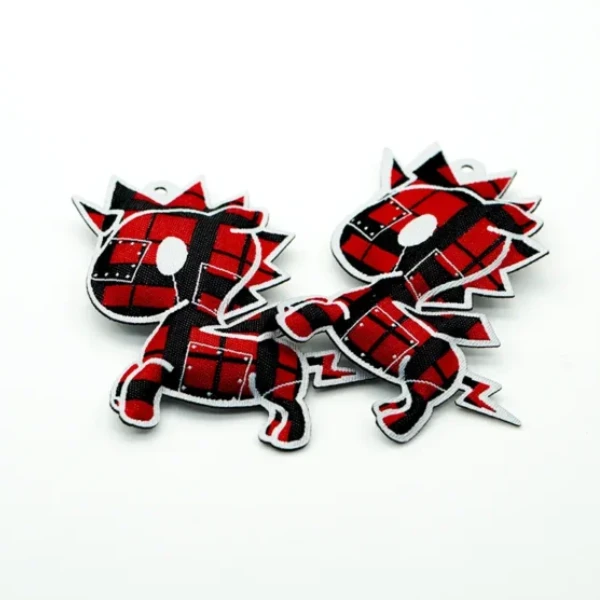
Embroidery thread embroidery refers to the process of decorating fabric using specialized embroidery threads and computerized embroidery machines. Unlike ordinary sewing thread, embroidery thread is manufactured specifically for decorative stitching, offering better color brilliance, higher tensile strength, smoother surfaces, and greater resistance to washing and abrasion.
Today, almost every commercial embroidered patch or apparel logo is produced using industrial embroidery machines combined with high-quality embroidery threads.
Typical applications include:
- Custom embroidered patches
- Hat logo embroidery
- Clothing brand labels
- Uniform badges
- Corporate apparel
- Motorcycle patches
- Sports team emblems
- Promotional merchandise
The final appearance depends on the combination of thread quality, digitizing, machine settings, stitch density, and operator experience.
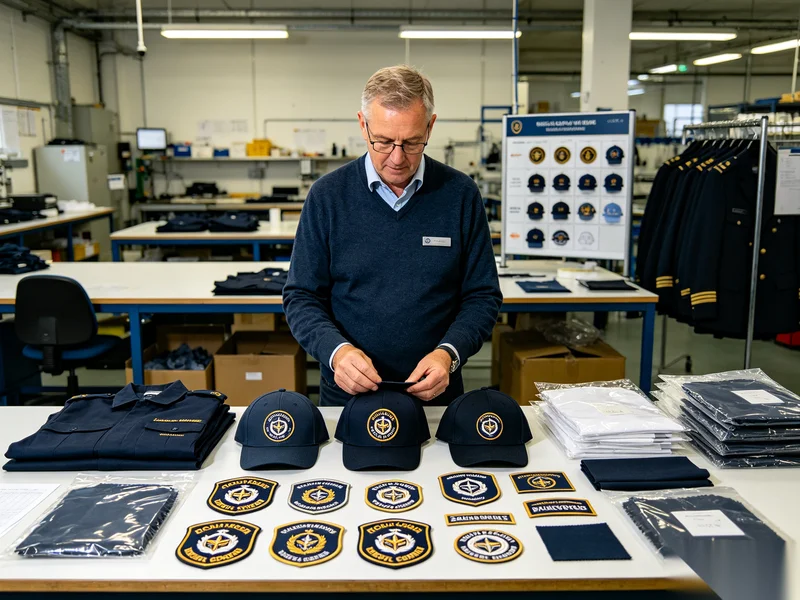
Why Thread Quality Matters More Than Most Buyers Realize
Many buyers compare quotations based only on unit price, assuming all embroidery thread performs the same. In reality, thread selection affects nearly every aspect of the finished product.
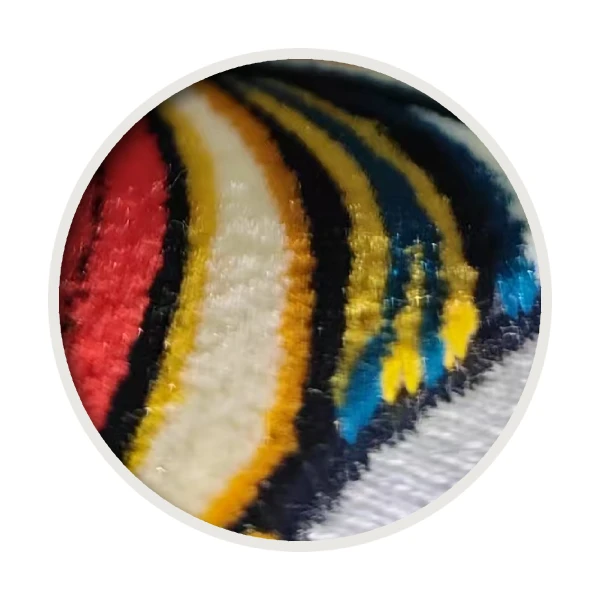
Color Brilliance and Brand Identity
Your embroidered logo represents your brand. If the colors appear dull or inconsistent, customers immediately notice.
Premium embroidery threads provide:
- Richer colors
- Better light reflection
- Consistent Pantone matching
- Cleaner contrast between different thread colors
This is especially important for fashion brands, sportswear companies, and corporate uniforms where brand consistency is essential.
Durability After Repeated Washing
One of the most common complaints about low-quality embroidery is fading after washing.
High-quality polyester embroidery thread can maintain its color and strength through dozens of wash cycles, while inferior thread may:
- Fade quickly
- Become fuzzy
- Break more easily
- Lose its sheen
For workwear, uniforms, and sports apparel that require frequent laundering, choosing the right thread is critical.

Production Efficiency
Thread quality doesn’t just affect the finished product—it also impacts manufacturing.
Poor-quality thread can cause:
- Frequent thread breaks
- Machine downtime
- Inconsistent stitching
- Longer production times
Factories using premium embroidery thread generally achieve better efficiency and more consistent quality throughout large production runs.
Choosing the Right Embroidery Thread for Your Project
Different projects require different thread characteristics. Selecting the wrong thread can increase costs or reduce product performance.
Polyester Embroidery Thread
Polyester is the industry standard for commercial embroidery.
It offers an excellent balance of:
- Wash resistance
- UV resistance
- Colorfastness
- Abrasion resistance
- Cost efficiency
Best suited for:
- Embroidered patches
- Baseball caps
- Sportswear
- Corporate uniforms
- Outdoor apparel
- Backpacks
If you’re ordering patches for long-term use, polyester is usually the safest choice.
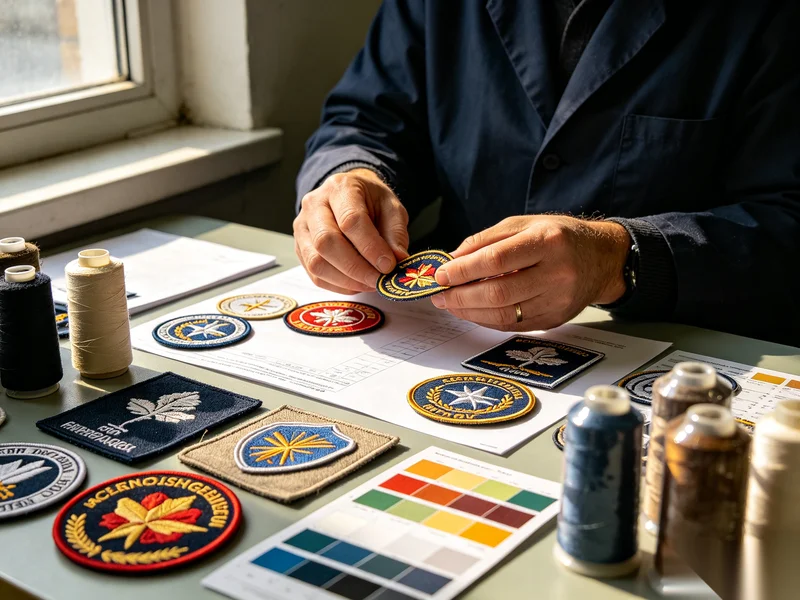
Rayon Embroidery Thread
Rayon produces a softer, silk-like shine that many fashion brands appreciate.
Advantages include:
- Elegant appearance
- Smooth stitching
- Excellent decorative effect
However, rayon generally has lower resistance to UV exposure and harsh industrial washing compared with polyester.
Ideal for:
- Fashion garments
- Decorative embroidery
- Premium retail products
Cotton Embroidery Thread
Cotton thread creates a natural matte finish that complements vintage and heritage-inspired designs.
It’s commonly used for:
- Handmade products
- Artisan collections
- Traditional embroidery
While visually appealing, cotton is less common in mass-produced patches because it is more susceptible to fading and shrinkage.
Metallic and Specialty Threads
For brands seeking a premium appearance, specialty threads can add distinctive visual effects.
Popular options include:
- Gold metallic thread
- Silver metallic thread
- Reflective thread
- Glow-in-the-dark thread
- Fluorescent thread
These threads are often used as accent details rather than for full embroidery to balance appearance, durability, and production cost.
The Hidden Factors That Determine Embroidery Quality
Many customers assume embroidery quality depends only on the machine. In reality, several production stages influence the final result.
Professional Digitizing
Digitizing converts artwork into embroidery instructions for the machine.
A skilled digitizer determines:
- Stitch direction
- Stitch density
- Underlay structure
- Thread sequence
- Compensation for fabric stretch
Poor digitizing can cause gaps, puckering, or distorted logos, regardless of thread quality.
Stitch Density
More stitches don’t always mean better embroidery.
Excessive density can:
- Make patches stiff
- Increase thread consumption
- Cause puckering
- Reduce comfort on garments
Too little density, on the other hand, may expose the base fabric and make the design appear unfinished.
Professional manufacturers optimize stitch density based on the logo, fabric, and intended application.
Thread Tension
Incorrect thread tension may result in:
- Loose loops
- Uneven stitching
- Thread breaks
- Poor edge definition
Modern embroidery machines allow precise tension adjustments, but experienced operators remain essential for achieving consistent results.
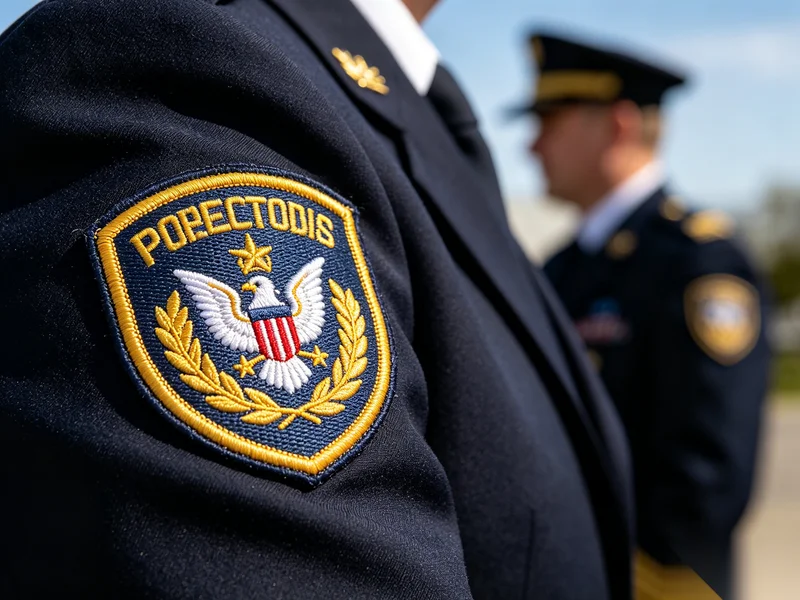
Common Mistakes Buyers Make When Ordering Embroidery
Understanding these common mistakes can help you avoid unnecessary costs and disappointing results.
Focusing Only on Price
The cheapest quotation often reflects lower-quality thread, reduced stitch density, or simplified production methods.
Saving a few cents per patch can lead to:
- More customer complaints
- Shorter product lifespan
- Higher replacement costs
Instead of asking, “What’s the cheapest option?” ask, “What offers the best long-term value?”
Ignoring the Logo’s Complexity
Not every logo is suitable for embroidery.
Very small text, thin lines, or intricate gradients may lose clarity when stitched.
An experienced supplier should recommend adjustments or suggest alternative solutions such as woven patches if necessary.
Choosing the Wrong Thread for the End Use
Consider how the product will be used.
For example:
- Outdoor apparel requires UV-resistant thread.
- Workwear benefits from highly durable polyester.
- Luxury fashion may prioritize the sheen of rayon.
- Sports uniforms demand excellent wash resistance.
Matching the thread to the application ensures better performance and customer satisfaction.
Embroidery Trends Shaping the Industry
Embroidery continues to evolve as apparel brands look for ways to differentiate their products.
Current trends include:
Sustainable Thread Materials
More brands are requesting recycled polyester embroidery thread to support environmental initiatives without sacrificing durability.
Matte and Tonal Embroidery
Minimalist fashion has increased demand for embroidery that blends subtly with the garment rather than standing out with high contrast.
Mixed-Material Branding
Combining embroidery with silicone badges, woven labels, or leather patches creates a layered, premium appearance.
High-Definition Embroidery
Advances in digitizing software and embroidery machines now allow cleaner lettering and more intricate designs than ever before, enabling brands to reproduce complex logos with greater accuracy.
Why Choosing the Right Embroidery Manufacturer Matters
Even the highest-quality thread cannot compensate for poor production practices.
When selecting an embroidery supplier, consider whether they offer:
- In-house computerized embroidery machines
- Professional digitizing services
- Pantone color matching
- Multiple thread options
- Consistent quality control
- Sampling before mass production
- Experience with international apparel brands
A factory with complete in-house capabilities can maintain better consistency, shorten lead times, and respond more quickly to design revisions.
How BSJ Delivers High-Quality Embroidery Solutions
With 28 years of embroidery manufacturing experience, BSJ helps clothing brands, promotional companies, sportswear manufacturers, and uniform suppliers produce embroidery that reflects the quality of their brand.
Our capabilities include:
- Custom embroidered patches
- Embroidered clothing labels
- Hat logo embroidery
- Uniform badges
- Chenille patches
- Decorative embroidered emblems
- Multi-head computerized embroidery production
- Professional digitizing and artwork optimization
- Pantone color matching
- Low MOQ and large-scale production
- Strict quality inspection from thread selection to final packaging
Because all production is completed in our own factory, we can ensure consistent quality, efficient lead times, and reliable support throughout every stage of your project.
Final Thoughts
Embroidery is much more than stitching a logo onto fabric. The quality of the embroidery thread, the accuracy of the digitizing, the stitch density, and the manufacturing process all work together to determine how your finished product looks and performs.
For brands that want embroidery to enhance their image—not damage it—choosing the right thread and partnering with an experienced manufacturer is essential. A well-made embroidered patch or logo should remain vibrant, durable, and consistent throughout the life of the garment, reinforcing your brand every time it is worn.
Whether you’re launching a new apparel collection or upgrading your existing branding, investing in professional embroidery solutions is an investment in your brand’s long-term reputation.
About Author
——————————————————————————————————————————————

Alexander
Online Sales Manager
Alexander specialize in digital marketing and understanding customer psychology, providing clients with the right solutions through data insights and creative strategies.
——————————————————————————————————————————————