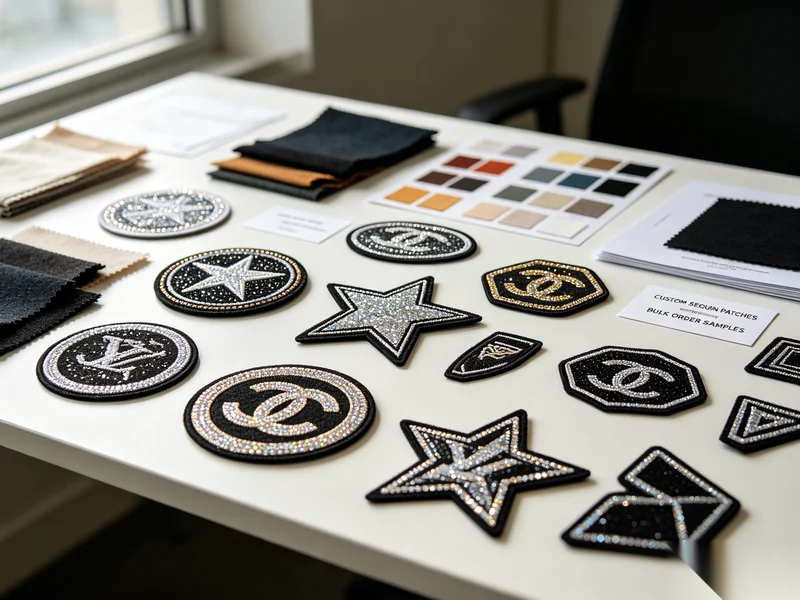
In today’s apparel industry, brands want labels that look premium, feel comfortable, and can be applied efficiently during production. Traditional sew-on embroidered labels offer durability, but they require additional labor. Printed heat transfer labels are easy to apply, but often lack texture and perceived value.
This is where embroidery heat transfer labels have become increasingly popular.
By combining the premium appearance of embroidery with the convenience of heat-activated application, embroidery heat transfer labels offer an effective solution for fashion brands, sportswear manufacturers, uniform suppliers, and promotional product companies.
What Are Embroidery Heat Transfer Labels?
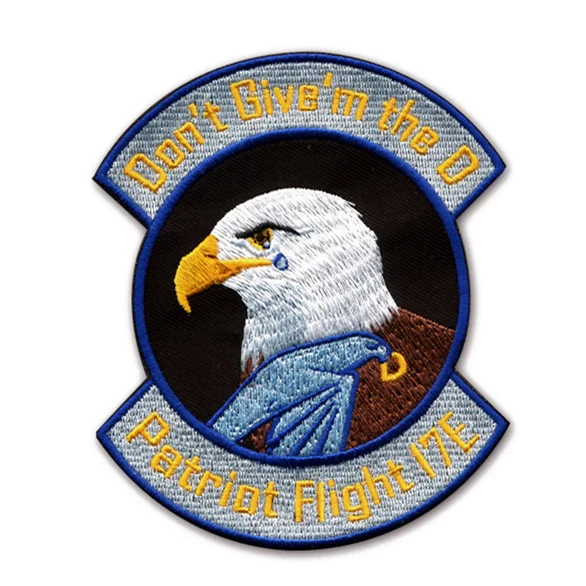
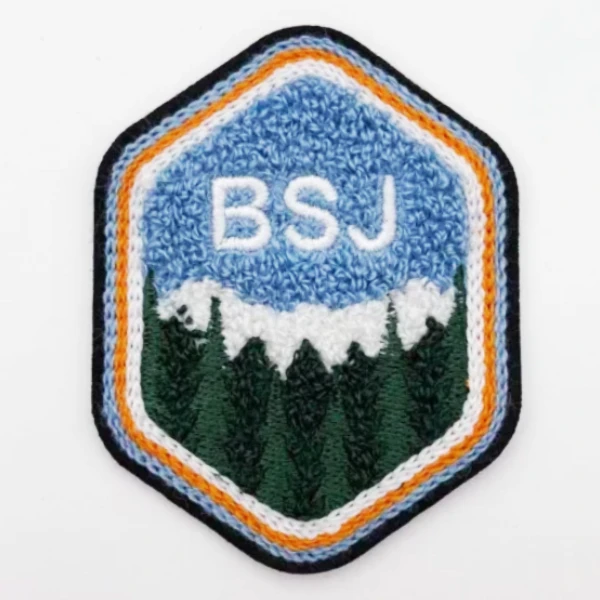
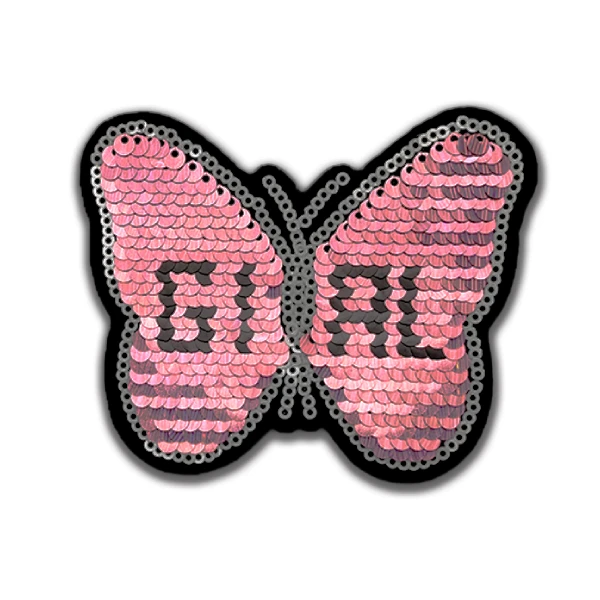
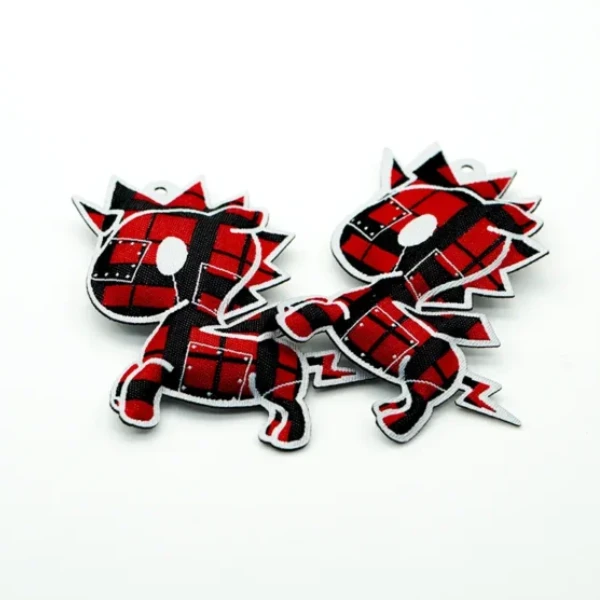
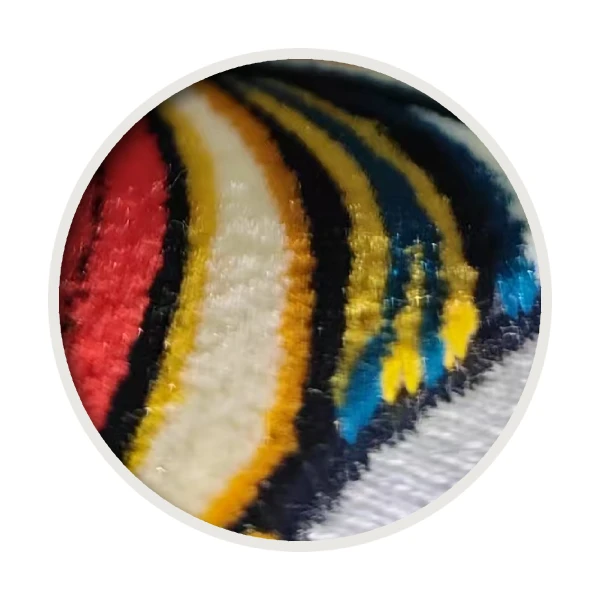
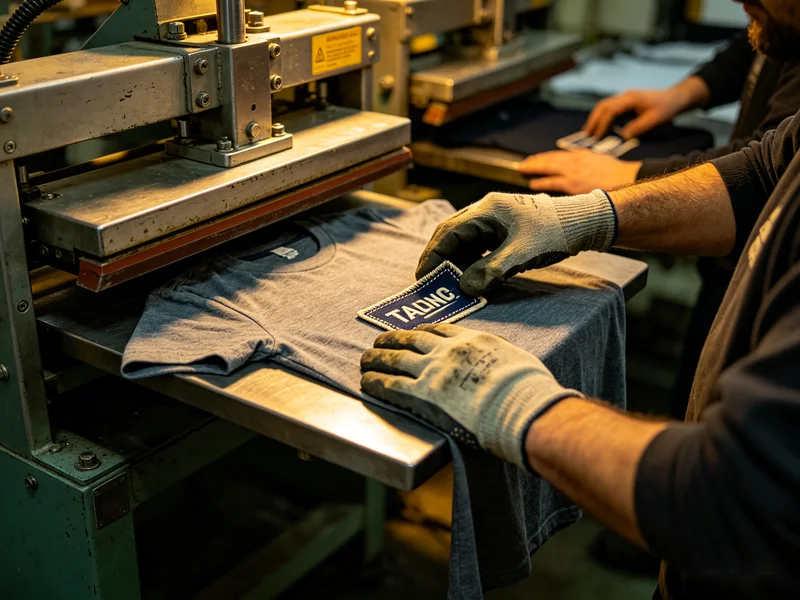
An embroidery heat transfer label is an embroidered logo, brand mark, or decorative label that features a heat-activated backing. Instead of sewing the label onto a garment, manufacturers apply it using a heat press.
The result is:
- The visual depth of embroidery
- Faster application
- Reduced sewing costs
- Cleaner garment construction
These labels are commonly used on:
- T-shirts
- Hoodies
- Jackets
- Sportswear
- Team uniforms
- Hats
- Bags
- Promotional apparel
Why Are Brands Switching to Embroidery Heat Transfer Labels?
Many apparel brands face the same production challenges:
Problem #1: Sewing Increases Production Time
Traditional embroidered labels require:
- Manual positioning
- Sewing labor
- Additional quality inspection
For large production runs, sewing becomes expensive and time-consuming.
Problem #2: Printed Labels Feel Too Basic
Printed heat transfers are affordable, but they often lack:
- Texture
- Premium appearance
- Brand impact
For fashion and premium apparel, printed labels may not deliver the desired customer experience.
Problem #3: Comfort Matters
Traditional sewn labels can sometimes:
- Cause skin irritation
- Create bulk inside garments
- Affect comfort in performance apparel
Modern consumers increasingly prefer cleaner and more comfortable garment construction.
Benefits of Embroidery Heat Transfer Labels
✔ Premium Embroidered Appearance
Embroidery provides:
- Rich texture
- Professional branding
- High perceived value
- Luxury appearance
Compared with printed labels, embroidered designs create a stronger visual impact.
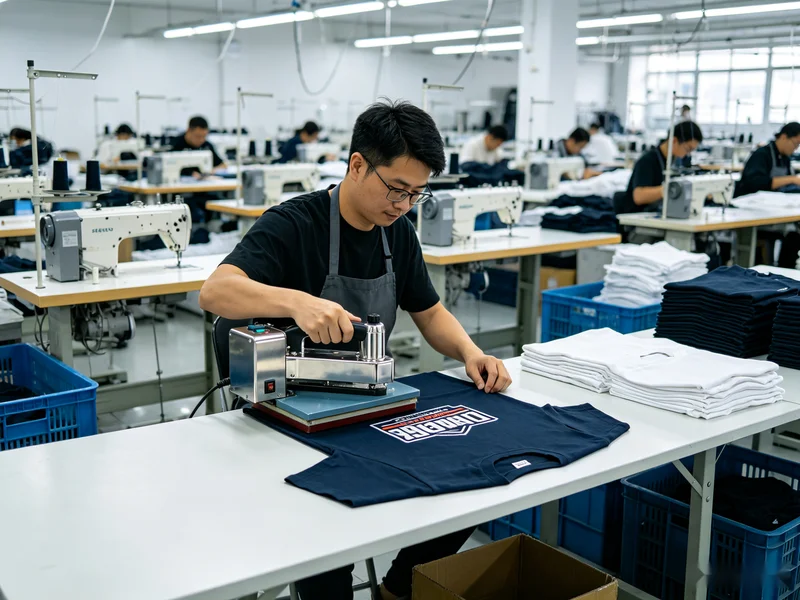
✔ Faster Production Process
Heat transfer application can be completed within seconds.
Benefits include:
- Reduced labor costs
- Faster garment assembly
- Improved production efficiency
- Better consistency across large orders
For manufacturers producing thousands of garments, this can significantly reduce operational costs.
✔ No Visible Stitching
Because the label is heat-applied:
- No sewing lines are visible
- Garment surfaces remain clean
- Branding appears more integrated
This is particularly popular in modern sportswear and athleisure collections.
✔ Comfortable Wear Experience
Unlike some sewn labels, heat transfer labels eliminate:
- Thick seams
- Raised stitching on the garment interior
- Potential irritation from label edges
This makes them suitable for:
- Activewear
- Sports uniforms
- Children’s apparel
- Lightweight fashion garments
Common Types of Embroidery Heat Transfer Labels
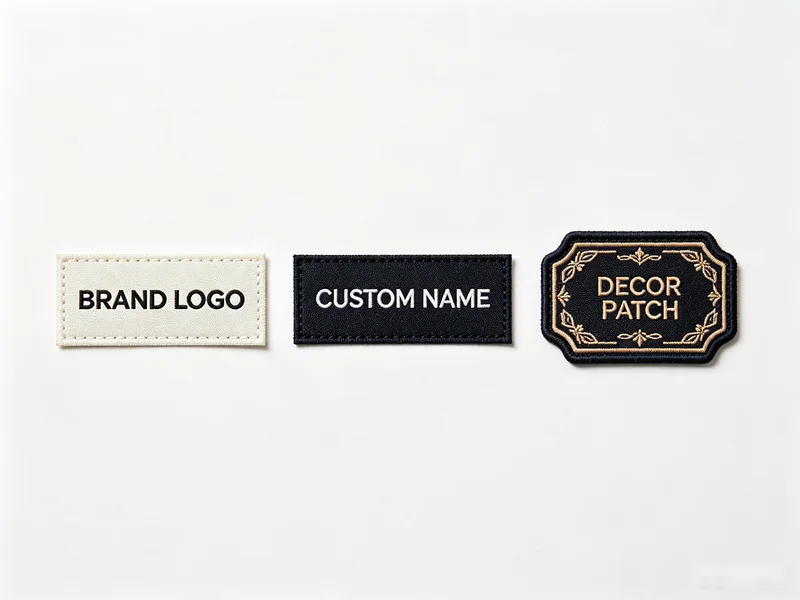
Embroidered Logo Heat Transfer Labels
Used for:
- Brand logos
- Company names
- Team branding
Popular among fashion and sportswear brands.
Embroidered Name Labels
Ideal for:
- School uniforms
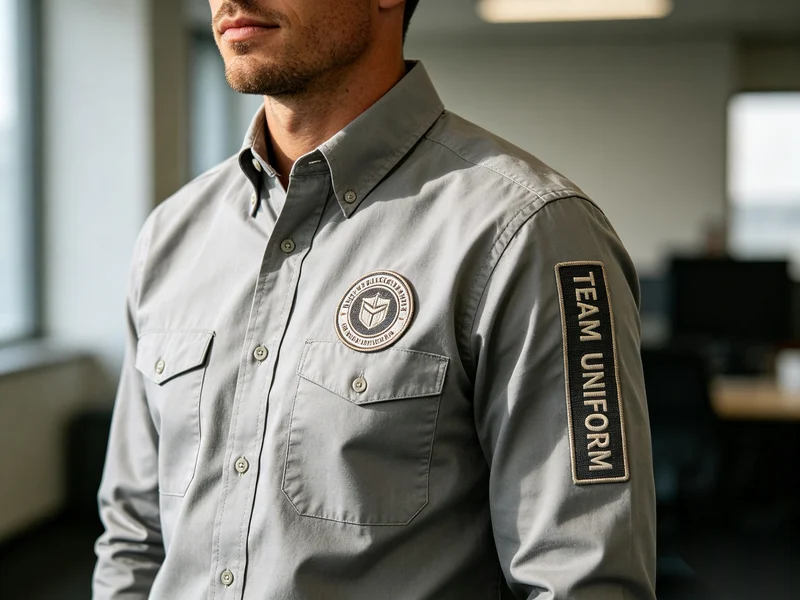
- Employee uniforms
- Team apparel
- Personalized garments
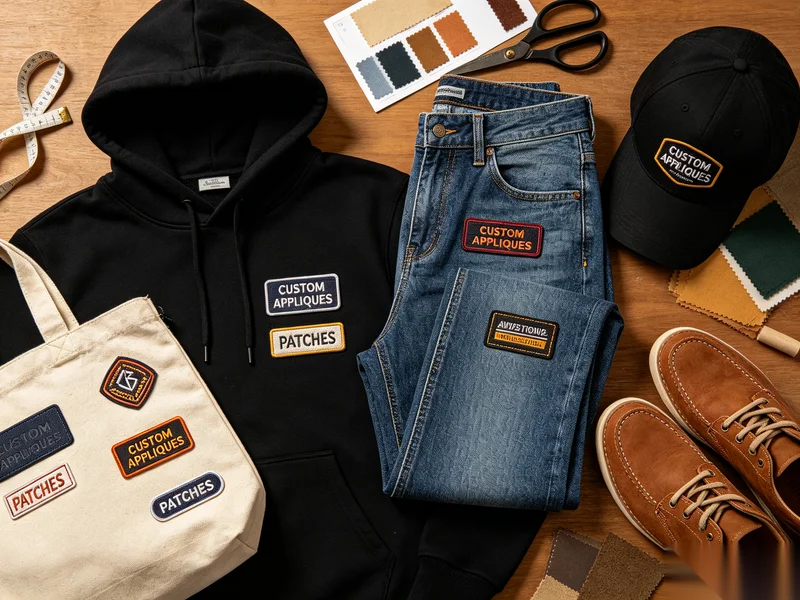
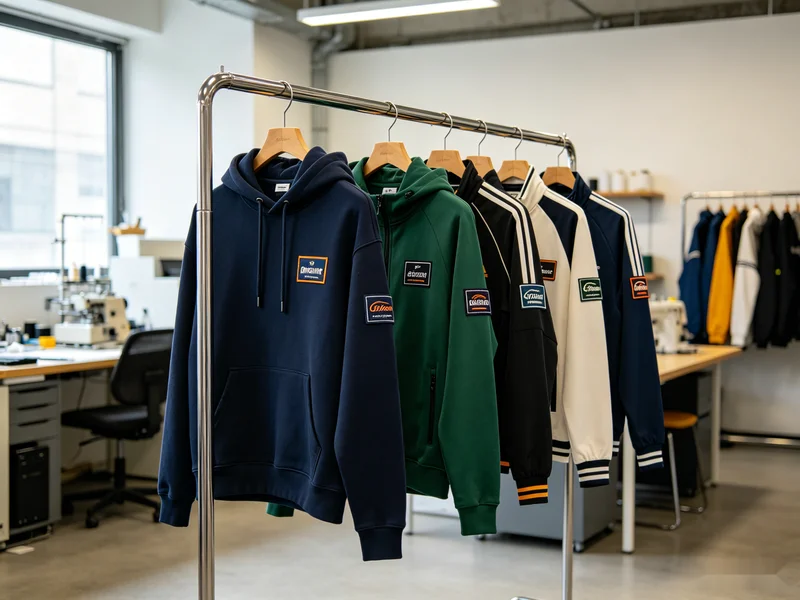
Decorative Embroidered Transfer Patches
Applied to:
- Jackets
- Hoodies
- Caps
- Bags
Often used to enhance product aesthetics.

Design Considerations Before Ordering
Choose the Right Size
Oversized labels may:
- Affect garment flexibility
- Increase application difficulty
Smaller designs generally offer better performance.
Keep Fine Details Realistic
Embroidery has physical thread limitations.
For best results:
- Use clear fonts
- Avoid extremely small text
- Simplify intricate graphics
Professional digitizing is essential.
Select Proper Fabric Compatibility
Different garments react differently to heat application.
Common applications include:
- Cotton
- Polyester blends
- Performance fabrics
- Twill materials
Heat settings should be adjusted according to fabric type.
Heat Transfer vs Sew-On Embroidered Labels
| Feature | Heat Transfer Embroidery Label | Sew-On Embroidery Label |
|---|---|---|
| Installation Speed | Fast | Slower |
| Labor Cost | Lower | Higher |
| Comfort | Excellent | Good |
| Appearance | Premium | Premium |
| Wash Durability | Very Good | Excellent |
| Production Efficiency | High | Moderate |
Choose Heat Transfer Labels If:
- Production speed is important
- You want a cleaner garment finish
- You need lower assembly costs
- Comfort is a priority
Choose Sew-On Labels If:
- Maximum durability is required
- Heavy-duty workwear is involved
- Frequent industrial laundering is expected
Are Embroidery Heat Transfer Labels Durable?
This is one of the most common customer concerns.
The answer depends on:
- Adhesive quality
- Application temperature
- Fabric compatibility
- Washing conditions
A professionally manufactured heat transfer embroidered label can withstand:
- Repeated home washing
- Daily wear
- Moderate heat exposure
For most fashion and sportswear applications, durability is more than sufficient.
Why Work with a Professional Embroidery Heat Transfer Label Manufacturer?
The performance of a heat transfer label depends heavily on manufacturing expertise.
Critical factors include:
Precision Digitizing
Ensures logos and text stitch correctly.
High-Quality Adhesive Systems
Prevents edge lifting and premature failure.
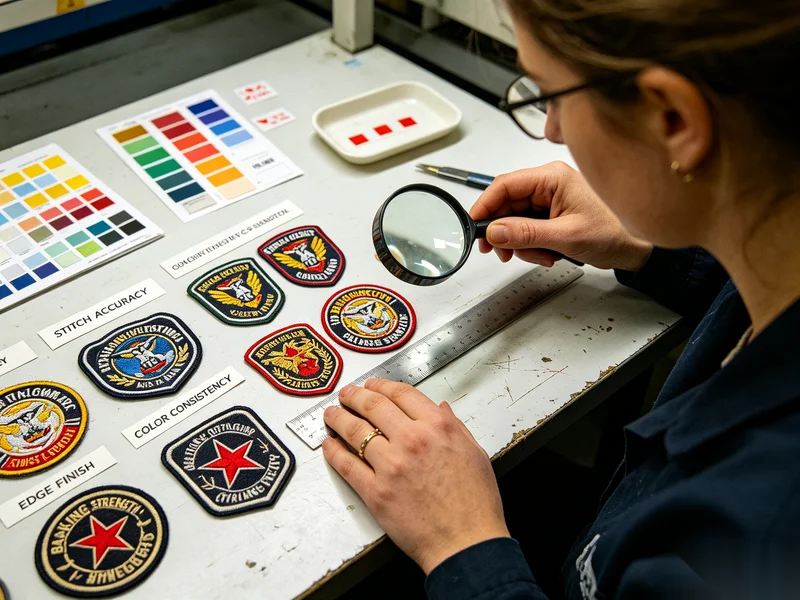
Production Consistency
Maintains the same appearance across every batch.
Material Selection
Matches the label to the intended garment type.
BSJ’s Manufacturing Advantage
With 28 years of embroidery manufacturing experience, BSJ produces custom embroidery heat transfer labels for apparel brands, uniform suppliers, sportswear companies, and promotional product manufacturers worldwide.
Our capabilities include:
✅ In-house embroidery production
✅ Professional digitizing services
✅ Heat-transfer backing solutions
✅ OEM & ODM customization
✅ Large-volume production capacity
✅ Strict quality control standards
From simple logo labels to complex embroidered branding solutions, BSJ helps customers combine premium aesthetics with efficient garment production.
Frequently Asked Questions
Are embroidery heat transfer labels washable?
Yes. High-quality heat transfer labels can withstand repeated home washing when properly applied.
Can heat transfer labels replace sew-on labels?
For many fashion and sportswear applications, yes. However, sew-on labels may still be preferred for heavy-duty uniforms and industrial workwear.
Do heat transfer embroidered labels feel comfortable?
Yes. They eliminate many of the bulk and seam-related issues associated with traditional sewn labels.
Can custom logos be embroidered and heat transferred?
Absolutely. Most logos, text, and branding elements can be customized.
Are embroidery heat transfer labels suitable for bulk production?
Yes. They are specifically valued for improving production efficiency and reducing labor costs.
Final Thoughts
Embroidery heat transfer labels bridge the gap between premium branding and manufacturing efficiency. They provide the rich appearance of embroidery while eliminating much of the labor associated with traditional sewing.
For apparel brands seeking faster production, cleaner garment construction, and a more comfortable user experience, embroidery heat transfer labels offer a modern solution that balances aesthetics, functionality, and cost-effectiveness.
With BSJ’s 28 years of manufacturing expertise and in-house production capabilities, customers can confidently develop custom heat transfer embroidery labels that meet both branding goals and production requirements.
About Author
——————————————————————————————————————————————

Alexander
Online Sales Manager
Alexander specialize in digital marketing and understanding customer psychology, providing clients with the right solutions through data insights and creative strategies.
——————————————————————————————————————————————