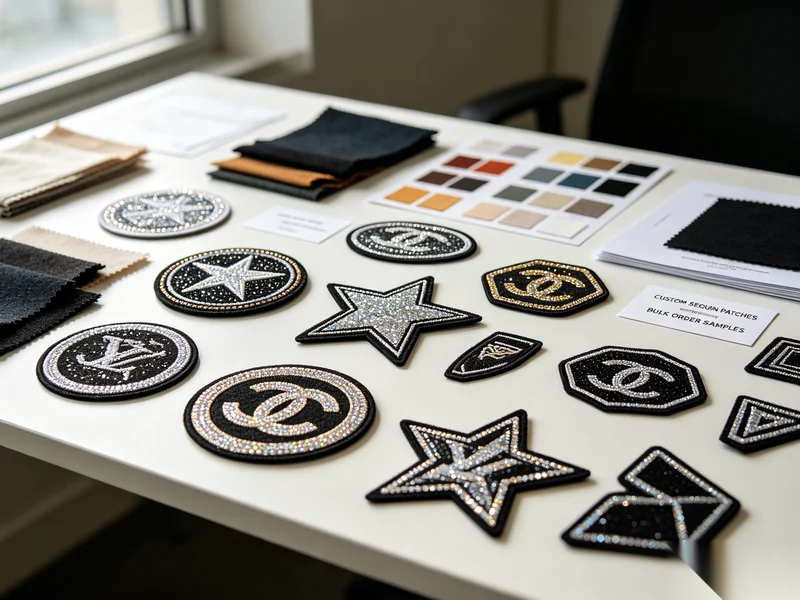
When people search for an “embroidery label maker”, they are usually not just looking for a supplier—they are trying to solve a real production problem:
- “Why do my labels fade after washing?”
- “Why does my logo look different from the artwork?”
- “Why are some labels stiff and uncomfortable?”
- “Can I scale from small samples to bulk production reliably?”
A good embroidery label maker is not only a factory—it is a technical partner who controls design, stitching quality, material selection, and mass production consistency.
What Is an Embroidery Label Maker?
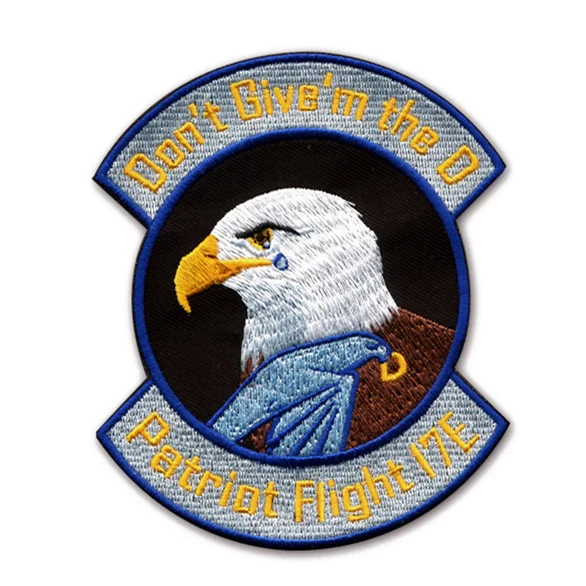
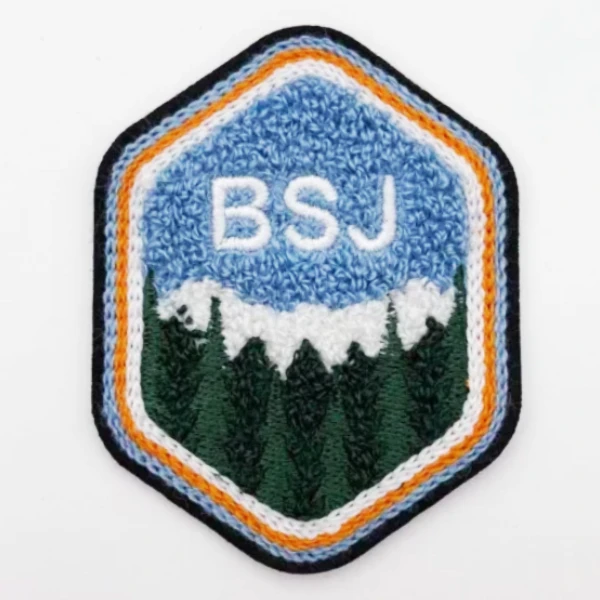
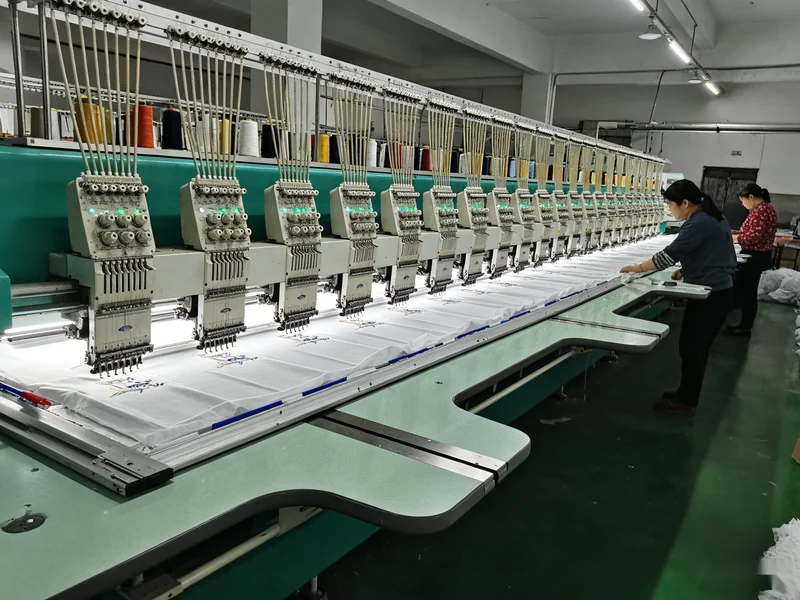
An embroidery label maker is a manufacturer that produces custom fabric labels using industrial embroidery machines.
These labels may include:
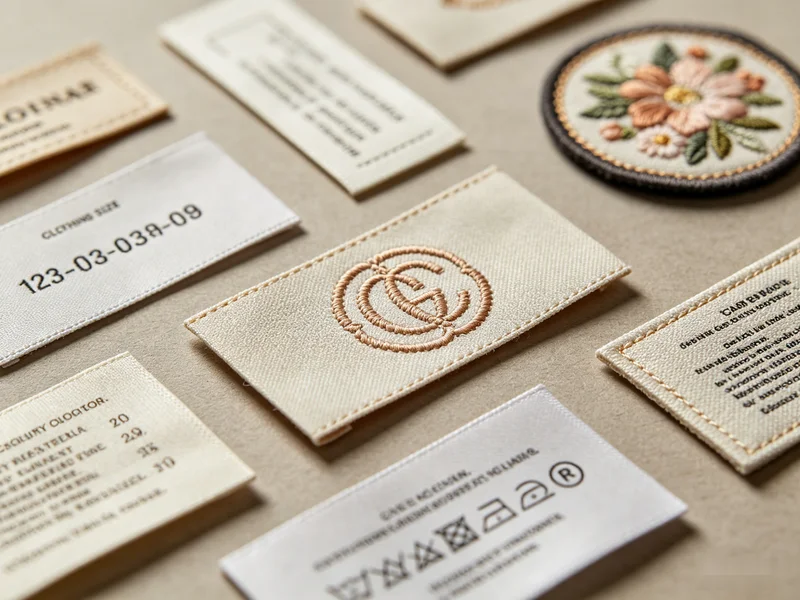
- Brand logos
- Clothing size labels
- Care labels
- Quilting name tags
- Uniform identification labels
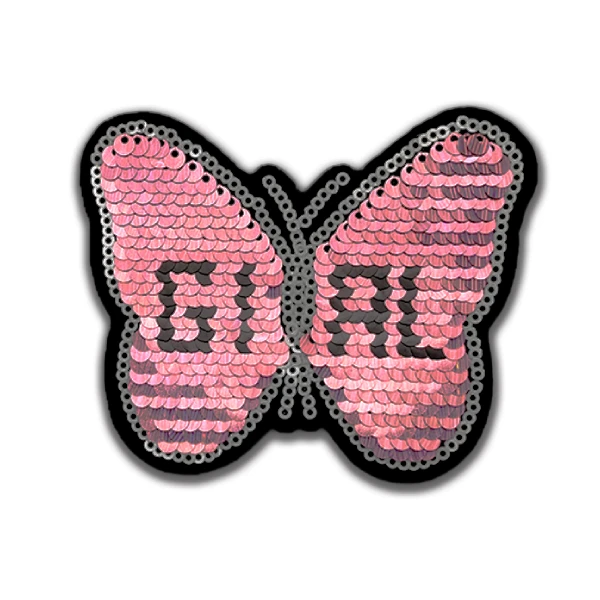
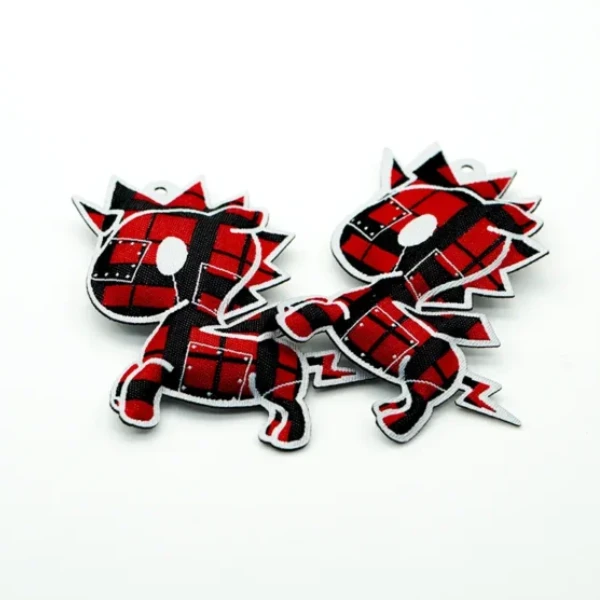
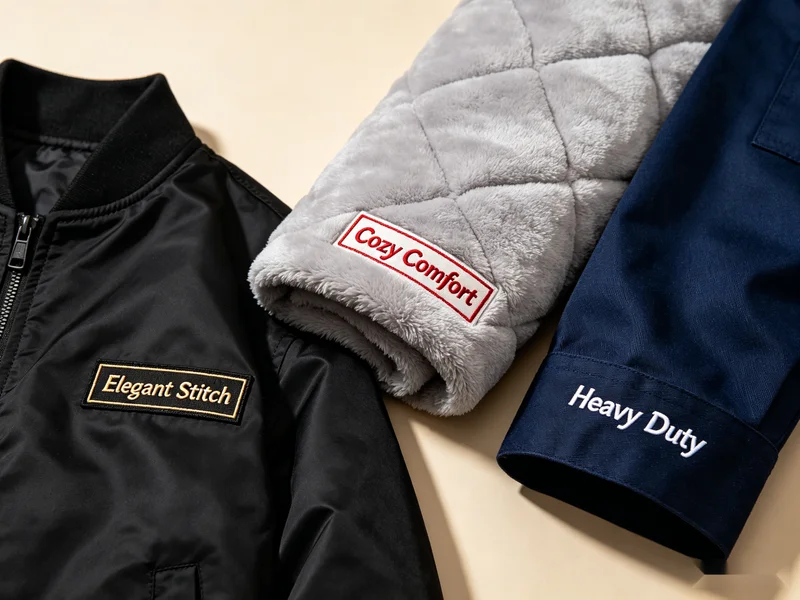
- Decorative branding patches
Unlike simple printing suppliers, a professional embroidery label maker controls the entire process:
👉 Design digitizing → embroidery production → cutting → backing → finishing → quality inspection
What Customers Actually Expect from a Good Embroidery Label Maker
Most buyers don’t explicitly say it, but they expect:
✔ Accurate logo reproduction
If your logo is distorted, the label loses brand value.
✔ Consistent quality in bulk orders
The first piece and the 10,000th piece must look identical.
✔ Fabric compatibility
Labels must match soft quilts, thick uniforms, or delicate fashion fabrics.
✔ Wash durability
Especially for quilts, uniforms, and sportswear.
✔ Flexible customization
Shape, size, color, border, backing—all adjustable.
Key Capabilities of a Professional Embroidery Label Maker
🧵 1. In-House Embroidery Machines
A real manufacturer should operate industrial machines such as:
- Multi-head embroidery machines
- High-density stitching systems
- Automatic thread color change systems
👉 This ensures speed, consistency, and scalability.
🎨 2. Digitizing (The Most Important Step)
Good embroidery starts with digitizing, not stitching.
A professional embroidery label maker will:
- Convert artwork into stitch data
- Adjust stitch density
- Optimize small text readability
- Prevent distortion during scaling
👉 Poor digitizing = poor final label, even with good machines.
🧵 3. Material Selection Expertise
Different applications require different materials:
- Twill → most common, stable
- Satin → smooth, premium appearance
- Felt → soft, decorative
- Cotton base → best for quilts and handmade items
👉 The right material affects softness, durability, and wash resistance.
🔥 4. Backing Options
A reliable embroidery label maker offers:
- Sew-on (most durable)
- Iron-on (fast application)
- Heat-seal (industrial production)
- Hook-and-loop (removable labels)
👉 Choosing the wrong backing is one of the most common customer mistakes.
Common Problems Caused by Low-Quality Label Makers
❌ 1. Thread fraying after washing
Usually caused by low-density stitching or poor finishing.
❌ 2. Logo distortion
Due to incorrect digitizing or unstable production control.
❌ 3. Hard or uncomfortable labels
Too thick backing or wrong fabric selection.
❌ 4. Inconsistent bulk production
Batch-to-batch differences in color or stitching.
How to Choose the Right Embroidery Label Maker
Before choosing a supplier, ask these questions:
✔ Do they have in-house production?
Avoid pure trading companies.
✔ Can they provide samples before bulk order?
Sampling shows real capability.
✔ Do they understand different applications?
Quilts ≠ uniforms ≠ fashion labels.
✔ Do they support OEM/ODM customization?
Essential for brand building.
✔ Can they handle bulk production stability?
Important for scaling businesses.
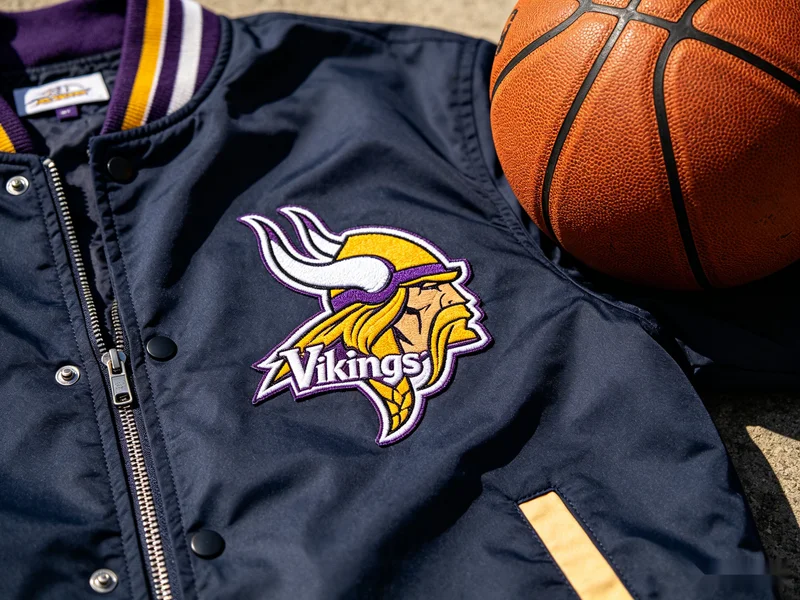
6. Application-Specific Design Considerations
🧶 For Quilts
- Soft fabric backing required
- Sew-on recommended
- Avoid stiff edges
- Focus on emotional text (names, dates, messages)
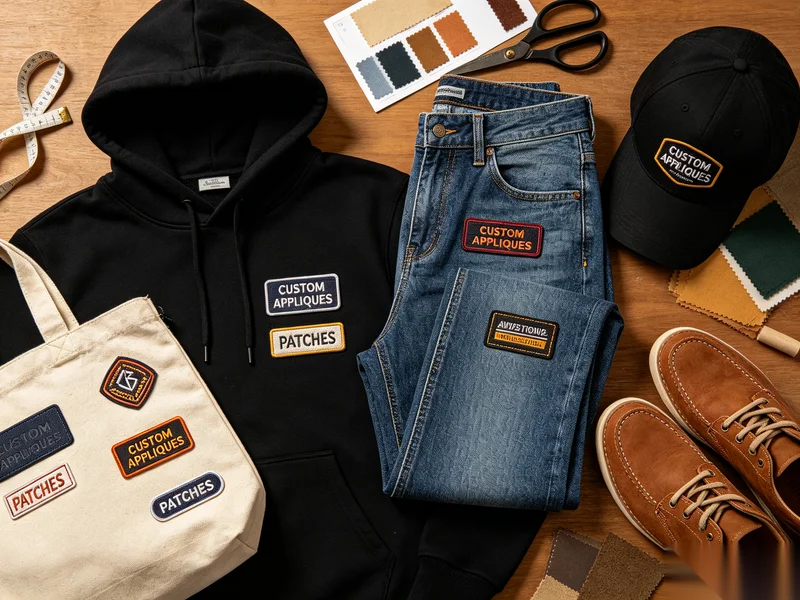
👕 For Apparel Brands
- Logo clarity is key
- Must survive repeated washing
- Balanced size for garment proportion
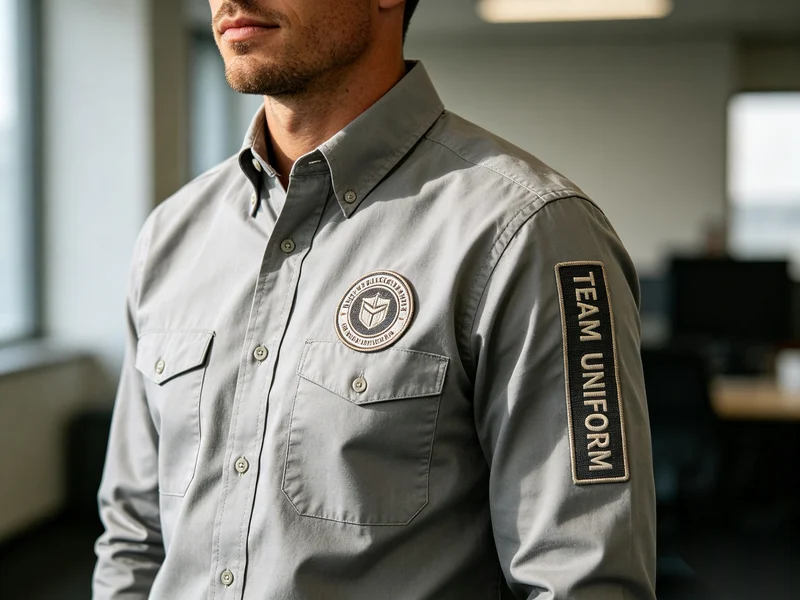
🧑🏭 For Uniforms
- High durability required
- Bold, readable text
- Heat and wash resistance critical
Why Manufacturing Capability Matters More Than Design
Many buyers focus only on design, but in reality:
👉 The same design can look completely different depending on the maker.
A professional embroidery label maker controls:
- Stitch tension
- Machine calibration
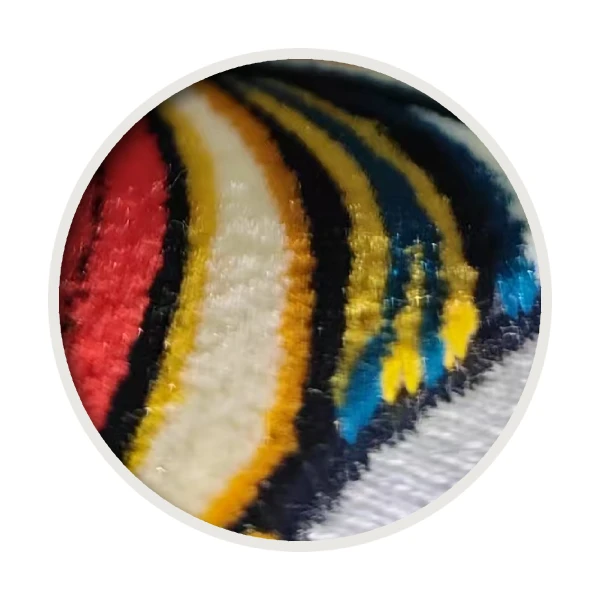
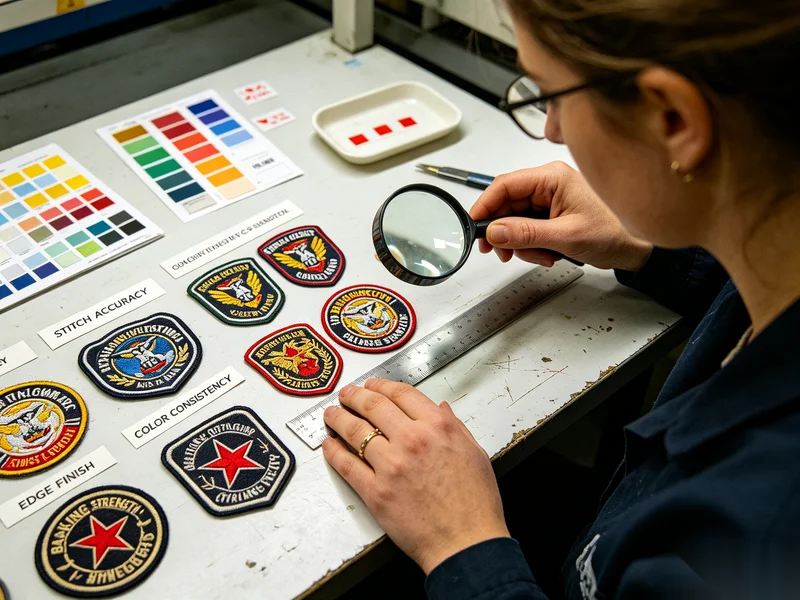
- Color matching
- Edge finishing
- Quality inspection standards
This is what separates premium branding labels from low-cost copies.
BSJ as an Embroidery Label Maker (Factory Perspective)
With 28 years of manufacturing experience, BSJ operates as a full-scale embroidery label maker with in-house production capabilities.
What this means in practice:
- Own embroidery machines (not outsourcing)
- Stable bulk production capability
- OEM & ODM customization support
- Sample development before mass production
- Strict quality control system
We support different industries:
- Apparel brands
- Quilt makers and handmade businesses
- Sportswear and team uniforms
- Promotional product distributors
👉 From small custom orders to large-scale production, consistency is maintained across every batch.
Final Thoughts
Choosing the right embroidery label maker is not just a sourcing decision—it is a product quality decision.
A strong manufacturer ensures:
- Your brand looks professional
- Your labels last after washing
- Your bulk orders remain consistent
- Your designs are accurately reproduced
In short, the right embroidery label maker turns a simple label into a long-term brand asset.
About Author
——————————————————————————————————————————————

Alexander
Online Sales Manager
Alexander specialize in digital marketing and understanding customer psychology, providing clients with the right solutions through data insights and creative strategies.
——————————————————————————————————————————————