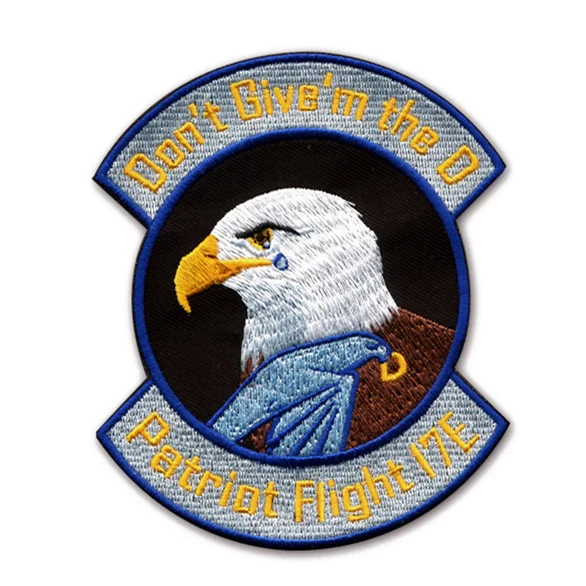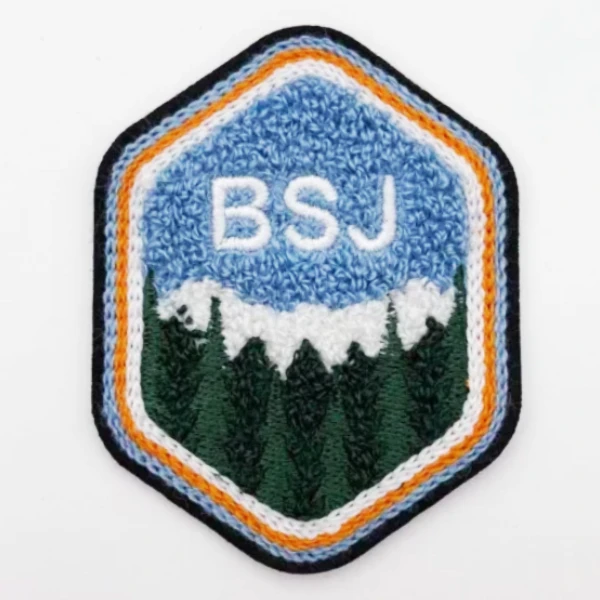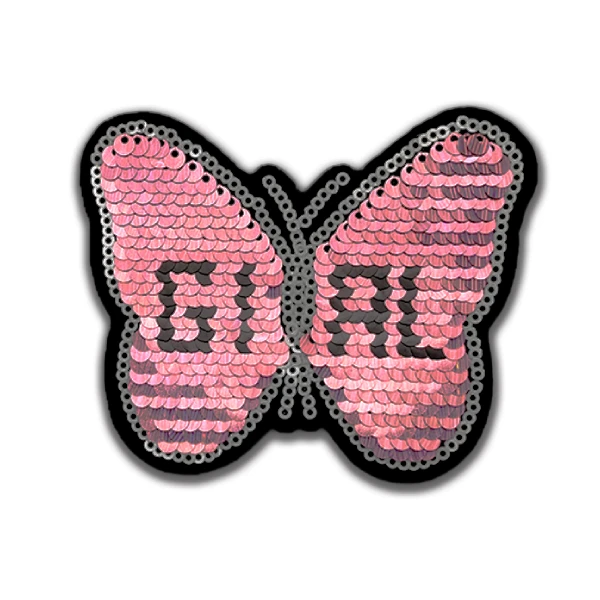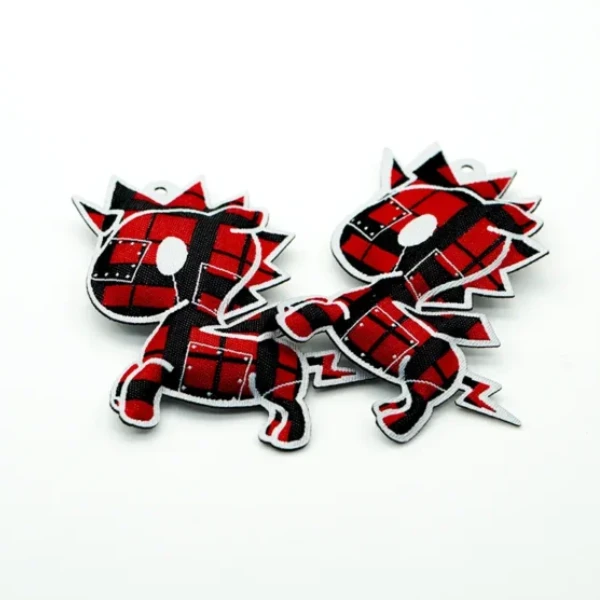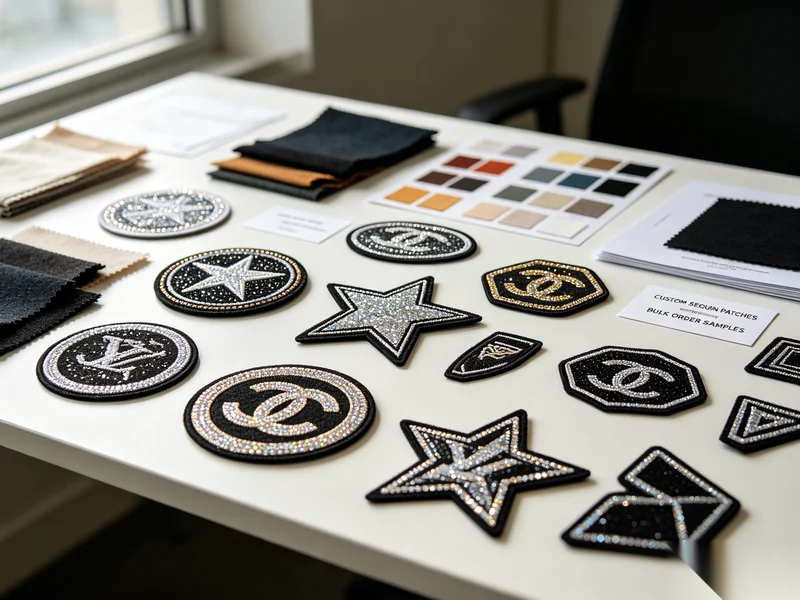
Quilting is not just stitching fabric together—it is storytelling, memory preservation, and often a deeply personal craft. That’s why embroidery labels for quilts are no longer just “optional accessories.” For many makers, they are the final signature that completes a quilt’s meaning.
But in real production and handmade quilting practice, many people run into the same problems:
- “Will the label damage my quilt?”
- “Should I sew it or iron it on?”
- “Why does my label fade or peel after washing?”
- “How can I make it look professional, not DIY?”
This article breaks down embroidery quilt labels from a practical maker’s perspective, not just a product description.
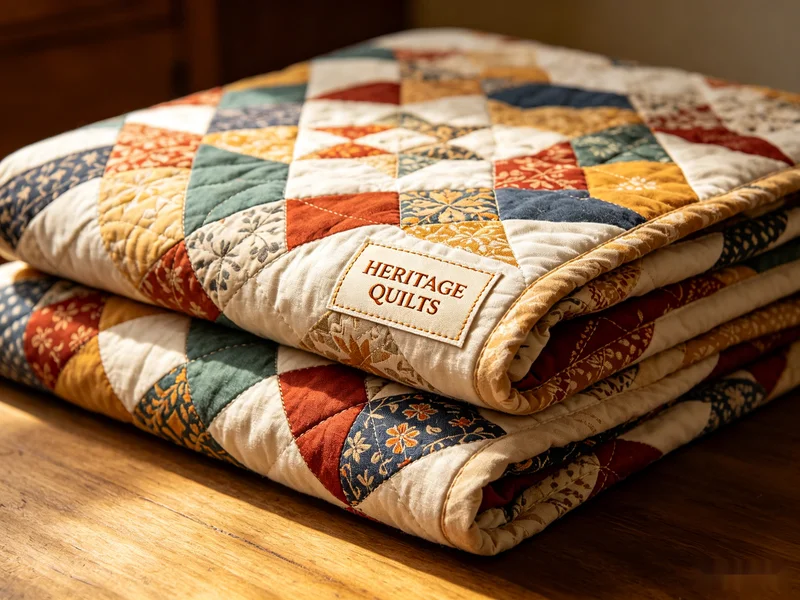
Why Embroidery Labels Matter in Quilting (More Than You Think)
A quilt label is often the only permanent record of the maker’s intention.
Typical uses include:
- Name of maker or family
- Date of completion
- Recipient name (gift quilts)
- Memory notes (wedding, baby birth, memorial quilts)
- Care instructions
- Small brand signature for handmade sellers
👉 For handmade quilt businesses, the label is also a branding asset, not just decoration.
The Real Pain Points Quilt Makers Face
❌ Problem 1: Labels fall off after washing
This usually happens with iron-on labels on soft cotton quilts.
Cause:
- Low adhesive strength
- Repeated washing cycles
- High humidity storage conditions
👉 Quilts are often washed gently but repeatedly over years—adhesive alone is not enough.
❌ Problem 2: Label looks “cheap” or not aligned with handmade style
Printed labels often feel flat and industrial.
Quilt makers usually prefer:
- Soft texture
- Fabric integration
- Handmade aesthetic consistency
👉 That’s why embroidery labels are preferred over printed tags.
❌ Problem 3: Fabric distortion after attaching label
Many beginners over-iron or over-stitch, causing:
- puckering
- fabric tightening
- visible deformation on quilt back
Sew-On vs Iron-On Embroidery Labels for Quilts (Important Decision)
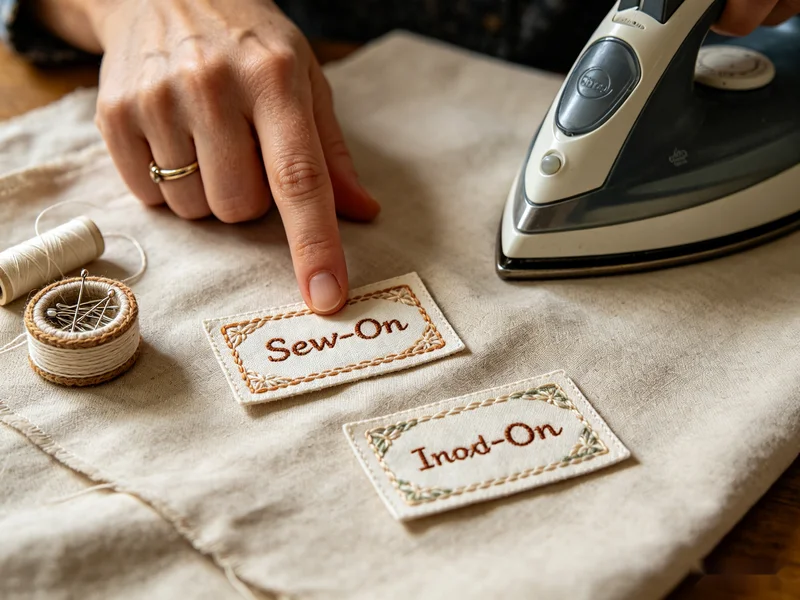
🧵 Sew-On Embroidery Labels (Recommended for Quilts)
This is the industry-preferred method for quilts, especially heirloom pieces.
Advantages:
- No adhesive chemicals
- Long-term durability (10–20+ years)
- Safe for delicate quilt fabrics
- Maintains quilt softness
Best placement:
- Back corner
- Inner border seam
- Hidden edge stitching
👉 For heirloom quilts, sew-on is essentially the “gold standard.”
🔥 Iron-On Embroidery Labels
Good for convenience, but with limitations.
Advantages:
- Fast application
- No sewing skill required
- Good for gifting or small batches
Risks:
- May loosen after repeated washing
- Not ideal for thick quilt layers
- Heat can damage delicate quilting cotton
👉 Works better as a temporary or decorative solution, not archival quilts.
Material Choices Matter More Than People Think
A high-quality embroidery label for quilts depends heavily on fabric choice.
Common materials:
- Soft twill: Most stable, widely used in quilting labels
- Satin fabric: Smooth, premium look but more delicate
- Cotton base: Best match for quilt texture
- Polyester blend: Strong but less “handmade feel”
👉 For quilts, the goal is visual harmony + softness + wash stability.
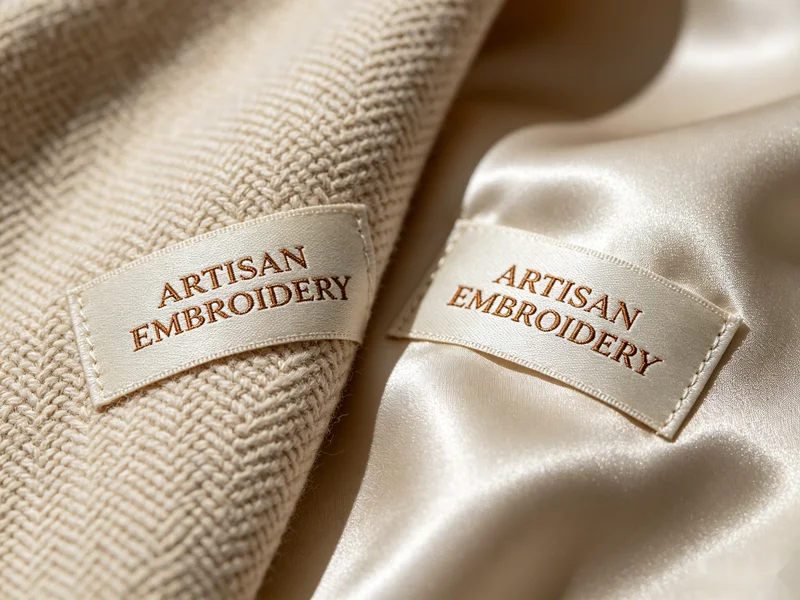
Design Tips for Quilt Embroidery Labels
This is where most DIY and even small brands make mistakes.
✔ Keep text readable but not overcrowded
Recommended content:
- Name
- Date
- Short message (1 line)
Avoid:
- Long paragraphs
- Too many fonts
- Overly complex graphics
✔ Match thread color to quilt tone
Two strategies:
- Blend-in style: subtle tone-on-tone embroidery
- Signature style: contrast color for visibility
✔ Choose the right size
Typical quilt label sizes:
- 5×5 cm (minimal signature)
- 6×8 cm (standard)
- 8×10 cm (story label / branding label)
✔ Placement matters
Best locations:
- Lower back corner (most common)
- Inside binding seam (hidden luxury style)
- Center back (statement quilts only)
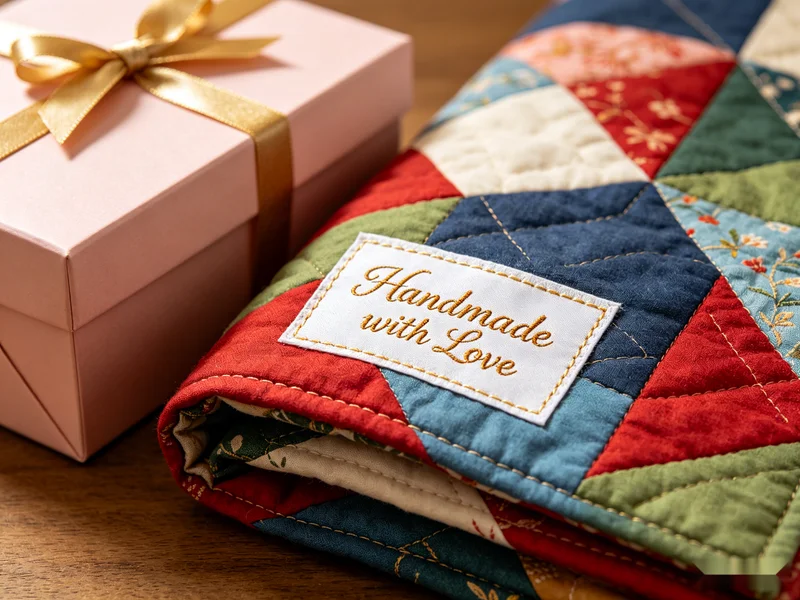
For Small Quilt Businesses: Labels Are Branding, Not Decoration
If you sell handmade quilts, embroidery labels become:
- Your “signature”
- Your authenticity proof
- Your repeat customer trigger
A well-designed label can:
- Increase perceived value
- Improve customer trust
- Make quilts more gift-ready
👉 Many small quilting brands underestimate this.
How Professional Manufacturers Improve Quilt Labels (BSJ Perspective)
At BSJ, embroidery labels for quilts are not treated as generic patches.
With 28 years of manufacturing experience, production focus includes:
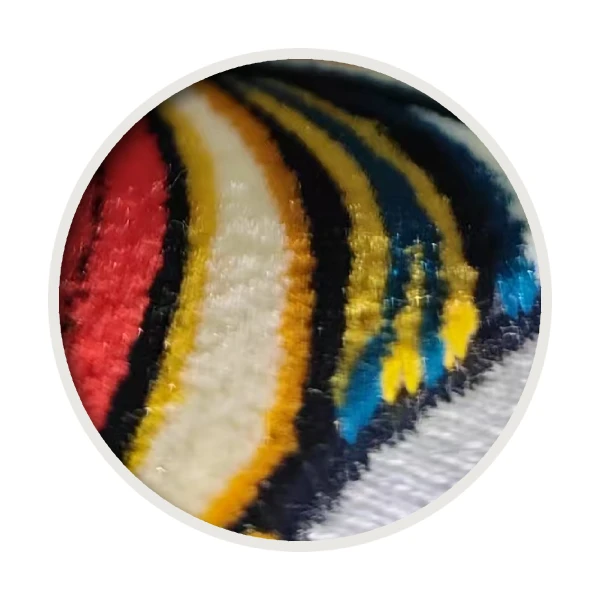
✔ Soft-touch embroidery control
To avoid stiffness on quilt fabric.
✔ Fine stitch density adjustment
To ensure text clarity without hard backing.
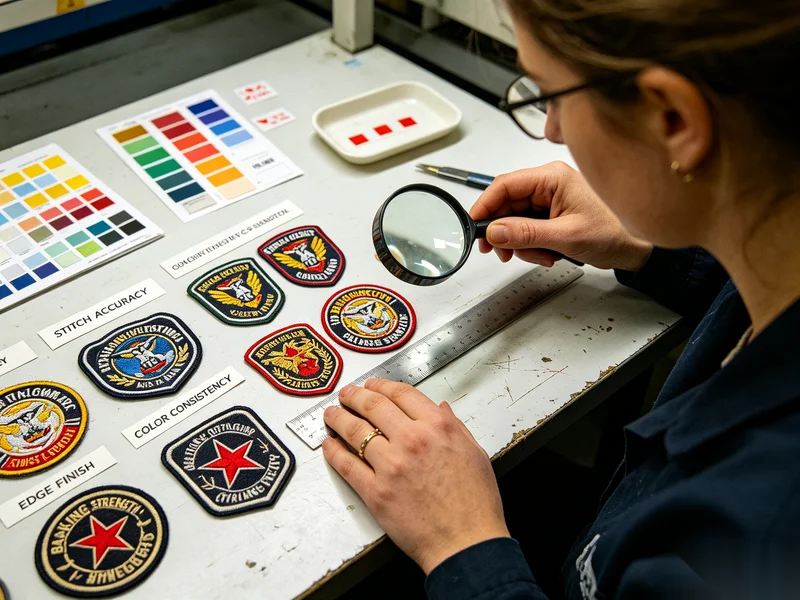
✔ Wash durability testing
Simulating repeated gentle laundering conditions.
✔ Custom OEM quilting label solutions
Including:
- Personalized name labels
- Handmade brand labels
- Story-style quilt tags
- Gift commemorative labels
Common Mistakes to Avoid
❌ Using overly thick embroidery
❌ Choosing strong rigid backing for quilts
❌ Ignoring fabric compatibility
❌ Placing label on high-flex areas
❌ Using pure adhesive labels for heirloom quilts
Final Thoughts
Embroidery labels for quilts are not just identification tags—they are memory carriers.
The right label should:
- Match the softness of quilt fabric
- Survive long-term washing
- Reflect emotional value
- Represent the maker or brand
For quilt makers and small brands, choosing between sew-on and iron-on is not just about convenience—it’s about how long you want the story to last.
With professional manufacturing support like BSJ’s in-house embroidery production, quilt labels can be made both beautiful and structurally reliable, especially for handmade and custom quilting projects.
About Author
——————————————————————————————————————————————

Alexander
Online Sales Manager
Alexander specialize in digital marketing and understanding customer psychology, providing clients with the right solutions through data insights and creative strategies.
——————————————————————————————————————————————