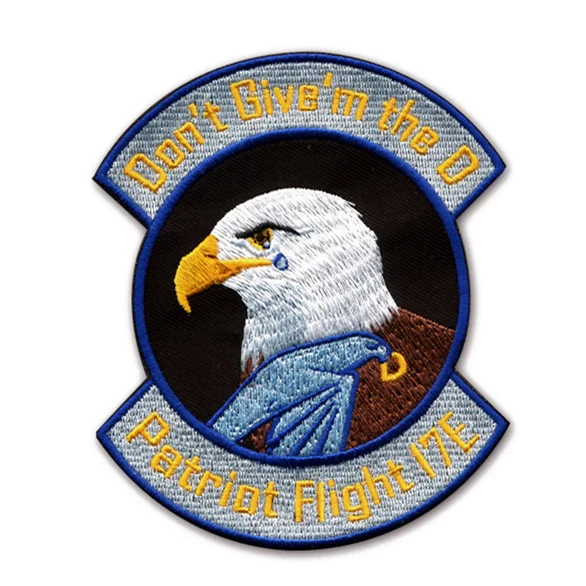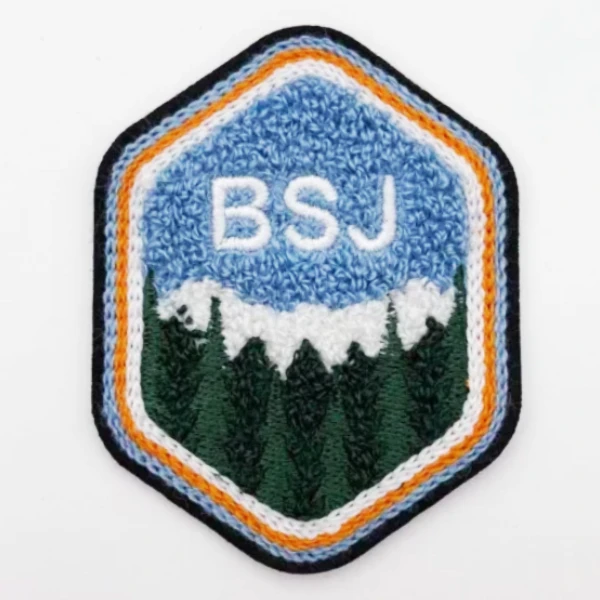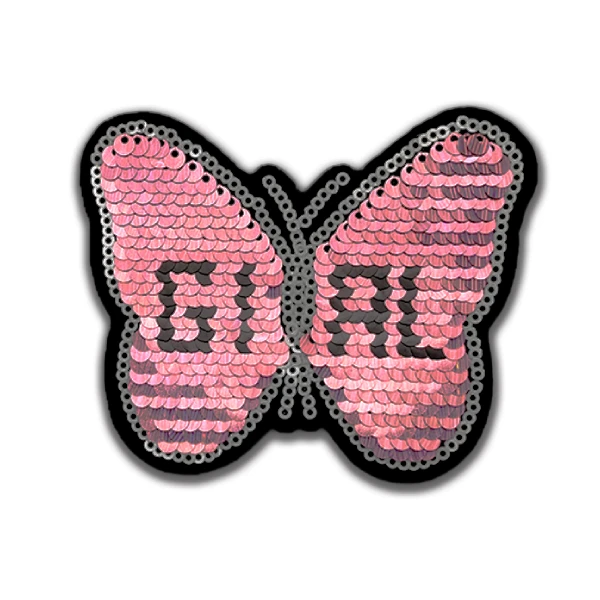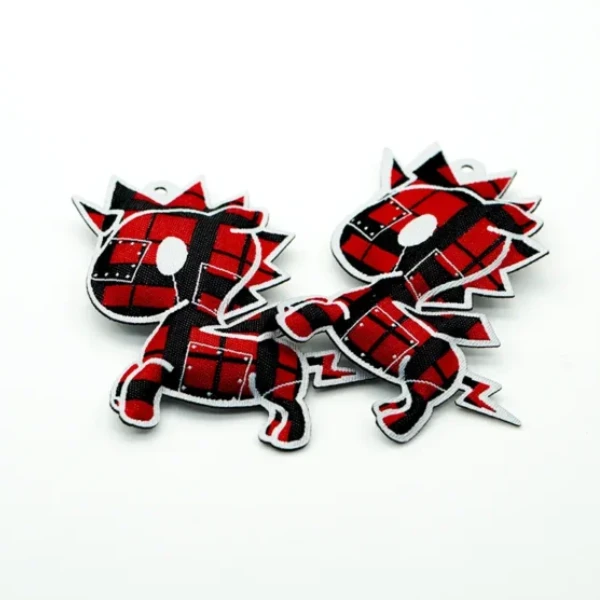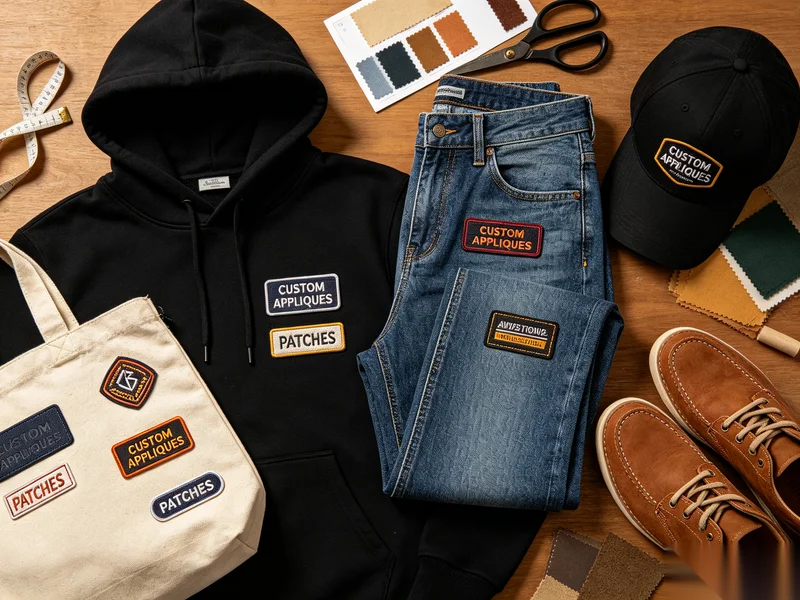
Patch lining refers to the supporting materials used under or above embroidery patches to stabilize fabric and improve embroidery quality.
There are two main types: back linings (backings) that prevent distortion, and top linings (toppings) that enhance surface texture and structure.
In 2025, the 7 most common patch linings include: paper backing, hot-melt adhesive film, water-soluble stabilizer, twill, felt, plain weave, and satin.

🔍 What Is Patch Lining?
Question: What exactly is patch lining in embroidery, and why is it essential?
Answer: Patch lining is a layer of material used to support or enhance the embroidery process. It ensures the patch fabric remains stable during stitching and after washing, preventing wrinkles, stretching, or deformation.
In-depth explanation:
Patch linings are logically divided into two main categories:
| Type | Function | Typical Use |
|---|---|---|
| Back Lining (Backing) | Placed under the fabric to stabilize the embroidery | Nonwoven paper, hot-melt film, water-soluble paper, mesh backing |
| Top Lining (Topping) | Placed above the fabric to prevent threads from sinking | Felt, twill, canvas, satin, EVA, silicone coatings |
At BSJ, a professional embroidery patch manufacturer, proper selection of patch lining directly affects patch quality, embroidery efficiency, and durability — especially for complex logos or large production runs.
7 Common Patch Lining Types in 2025
1. Paper Backing (Nonwoven Lining)
Question: What is paper backing and where is it commonly used?
Answer: Paper backing, also known as nonwoven lining, is the most basic stabilizer used under embroidery patches.
Details:
In the Pearl River Delta region of China, nonwoven backing is called “paper lining (纸朴)”, while woven backing is known as “fabric lining (布朴)”.
Paper backings are lightweight, affordable, and easy to tear away after embroidery, making them ideal for mass embroidery production and standard patch backing.
2. Hot-Melt Adhesive Film
Question: What makes hot-melt adhesive film suitable for machine embroidery?
Answer: It’s a specialized heat-activated membrane that bonds fabrics without stitching, ideal for clean, efficient patch application.
Main features:
- Prevents fabric shifting with embossed texture.
- Softens under low heat, ensuring smooth bonding.
- Easy peel-off without residue.
- Breathable, odor-free, and environmentally friendly.
- Works with nearly all fabrics for embroidery adhesion.
- Safe and non-toxic — suitable even for children’s clothing.
- Cost-effective compared to water-soluble films.
- Leaves embroidery clean, without fiber residue.
- Formaldehyde-free and eco-compliant.
3. Water-Soluble Stabilizer
Question: What is a water-soluble patch lining and how is it used?
Answer: Water-soluble stabilizer (also called water-soluble paper or nonwoven) is made from natural plant fibers that dissolve in hot water.
Details:
- It’s indispensable for producing lace embroidery or standalone embroidered patches.
- During embroidery, humidity can cause fabric shifting, leading to misaligned stitches or deformation.
- After embroidery, immersing it in water above 80°C dissolves the stabilizer, leaving only the delicate embroidery design — this is known as water-soluble lace.
4. Twill Fabric
Question: Why is twill fabric often used as patch lining?
Answer: Twill’s strong texture and diagonal weave make it durable and resistant to deformation — perfect for structured patches.
Details:
Twill weave interlaces warp and weft threads every two or three threads (e.g., 2 over 1 or 3 over 1).
- Features: Thick texture, strong structure, and visible diagonal lines.
- Yarn counts typically range from 30s to 60s.
- Commonly used as base material for high-end embroidered patches, such as military, brand, or uniform badges.
5. Felt Fabric
Question: What are the advantages of using felt as a patch base?
Answer: Felt offers thickness, smoothness, and stability for various embroidery types — especially flat embroidery, towel embroidery, and sequin embroidery.
Specifications: 1mm, 2mm, 3mm, 4mm, and 5mm thick.
Features:
- Even texture, non-shedding, and washable.
- Environmentally safe and colorfast.
- Cost-effective — only a few RMB per yard, increasing with thickness.
6. Plain Weave Fabric
Question: How does plain weave fabric differ from twill in patch applications?
Answer: Plain weave is finer and denser, with a smoother surface — making it ideal for detailed, high-end embroidery.
Details:
- Warp and weft interlace every other thread (1 up, 1 down).
- Has more interlacing points, resulting in firm, crisp fabric.
- Commonly used for high-end embroidered patches where precision and clarity are essential.
7. Satin Fabric
Question: Why is satin often used for decorative patch linings?
Answer: Satin (also known as sateen) has a distinctive glossy surface, offering a luxurious and elegant look.
Details:
- Provides a soft, reflective finish.
- Frequently used in fashion patches, home textiles, and premium logos.
- Suitable for embroidery that requires a bright, premium aesthetic.
⚙️ How to Choose the Right Patch Lining
| Application | Recommended Lining | Benefits |
|---|---|---|
| High-end brand patches | Satin / Twill | Smooth, glossy, refined surface |
| Large-batch embroidery | Paper backing / Hot-melt | Easy to use, cost-efficient |
| Lace & decorative embroidery | Water-soluble | Clean finish, dissolves after stitching |
| Soft texture patches | Felt | Thick, durable, washable |
| Industrial or structured badges | Twill / Plain weave | Strong stability, sharp edges |
BSJ’s Professional Tip:
When producing embroidery patches, the lining choice determines the patch’s structure, edge precision, and durability.
Although BSJ does not manufacture lining materials, our expertise in embroidered patch production allows us to recommend the most suitable patch lining for every fabric, technique, and application.
🏁 Conclusion
Choosing the right patch lining is critical for ensuring embroidery stability, precision, and long-term performance.
With proper material selection — from paper backings for cost efficiency to satin tops for premium appearance — embroidery manufacturers can optimize both quality and productivity.
As a professional embroidery patch supplier, BSJ helps global clients achieve outstanding embroidery results through precise process control and expert material matching.
About Author
——————————————————————————————————————————————

Alexander
Online Sales Manager
Alexander specialize in digital marketing and understanding customer psychology, providing clients with the right solutions through data insights and creative strategies.
——————————————————————————————————————————————