Patch backing refers to the material or method applied to the back of a patch that determines how it’s attached to fabric, clothing, or other items. The choice of backing affects not only how a patch is used—whether it’s permanent, temporary, or adjustable—but also its durability, cost, and ease of application.
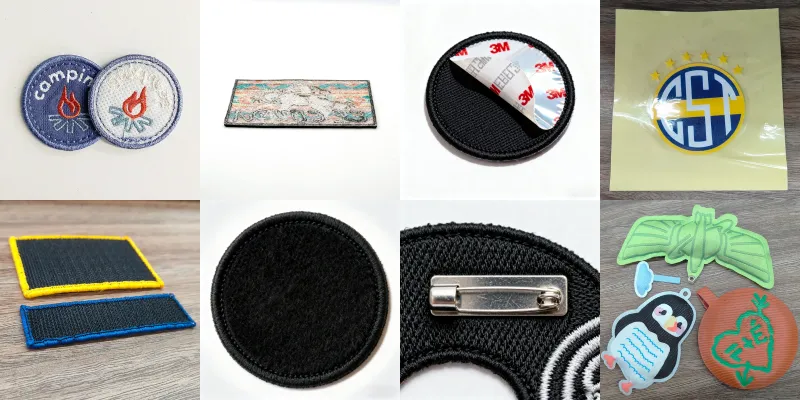
Common options include sew-on backing (none), iron-on, adhesive, Velcro (hook & loop), plastic, safety pin, and button loop. Each serves a unique purpose depending on the user’s application needs.
What Is Patch Backing?
Patch backing is the layer or material applied to the reverse side of a patch to enable it to attach to garments or surfaces. It can be permanent (like sewing or ironing) or removable (like Velcro or pins).
Choosing the right backing ensures:
- Secure attachment
- Longevity and usability
- Convenience for replacement or removal
- Suitability for different fabrics and surfaces
Understanding these backing types helps brands, organizations, and manufacturers create patches that match real-world use cases.
Common Types of Patch Backing Explained
1. None (No Backing / Sew-On Backing)
Description:
This is the simplest type—no adhesive or material is added. The patch is sewn directly onto the garment or product using thread.
Best For:
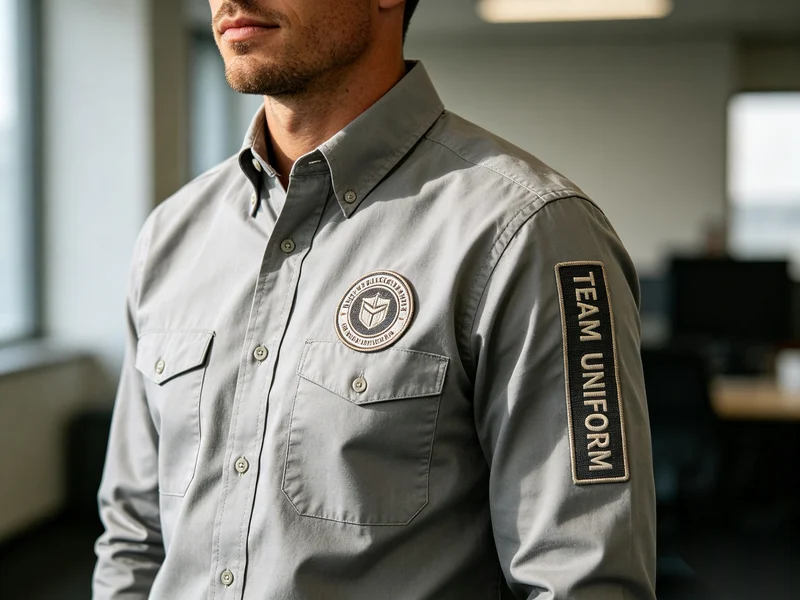
- Permanent applications (uniforms, workwear, jackets)
- High durability needs
Notes:
If a patch will be machine-sewn, it’s recommended to add a sewing channel around the edge to make stitching easier and cleaner.
Advantages:
- Longest-lasting method
- Washable and heat-resistant
- Works with all fabrics
2. Iron-On Backing
Description:
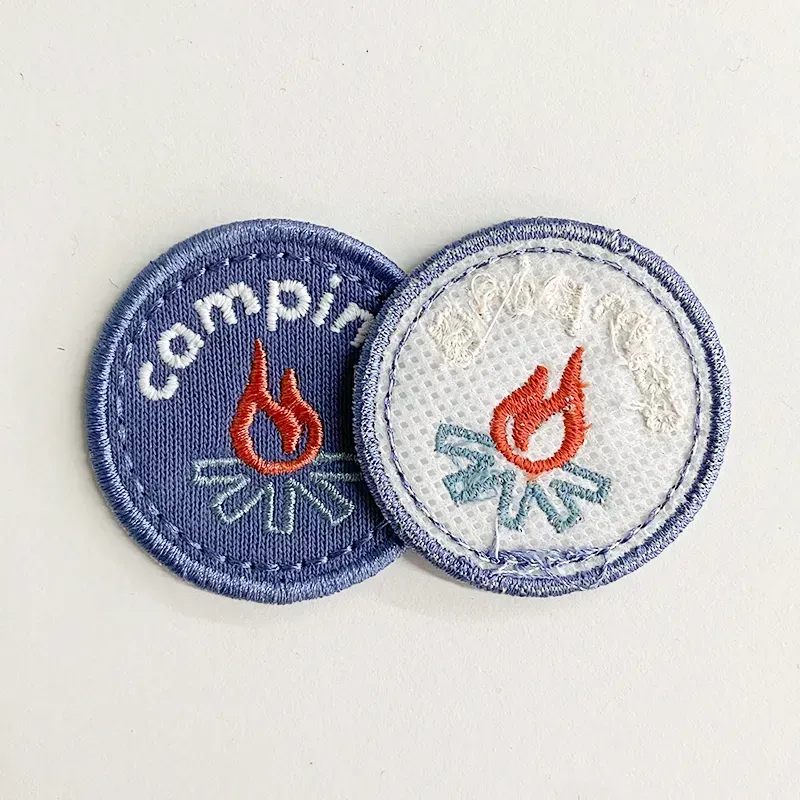
An iron-on patch backing includes a heat-activated adhesive film that bonds the patch to fabric when pressed with an iron or heat press.
How to Apply:
- Place the patch on fabric with the adhesive side down.
- Cover with a cloth and press firmly using an iron for 20–30 seconds.
- Let it cool and set.
Best For:
- Cotton and polyester fabrics
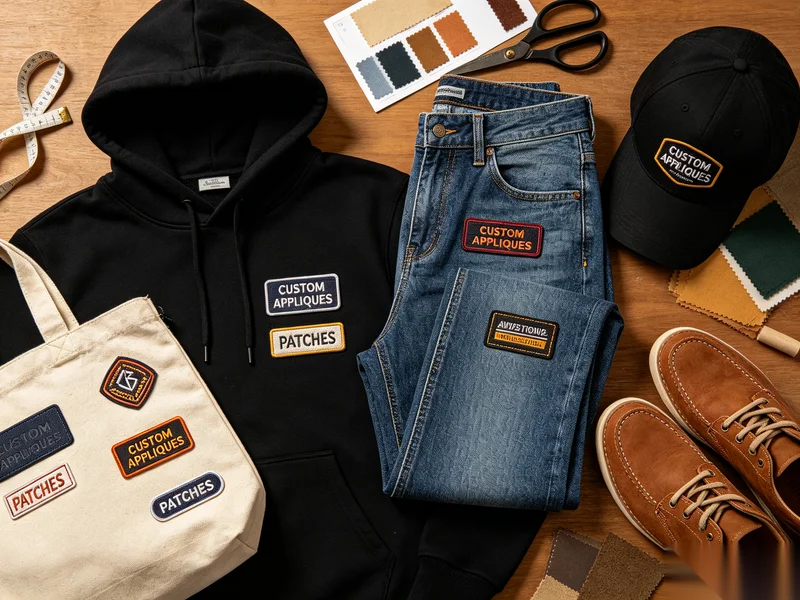
- Fashion, school, or DIY projects
Advantages:
- Quick and easy to apply
- Clean finish (no sewing required)
Notes:
Iron-on patches are not ideal for nylon or waterproof materials and may loosen after multiple washes.

3. Adhesive Backing / 3M Adhesive
Description:
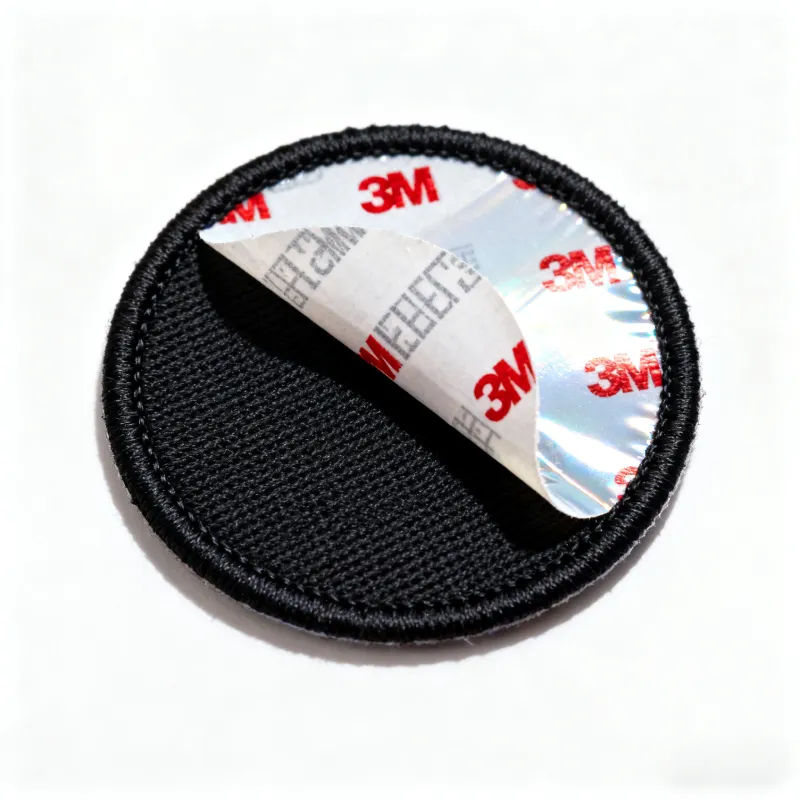
A sticky adhesive backing, such as 3M glue, allows patches to attach temporarily to smooth surfaces.
Best For:
- Short-term promotions or events
- Non-fabric surfaces (plastic, glass, paperboard)
Advantages:
- Peel-and-stick convenience
- No heat or sewing needed
Notes:
Not suitable for washing or long-term use. Adhesive patches may lose grip over time or leave residue after removal.
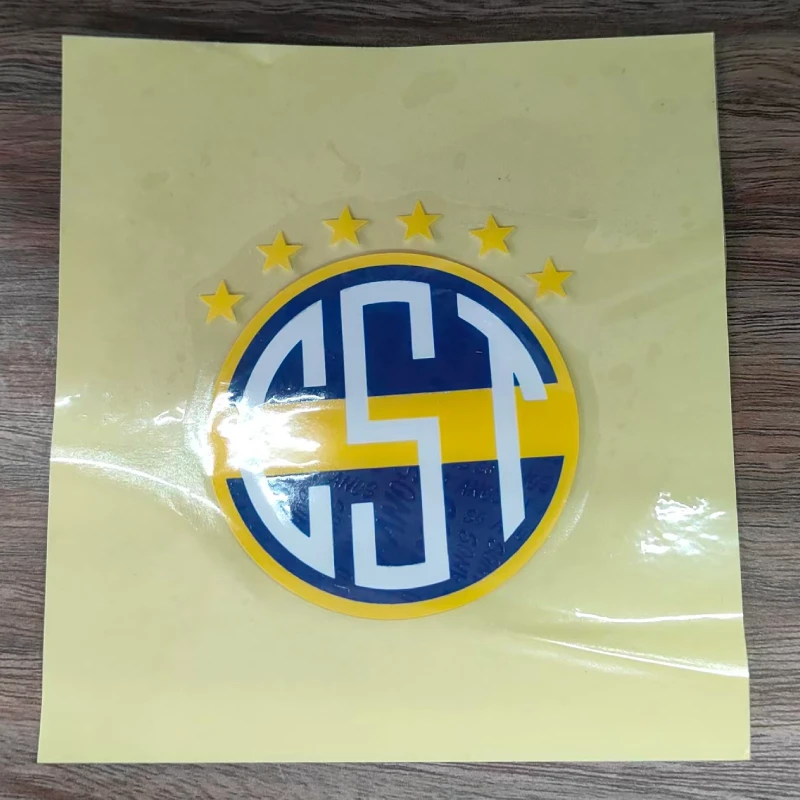
4. Plastic Backing
Description:
A hard plastic backing is added to reinforce the patch when:
- The edges are too thin to hold shape
- The patch consists of multiple small segments needing stabilization
Best For:
- Thin, flexible designs
- Multi-module or intricate patches
Advantages:
- Keeps patch flat and stable during production and application
- Adds stiffness for easy handling
Notes:
Plastic backing doesn’t attach the patch by itself—it is typically combined with other backings like Velcro or sew-on methods.
5. Safety Pin Backing
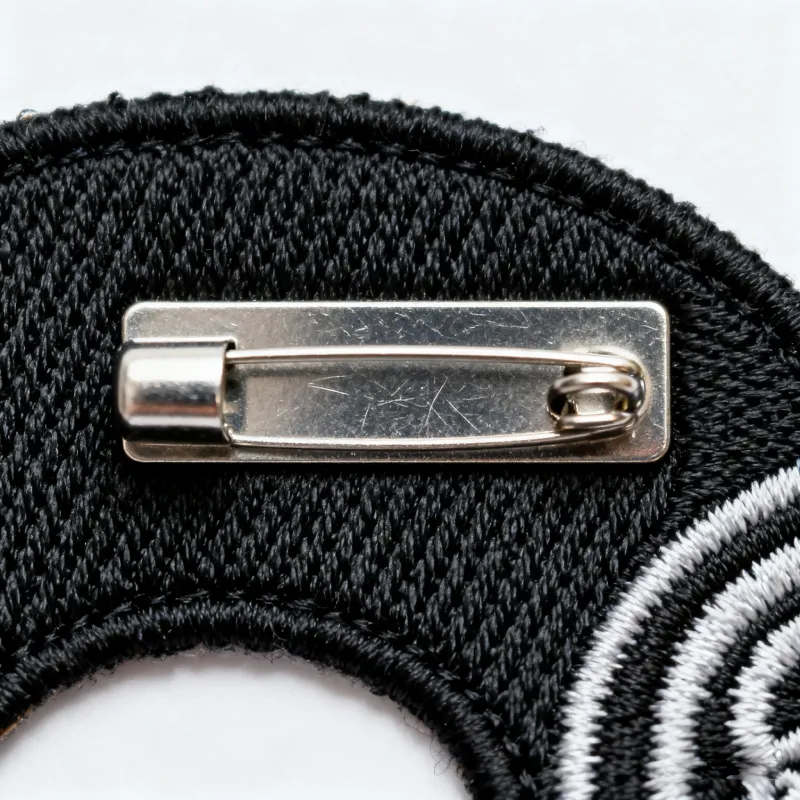
Description:
A small safety pin or bar pin is attached to the patch, allowing it to be pinned to any surface.
Best For:
- Temporary decorations, accessories, or events
- Hats, bags, or outerwear
Advantages:
- Easy to attach and remove anytime
- Reusable and adjustable
Notes:
Pins may leave small holes in fabric and are less suitable for permanent placement.
6. Hook Backing
Description:
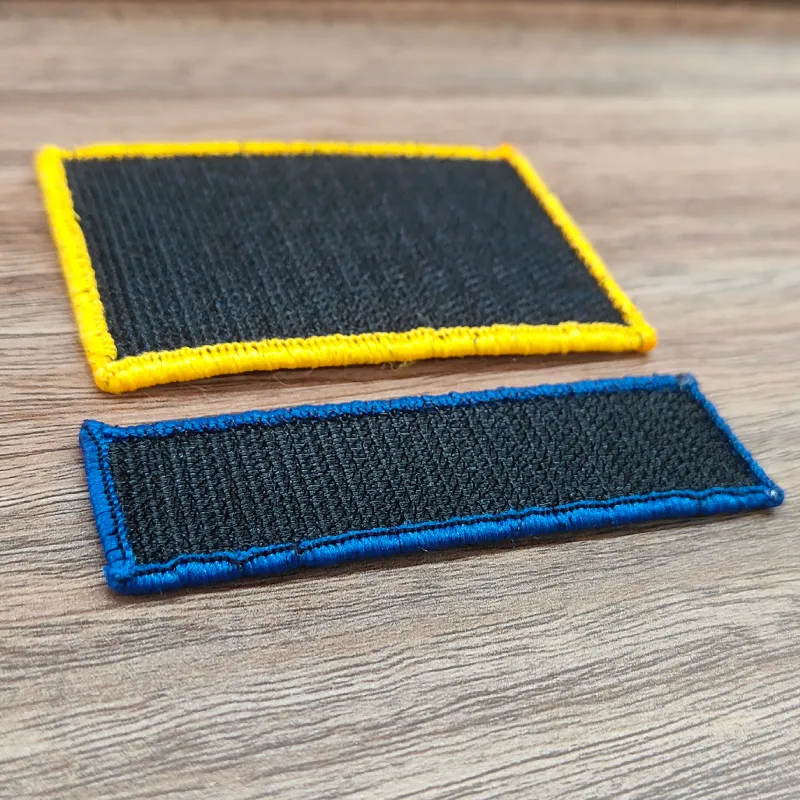
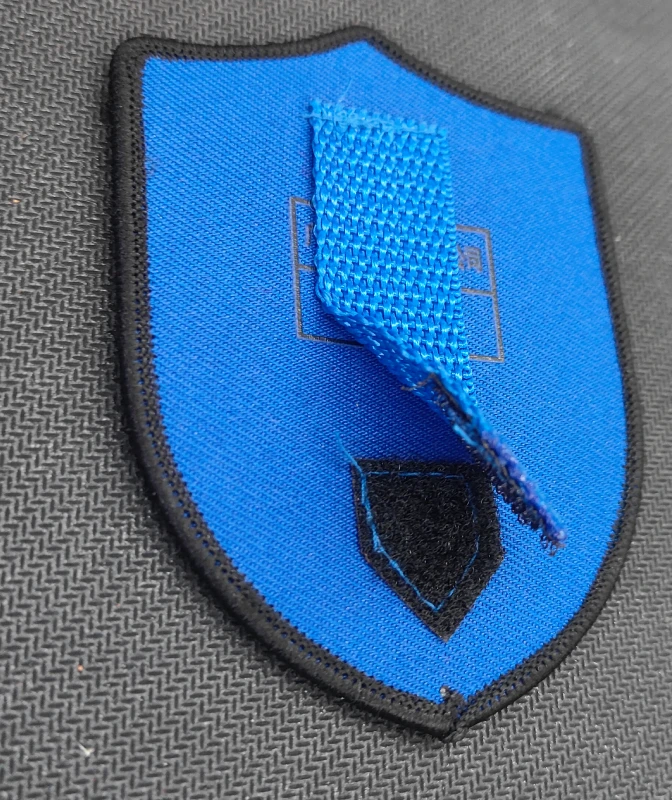
The hook side of a Velcro system—covered with tiny, stiff loops that grip onto the loop (毛面) fabric. Available in short-hook (firm) and long-hook (softer) options.
Best For:
- Tactical, military, or law enforcement uniforms
- Any patch needing easy on/off replacement
Advantages:
- Strong attachment when paired with loop fabric
- Durable through many uses
Notes:
Short-hook backing provides a tighter hold and firmer feel—ideal for professional applications.
7. Loop Backing
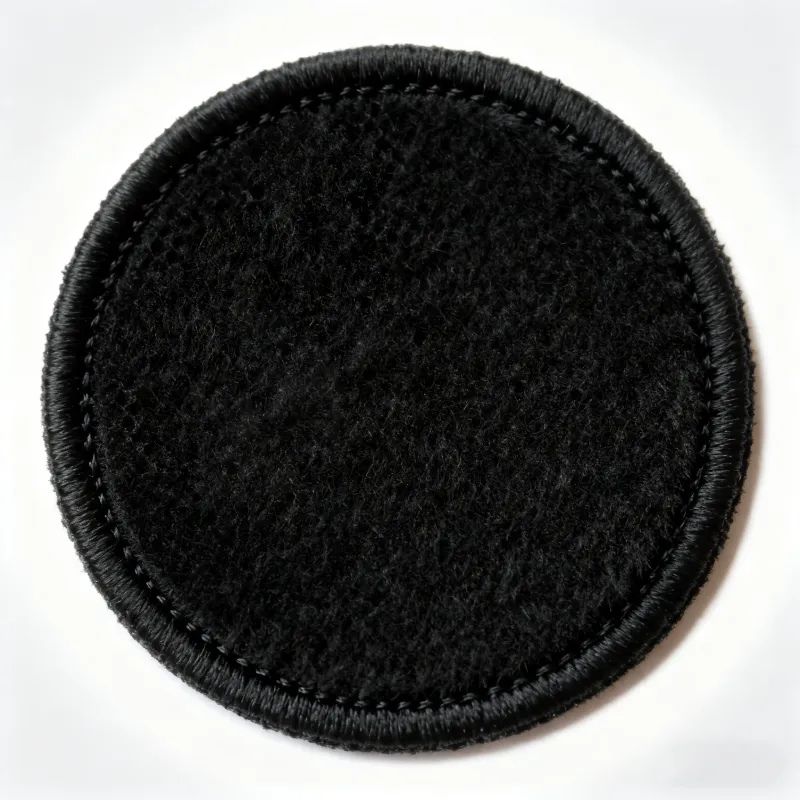
Description:
The loop side of the Velcro system—soft and fuzzy—paired with hook backing for a complete set.
Best For:
- Custom name patches, badges, or uniform sets
- Interchangeable patch systems
Advantages:
- Gentle on fabric surfaces
- Compatible with hook backings of various strengths
Notes:
Hook and loop are often ordered together when creating complete Velcro patch systems.
8. Button Loop Backing
Description:
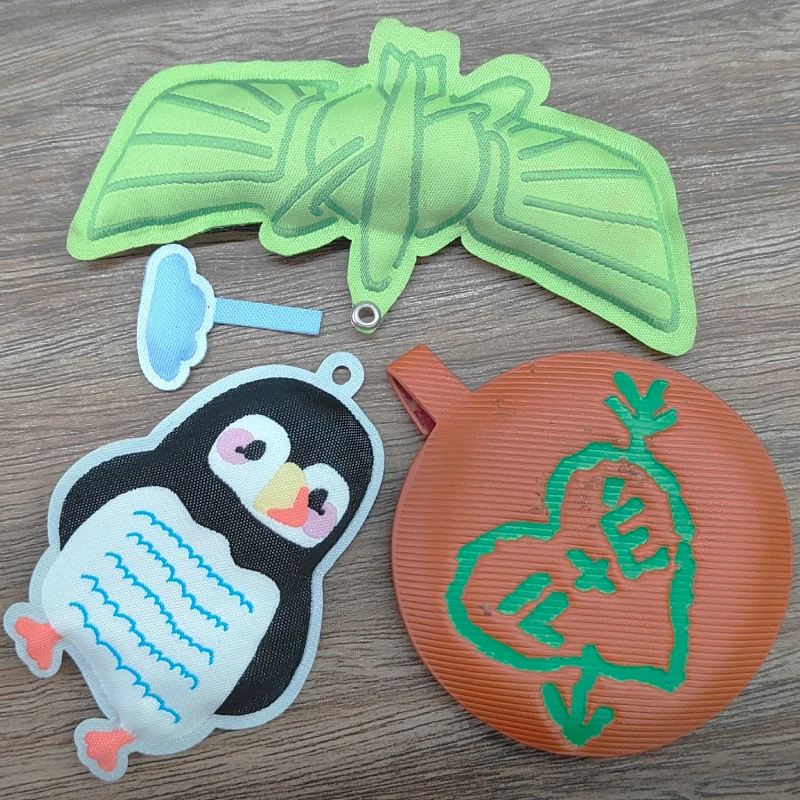
A button loop or hanging strap backing allows the patch to be tied or attached to items using a loop instead of sewing or sticking.
Best For:
- Hanging tags, keychains, luggage labels, or shoe decorations
Advantages:
- No need for adhesive or stitching
- Easy to remove or reposition
Notes:
Often used in retail or promotional displays where patches need to be visibly displayed or attached to accessories.
* To learn more about the finishing techniques of embroidered patches, click here Customs and Border Protection Patch
Comparison Table: Different Patch Backing Types
| Backing Type | Attachment Method | Reusable | Washable | Cost | Best For |
|---|---|---|---|---|---|
| None / Sew-On | Sewing | No | Yes | ★★☆ | Uniforms, jackets |
| Iron-On | Heat press | No | Limited | ★★☆ | DIY, fashion |
| Adhesive (3M) | Peel & stick | Yes | No | ★☆☆ | Promotions |
| Plastic | Support only | — | — | ★☆☆ | Complex shapes |
| Safety Pin | Pin-on | Yes | No | ★★☆ | Temporary display |
| Hook (Velcro) | Attach to loop | Yes | Yes | ★★★ | Tactical gear |
| Loop (Velcro) | Pair with hook | Yes | Yes | ★★★ | Uniform systems |
| Button Loop | Hang or tie | Yes | Yes | ★★☆ | Luggage, retail |
How to Choose the Right Patch Backing
When selecting a patch backing, consider:
- Application type – Permanent or removable?
- Fabric surface – Smooth, rough, or heat-sensitive?
- Durability needs – Will it face washing, heat, or outdoor use?
- Budget and quantity – Some backings (like Velcro) add cost but increase flexibility.
- Shape and size – Thin patches or detailed designs may require plastic or heat stabilization.
For example:
- Uniforms → Sew-on or Velcro
- Promotional giveaways → Adhesive or button loop
- DIY apparel → Iron-on backing
- Complex shapes → Plastic reinforcement
Combining Backings for Functionality
Some patches use dual backing systems to balance flexibility and stability, such as:
- Plastic + Velcro – For tactical or law enforcement patches
- Iron-on + Sew-on edge – For fashion patches requiring reinforcement
- Hook + Loop sets – For interchangeable name or unit badges
This hybrid approach enhances both usability and longevity.
Conclusion: Patch Backing Defines Function and Performance
Choosing the right patch backing determines how effectively your patch performs in real use. From iron-on patch backings for quick DIY applications to Velcro hook-and-loop systems for professional uniforms, each option provides a unique balance of convenience, durability, and cost.
For permanent attachment, go with sew-on or iron-on.
For removable or tactical use, choose hook and loop.
For temporary or decorative purposes, adhesive or safety pin backings are ideal.
The right backing transforms a simple embroidered design into a functional, professional, and versatile patch that meets your exact needs.
About Author
——————————————————————————————————————————————

Alexander
Online Sales Manager
Alexander specialize in digital marketing and understanding customer psychology, providing clients with the right solutions through data insights and creative strategies.
——————————————————————————————————————————————