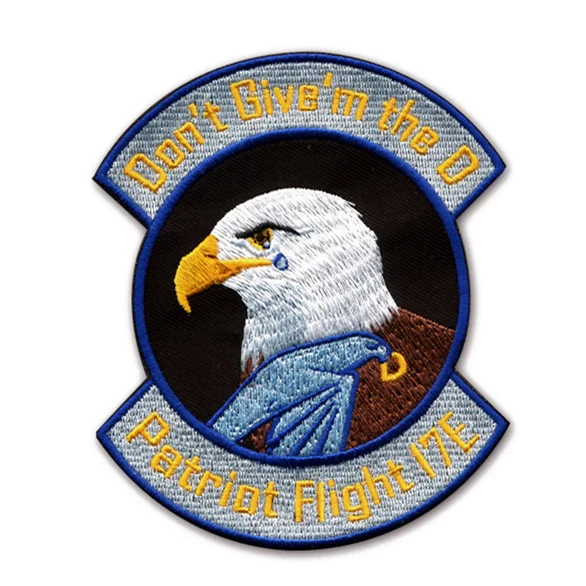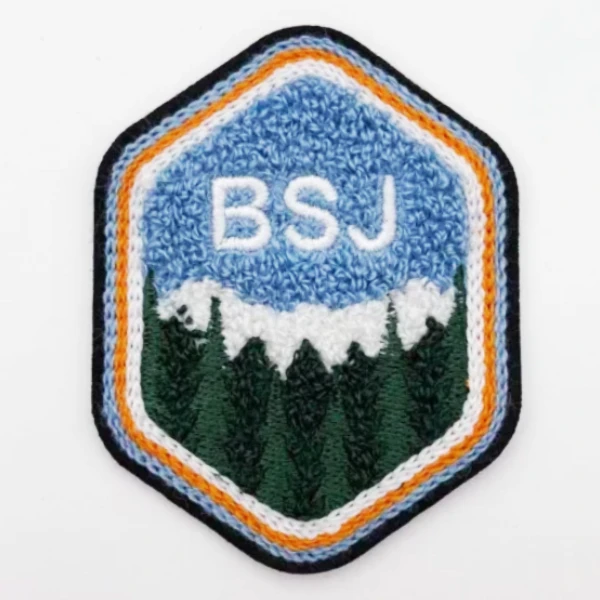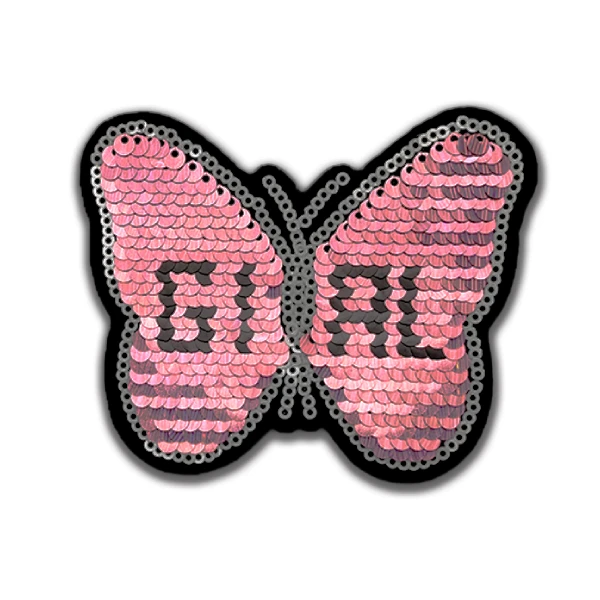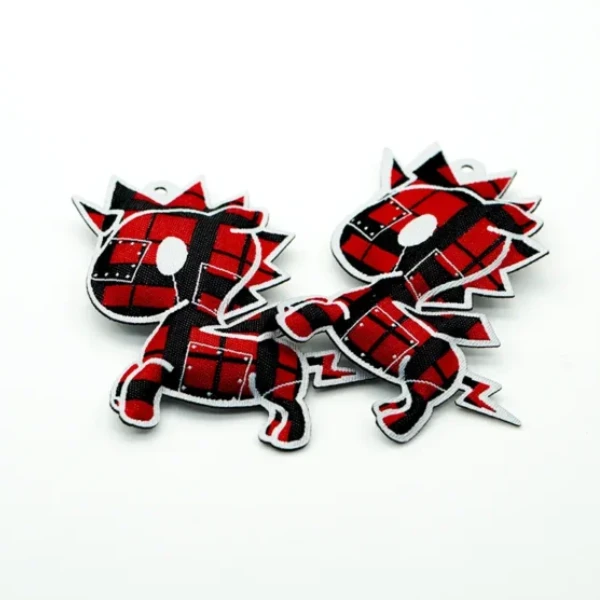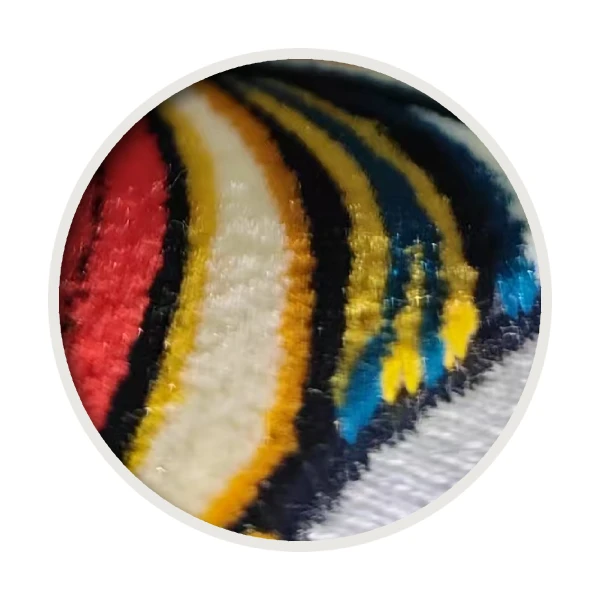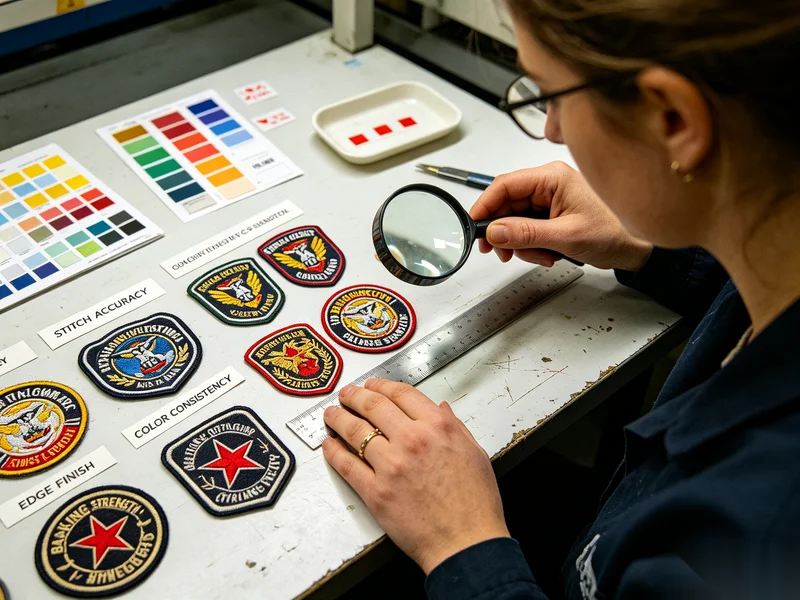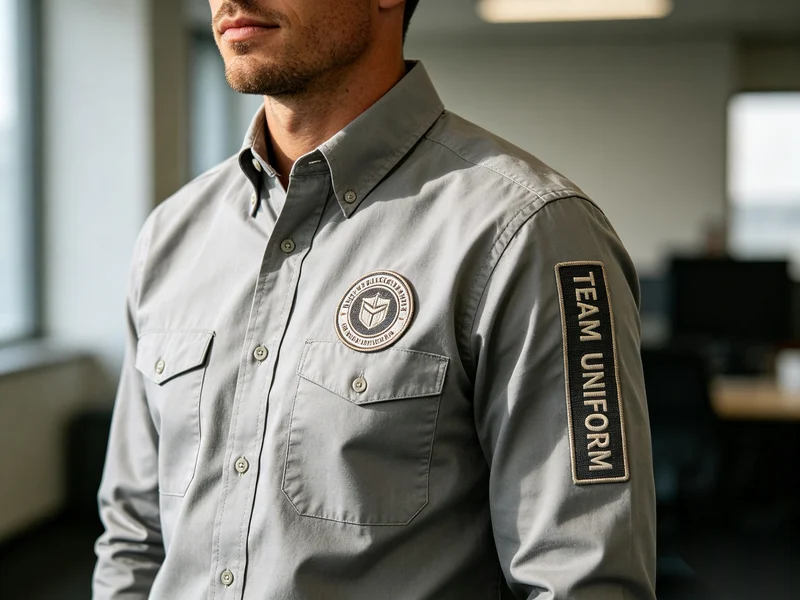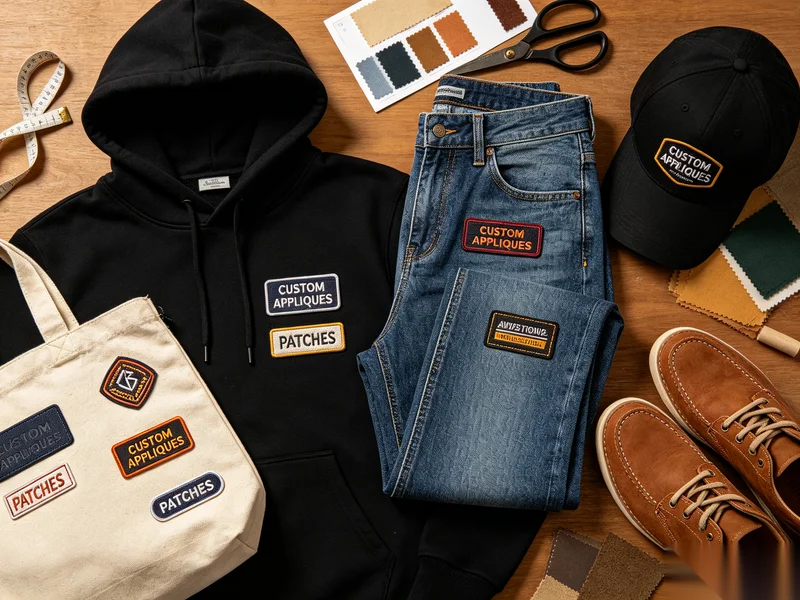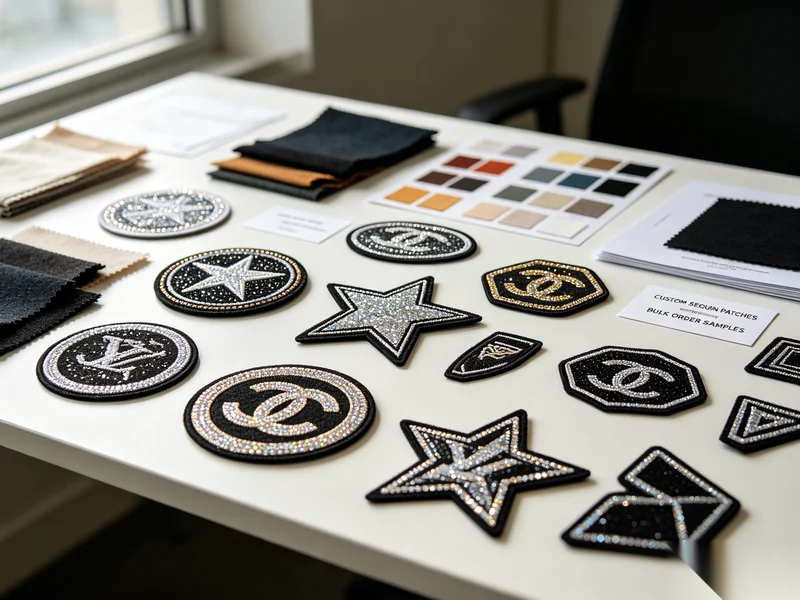
A customs and border protection patch is a high-quality embroidered insignia used by law enforcement and security agencies to represent authority and professionalism. These patches typically feature official emblems, department names, and flags—stitched with durable threads and finished with a clean, reinforced border.
One of the most critical aspects of patch production is the border finishing process, which not only affects appearance but also durability, cost, and shape flexibility. The main border techniques include merrowed border, heat cut border, and laser cut border.
What Is a Customs and Border Protection Patch?
A Customs and Border Protection (CBP) patch is an embroidered badge typically worn by officers on uniforms, jackets, or tactical gear. It serves both identification and symbolic purposes—representing duty, integrity, and national service.
These patches are made with durable polyester or twill fabric and reinforced stitching, ensuring they withstand outdoor environments, UV exposure, and daily wear. Most CBP-style patches use a merrowed border to maintain a strong edge and professional look.
Why Are Borders Important in Embroidered Patches?
The border of a patch is more than decoration—it defines the patch’s edge, prevents fraying, and gives it a polished structure. The border type you choose directly impacts:
- The cost of production
- The shape flexibility
- The overall look and feel of the patch
- The durability during wear and washing
In professional patches such as customs and border protection patches, a clean, strong border ensures the emblem maintains its integrity over time.
Common Border Types for Customs and Border Protection Patches
1. Merrowed Border

Definition:
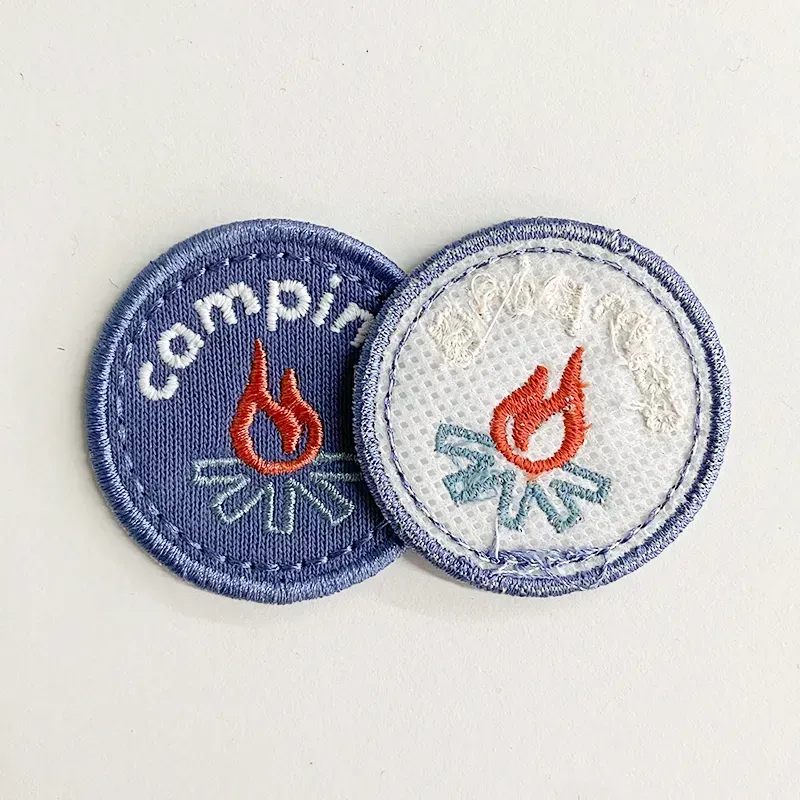
A Merrowed border is created using a Merrow sewing machine, which stitches thick, rounded overlock edges around the patch. This border is typically 2.5–3.5 mm wide, giving the patch a dense and smooth outline.
Best for:
- Regular shapes (circle, rectangle, square, shield)
- Embroidered patches, fabric badges, and official emblems
Advantages:
- Professional, finished look
- Prevents fabric fraying
- Adds thickness and structure
- Traditional, premium style for uniforms
Notes:
Since the “Merrow” name comes from the original Merrow Sewing Machine Company, the term refers to this signature, tightly stitched overlock edge that enhances both durability and aesthetics.
2. Heat Cut Border
Definition:
A heat cut border (or hot cut border) is made using a hot knife to trim the patch shape precisely. The heat seals the fabric edge, preventing unraveling and allowing for fine detail.
Best for:
- Irregular or complex shapes
- Small, intricate patches
Advantages:
- Thinner and flatter than a Merrowed edge (as narrow as 1 mm)
- Lower production cost
- Ideal for designs with sharp corners or unique outlines
Notes:
This border type offers a cleaner finish for detailed designs, though high temperatures may slightly darken the edges—less suitable for white or light-colored patches.

3. Laser Cut Border

Definition:
A laser cut border uses laser technology to trim the patch’s edges automatically. This process melts and seals the fibers for precision cutting.
Best for:
- Thin or woven patches
- Custom designs requiring tight accuracy
Advantages:
- Excellent precision
- Perfect for thin materials
- Great for non-standard shapes
Notes:
Laser cutting produces a stiffer edge and, similar to heat cutting, may leave slight burn marks on lighter fabrics. It’s efficient for mass production where uniform accuracy is essential.

Comparison Table: Border Types for Embroidered Patches
| Border Type | Appearance | Shape Flexibility | Cost | Thickness | Ideal For |
|---|---|---|---|---|---|
| Merrowed Border | Thick, rounded, stitched edge | Regular shapes only | ★★☆ | 2.5–3.5 mm | Official & uniform patches |
| Heat Cut Border | Flat, sealed edge | Complex shapes | ★☆☆ | 1 mm | Intricate or small patches |
| Laser Cut Border | Firm, precise edge | Complex shapes | ★★☆ | Thin–medium | Thin or woven patches |
Merrowed borders are the traditional choice for customs and border protection patches due to their strength and polished appearance, while heat and laser cut borders are better for more creative or irregular designs.
* To learn more about the finishing techniques of embroidered patches, click here Patch Backing.
What Backings Are Used for Law Enforcement Patches?
| Backing Type | Description | Ideal Use |
|---|---|---|
| Sew-On | Most durable and permanent option | Official uniforms and tactical jackets |
| Velcro (Hook & Loop) | Removable for easy swapping | Tactical vests and field uniforms |
| Iron-On | Heat adhesive for casual or display use | Souvenirs, collections, or fashion apparel |
Most Customs and Border Protection-style patches use Velcro backing to allow officers to attach and remove badges easily.
Design Features of Customs and Border Protection Patches
- Shield or Rounded Shape – Symbolizes protection and strength.
- Bold Colors – Typically navy, gold, white, or olive green for visibility.
- High-Detail Embroidery – Precise stitching for lettering and national symbols.
- Merrowed Border – Reinforced and durable edge that resists wear.
- Velcro Backing – Easy to attach or replace on tactical uniforms.
These design elements ensure the patch maintains authority, identity, and professionalism.
How to Choose the Right Border for Your Custom Patch
When selecting between Merrowed, Heat Cut, or Laser Cut borders, consider:
- Shape: Regular = Merrowed; Irregular = Heat/Laser Cut
- Budget: Heat cut is most cost-effective
- Appearance: Merrowed gives a traditional, bold look
- Material: Laser cut works best for thinner or woven fabrics
- Color: Avoid heat or laser cut for white patches to prevent dark edges
A professional manufacturer can recommend the most suitable border type for your specific patch design and purpose.
Why Merrowed Borders Are Common for Official Patches
Customs and border protection patches often feature Merrowed borders because:
- They add weight and authority to the patch’s appearance
- The rounded, stitched edge symbolizes precision and quality
- They withstand harsh conditions (heat, sweat, washing, and sunlight)
- The border complements shield and circular shapes used in most law enforcement insignias
This combination of functionality and aesthetics explains why Merrowed borders are standard for official embroidered patches worldwide.
Conclusion: Choosing the Best Border for a Customs and Border Protection Patch
A customs and border protection patch is more than a uniform accessory—it’s a symbol of responsibility, identity, and professionalism. The border finish plays a vital role in defining that look and ensuring durability.
- For official or uniform patches, go with a Merrowed border for strength and tradition.
- For complex or modern designs, Heat Cut or Laser Cut borders offer flexibility and precision.
Selecting the right border technique not only enhances appearance but also reflects craftsmanship and pride—core qualities every high-standard embroidered patch should represent.
About Author
——————————————————————————————————————————————

Alexander
Online Sales Manager
Alexander specialize in digital marketing and understanding customer psychology, providing clients with the right solutions through data insights and creative strategies.
——————————————————————————————————————————————