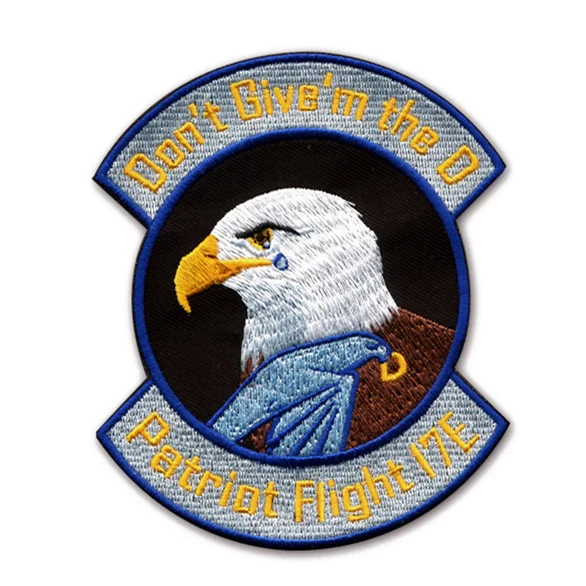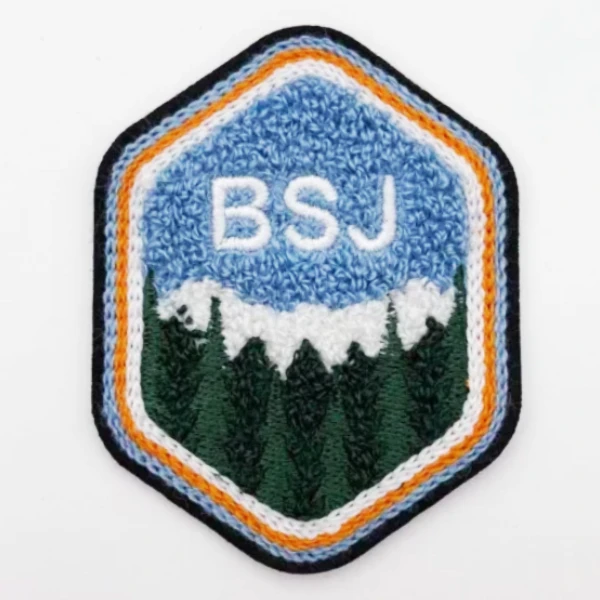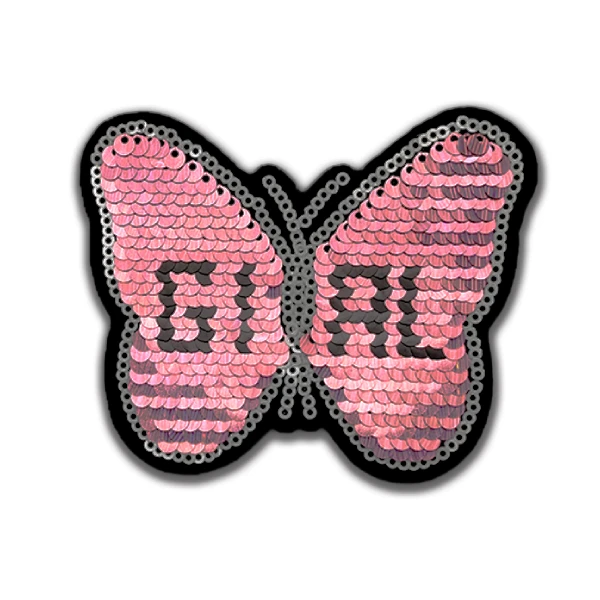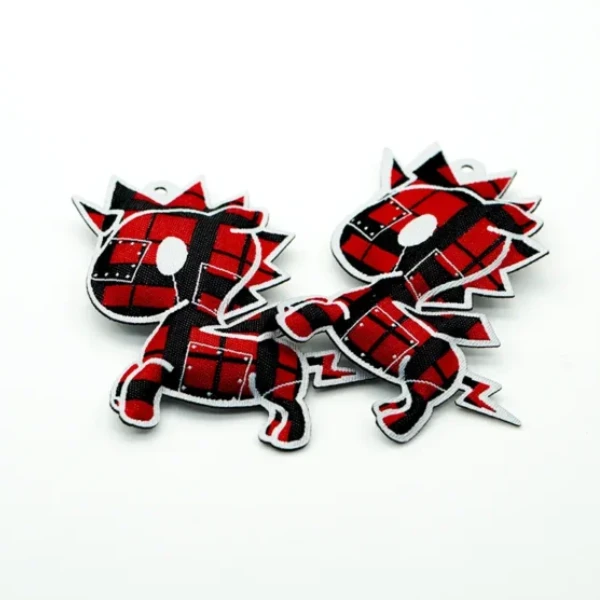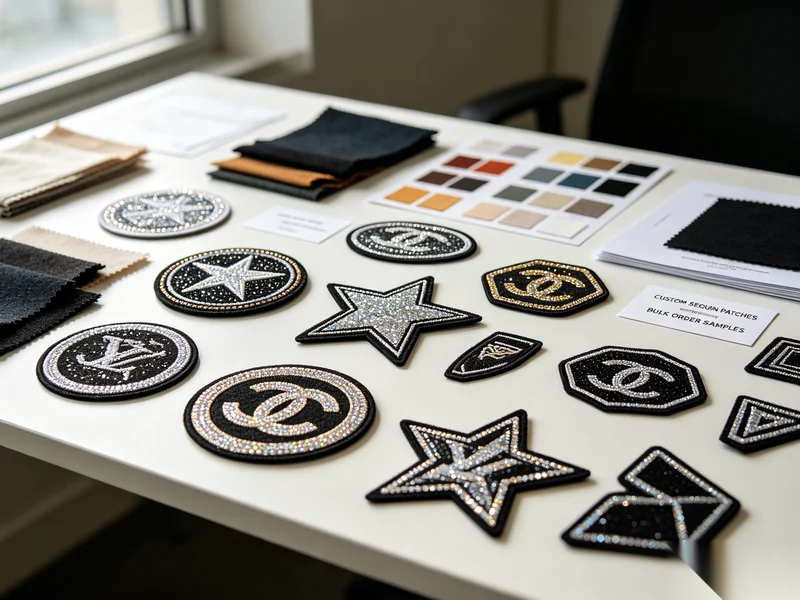
Embroidery labels for clothing are fabric labels created with stitched threads to display brand logos, names, symbols, or decorative designs on garments. They provide a durable and premium branding solution for fashion companies, apparel manufacturers, and clothing brands looking to enhance product recognition.
What Are Embroidery Labels for Clothing?
Answer:
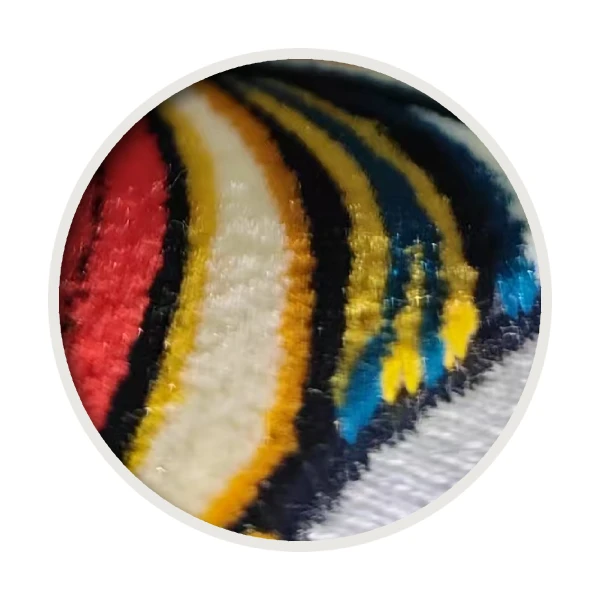
Embroidery labels for clothing are customized textile labels made by stitching threads onto fabric to create logos, patterns, text, and brand elements. Unlike printed labels, embroidered labels have a textured surface and a premium handmade appearance, making them a popular choice for apparel branding.
For clothing manufacturers and fashion brands, labels are an essential part of product identity. They not only provide brand recognition but also communicate quality, professionalism, and attention to detail.
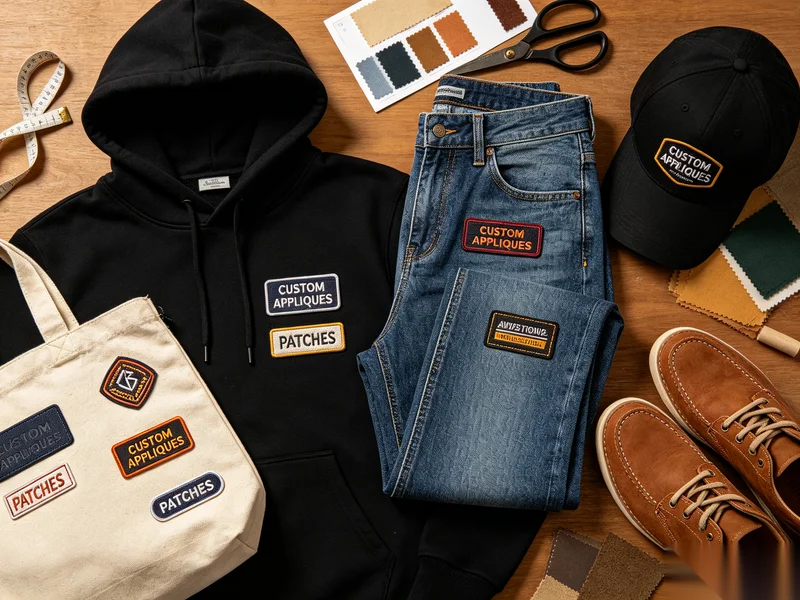
Embroidery labels are commonly used on:
- Shirts
- Jackets
- Jeans
- Hoodies
- Hats
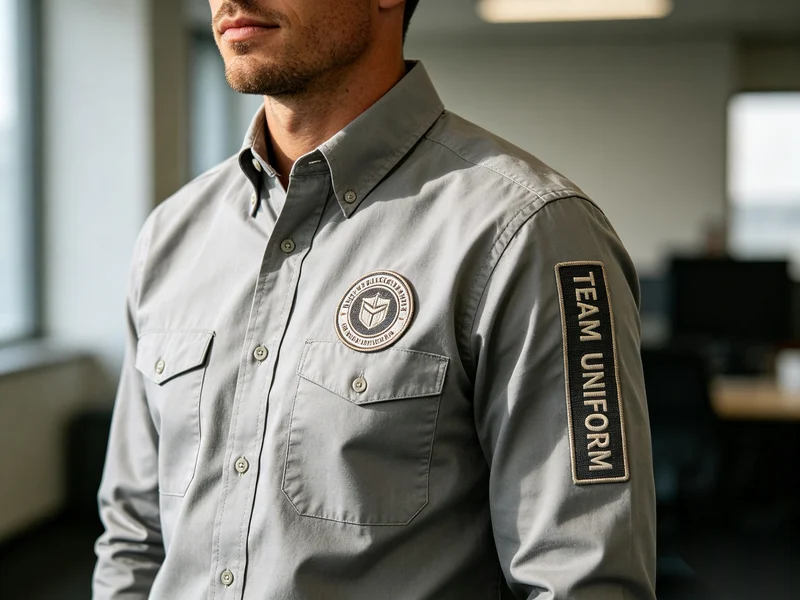
- Uniforms
- Sportswear
- Bags
- Fashion accessories
A well-designed embroidered clothing label can turn a simple garment into a recognizable branded product.
Why Do Clothing Brands Choose Embroidery Labels?
Answer:
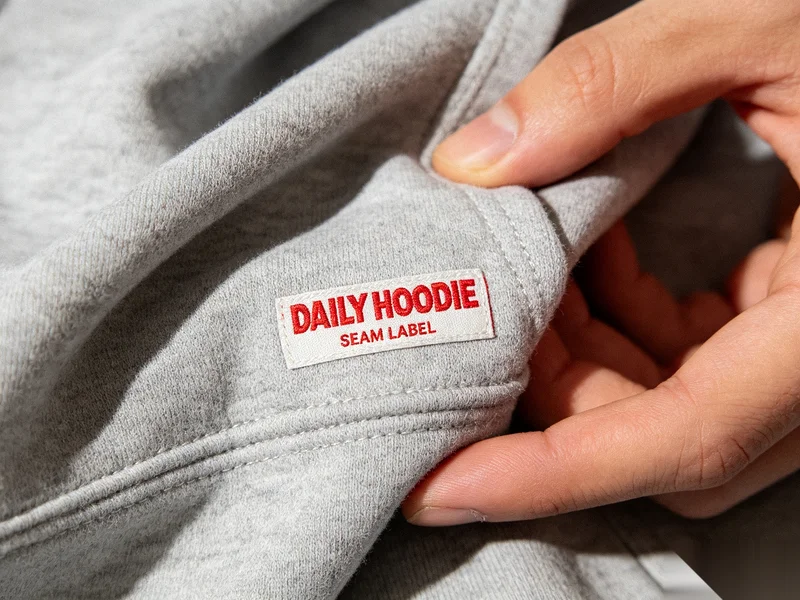
Clothing brands choose embroidery labels because they offer durability, premium appearance, and long-lasting brand visibility. They help businesses create professional garments while maintaining consistent brand identity.
The main advantages include:
1. Premium Visual Appearance
Embroidery creates a raised texture that gives labels a high-quality look and feel.
Compared with basic printed labels, embroidered labels provide:
- Three-dimensional texture
- Professional finishing
- Strong visual impact
- A more traditional textile appearance
This is why many fashion brands, streetwear companies, and premium apparel manufacturers use embroidery labels for clothing.
2. Excellent Durability
Clothing products often experience:
- Frequent washing
- Daily wear
- Stretching
- Friction
High-quality embroidered labels are designed to maintain their shape, color, and stitching quality over time.
This makes them suitable for products that require long-term brand presentation.
3. Strong Brand Recognition
A clothing label is often one of the first details customers notice. A unique embroidered label helps customers remember a brand and creates a stronger connection with the product.
Brands can include:
- Company logos
- Brand names
- Special symbols
- Collection names
- Decorative artwork
How Are Embroidery Labels for Clothing Made?
Answer:
Embroidery labels for clothing are produced through a professional manufacturing process that includes artwork preparation, digitizing, embroidery production, cutting, folding, and quality inspection.
The main production steps include:
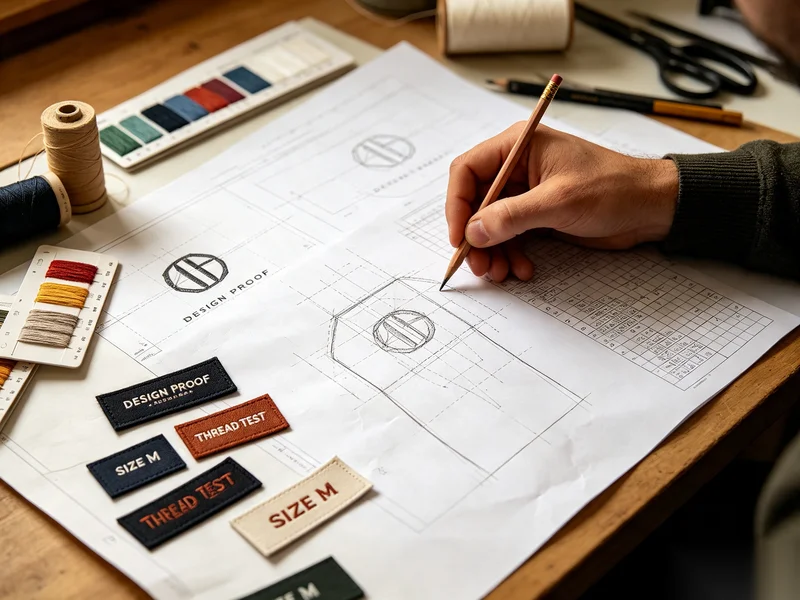
Step 1: Artwork Design Preparation
The process begins with a brand logo or design concept.
Manufacturers review:
- Logo details
- Text size
- Color requirements
- Label dimensions
- Application location
Because embroidery uses thread instead of ink, designs may need adjustments to ensure clear results.
For example, very small text or complex details may require simplification.
Step 2: Embroidery Digitizing
Before production, the artwork is converted into a machine embroidery file.
Digitizing determines:
- Stitch direction
- Stitch density
- Thread sequence
- Color changes
- Embroidery structure
Professional digitizing is important because it directly affects the final appearance of the clothing label.
Step 3: Thread Embroidery Production
During production, embroidery machines stitch the design onto fabric using selected threads.
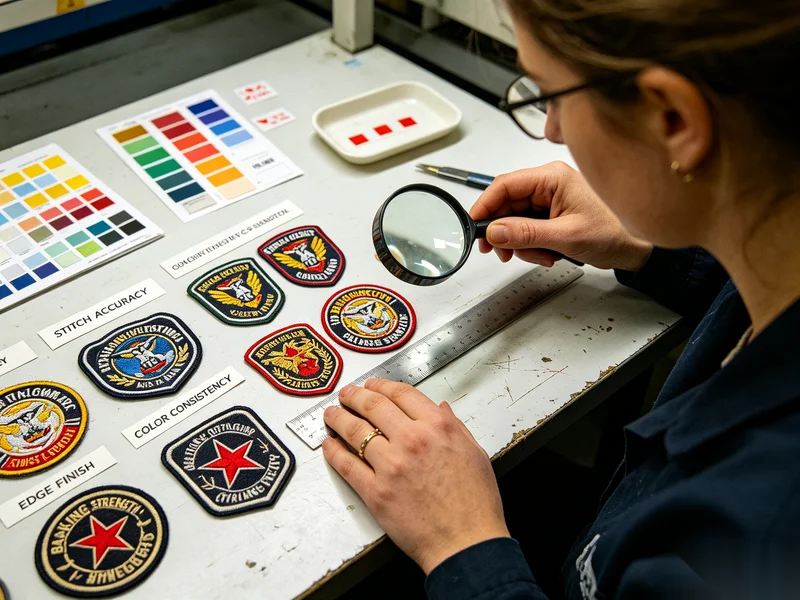
Manufacturers control:
- Thread tension
- Stitch accuracy
- Color consistency
- Production quality
This ensures each label maintains the same appearance, especially for bulk orders.
Step 4: Cutting and Finishing
After embroidery, labels are cut and finished according to customer requirements.
Common finishing options include:
- Straight cut
- Hot cut
- Folded labels
- Sew-on labels
- Iron-on backing
- Adhesive backing
The finishing method depends on the garment type and attachment requirements.
What Types of Embroidery Labels Can Clothing Brands Customize?
Answer:
Clothing brands can customize embroidery labels in different sizes, shapes, materials, colors, and attachment methods. Professional suppliers create labels based on product style and branding requirements.
Common types include:
Neck Embroidery Labels
Neck labels are commonly used inside garments to display:
- Brand names
- Logos
- Sizes
- Collection information
They are designed to provide both comfort and brand visibility.
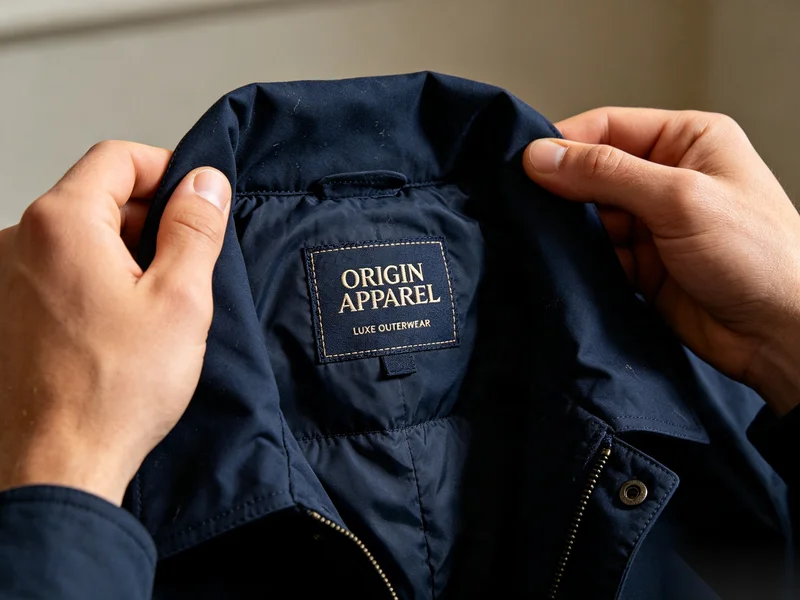
Side Seam Labels
Side seam labels are attached to garment edges and are popular for:
- Fashion brands
- Streetwear products
- Casual clothing
They provide a subtle branding detail.
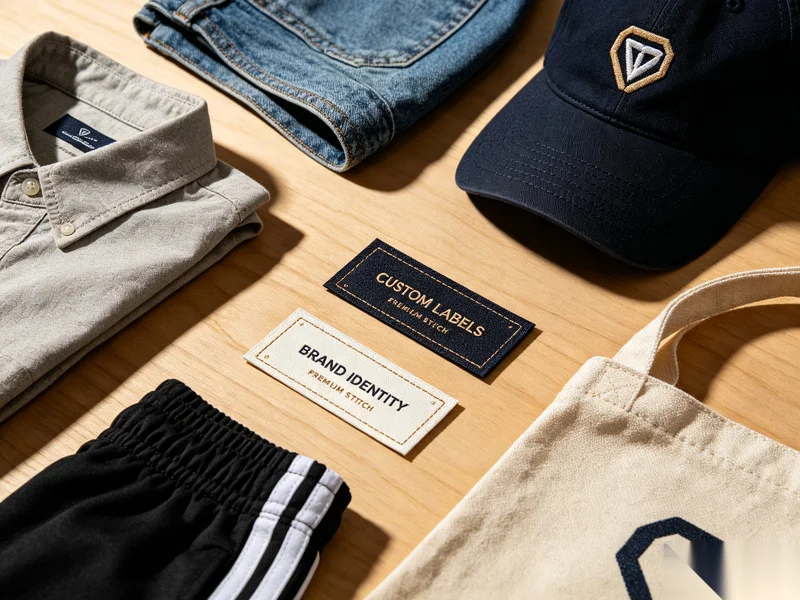
Decorative Embroidery Labels
Some brands use embroidered labels as decorative elements on:
- Jackets
- Denim products
- Hats
- Bags
These labels often feature creative graphics or unique designs.
Custom Logo Embroidery Labels
Logo labels are widely used by businesses that want consistent brand recognition across product lines.
They can include:
- Company logos
- Brand symbols
- Custom artwork
What Is the Difference Between Embroidery Labels and Woven Labels?
Answer:
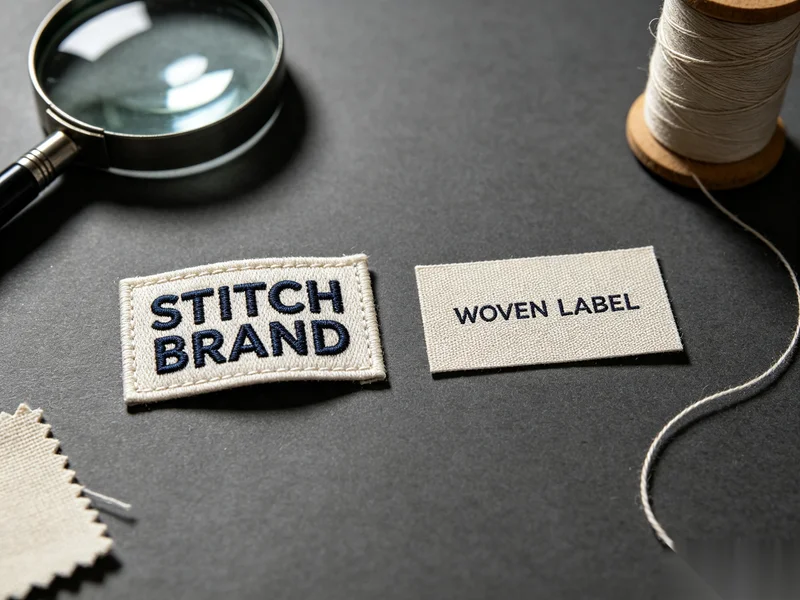
Embroidery labels use thicker stitched threads to create a raised texture, while woven labels use finer threads woven together to create detailed designs. Both are popular clothing branding solutions, but they offer different visual effects.
| Feature | Embroidery Labels | Woven Labels |
|---|---|---|
| Production Method | Thread stitching | Thread weaving |
| Texture | Raised and textured | Smooth and flat |
| Appearance | Bold and decorative | Detailed and refined |
| Best For | Logos and decorative branding | Small text and complex designs |
| Common Uses | Jackets, hats, uniforms | Clothing neck labels, fashion labels |
Many clothing brands choose between these options based on their design style and product requirements.
How Can Fashion Brands Design Effective Embroidery Labels?
Answer:
Fashion brands can design effective embroidery labels by focusing on clear logos, suitable colors, proper sizing, and practical placement. A well-designed label improves product appearance and strengthens brand communication.
Important design considerations include:
Keep Designs Clear
Embroidery works best with:
- Simple shapes
- Strong lines
- Clear lettering
- Balanced details
Overly complex designs may lose clarity during production.
Choose Suitable Colors
Thread colors should match:
- Brand guidelines
- Garment colors
- Desired visual style
Professional manufacturers can help select thread combinations that create the best result.
Select the Right Size
The label size should match the garment application.
Examples:
- Small labels for shirts
- Medium labels for jackets
- Larger decorative labels for outerwear
Consider Customer Comfort
Labels placed inside clothing should consider:
- Softness
- Edge finishing
- Skin contact
Comfort is especially important for everyday apparel.
Why Are Embroidery Labels Important for Clothing Manufacturers?
Answer:
Embroidery labels are important for clothing manufacturers because they provide a reliable way to identify products, strengthen branding, and improve perceived quality.
For apparel businesses, every detail contributes to customer experience. A professionally made label shows:
- Brand professionalism
- Product authenticity
- Attention to quality
- Design consistency
For wholesalers and clothing suppliers, high-quality labels also help products appear more competitive in international markets.
How Do Clothing Brands Choose Reliable Embroidery Label Suppliers?
Answer:
Clothing brands should choose embroidery label suppliers based on manufacturing experience, customization ability, quality control, and production reliability.
Important factors include:
Production Experience
Experienced suppliers understand:
- Textile requirements
- Embroidery limitations
- Label applications
- International quality expectations
Customization Capability
A professional supplier should support:
- Custom logo designs
- Different sizes
- Multiple colors
- Various folding styles
- Special finishes
Quality Management
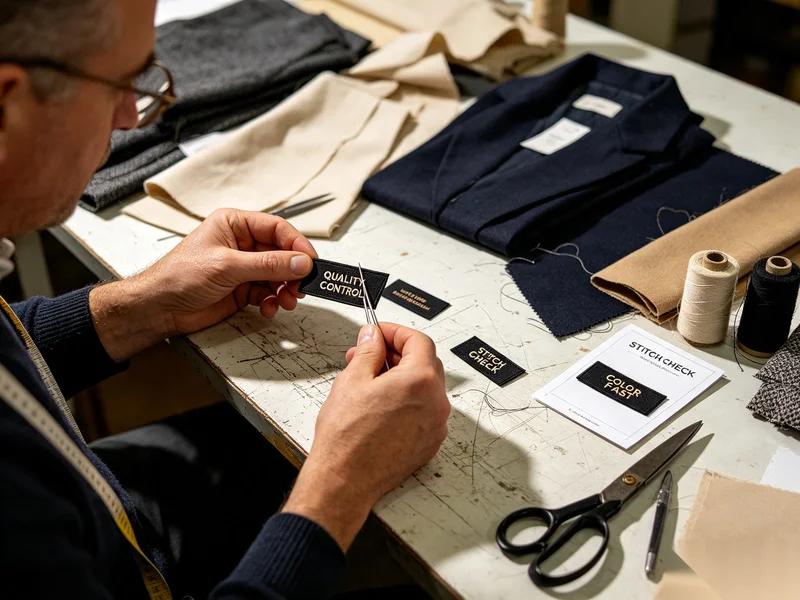
Reliable suppliers check:
- Stitch quality
- Thread consistency
- Cutting accuracy
- Label durability
Production Capacity
For growing clothing brands, stable production capacity is important for repeat orders and large-scale collections.
Can Small Clothing Brands Order Custom Embroidery Labels?
Answer:
Yes, small clothing brands can order custom embroidery labels to create professional product branding. Customized labels help emerging brands build recognition and compete with established companies.
Small brands can customize:
- Brand logos
- Label shapes
- Thread colors
- Sizes
- Attachment methods
Even a small clothing collection can benefit from professional embroidered labels because they add authenticity and improve product presentation.
What Should Businesses Consider Before Ordering Embroidery Labels for Clothing?
Answer:
Businesses should consider label design, garment application, material quality, attachment method, and production quantity before ordering embroidery labels.
Key questions include:
- Where will the label be placed?
- Will it touch the skin?
- Does the garment require frequent washing?
- What level of detail is needed?
- What quantity is required?
Providing detailed requirements helps suppliers recommend the best embroidery solution.
Frequently Asked Questions About Embroidery Labels for Clothing
1. Are embroidery labels suitable for all types of clothing?
Yes. Embroidery labels are commonly used for shirts, jackets, jeans, uniforms, hats, and many other apparel products.
2. Can embroidery labels include custom brand logos?
Yes. Manufacturers can create custom embroidered labels based on brand logos, artwork, and design requirements.
3. Are embroidered clothing labels washable?
Yes. High-quality embroidery labels are designed to withstand regular washing and daily use.
4. What is the difference between embroidery labels and printed clothing labels?
Embroidery labels use stitched threads to create texture, while printed labels use ink on fabric surfaces.
5. Can small clothing brands order custom embroidered labels?
Yes. Many suppliers provide customized solutions for startups, independent designers, and established brands.
6. How long does it take to produce embroidery labels for clothing?
Production time depends on design complexity, quantity, materials, and finishing requirements.
Conclusion
Embroidery labels for clothing are an effective branding solution for fashion companies, apparel manufacturers, and clothing startups. They combine durability, premium appearance, and customization flexibility to help products stand out in competitive markets.
By choosing the right design, materials, and manufacturing partner, businesses can create embroidered clothing labels that represent their brand identity and improve product value. Whether used for luxury fashion, streetwear, uniforms, or everyday apparel, custom embroidery labels remain an important element of professional clothing branding.
About Author
——————————————————————————————————————————————

Alexander
Online Sales Manager
Alexander specialize in digital marketing and understanding customer psychology, providing clients with the right solutions through data insights and creative strategies.
——————————————————————————————————————————————