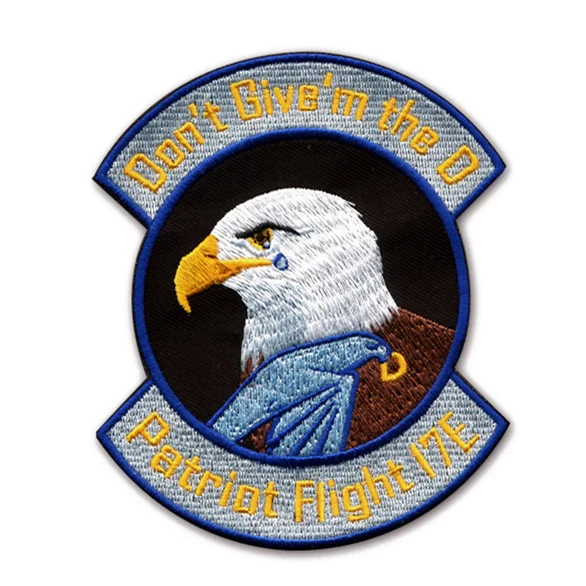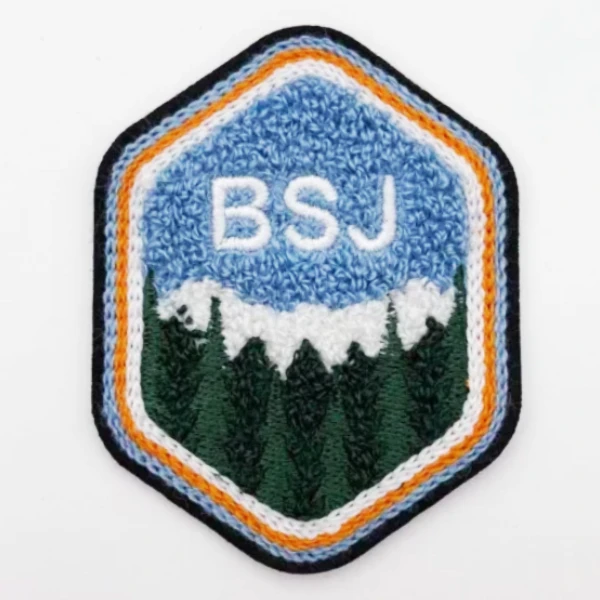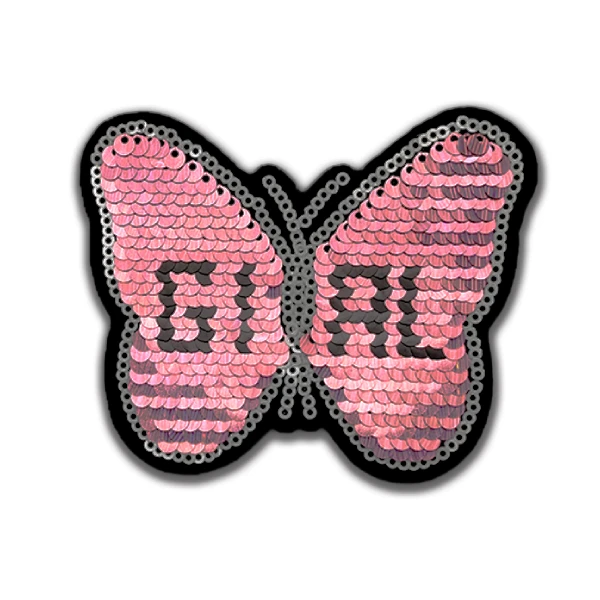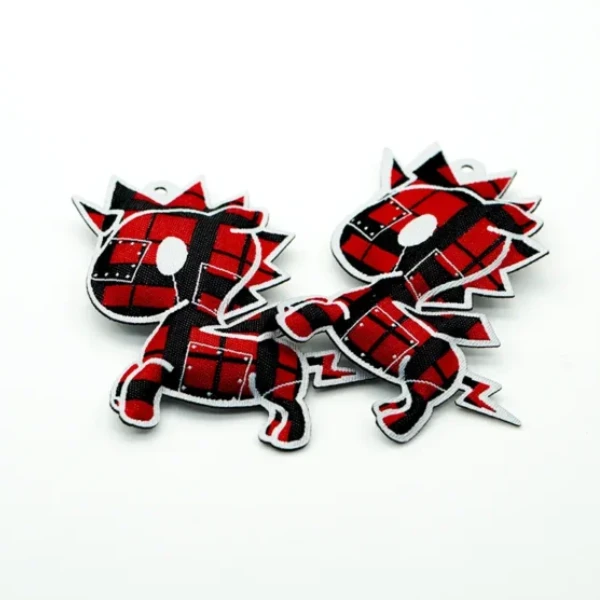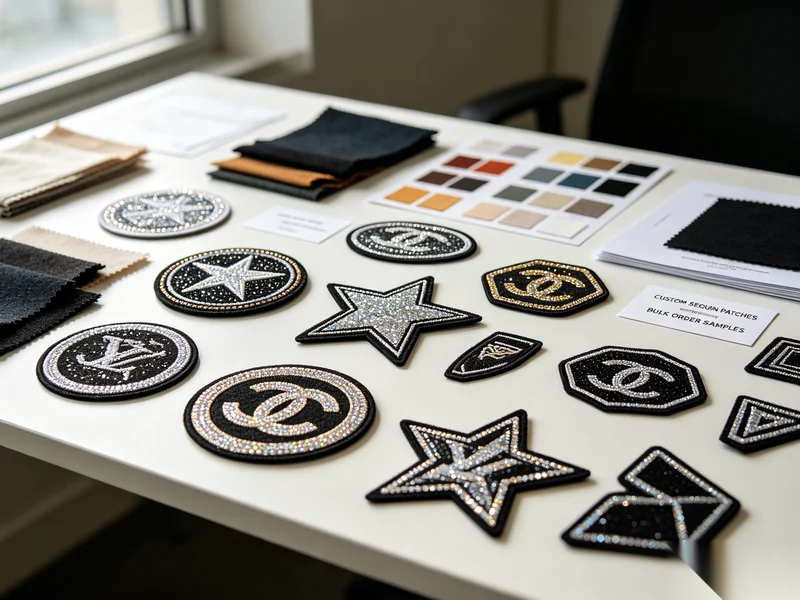
Embroidered badges for clothes are decorative textile patches created with stitched threads to display logos, symbols, and custom designs on garments. They provide clothing brands, sports teams, and organizations with durable and premium branding solutions. Custom embroidered badges help improve product identity, visual appeal, and customer recognition.
What Are Embroidered Badges for Clothes?
Embroidered badges for clothes are customized fabric badges produced by stitching colored threads onto a textile base to create logos, patterns, letters, or symbols. They are commonly attached to jackets, uniforms, shirts, hats, and other apparel products.
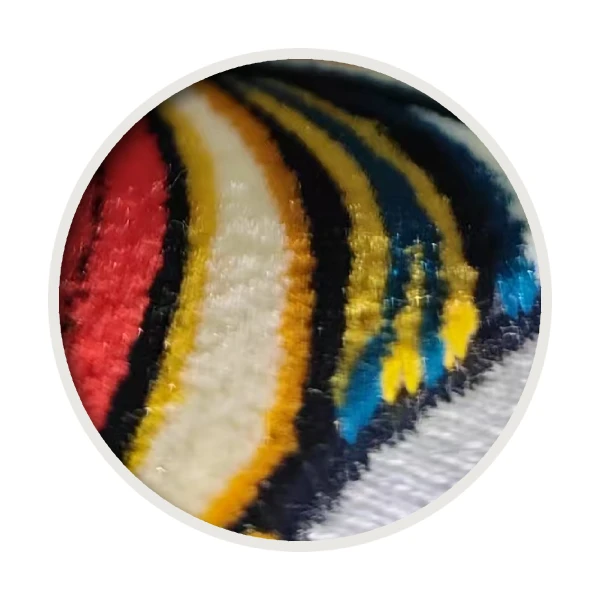
Unlike printed graphics, embroidered badges create a raised texture and three-dimensional appearance. This gives garments a more professional and premium look while providing excellent durability.
For apparel manufacturers and fashion brands, embroidered badges are not only decorative accessories but also effective branding tools.
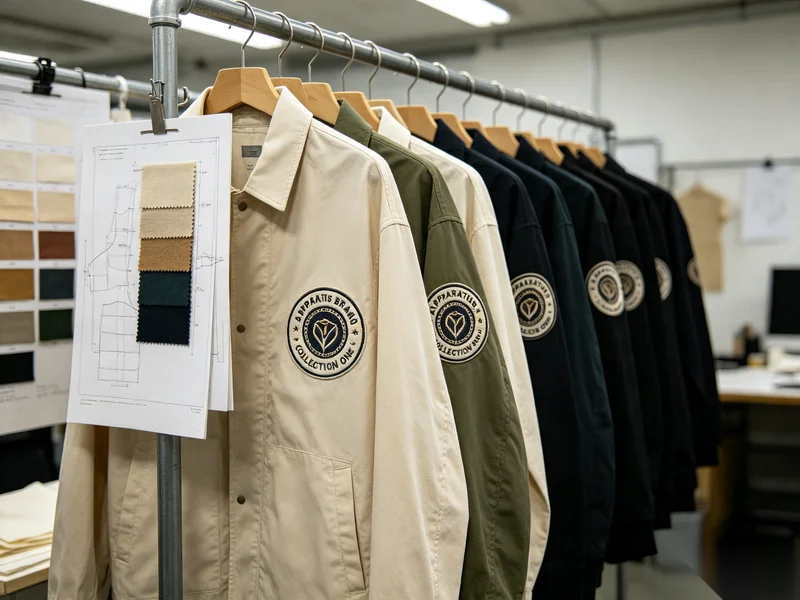
Common uses include:
- Brand logos
- Team badges
- Club symbols
- Uniform identification
- Fashion decorations
- Event badges
Quick overview: Benefits of embroidered badges for clothes
| Feature | Advantage for Apparel Businesses |
|---|---|
| Thread embroidery | Creates premium texture and depth |
| Durable construction | Suitable for long-term garment use |
| Custom designs | Supports unique branding concepts |
| Multiple attachment options | Fits different clothing applications |
| Strong visual impact | Improves product recognition |
For B2B buyers, selecting a professional clothing badge manufacturer helps ensure consistent quality and reliable bulk production.
Why Do Brands Use Embroidered Badges for Clothes?
Can embroidered badges make clothing products more attractive?
Yes. In fashion and apparel markets, customers often notice small design details that make products different. Embroidered badges add personality, craftsmanship, and brand value to garments.
Many businesses use custom embroidered badges because they provide several advantages.
1. Embroidered Badges Strengthen Brand Identity
A clothing brand needs recognizable visual elements to build customer awareness.
Embroidered badges allow businesses to showcase:
- Brand logos
- Unique symbols
- Product collections
- Special designs
When the same badge style appears across multiple products, customers can quickly associate the design with the brand.
This is especially valuable for:
- Fashion labels
- Streetwear brands
- Sportswear companies
- Outdoor clothing businesses
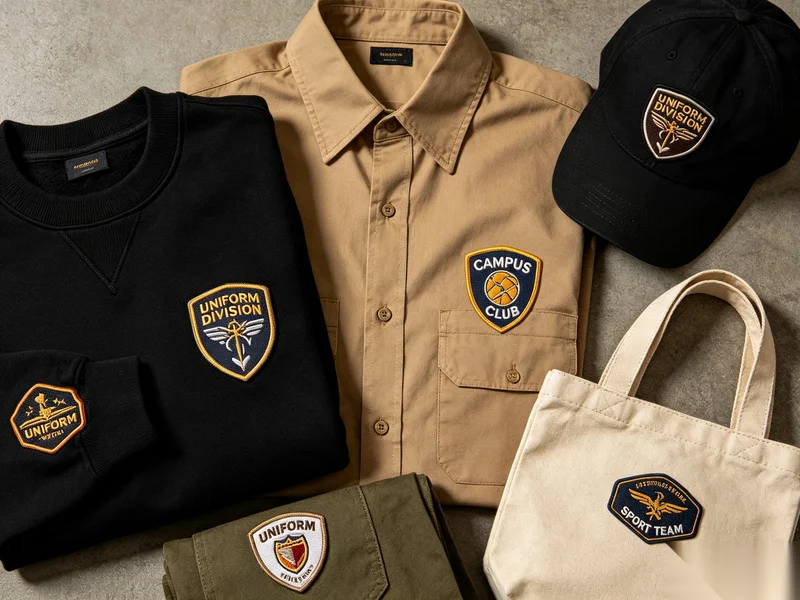
2. They Create a Premium Clothing Appearance
Small details often influence how customers evaluate product quality.
Compared with ordinary printed graphics, embroidered badges provide:
- Raised surface texture
- Detailed stitching effects
- Professional craftsmanship
- Long-lasting visual appeal
This makes them popular for premium apparel collections.
For example:
- Denim brands often use embroidered badges to create a vintage style.
- Outdoor brands use durable badges to highlight performance identity.
- Sports teams use embroidered badges to strengthen team connection.
3. They Provide Long-Term Durability
Clothing products must maintain quality through regular use.
High-quality embroidered badges for clothes are designed to withstand:
- Washing
- Daily wear
- Friction
- Transportation
- Storage
The stitched construction helps maintain:
- Clear patterns
- Stable colors
- Strong structure
This makes embroidered badges suitable for products with long service cycles.
What Types of Embroidered Badges Can Be Used on Clothes?
Different badge styles are suitable for different product requirements.
Logo Embroidered Badges
These are the most common type used by fashion brands.
Applications include:
- Jackets
- Hoodies
- Shirts
- Uniforms
They help display brand identity clearly.
Team and Sports Embroidered Badges
Sports organizations commonly use embroidered badges for:
- Team logos
- Player numbers
- Championship symbols
- Club identities
These badges help create stronger connections between teams and supporters.

Decorative Fashion Badges
Fashion brands often use embroidered badges as design elements.
Popular styles include:
- Artistic graphics
- Vintage designs
- Character patterns
- Special symbols
These badges help create unique clothing collections.
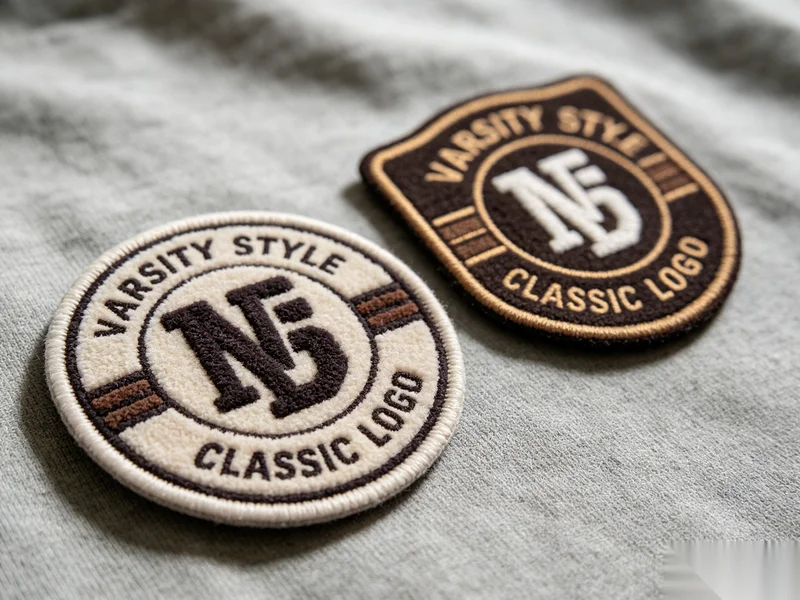
Chenille Embroidered Badges
Chenille badges have a thicker and softer texture.
They are commonly used for:
- School jackets
- College apparel
- Varsity-style clothing
Their bold appearance creates a classic fashion feeling.
How Are Custom Embroidered Badges for Clothes Made?
Understanding the production process helps businesses choose suitable suppliers.
Step 1: Design Preparation
The process starts with the customer’s design.
Brands usually provide:
- Logo artwork
- Badge shape
- Size requirements
- Color preferences
- Application location
Manufacturers convert the artwork into embroidery production files.
Because embroidery uses threads, some designs may need optimization.
Examples:
- Very small text may need adjustment
- Complex details may need simplification
- Colors may require thread matching
A professional manufacturer helps ensure the final badge accurately represents the original design.
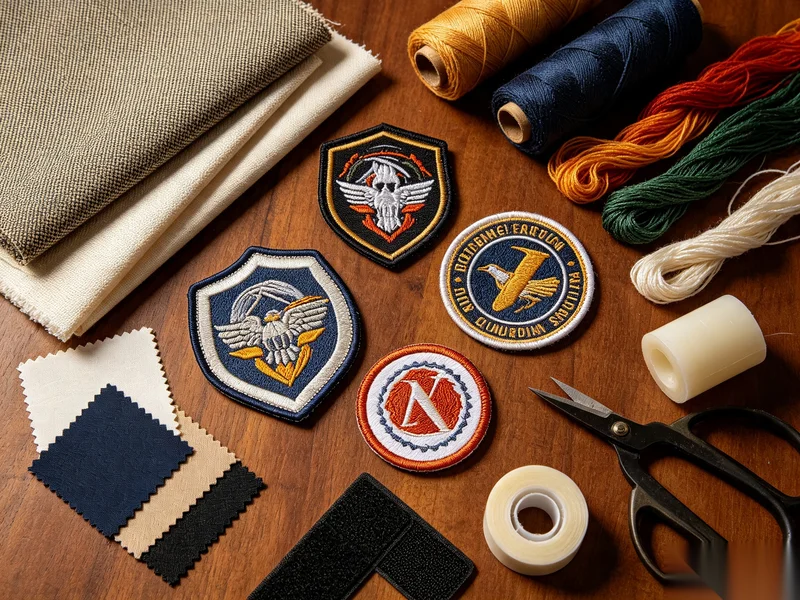
Step 2: Choosing Materials
Material selection affects the badge appearance and performance.
Common options include:
Twill fabric
Advantages:
- Strong structure
- Suitable for detailed embroidery
- Common for clothing patches
Cotton fabric
Advantages:
- Soft texture
- Natural appearance
Polyester fabric
Advantages:
- Durable
- Color stable
- Suitable for bulk production
Thread selection also influences the final look.
Brands can choose:
- Standard embroidery threads
- Metallic threads
- Special effect threads
- Contrast colors
Step 3: Embroidery Production
During production, embroidery machines stitch threads according to the approved design.
Manufacturers control:
- Stitch density
- Thread direction
- Color placement
- Pattern accuracy
Modern embroidery technology allows production of:
- Detailed logos
- Multiple colors
- Custom shapes
- Complex patterns
Step 4: Cutting and Backing Application
After embroidery, badges are cut and finished.
Common finishing options include:
- Merrow border
- Laser-cut edges
- Heat-cut edges
- Custom shapes
Attachment options include:
- Sew-on backing
- Iron-on backing
- Adhesive backing
- Hook and loop backing
Different clothing products require different attachment methods.
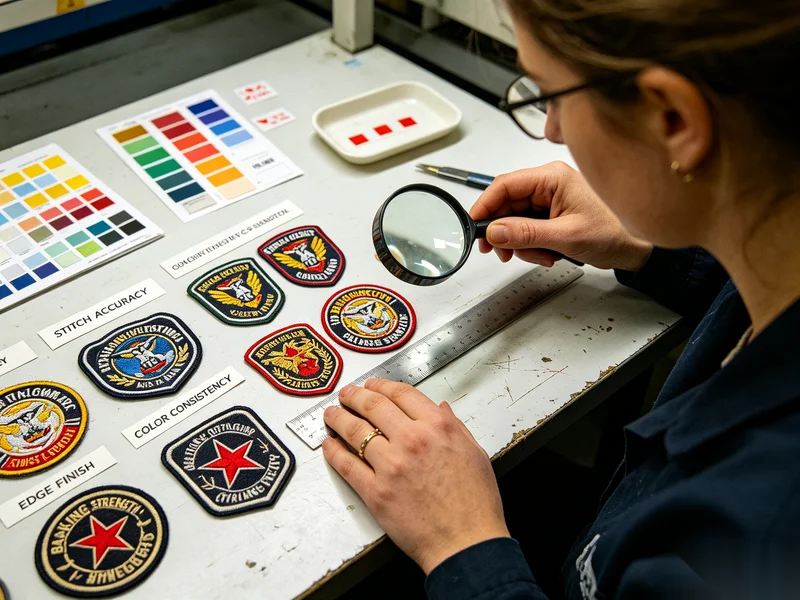
Step 5: Quality Inspection
Before shipment, manufacturers inspect:
- Badge size
- Stitch quality
- Color accuracy
- Edge finishing
- Backing strength
For wholesale buyers, quality consistency is essential because the badges represent the brand image.
How Can Businesses Use Embroidered Badges for Clothes?
Embroidered badges have many applications across different industries.
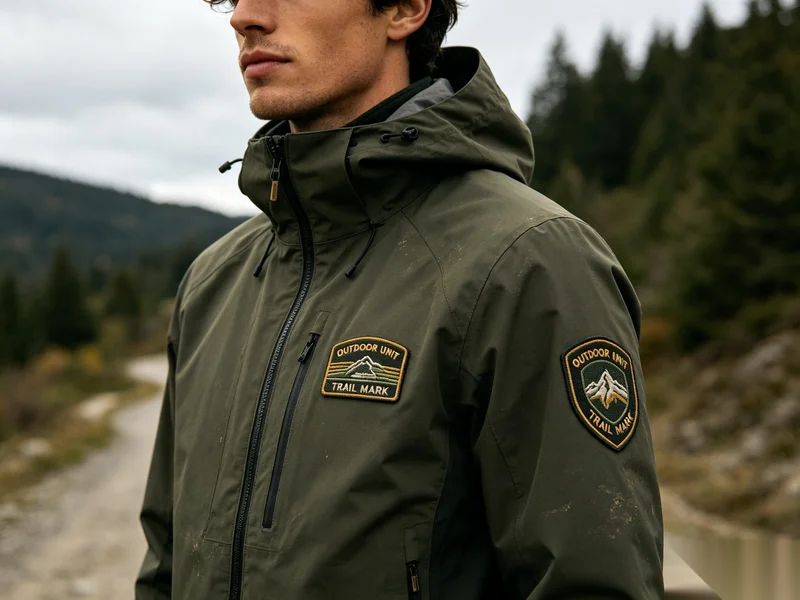
Fashion Brands
Fashion companies use badges to create:
- Brand identity
- Limited collections
- Decorative designs
Applications include:
- Jackets
- Jeans
- Sweatshirts
- Streetwear products
Sports Teams and Clubs
Sports organizations use badges for:
- Team recognition
- Fan merchandise
- Uniform branding
Custom embroidered badges help create stronger team culture.
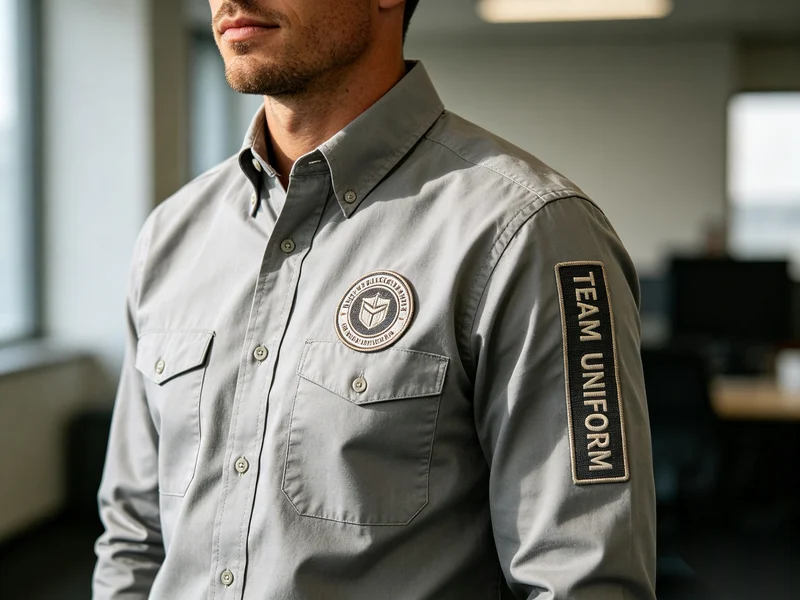
Workwear and Uniform Companies
Businesses use embroidered badges for:
- Employee identification
- Company logos
- Professional uniforms
They create a consistent corporate appearance.
Schools and Organizations
Schools use badges for:
- Student uniforms
- Club identification
- Event clothing
They help create a sense of belonging.
How Should Brands Choose an Embroidered Badge Manufacturer?
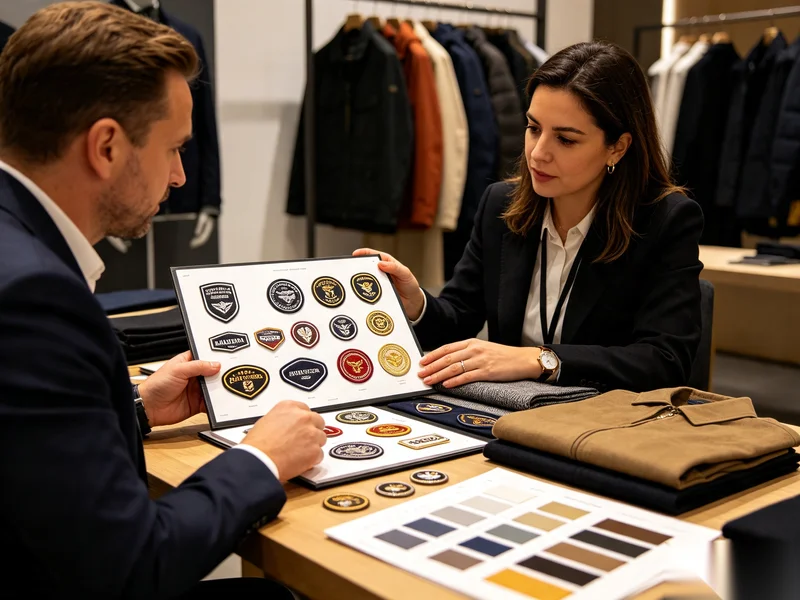
Selecting the right supplier is important for achieving quality results.
1. Check Custom Design Capability
A professional manufacturer should support:
- Custom artwork
- Different sizes
- Various shapes
- Multiple materials
- Different backing options
This allows brands to create unique badge designs.
2. Evaluate Production Experience
Experienced manufacturers understand:
- Embroidery techniques
- Fabric compatibility
- Design limitations
- Quality requirements
Their expertise helps improve production results.
3. Review Sample Quality
Before bulk production, brands should check samples for:
- Stitch details
- Color accuracy
- Badge thickness
- Overall appearance
Sample approval reduces production risks.
4. Consider Wholesale Production Ability
For large apparel businesses, suppliers should provide:
- Stable production capacity
- Consistent quality
- Reliable delivery
- Repeat order support
A dependable manufacturing partner supports long-term business growth.
Can Embroidered Badges for Clothes Be Removed and Reused?
The answer depends on the attachment method.
Different backing options provide different levels of flexibility.
| Attachment Method | Characteristics |
|---|---|
| Sew-on | Most durable and permanent |
| Iron-on | Easy application with heat |
| Hook and loop | Removable and reusable |
| Adhesive | Suitable for temporary applications |
For brands creating customizable clothing systems, removable badges can provide additional product flexibility.
How Can Brands Design Better Embroidered Badges?
A successful badge design requires balancing creativity and production requirements.
Keep Designs Clear
Simple logos and strong shapes usually create better embroidery results.
Select Appropriate Size
The badge should provide enough space for:
- Logo details
- Text readability
- Stitch quality
Choose Suitable Colors
Strong contrast improves visibility and brand recognition.
Match Badge Style With Product
Consider:
- Clothing type
- Brand positioning
- Customer expectations
Test Samples Before Bulk Orders
Sampling helps confirm:
- Design accuracy
- Material quality
- Attachment method
- Final appearance
Frequently Asked Questions About Embroidered Badges for Clothes
What are embroidered badges for clothes used for?
They are used for branding, decoration, team identification, uniforms, and personalized clothing designs.
Can embroidered badges include custom logos?
Yes. Professional manufacturers can create custom embroidered badges based on logos, artwork, colors, and size requirements.
Are embroidered badges washable?
Yes. High-quality embroidered badges are designed to maintain their appearance after normal garment washing.
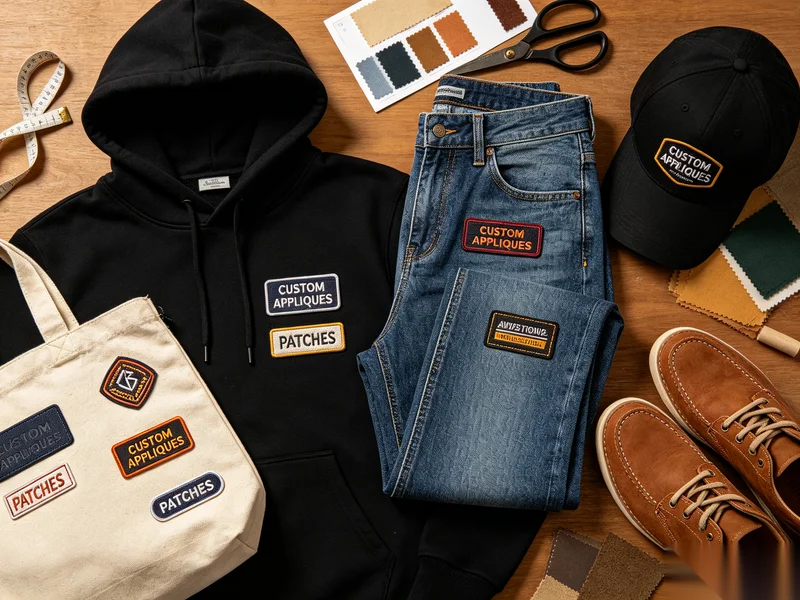
What clothing products can use embroidered badges?
They are commonly used on jackets, shirts, hoodies, uniforms, hats, bags, and sports apparel.
What is the difference between embroidered badges and printed designs?
Embroidered badges use stitched threads to create texture and durability, while printed designs apply ink directly onto fabric.
Can businesses order wholesale embroidered badges?
Yes. Manufacturers provide bulk production services for fashion brands, sports organizations, schools, and apparel companies.
Conclusion: Why Are Embroidered Badges for Clothes Valuable for Brands?
Embroidered badges for clothes combine durability, creativity, and brand communication. They allow apparel businesses to transform ordinary garments into recognizable products with stronger visual identity.
For fashion brands, sports teams, and organizations looking for custom embroidered badges, working with an experienced manufacturer ensures reliable quality, flexible customization, and professional production support.
A well-designed embroidered badge is more than a decorative element—it is a powerful branding tool that helps products stand out and creates a stronger connection with customers.
About Author
——————————————————————————————————————————————

Alexander
Online Sales Manager
Alexander specialize in digital marketing and understanding customer psychology, providing clients with the right solutions through data insights and creative strategies.
——————————————————————————————————————————————