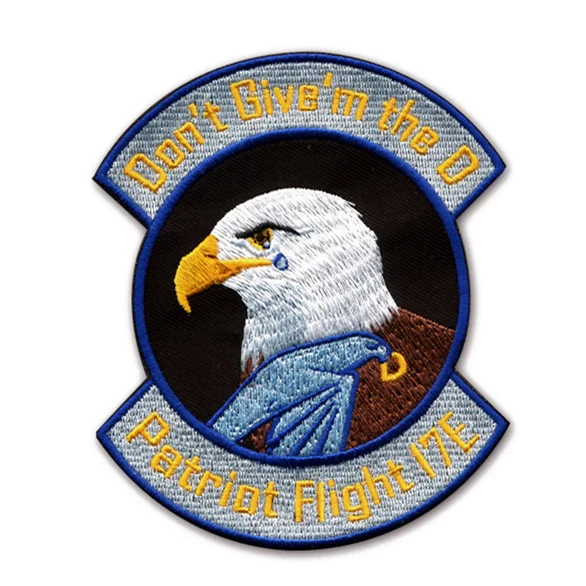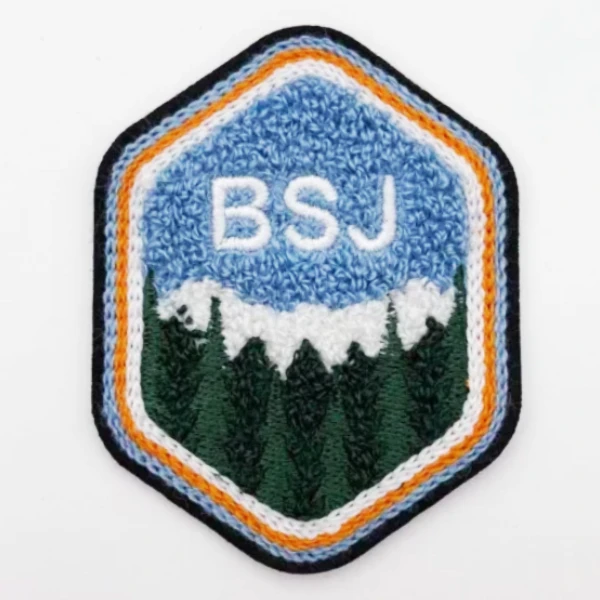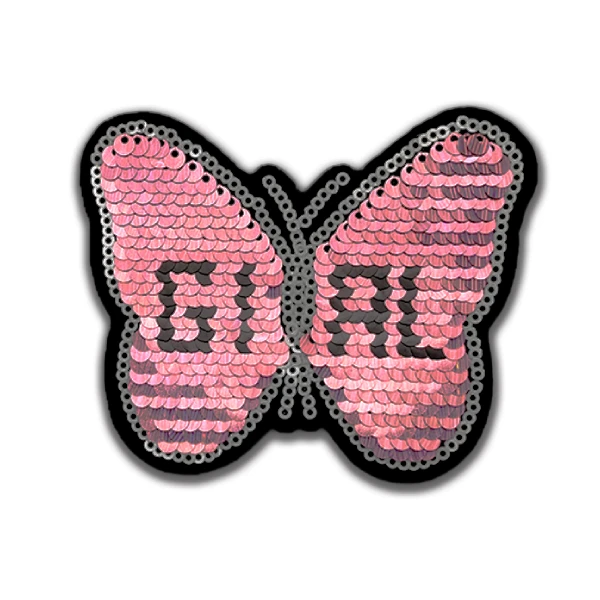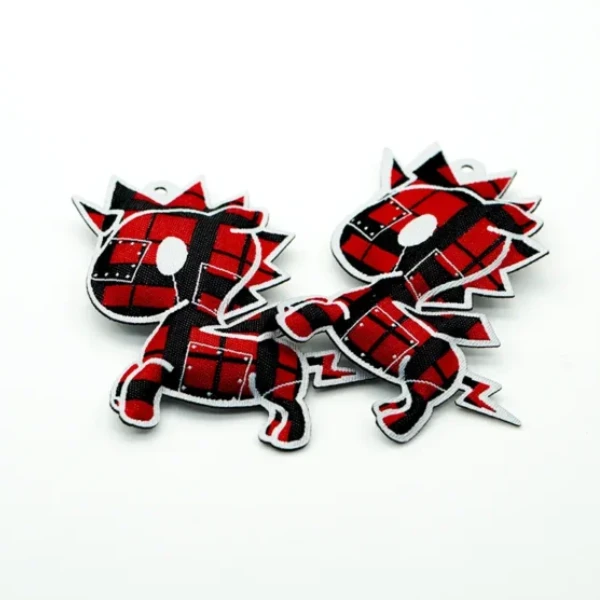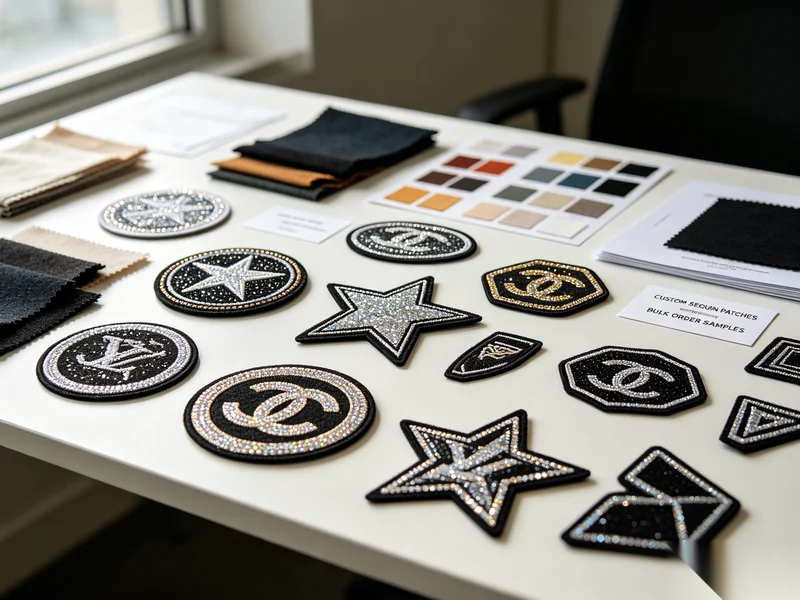
Blank embroidery patches are unfinished fabric patch bases designed for custom embroidery, printing, branding, and DIY decoration. Businesses, embroidery studios, fashion brands, and promotional companies use blank patches for embroidery because they provide a flexible and cost-effective solution for creating personalized patches in bulk.
| Patch Base Type | Common Application |
|---|---|
| Twill Blank Patches | Uniforms and workwear |
| Velcro Embroidery Blanks | Tactical and military gear |
| Heat-Cut Patch Bases | Fashion and streetwear |
| Merrow Border Patch Blanks | Traditional embroidered patches |
| Laser-Cut Blank Patches | Modern logo designs |
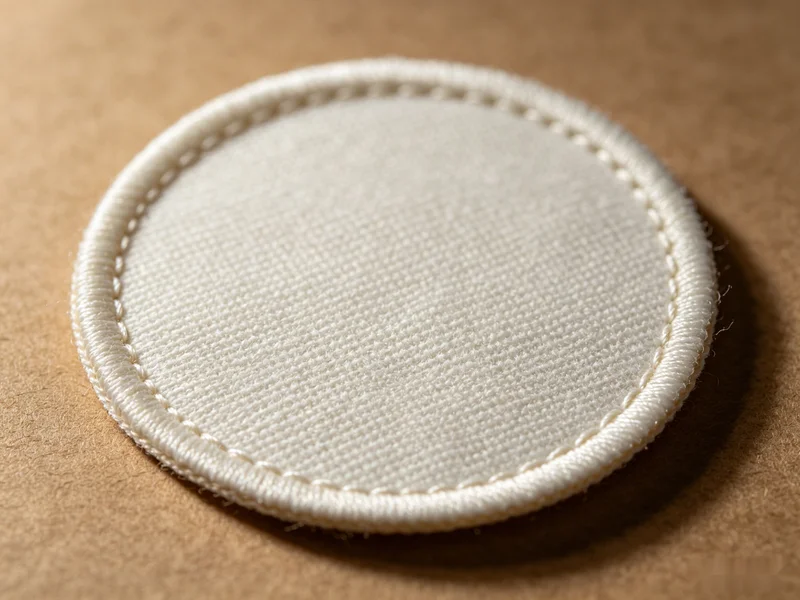
Why Are Wholesale Embroidery Patch Blanks in High Demand?
The custom apparel and promotional products market continues growing rapidly, increasing demand for flexible patch production solutions.
Businesses prefer wholesale embroidery patch blanks because they allow:
- Faster custom production
- Lower setup costs
- Easier small-batch customization
- Flexible branding options
- Improved production efficiency
Industries commonly using blank embroidery patches include:
- Embroidery businesses
- Uniform suppliers
- Fashion brands
- Sportswear companies
- Promotional product distributors
- Tactical gear manufacturers
- DIY craft businesses
What Types of Blank Patches for Embroidery Are Available?
Different blank patch materials and structures support different embroidery styles and product applications.
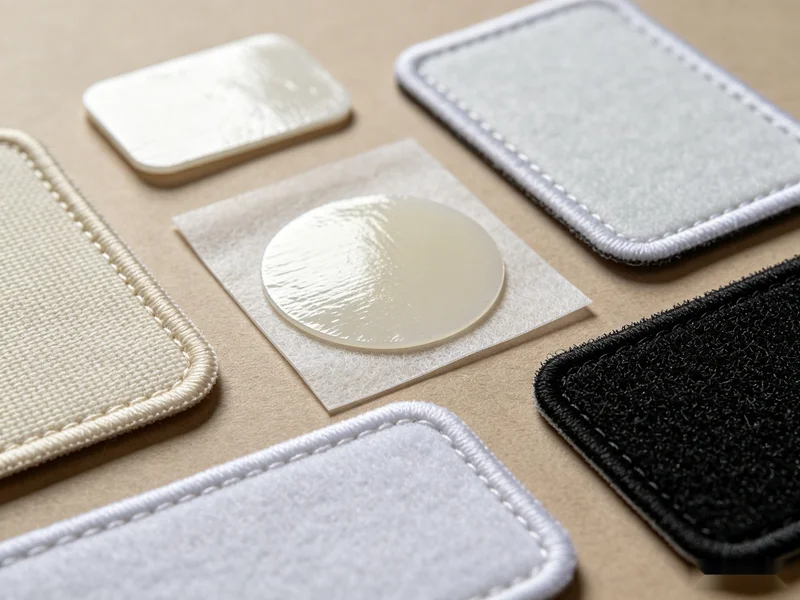
Twill Blank Embroidery Patches
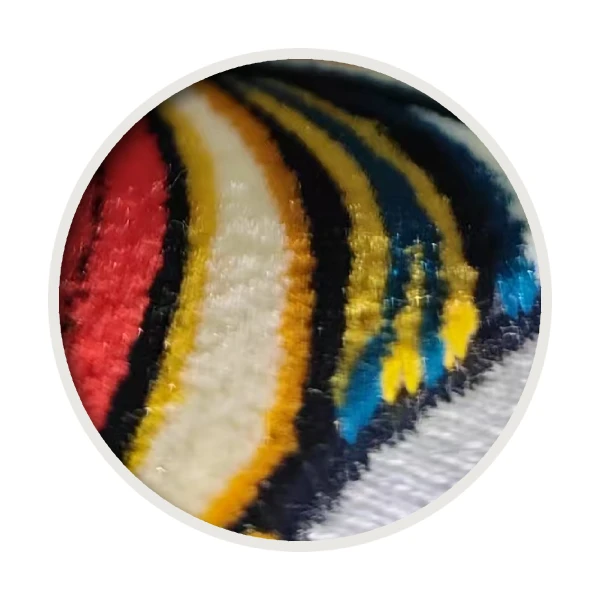
Twill is one of the most commonly used patch base materials because it provides durability and clean embroidery performance.
Advantages include:
- Smooth embroidery surface
- Strong durability
- Professional appearance
- Wide color availability
Twill blanks are ideal for:
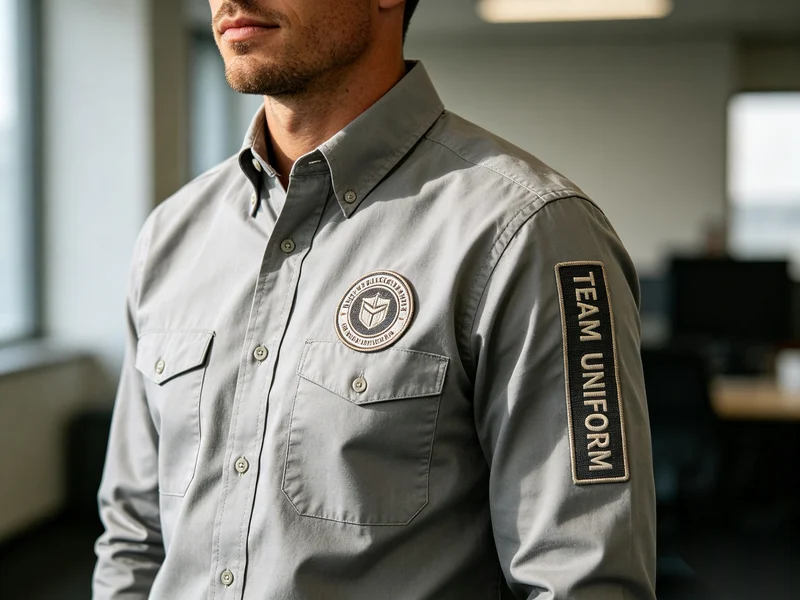
- Uniform patches
- Logo patches
- Corporate branding
- School emblems
Merrow Border Patch Blanks
Merrow borders create a traditional embroidered patch appearance with stitched edges.
Popular for:
- Club patches
- Sports patches
- Team emblems
- Military-style patches
Laser-Cut Blank Patches
Laser-cut edges create cleaner and more modern patch shapes.
These are commonly used for:
- Fashion brands
- Streetwear collections
- Complex logos
- Minimalist designs
Velcro Embroidery Patch Bases
Velcro backing is widely used for tactical and removable patches.
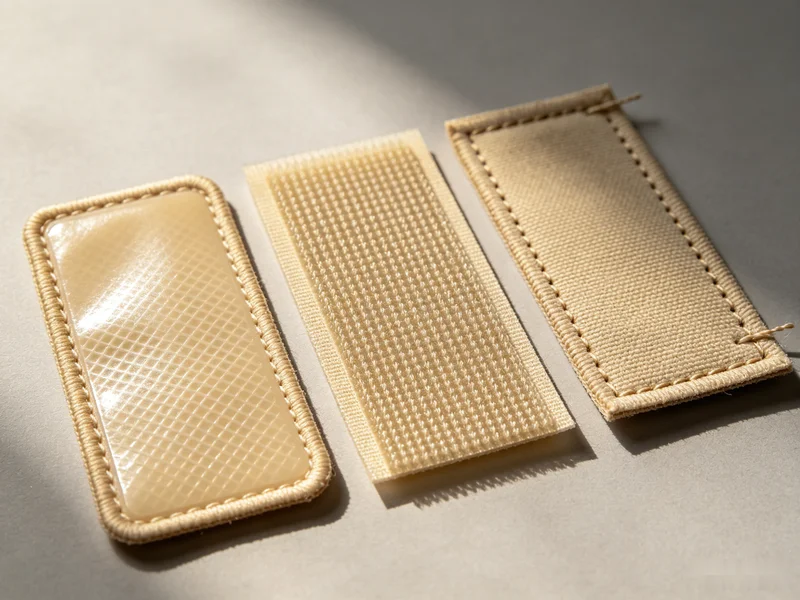
Why Do Businesses Prefer Custom Embroidery Patch Bases?
Blank patch bases help businesses simplify production while maintaining customization flexibility.
Faster Embroidery Workflow
Pre-cut patch blanks reduce production preparation time.
Consistent Product Quality
Uniform patch bases improve production consistency across bulk orders.
Flexible Branding
Businesses can quickly switch between different logos and designs.
Lower Manufacturing Costs
Wholesale patch blanks reduce labor and cutting expenses.
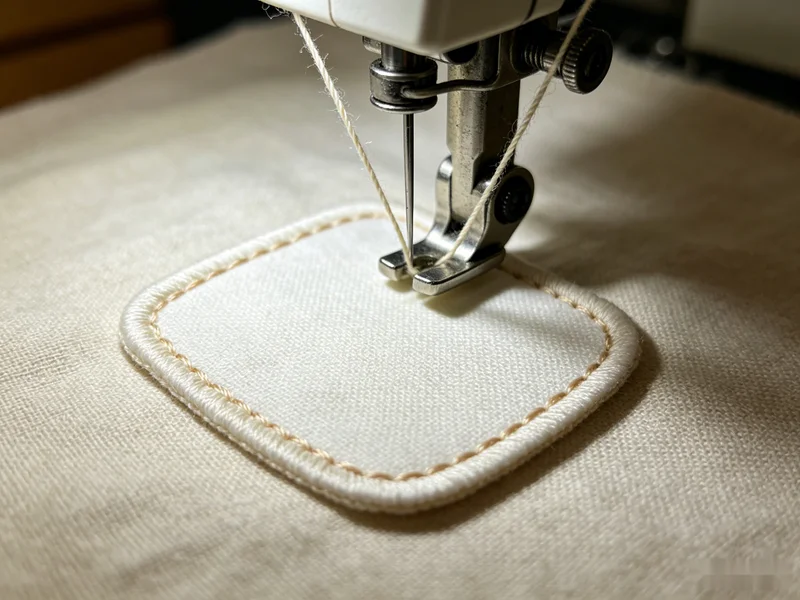
How Are Blank Embroidery Patches Manufactured?
Professional patch base manufacturers follow strict production processes to ensure consistent quality.
Fabric Selection
Manufacturers choose materials such as:
- Twill fabric
- Felt
- Canvas
- Polyester blends
- Cotton blends
Backing Application
Factories apply backing materials including:
- Iron-on backing
- Plastic backing
- Velcro backing
- Adhesive backing
- Sew-on backing
Border Finishing
Common border options include:
- Merrow border
- Heat-cut border
- Laser-cut border
- Satin stitch border
Cutting and Shaping
Patch blanks are cut into standard or custom shapes.
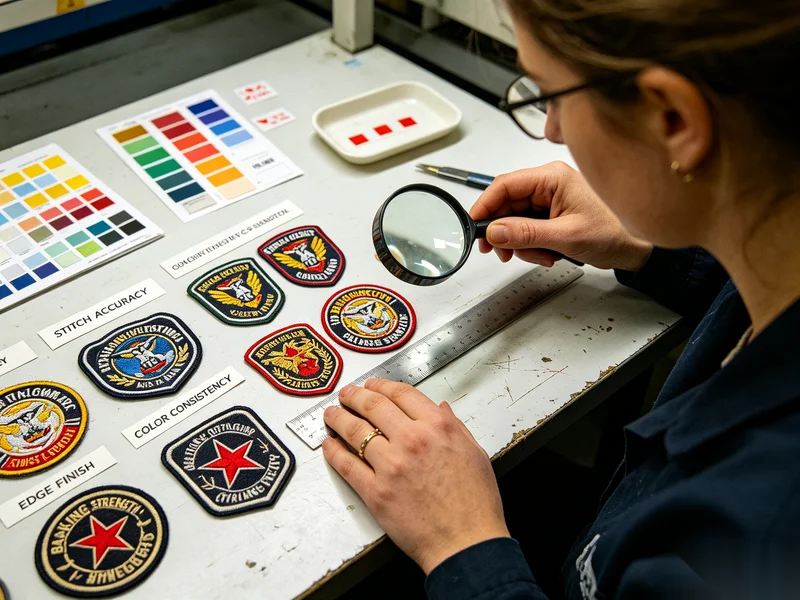
Quality Inspection
Manufacturers inspect:
- Fabric consistency
- Border cleanliness
- Backing adhesion
- Shape accuracy
- Color consistency
What Backing Options Are Best for Embroidery Patch Blanks?
Different applications require different patch backing solutions.
Iron-On Backing
Popular for fashion and promotional products because of easy application.
Sew-On Backing
Provides maximum long-term durability.
Velcro Backing
Ideal for tactical, military, and interchangeable patches.
Adhesive Backing
Suitable for temporary applications and sampling.
What Industries Commonly Use Blank Patches for Embroidery?
Blank embroidery patches are extremely versatile and support many industries.
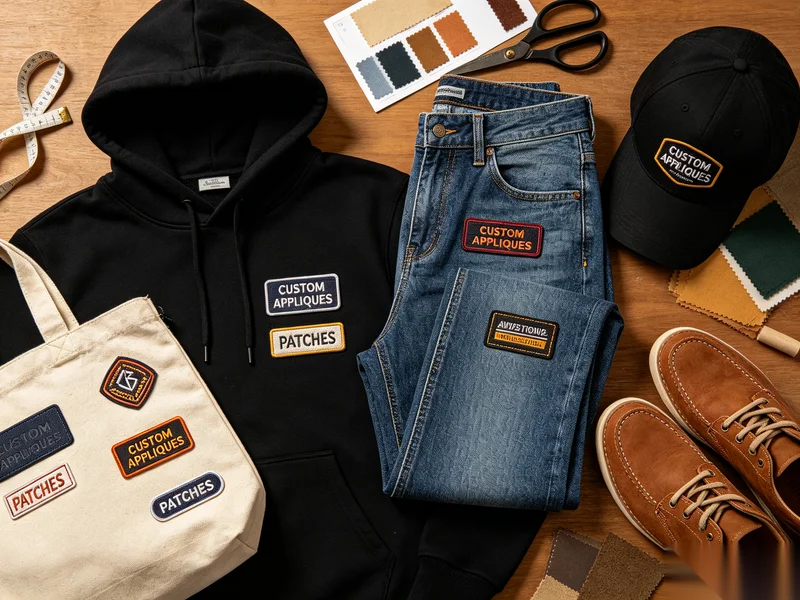
Fashion and Streetwear
Brands use patch blanks for customized apparel collections.
Corporate Uniforms
Companies add embroidered logos to workwear and uniforms.
Sports Teams
Sports organizations use patches for team branding and sponsorships.
Tactical and Military Markets
Velcro patch bases remain highly popular in tactical applications.
Promotional Merchandise
Custom patches are widely used for giveaways and event branding.
What Design Trends Are Popular for Embroidery Patch Bases?
Modern patch design trends continue evolving alongside fashion and branding trends.
Minimalist Logo Patches
Simple clean embroidery designs remain highly popular.
Oversized Patch Designs
Large statement patches are trending in streetwear markets.
Multi-Layer Embroidery
Layered embroidery improves visual depth and premium appearance.
Mixed Material Patches
Combining embroidery with PVC, chenille, or leather creates unique aesthetics.
Retro Vintage Patch Styles
Vintage-inspired patches remain strong sellers in fashion and sportswear.
What Common Problems Should Buyers Avoid When Ordering Patch Blanks?
Many buyers underestimate the importance of patch base quality.
Choosing Thin Low-Quality Fabric
Weak fabric may wrinkle or distort during embroidery.
Poor Border Finishing
Rough edges reduce final product appearance.
Incorrect Backing Selection
Some backing options may not match the intended application.
Uneven Cutting Accuracy
Inconsistent patch shapes reduce professional appearance.
Ignoring Embroidery Compatibility
Some fabrics perform better with high-density embroidery than others.
Why Is Quality Control Important for Wholesale Embroidery Patch Blanks?
Poor-quality patch blanks can negatively affect embroidery results and overall product quality.
Reliable manufacturers should carefully inspect:
- Fabric thickness
- Border smoothness
- Adhesive durability
- Color consistency
- Shape precision
- Backing alignment
Consistent patch bases help embroidery businesses maintain reliable production standards.
FAQ
What are blank embroidery patches used for?
They are used as bases for custom embroidery, branding, promotional products, uniforms, and fashion patches.
What is the best fabric for blank patches for embroidery?
Twill fabric is one of the most popular options because it offers durability and clean embroidery performance.
Can businesses customize embroidery patch blanks?
Yes. Manufacturers can customize patch shapes, sizes, colors, borders, and backing options.
What backing options are available for blank patch bases?
Common options include iron-on, sew-on, velcro, adhesive, and plastic backing.
Are laser-cut patch blanks better than merrow border patches?
Laser-cut patches provide cleaner modern shapes, while merrow borders offer a more traditional embroidered look.
Why do embroidery businesses buy wholesale embroidery patch blanks?
Wholesale blanks improve production efficiency, reduce labor costs, and support flexible customization.
What Creative Design Ideas Can Help Embroidery Patch Products Stand Out?
Creative design strategies help businesses improve patch product appeal and competitiveness.
Vintage Americana Collections
Retro-inspired patch styles remain highly popular in fashion markets.
Tactical Morale Patch Series
Velcro-based tactical patches continue growing in demand.
Layered Texture Patch Designs
Combining embroidery with chenille, leather, or PVC creates more premium products.
Glow-in-the-Dark Embroidery
Special thread effects improve uniqueness and visual impact.
Minimalist Monogram Patches
Clean typography and simple branding work well for modern apparel brands.
Conclusion
Blank embroidery patches continue to play a critical role in the custom apparel and promotional products industry because they provide flexible, scalable, and cost-effective solutions for personalized patch production. From blank patches for embroidery and custom embroidery patch bases to wholesale embroidery patch blanks for tactical, fashion, and corporate applications, these products support a wide range of B2B customization needs.
The most successful patch products typically focus on high-quality fabric materials, clean border finishing, durable backing options, and embroidery-friendly construction. Businesses should carefully evaluate fabric thickness, backing compatibility, cutting precision, and supplier production consistency to avoid common quality problems.
By understanding market trends, incorporating creative design concepts, and partnering with experienced patch base manufacturers, brands and embroidery businesses can create more competitive patch collections, improve production efficiency, and strengthen long-term customer satisfaction in the growing global patch market.
About Author
——————————————————————————————————————————————

Alexander
Online Sales Manager
Alexander specialize in digital marketing and understanding customer psychology, providing clients with the right solutions through data insights and creative strategies.
——————————————————————————————————————————————