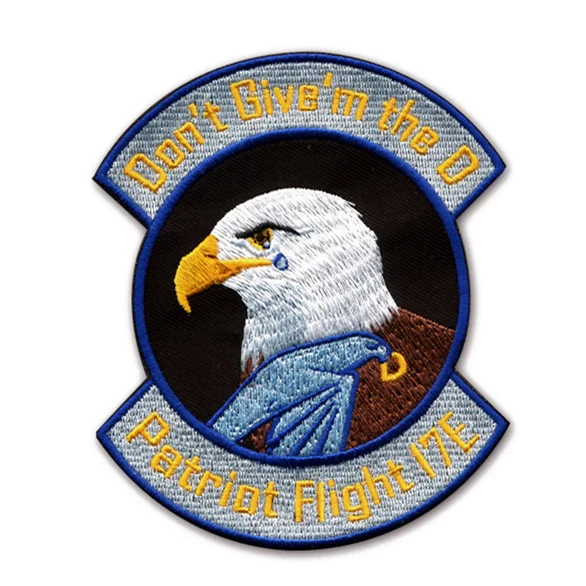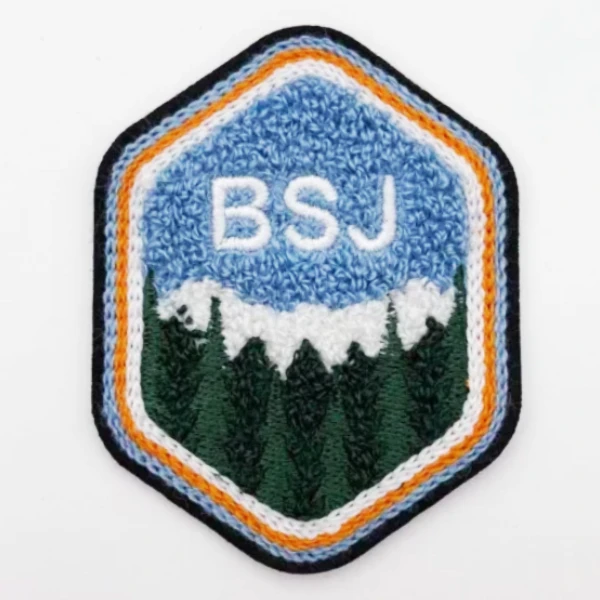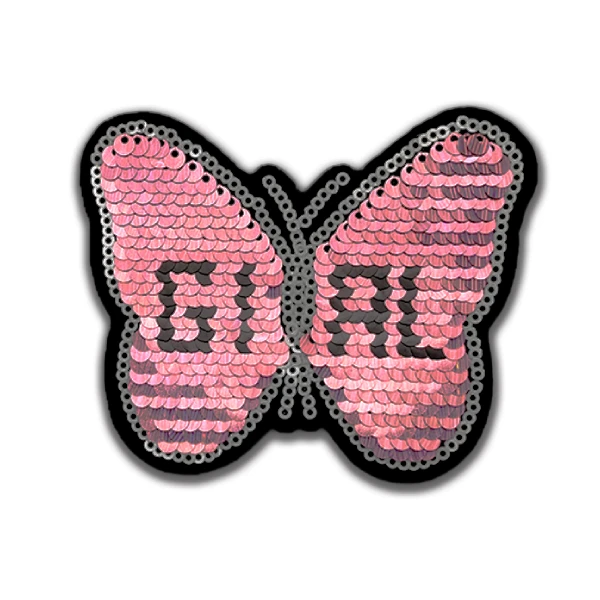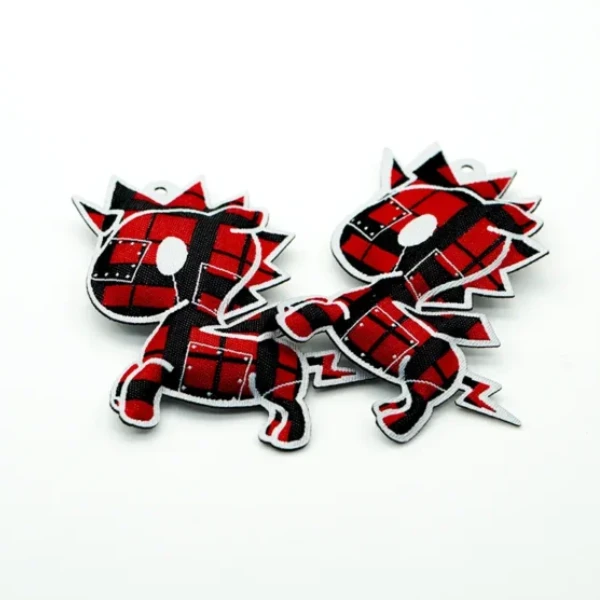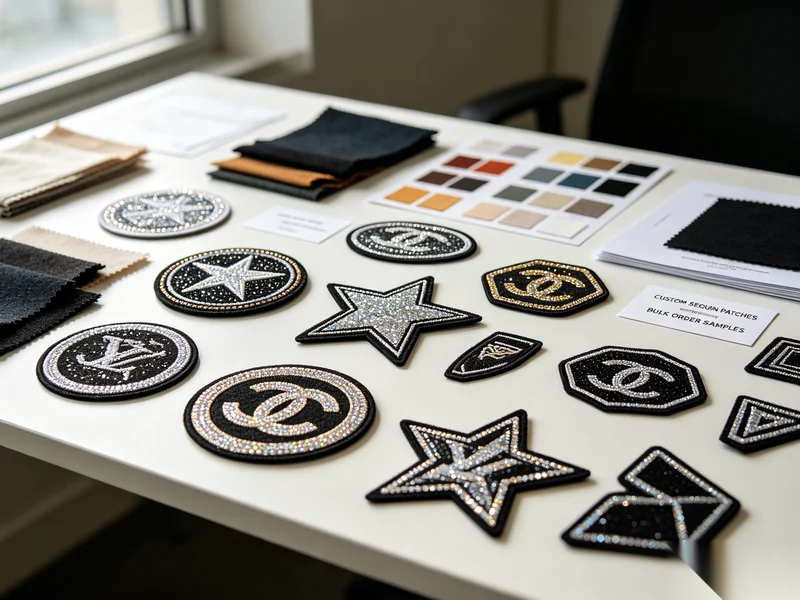
To make patches with an embroidery machine, businesses and embroidery professionals typically prepare a patch design, select patch fabric and backing, digitize the artwork, embroider the patch border and logo, apply backing materials, and finally cut and finish the patch. Machine embroidered patches are widely used in uniforms, fashion, sportswear, promotional products, and custom branding because they offer durability, scalability, and professional appearance.
| Step | Purpose |
|---|---|
| Design Preparation | Create embroidery-ready artwork |
| Fabric Selection | Choose suitable patch material |
| Digitizing | Convert artwork into embroidery files |
| Embroidery Process | Stitch logo and borders |
| Backing Application | Add support and attachment options |
| Cutting & Finishing | Shape and finalize the patch |
Why Are Machine Embroidered Patches So Popular?
Machine embroidered patches remain one of the most popular customization products because they combine durability, professional appearance, and flexible branding opportunities.
Businesses use custom embroidery patch production for:
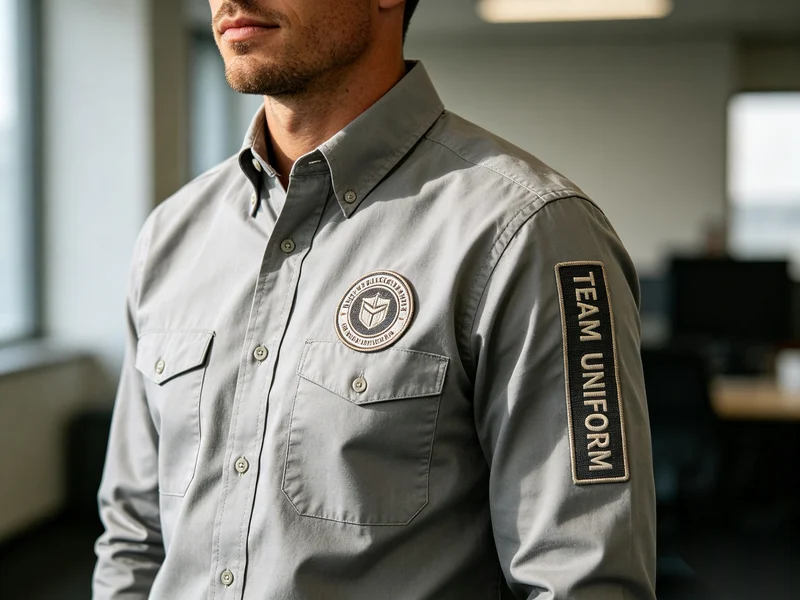
- Corporate uniforms
- Sports teams
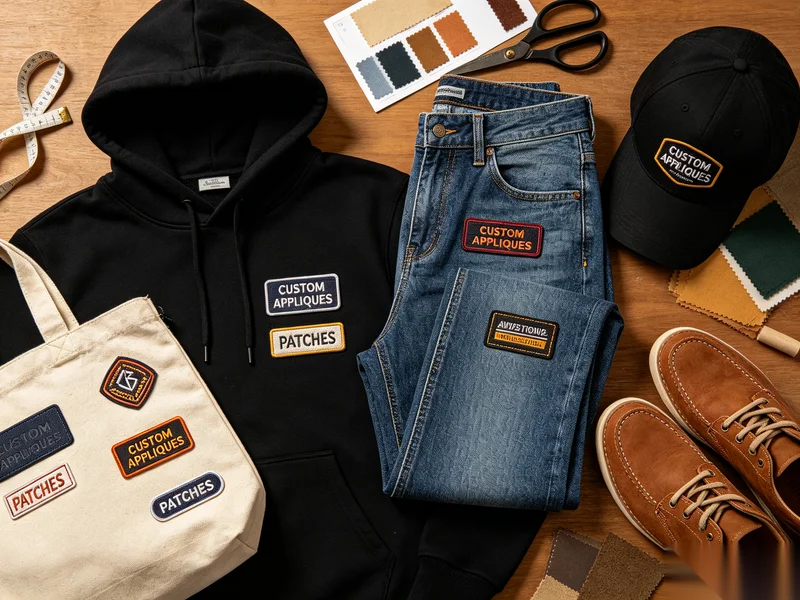
- Fashion apparel
- Tactical gear
- Promotional merchandise
- School emblems
- Motorcycle clubs
- Outdoor brands
Compared to direct embroidery on garments, patches offer easier replacement, stronger durability, and more versatile application options.
What Equipment Is Needed to Make Embroidery Patches?
Professional patch production requires several essential tools and materials.
Embroidery Machine
Commercial multi-head embroidery machines improve production efficiency for bulk orders.
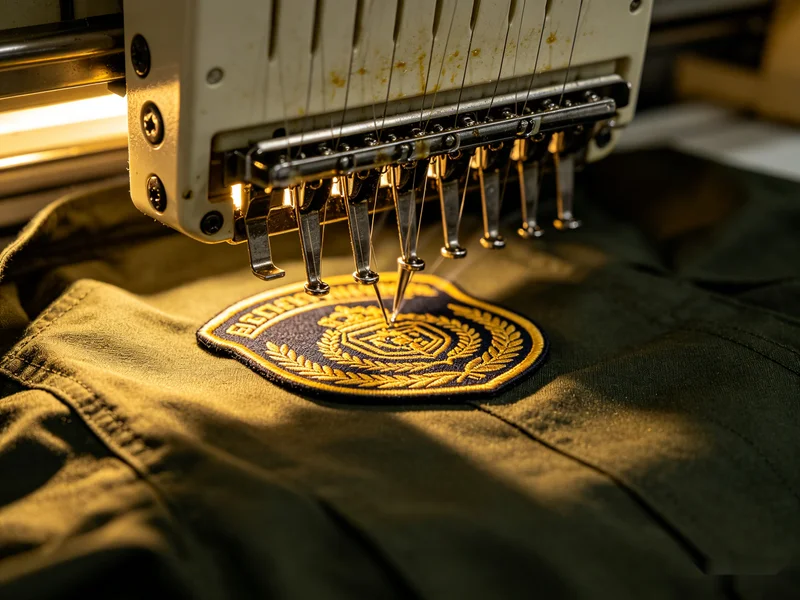
Embroidery Software
Digitizing software converts artwork into stitch files compatible with embroidery machines.
Stabilizer Backing
Stabilizers help maintain fabric stability during embroidery.
Patch Fabric
Common patch base materials include:
- Twill
- Felt
- Polyester fabric
- Canvas
Heat Press or Sewing Equipment
Used for applying patches onto finished products.
How Do You Prepare Artwork for Custom Embroidery Patch Production?
Good embroidery starts with proper artwork preparation.
Keep Designs Simple
Overly complex details may not stitch clearly.
Use Bold Lines
Clean shapes improve embroidery readability.
Limit Small Text
Tiny lettering may become unclear after stitching.
Choose Suitable Colors
Strong color contrast improves logo visibility.
Create Vector Artwork
AI, EPS, or SVG files help improve digitizing accuracy.
How Does Digitizing Work for Machine Embroidered Patches?
Digitizing converts artwork into stitch instructions for embroidery machines.
Professional digitizers adjust:
- Stitch direction
- Stitch density
- Underlay stitching
- Thread paths
- Border structure
Poor digitizing often causes:
- Thread breaks
- Distorted logos
- Uneven stitching
- Fabric puckering
High-quality digitizing is critical for professional patch production.
What Is the Best Fabric for Embroidery Patches?
Different patch materials support different design styles and applications.
Twill Fabric
One of the most common choices for professional embroidery patches.
Advantages include:
- Smooth stitching surface
- High durability
- Clean appearance
Felt Fabric
Popular for vintage and chenille-style patches.
Canvas Material
Suitable for rugged outdoor and tactical designs.
Polyester Blends
Provide strong durability and color consistency.
How Is the Patch Border Created?
The border is one of the most important structural elements of an embroidery patch.
Merrow Border
Traditional thick stitched border commonly used for classic patches.
Best for:
- Uniform patches
- Club patches
- Sports emblems
Satin Stitch Border
Provides a cleaner and more modern appearance.
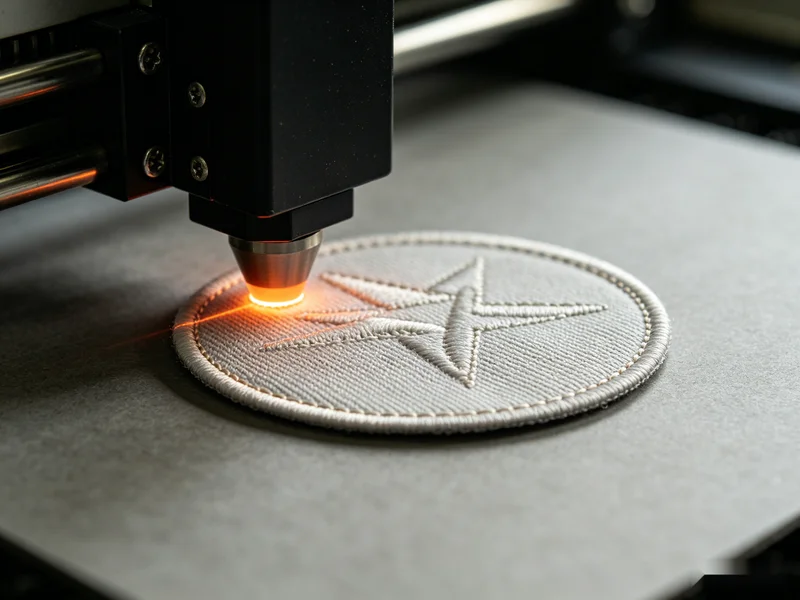
Laser-Cut Border
Ideal for complex shapes and minimalist designs.
What Types of Embroidery Patch Backing Are Available?
The right embroidery patch backing depends on product application and customer needs.
Iron-On Backing
Popular for fashion and promotional products.
Sew-On Backing
Provides maximum durability for long-term use.
Velcro Backing
Common in tactical and military applications.
Adhesive Backing
Useful for temporary placement and events.
Plastic Backing
Adds stiffness and shape support to patches.
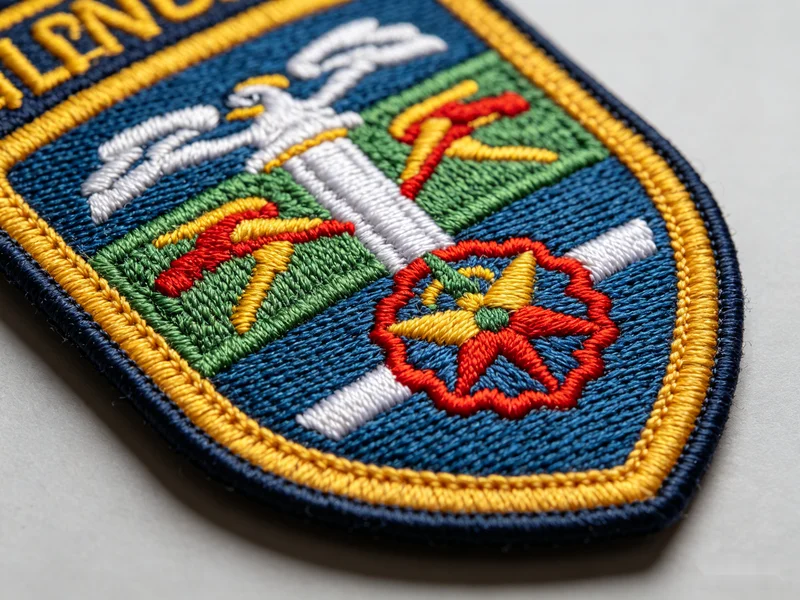
How Do You Cut Embroidery Patches After Stitching?
Once embroidery is completed, patches must be carefully cut and finished.
Manual Cutting
Scissors are suitable for small production runs.
Heat Cutting
Helps seal edges and reduce fraying.
Laser Cutting
Provides highly accurate shapes and clean edges.
Die Cutting
Efficient for large-scale wholesale production.
What Common Problems Occur During Patch Production?
Embroidery patch manufacturing requires precision and experience.
Thread Breaks
Often caused by poor digitizing or machine tension issues.
Fabric Puckering
Occurs when stabilizers or stitch density are incorrect.
Uneven Borders
Improper hooping or cutting may distort patch shapes.
Poor Adhesive Bonding
Low-quality iron-on backing may peel after washing.
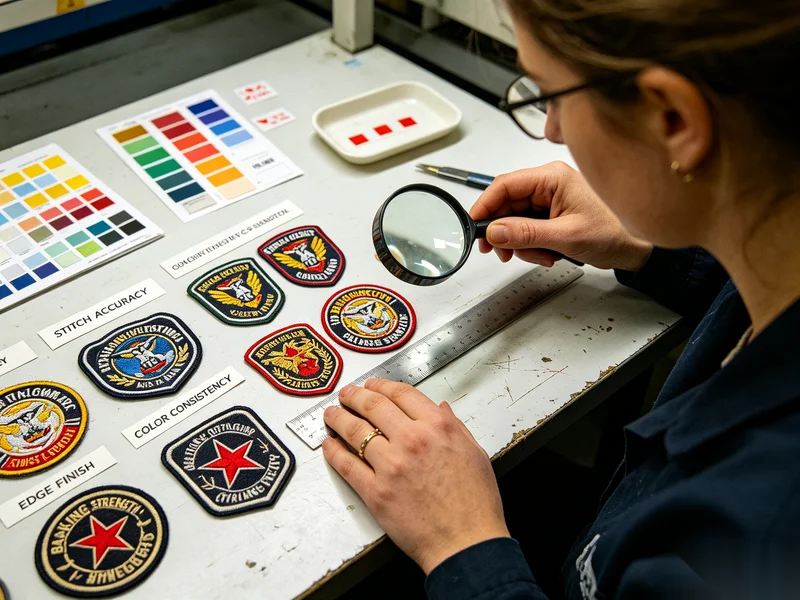
Color Mismatch
Incorrect thread selection can affect brand consistency.
How Can Businesses Improve Embroidery Patch Quality?
Professional patch quality depends on both equipment and production expertise.
Use High-Quality Thread
Premium thread improves durability and color performance.
Optimize Stitch Density
Balanced stitching prevents excessive stiffness.
Test Samples Before Mass Production
Sampling helps identify design or embroidery issues early.
Choose Proper Stabilizers
Correct stabilizers improve stitching precision.
Work With Experienced Digitizers
Digitizing quality directly affects final patch appearance.
What Design Trends Are Popular for Machine Embroidered Patches?
Modern embroidery patch trends combine traditional craftsmanship with fashion-driven creativity.
Retro Vintage Patches
Classic Americana and varsity aesthetics remain highly popular.
Oversized Embroidered Logos
Large statement patches perform strongly in streetwear markets.
Layered Texture Designs
Combining embroidery with chenille or PVC creates premium effects.
Minimalist Monogram Patches
Simple branding works well for modern fashion labels.
Glow-in-the-Dark Thread Effects
Special threads improve uniqueness and visual impact.
FAQ
What fabric is best for machine embroidered patches?
Twill fabric is one of the best options because it offers durability and clean embroidery performance.
What backing is most popular for embroidery patches?
Iron-on and sew-on backings are among the most commonly used options.
Can beginners make patches with embroidery machines?
Yes. Beginners can create simple patches using basic embroidery equipment and digitizing software.
Why is digitizing important for embroidery patches?
Digitizing controls stitch quality, thread direction, and overall embroidery accuracy.
What is the difference between merrow border and laser-cut patches?
Merrow borders create traditional stitched edges, while laser-cut borders provide cleaner modern shapes.
How can businesses improve custom embroidery patch production efficiency?
Using commercial embroidery machines, quality digitizing, and standardized patch blanks can improve efficiency.
What Creative Ideas Can Make Embroidery Patches More Attractive?
Creative patch concepts help businesses improve market competitiveness and customer appeal.
Multi-Layer Embroidery Designs
Layered stitching creates stronger visual depth.
Mixed Material Patches
Combining embroidery with leather, PVC, or chenille improves uniqueness.
Metallic Thread Accents
Gold and silver thread create premium aesthetics.
Glow-in-the-Dark Embroidery
Special thread effects attract younger fashion markets.
Vintage Heritage Collections
Retro-inspired patches continue trending in streetwear and outdoor branding.
Conclusion
Learning how to make patches with embroidery machines is essential for businesses and embroidery professionals seeking to enter the growing custom patch industry. From machine embroidered patches and embroidery patch backing solutions to large-scale custom embroidery patch production, embroidery patches remain one of the most versatile and profitable customization products in fashion, sportswear, tactical gear, and promotional merchandise markets.
The most successful embroidery patch projects typically focus on clean artwork preparation, professional digitizing, high-quality materials, durable backing options, and precise finishing techniques. Businesses should carefully manage stitch density, border quality, stabilizer selection, and cutting accuracy to avoid common production problems.
By combining creative design concepts, reliable embroidery technology, and experienced production methods, brands and embroidery businesses can create premium patch collections that improve product value, strengthen brand identity, and meet growing global demand for customized embroidered products.
About Author
——————————————————————————————————————————————

Alexander
Online Sales Manager
Alexander specialize in digital marketing and understanding customer psychology, providing clients with the right solutions through data insights and creative strategies.
——————————————————————————————————————————————