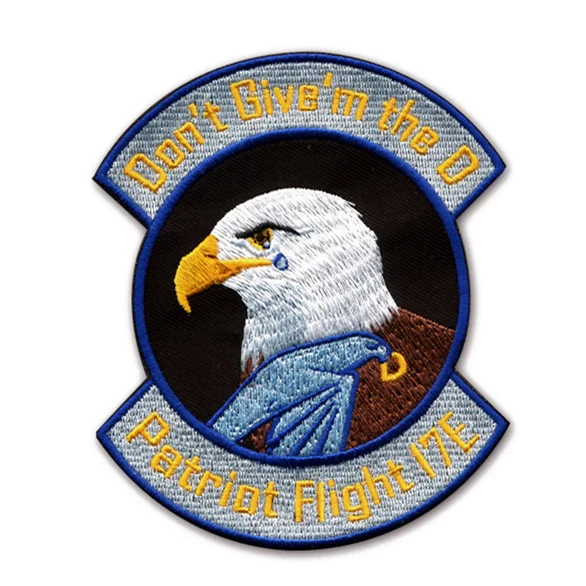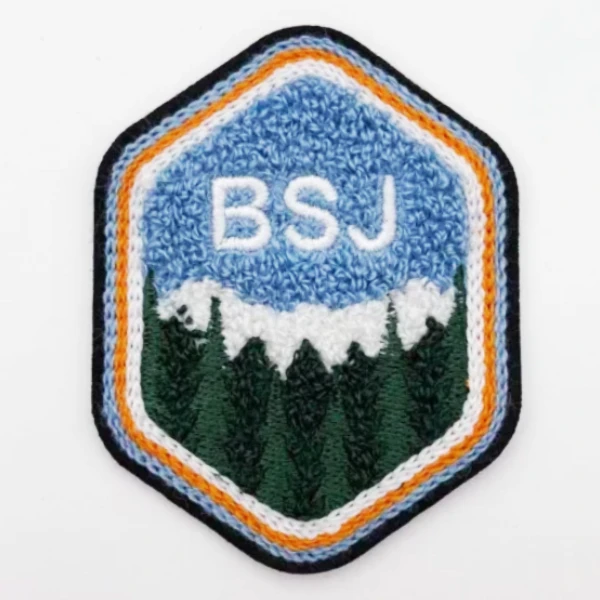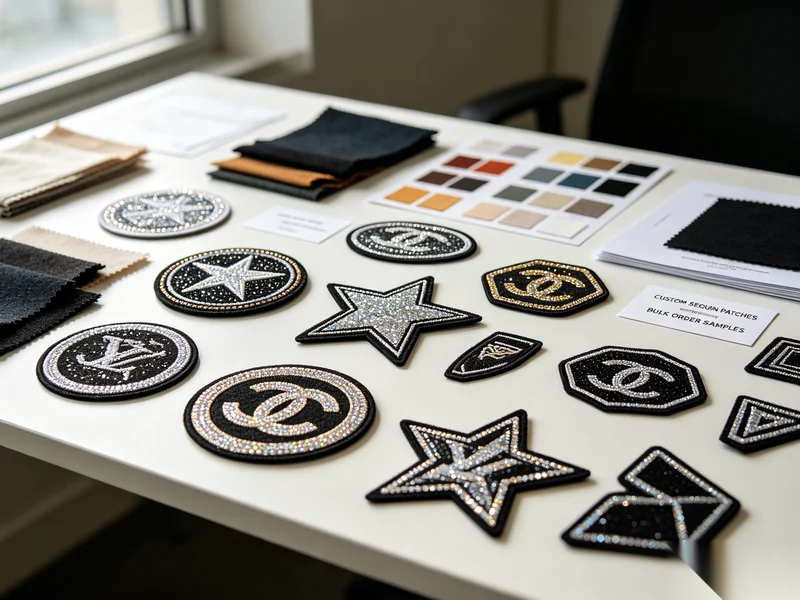
When people search for sew on embroidered badges, they are usually looking for a reliable, long-lasting patch solution that stays firmly attached to garments. Compared with iron-on or adhesive patches, sew-on embroidered badges are known for their durability, flexibility, and classic look.
In this article, we’ll explore what sew-on embroidered badges are, where they are commonly used, and why they remain one of the most trusted patch attachment methods.
What Are Sew On Embroidered Badges?
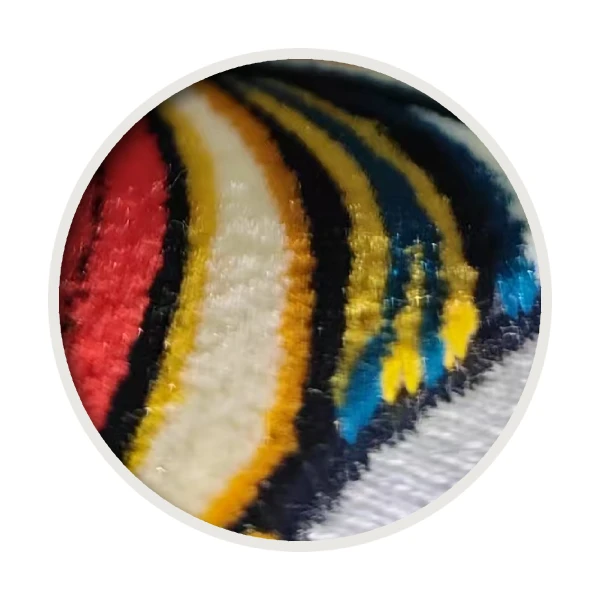
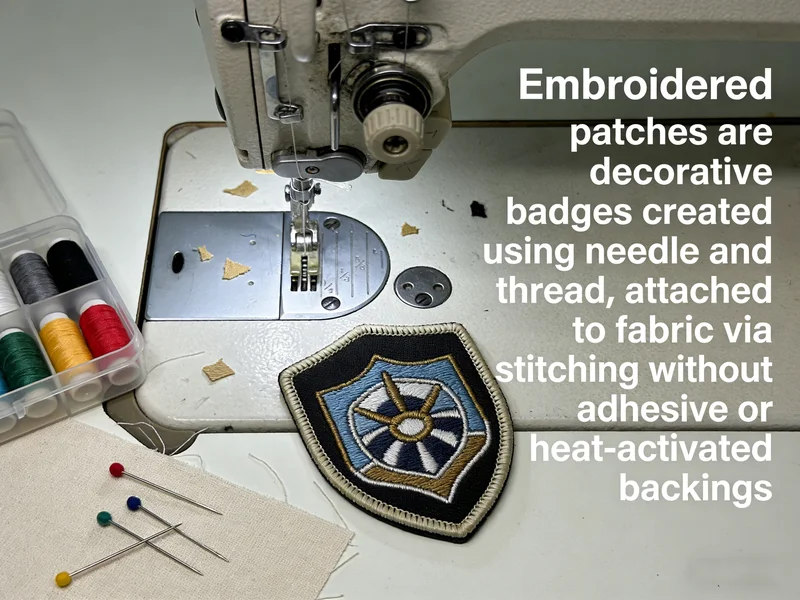
Sew on embroidered badges are embroidered patches designed without glue or heat-activated backing. They are attached to garments or accessories by stitching them directly onto the fabric using a sewing machine or hand sewing.
Because there is no adhesive layer, these badges:
- Withstand frequent washing
- Hold up well on thick or flexible fabrics
- Maintain their shape over time
Why Choose Sew On Embroidered Badges?
1. Maximum Durability
Sewing creates a permanent bond between the badge and the garment. This makes sew-on embroidered badges ideal for:
- Workwear
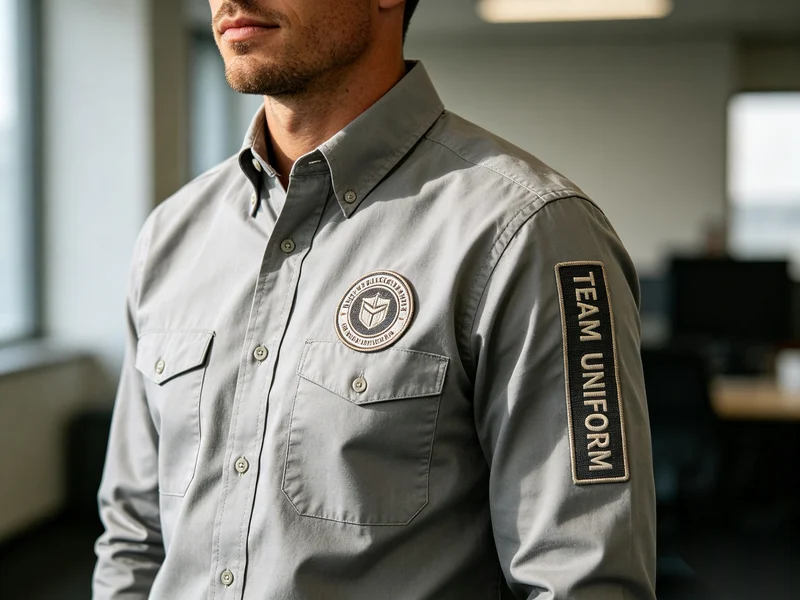
- Uniforms
- Jackets
- Sports apparel
They won’t peel, melt, or lose adhesion after repeated washing.
2. Suitable for All Fabrics
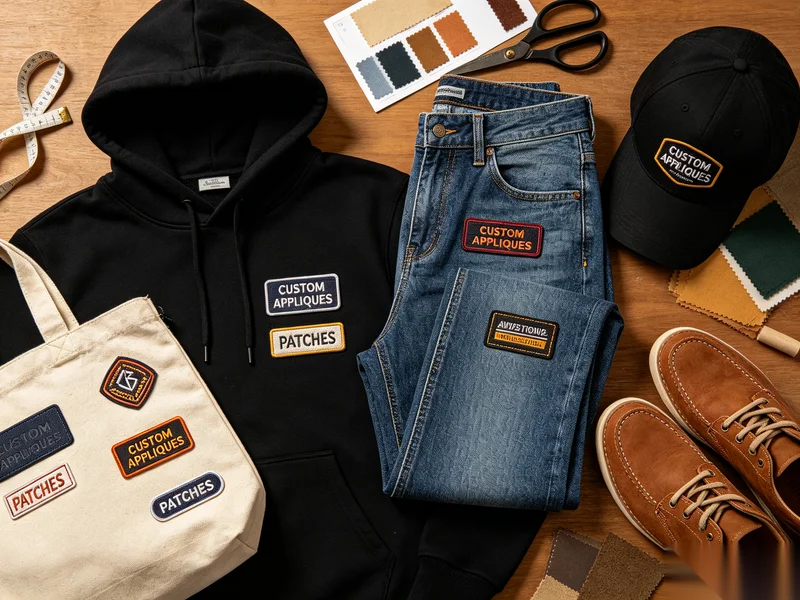
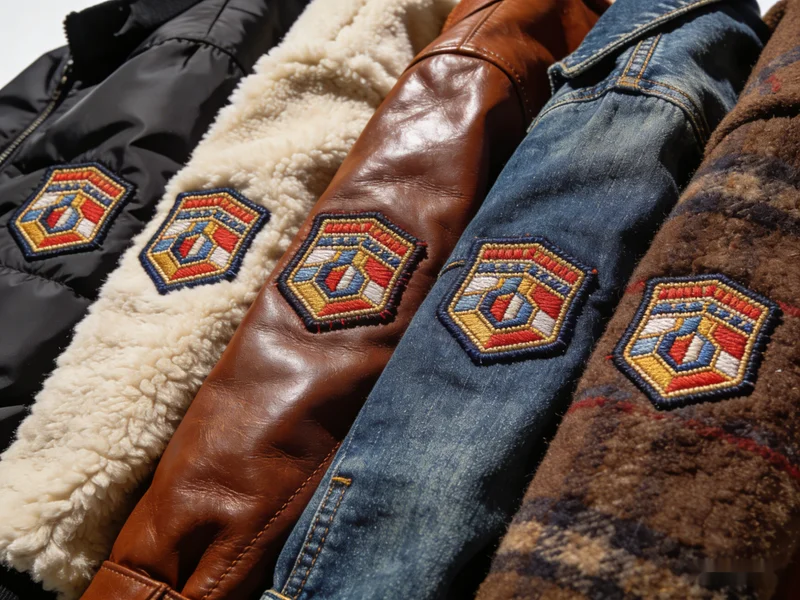
Unlike heat press patches, sew-on badges can be applied to:
- Nylon
- Leather
- Denim
- Wool
- Heavy canvas
This makes them highly versatile across different garment types.
3. Clean and Classic Appearance
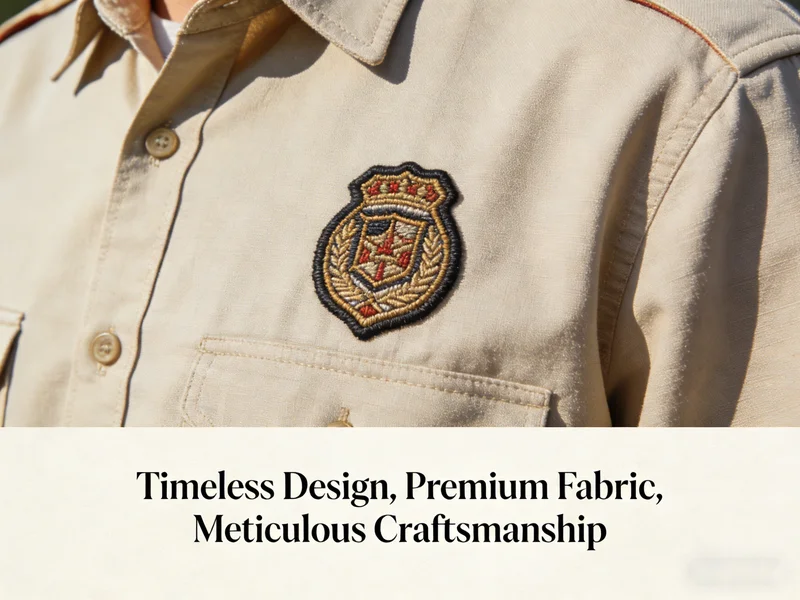
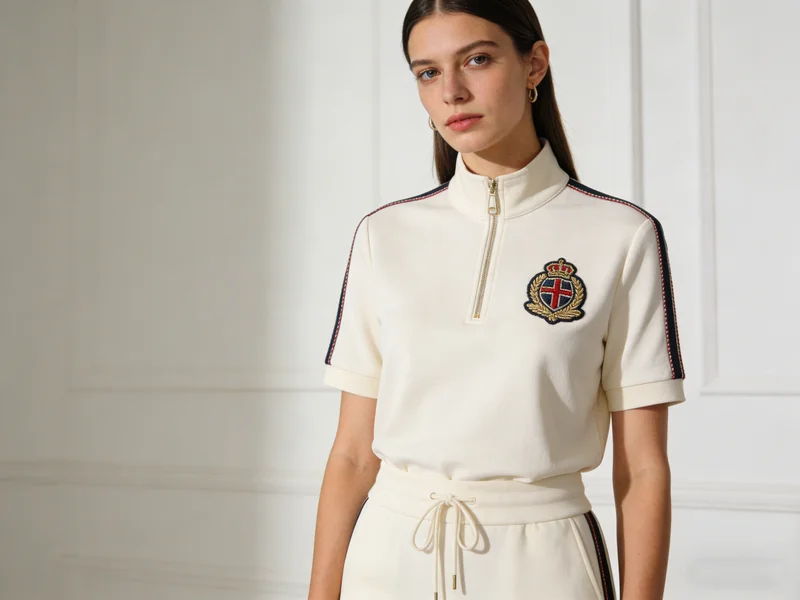
Without glue edges or heat marks, sew-on embroidered badges deliver a traditional, professional finish, especially popular for heritage brands and uniforms.
Common Uses of Sew On Embroidered Badges
Sew on embroidered badges are widely used in many industries:
- Uniform badges (military, police, security, schools)
- Scout and club badges
- Motorcycle and biker patches
- Corporate logo badges
- Fashion jackets and denim
- Sports team insignia
They are especially valued where long-term wear and tear is expected.
Design Tips for Sew On Embroidered Badges
To get the best results, consider the following design tips:
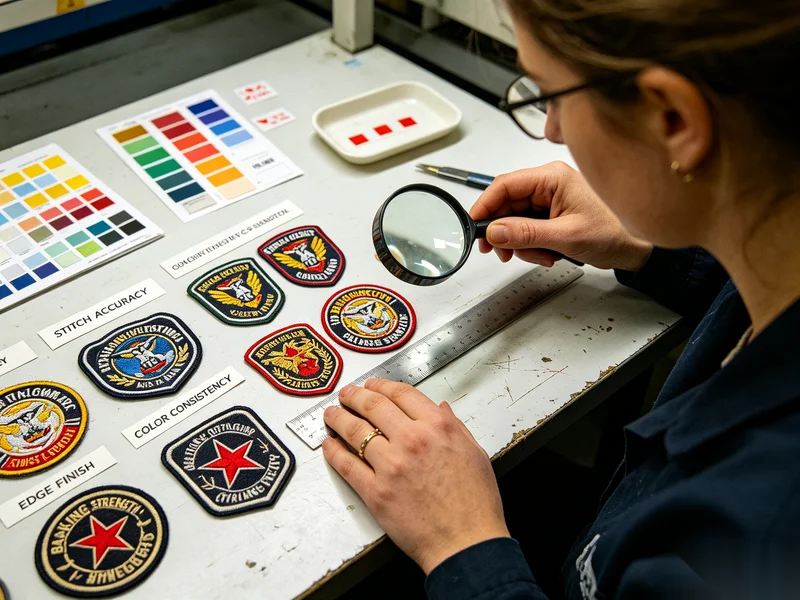
Edge Finishing
Popular edge options include:
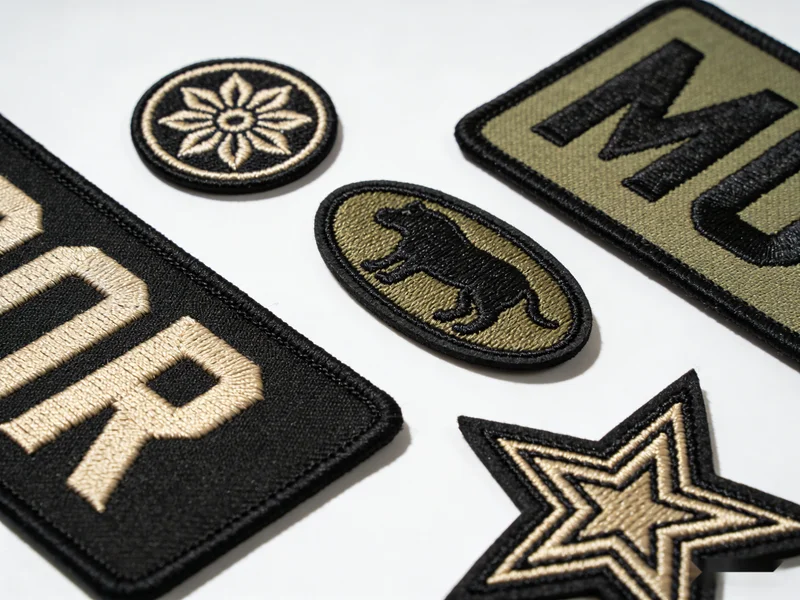
- Merrowed edge (classic stitched border)
- Satin stitch border
- Laser-cut edge for modern styles
Size and Shape
Sew-on badges work well in:
- Small logo sizes
- Medium chest badges
- Large back patches
Irregular shapes are also easier to secure with sewing.
Thread Density
Balanced stitch density ensures:
- Clear logo definition
- Flexible movement with fabric
- No excessive stiffness
Sew On vs Iron On Embroidered Badges
| Feature | Sew On | Iron On |
|---|---|---|
| Durability | ★★★★★ | ★★★ |
| Wash Resistance | Excellent | Moderate |
| Fabric Compatibility | All fabrics | Heat-safe fabrics only |
| Application | Sewing required | Heat press needed |
For long-term use, sew on embroidered badges remain the most dependable option.
Who Should Choose Sew On Embroidered Badges?
These badges are ideal for:
- Brands focused on quality and longevity
- Uniform suppliers
- Clubs and organizations
- Fashion designers using heavy garments
- Customers who prioritize durability over convenience
Final Thoughts
Sew on embroidered badges continue to be a timeless solution for anyone who values strength, flexibility, and a classic embroidered look. While they require sewing for application, the payoff is a badge that stays secure and performs well for years.
If you’re designing patches for uniforms, jackets, or long-term wear, sew-on embroidered badges are a smart and proven choice.
About Author
——————————————————————————————————————————————

Alexander
Online Sales Manager
Alexander specialize in digital marketing and understanding customer psychology, providing clients with the right solutions through data insights and creative strategies.
——————————————————————————————————————————————