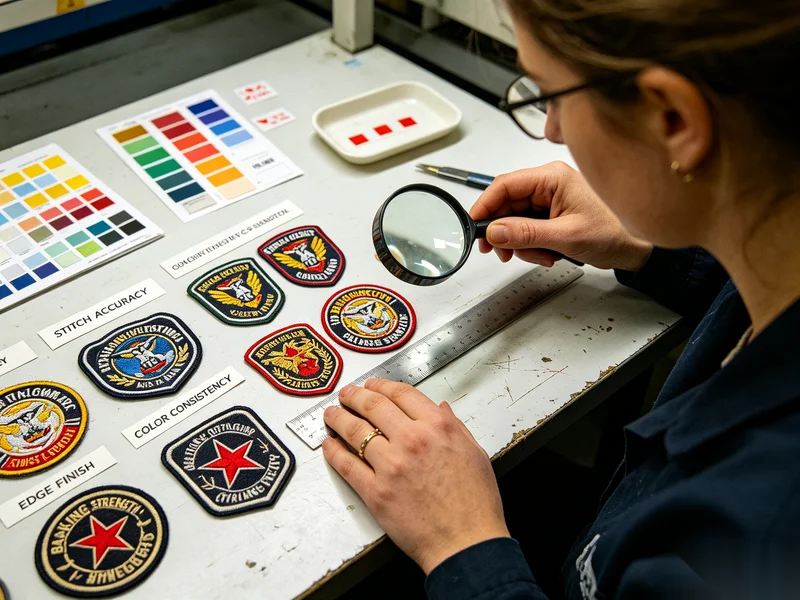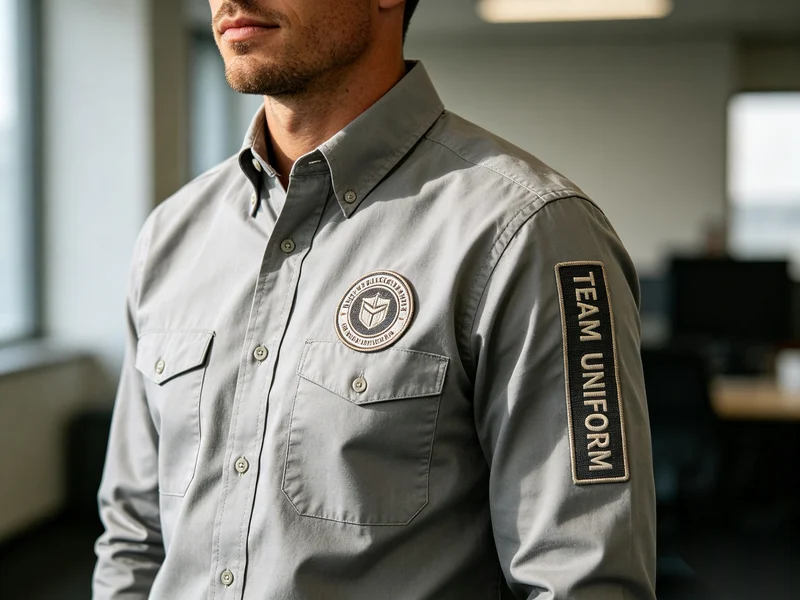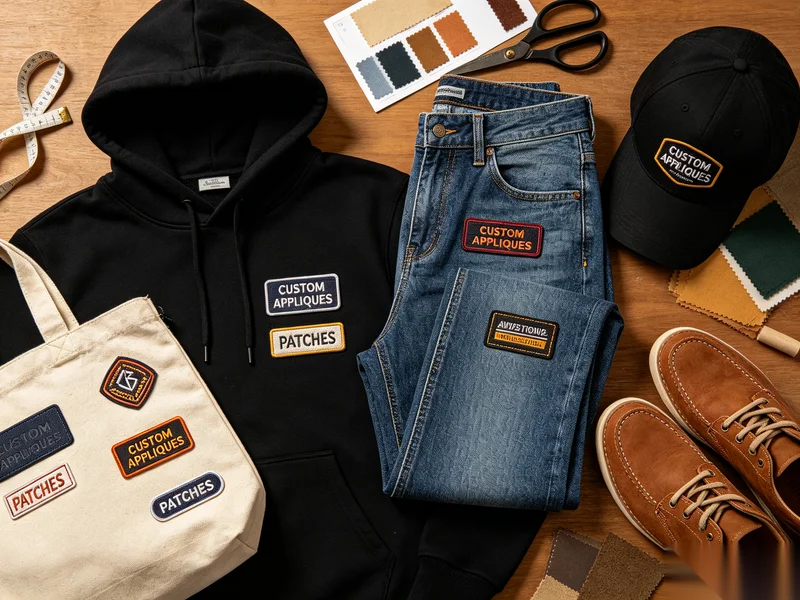
When customers search for a quality patch, they are not simply looking for a patch that looks good at first glance. They are looking for durability, consistency, craftsmanship, and brand reliability—all of which directly impact the final product and brand image.
In this article, we’ll explain what truly defines a quality patch, how to evaluate patch quality before ordering, and why investing in quality matters for apparel brands, teams, and businesses.
What Is a Quality Patch?
A quality patch is one that maintains its appearance, structure, and function over time—through washing, wearing, stretching, and daily use.
High-quality patches are characterized by:
- Clean and precise craftsmanship
- Durable materials
- Consistent production standards
- Strong attachment performance
- Accurate color and logo reproduction
In short, a quality patch should look professional on day one and remain reliable after repeated use.
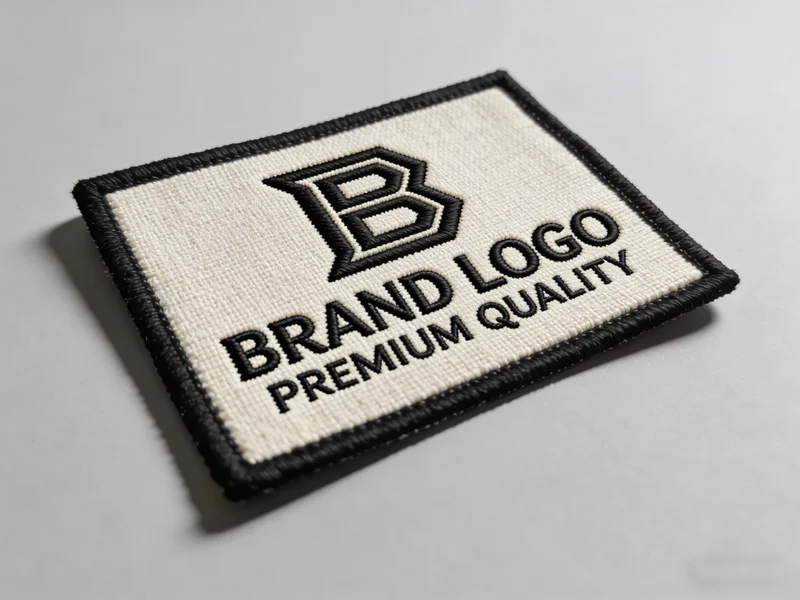
Key Factors That Define a Quality Patch
1. Material Selection
The foundation of a quality patch starts with the right materials.
- Thread quality: High-grade polyester or rayon embroidery thread resists fading and fraying
- Base fabric: Stable twill, felt, or backing fabric prevents warping
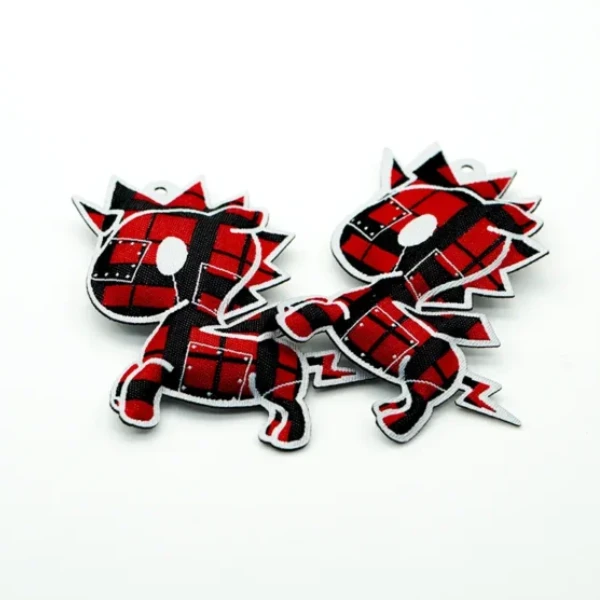
- PVC / silicone compounds: Flexible, odor-free, and crack-resistant
Low-quality materials may reduce costs initially but often lead to peeling, distortion, or color loss.
2. Craftsmanship & Production Technique
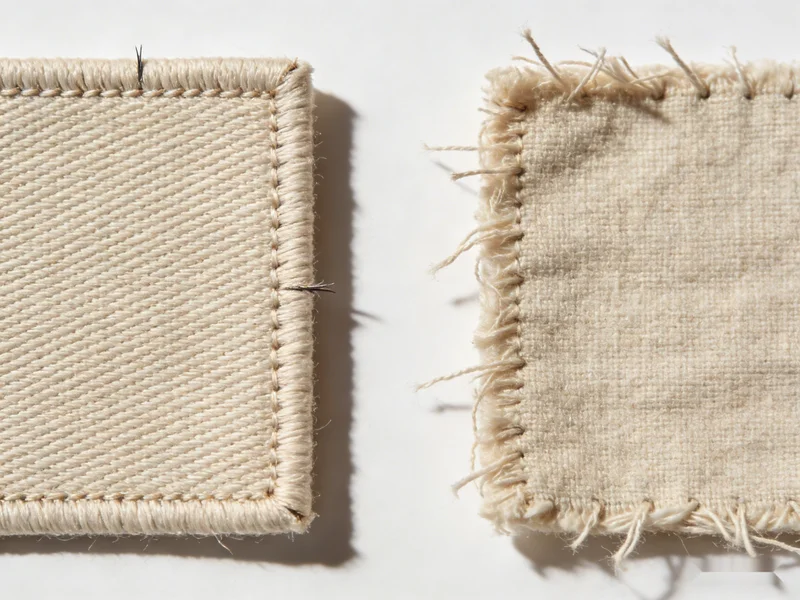
Quality patches show precision in every detail:
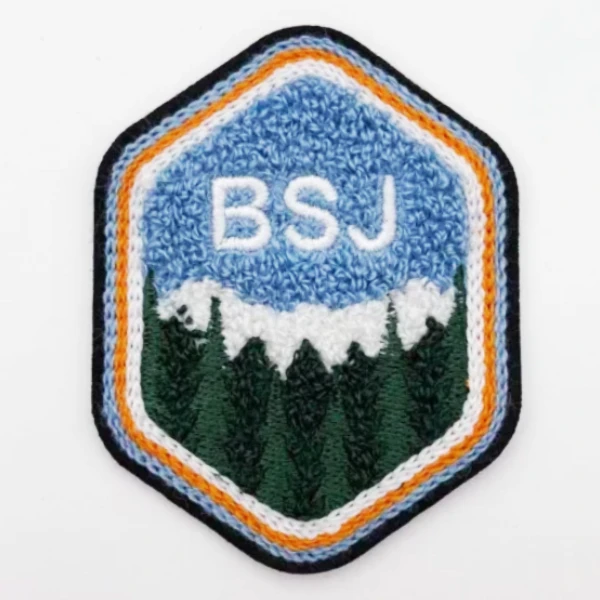
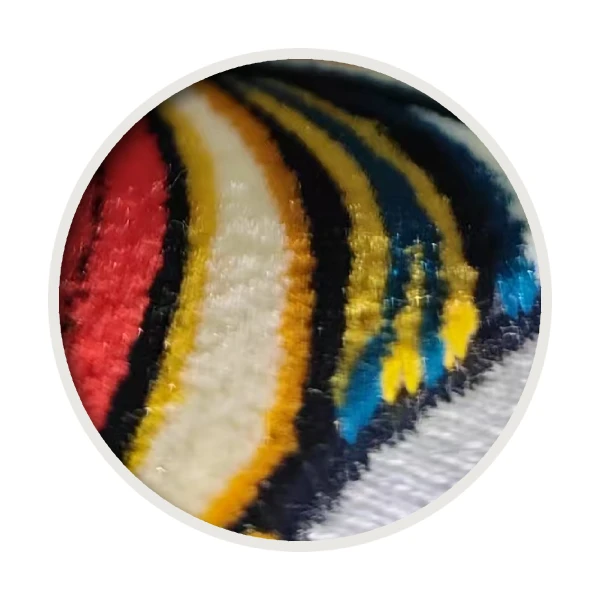
- Tight, even stitch density
- Smooth edges with no loose threads
- Clean borders (merrowed or laser-cut)
- Accurate alignment of layers
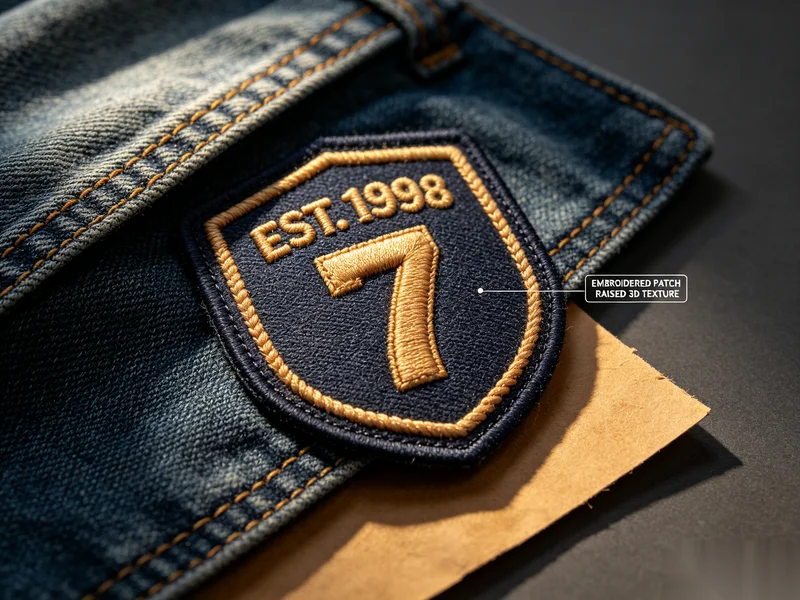
For embroidered patches, stitch consistency is one of the clearest indicators of quality.
3. Design Accuracy & Detail Reproduction
A quality patch must faithfully represent the original design:
- Clear logo shapes and text
- Correct proportions
- Sharp edges (especially on letters and symbols)
- No distortion after production
This is especially important for brand logos, uniforms, and licensed designs.
4. Color Consistency
Color inconsistency is one of the most common quality complaints.
A high-quality patch supplier ensures:
- Stable dye lots
- Accurate Pantone color matching
- Minimal color variation across batches
Consistent color is critical for brands that require visual uniformity across collections or seasons.
5. Backing Strength & Attachment Performance
A quality patch should stay securely attached in real-world use.
Common high-quality backing options include:
- Sew-on backing for maximum durability
- Heat press backing with strong adhesive layers
- Velcro backing with reinforced stitching
- TPU or film backing for flexible garments
Poor backing leads to peeling, lifting, or edge curling after washing.
Why Quality Patches Matter for Brands
Your Patch Represents Your Brand
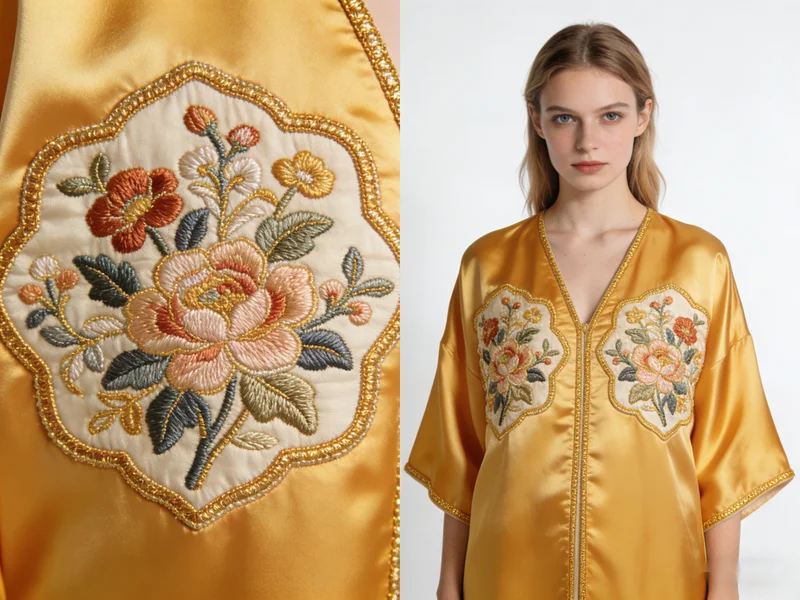
A patch is often the most visible branding element on a garment. Poor-quality patches can make even well-designed clothing look cheap or unreliable.
Durability Reduces Returns and Complaints
High-quality patches reduce issues such as:
- Thread breakage
- Edge lifting
- Adhesive failure
- Color bleeding
This directly lowers after-sales costs.
Consistency Supports Long-Term Scaling
For brands producing repeat orders or multiple collections, quality ensures:
- Predictable results
- Easier reordering
- Reliable mass production
Quality Patch vs Low-Quality Patch: Quick Comparison
| Aspect | Quality Patch | Low-Quality Patch |
|---|---|---|
| Stitching | Tight, even | Loose, uneven |
| Edges | Clean, stable | Fraying, curling |
| Colors | Accurate & consistent | Faded or mismatched |
| Backing | Strong, durable | Weak or peeling |
| Lifespan | Long-term use | Short-term |
Who Should Prioritize Quality Patches?
- Apparel & fashion brands
- Sports teams and clubs
- Uniform and workwear suppliers
- Licensed merchandise sellers
- Promotional product companies
- E-commerce and private-label brands
If your patch is part of a product you sell, quality is not optional—it’s essential.
How to Ensure You Get a Quality Patch
Before placing an order:
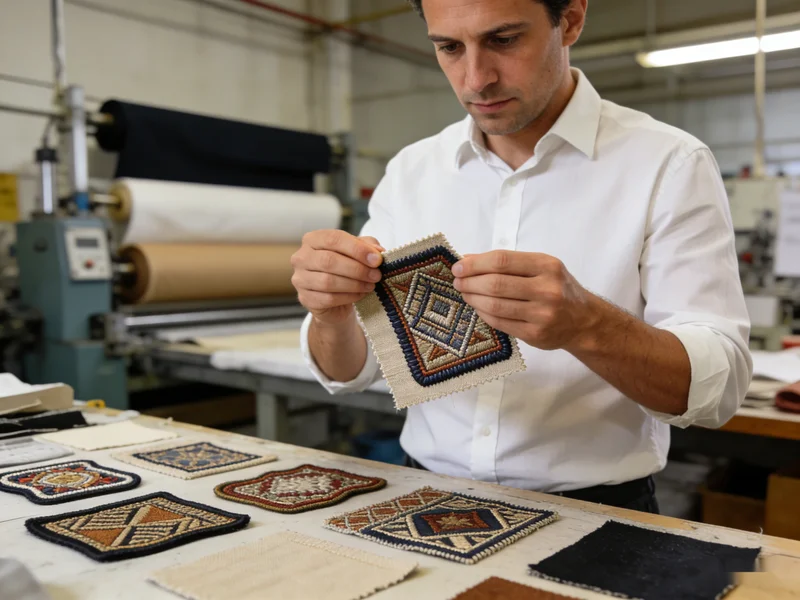
✔ Ask for real production samples
✔ Confirm material specifications
✔ Request stitch count or embroidery density
✔ Verify color matching standards
✔ Work with factories that control production in-house
A reliable manufacturer will always be transparent about quality standards.
Conclusion
A quality patch is more than decoration—it’s a reflection of your brand’s standards. From materials and craftsmanship to color consistency and backing strength, every detail matters.
Choosing quality patches means fewer issues, stronger branding, and long-term customer trust.
About Author
——————————————————————————————————————————————

Alexander
Online Sales Manager
Alexander specialize in digital marketing and understanding customer psychology, providing clients with the right solutions through data insights and creative strategies.
——————————————————————————————————————————————