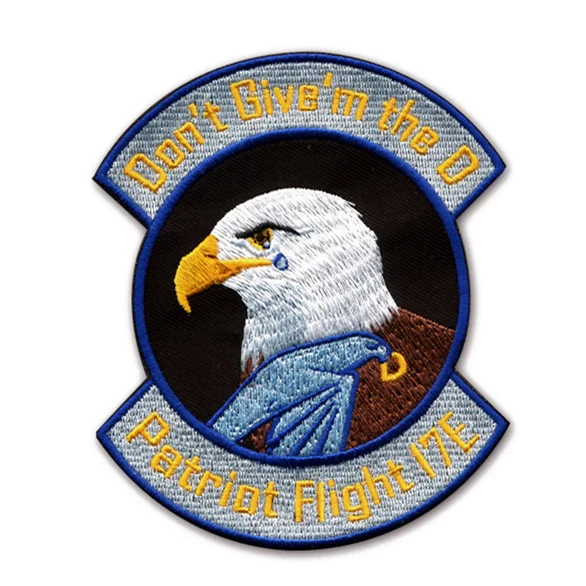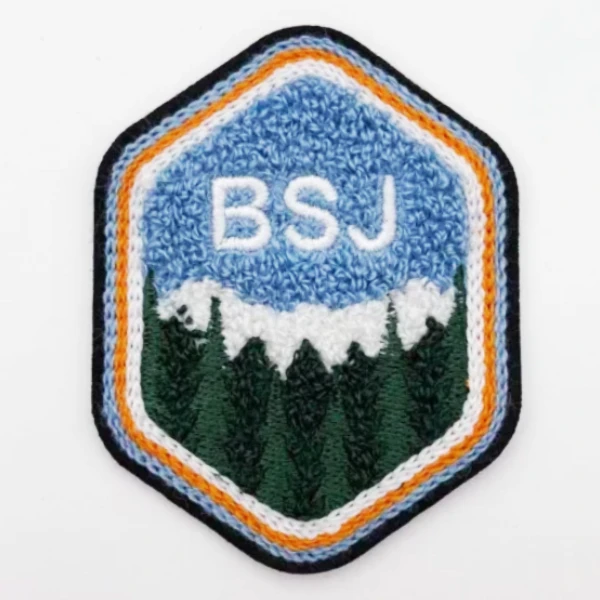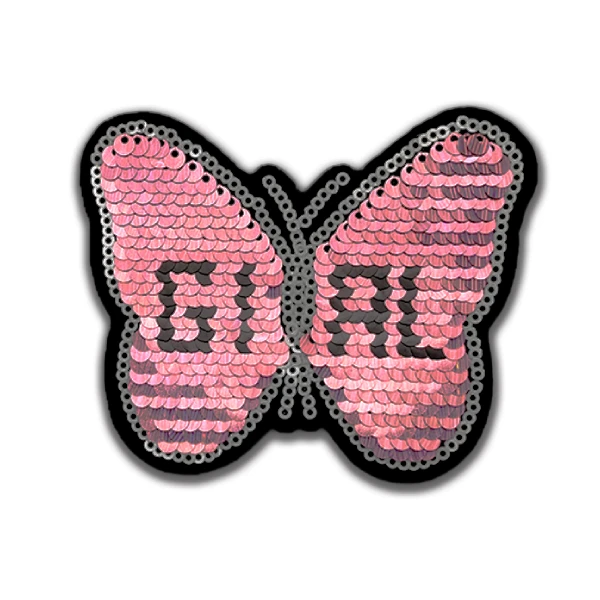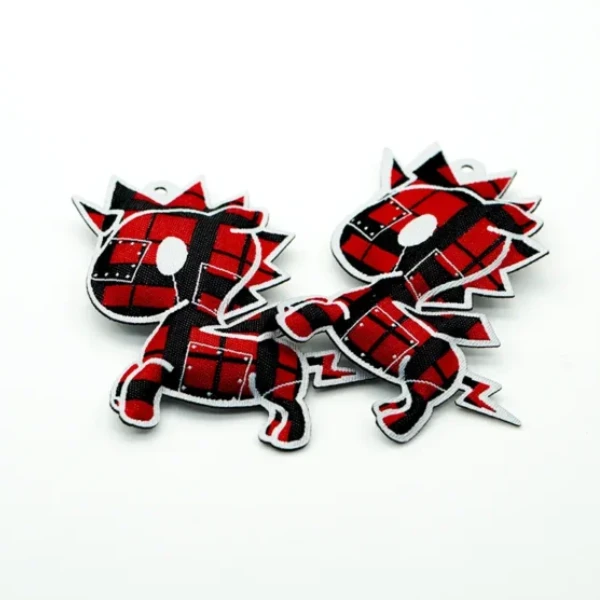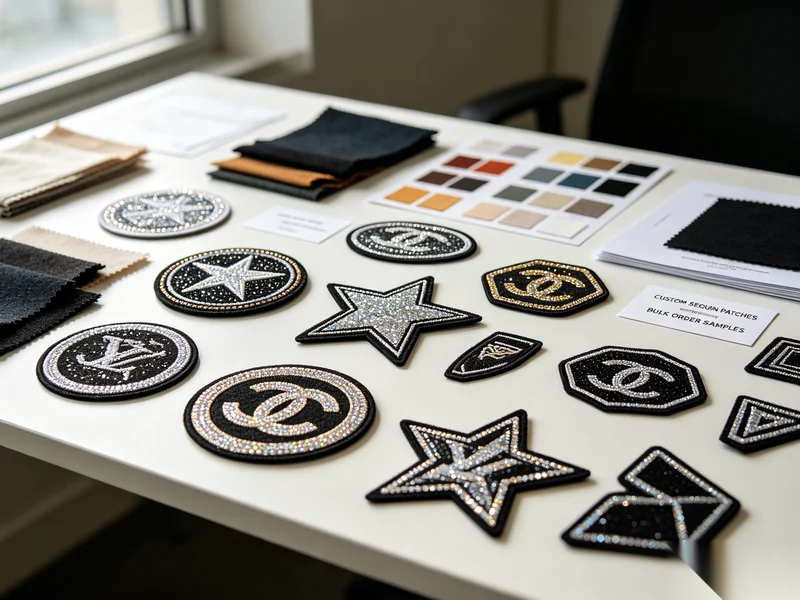
In today’s fashion and apparel industry, custom embroidered patches have become far more than decorative details — they are branding tools, storytelling elements, and even symbols of craftsmanship. Whether used on uniforms, streetwear, or luxury apparel, patches allow clothing manufacturers to add unique personality and perceived value to their garments.
For clothing brands looking to stand out in a competitive market, embroidered patches are an affordable, scalable, and durable way to enhance their product identity. But how exactly do manufacturers benefit from integrating custom embroidery into their production process?
Let’s explore the key advantages — from branding and cost efficiency to sustainability and production flexibility.
1️⃣ Strengthen Brand Identity Through Design
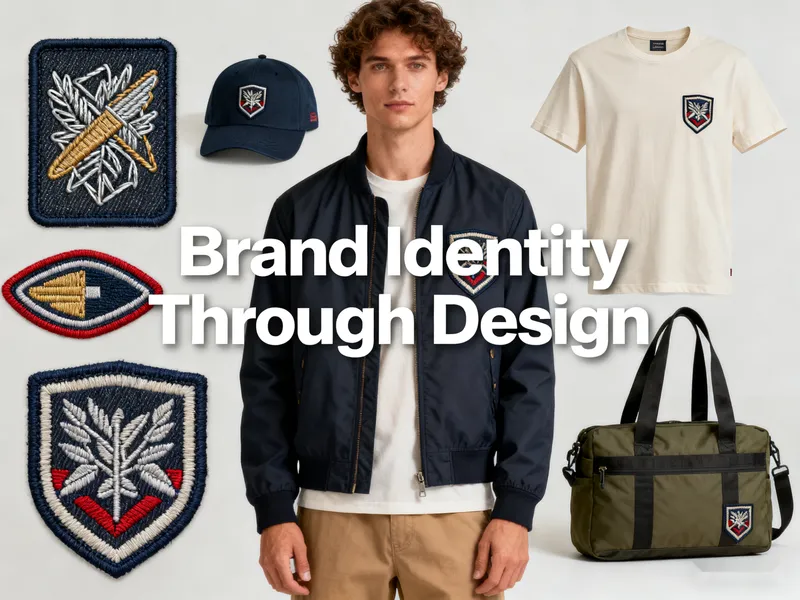
In the fashion industry, visual branding is everything. Custom embroidered patches help clothing manufacturers communicate a brand’s story through texture, color, and design.
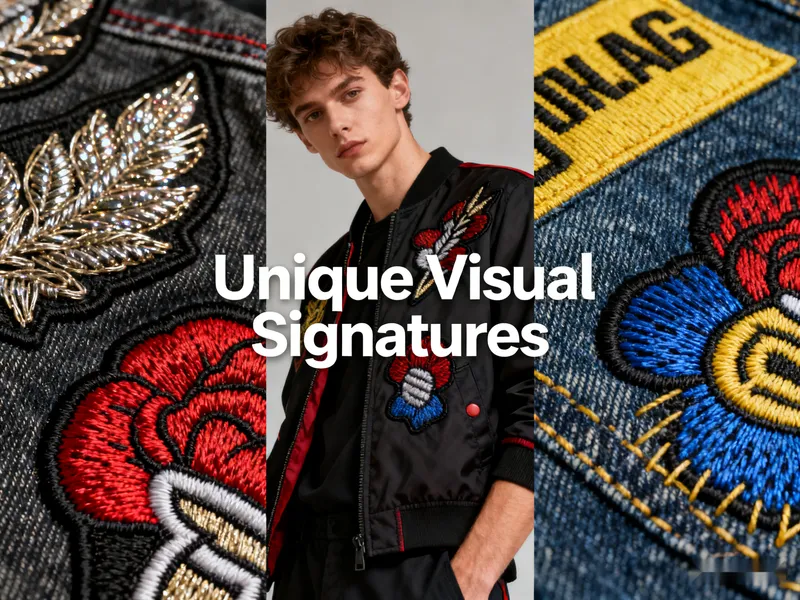
1. Unique visual signatures
Every embroidered patch can be designed with specific shapes, thread types, and color palettes that reflect the brand’s character.
For example:
- A luxury fashion label may choose metallic threads and 3D puff embroidery.
- A streetwear brand might use bold contrast stitching for a rugged, handcrafted look.
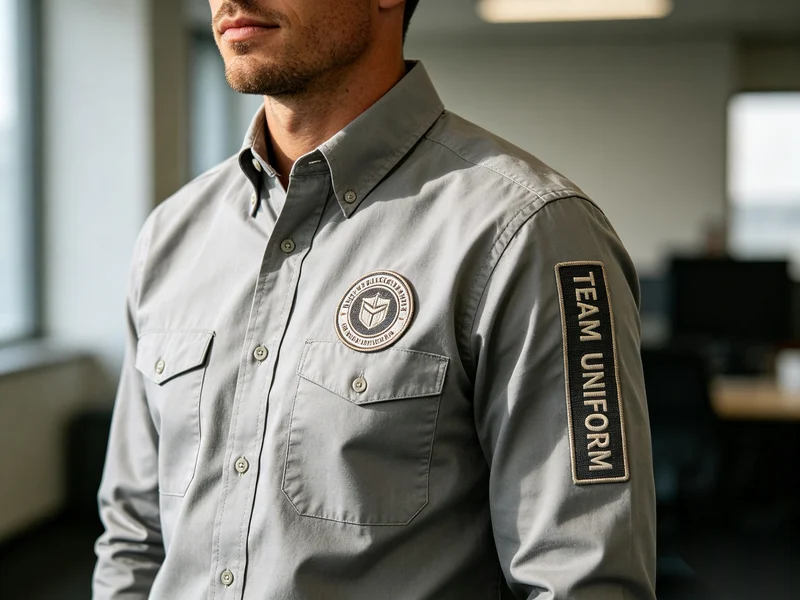
- A workwear brand often opts for durable twill backing and dense stitches for longevity.
By applying consistent patch designs across different product lines, clothing manufacturers can create a recognizable visual identity that instantly differentiates them from competitors.
2. Flexible application across product categories
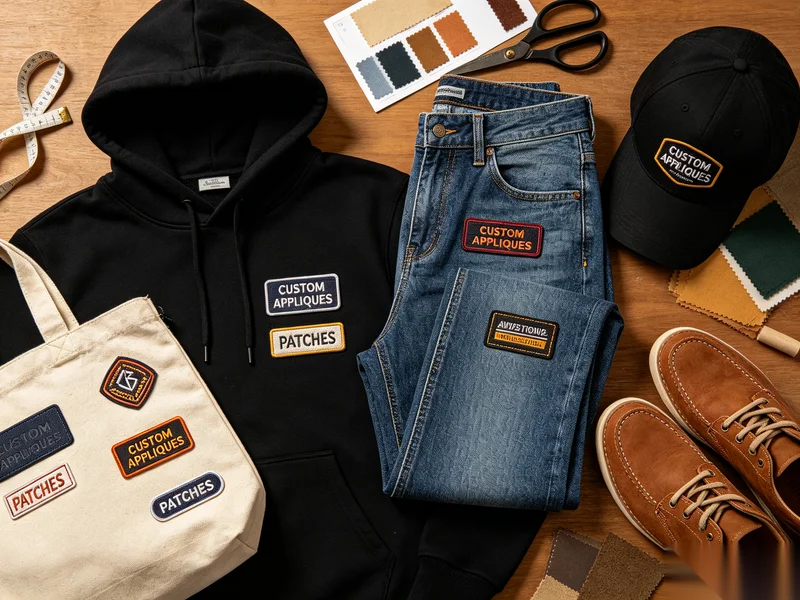
Patches can be easily sewn or heat-pressed onto a variety of garments — T-shirts, jackets, jeans, caps, and bags.
This makes them a cost-effective solution for multi-category branding, eliminating the need for expensive woven labels or direct embroidery on every product.
2️⃣ Cost Efficiency and Production Flexibility
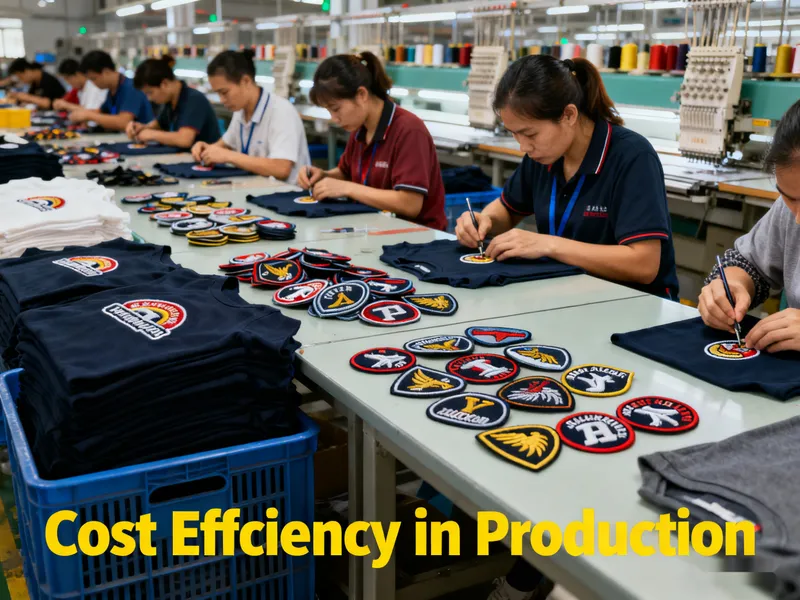
Embroidery is traditionally seen as a premium decoration method, but in large-scale production, custom patches can actually reduce costs and improve efficiency.
1. Easier inventory management
Instead of embroidering each garment individually, manufacturers can mass-produce patches separately and apply them as needed.
This approach:
- Reduces machine setup time
- Allows for faster assembly
- Makes it easier to adapt to small-batch or limited-edition runs
For example, if a brand releases the same jacket design under different collections, simply changing the patch design allows quick product differentiation without altering the main garment pattern.
2. Lower defect rate and waste
Direct embroidery requires the garment to be hooped and stitched individually. If a mistake happens, the entire piece may be wasted.
By contrast, with separate patches, embroidery is done on stable fabrics (like twill or felt), minimizing distortion and reducing the risk of product rejection.
This not only saves time but also reduces fabric waste — a key advantage for sustainable manufacturing.
3. Easy rebranding and customization
If a client requests logo changes or limited-edition designs, it’s far easier to replace or update a patch than to rework entire embroidery layouts.
This agility helps manufacturers respond quickly to market trends and client demands.
3️⃣ Durability and Longevity of Embroidery
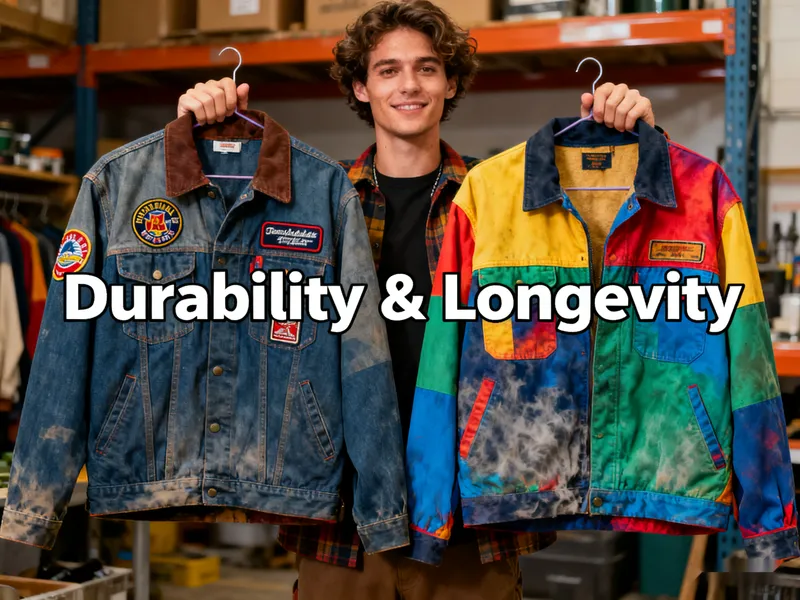
One of the biggest benefits of embroidered patches is their exceptional durability.
Unlike printed graphics that can fade or peel off after washing, embroidery threads maintain their color and structure for years.
Key durability advantages:
- Heat resistance: High-quality polyester or rayon threads can withstand industrial washing and high temperatures.
- Fade resistance: Embroidery colors remain vibrant even after repeated exposure to sunlight.
- Tear protection: Patches reinforce the fabric area they’re attached to, improving garment strength.
This makes embroidered patches ideal for workwear, military uniforms, school apparel, and outdoor fashion, where long-term wear is expected.
4️⃣ Added Perceived Value and Premium Appeal
From a marketing standpoint, custom embroidery conveys quality, craftsmanship, and authenticity — values that resonate deeply with today’s consumers.
1. Aesthetic and tactile appeal
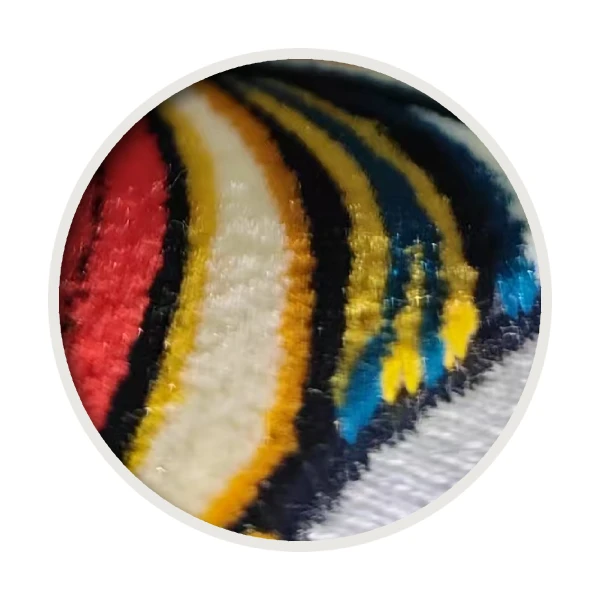
Embroidery creates texture and depth that printed logos simply can’t replicate. The interplay between stitch direction and thread gloss gives each patch a three-dimensional, high-end look.
2. Consumer psychology and perceived value
A garment with an embroidered patch feels more “crafted” and “premium.”
Studies show that tactile embellishments increase consumer willingness to pay because they associate embroidery with manual craftsmanship and durability.
3. Brand storytelling
Embroidered patches allow brands to highlight their heritage or mission through emblematic visuals.
For example, vintage-style chain stitch patches can evoke nostalgia, while clean geometric designs project modern minimalism.
5️⃣ Sustainability and Waste Reduction
Sustainability is no longer optional — it’s a requirement in modern apparel manufacturing.
Custom embroidered patches support eco-conscious production in several ways:
1. Reduced product waste
Since patches are made separately, manufacturers can reuse leftover garment stock by simply applying different patches, rather than discarding outdated inventory.
2. Long product lifespan
Garments with embroidered elements last longer and are less likely to be thrown away due to fading prints or damaged branding.
3. Material efficiency
Embroidery threads are available in recycled polyester and other sustainable materials, offering an environmentally friendly alternative to PVC patches or plastic labels.
6️⃣ Design Versatility and Creative Freedom
One of the main reasons embroidered patches are so popular in the fashion industry is their creative flexibility.
Manufacturers can experiment with different embroidery techniques, backing materials, and shapes to suit each client’s style.
Common embroidery options include:
- Satin Stitch: Ideal for bold borders and small lettering.
- Tatami Stitch: Used for large filled areas or background textures.
- 3D Puff Embroidery: Creates raised, sculptural designs for caps or outerwear.
- Merrow Edge: A finished overlock border commonly seen on circular or rectangular patches.
- Appliqué Combination: Layered fabric with embroidery details for a mixed-media effect.
With digital embroidery machines, complex designs and multi-color gradients can now be achieved efficiently and accurately, making embroidery an accessible choice for both small brands and global manufacturers.
7️⃣ Easy Application and Replacement
Custom embroidered patches can be attached in several ways, depending on production needs and garment type:
| Attachment Method | Description | Best For |
|---|---|---|
| Sew-on patches | Stitched directly onto fabric | High-durability garments, uniforms |
| Iron-on patches | Heat-activated adhesive backing | Retail and DIY applications |
| Velcro patches | Removable and reusable | Tactical gear, workwear, event apparel |
| Peel-and-stick patches | Temporary adhesive surface | Promotional or short-term use |
This flexibility allows manufacturers to tailor the attachment method to their specific market — whether producing mass-market items or custom limited runs.
8️⃣ Brand Collaboration and Limited Editions
In fashion collaborations, custom patches are one of the most efficient ways to co-brand or launch limited editions.
For example:
- A sportswear brand may collaborate with an artist to release a capsule collection with embroidered badges.
- Denim brands often create seasonal patches highlighting events or campaigns.
These limited-edition patches not only create exclusivity but also enhance collectability — a key driver in today’s fashion culture.

9️⃣ The Business Impact: Value Beyond Decoration
Beyond their aesthetic appeal, embroidered patches deliver measurable business benefits for clothing manufacturers:
- Higher perceived retail value: Embroidery can increase product pricing potential.
- Lower MOQ flexibility: Easier to produce small batches or custom runs.
- Streamlined supply chain: Faster branding updates without full reprints.
- Enhanced brand recall: Customers recognize and remember patch-based branding more easily.
In short, embroidered patches are a small detail with a large commercial impact.
🔟 Conclusion: Small Details, Big Advantages
For clothing manufacturers, integrating custom embroidered patches into production is a smart, versatile, and sustainable branding strategy.
They provide the perfect balance between craftsmanship and scalability, helping brands express identity while maintaining cost efficiency.
Whether your goal is to strengthen brand storytelling, add a premium touch, or streamline manufacturing processes, embroidered patches offer a proven, long-lasting solution.
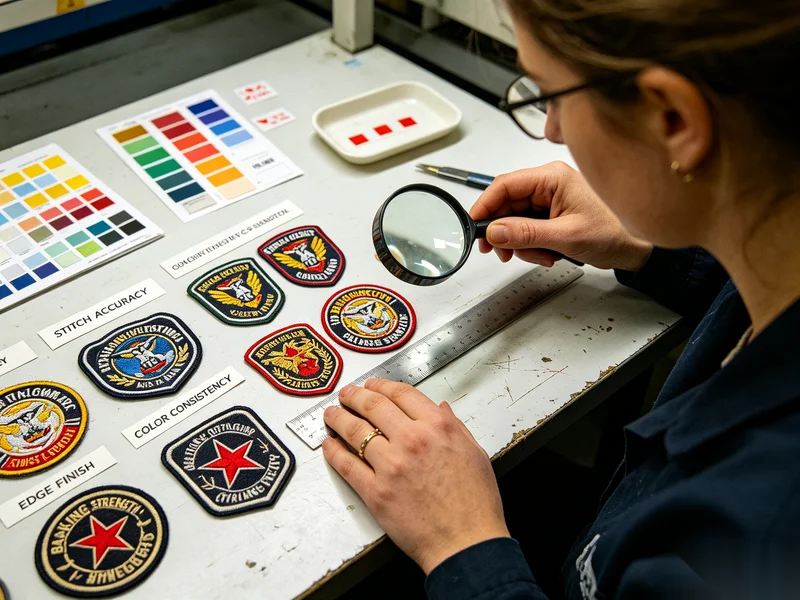
By investing in thoughtful design and precise color management — such as matching Pantone colors and selecting quality threads — manufacturers can ensure every patch enhances both product appeal and brand credibility.
About Author
——————————————————————————————————————————————

Alexander
Online Sales Manager
Alexander specialize in digital marketing and understanding customer psychology, providing clients with the right solutions through data insights and creative strategies.
——————————————————————————————————————————————