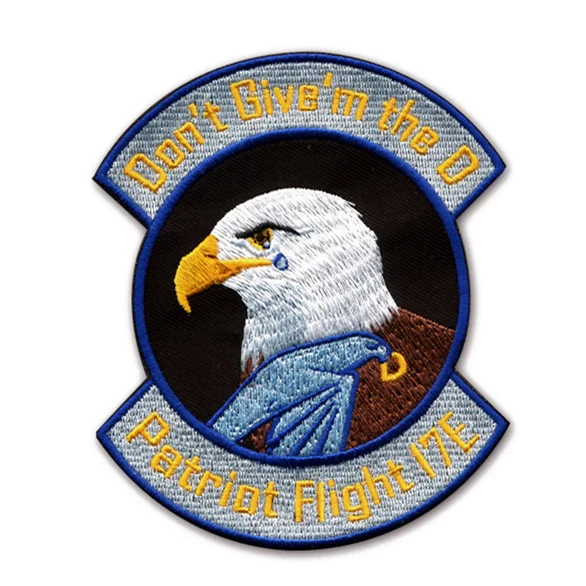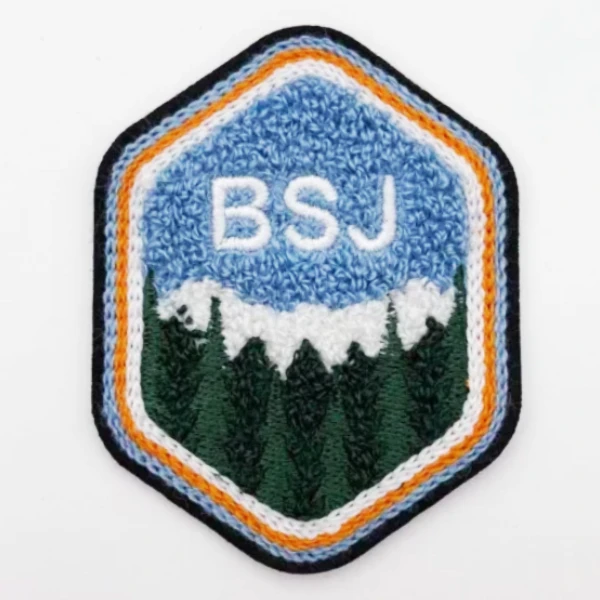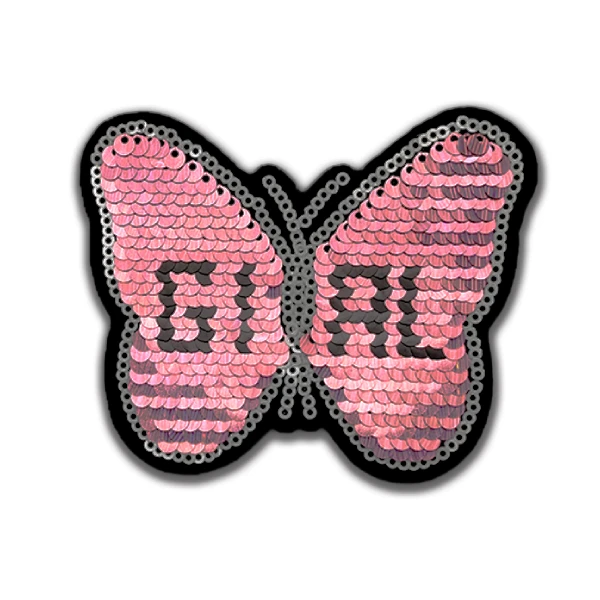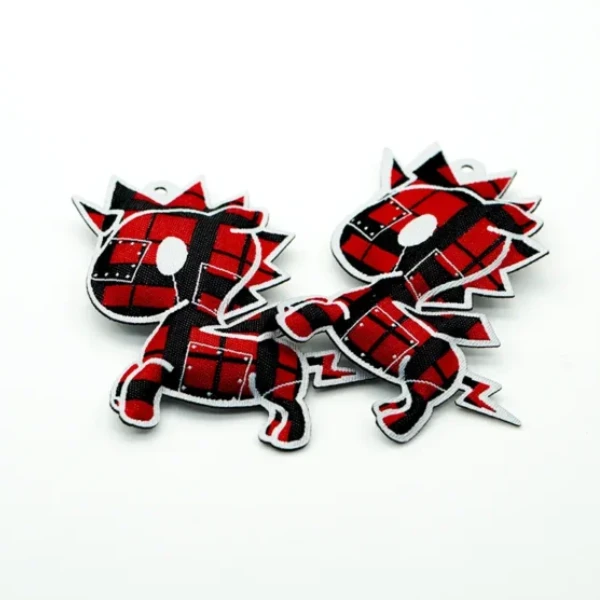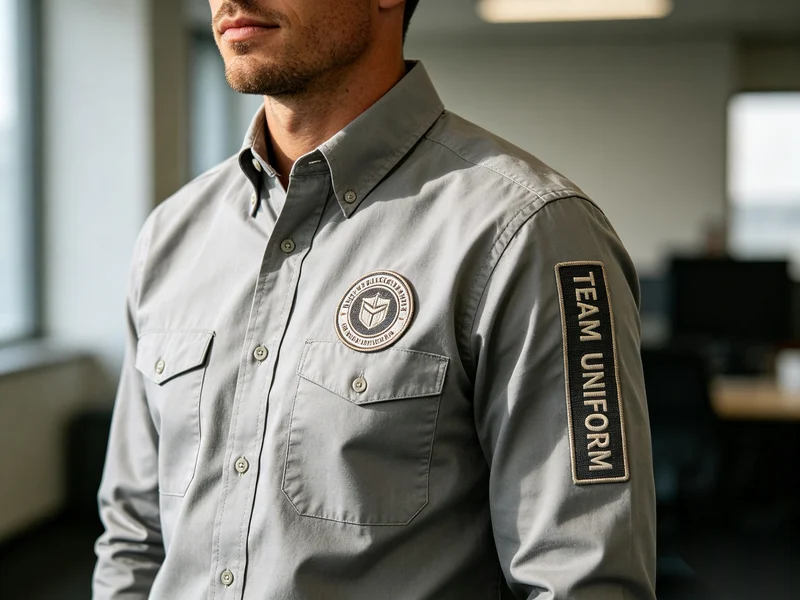
Direct Answer (Summary): Embroidery patch designs are creative patterns converted into stitched artwork for apparel, hats, and accessories. A successful design balances visual appeal, durability, and machine compatibility, ensuring patches are cost-effective, clear, and long-lasting.
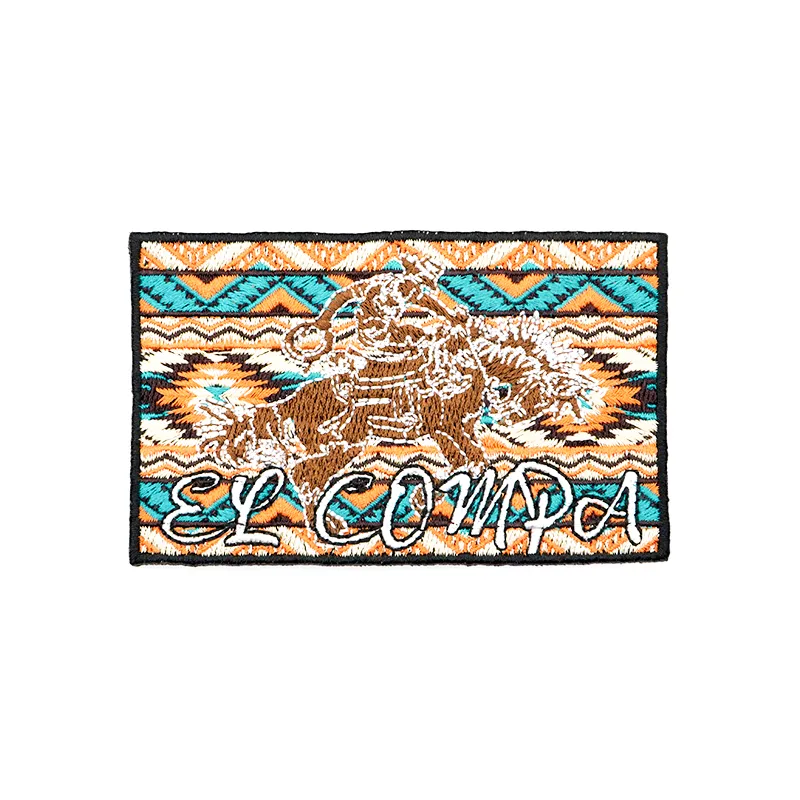
What Are Embroidery Patch Designs?
Quick Answer: Embroidery patch designs are custom artworks turned into stitched patches used for branding, decoration, or personalization.
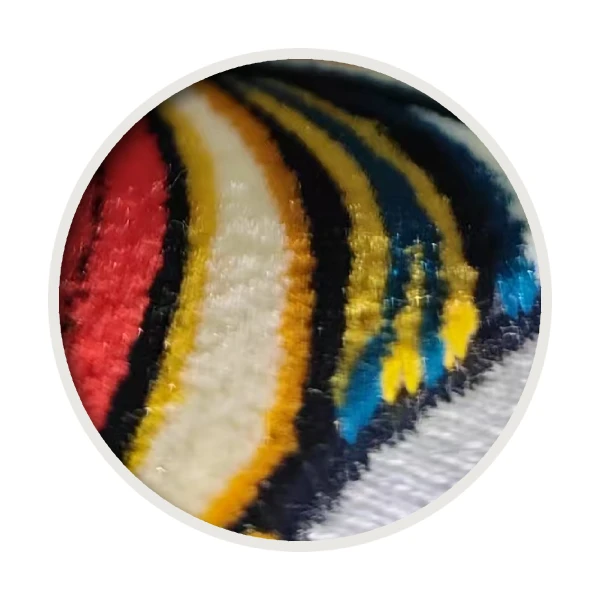
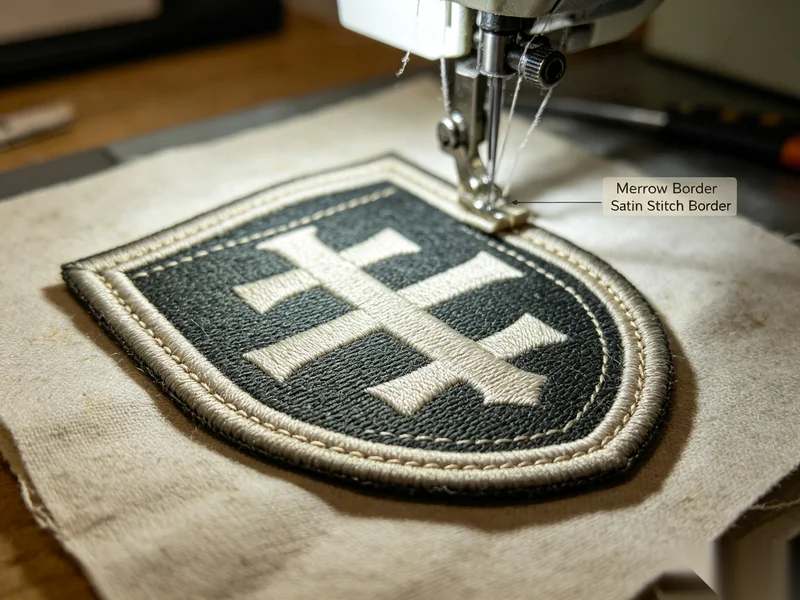
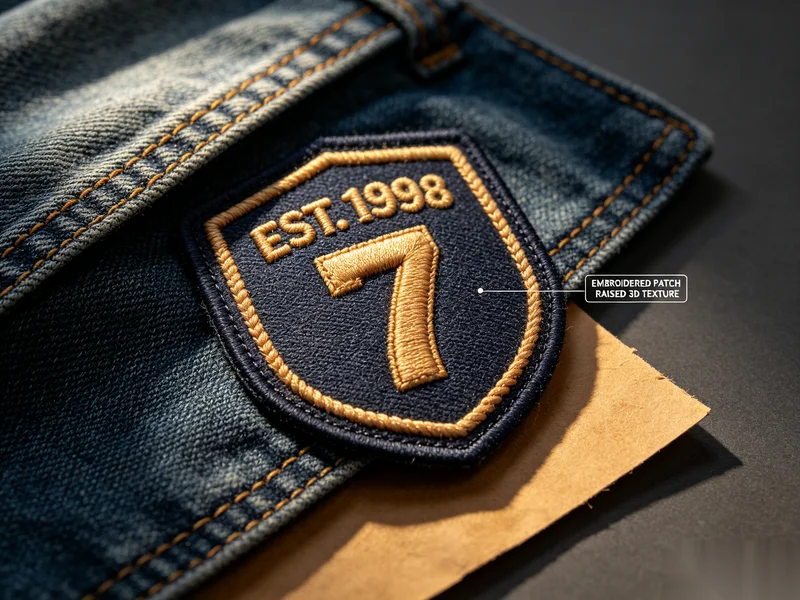
Detailed Insight: These patches are widely applied in clothing, uniforms, hats, and promotional items. Unlike printed labels, embroidery gives a textured, premium feel. A patch design needs to consider factors like size, stitch density, border type, and color palette to ensure both aesthetics and efficient mass production.
How Do You Avoid Common Problems in Patch Design?
Quick Answer: Simplify details, avoid tiny fonts, and use suitable colors for stitching.
Expanded Explanation:
- Avoid intricate lines: Thin strokes or overly detailed graphics may blur.
- Choose readable fonts: Small text often becomes unclear during stitching.
- Limit colors: More thread colors increase cost and time.
- Clean edges: Clearly defined borders help in cutting and sewing.
By optimizing designs before production, businesses reduce waste and improve efficiency.
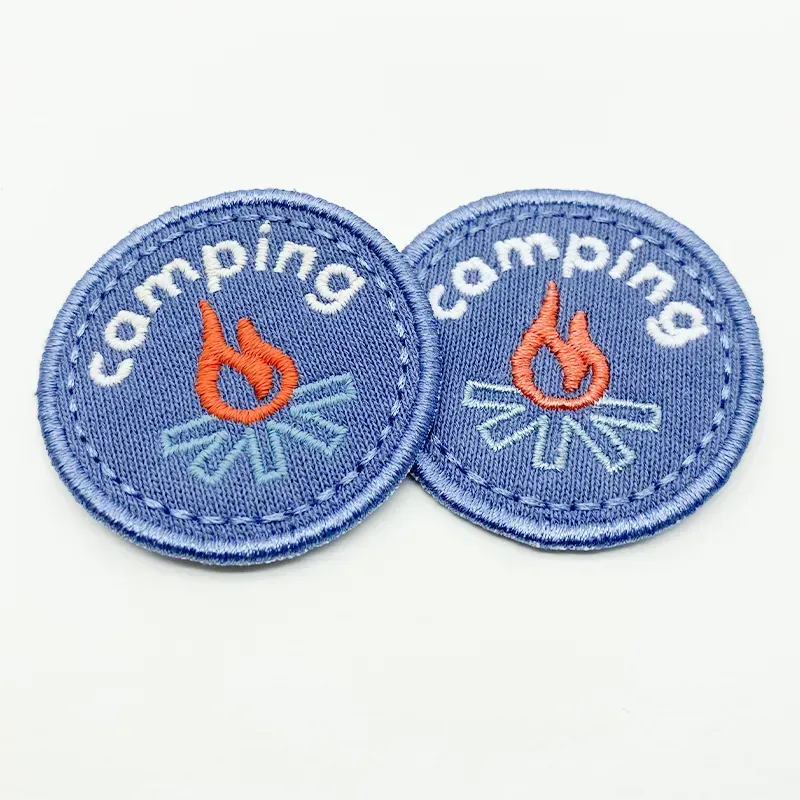
Why Does Patch Size Matter?
Quick Answer: Size affects clarity, production method, and cost.
Deep Dive:
- Small patches (under 2–3 cm): Hard to show details; may require manual work.
- Medium patches (5–10 cm): Best balance of detail and efficiency.
- Large patches (over 12 cm): Allow for creativity but take longer to produce.
Choosing the right size helps ensure legibility and smooth mass production.
How Do Colors Impact Embroidery Patch Designs?
Quick Answer: A limited and contrasting color scheme ensures clarity and reduces costs.
Expanded:
- Stick to 3–5 colors for most designs.
- Use brand colors to reinforce identity.
- Metallic or neon threads add uniqueness but may slow production.
- Always ensure contrast between thread and background for visibility.
Can You Control Costs Through Better Design?
Quick Answer: Yes. Simple, practical embroidery patch designs reduce waste and improve efficiency.
Practical Tips:
- Avoid unnecessary stitch density.
- Use common thread colors when possible.
- Indicate clear seam or cut lines in the artwork.
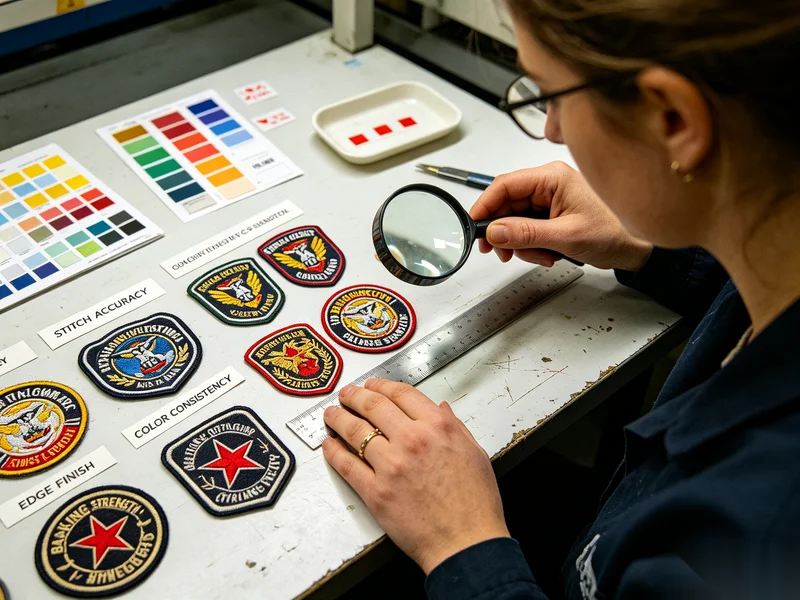
- Test a sample patch before bulk production.
These steps keep costs manageable while maintaining quality.
What Makes Unique Embroidery Designs Stand Out?
Quick Answer: Creativity balanced with production feasibility.
Examples:
- Custom embroidered patches with bold, clean logos for uniforms.
- Unique embroidery designs such as floral motifs or cultural elements for fashion.
- Special threads like glow-in-the-dark or metallic for limited editions.
A strong design communicates identity while ensuring durability.
Conclusion
Embroidery patch designs are more than artistic expression—they are a blend of creativity, technique, and production planning. By keeping designs simple yet unique, choosing the right size and colors, and considering machine compatibility, businesses can achieve patches that stand out while being cost-effective to produce. Whether for uniforms, fashion apparel, or promotional items, well-planned custom embroidered patches provide long-lasting value and brand recognition.
About Author
——————————————————————————————————————————————

Alexander
Online Sales Manager
Alexander specialize in digital marketing and understanding customer psychology, providing clients with the right solutions through data insights and creative strategies.
——————————————————————————————————————————————