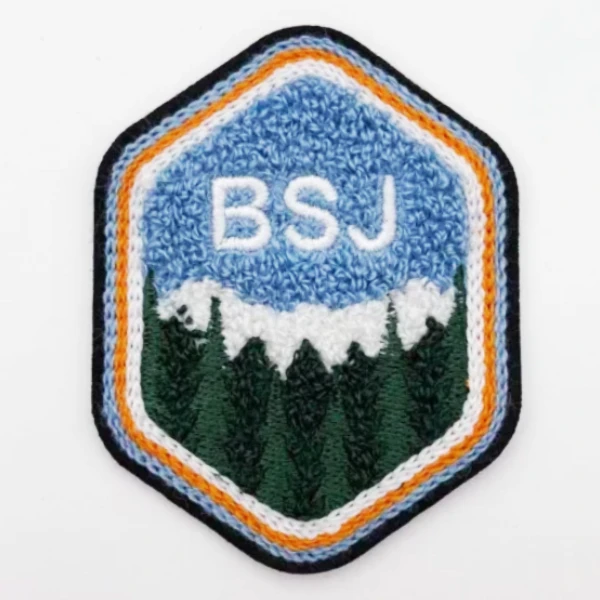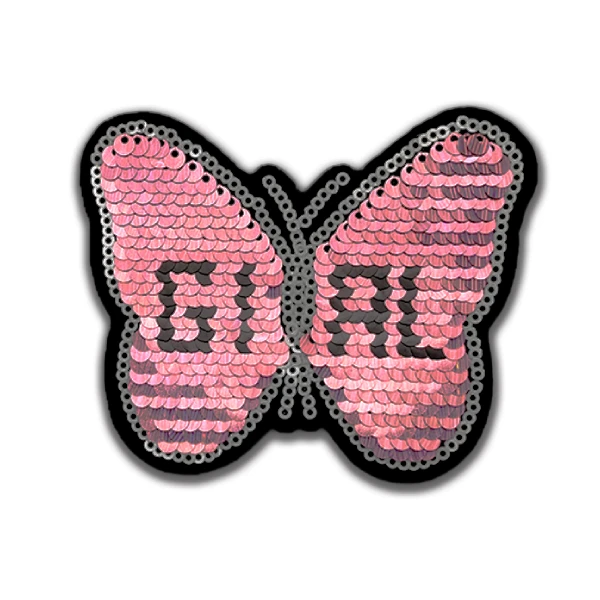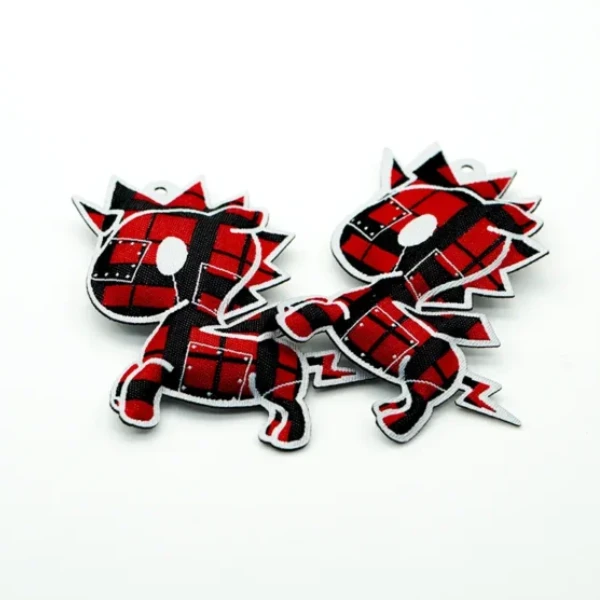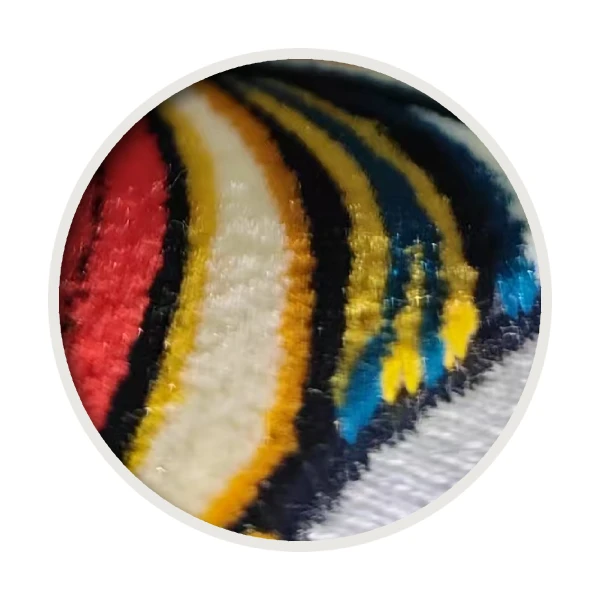
Heat press embroidery patches are embroidered patches with a heat-activated adhesive backing that allows them to be applied to garments using heat and pressure. They offer a fast, efficient, and scalable solution for businesses needing durable branding without sewing, especially for uniforms and bulk apparel production.
What Are Heat Press Embroidery Patches?
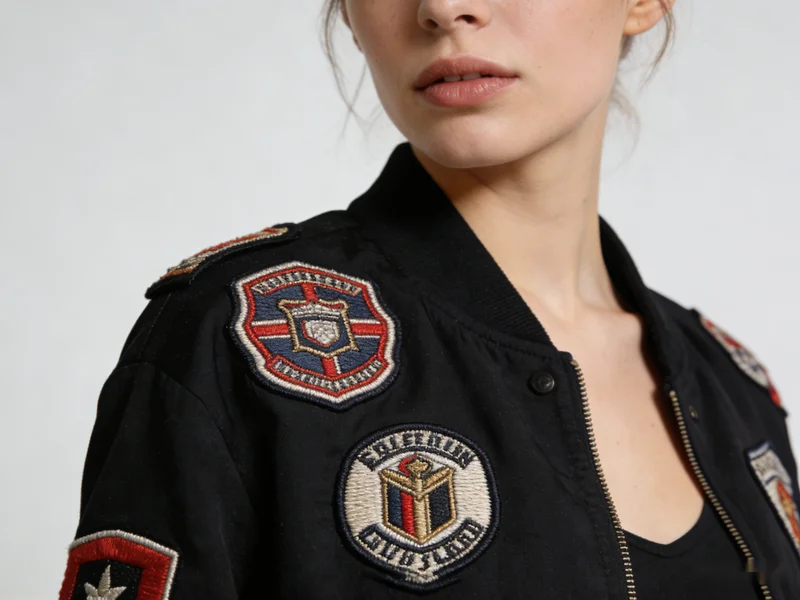
Heat press embroidery patches are traditional embroidered patches enhanced with a special adhesive backing. This backing is activated by heat, allowing the patch to bond securely to fabric without the need for stitching.
These patches combine the durability and premium texture of embroidery with the convenience of heat application. For B2B buyers, they are a practical solution for large-scale garment branding, especially when speed and efficiency are critical.
They are commonly used across industries such as uniforms, promotional apparel, sportswear, and retail fashion.
How Do Heat Press Embroidery Patches Work?
The application process for heat transfer patches is simple and efficient.
First, the patch is positioned on the garment in the desired location. A heat press machine or industrial iron is then used to apply controlled heat and pressure.
The adhesive backing melts and bonds to the fabric, creating a secure attachment. After cooling, the patch becomes firmly fixed to the garment surface.
This process makes iron on embroidered patches ideal for businesses that need consistent and repeatable application in bulk production environments.
Why Choose Heat Press Embroidery Patches for Your Business?
For companies looking to optimize production, custom heat press patches offer several advantages.
One of the biggest benefits is speed. Compared to sewing, heat pressing significantly reduces application time, making it ideal for high-volume operations.
They also reduce labor costs, as the process requires less manual work and can be easily standardized.
In addition, they maintain a professional appearance. The embroidered surface provides a premium look, while the heat application ensures clean and consistent placement.
For many businesses, this combination of efficiency and quality makes heat press patches a preferred solution.
When Should You Use Heat Press Embroidery Patches?
Heat press embroidery patches are best suited for situations where speed and scalability are essential.
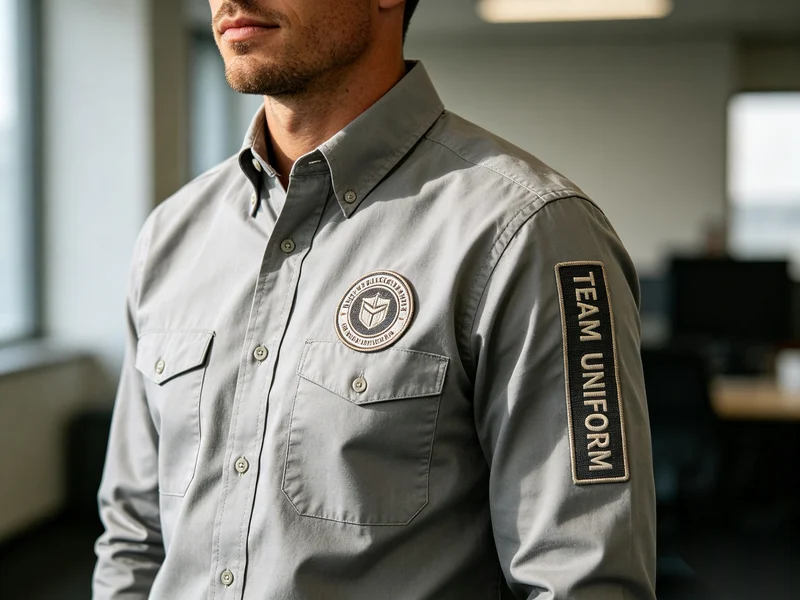
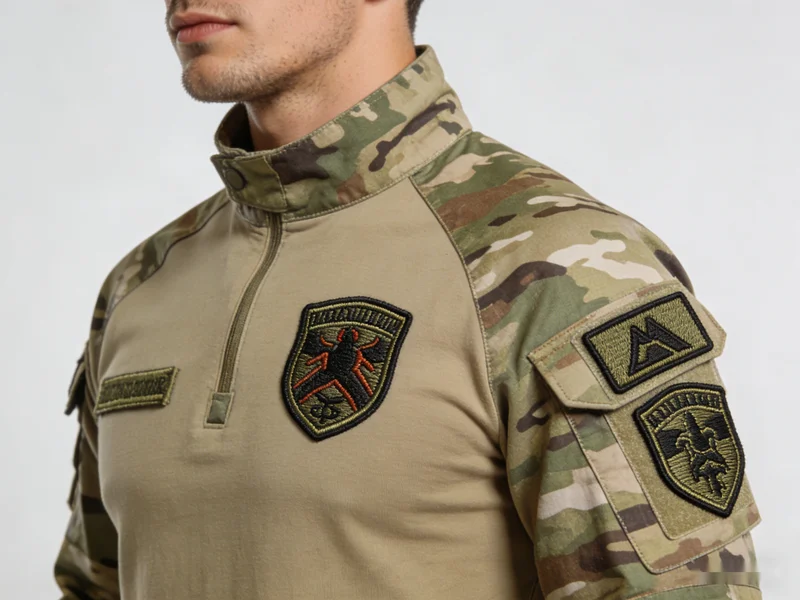
They are widely used in uniform production, where large quantities of garments need consistent branding.
Promotional campaigns also benefit from their fast application, allowing businesses to prepare products quickly.
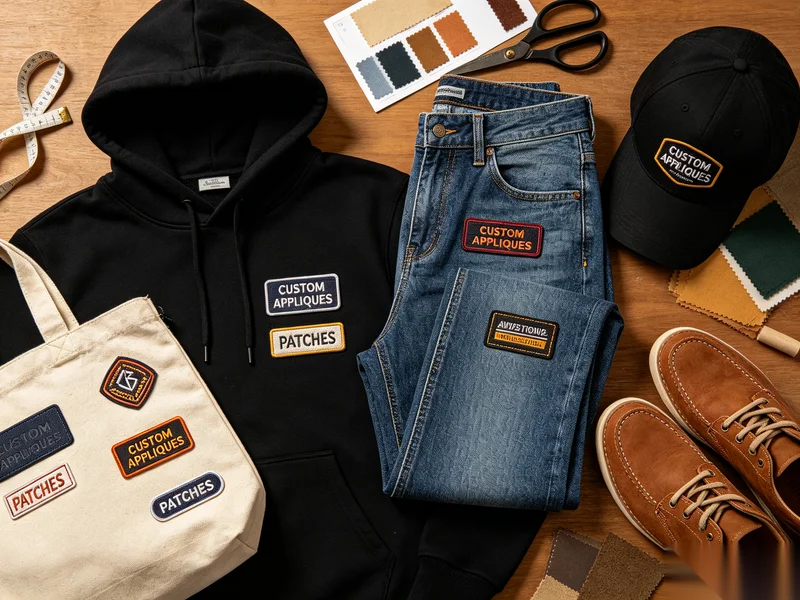
Retail brands use them for fashion items that require clean and precise patch placement.
They are also suitable for temporary or seasonal products, where flexibility is important.
Heat Press vs Sew-On Embroidery Patches
When comparing application methods, each has its strengths.
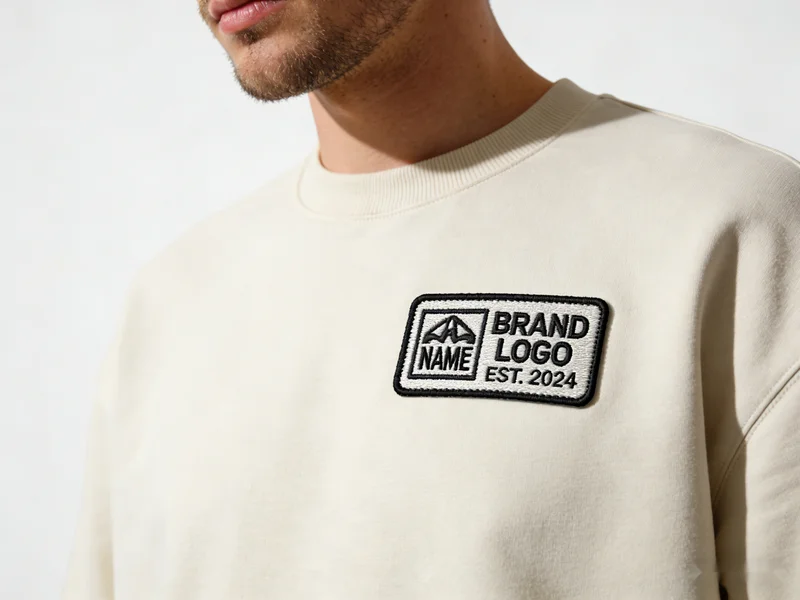
Heat press patches offer faster application and lower labor costs, making them ideal for bulk production.
Sew-on patches provide maximum durability, especially in high-stress or heavy-use environments.
For most standard applications, heat transfer patches provide sufficient durability while offering greater efficiency.
In some cases, businesses choose to combine both methods, using heat press for placement and stitching for reinforcement.
What Fabrics Work Best with Heat Press Patches?
The performance of iron on embroidered patches depends on the fabric they are applied to.
Cotton and polyester fabrics are ideal, as they can withstand the heat required for application.
Blended fabrics also perform well in most cases.
However, heat-sensitive materials such as nylon or waterproof fabrics may not bond effectively unless specially treated.
Understanding fabric compatibility is essential to ensure long-lasting results.

How to Ensure Strong Adhesion and Quality?
To achieve the best results with custom heat press patches, proper application is key.
Using a professional heat press machine ensures consistent temperature and pressure. Following recommended settings for heat and time improves bonding strength.
Allowing the patch to cool properly after application helps secure the adhesive.
For garments exposed to heavy use or frequent washing, additional stitching can be added for reinforcement.
Working with a reliable manufacturer ensures that the adhesive quality meets industry standards.
What Should B2B Buyers Consider Before Ordering?
Before ordering heat press embroidery patches, businesses should evaluate several factors.
Patch size and design affect both cost and application. Simpler designs are easier to produce and apply.
Adhesive quality is critical for durability. High-quality backing ensures strong and long-lasting bonding.
Order quantity impacts pricing, with bulk orders offering better cost efficiency.
Lead time and supplier reliability are also important for meeting production schedules.
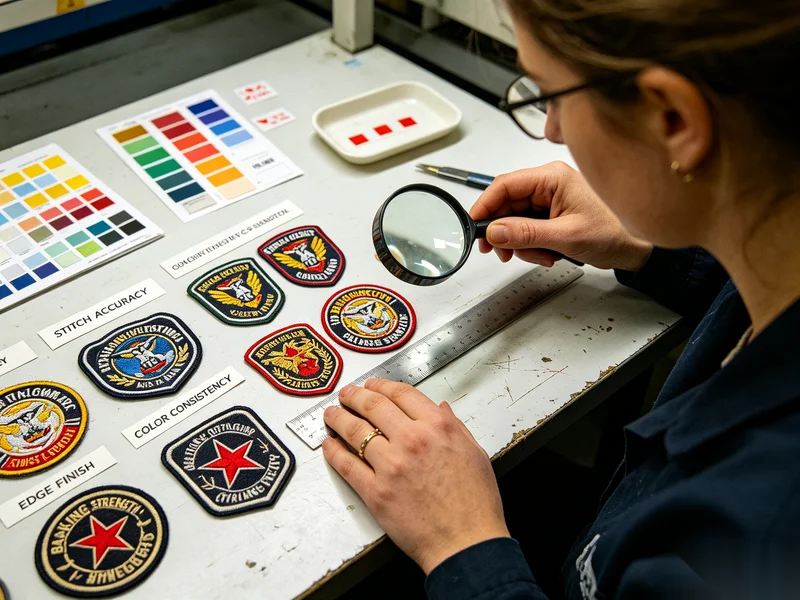
Ensuring consistent quality across all patches is essential for maintaining brand standards.
FAQ
What are heat press embroidery patches used for?
They are used for branding, decoration, and identification on garments without the need for sewing.
Are heat press patches durable?
Yes, they are durable for most applications, especially when applied correctly.
Can heat press patches be washed?
Yes, they can withstand regular washing, though high heat should be avoided.
What is the best fabric for heat press patches?
Cotton and polyester fabrics provide the best adhesion results.
Can I combine heat press and sewing methods?
Yes, combining both methods improves durability for heavy-use applications.
How long does production take?
Typically 1–3 weeks depending on order size and customization.
Heat press embroidery patches offer businesses an efficient and scalable solution for garment branding. By combining the premium look of embroidery with the convenience of heat application, they provide a practical option for companies seeking high-quality results with optimized production processes.
About Author
——————————————————————————————————————————————

Alexander
Online Sales Manager
Alexander specialize in digital marketing and understanding customer psychology, providing clients with the right solutions through data insights and creative strategies.
——————————————————————————————————————————————