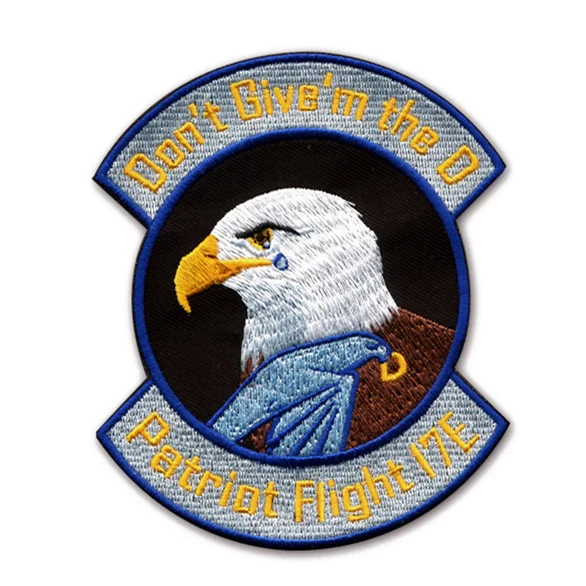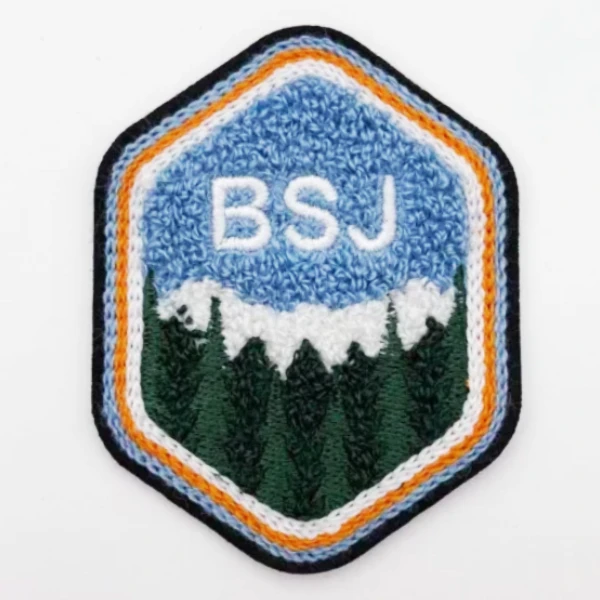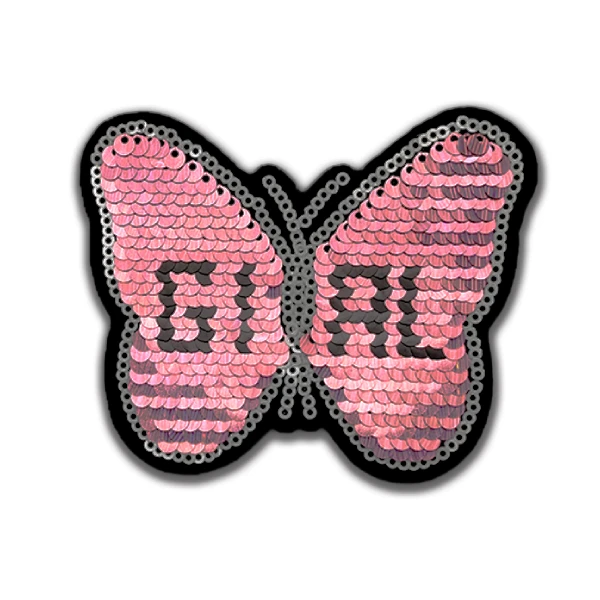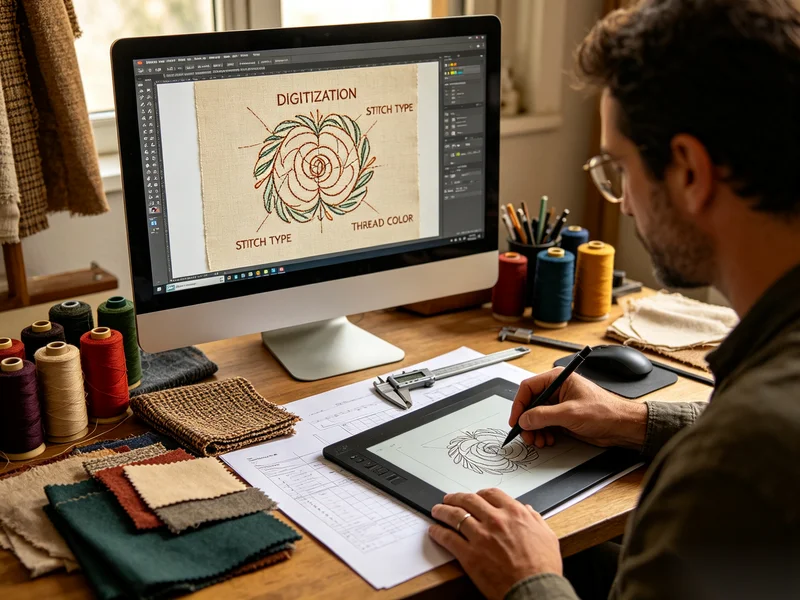
A monogram patch is a customized fabric patch featuring initials, letters, or personalized symbols created through embroidery or other textile techniques. Custom monogram patches help fashion brands, apparel manufacturers, and businesses add unique branding details to clothing, accessories, and promotional products with a premium appearance.
Quick Overview of Monogram Patches
| Feature | Details |
|---|---|
| Product Type | Customized letter or logo fabric patch |
| Main Purpose | Personalization and brand decoration |
| Common Materials | Twill, felt, leather, chenille, PVC |
| Popular Styles | Embroidered letters, initials, logos |
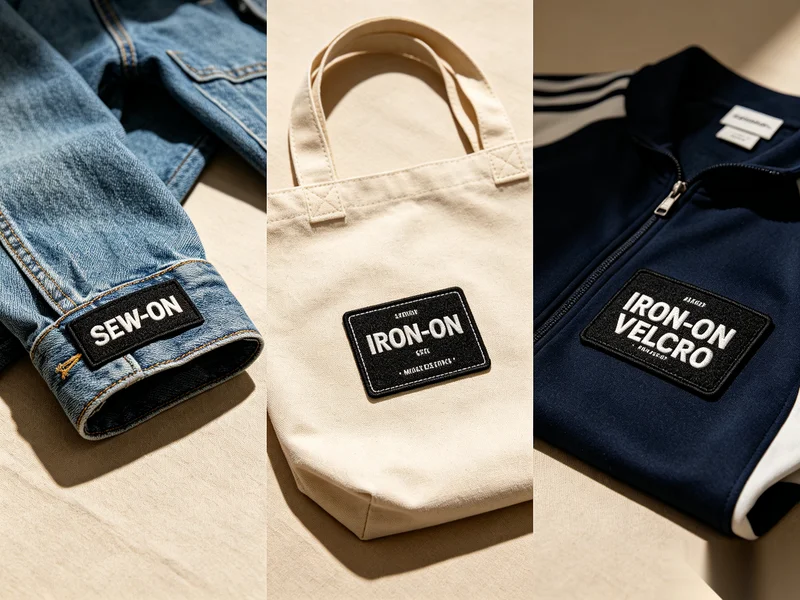
| Attachment Options | Sew-on, iron-on, Velcro |
| Main Buyers | Fashion brands, retailers, wholesalers |
Monogram patches combine personalization and textile craftsmanship, making them a popular choice for businesses looking to create distinctive products.
What Is a Monogram Patch?
Answer:
A monogram patch is a decorative textile patch featuring one or more letters, initials, names, or symbols designed to represent a person, brand, team, or organization.
Traditionally, monograms were used to display initials on clothing and personal items. Today, modern monogram patches have become a popular branding and customization solution across fashion, accessories, and lifestyle industries.
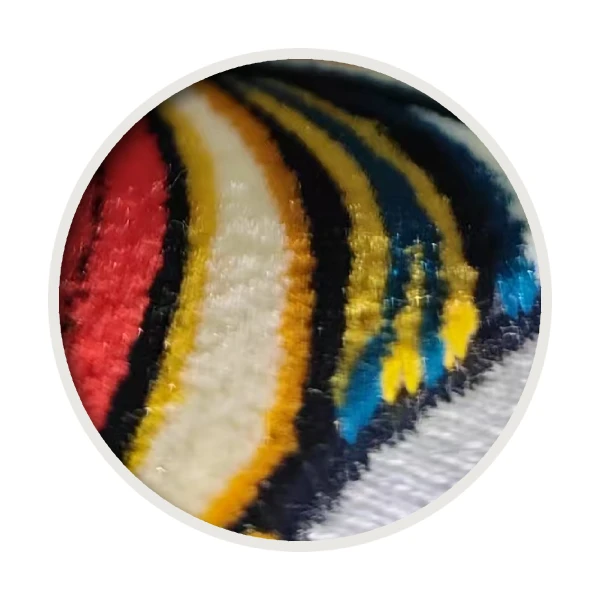
Unlike simple printed lettering, embroidered monogram patches use stitched threads to create a raised, textured effect. This gives products a more premium and durable appearance.
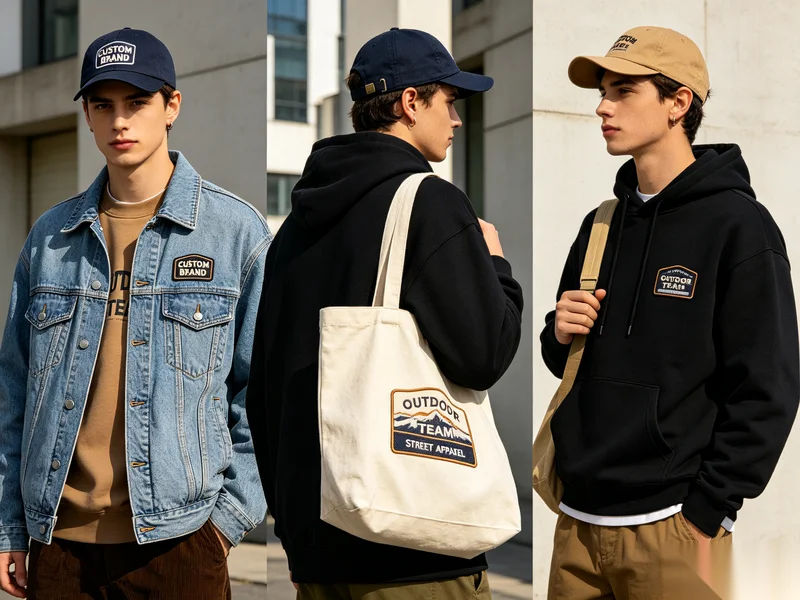
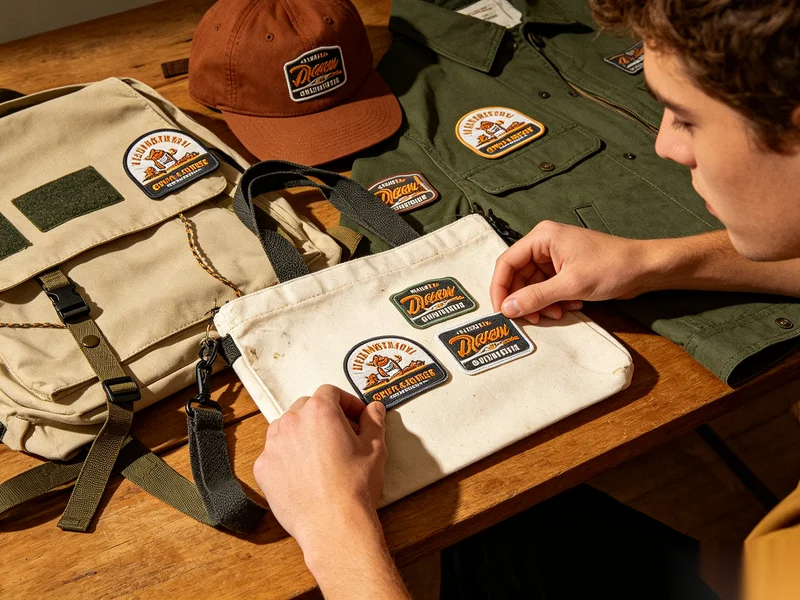
Common applications include:
- Jackets
- Hats
- Bags
- Uniforms
- Denim products
- Streetwear collections
- Promotional merchandise
For B2B buyers, monogram patches provide an affordable way to add customized details without changing the basic structure of a product.
Why Are Custom Monogram Patches Popular Among Brands?
Answer:
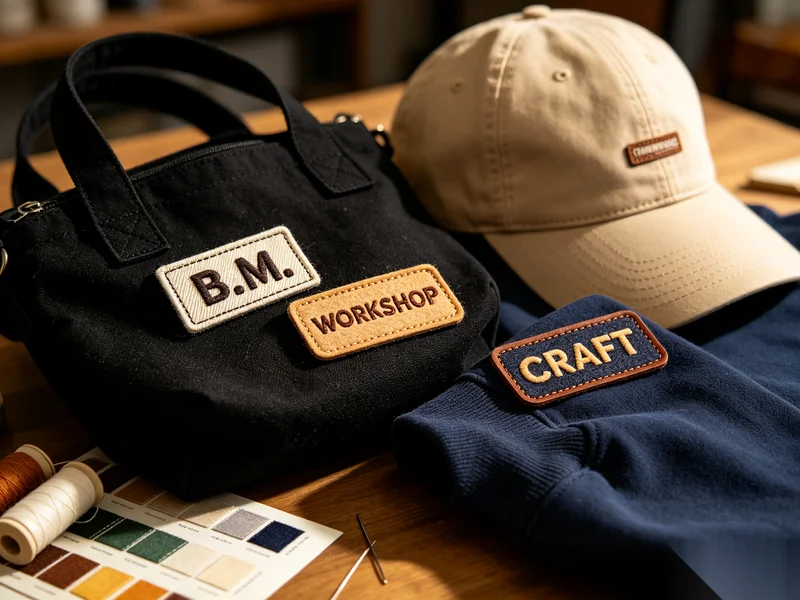
Custom monogram patches are popular because they provide personalization, strong visual identity, and flexible branding options for different products.
Create Unique Product Identity
In competitive markets, brands need ways to make products recognizable. A customized monogram patch featuring initials, letters, or logos helps products stand out.
For example:
- Fashion brands use letter patches for signature collections
- Sports brands use team initials
- Private label companies use logos for brand recognition
Add Premium Design Details
Embroidered monogram patches create depth and texture that standard printing cannot achieve. The raised stitching provides a handcrafted appearance that improves product perception.
Support Product Customization
Brands can customize:
- Letter styles
- Font designs
- Colors
- Shapes
- Materials
- Backing methods
This flexibility makes monogram patches suitable for different market positions.
How Are Embroidered Monogram Patches Made?
Answer:
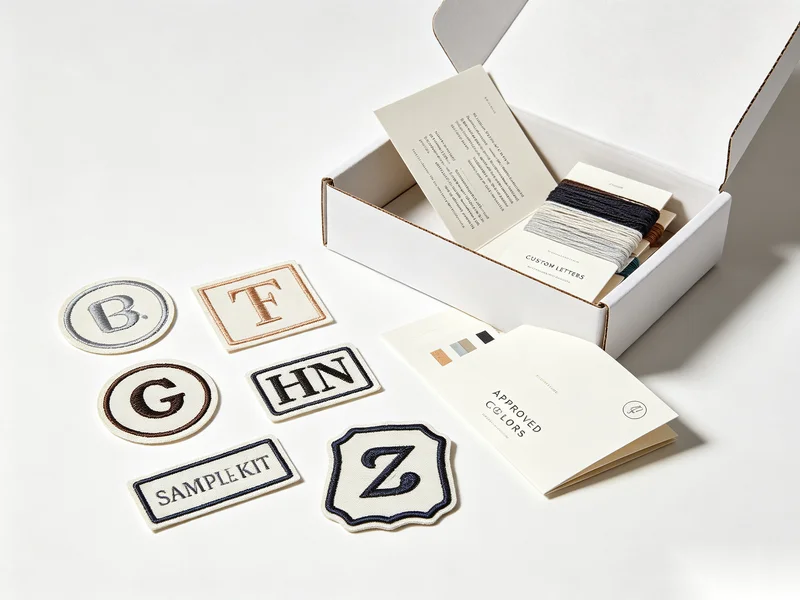
Embroidered monogram patches are made through a detailed manufacturing process that includes design preparation, embroidery production, cutting, finishing, and quality inspection.
Step 1: Create the Monogram Design
The process begins with artwork preparation. Designers convert letters, initials, or logos into an embroidery-ready format.
Important design considerations include:
- Font readability
- Letter size
- Stitch direction
- Thread colors
- Border design
Simple and clear designs usually produce the best embroidery results.
Step 2: Select Materials
Answer:
Material selection affects the appearance, durability, and application of monogram patches.
Common material options include:
Twill Fabric
Twill is widely used because it provides a smooth surface and supports detailed embroidery.
Felt
Felt creates a soft and classic appearance, often used for:
- Varsity jackets
- Fashion accessories
- Vintage-style products
Leather
Leather monogram patches provide a premium look and are popular for:
- Denim products
- Bags
- Luxury accessories
Chenille
Chenille creates a soft, fuzzy texture commonly used for school, sports, and fashion applications.
Step 3: Embroidery Production
Answer:
During production, computerized embroidery machines stitch the monogram design onto the selected material.
The process controls:
- Thread placement
- Stitch density
- Color changes
- Border stitching
Professional embroidery equipment ensures consistent quality, especially for bulk production orders.
Step 4: Add Backing and Finishing
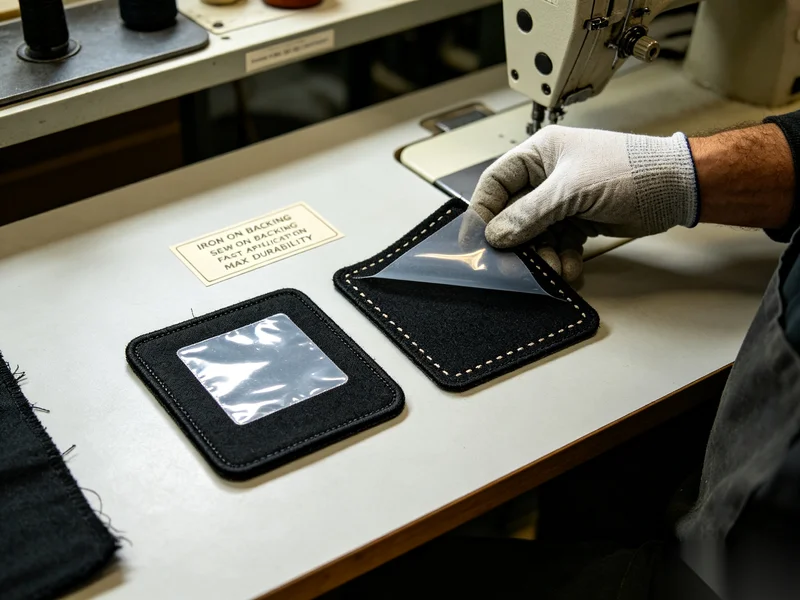
After embroidery, manufacturers add the selected backing method.
Common options include:
Sew-On Backing
Provides maximum durability and is suitable for:
- Workwear
- Uniforms
- Long-term products
Iron-On Backing
Allows quick application using heat and is popular for:
- Fashion products
- Retail items
- DIY customization
Velcro Backing
Allows easy removal and replacement, often used for:
- Team apparel
- Tactical products
What Types of Monogram Patches Can Businesses Customize?
Answer:
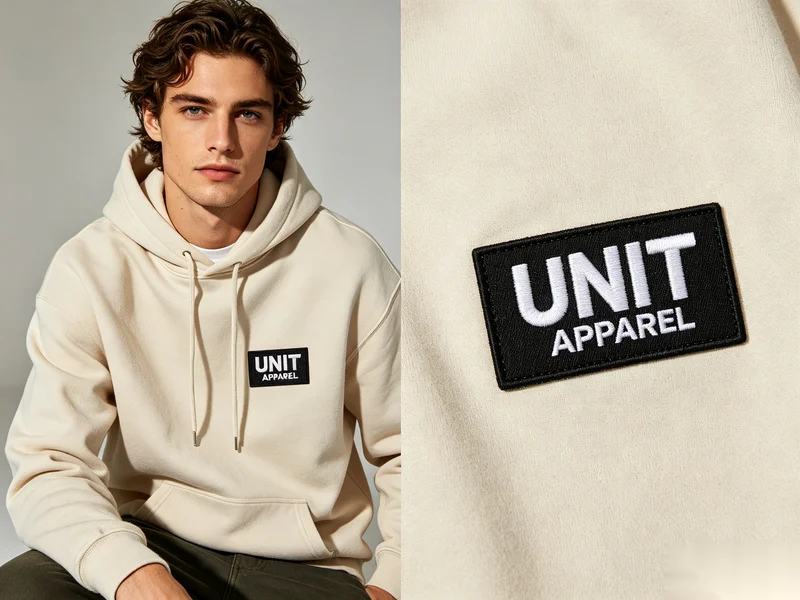
Businesses can customize monogram patches in many styles depending on product requirements and branding goals.
Letter Monogram Patches
These feature single letters or initials and are commonly used for:
- Clothing brands
- Personalized products
- Gift items
Logo Monogram Patches
Companies can combine initials with logos to create stronger brand recognition.
Chenille Monogram Patches
These provide a soft, dimensional appearance and are popular for:
- Varsity jackets
- College-style apparel
- Streetwear
Leather Monogram Patches
These create a premium appearance for:
- Bags
- Hats
- Outdoor products
How Can Fashion Brands Use Monogram Patches?
Answer:
Fashion brands use monogram patches to create recognizable designs, limited collections, and personalized product experiences.
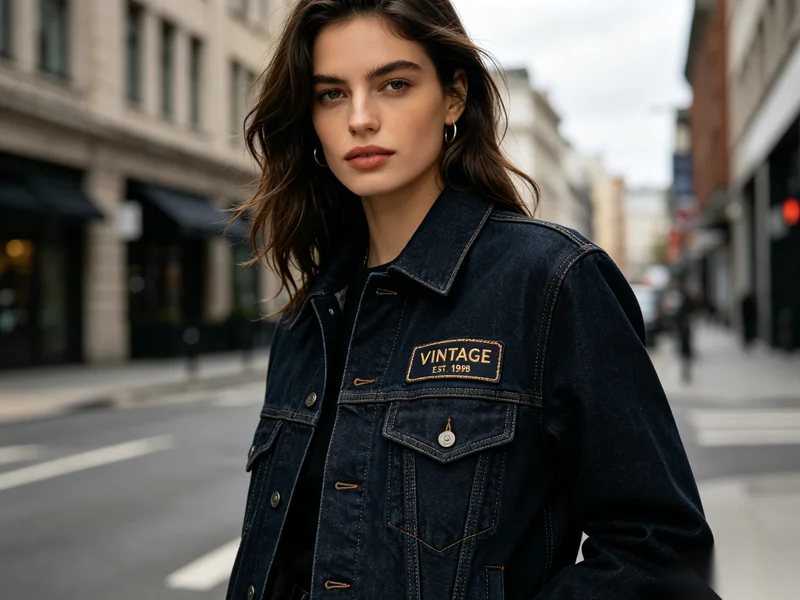
Clothing Decoration
Monogram patches can enhance:
- Jackets
- Hoodies
- Shirts
- Jeans
Brand Logos
Businesses can transform their initials or symbols into memorable textile branding elements.
Limited Edition Products
Custom patches are ideal for:
- Seasonal collections
- Collaborations
- Exclusive releases
Customer Personalization
Some brands allow customers to add initials or custom letters, increasing product engagement.
What Is the Difference Between Monogram Patches and Regular Embroidered Patches?
Answer:
The main difference is that monogram patches focus on personalized letters or initials, while regular embroidered patches usually feature logos, images, or decorative designs.
| Feature | Monogram Patch | Regular Embroidered Patch |
|---|---|---|
| Main Design | Letters and initials | Logos and artwork |
| Purpose | Personalization | Branding and decoration |
| Common Users | Fashion and lifestyle brands | Businesses and organizations |
| Style | Elegant and customized | Diverse designs |
Both options can be produced using similar embroidery techniques.
How to Choose a Reliable Custom Monogram Patch Supplier?
Answer:
Choosing the right supplier ensures consistent quality, accurate customization, and efficient production.
Important factors include:
Embroidery Experience
Experienced manufacturers understand:
- Letter design limitations
- Thread selection
- Stitch quality
- Production efficiency
Customization Ability
A professional supplier should support:
- Different fonts
- Custom shapes
- Various materials
- Multiple backing options
Quality Control
Suppliers should inspect:
- Letter clarity
- Stitch consistency
- Edge finishing
- Color accuracy
Production Capacity
For wholesale buyers, manufacturers should have the ability to handle repeat orders and large production volumes.
Can Small Businesses Order Custom Monogram Patches?
Answer:
Yes, small businesses can order custom monogram patches to create unique products and strengthen brand identity.
They are especially useful for:
- Independent fashion labels
- Boutique brands
- Handmade product businesses
- Promotional companies
Small businesses can use monogram patches to upgrade simple products and create a more professional appearance without large investments.
Why Are Monogram Patches Important for Modern Branding?
Answer:
Monogram patches are important because they combine personalization, durability, and visual appeal. They allow businesses to create memorable product details while maintaining flexible production options.
For modern fashion and lifestyle brands, small design elements can strongly influence customer perception. A carefully designed monogram patch can communicate quality, exclusivity, and brand personality.
For B2B buyers, investing in high-quality custom monogram patches provides an effective way to improve product value and create differentiated merchandise.
Frequently Asked Questions About Monogram Patches
1. Can a monogram patch include multiple letters?
Yes. Monogram patches can include single initials, multiple letters, brand abbreviations, or customized symbols.
2. What materials are available for custom monogram patches?
Common materials include twill, felt, leather, chenille, and PVC.
3. Are embroidered monogram patches washable?
Yes. High-quality embroidered patches are designed for regular use and washing when properly attached.
4. Can businesses create monogram patches with their own logo?
Yes. Manufacturers can combine letters, logos, and custom artwork into unique patch designs.
5. What backing is best for monogram patches?
Sew-on backing provides maximum durability, while iron-on backing offers faster application.
6. Are monogram patches suitable for wholesale orders?
Yes. They are widely used by clothing brands, retailers, and manufacturers for bulk production.
Conclusion
Monogram patches are a versatile and effective branding solution for businesses seeking personalized and premium textile decorations. From embroidered initials to custom brand symbols, these patches help products achieve a unique appearance and stronger market identity.
By working with experienced manufacturers of custom monogram patches, businesses can create high-quality designs for apparel, accessories, and promotional products. Whether for fashion collections, private label production, or personalized merchandise, monogram patches remain a valuable tool for modern branding.
About Author
——————————————————————————————————————————————

Alexander
Online Sales Manager
Alexander specialize in digital marketing and understanding customer psychology, providing clients with the right solutions through data insights and creative strategies.
——————————————————————————————————————————————