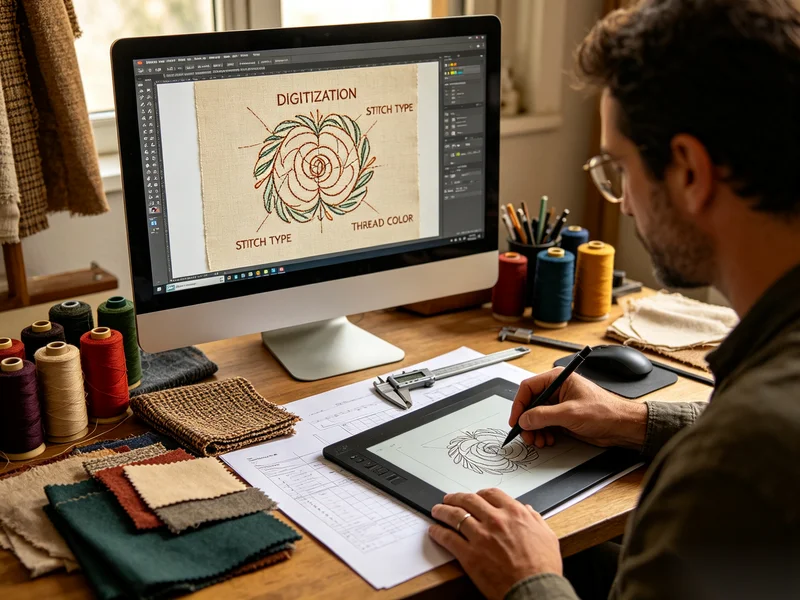
To get embroidered patches made, businesses need to prepare artwork, choose patch specifications, work with a professional manufacturer, and complete sampling before bulk production. Custom embroidered patches provide durable, premium branding solutions for clothing brands, uniform suppliers, wholesalers, and companies seeking high-quality textile decorations.
Quick Overview of Getting Embroidered Patches Made
| Step | Process |
|---|---|
| 1 | Prepare logo or design artwork |
| 2 | Select patch size, shape, and materials |
| 3 | Choose embroidery style and backing option |
| 4 | Review digital proof or sample |
| 5 | Begin bulk patch production |
| 6 | Complete quality inspection and delivery |
For B2B buyers, understanding the manufacturing process helps ensure better communication with suppliers and improves the final product quality.
What Does It Mean to Get Embroidered Patches Made?
Answer:
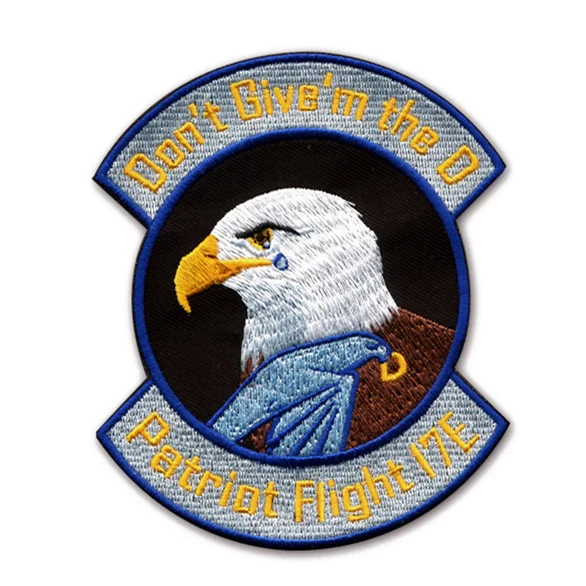
Getting embroidered patches made means creating customized fabric patches with stitched designs, logos, text, or symbols according to specific brand requirements. These patches are produced by professional embroidered patch manufacturers using specialized embroidery equipment and production techniques.
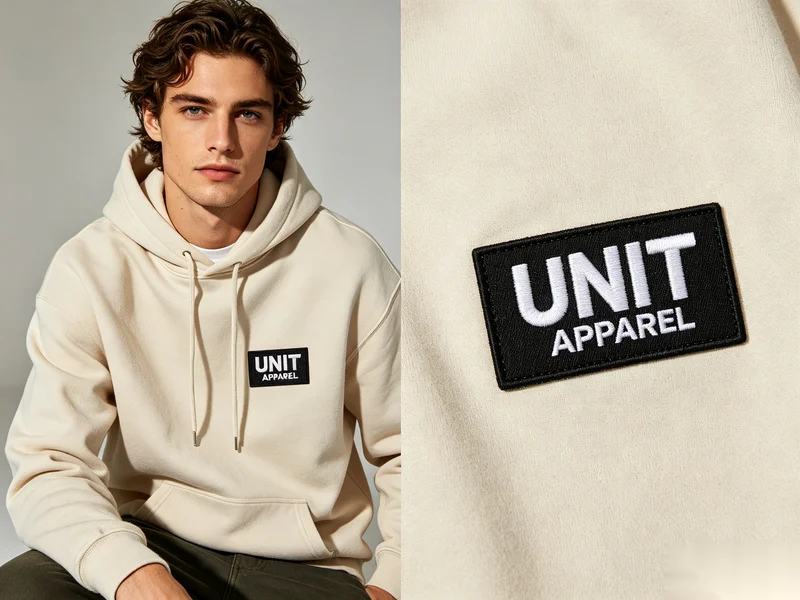
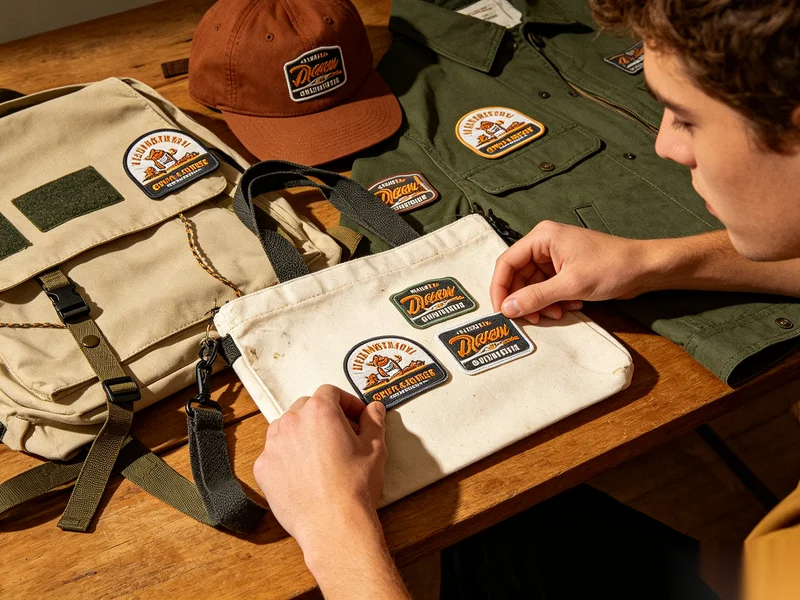
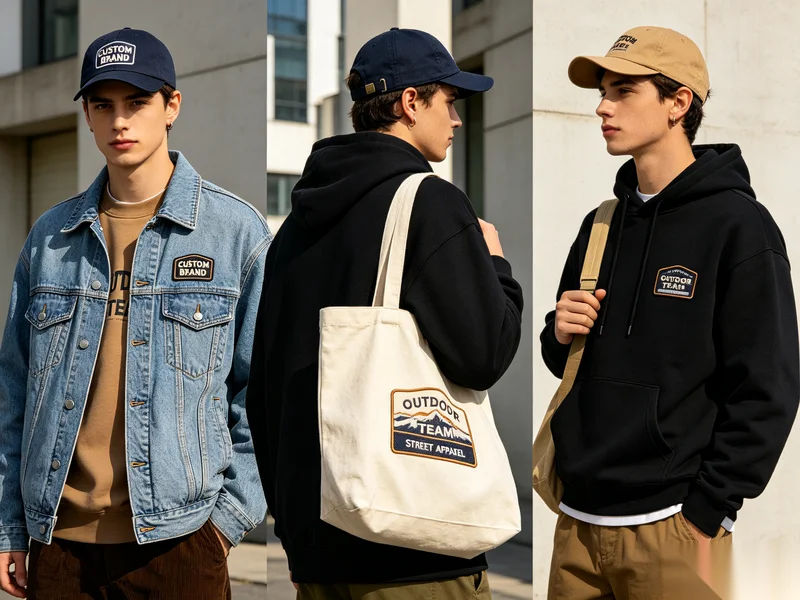
Businesses usually order custom embroidered patches to add branding elements to:
- Clothing
- Jackets
- Hats
- Bags
- Uniforms
- Promotional products
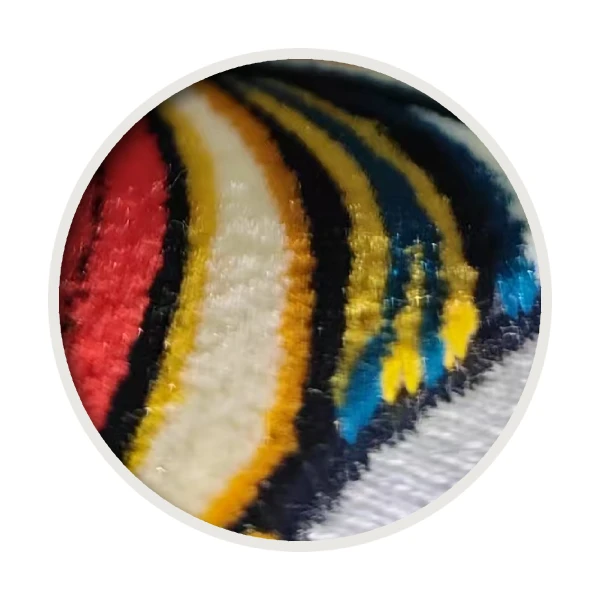
Unlike printed designs, embroidered patches use thread to create texture and dimension, giving products a more premium and durable appearance.
For companies selling apparel or accessories, custom patches are an effective way to increase product value and create stronger brand recognition.
How Do You Get Embroidered Patches Made Step by Step?
Answer:
To get embroidered patches made, businesses should follow a structured process from design preparation to final production. Each step influences the appearance, durability, and cost of the finished patches.
Step 1: Prepare Your Patch Design
The first step is preparing artwork for production. Businesses should provide a clear logo, illustration, or design concept.
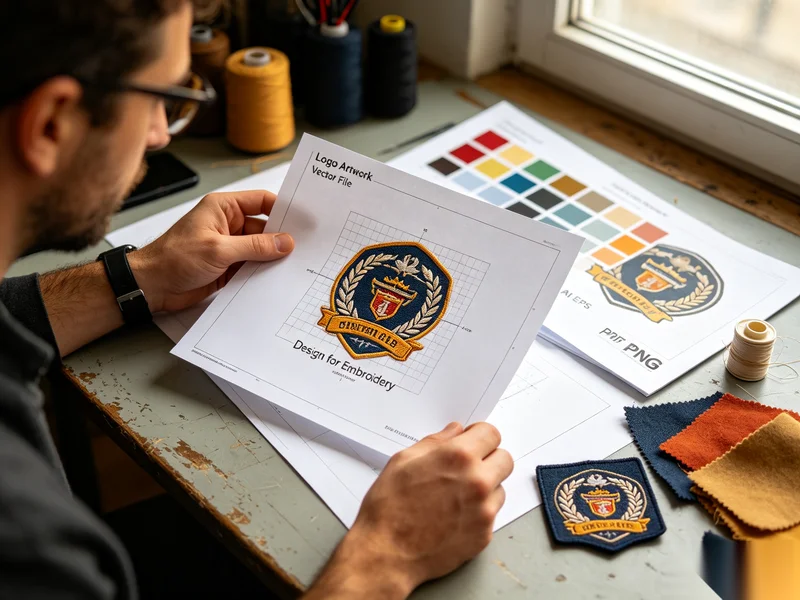
Common file formats include:
- AI
- EPS
- High-resolution PNG
A professional manufacturer will review the design and determine whether adjustments are needed for embroidery.
Embroidery works differently from printing because designs are created with threads. Very small text, thin lines, or complex details may require optimization.
Step 2: Choose Patch Size and Shape
Answer:
The size and shape of embroidered patches should match the intended application and product style.
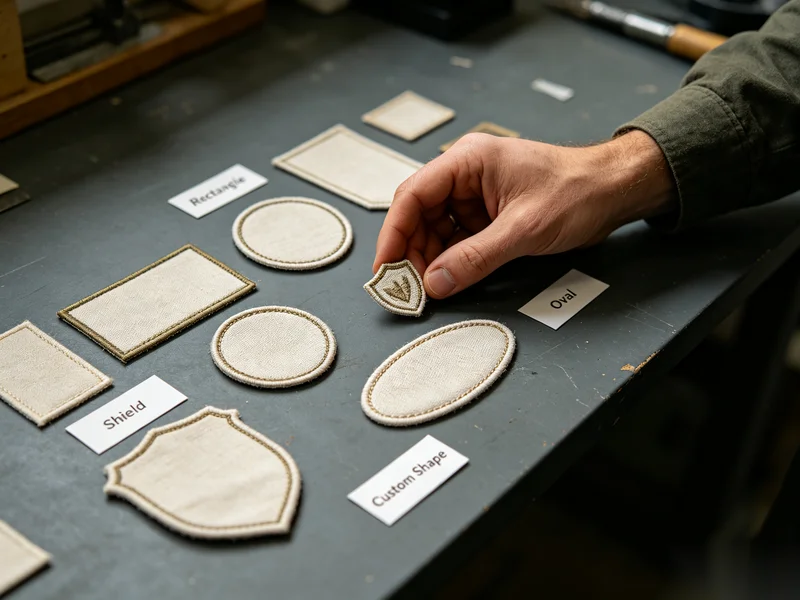
Common patch shapes include:
- Rectangle
- Circle
- Shield
- Oval
- Custom logo shapes
Size selection depends on where the patch will be attached.
Examples:
- Small patches are suitable for shirts, hats, and accessories
- Medium patches work well on jackets and uniforms
- Large patches are commonly used for backpacks and outerwear
Professional manufacturers can recommend suitable dimensions based on the design and placement.
Step 3: Select Materials and Embroidery Style
Answer:
Choosing the right materials and embroidery style helps businesses create patches that match their brand image and product requirements.
Common Patch Materials
Twill Fabric
Twill is widely used because it provides a smooth embroidery surface and excellent durability.
Felt
Felt creates a soft and classic appearance, often used for fashion and decorative patches.
Leather
Leather patches offer a premium look for:
- Denim brands
- Outdoor products
- Luxury accessories
PVC
PVC patches are waterproof and suitable for:
- Outdoor equipment
- Sports products
- Workwear
Popular Embroidery Styles
Businesses can choose from:
Standard Embroidery
A traditional stitched design suitable for most logos and branding applications.
3D Puff Embroidery
Creates a raised effect, commonly used on hats and caps.
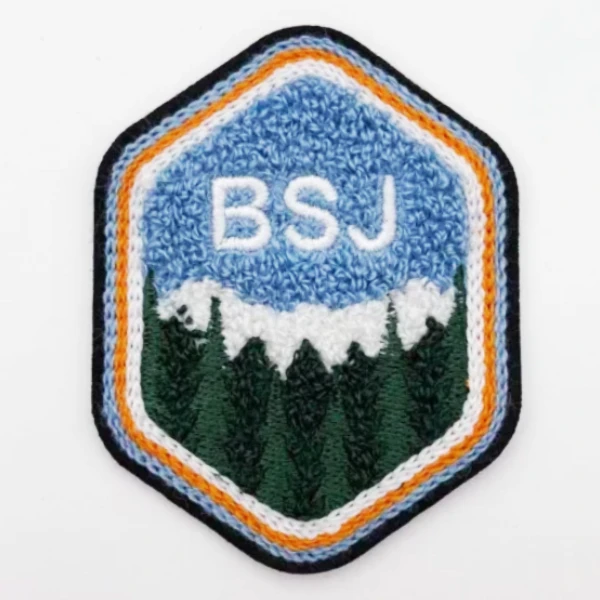
Chenille Embroidery
Provides a soft, textured appearance popular in varsity-style products.
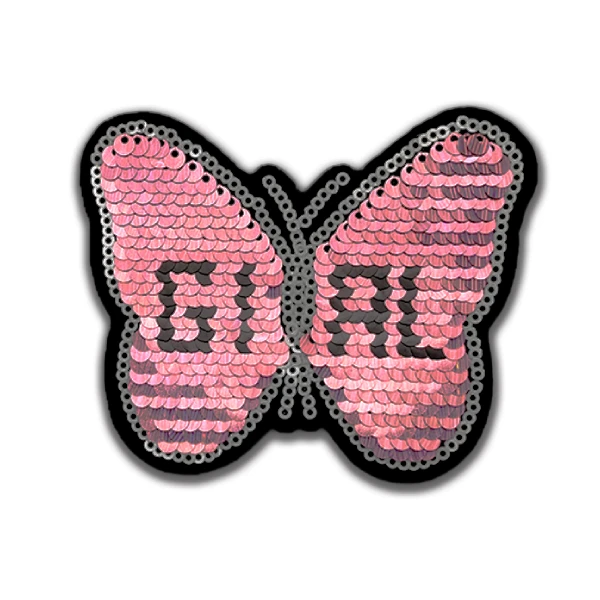
Sequin Embroidery
Adds shine and decorative appeal for fashion applications.
Step 4: Select the Right Patch Backing
Answer:
The backing option determines how embroidered patches are attached to products.
Common choices include:
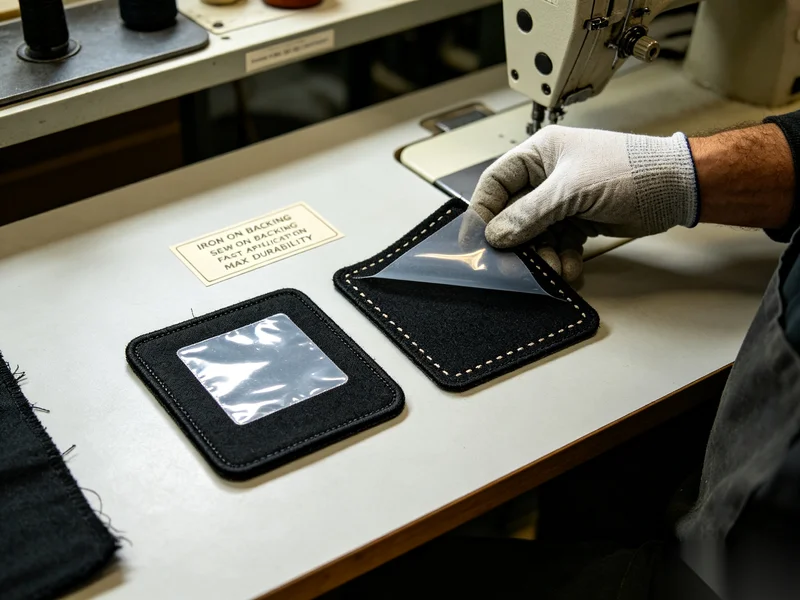
Sew-On Backing
Sew-on patches provide the strongest attachment and are ideal for:
- Uniforms
- Workwear
- Heavy-use products
Iron-On Backing
Iron-on patches use heat-activated adhesive and allow quick application.
They are popular for:
- Fashion clothing
- DIY applications
- Retail products
Hook and Loop Backing
This option allows patches to be removed and replaced easily.
Common uses include:
- Tactical products
- Sports equipment
- Professional uniforms
Adhesive Backing
Temporary adhesive solutions are suitable for promotional events and short-term applications.
How Long Does It Take to Get Embroidered Patches Made?
Answer:
The production time for embroidered patches depends on design complexity, quantity, materials, and manufacturing requirements. Most professional manufacturers provide a timeline after reviewing project details.
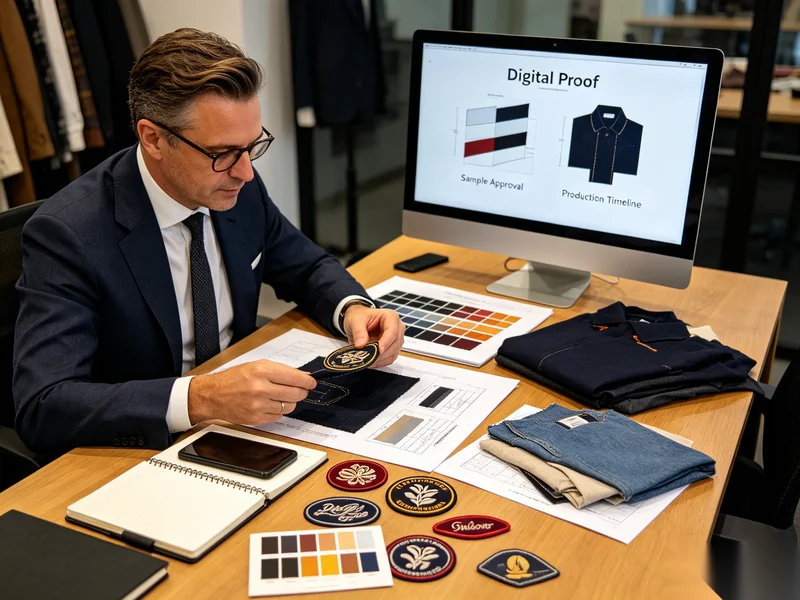
The general process includes:
- Artwork review
- Digitization
- Sample approval
- Production
- Quality inspection
- Shipping
For large wholesale orders, planning ahead helps avoid production delays.
Businesses should consider production schedules when launching:
- New clothing collections
- Seasonal products
- Promotional campaigns
- Retail releases
Why Do Brands Choose Custom Embroidered Patches?
Answer:
Brands choose custom embroidered patches because they provide durability, visual appeal, and a flexible branding solution.
Improved Brand Recognition
A customized patch allows customers to easily identify a brand through logos, symbols, or unique designs.
Premium Product Appearance
The raised texture of embroidery creates a high-quality look compared with simple printed graphics.
Cost-Effective Branding
Compared with changing garment structures or using expensive decoration methods, patches provide an affordable customization option.
Easy Product Updates
Brands can create different patch designs for:
- Limited collections
- Seasonal releases
- Special events
- Collaborations
What Should Businesses Consider When Choosing Embroidered Patch Manufacturers?
Answer:
Businesses should evaluate experience, customization ability, production quality, and communication before selecting embroidered patch manufacturers.
Important factors include:
Manufacturing Experience
Experienced suppliers understand:
- Embroidery limitations
- Material selection
- Production efficiency
- Quality requirements
Customization Options
A reliable supplier should support:
- Different patch sizes
- Custom shapes
- Multiple thread colors
- Various backing methods
- Special embroidery effects
Quality Control
Professional manufacturers should inspect:
- Stitch accuracy
- Thread consistency
- Edge finishing
- Backing strength
Production Capacity
For wholesale buyers, suppliers must have enough capacity to handle repeat orders and large-volume production.
Can Small Businesses Get Embroidered Patches Made?
Answer:
Yes, small businesses can get embroidered patches made to create professional branding without needing large-scale manufacturing resources.
Custom patches are especially useful for:
- Independent clothing brands
- Small fashion labels
- Startup businesses
- Local organizations
Small brands can use embroidered patches to upgrade basic products, create unique designs, and build customer recognition.
When ordering, businesses should prepare:
- Logo artwork
- Desired quantity
- Product application
- Preferred backing type
Clear information helps manufacturers provide accurate recommendations.
How Are Embroidered Patches Used in Different Industries?
Answer:
Embroidered patches are used across multiple industries because they combine decoration, identification, and branding functions.
Fashion Industry
Fashion brands use patches on:
- Jackets
- Jeans
- Hoodies
- Streetwear collections
Uniform Industry
Organizations use embroidered patches for:
- Employee identification
- Team logos
- Professional uniforms
Sports Industry
Sports teams use patches for:
- Team branding
- Player identification
- Event merchandise
Promotional Products
Companies use patches for:
- Marketing campaigns
- Corporate gifts
- Brand promotions
Frequently Asked Questions About Getting Embroidered Patches Made
1. What artwork do I need to provide to make embroidered patches?
Most manufacturers recommend providing vector files such as AI, EPS, or PDF for accurate production.
2. Can I get embroidered patches made with my own logo?
Yes. Professional manufacturers can customize patches based on your logo, colors, and design requirements.
3. What is the minimum order quantity for custom embroidered patches?
MOQ depends on the manufacturer and production requirements. Many suppliers offer flexible options for different business needs.
4. Are embroidered patches durable after washing?
Yes. High-quality embroidered patches are designed to withstand regular use and washing when properly attached.
5. Can embroidered patches have custom shapes?
Yes. Manufacturers can create custom-shaped patches based on brand logos or unique designs.
6. What is the best backing option for clothing brands?
Sew-on and iron-on backings are commonly used for clothing brands. The best choice depends on durability requirements and application methods.
Conclusion
Knowing how to get embroidered patches made helps businesses create effective branding solutions for apparel, accessories, and promotional products. From artwork preparation and material selection to embroidery production and finishing, every step contributes to the quality of the final patch.
For clothing brands, wholesalers, and manufacturers, custom embroidered patches offer a practical way to enhance product appearance, improve brand recognition, and create unique merchandise. By partnering with experienced embroidered patch manufacturers, businesses can achieve consistent quality and reliable production for both small projects and large-scale orders.
About Author
——————————————————————————————————————————————

Alexander
Online Sales Manager
Alexander specialize in digital marketing and understanding customer psychology, providing clients with the right solutions through data insights and creative strategies.
——————————————————————————————————————————————