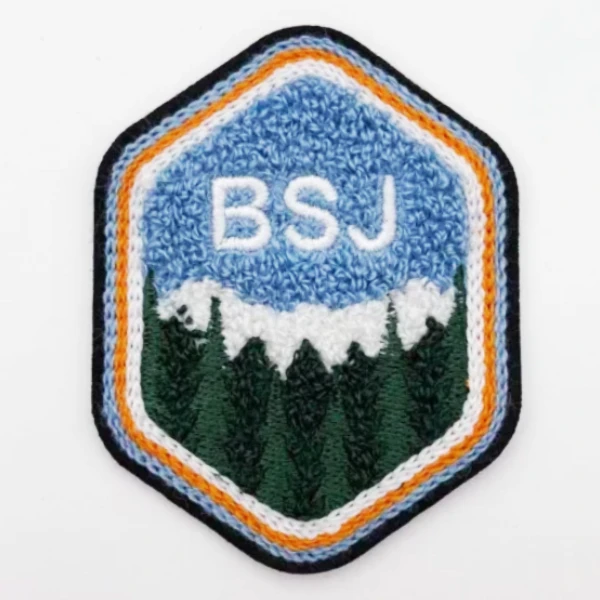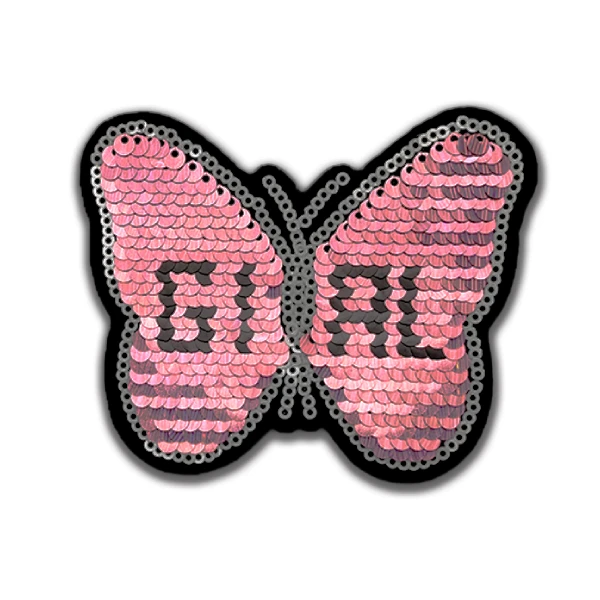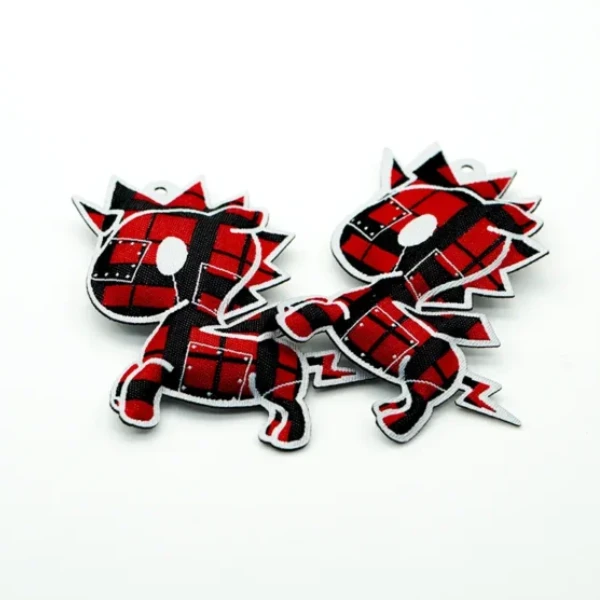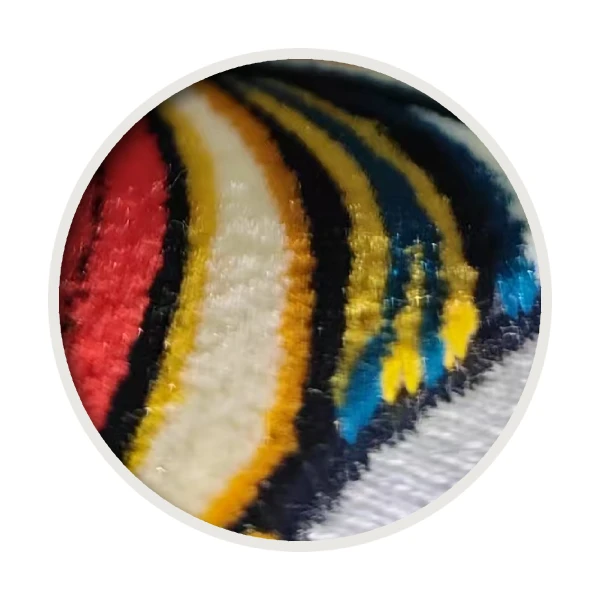
Vintage embroidered patches are patches designed with classic, retro-inspired styles that reflect past eras. They are popular in fashion and branding because they create nostalgia, authenticity, and uniqueness, helping businesses develop distinctive products that stand out in modern markets.
What Are Vintage Embroidered Patches?
Vintage embroidered patches are patches designed to replicate or be inspired by styles from past decades, such as the 70s, 80s, or 90s. They often feature bold typography, muted color palettes, and classic design elements.
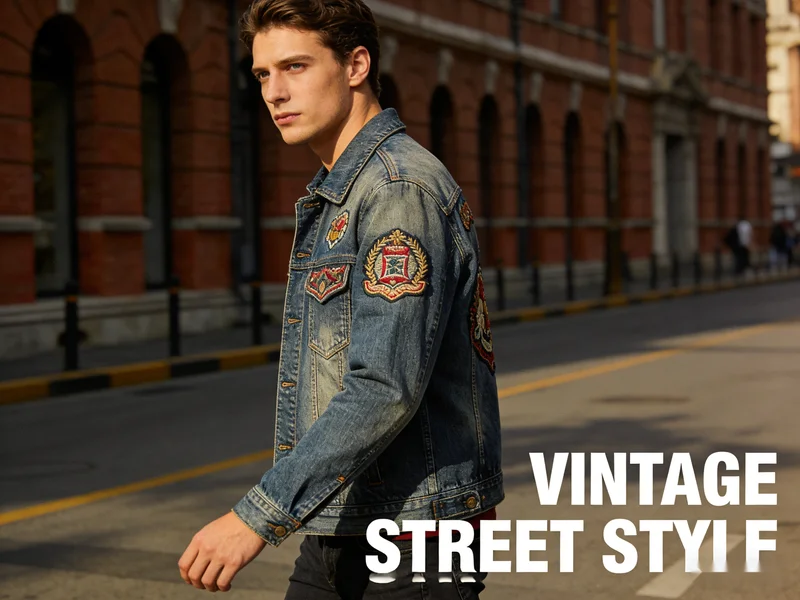
These patches are commonly used in fashion, especially in denim, jackets, and streetwear. As a type of retro embroidered patches, they combine traditional embroidery techniques with nostalgic design aesthetics.
For B2B buyers, they represent a strong product category that appeals to both heritage branding and modern trends.
Why Are Retro Patches Becoming Popular Again?
The resurgence of old school embroidered patches is driven by consumer demand for authenticity and nostalgia.
Modern consumers are increasingly drawn to products that feel unique and meaningful. Vintage-style patches provide a sense of history and craftsmanship.
Fashion trends also play a role. Retro aesthetics are widely used in streetwear and lifestyle brands, making custom vintage patches a popular design choice.
For businesses, this trend creates opportunities to develop products that combine classic style with modern production.
What Design Elements Define Vintage Patches?
Creating effective retro embroidered patches requires understanding key design characteristics.
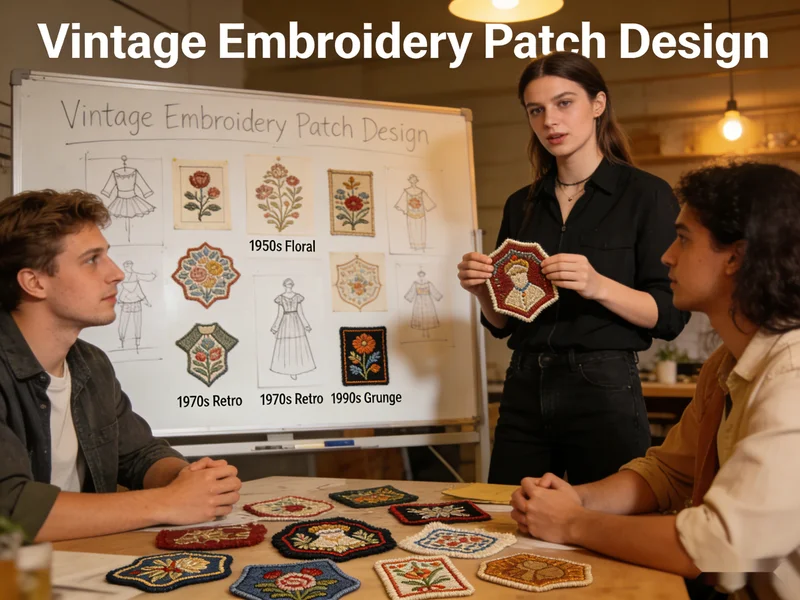
Typography is often bold and simple, sometimes with serif or script styles that reflect older design trends.
Color palettes tend to be slightly muted or earthy, rather than overly bright or modern.
Shapes are usually classic—circles, rectangles, or badge-style layouts.
Textures and stitching styles may also mimic traditional embroidery techniques.
These elements help create authentic-looking old school embroidered patches that resonate with customers.
How Are Custom Vintage Patches Manufactured?
The production of custom vintage patches follows the same core process as standard embroidery but with specific adjustments.
Designs are digitized to replicate vintage aesthetics, including stitch styles and spacing.
Materials such as twill or felt are often chosen to enhance the retro look.
Embroidery density may be adjusted to create a slightly softer or aged appearance.
Finishing techniques, such as merrowed borders, are commonly used to match classic styles.
For B2B buyers, working with experienced manufacturers ensures that the final product accurately reflects vintage design intent.
What Products Use Vintage Embroidered Patches?
Vintage embroidered patches are widely used across multiple product categories.
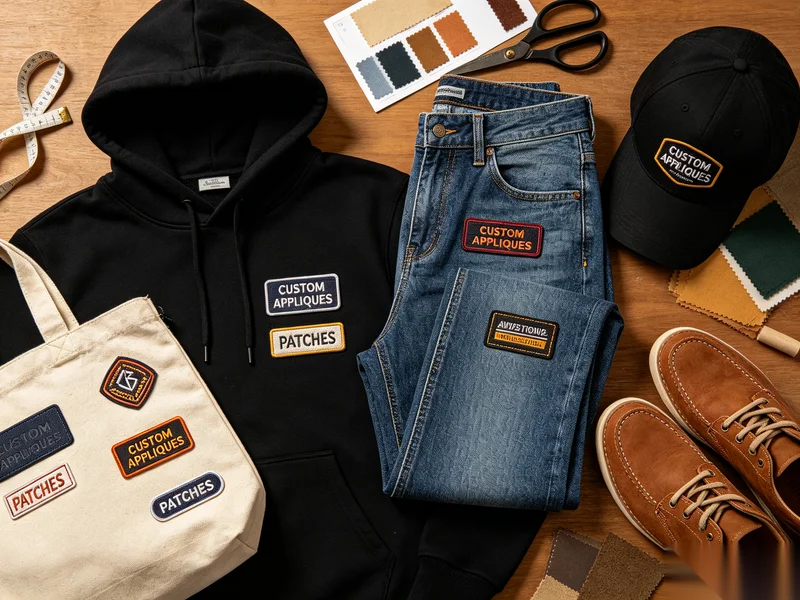
Denim jackets and jeans are among the most common applications, reflecting classic fashion trends.
Streetwear brands use them to create unique and nostalgic collections.
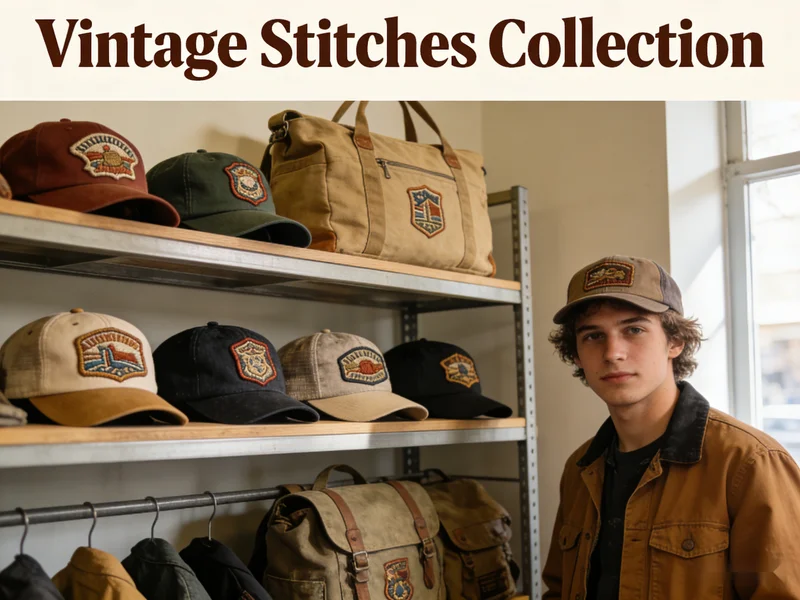
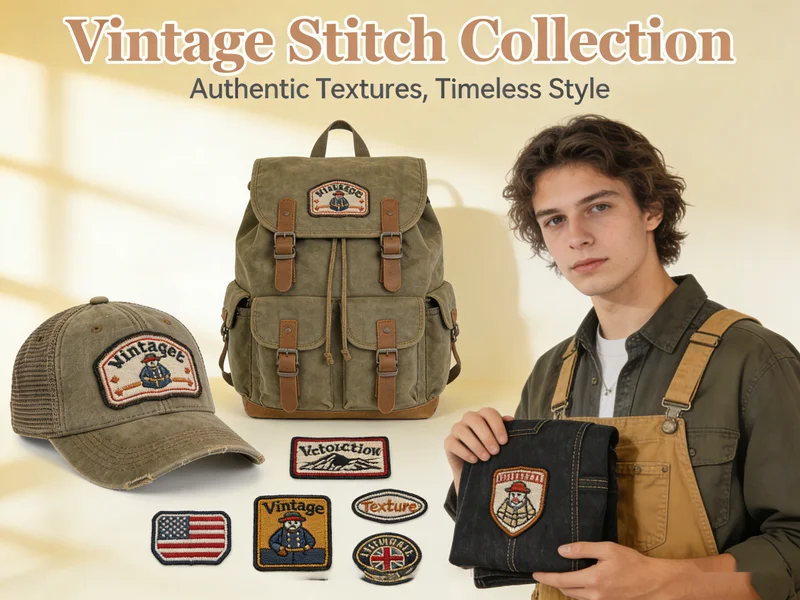
Caps and bags often feature retro embroidered patches for added character.
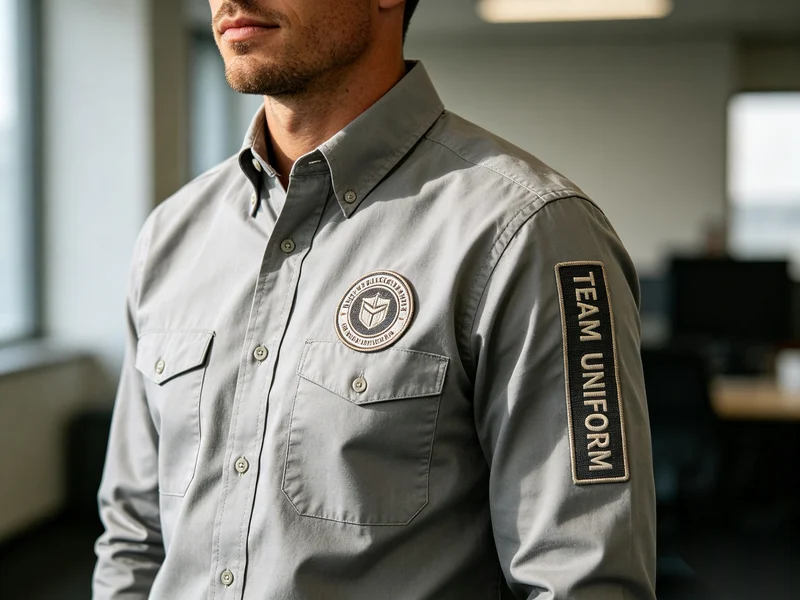
Workwear and heritage brands also use vintage-style patches to emphasize authenticity.
These applications make them highly versatile for B2B markets.
What Should Businesses Consider When Designing Vintage Patches?
When developing custom vintage patches, businesses should focus on authenticity and usability.
Designs should not be overly complex, as vintage styles are typically simple and bold.
Color choices should reflect the intended era or aesthetic.
Patch size and placement should align with the product design.
Consistency across all patches is essential for maintaining brand identity.
Understanding the target audience helps ensure that the design resonates effectively.
A New Insight: Vintage Is Not Old—It’s Strategic
From a business perspective, vintage design is not just about looking old—it’s about creating emotional connection.
Old school embroidered patches work because they evoke familiarity and trust. Customers often associate vintage aesthetics with quality and craftsmanship.
For brands, this means vintage patches can increase perceived value and differentiate products in crowded markets.
This makes them a strategic choice rather than just a design trend.
How to Ensure High-Quality Vintage Patch Production?
To produce high-quality retro embroidered patches, businesses should focus on both design and manufacturing.
Provide clear references for the desired vintage style.
Work with manufacturers experienced in replicating retro aesthetics.
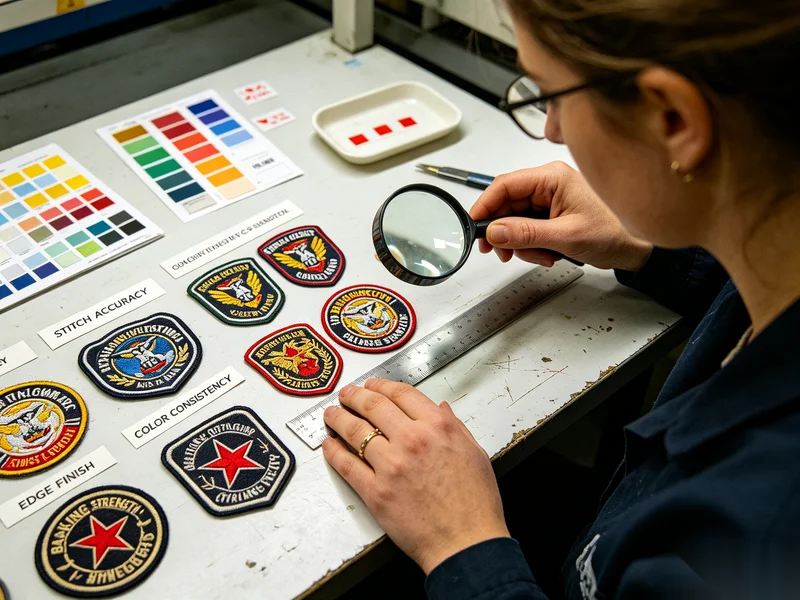
Request samples to ensure the final product matches the intended look.
Use high-quality materials to balance durability with vintage appearance.
These steps help ensure consistent results across bulk production.
FAQ
What are vintage embroidered patches?
They are patches designed with retro or classic styles inspired by past decades.
Why are vintage patches popular?
They create nostalgia, authenticity, and unique product appeal.
Can vintage patches be customized?
Yes, they can be fully customized in design, size, and color.
What products use vintage patches?
Jackets, denim, hats, bags, and streetwear commonly use them.
How do you create a vintage look in patches?
By using classic typography, muted colors, and traditional shapes.
How long does production take?
Typically 1–3 weeks depending on order size and complexity.
Vintage embroidered patches offer businesses a powerful way to combine timeless design with modern production. By leveraging nostalgia and authenticity, custom vintage patches help brands create distinctive products that resonate with customers and stand out in competitive markets.
About Author
——————————————————————————————————————————————

Alexander
Online Sales Manager
Alexander specialize in digital marketing and understanding customer psychology, providing clients with the right solutions through data insights and creative strategies.
——————————————————————————————————————————————