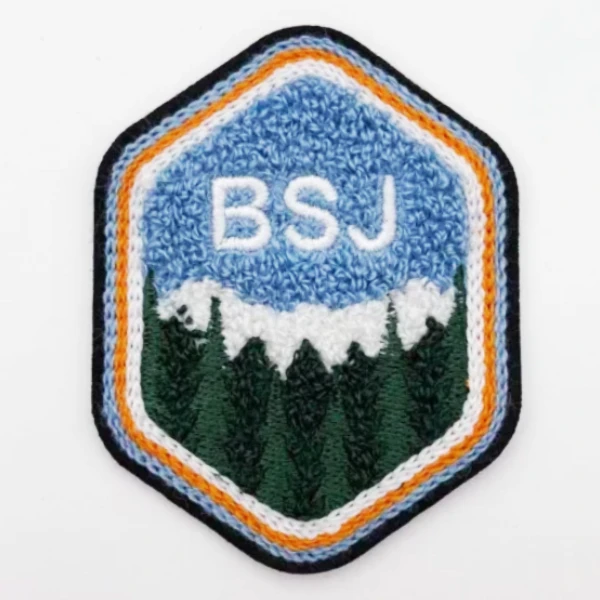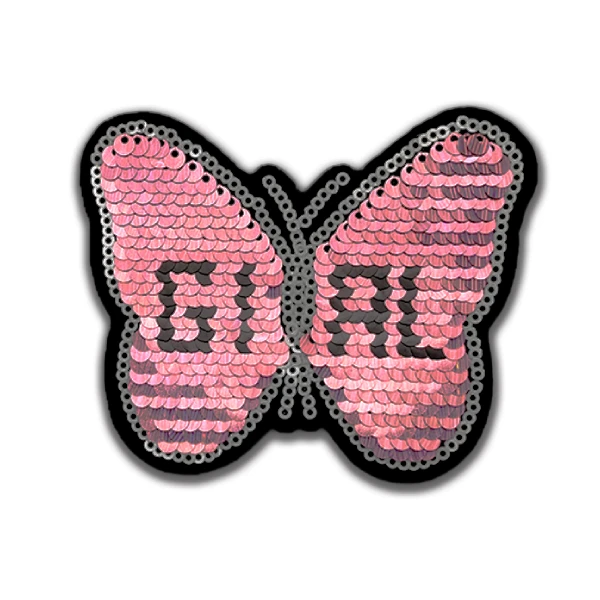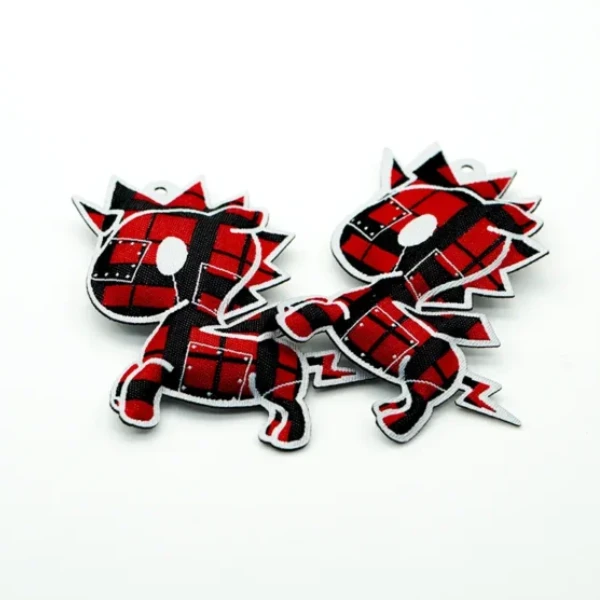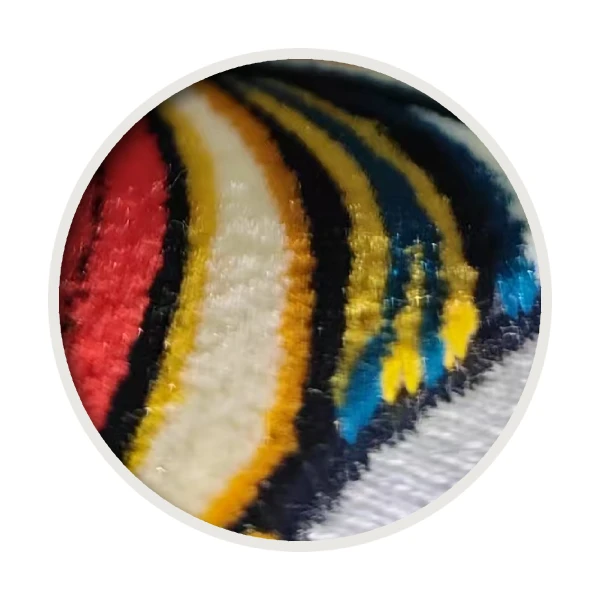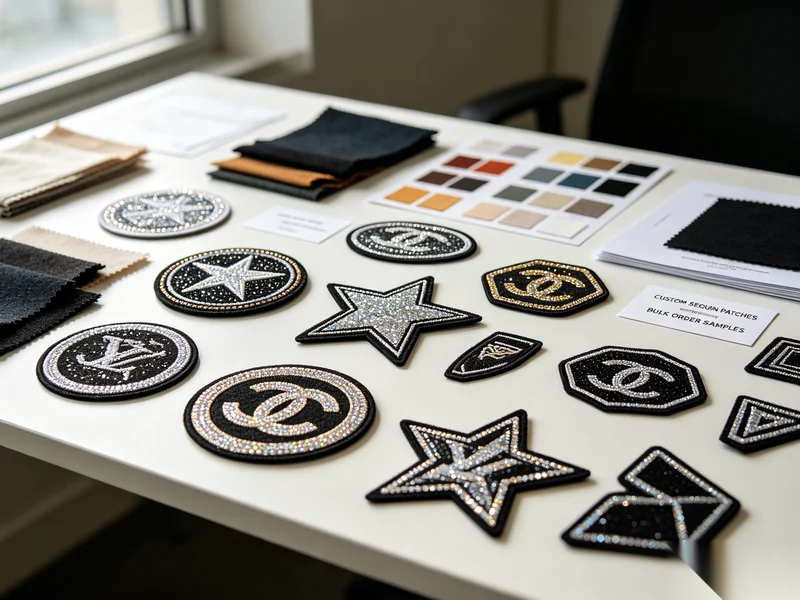
Sequin flower patches are decorative textile embellishments combining sequins and floral embroidery to create eye-catching designs. They are widely used in fashion, uniforms, and branding applications. These patches add texture, shine, and visual appeal while allowing businesses to customize garments efficiently and cost-effectively.
What Are Sequin Flower Patches?
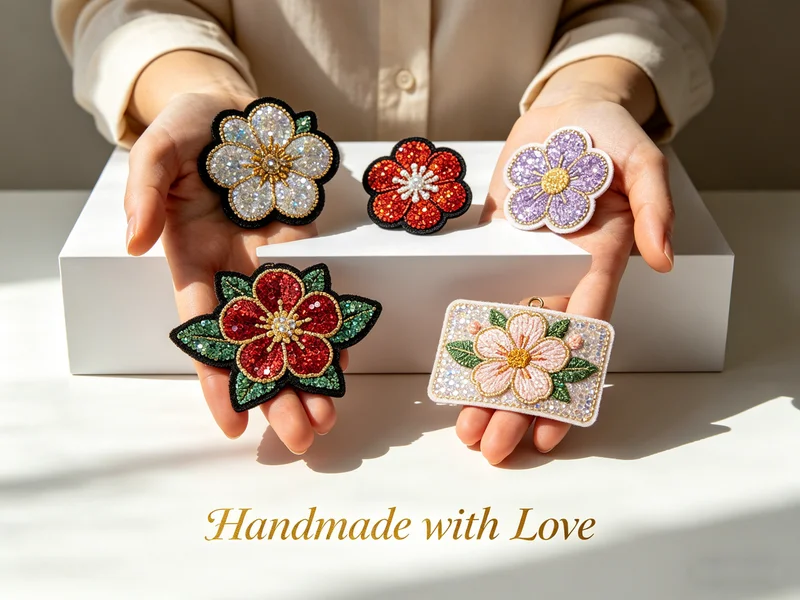
Sequin flower patches are a type of decorative patch that blends floral embroidery structures with reflective sequins. The result is a visually striking surface that combines softness from threadwork with the shimmer of sequins.
These patches are commonly used in fashion apparel, accessories, uniforms, and promotional garments. Unlike standard embroidered patches, embroidered sequin patches offer a more dynamic visual effect, making them ideal for brands seeking attention-grabbing designs.
For B2B buyers, they are especially valuable in product differentiation, seasonal collections, and premium branding applications.
Why Are Sequin Flower Patches Popular in Modern Apparel?
The growing demand for sequin flower patches is driven by the need for decorative yet functional garment enhancements. Fashion brands and manufacturers use them to elevate product aesthetics without significantly increasing production complexity.
One major advantage is their ability to combine traditional embroidery techniques with modern sequin design. This hybrid structure allows for both durability and visual impact.
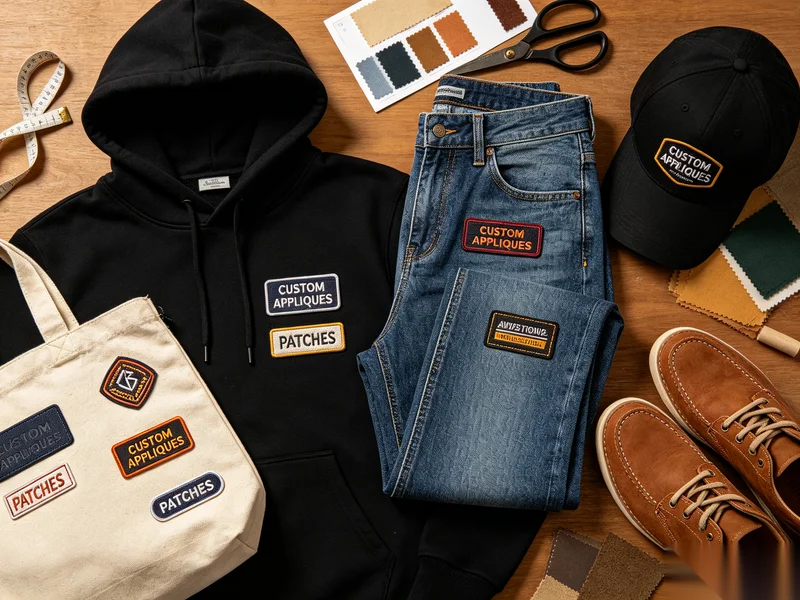
Another reason is versatility. These patches can be applied to jackets, hats, uniforms, bags, and promotional clothing. Their adaptability makes them a preferred choice for large-scale apparel production.
In addition, floral sequin appliques help brands create seasonal or themed collections quickly, reducing design-to-production time.
How Are Sequin Flower Patches Made?
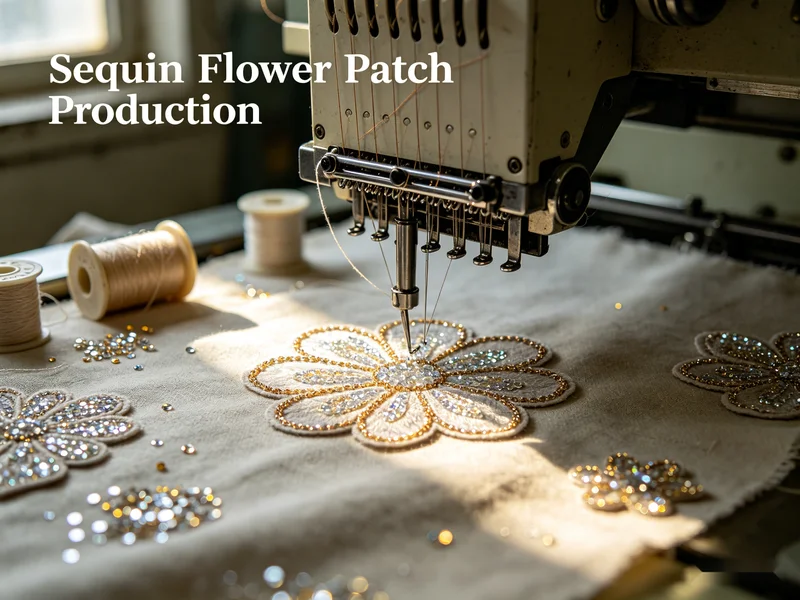
The production process of sequin flower patches involves a combination of embroidery and sequin application techniques.
First, the base design is created using embroidery machines that form the floral outline. This ensures structure and durability.
Next, sequins are carefully attached either by machine or manual stitching, depending on complexity. These sequins are arranged to follow the floral pattern, enhancing visual depth and reflection.
Finally, the patch is finished with backing options such as heat seal, Velcro, or sew-on support depending on application requirements.
The precision of this process is what makes custom sequin patches suitable for high-quality apparel manufacturing.
What Materials Are Used in Sequin Flower Patches?
Material selection plays a key role in the quality and durability of embroidered sequin patches.
The base fabric is usually twill, felt, or polyester, chosen for stability and stitching compatibility. Threads used in embroidery are typically polyester or rayon, ensuring strength and color retention.
Sequins are made from plastic or PET materials, designed to reflect light while maintaining flexibility. High-quality production ensures sequins remain securely attached even after repeated washing or heavy use.
Backing materials vary depending on usage, including iron-on adhesive, Velcro, or plain backing for sewing.
Where Are Floral Sequin Appliques Commonly Used?
Floral sequin appliques are widely used across multiple industries due to their decorative and branding potential.
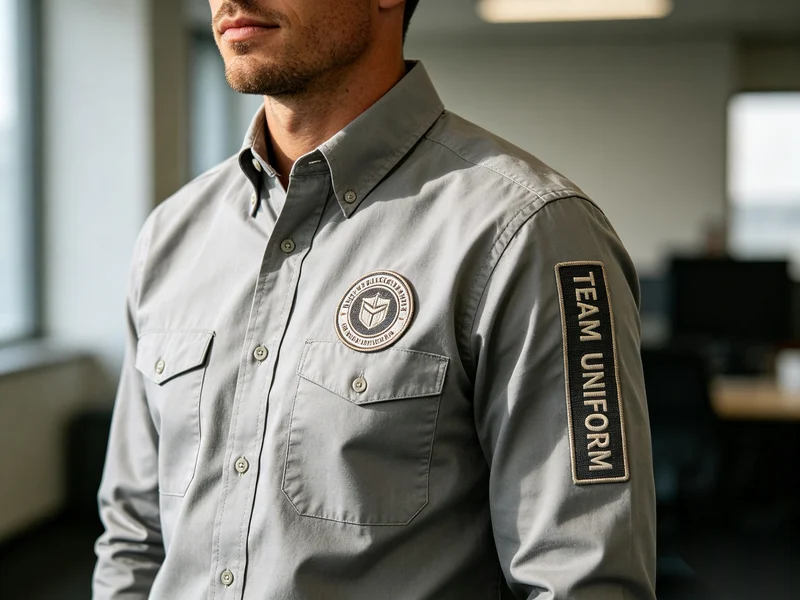
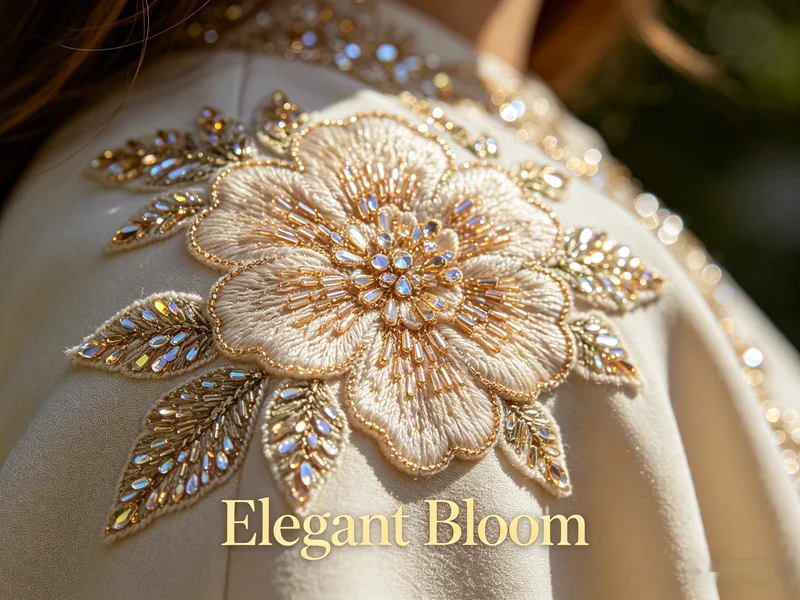
In fashion, they are applied to dresses, denim jackets, and streetwear to create premium visual appeal. In uniforms, they help differentiate roles or departments while maintaining brand identity.
In promotional products, companies use them to enhance tote bags, caps, and event merchandise. This makes products more attractive and memorable for customers.
They are also popular in entertainment and performance costumes, where visual impact is essential.
What Are the Advantages of Custom Sequin Patches for Businesses?
Using custom sequin patches offers several advantages for B2B buyers and manufacturers.
First, they provide strong branding opportunities. Companies can create unique designs that reflect their identity and stand out in competitive markets.
Second, they improve product value perception. The combination of embroidery and sequins creates a premium look that justifies higher pricing.
Third, they support scalable production. Once a design is finalized, it can be replicated consistently across large orders without quality variation.
Finally, they are cost-efficient compared to direct garment embellishment, especially when producing in bulk.
How to Choose the Right Sequin Flower Patch Design?
Selecting the right sequin flower patches depends on several factors.
Design complexity is important. Simple floral outlines work best for minimal branding, while detailed patterns suit fashion-forward collections.
Color combination should align with brand identity. Sequins can be metallic, matte, or iridescent, depending on the desired effect.
Patch size must be suitable for the target product. Larger patches are often used on jackets or bags, while smaller ones fit hats or sleeves.
Backing type should match application needs. For fast production lines, heat-press backing is preferred, while sewn patches offer higher durability.
What Is the Difference Between Sequin and Regular Embroidery Patches?
The main difference lies in visual effect and texture.
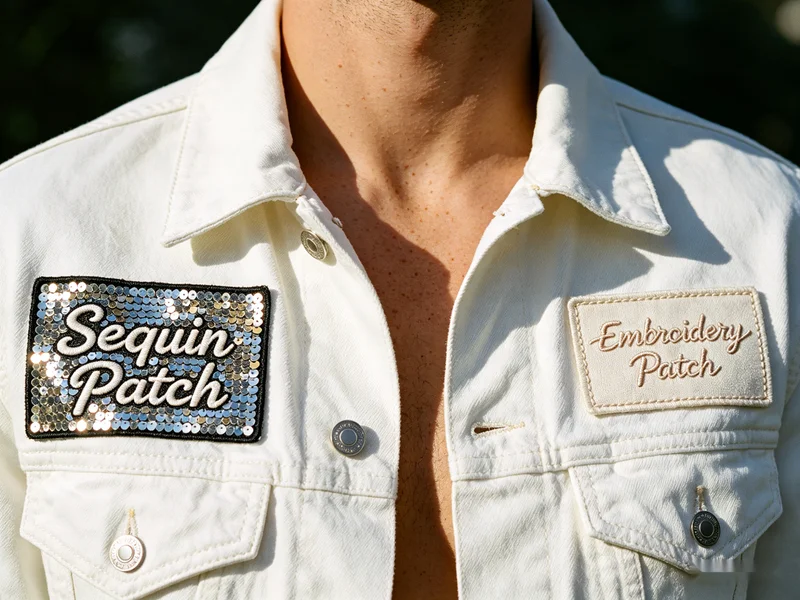
Regular embroidered patches focus on thread-based designs, offering a flat and durable finish. In contrast, embroidered sequin patches incorporate reflective elements that create shine and movement.
This makes sequin patches more suitable for decorative and fashion-oriented applications, while traditional embroidery is preferred for formal branding or industrial uniforms.
Many manufacturers combine both techniques to achieve balanced aesthetics and durability.
How to Ensure High-Quality Sequin Flower Patch Production?
To achieve high-quality results in floral sequin appliques, manufacturers must focus on precision and material control.
Accurate digitizing of the embroidery design ensures clean stitching paths. Proper sequin alignment is essential to maintain pattern consistency.
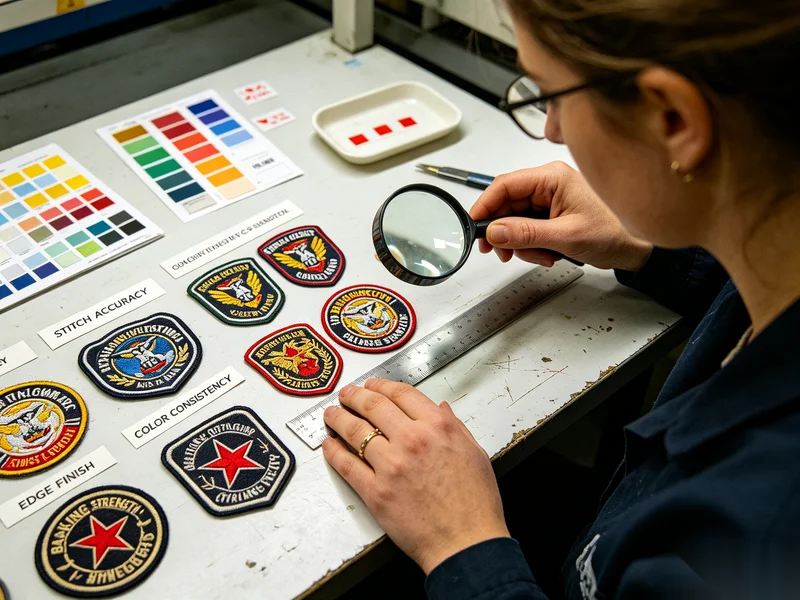
Quality control should include checking sequin attachment strength, color uniformity, and backing durability.
Testing samples before mass production helps prevent defects and ensures the final product meets client expectations.
Working with an experienced patch manufacturer significantly improves consistency in large-scale orders.
FAQ
What are sequin flower patches used for?
They are used for decorating apparel, accessories, uniforms, and promotional products with floral and shiny sequin designs.
Are sequin flower patches durable?
Yes, when properly manufactured, they are highly durable and can withstand regular wear and washing.
Can sequin flower patches be customized?
Yes, they can be fully customized in shape, color, size, and design based on branding needs.
What is the best application method for sequin patches?
Heat press, sewing, and Velcro backing are commonly used depending on the product type.
Do sequin patches work on all fabric types?
They work best on stable fabrics such as cotton, polyester, denim, and twill.
Are they suitable for bulk B2B orders?
Yes, they are widely used in bulk manufacturing for fashion brands and promotional product suppliers.
Sequin flower patches provide a powerful combination of visual appeal, customization, and production efficiency. For businesses in apparel and branding industries, they offer a reliable way to enhance product value while maintaining scalable manufacturing processes and design flexibility.
About Author
——————————————————————————————————————————————

Alexander
Online Sales Manager
Alexander specialize in digital marketing and understanding customer psychology, providing clients with the right solutions through data insights and creative strategies.
——————————————————————————————————————————————