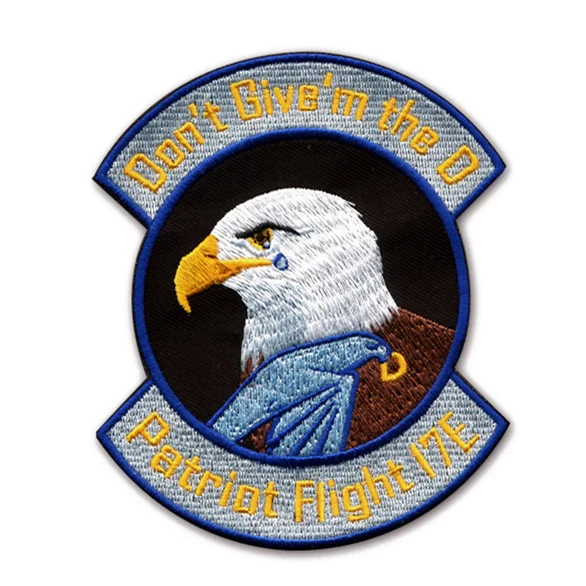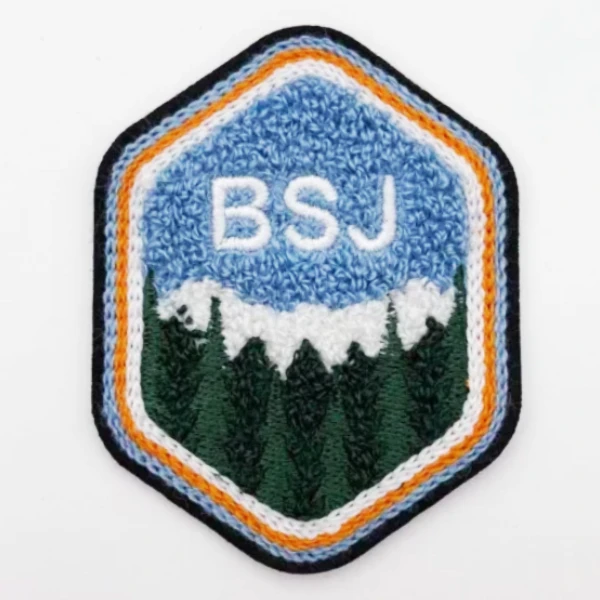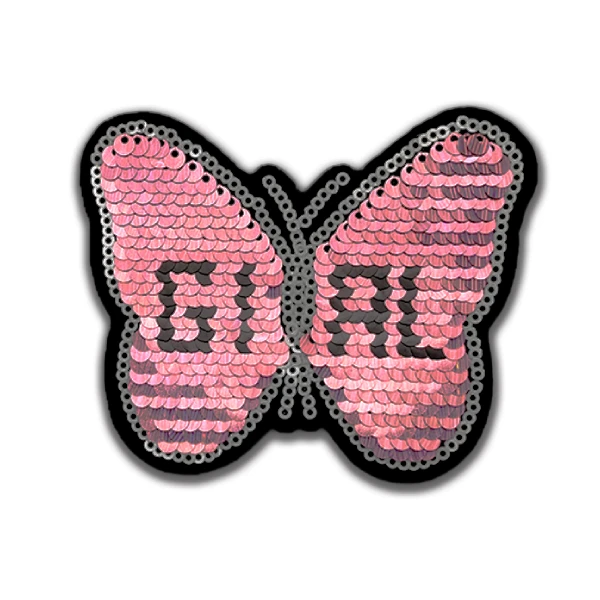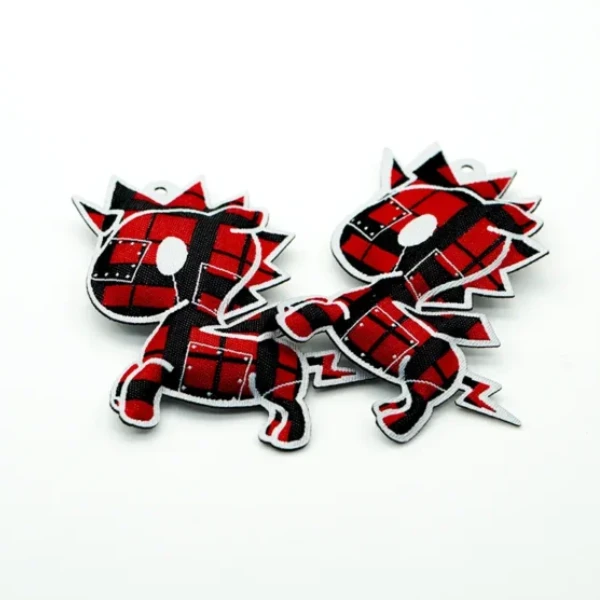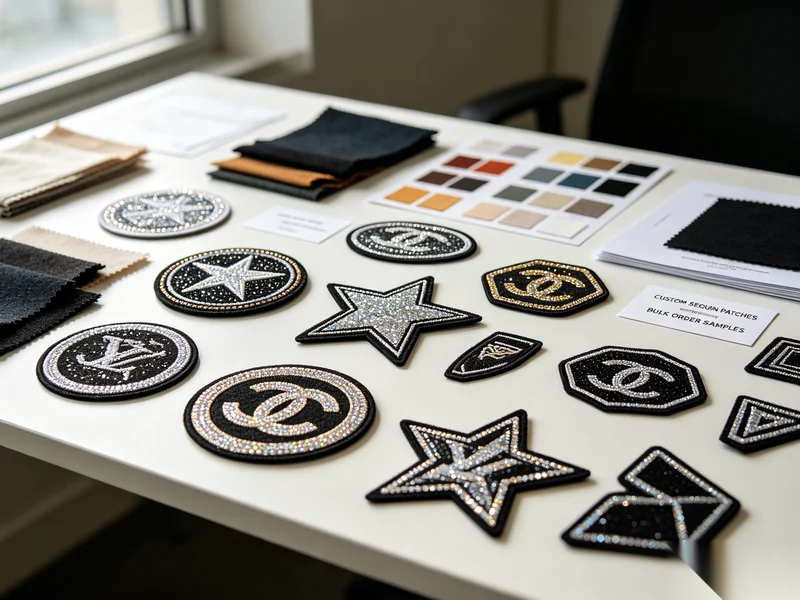
Heat press chenille patches are decorative textile patches with a soft, raised chenille surface that can be permanently applied to garments and accessories using heat and pressure. They are widely used by apparel brands, schools, sports teams, and promotional product companies because they combine premium visual appeal, efficient application, and scalable customization options.
| Quick Summary | Details |
|---|---|
| Product Type | Heat-applied chenille patch |
| Common Applications | Varsity jackets, hoodies, caps, uniforms, bags |
| Attachment Method | Heat press adhesive backing |
| Key Advantages | Fast application, premium texture, customization flexibility |
| Suitable Buyers | Apparel brands, promotional companies, schools, manufacturers |
| Typical Materials | Chenille yarn, felt backing, heat-seal adhesive |
What Are Heat Press Chenille Patches?
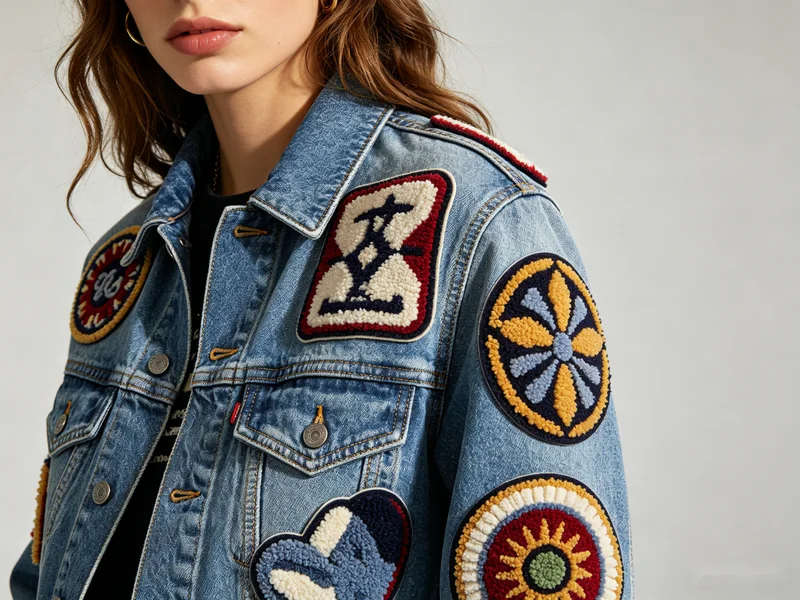
Heat press chenille patches are embroidered-style decorative patches featuring a textured chenille yarn surface attached to a garment through heat activation. Unlike traditional sew-on patches, these patches include a heat-seal backing that allows manufacturers, decorators, and apparel brands to apply them quickly using professional heat press equipment.
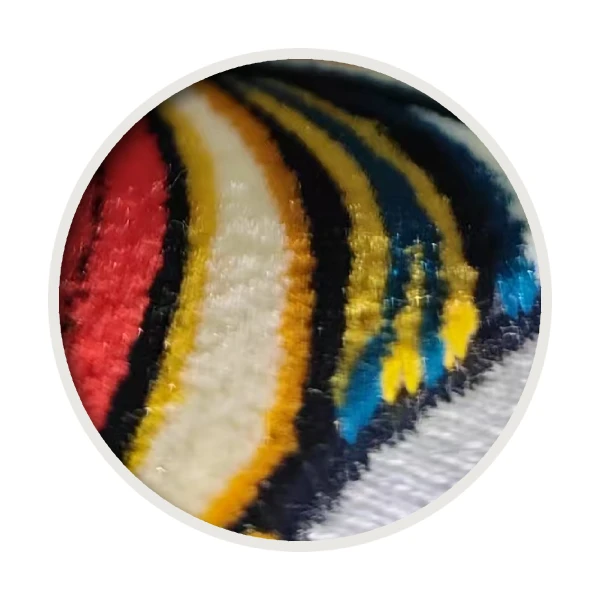
Chenille is known for its soft and fluffy texture, creating a three-dimensional appearance that stands out on apparel. The technique has been widely associated with varsity letters and collegiate apparel for decades, but modern customization technology has expanded its use into fashion, streetwear, corporate branding, sports merchandise, and promotional products.
For businesses seeking distinctive garment decoration solutions, heat press chenille patches provide an attractive balance between premium aesthetics and production efficiency.
Why Are Heat Press Chenille Patches Becoming Popular in Apparel Manufacturing?
The growing popularity of heat press chenille patches is driven by several factors affecting modern apparel production.
Faster Production Processes
Traditional sew-on patches require skilled labor and additional production time. Heat application significantly reduces installation time, helping apparel manufacturers improve efficiency and reduce operational costs.
For large-volume production runs, applying patches through heat transfer can streamline workflows and accelerate order fulfillment.
Premium Visual Impact
The raised chenille texture creates depth and dimension that standard printing methods cannot replicate. This premium appearance is particularly attractive for:
- Streetwear brands
- University apparel
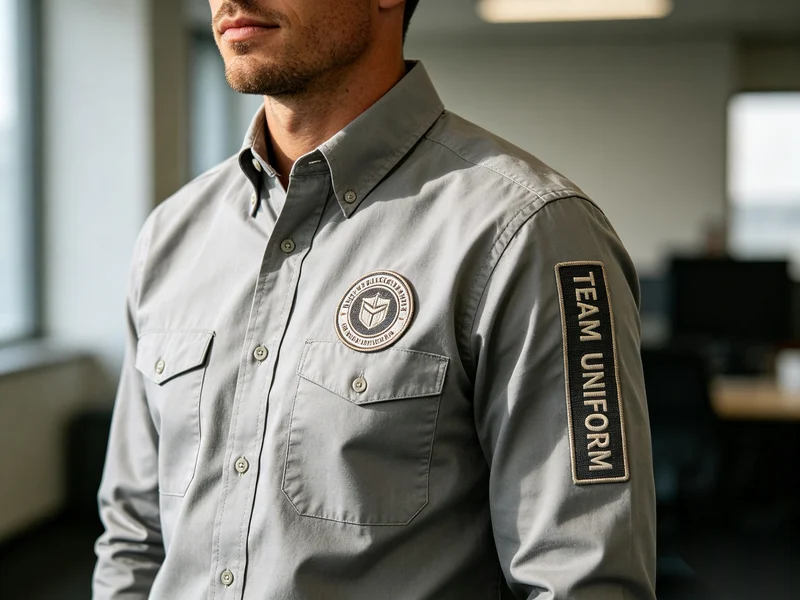
- Team uniforms
- Fashion collections
- Lifestyle merchandise
- Promotional apparel
Consumers increasingly value tactile design elements that enhance garment uniqueness.
Strong Branding Opportunities
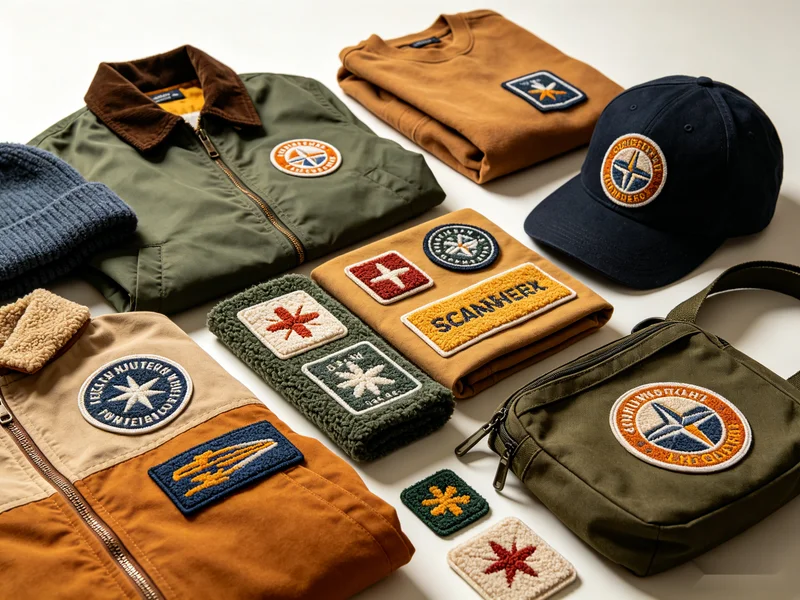
Custom chenille patches allow businesses to showcase:
- Brand logos
- Team mascots
- School initials
- Corporate emblems
- Special event branding
- Limited-edition collections
The highly customizable nature of chenille patches makes them suitable for both large-scale branding programs and niche fashion applications.

How Do Heat Press Chenille Patches Work?
The application process relies on a heat-activated adhesive layer located on the back of the patch.
When the patch is placed on the garment and subjected to controlled temperature, pressure, and dwell time, the adhesive melts and bonds with the fabric surface.
A standard process generally involves:
- Positioning the patch accurately
- Preheating the garment if necessary
- Applying heat and pressure
- Allowing the adhesive to cool
- Testing bond strength
Professional heat press equipment ensures consistent results across production runs.
The exact temperature and pressing duration depend on:
- Fabric composition
- Patch thickness
- Adhesive specifications
- Production environment
Manufacturers should always conduct testing before full-scale production.
Which Industries Commonly Use Heat Press Chenille Patches?
Heat press chenille patches are versatile enough for multiple industries.
Fashion and Streetwear
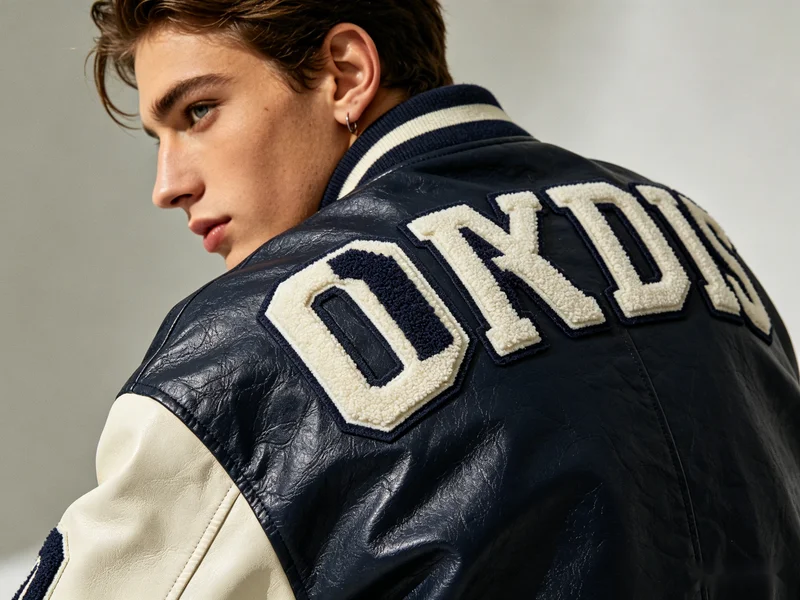
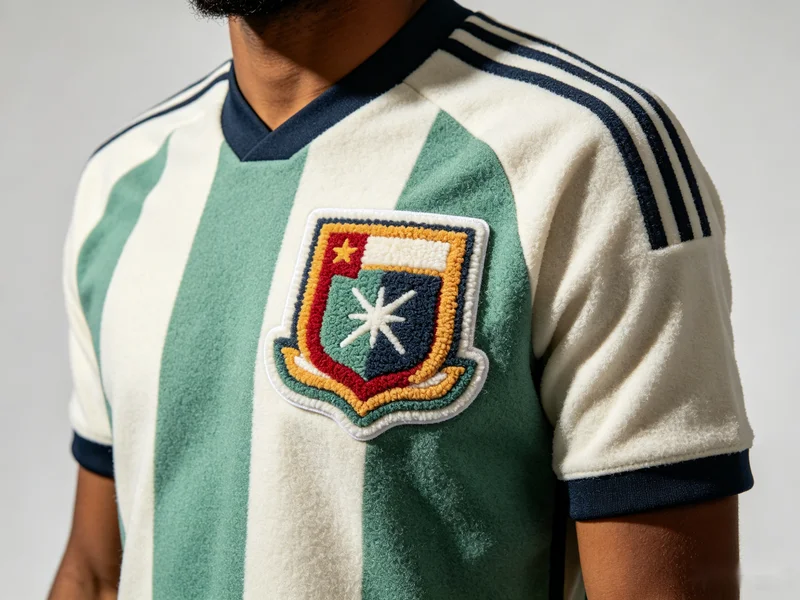
Streetwear brands frequently use chenille patches to create bold visual statements. Oversized letters, logos, and symbols made from chenille can become signature design features within a collection.
The textured appearance complements premium hoodies, sweatshirts, jackets, and varsity-inspired garments.

Educational Institutions
Schools and universities have long used chenille lettering for:
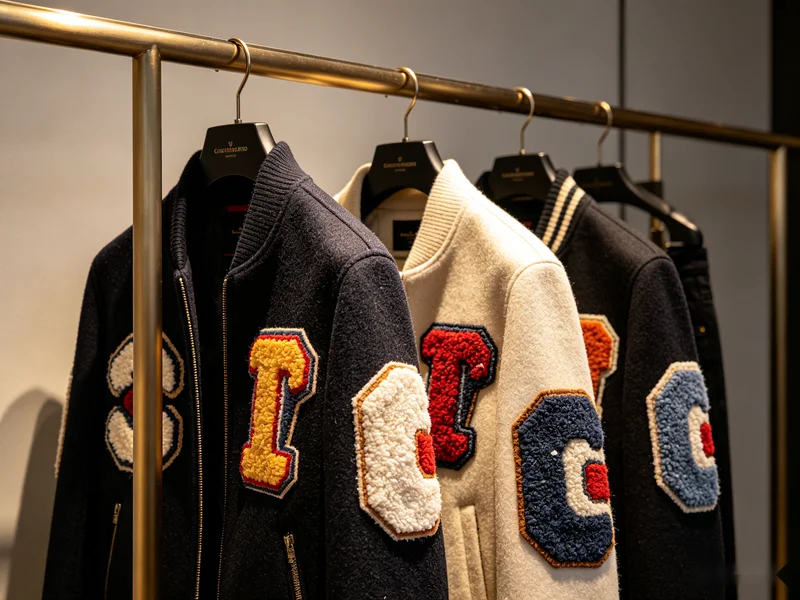
- Letterman jackets
- Athletic uniforms
- Club apparel
- Alumni merchandise
- Graduation products
Heat application simplifies production while maintaining the classic collegiate aesthetic.
Sports Organizations
Sports teams often require customized apparel featuring:
- Team logos
- Player initials
- Championship emblems
- Mascots
Heat press chenille patches provide durable branding solutions while maintaining a professional appearance.
Promotional Product Companies
Promotional merchandise providers use custom chenille patches for:
- Corporate giveaways
- Event merchandise
- Brand activations
- Retail promotional campaigns
The distinctive texture helps products stand out and increases perceived value.
Heat Press Chenille Patches vs. Traditional Sew-On Chenille Patches
Many buyers wonder whether heat press chenille patches are better than traditional sewn alternatives.
| Feature | Heat Press Chenille Patches | Sew-On Chenille Patches |
|---|---|---|
| Application Speed | Fast | Slower |
| Labor Requirements | Low | Higher |
| Production Efficiency | Excellent | Moderate |
| Initial Equipment Need | Heat press required | Sewing equipment required |
| Appearance | Premium | Premium |
| Repositioning Ability | Limited after pressing | More flexible |
| Large-Scale Production | Highly efficient | Less efficient |
For many commercial apparel manufacturers, heat application offers a more scalable production method while preserving the visual advantages of chenille decoration.
What Factors Should Buyers Consider When Ordering Custom Chenille Patches?
Purchasing custom chenille patches involves more than selecting a design. Several production factors directly affect final quality and performance.
Patch Size
Larger patches create stronger visual impact but may require adjustments to heat application settings and garment placement.
Material Selection
Common backing materials include:
- Felt
- Twill
- Fabric blends
Each option influences durability, flexibility, and overall appearance.
Adhesive Quality
The quality of the heat-seal adhesive significantly affects long-term performance. Industrial-grade adhesives generally provide stronger bonding and improved wash resistance.
Design Complexity
Simple logos and lettering typically produce the cleanest chenille appearance. Highly intricate details may require combining chenille with embroidery elements to maintain design accuracy.
Garment Compatibility
Not all fabrics react identically to heat application.
Buyers should evaluate compatibility with:
- Cotton
- Polyester
- Blended fabrics
- Fleece
- Denim
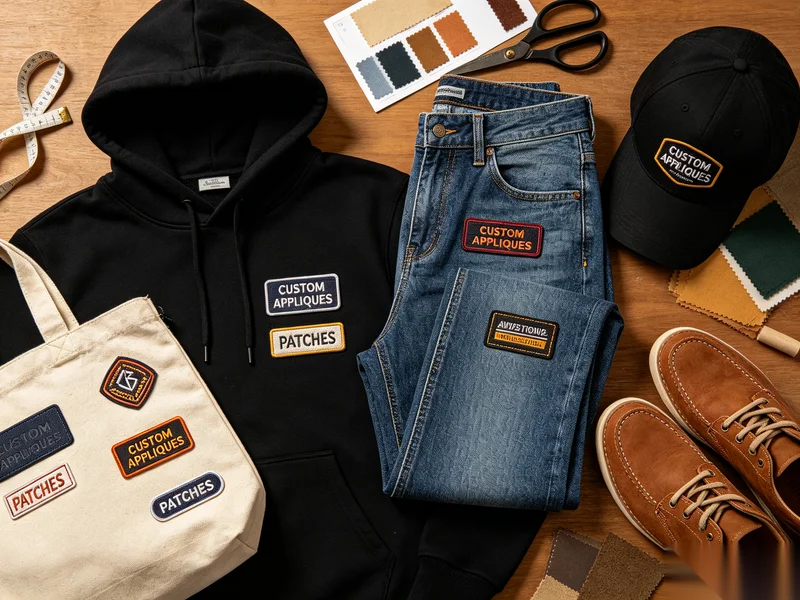
- Performance textiles
Testing before production is strongly recommended.
How Durable Are Iron On Chenille Patches?
One of the most common concerns among buyers involves durability.
High-quality iron on chenille patches can provide excellent performance when properly manufactured and correctly applied.
Durability depends on several factors:
- Adhesive quality
- Heat press accuracy
- Fabric compatibility
- Washing conditions
- Garment usage
To maximize longevity, businesses often recommend:
- Washing garments inside out
- Using moderate temperatures
- Avoiding aggressive industrial laundering
- Following manufacturer care instructions
For high-stress applications, some manufacturers combine heat application with edge stitching for additional reinforcement.
How Can Brands Use Chenille Patches for Product Differentiation?
In increasingly competitive apparel markets, differentiation is essential.
Chenille patches help brands create unique products through:
Dimensional Branding
Raised textures naturally attract visual attention and create premium perceived value.
Limited Edition Collections
Special releases featuring custom chenille patches often generate higher consumer engagement due to their collectible appeal.
Heritage-Inspired Designs
Many fashion brands incorporate chenille patches into vintage-inspired collections that reference collegiate, athletic, or Americana aesthetics.
Multi-Material Decoration
Combining chenille with embroidery, woven labels, screen printing, or direct embroidery can create sophisticated layered branding solutions.
What Is the Future of Chenille Patch Application in the Apparel Industry?
The demand for customized apparel continues to grow across fashion, sportswear, educational products, and promotional merchandise.
As brands seek decoration methods that balance aesthetics, production efficiency, and customization flexibility, chenille patch application remains an attractive solution.
Advancements in manufacturing technology are improving:
- Design precision
- Adhesive performance
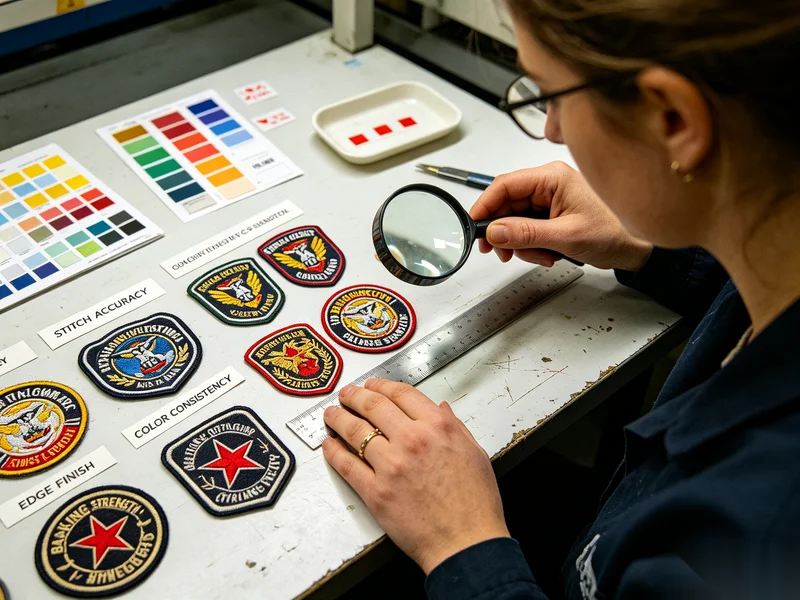
- Material consistency
- Production scalability
These improvements make heat press chenille patches increasingly suitable for both small-batch custom programs and large-scale apparel production.
FAQ
What temperature is typically used for heat press chenille patches?
The recommended temperature varies depending on the adhesive system and garment material. Most manufacturers provide specific application guidelines, and testing should always be performed before mass production.
Are heat press chenille patches washable?
Yes. Properly manufactured and correctly applied heat press chenille patches can withstand regular washing. Following garment care instructions helps maintain appearance and adhesion over time.
Can chenille patches be applied to polyester garments?
In many cases, yes. However, polyester fabrics may require adjusted heat settings to avoid fabric damage or dye migration. Production testing is recommended.
What is the difference between iron on chenille patches and sew-on chenille patches?
Iron on chenille patches use a heat-activated adhesive backing for attachment, while sew-on versions require stitching. Heat application generally offers faster installation and improved production efficiency.
Are custom chenille patches suitable for fashion brands?
Absolutely. Many fashion and streetwear brands use custom chenille patches to create premium visual effects, enhance brand identity, and add texture to apparel collections.
Can heat press chenille patches be combined with embroidery?
Yes. Many manufacturers combine chenille and embroidery techniques within a single patch design to achieve greater detail, contrast, and visual impact.
Conclusion
Heat press chenille patches offer a practical and visually appealing decoration solution for apparel brands, schools, sports organizations, and promotional product businesses. Their distinctive texture, efficient application process, and extensive customization possibilities make them an increasingly popular choice across multiple industries. By selecting quality materials, reliable adhesives, and experienced manufacturing partners, businesses can leverage custom chenille patches to create memorable products, strengthen brand identity, and enhance the value of their apparel collections.
About Author
——————————————————————————————————————————————

Alexander
Online Sales Manager
Alexander specialize in digital marketing and understanding customer psychology, providing clients with the right solutions through data insights and creative strategies.
——————————————————————————————————————————————