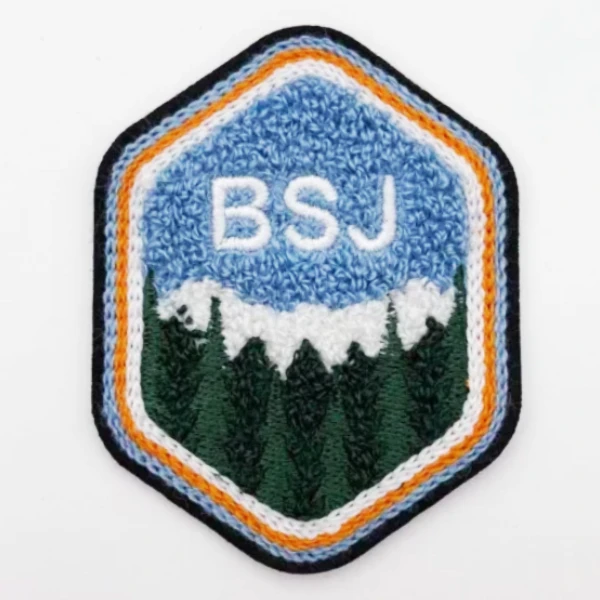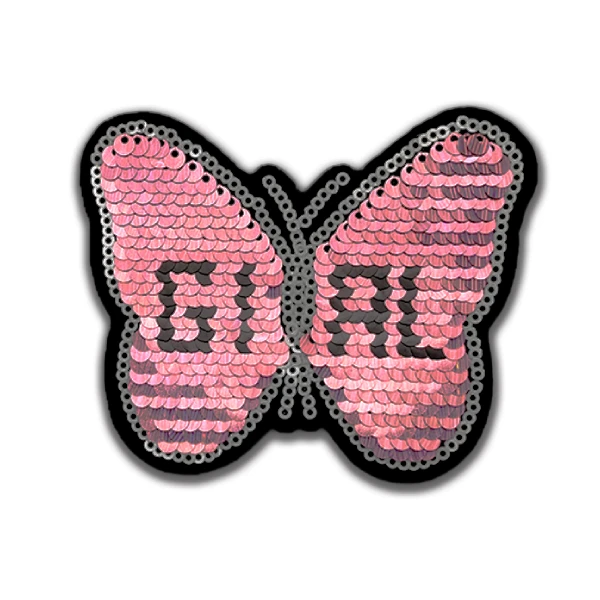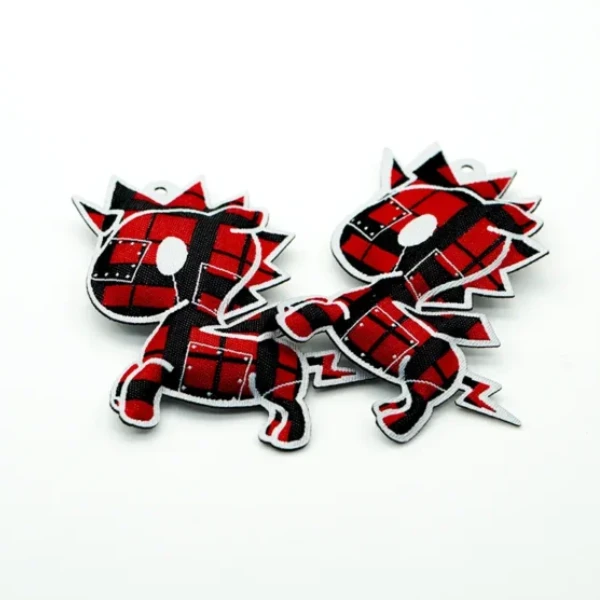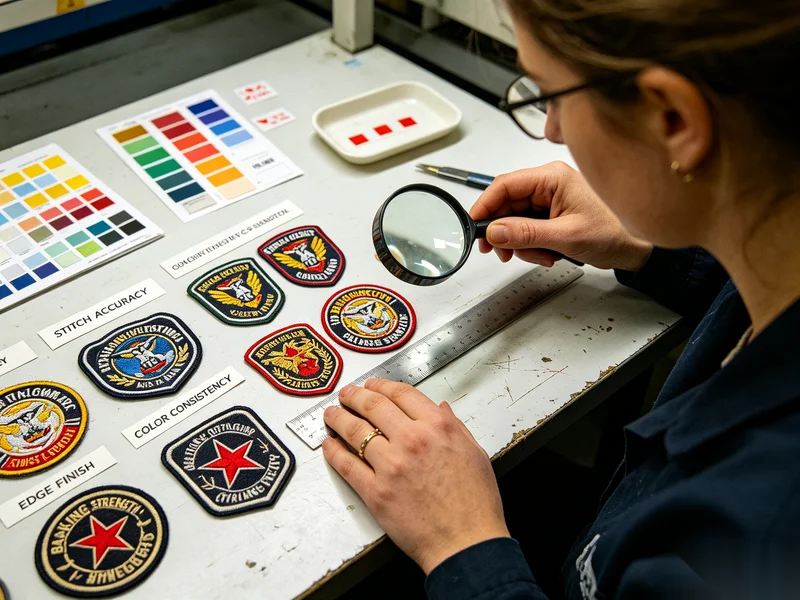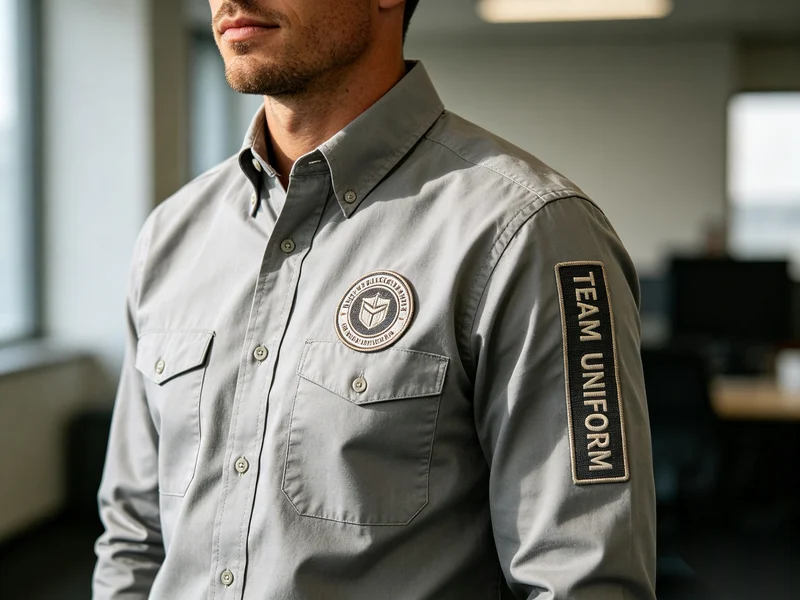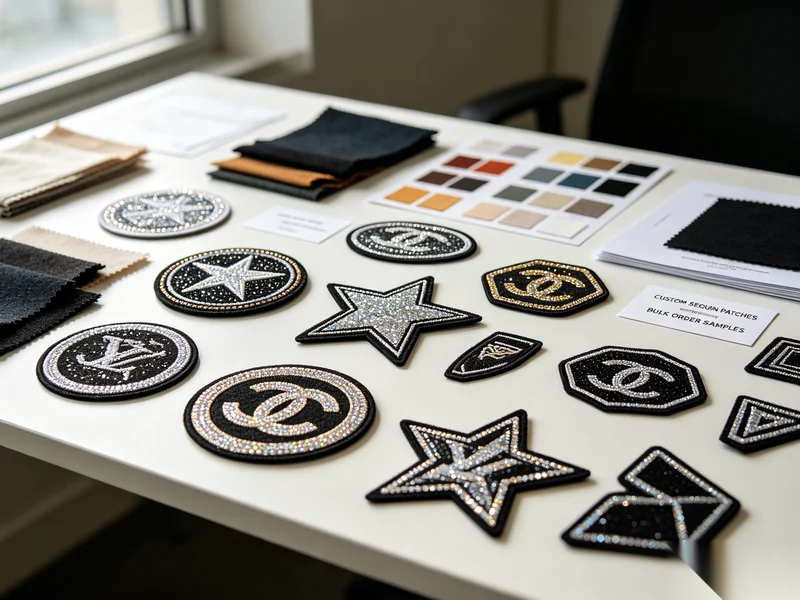
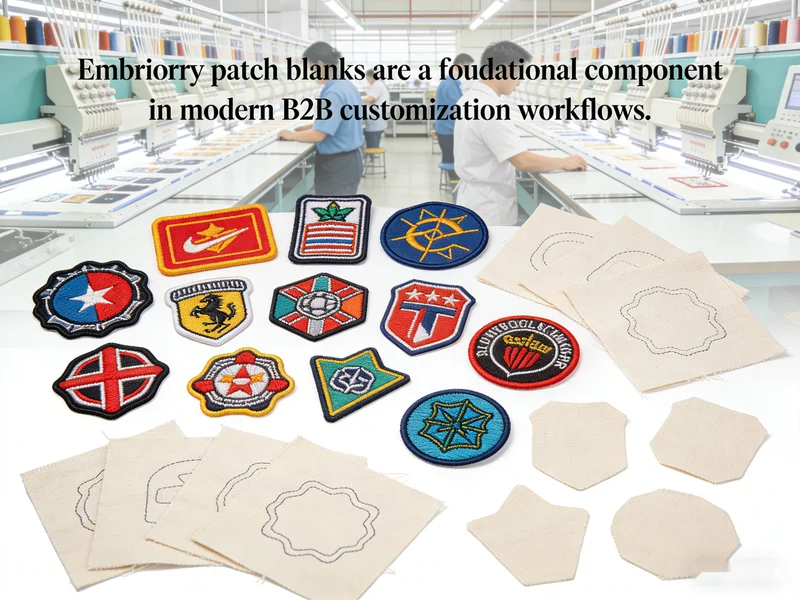
Embroidery patch blanks are pre-made, undecorated patch bases designed for embroidery or logo stitching. They are widely used by B2B buyers, decorators, and manufacturers to streamline production, reduce lead times, and enable flexible customization across uniforms, promotional apparel, and accessories.
What does “embroidery patch blanks” mean in professional manufacturing?
Short Answer:
In manufacturing, embroidery patch blanks refer to unfinished patch substrates that are ready for embroidery, branding, or decoration.
In-Depth Explanation:
Unlike fully customized patches, blank embroidered patches are produced without logos or text. They act as a neutral foundation that businesses can later customize according to specific client or project needs.
For B2B buyers, embroidery patch blanks are especially valuable because they:
- Enable faster turnaround for custom orders
- Reduce upfront design commitment
- Support on-demand branding
- Simplify inventory planning
This makes them a practical solution for decorators, distributors, and private-label brands.
How Are Embroidery Patch Blanks Manufactured?
Short Answer:
They are manufactured by preparing fabric bases, applying borders, and cutting patches into standard or custom shapes.
Manufacturing Process (Featured Snippet Friendly List):
- Fabric selection (twill, felt, polyester)
- Base stitching or stabilizer application
- Border finishing (merrowed or heat-cut)
- Cutting into standard shapes
- Backing preparation (if required)
- Quality inspection and batch packing
Professional embroidery patch bases are designed to ensure smooth embroidery performance and consistent results.
Why Do B2B Buyers Use Blank Embroidered Patches?
Short Answer:
Blank embroidered patches provide flexibility, cost efficiency, and scalability for customization workflows.
Key Business Benefits:
Faster Customization
By keeping patch blanks in stock, businesses can quickly embroider logos without waiting for new patch production.
Reduced Inventory Risk
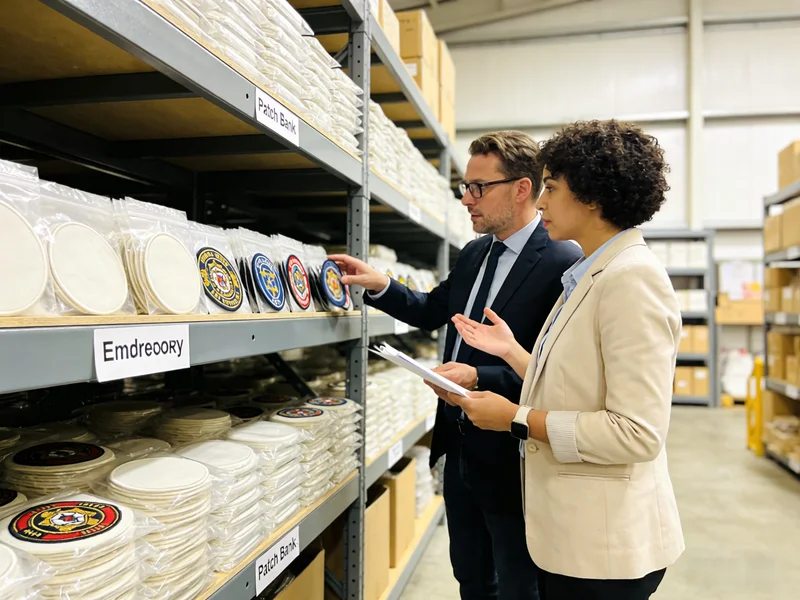
Instead of stocking multiple finished designs, buyers store neutral blanks and customize only when orders are confirmed.
Consistent Quality
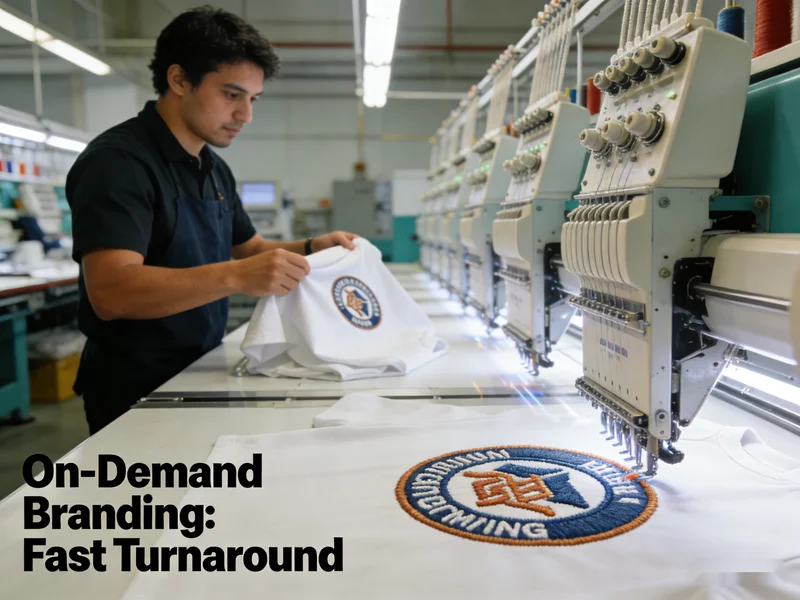
Using standardized blanks ensures uniform size, fabric, and border quality across different clients.
Lower Production Complexity
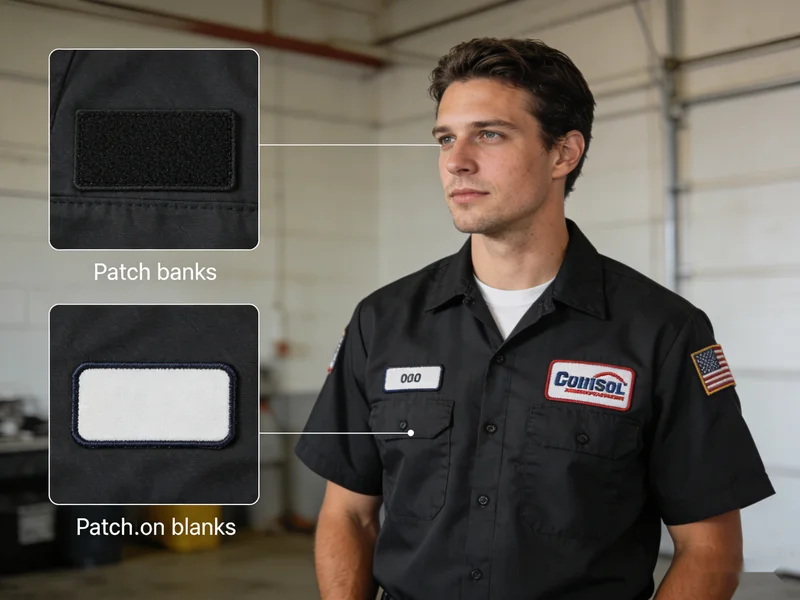
Patch blanks simplify embroidery setup and reduce handling steps.
What Are the Common Types of Embroidery Patch Blanks?
Short Answer:
The most common types include merrowed-edge blanks, heat-cut blanks, and laser-cut blanks.
Comparison Table:
| Type | Best Use Case | Key Advantage |
|---|---|---|
| Merrowed Edge | Classic uniforms | Thick, durable border |
| Heat-Cut Edge | Detailed shapes | Clean, modern finish |
| Laser-Cut | Precision designs | High accuracy, minimal fraying |
Choosing the right blank type helps optimize embroidery quality and production speed.
What Shapes and Sizes Are Available for Embroidery Patch Blanks?
Short Answer:
Embroidery patch blanks are available in standard shapes and customizable dimensions.
Common Options Include:
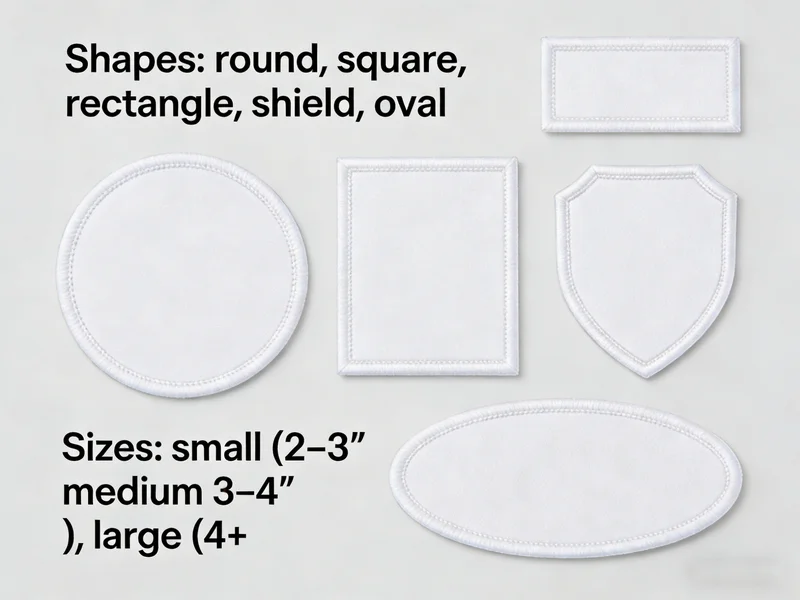
- Shapes: round, square, rectangle, shield, oval
- Sizes: small (2–3”), medium (3–4”), large (4”+)
- Thickness: single-layer or reinforced
For wholesale buyers, standardized sizes are ideal for bulk embroidery operations.
How Do Backing Options Affect Patch Blank Usage?
Short Answer:
Backing options determine how the finished patch will be applied to garments or accessories.
Common Backing Types:
| Backing Type | Application Scenario |
|---|---|
| Sew-on | Workwear, uniforms |
| Heat seal | Fast application apparel |
| Velcro | Interchangeable patches |
| No backing | Post-embroidery finishing |
Many buyers choose no backing on blanks, allowing flexibility after embroidery is complete.
Who Typically Uses Wholesale Patch Blanks?
Short Answer:
Wholesale patch blanks are commonly used by embroidery shops, uniform suppliers, promotional product distributors, and apparel manufacturers.
B2B Use Cases Explained:
Embroidery & Decoration Shops
Patch blanks allow decorators to focus on stitching without handling base production.
Uniform & Workwear Suppliers
They enable rapid logo customization for corporate and industrial clients.
Promotional Product Distributors
Patch blanks support short lead times and variable branding requirements.
OEM & ODM Manufacturers
Patch blanks integrate seamlessly into apparel and accessory production workflows.
Can Embroidery Patch Blanks Reduce Lead Time?
Short Answer:
Yes, embroidery patch blanks significantly shorten production cycles.
Operational Advantage:
By separating patch base production from embroidery, businesses can respond faster to urgent orders, seasonal demand, or last-minute design changes.
This modular workflow is especially valuable in high-mix, low-volume B2B environments.
What Should B2B Buyers Consider When Sourcing Embroidery Patch Blanks?
Short Answer:
Buyers should evaluate material quality, edge finishing, size consistency, and supplier reliability.
Key Evaluation Criteria:
- Fabric stability during embroidery
- Border durability and cleanliness
- Dimensional consistency across batches
- Compatibility with embroidery machines
- Capacity for bulk supply
Reliable suppliers of wholesale patch blanks help ensure smooth downstream production.
Are Embroidery Patch Blanks Suitable for Long-Term Supply Programs?
Short Answer:
Yes, they are ideal for long-term and repeat customization programs.
Strategic Perspective:
Standardized embroidery patch blanks allow businesses to build scalable customization systems, reduce errors, and maintain consistent quality across multiple clients and markets.
They also support private-label and white-label business models.
Final Thoughts: Why Embroidery Patch Blanks Matter in B2B Production
Embroidery patch blanks are a foundational component in modern B2B customization workflows. They offer flexibility, speed, and cost control while maintaining professional quality standards.
By using blank embroidered patches, embroidery patch bases, and wholesale patch blanks, businesses can streamline operations, reduce risk, and deliver customized solutions efficiently across uniforms, promotional apparel, and industrial applications.
About Author
——————————————————————————————————————————————

Alexander
Online Sales Manager
Alexander specialize in digital marketing and understanding customer psychology, providing clients with the right solutions through data insights and creative strategies.
——————————————————————————————————————————————