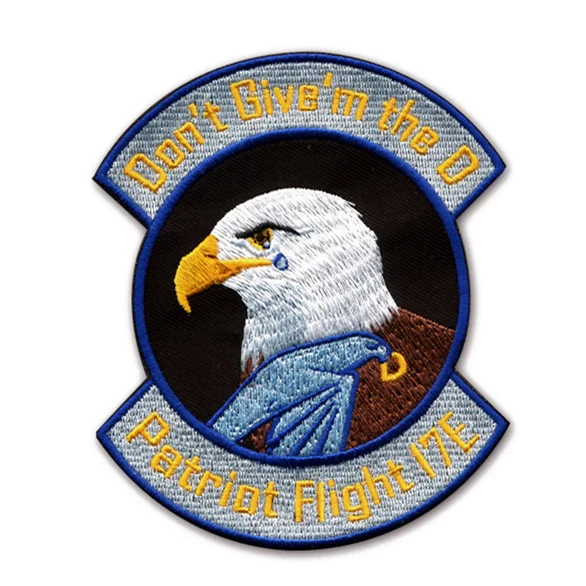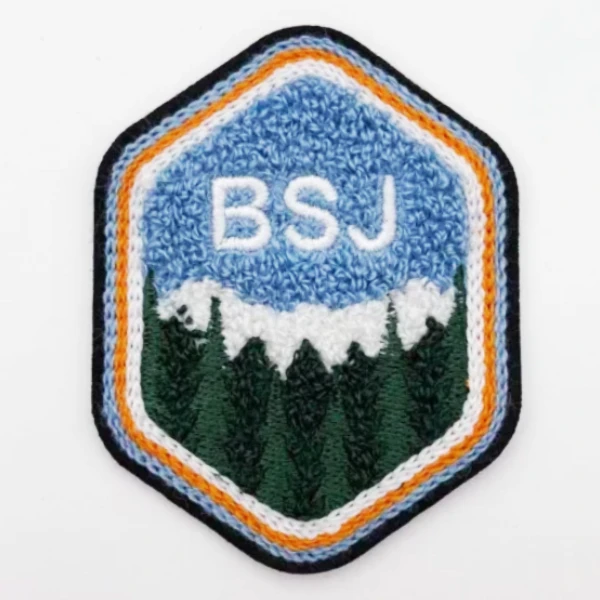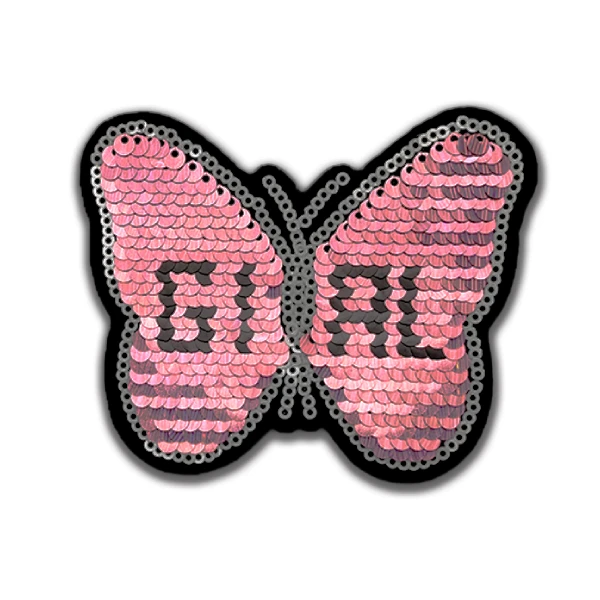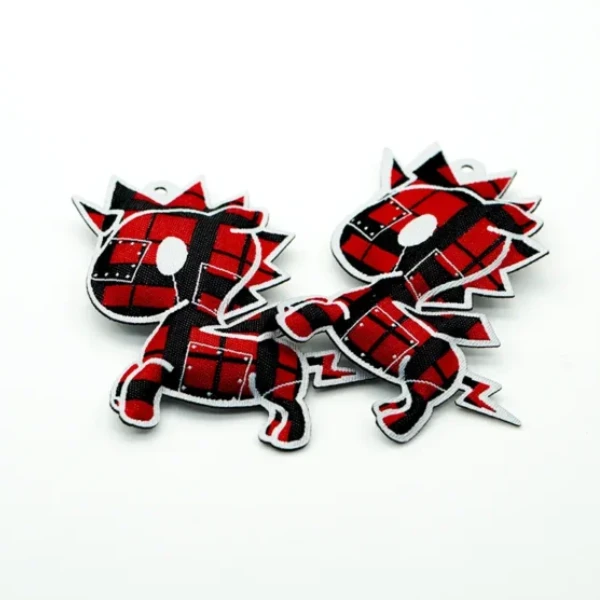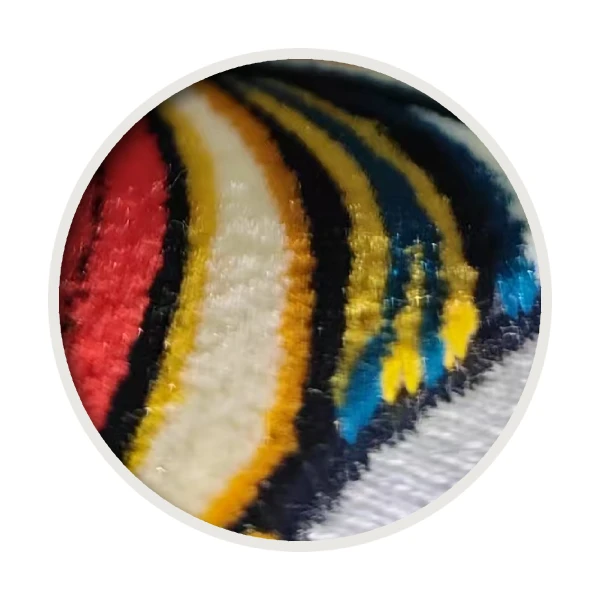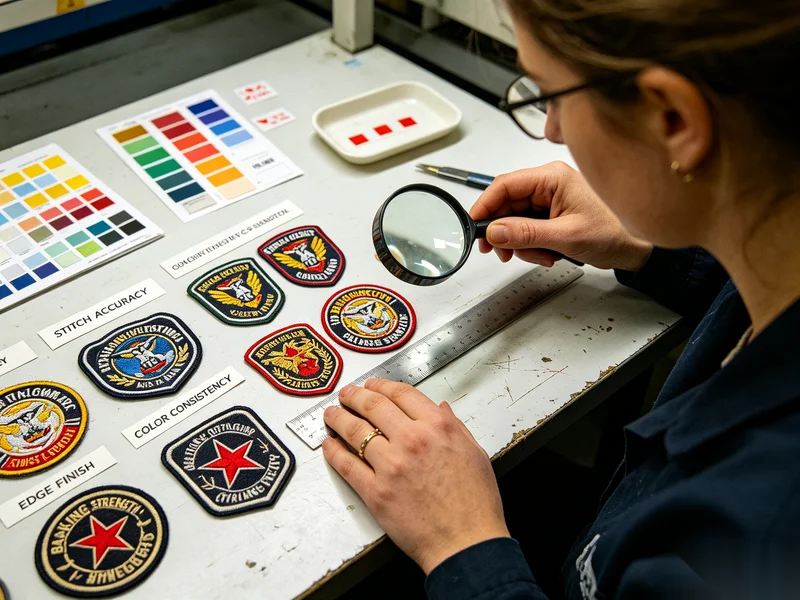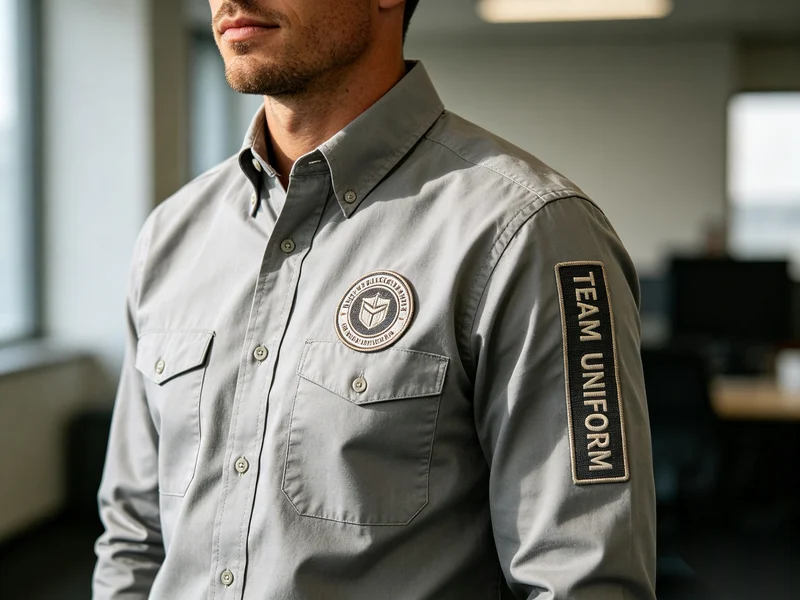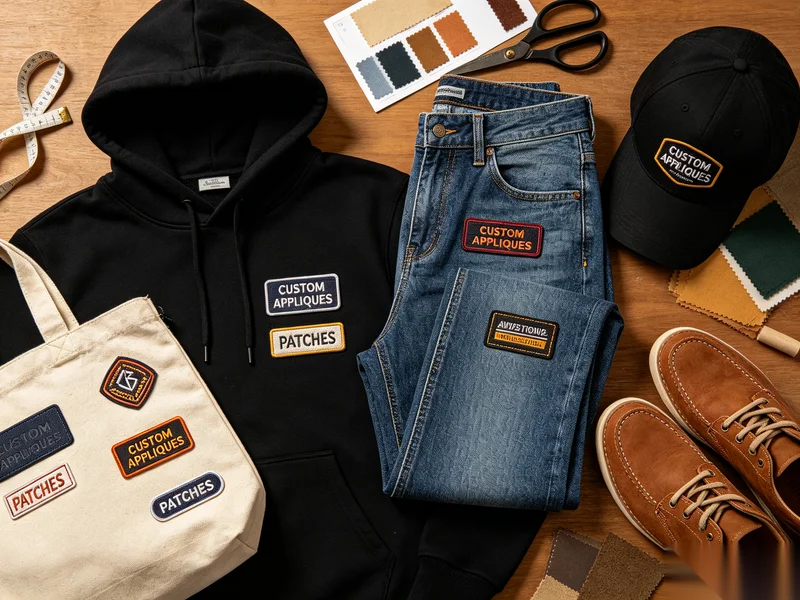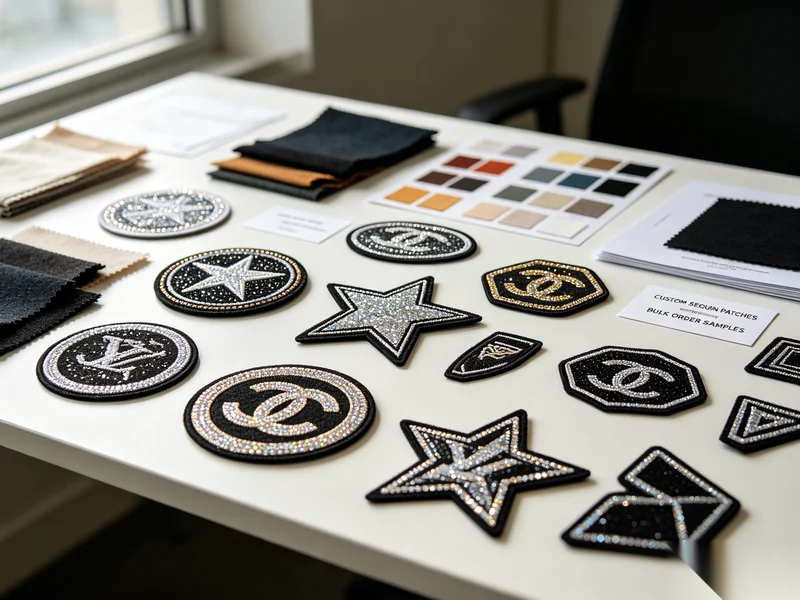
Embroidery heat transfer patches are embroidery patches with heat-activated adhesive backing that can be applied by heat press or household iron. Compared with traditional sew-on patches, heat press embroidery patches speed up bulk apparel production and are ideal for uniforms, corporate clothing and promotional garments.
What are embroidery heat transfer patches?
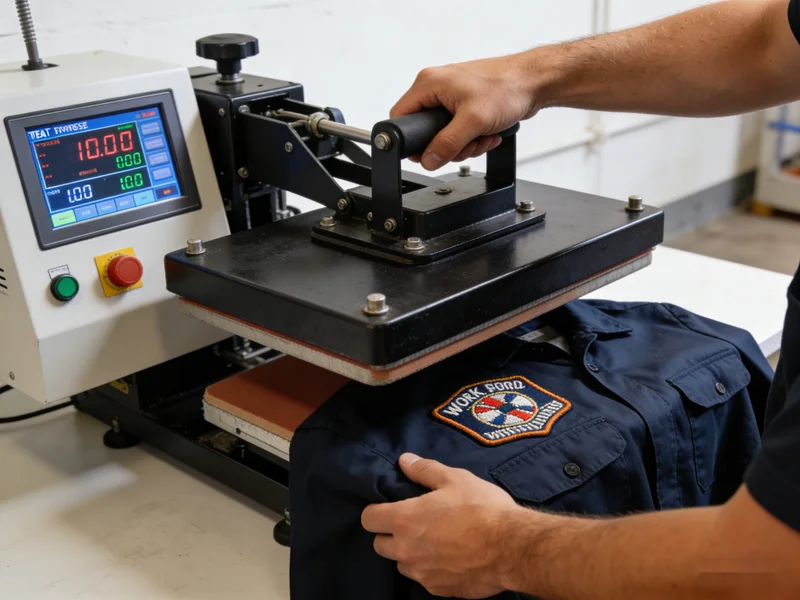
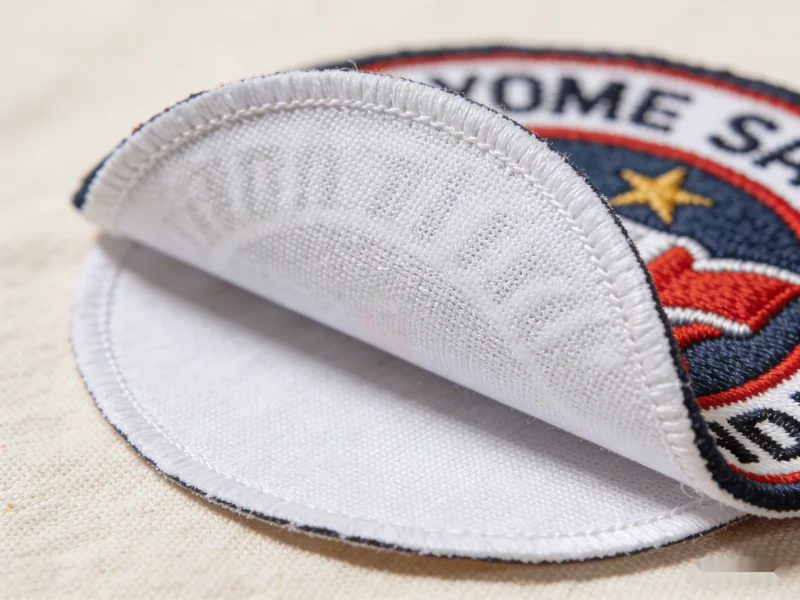
Embroidery heat transfer patches are embroidery appliqués that use a hot-melt adhesive film or thermal backing. When heated at controlled temperature, the glue melts and bonds the patch onto fabric. These patches balance durability, embroidery texture and fast installation, which is valuable for B2B garment manufacturing.
How are heat transfer embroidery patches used?
Typical application steps:
- Position on garment
- Cover with protective paper
- Heat press (150–170°C depending on material)
- Cool down
- Check edge bonding
Most factories apply them by industrial heat press machines for consistent adhesion and efficiency.
Best industries and products using heat press embroidery patches
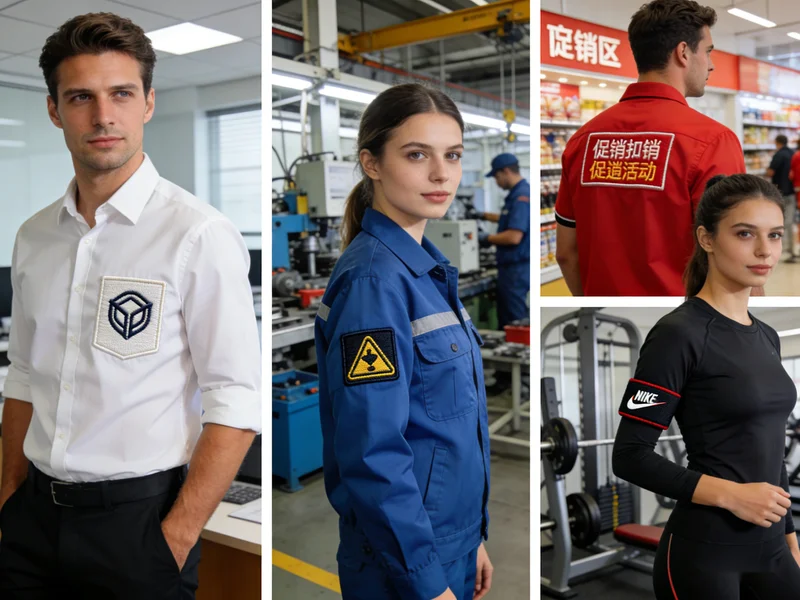
Heat transfer embroidery is widely used in:
- corporate uniforms
- workwear
- promotional clothing
- sports apparel
- event T-shirts
- retail fashion
- accessories (bags, caps)
- kids apparel
Unlike sewing, heat pressing suits mass production with short delivery time.
Which fabrics are suitable?
For best performance:
✔ cotton
✔ polyester
✔ blends
✔ softshell
✔ denim
✔ hoodies and fleece
Not recommended for:
- nylon with water-repellent coating
- highly elastic activewear (unless special membrane)
Advantages of embroidery heat transfer patches
- Faster production than sewing
- Strong bonding
- More uniform finish
- Cleaner back side (no thread inside garment)
- Easy for mass customization
- Professional retail appearance
For factory environments, heat transfer significantly reduces labor cost and time.
Are iron-on embroidery patches the same as heat transfer patches?
Short answer: Similar idea, but different in quality and purpose.
- Embroidery heat transfer patches use industrial heat press adhesive
- Iron-on embroidery patches are lighter for home use
Both concepts overlap, but B2B manufacturers prefer professional heat-active film with stronger melting adhesive.
Common backing options for heat transfer embroidery
- Heat press adhesive film
- TPU hot melt
- PES thermoplastic
- Industrial iron-on backing
- Hybrid adhesive + sew reinforcement
For heavy fabrics like denim jackets, many brands add stitching after heat press for maximum durability.
Recommended temperatures
(Typical ranges, confirm with supplier)
| Fabric | Temperature | Time |
|---|---|---|
| Cotton | 150–170°C | 12–18 sec |
| Polyester | 145–165°C | 12–15 sec |
| Fleece | 150–160°C | 15–20 sec |
| Softshell | 145–155°C | 12–20 sec |
This improves bonding without damaging fabric surface.
Design suggestions for brands & OEM buyers
- Select border stitching for cleaner edges
- Choose thicker embroidery thread for premium effect
- Use metallic thread for corporate logos
- Consider merrow edge for sportswear
- Use felt base for vintage designs
- Prefer double-layer embroidery for high visibility
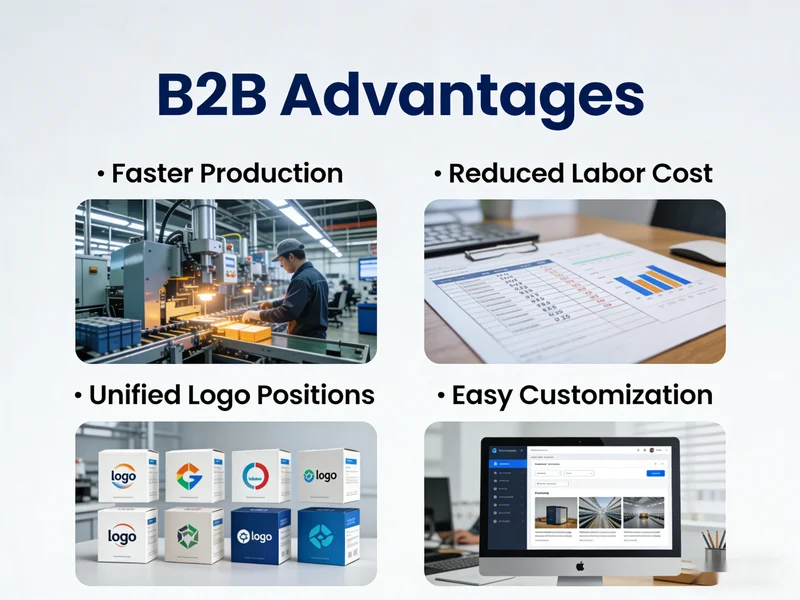
B2B application advantages
Heat transfer patches allow:
- faster production timelines
- unified logo positions
- reduced sewing labor
- easy customization for small MOQ
- consistent branding across multiple garment types
Sports teams, clubs and uniform suppliers benefit greatly from repeatability.
When should you choose heat transfer embroidery instead of sewing?
Choose heat transfer when:
- volume is large
- fast delivery needed
- garment cannot open for sewing
- inner seam appearance matters
- brand requires clean internal finish
Choose sewing when:
- patch is large
- fabric is textured
- garment requires high abrasion resistance
(You can also combine both.)
Conclusion
Embroidery heat transfer patches combine traditional embroidered visuals with modern production efficiency. They deliver professional logo branding, durable finishing and scalable manufacturing for apparel brands, uniforms, and OEM clothing suppliers that need fast, repeatable, high-quality decoration.
If you want, I can also provide:
- heat press temperature sheet (PDF)
- recommended backing types
- embroidery thread cards
- MOQ and pricing guidance
- OEM file requirements (AI/CDR)
- product page copywriting
- Featured Snippet optimized FAQs
Just tell me the industry (workwear, uniforms, sportswear, promotional clothing, or OEM apparel) and I will expand into a deeper B2B guide.
About Author
——————————————————————————————————————————————

Alexander
Online Sales Manager
Alexander specialize in digital marketing and understanding customer psychology, providing clients with the right solutions through data insights and creative strategies.
——————————————————————————————————————————————