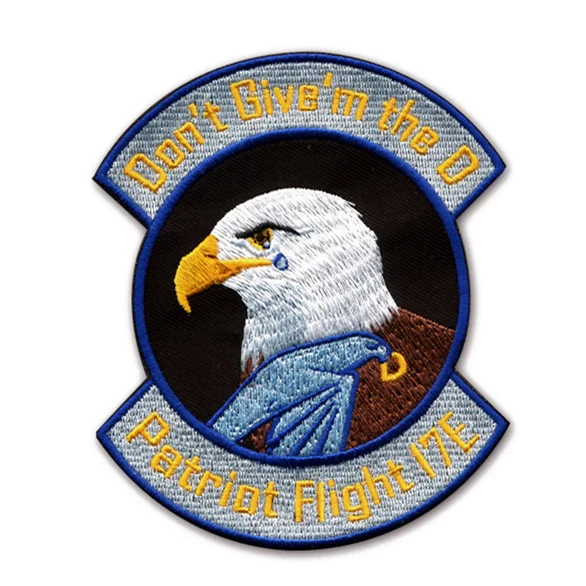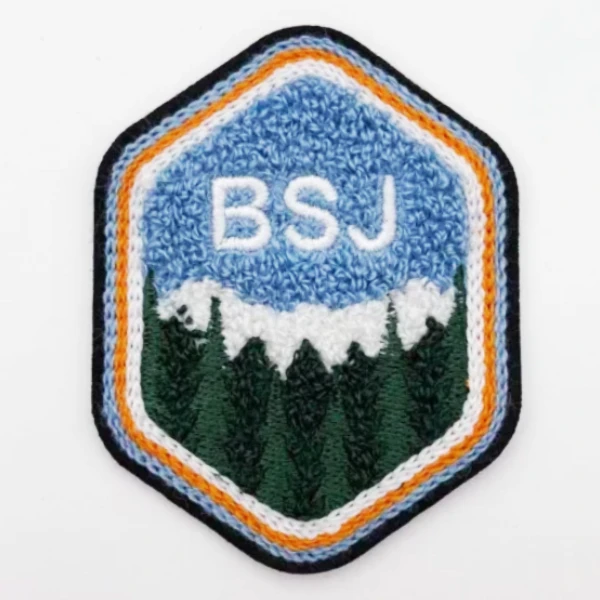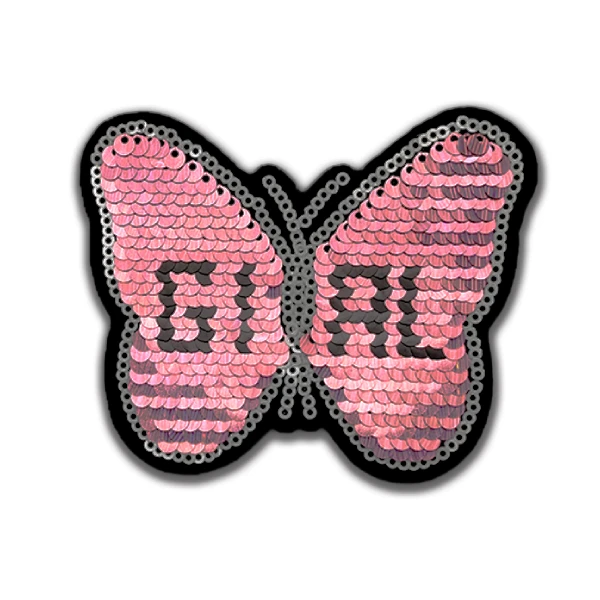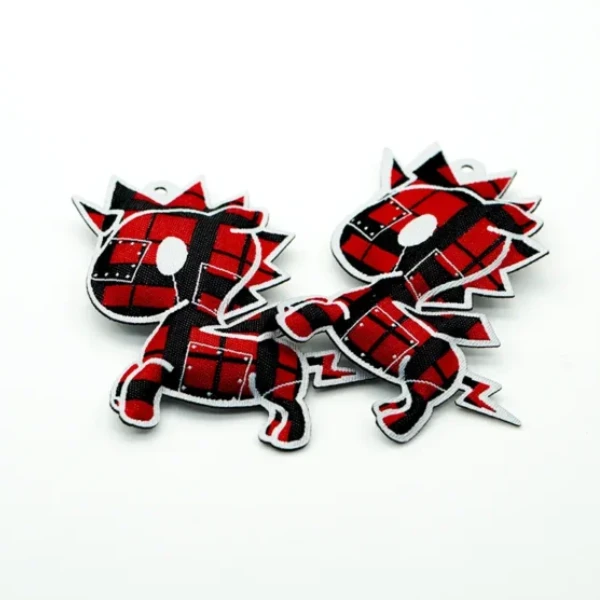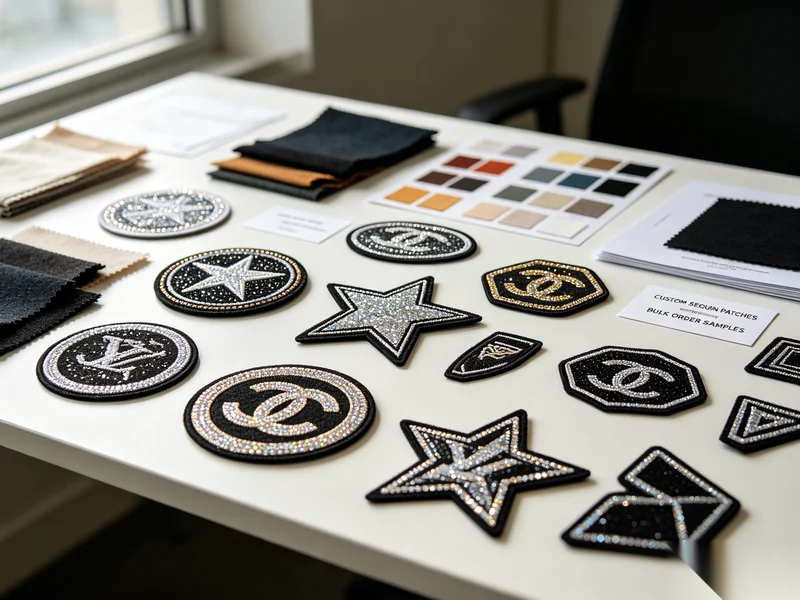
Embroidered patches iron refers to embroidered patches with heat-activated backing that can be applied using an iron or heat press. They provide a fast, efficient way to attach patches to garments, making them ideal for businesses needing scalable branding and consistent application without sewing.
What Are Embroidered Patches Iron?
Embroidered patches iron typically refers to embroidered patches designed with a heat-activated adhesive backing. These patches can be applied directly to garments using heat instead of stitching.
Also known as iron on embroidered patches, they combine the premium look of embroidery with the convenience of heat application. This makes them a popular choice for both retail and bulk production.
For B2B buyers, they offer a practical solution for branding, decoration, and product customization.
How Do Iron On Embroidered Patches Work?
The application process for heat press embroidered patches is simple and efficient.
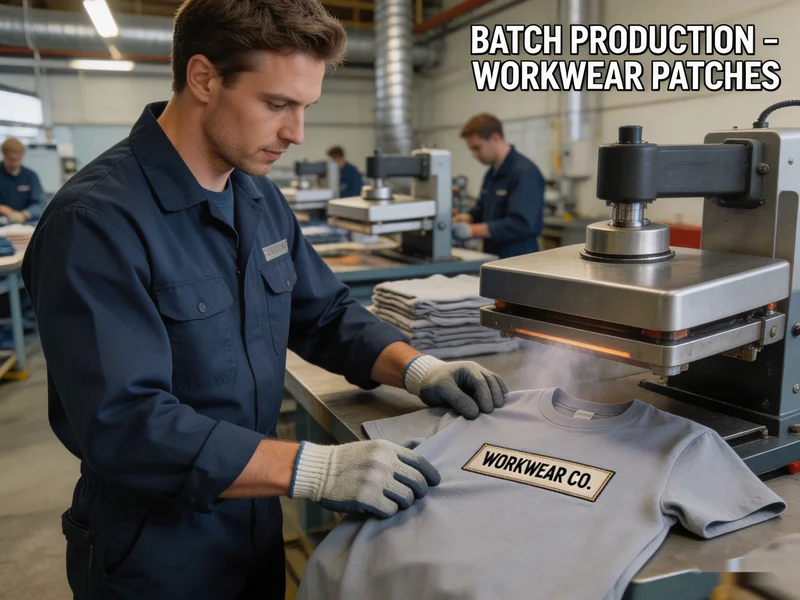
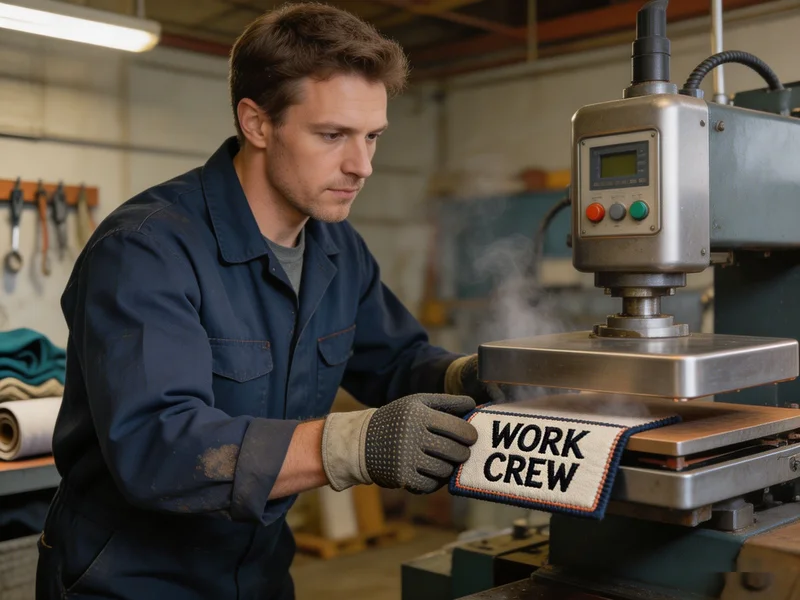
First, the patch is placed on the garment in the desired position. Heat is then applied using an iron or professional heat press machine.
The adhesive backing melts and bonds to the fabric. After cooling, the patch becomes securely attached.
This process allows for fast and consistent application, making custom iron on patches ideal for high-volume production environments.
Why Choose Iron On Patches for Business Use?
Businesses prefer iron on embroidered patches because of their efficiency and scalability.
They significantly reduce application time compared to sewing, which lowers labor costs.
They also provide consistent placement and appearance across large batches of garments.
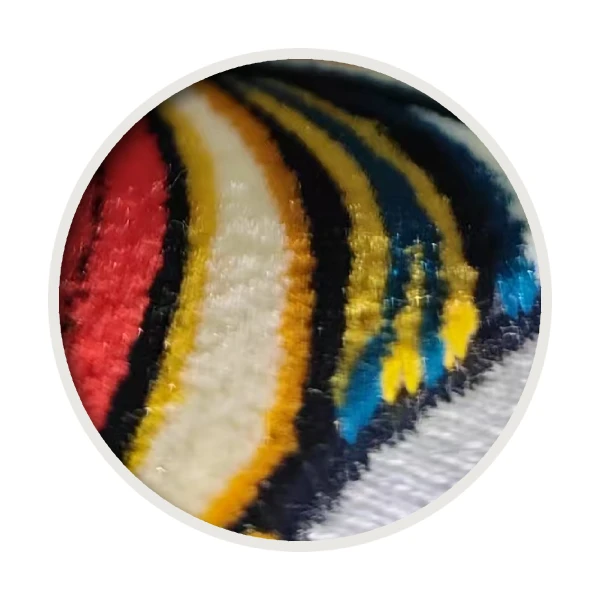
In addition, they maintain a professional look, thanks to the textured embroidery surface.
For many companies, this combination of speed and quality makes them a preferred solution.
When Should You Use Heat Press Embroidered Patches?
Heat press embroidered patches are best used in situations where speed and consistency are critical.
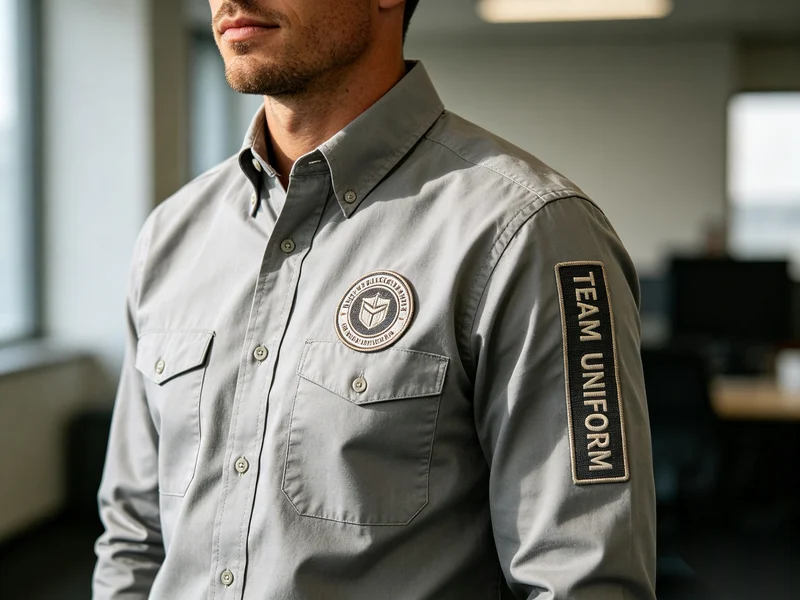
They are commonly used in uniform production, where large quantities of garments need branding.
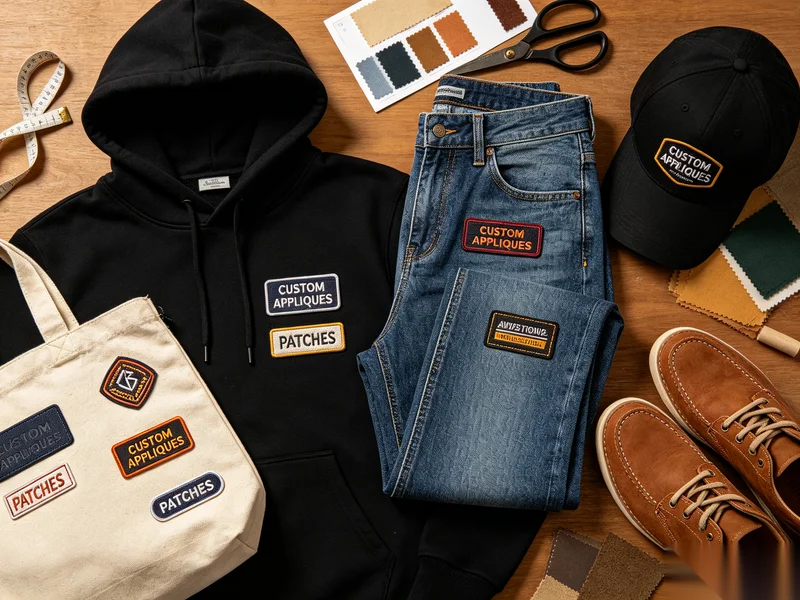
Retail brands use them for fashion items requiring clean and precise patch placement.
They are also ideal for promotional products and limited-edition collections.
For temporary or seasonal products, they provide flexibility and efficiency.
Iron On vs Sew On Embroidered Patches
When comparing custom iron on patches with sew-on options, each has its advantages.
Iron-on patches offer faster application and lower labor costs, making them ideal for bulk production.
Sew-on patches provide maximum durability, especially for heavy-use garments.
For many applications, businesses use iron-on patches for convenience and add stitching for reinforcement when needed.
What Fabrics Work Best?
The effectiveness of embroidered patches iron depends on fabric compatibility.
Cotton and polyester fabrics are ideal, as they can withstand the heat required for application.
Blended fabrics also perform well in most cases.
Heat-sensitive materials such as nylon may require special adhesives or alternative methods.
Choosing the right fabric ensures strong adhesion and long-lasting performance.
How to Ensure Strong Adhesion?
To achieve the best results with heat press embroidered patches, proper application is essential.
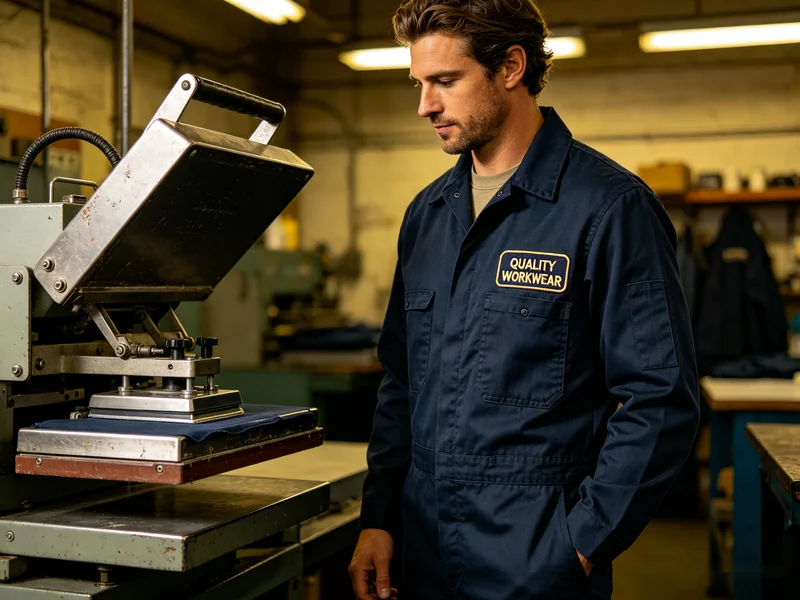
Using the correct temperature and pressure ensures the adhesive bonds effectively.
Applying even pressure across the patch prevents weak spots.
Allowing the patch to cool completely helps secure the bond.
For garments exposed to heavy wear, adding stitching reinforcement improves durability.
What Should B2B Buyers Consider Before Ordering?
Before ordering custom iron on patches, businesses should evaluate several factors.
Adhesive quality is critical for durability and performance.
Patch size and thickness affect both cost and application.
Design complexity should match embroidery capabilities for best results.
Order quantity impacts pricing, with bulk orders offering better cost efficiency.
Lead time and supplier reliability are also important for meeting production schedules.

How to Ensure High-Quality Production?
To achieve consistent results, businesses should focus on both design and manufacturing.
Providing clear artwork ensures accurate embroidery. Requesting samples before mass production helps verify quality.
Working with experienced manufacturers ensures consistent results for iron on embroidered patches.
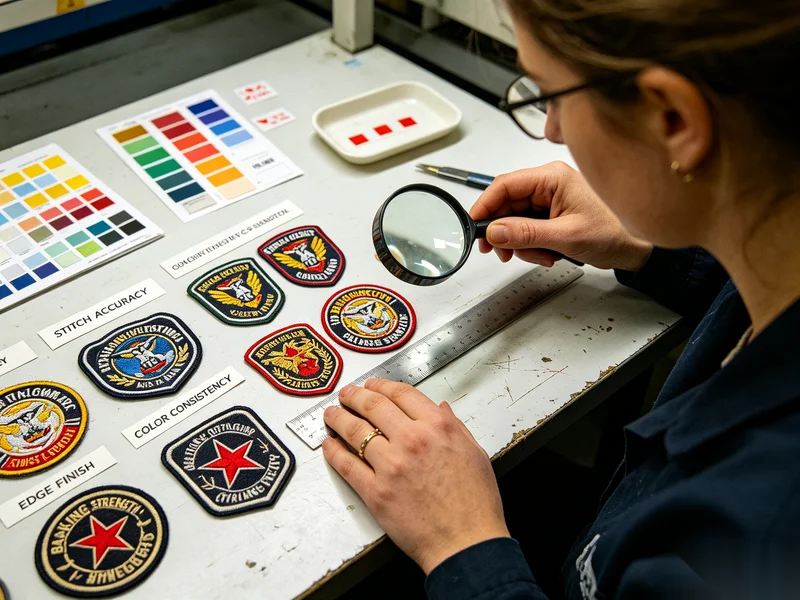
Quality control should include checks for stitching, adhesive performance, and overall finish.
FAQ
What are embroidered patches iron used for?
They are used for branding and decoration on garments using heat application.
Are iron on embroidered patches durable?
Yes, they are durable for most applications, especially when applied correctly.
Can I use a regular iron to apply patches?
Yes, but a heat press machine provides more consistent results.
What fabrics work best for iron on patches?
Cotton and polyester fabrics are the most suitable.
Can patches be reinforced after ironing?
Yes, stitching can be added for extra durability.
How long does production take?
Typically 1–3 weeks depending on order size and customization.
Embroidered patches iron provide businesses with a fast, efficient, and scalable solution for garment branding. By combining the premium look of embroidery with the convenience of heat application, they help companies streamline production while maintaining high-quality results across a wide range of applications.
About Author
——————————————————————————————————————————————

Alexander
Online Sales Manager
Alexander specialize in digital marketing and understanding customer psychology, providing clients with the right solutions through data insights and creative strategies.
——————————————————————————————————————————————