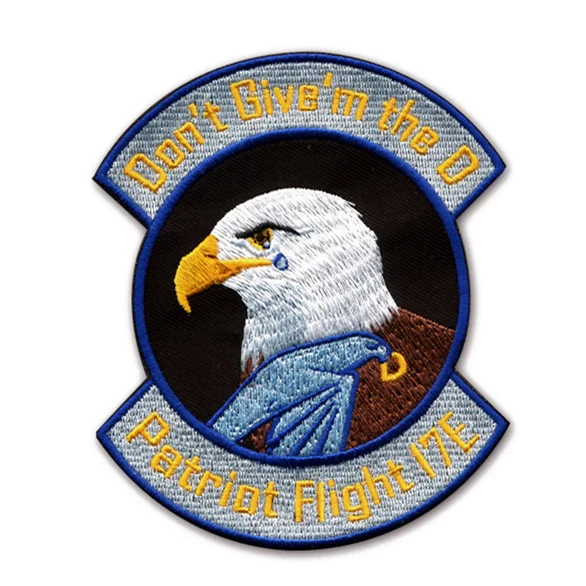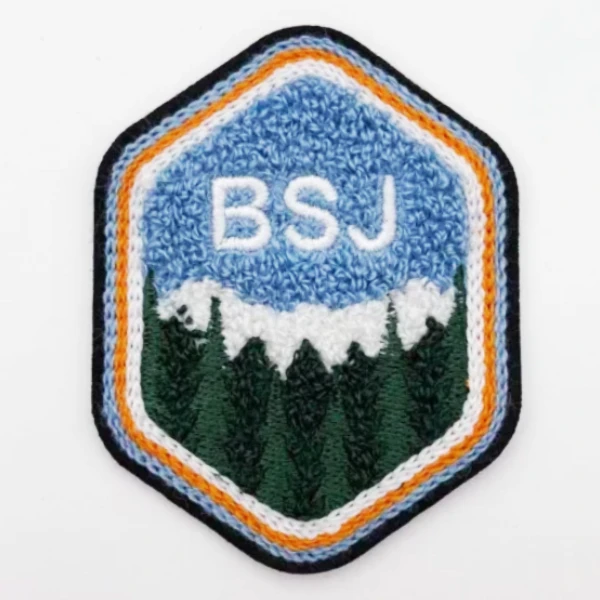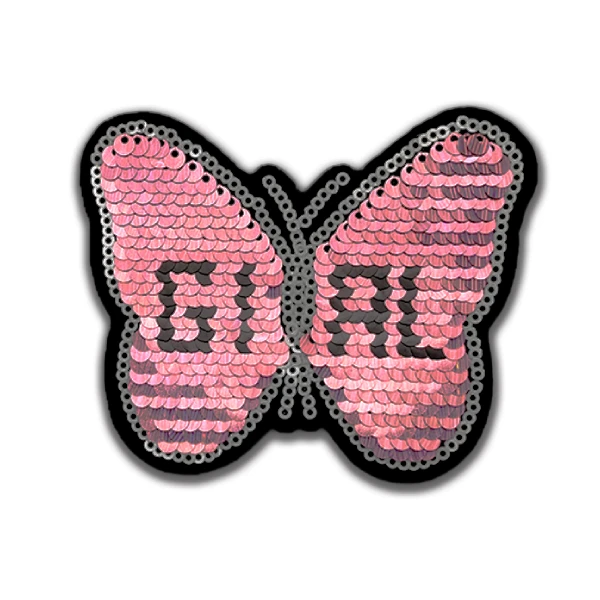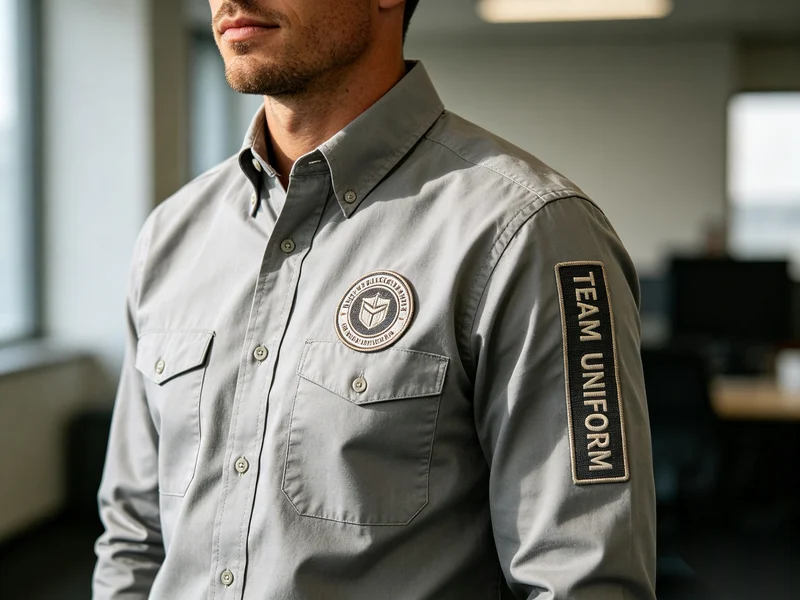
Embroidered name patches are fabric labels with stitched text—usually displaying a person’s name, title, or organization. They are widely used on workwear, uniforms, and professional apparel to identify staff members while keeping a clean, cohesive look.
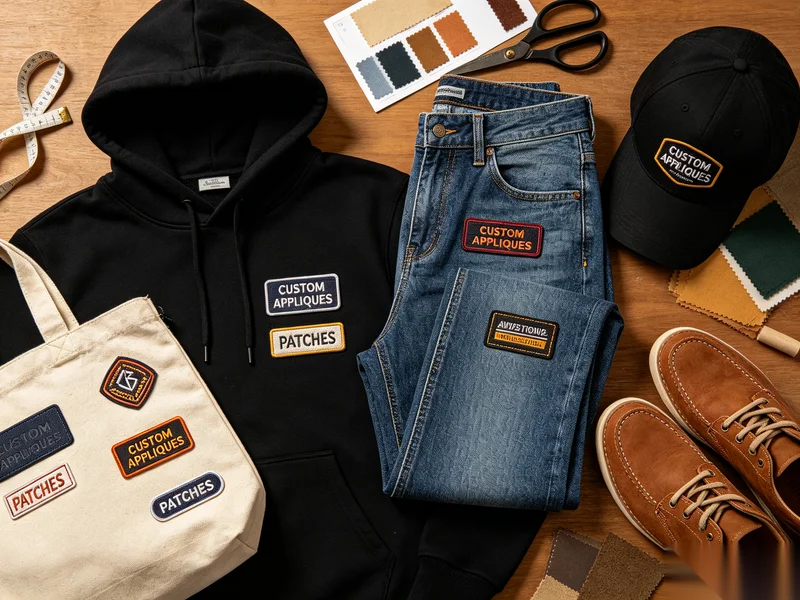
These custom name patches can be sewn, ironed, or Velcro-attached to shirts, jackets, or hats, offering an easy and professional way to personalize clothing across industries like logistics, hospitality, construction, and retail.
What Are Embroidered Name Patches?
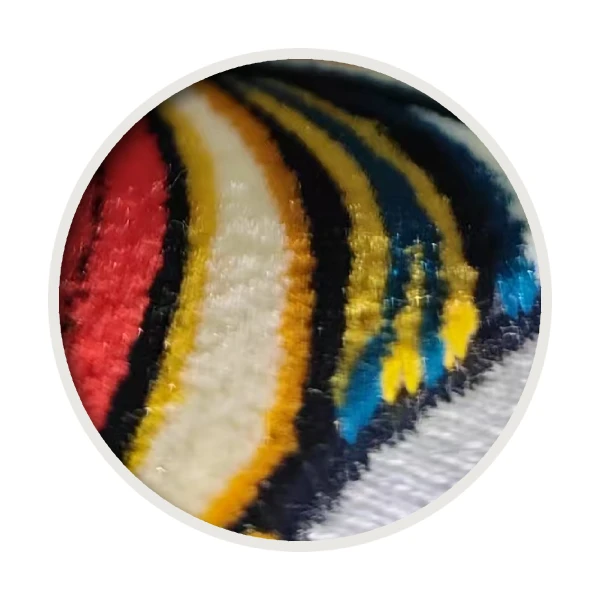
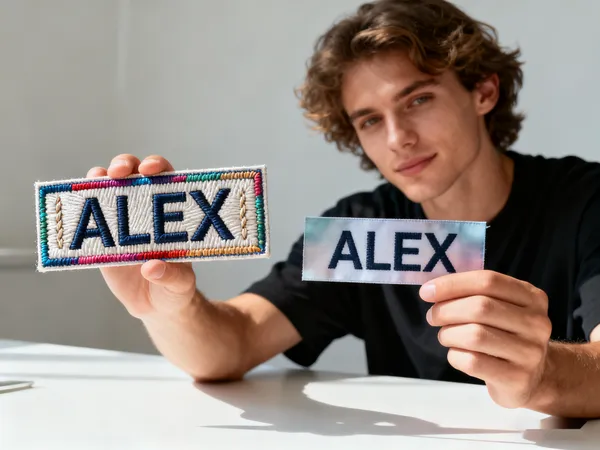
An embroidered name patch is a small fabric piece—typically rectangular or oval—embroidered with text and sometimes a company logo. They’re made from durable materials like twill, polyester, or canvas and finished with a heat-cut or merrowed edge.
You’ll often see them used by:
- Mechanics and service technicians
- Warehouse or factory workers
- Restaurant or hotel staff
- Delivery and logistics employees
- Event or trade show personnel
These patches help businesses maintain a professional appearance and promote friendly customer interaction through visible name identification.

Why Choose Embroidered Name Patches Instead of Printed Labels?
Short Answer:
Because embroidered name patches look more professional, last longer, and resist wear and washing better than printed alternatives.
Detailed Explanation:
- Professional Appearance
Embroidery adds a textured, high-quality finish that stands out on uniforms. - Long-Lasting Durability
Thread embroidery doesn’t fade or peel over time, even after frequent washing. - Reusable and Replaceable
Patches can be easily swapped or updated without replacing the entire garment. - Versatile Attachment Options
Choose from sew-on, iron-on, or Velcro to match your uniform needs. - Customizable Designs
Add logos, job titles, or color borders for a personalized look.
Common Types of Embroidered Name Patches
| Patch Type | Features | Typical Use |
|---|---|---|
| Sew-On Name Patch | Permanently attached with stitching | Long-term uniforms |
| Iron-On Name Patch | Heat-activated adhesive backing | Fast, tool-free application |
| Velcro Name Patch | Removable and replaceable | Tactical or temporary workwear |
| Rounded/Oval Patch | Softer aesthetic | Hospitality or retail staff uniforms |
| Rectangular Patch | Clean and traditional format | Industrial or service uniforms |
Each type suits a different application, depending on the environment and uniform style.
How Are Embroidered Name Patches Made?
- Design Setup – The text and layout are digitized for embroidery machines.
- Material Selection – Base fabric (often twill or polyester) is chosen for strength.
- Embroidery Process – High-speed machines stitch the text with durable colored thread.
- Cutting and Edging – The patch is laser-cut or merrow-edged to prevent fraying.
- Backing Application – Sew-on, iron-on, or Velcro backing is added as needed.
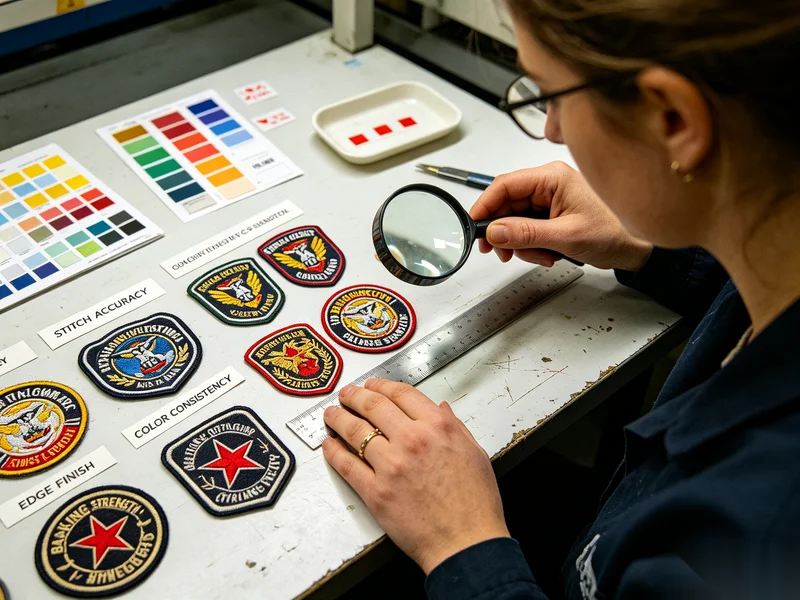
- Final Inspection – Each patch is checked for clarity, alignment, and consistency.
This process ensures clear lettering and professional-quality finish suitable for everyday uniform use.
How to Attach Embroidered Name Patches
1. Sew-On Method
- Position the patch evenly on the garment.
- Use a sewing machine or needle and thread to secure all edges.
- Ideal for workwear or garments that will be frequently laundered.
2. Iron-On Method
- Place the patch adhesive-side down on clean fabric.
- Cover with a thin cotton cloth.
- Press a hot iron for 15–20 seconds.
- Let it cool completely before wearing.
3. Velcro Method
- Attach the Velcro base strip to the garment.
- Press the patch onto the base for easy removal or replacement.
Tip: For high-movement or industrial environments, sewing provides the most secure hold.
Benefits of Using Embroidered Name Patches
| Benefit | Description |
|---|---|
| Professional Look | Adds a polished touch to uniforms and apparel. |
| Employee Identification | Enhances customer interaction and workplace organization. |
| Durable Construction | Resistant to fading, peeling, and washing damage. |
| Flexible Customization | Adaptable for any size, font, color, or shape. |
| Cost-Effective | Easy to produce in bulk for teams or large organizations. |
They’re practical, low-maintenance, and suitable for nearly any uniform-based business.
Design Tips for Custom Name Patches
- Keep Text Simple and Legible – Use clean fonts for clarity.
- Choose Contrasting Colors – Dark thread on light fabric (or vice versa) enhances visibility.
- Add Borders or Logos – A small logo can strengthen brand identity.
- Pick the Right Size – 3″×1″ or 4″×2″ are common dimensions for most uniforms.
- Match Material to Garment – Use flexible fabric for soft apparel, durable twill for heavy workwear.
These small design choices help maintain uniform consistency and brand professionalism.
Applications of Embroidered Name Patches in Different Industries
| Industry | Usage Example |
|---|---|
| Automotive & Maintenance | Technician name badges for coveralls |
| Hospitality | Personalized staff name tags for uniforms |
| Logistics & Delivery | Identification patches on jackets and vests |
| Retail | Branded name patches for store associates |
| Security & Emergency Services | Tactical Velcro name tags on uniforms |
From service uniforms to hospitality staff wear, embroidered name patches play a crucial role in identification and brand cohesion.
Conclusion: Practical, Durable, and Professional
Embroidered name patches are a simple yet essential part of professional presentation. They combine personalization, functionality, and brand consistency in one durable piece of embroidery.
Whether you’re outfitting a small team or supplying large-scale uniform programs, custom name patches and personalized name badges remain one of the most effective tools for identification and professional image—built to last and easy to apply on any type of apparel.
About Author
——————————————————————————————————————————————

Alexander
Online Sales Manager
Alexander specialize in digital marketing and understanding customer psychology, providing clients with the right solutions through data insights and creative strategies.
——————————————————————————————————————————————