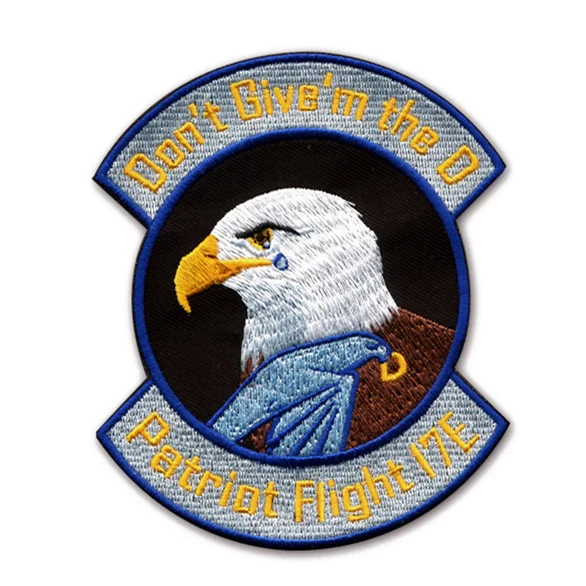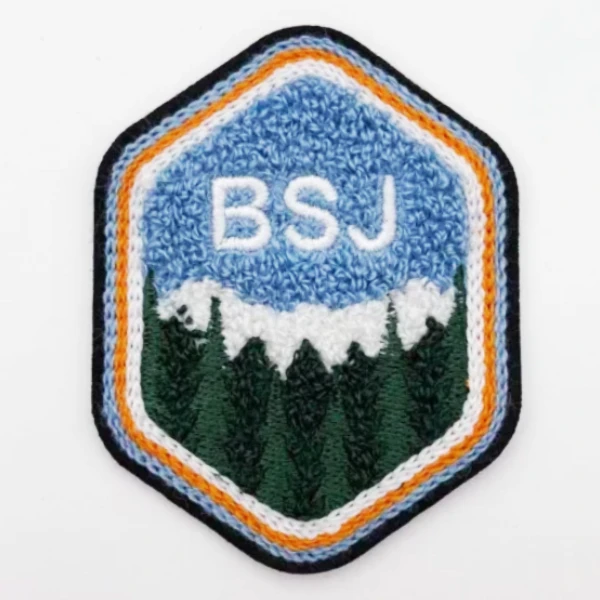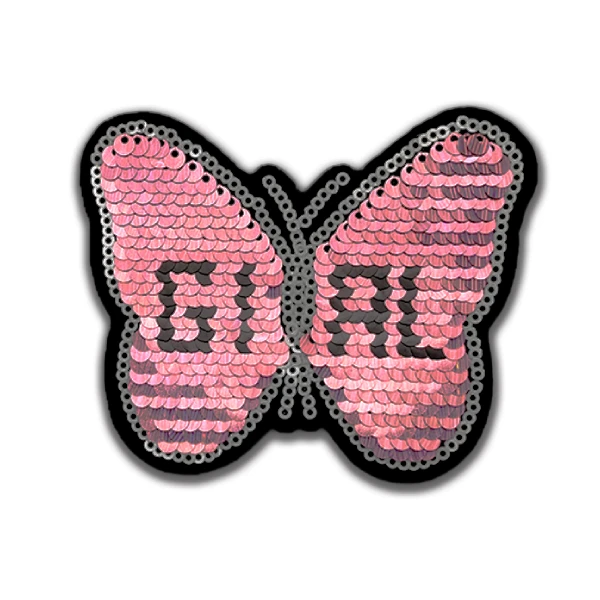
Coat of arms embroidered patches are detailed embroidered emblems based on heraldic symbols representing families, institutions, regions, or organizations. They are widely used on uniforms, ceremonial garments, clubs, and heritage apparel to convey tradition, authority, and identity in a durable, professional format.
What Are Coat of Arms Embroidered Patches?
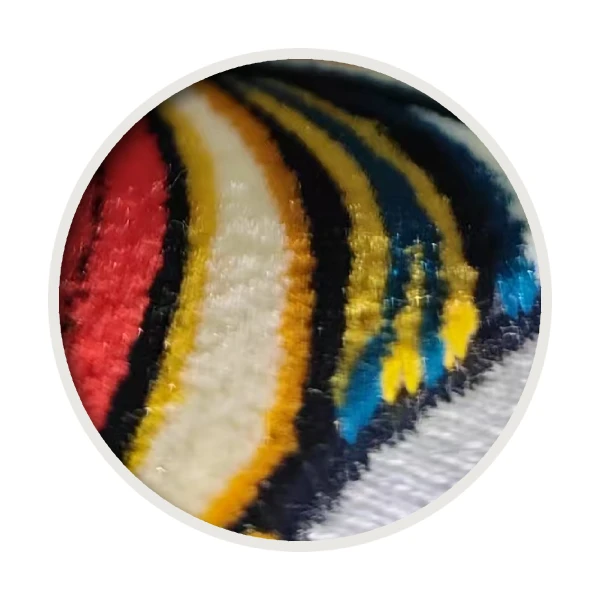
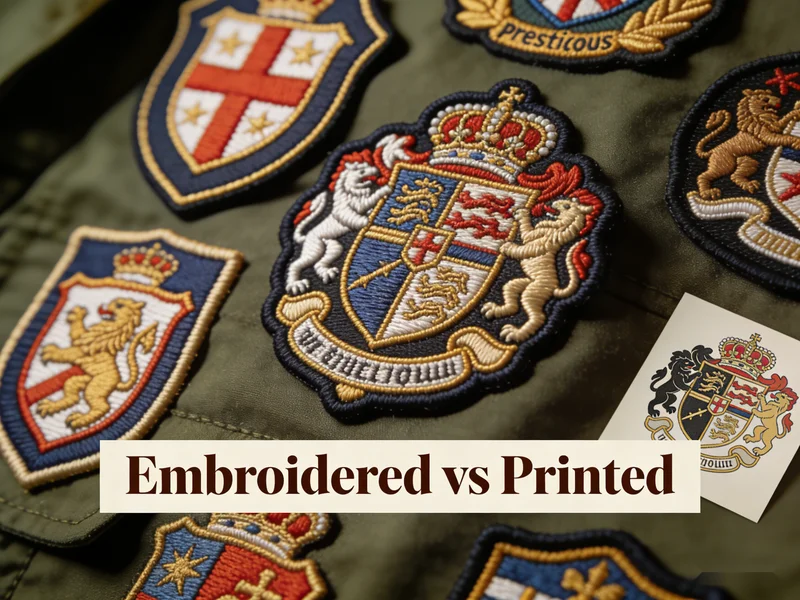
Coat of arms embroidered patches are fabric patches created through embroidery techniques that reproduce heraldic designs such as shields, crests, crowns, animals, mottos, and symbols. These designs often follow traditional heraldry rules and are stitched using high-density embroidery to ensure detail, durability, and visual depth.
Compared to printed emblems, embroidered coat of arms patches offer a more prestigious and long-lasting appearance, making them suitable for formal and institutional use.
Why Are Coat of Arms Embroidered Patches Important for Organizations?
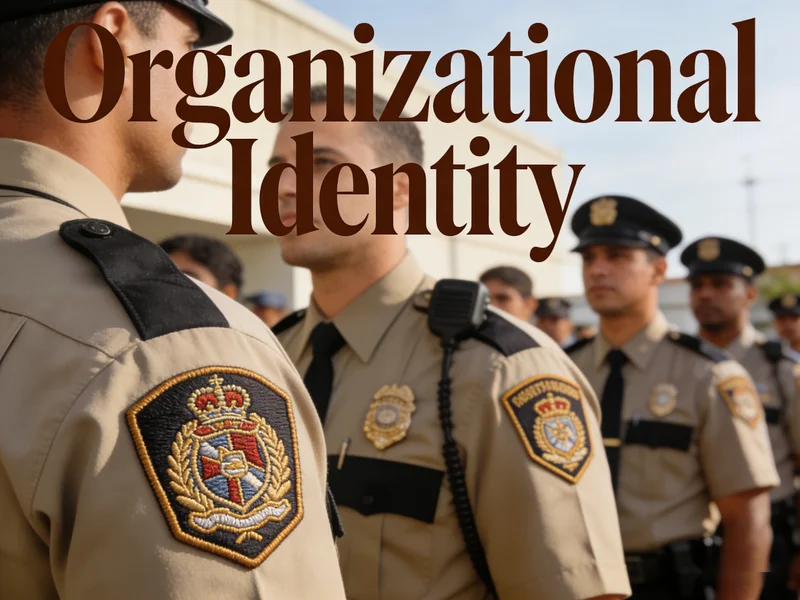
Heraldic symbols carry historical and symbolic meaning. Using embroidered patches enhances their authority and visual impact.
Key reasons B2B buyers choose coat of arms embroidered patches:
- Strong sense of heritage and tradition
- Professional and authoritative appearance
- Long-term durability for uniforms and outerwear
- Clear visual hierarchy and symbolism
- Customizable for modern branding needs
For institutions, these patches reinforce identity and continuity.
Common Elements in Coat of Arms Patch Designs
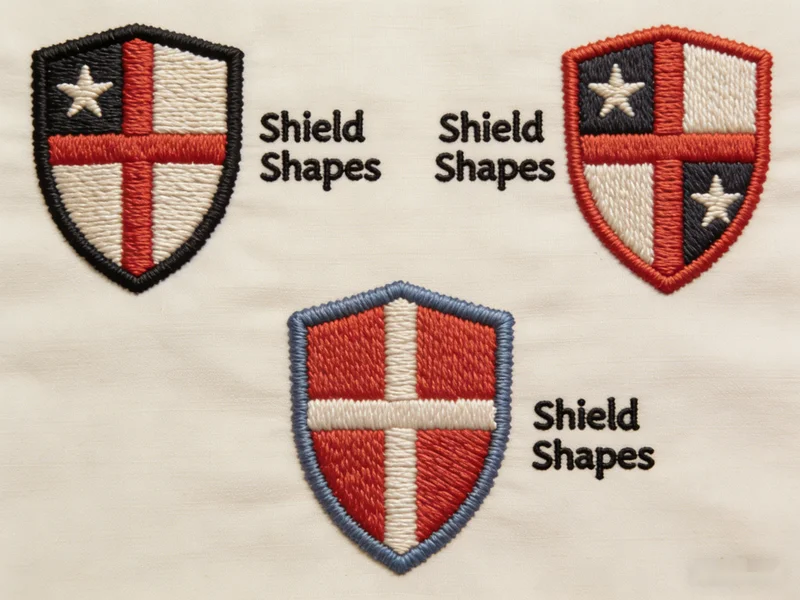
1. Shield Shapes
The shield is the foundation of most coat of arms designs.
Common shapes include:
- classic medieval shields
- French shields
- Iberian shields
2. Heraldic Animals
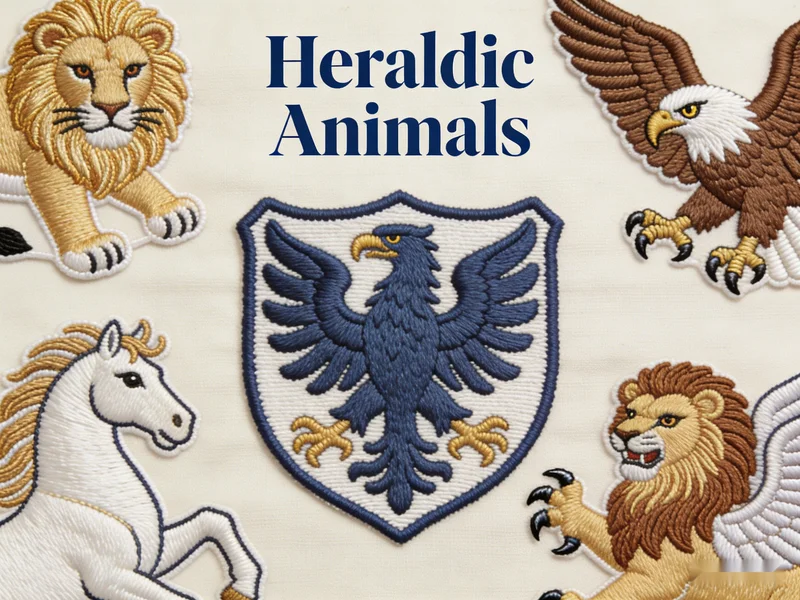
Animals symbolize values such as courage or loyalty:
- lions
- eagles
- horses
- griffins
These are often rendered in bold embroidery with contrasting outlines.
3. Crowns & Helmets
Used to indicate rank, authority, or historical status.
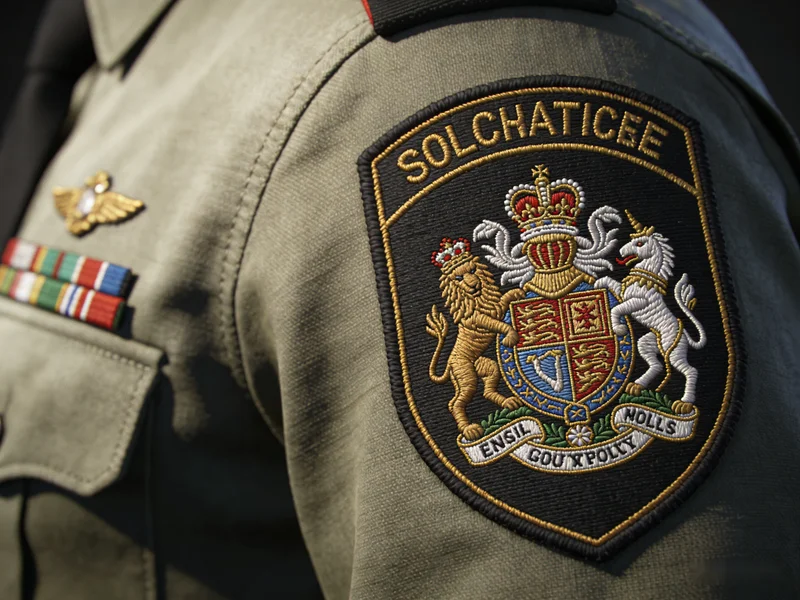
4. Banners & Motto Text
Latin or native-language mottos are stitched using bold, readable fonts.
5. Divided Fields & Symbols
Quadrants, stripes, crosses, stars, and tools represent lineage or institutional values.
Where Are Coat of Arms Embroidered Patches Used?
Government & Municipal Uniforms
- city coats of arms
- regional emblems
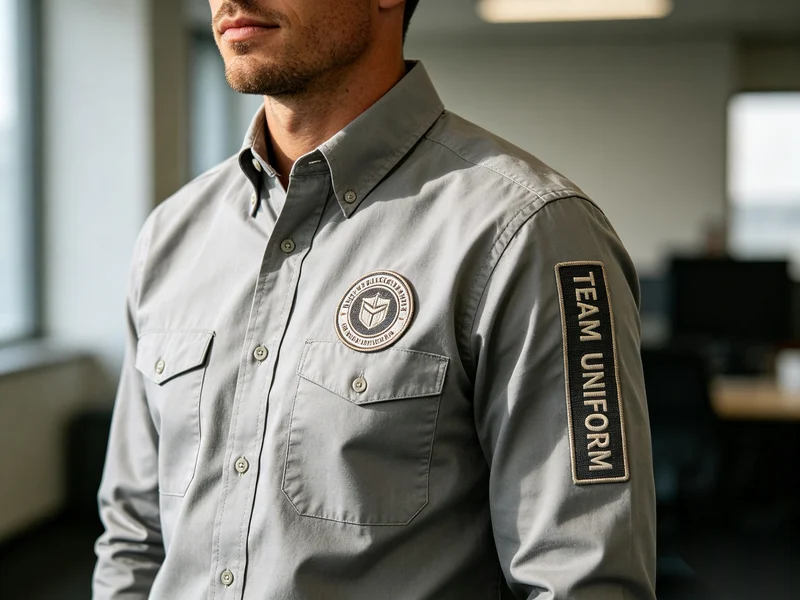
- official outerwear
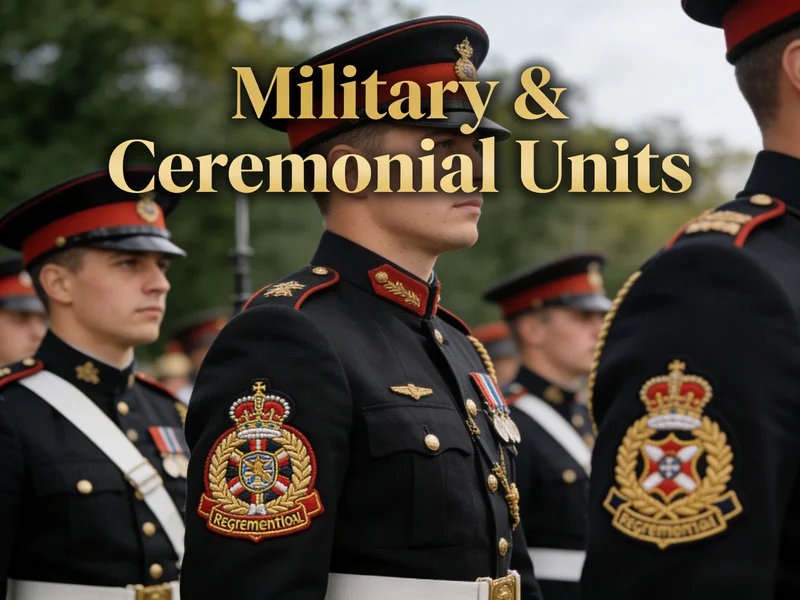
Military & Ceremonial Units
- dress uniforms
- regimental insignia
- historical reenactment apparel
Educational Institutions
- school crests
- university blazers
- academic gowns
Clubs & Associations
- heritage societies
- fraternal organizations
- sports clubs with historical identity
Fashion & Heritage Apparel
- luxury jackets
- vintage-inspired garments
- statement outerwear
How Coat of Arms Embroidered Patches Are Made
Step 1: Artwork & Heraldic Review
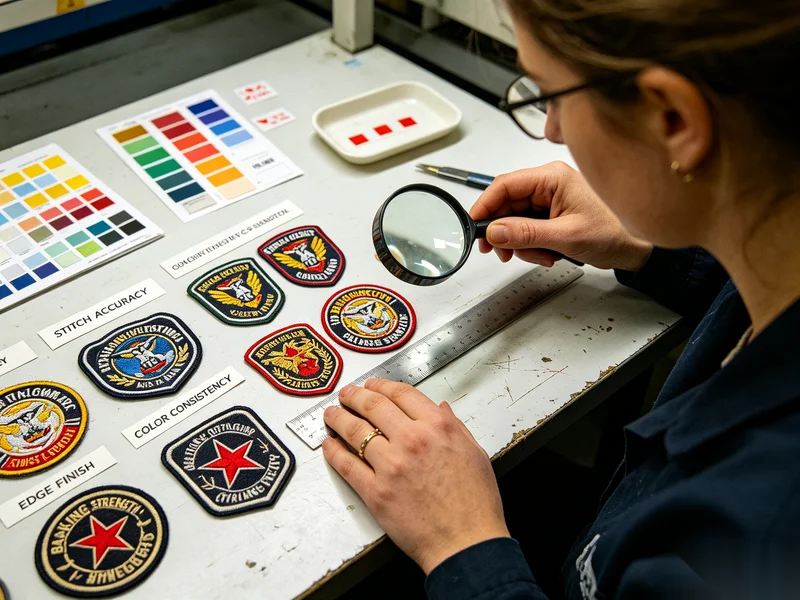
Designs are reviewed for accuracy, proportion, and symbolism.
Step 2: Digitizing for Embroidery
Artwork is converted into stitch files, optimizing:
- stitch density
- thread direction
- color layering
Step 3: Embroidery Production
High-density embroidery machines stitch the design onto twill or felt bases.
Step 4: Edge Finishing
Options include:
- merrow borders
- laser-cut edges
- stitched satin borders
Step 5: Backing Selection
Chosen based on garment type and usage.
Recommended Backing Options for Coat of Arms Patches
| Backing Type | Best Use |
|---|---|
| Sew-on | Uniforms, blazers, coats |
| Heat-seal | Modern apparel production |
| Velcro | Tactical or interchangeable uniforms |
| No backing | Direct embroidery application |
Sew-on backing is preferred for formal or ceremonial garments.
Design Tips for High-Quality Coat of Arms Embroidered Patches
1. Prioritize Readability
Fine details should be balanced to avoid stitch overcrowding.
2. Use Traditional Color Palettes
Classic heraldic colors (red, blue, gold, green, black) translate well into embroidery.
3. Choose Appropriate Size
Common sizes:
- chest or blazer: 7–10 cm
- outerwear: 10–14 cm
4. Add Strong Borders
Borders help define shield shapes and improve durability.
5. Match Fabric Weight
Heavier patches work best on coats, blazers, and uniforms.
Embroidered vs Woven for Coat of Arms Patches
| Feature | Embroidered | Woven |
|---|---|---|
| Texture | Raised, traditional | Flat, fine detail |
| Heritage Look | Strong | Moderate |
| Durability | Excellent | Very good |
| Best Use | Formal, ceremonial | Small text-heavy designs |
For traditional coats of arms, embroidery is usually the preferred choice.
FAQ About Coat of Arms Embroidered Patches
Q: Can historical coat of arms be accurately reproduced?
Yes. With proper digitizing, embroidery can closely match historical designs.
Q: Are these patches suitable for uniforms?
Absolutely. They are commonly used on military, municipal, and academic uniforms.
Q: Can modern logos be integrated into heraldic designs?
Yes. Many organizations combine traditional elements with modern branding.
Q: What is the typical MOQ for custom coat of arms patches?
MOQ varies, but both small institutional orders and bulk production are common.
Trends in Coat of Arms Embroidered Patch Design
- simplified heraldic layouts
- bold outlines with reduced color counts
- modernized shield shapes
- heritage-inspired fashion applications
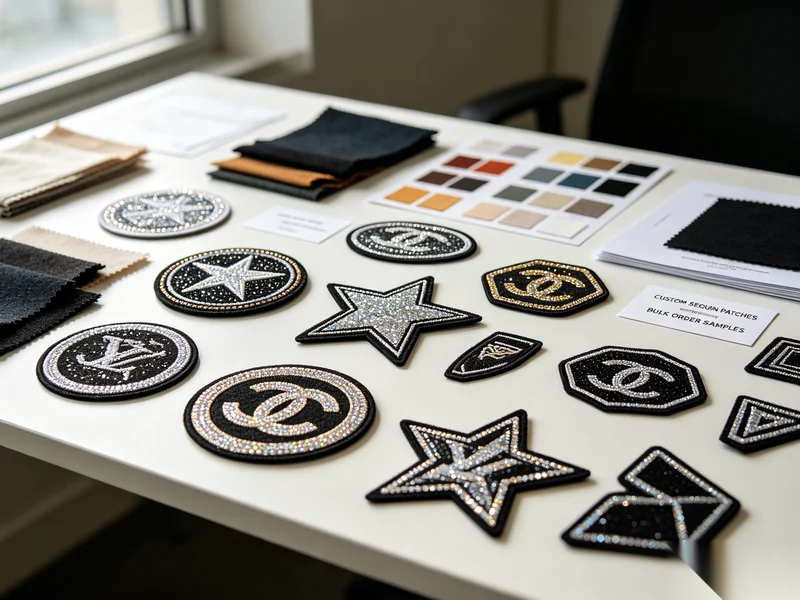
- embroidery combined with metallic threads
These trends allow traditional symbols to adapt to modern use.

Conclusion
Coat of arms embroidered patches are a powerful way to express heritage, authority, and institutional identity. With their durability, rich texture, and historical significance, they remain a preferred solution for uniforms, ceremonial apparel, clubs, and heritage fashion.
For B2B buyers, custom coat of arms patches offer a balance of tradition, professionalism, and scalable production—making them a timeless and valuable branding element.
About Author
——————————————————————————————————————————————

Alexander
Online Sales Manager
Alexander specialize in digital marketing and understanding customer psychology, providing clients with the right solutions through data insights and creative strategies.
——————————————————————————————————————————————