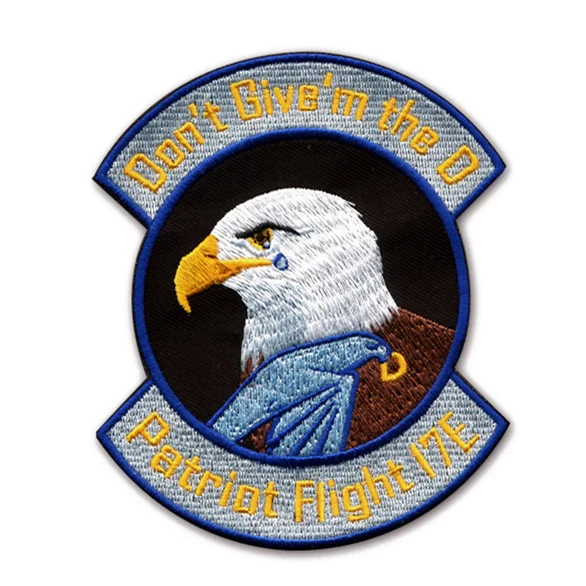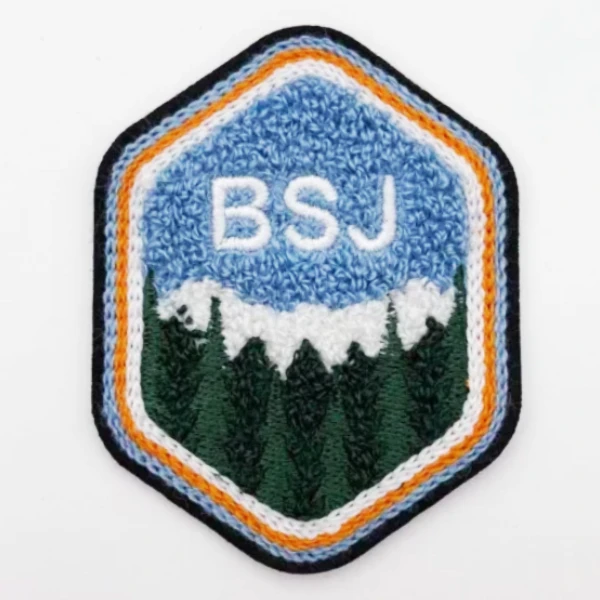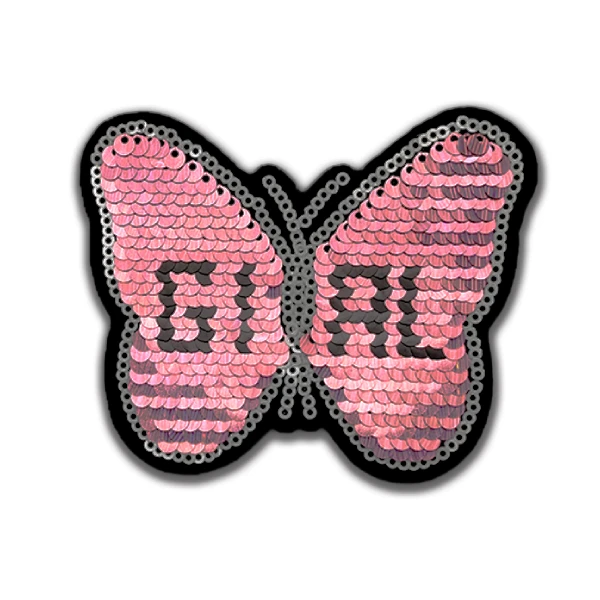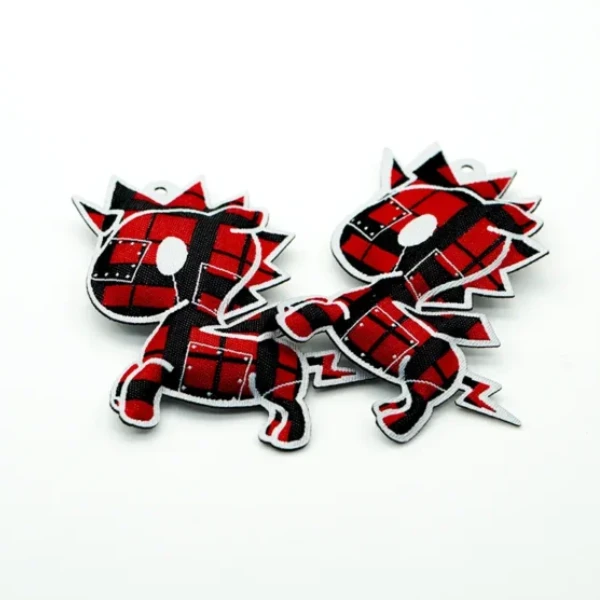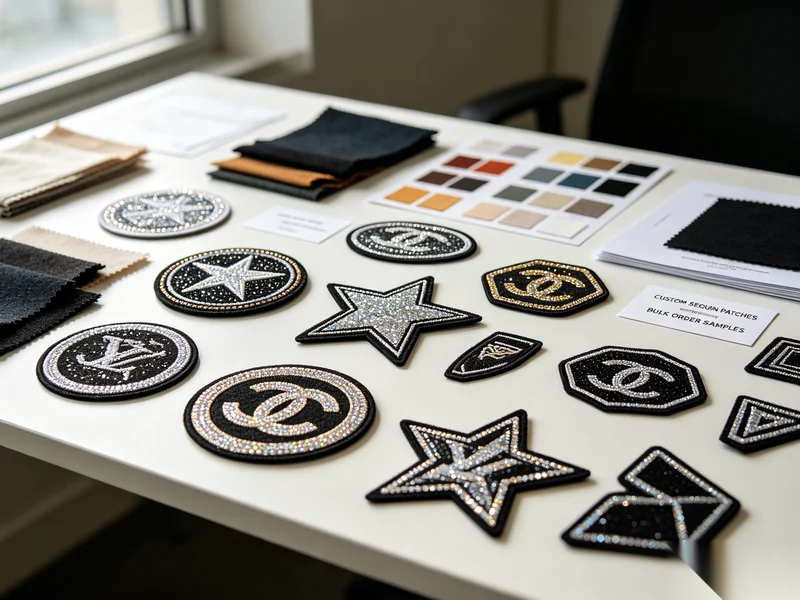
Cap patches are decorative or branded elements attached to hats to display logos, text, or designs. They enhance brand visibility, add texture and durability, and are widely used in promotional products, uniforms, and retail headwear for businesses seeking strong and long-lasting identity solutions.
What Are Cap Patches?
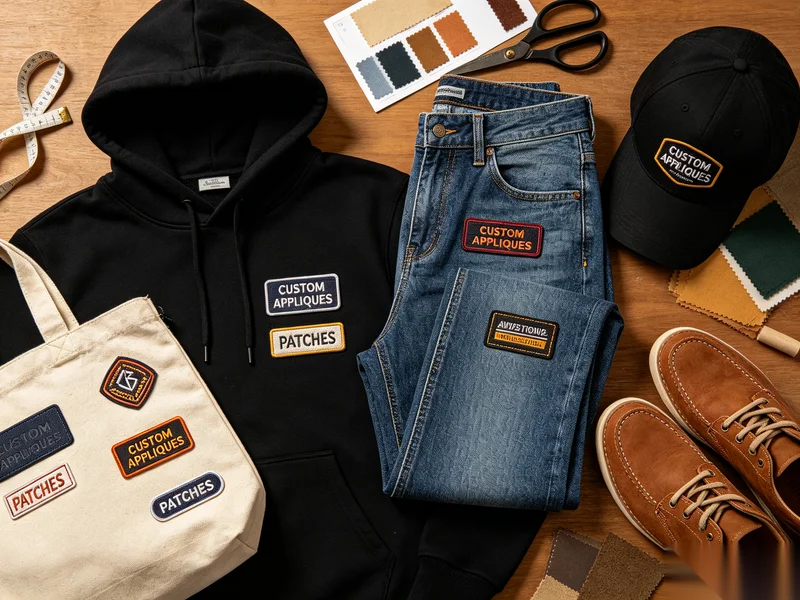
Cap patches are customized pieces of material applied to hats for branding, decoration, or identification. These patches can feature logos, slogans, or graphic elements and are commonly used on baseball caps, trucker hats, snapbacks, and other headwear styles.
Unlike direct embroidery or printing, cap patches are produced separately and then attached to the cap. This allows for greater flexibility in design, materials, and production techniques.
For B2B buyers, custom hat patches provide a scalable and versatile solution for enhancing product value and brand recognition across different markets.

What Types of Cap Patches Are Available?
There are several types of logo cap patches, each offering unique advantages depending on the application and branding requirements.
Embroidery Patches
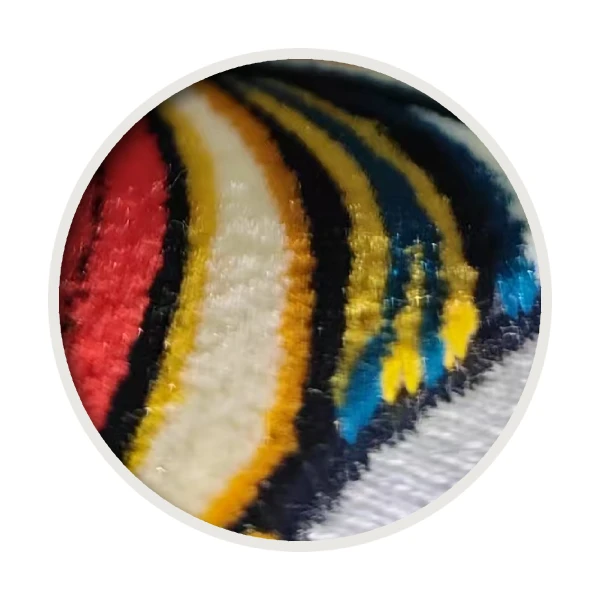
These are the most traditional option, featuring stitched designs that create a textured and durable finish. They are ideal for classic branding styles.
Woven Patches
Woven patches use finer threads to achieve more detailed designs. They provide a smoother surface compared to embroidery.
Printed Patches
Printed patches allow for complex graphics, gradients, and full-color designs that are difficult to achieve with stitching.
Leather Patches
Leather patches offer a premium and rugged appearance, often used in lifestyle and outdoor brands.
Silicone or Rubber Patches
These patches provide a modern, three-dimensional look with excellent durability and resistance to environmental factors.
Each type of patches for caps wholesale can be customized to meet specific design and functional needs.
How Are Cap Patches Made?
The manufacturing process for cap patches varies depending on the material and technique used.
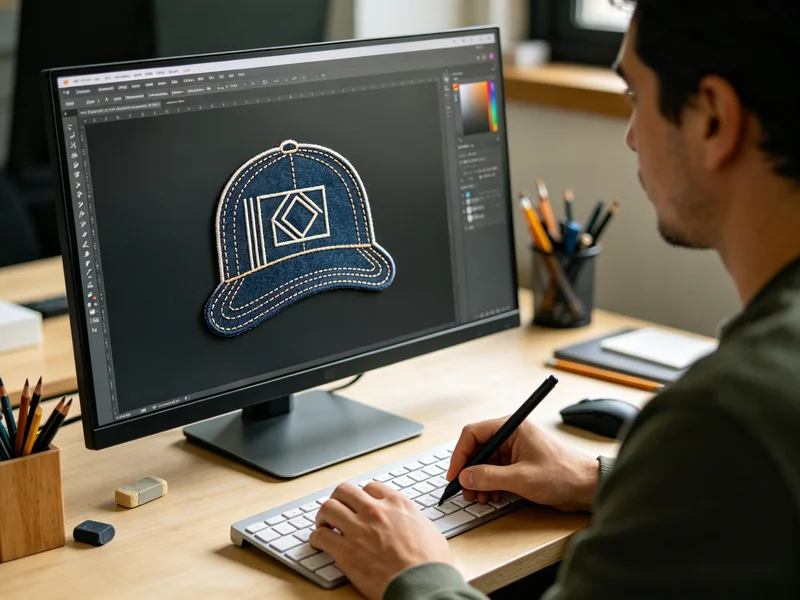
For embroidery patches, designs are digitized and stitched onto fabric using high-speed machines. Woven patches are created by weaving threads together to form detailed patterns.
Printed patches involve transferring ink onto fabric or synthetic materials, allowing for more complex visuals.
Silicone or rubber patches are produced using molding processes, where material is shaped into the desired design.
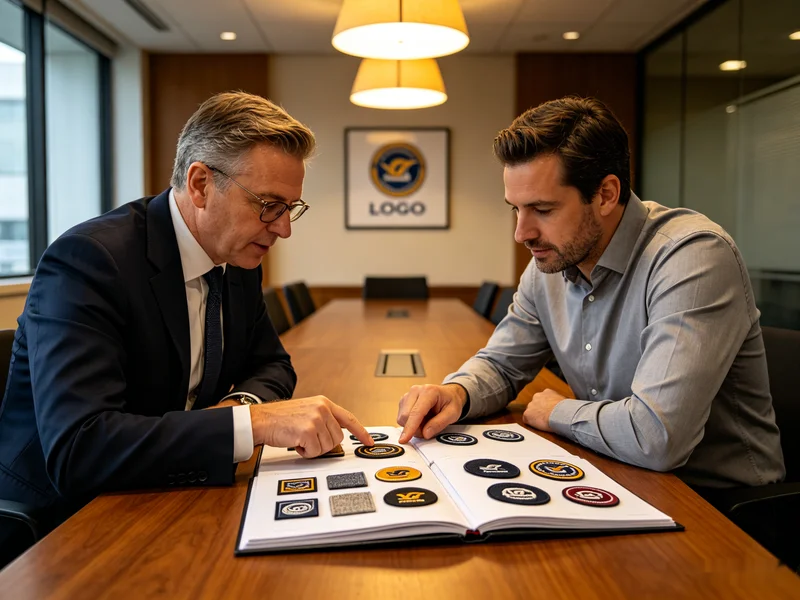
After production, patches are cut into shape and prepared for attachment. This standardized process ensures consistency and efficiency, especially for bulk orders.

How Are Cap Patches Attached to Hats?
Attachment methods play a crucial role in the durability and appearance of custom hat patches.
Stitching is the most common and reliable method, ensuring long-term durability even with frequent use.
Heat pressing is another option, particularly for patches with adhesive backing. It allows for faster application but may not be as durable as stitching in high-stress conditions.
Adhesive bonding is sometimes used for decorative or temporary applications, though it is less common in B2B production.
Choosing the right attachment method depends on the intended use, fabric type, and durability requirements.
Why Choose Cap Patches for Your Business?
Cap patches offer several advantages that make them a preferred choice for businesses.
They provide strong visual branding by adding depth and texture to the product. This helps logos stand out more effectively compared to flat printing.
They are also highly customizable. Businesses can select from a wide range of materials, shapes, sizes, and finishes to match their brand identity.
Durability is another key benefit. High-quality patches can withstand wear, washing, and environmental exposure, making them suitable for both fashion and industrial applications.
In addition, cap patches are cost-effective for large-scale production. Patches for caps wholesale allow companies to maintain quality while optimizing production costs.
When Should You Use Cap Patches?
Cap patches are suitable for a wide range of applications across different industries.
They are commonly used in promotional products, where branded caps are distributed at events or as corporate merchandise.
In retail, they enhance the perceived value of headwear products, making them more appealing to consumers.
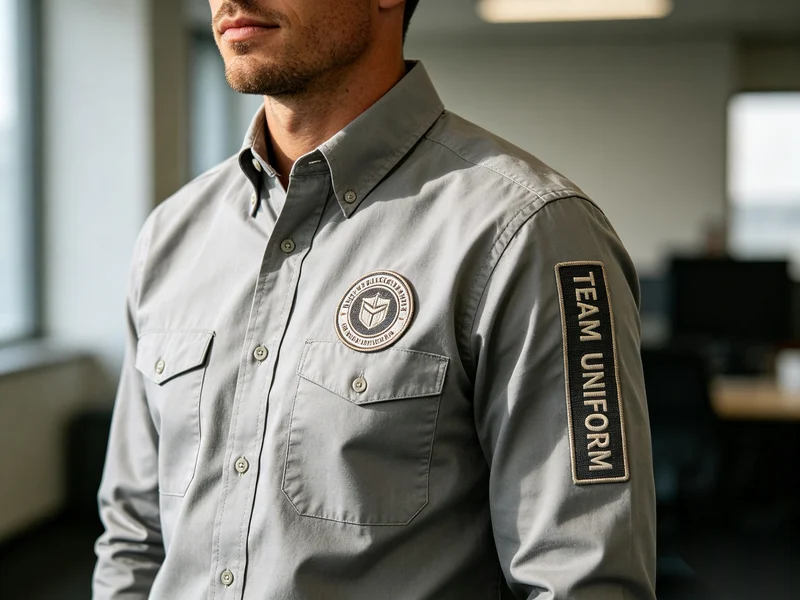
They are also widely used in uniforms for industries such as logistics, construction, and hospitality, where branding and identification are important.
Outdoor and lifestyle brands frequently use cap patches to create a rugged and premium aesthetic.
Cap Patches vs Direct Embroidery on Caps
Businesses often choose between patches and direct embroidery when designing caps.
Cap patches offer greater flexibility in design and material options. They can be produced separately and applied to different products, allowing for consistency across various items.
Direct embroidery, on the other hand, integrates the design directly into the cap fabric. While this method is durable, it may limit design complexity and material variety.
For brands seeking a more distinctive and premium look, logo cap patches are often the preferred choice.
How to Design Effective Cap Patches?
Design plays a critical role in the success of cap patches.
Simple and bold designs tend to work best, ensuring clarity and visibility even from a distance. Overly complex designs may lose detail depending on the patch type.
Color contrast between the patch and the cap is important for enhancing visual impact.
The size and placement of the patch should also be carefully considered to maintain balance and proportion on the cap.
Material selection should align with the brand’s identity. For example, leather conveys a premium feel, while silicone offers a modern and technical look.
What Should B2B Buyers Consider Before Ordering?
Before placing an order for patches for caps wholesale, businesses should evaluate several key factors.
Order quantity directly affects pricing, with larger volumes offering better cost efficiency.
Lead time is important for planning product launches or promotional campaigns.
Material and production method should match the intended use environment, whether for fashion, outdoor, or industrial applications.
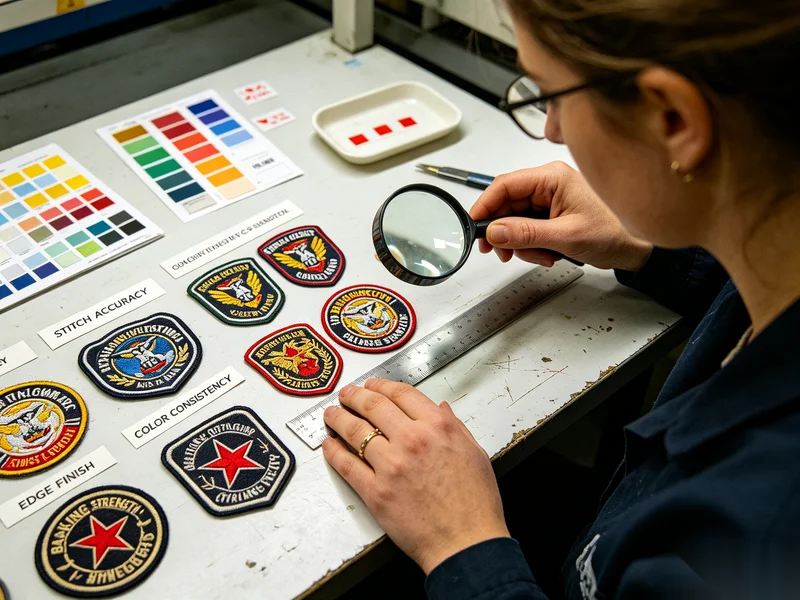
Quality control is essential to ensure consistency across all units, especially for large-scale orders.
Working with an experienced manufacturer helps ensure that all these factors are properly managed.
FAQ
What are cap patches used for?
They are used for branding, decoration, and identification on hats in both promotional and retail applications.
Which type of patch is best for caps?
It depends on the design and use. Embroidery is classic, while leather and silicone offer more modern options.
Are cap patches durable?
Yes, high-quality patches are designed to withstand regular wear and environmental conditions.
Can cap patches be customized in shape and size?
Yes, they can be fully customized to meet specific branding requirements.
What is the best attachment method for durability?
Stitching is the most durable method, especially for long-term use.
What is the typical production time for bulk orders?
Production usually takes 1–3 weeks depending on design complexity and quantity.
Cap patches provide a versatile and effective solution for businesses looking to enhance their headwear products. With a wide range of materials, customization options, and strong durability, they are an ideal choice for companies aiming to strengthen brand identity and deliver high-quality products in competitive markets.
About Author
——————————————————————————————————————————————

Alexander
Online Sales Manager
Alexander specialize in digital marketing and understanding customer psychology, providing clients with the right solutions through data insights and creative strategies.
——————————————————————————————————————————————