If you’ve searched for toothbrush embroidery, you may have encountered confusing explanations. Some people mistakenly believe it refers to compressed embroidery, special tools, or even embroidery related to toothbrush products.
In reality, toothbrush embroidery is a popular nickname for a specific embroidery technique, based on its visual and tactile effect, not on tools or usage.
Let’s clarify what toothbrush embroidery really means and why it has become a favorite in fashion patches.
What Is Toothbrush Embroidery?
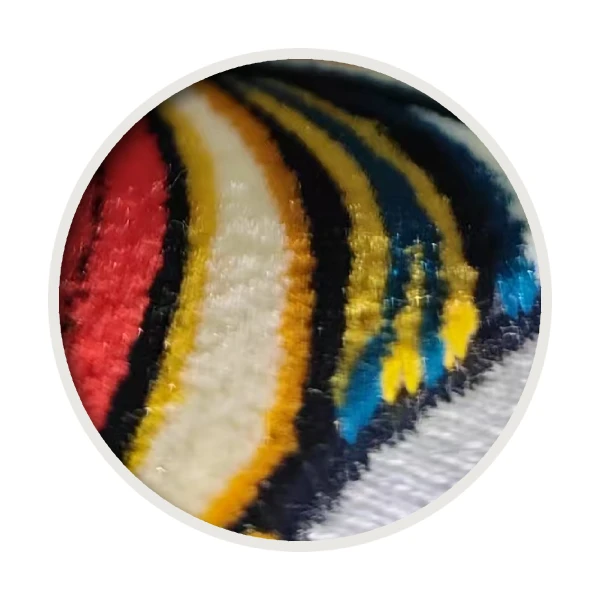
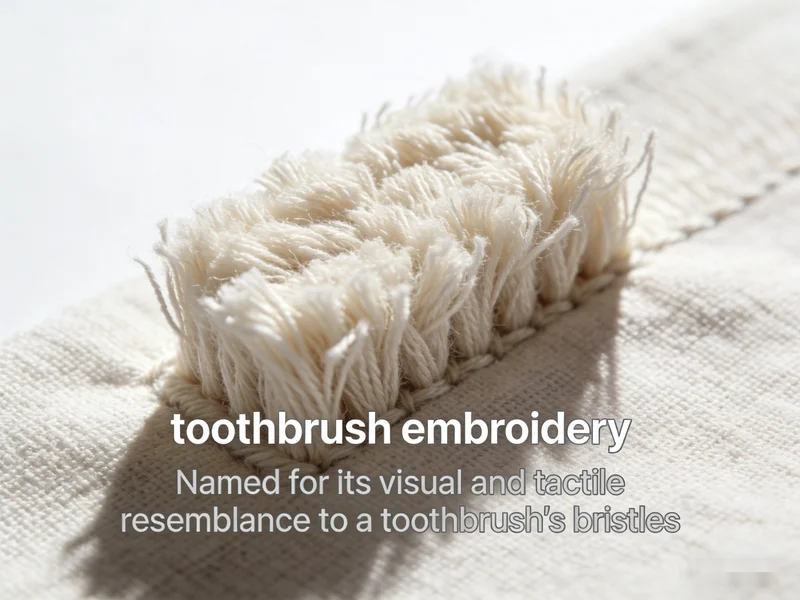
Toothbrush embroidery refers to an embroidery technique where the stitches are:
- Long
- Extremely dense
- Raised and fluffy
- Velvet- or fur-like in texture
Because the finished embroidery surface looks similar to the dense bristles of a fine toothbrush, the industry commonly refers to it as toothbrush embroidery.

👉 It does NOT mean:
- Compressed embroidery
- Embroidery made with toothbrushes
- Embroidery for toothbrush-related products
It is purely a visual and texture-based nickname.
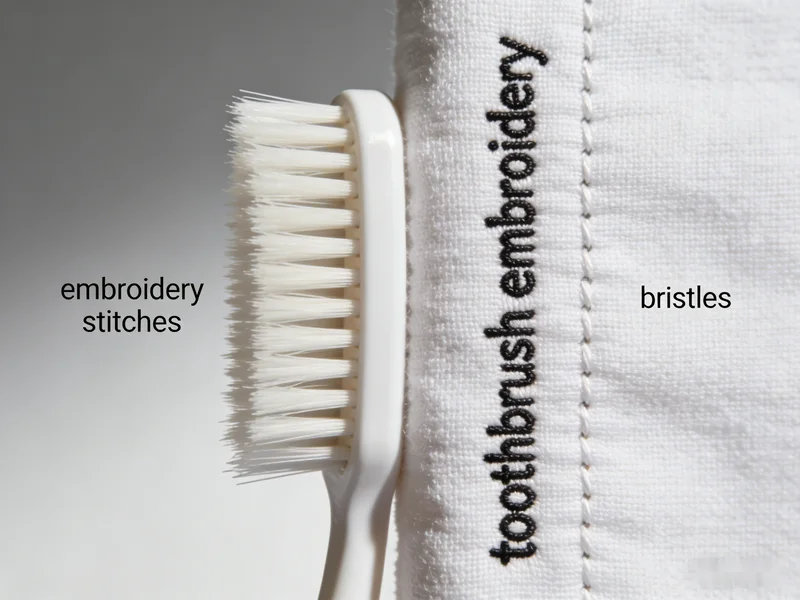
Key Characteristics of Toothbrush Embroidery
🧵 Dense, Plush Thread Structure
The embroidery uses tightly packed stitches with extended thread height, creating a soft, brush-like surface.
📏 High Pile & Strong Dimension
Compared to standard embroidery, toothbrush embroidery has a much more noticeable 3D effect.
👆 Soft, Tactile Feel
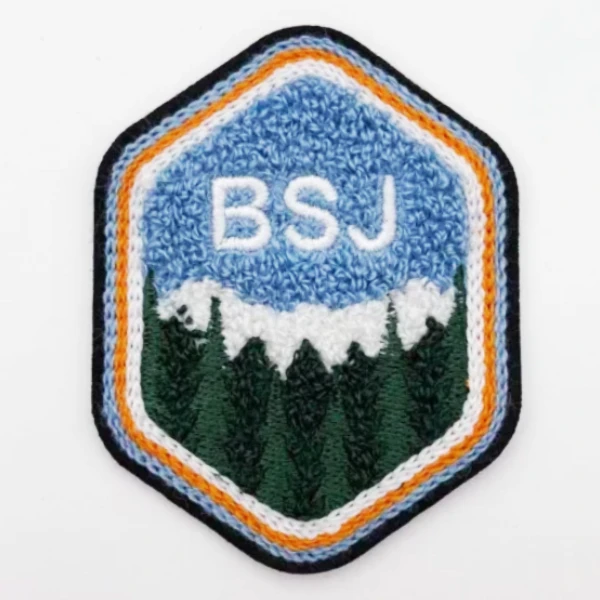
The surface feels fluffy and luxurious, similar to chenille or velvet embroidery.
👁️ Bold Visual Impact
Designs stand out immediately, making them ideal for statement patches.
Toothbrush Embroidery vs Other Embroidery Types
| Technique | Texture | Height | Visual Effect |
|---|---|---|---|
| Flat embroidery | Smooth | Low | Clean, classic |
| 3D puff embroidery | Firm | Medium–high | Structured |
| Chenille embroidery | Loop yarn | High | Collegiate style |
| Toothbrush embroidery | Soft & dense | High | Furry, bold, premium |
Toothbrush embroidery is often chosen when texture and softness are more important than ultra-fine detail.
Common Design Uses for Toothbrush Embroidery
Toothbrush embroidery is especially popular in:
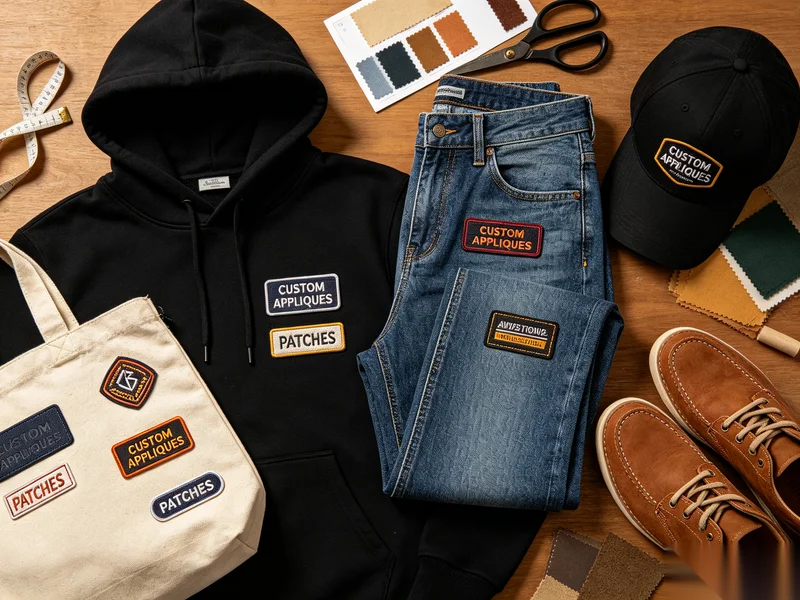
- Fashion patches
- Streetwear branding
- Hoodies & sweatshirts
- Varsity jackets
- Large logo patches
- Decorative statement elements
It works best for:
- Letters & numbers
- Simple logos
- Icons and symbols
- Bold shapes
Very small text or intricate details are not recommended for this technique.
Design Tips for Toothbrush Embroidery Patches
To achieve the best results:
✔ Use bold fonts and simple shapes
✔ Avoid thin lines and tiny text
✔ Choose solid color blocks
✔ Allow enough spacing between elements
✔ Match patch size with stitch height
A professional embroidery factory can help adjust artwork specifically for toothbrush embroidery.
Why Brands Choose Toothbrush Embroidery
Brands and designers choose toothbrush embroidery because it:
- Creates a premium, eye-catching look
- Adds strong tactile value to garments
- Enhances brand recognition
- Differentiates products from flat embroidery
- Works well with streetwear and trend-driven fashion
It’s a powerful way to make a logo or patch feel more expressive and high-end.
Is Toothbrush Embroidery the Same as Chenille?
They are similar in visual impact but technically different:
- Chenille embroidery uses looped yarn
- Toothbrush embroidery uses dense, extended embroidery threads
Both are raised and soft, but toothbrush embroidery usually offers finer control of shape and a more brush-like surface texture.
Final Thoughts
Toothbrush embroidery is not a tool, a product category, or compressed embroidery—it’s a special embroidery effect known for its long, dense, fluffy stitches.
If you’re looking to create bold, tactile, and fashion-forward patches, toothbrush embroidery is an excellent option—especially for brands that want their designs to stand out both visually and by touch.
About Author
——————————————————————————————————————————————

Alexander
Online Sales Manager
Alexander specialize in digital marketing and understanding customer psychology, providing clients with the right solutions through data insights and creative strategies.
——————————————————————————————————————————————