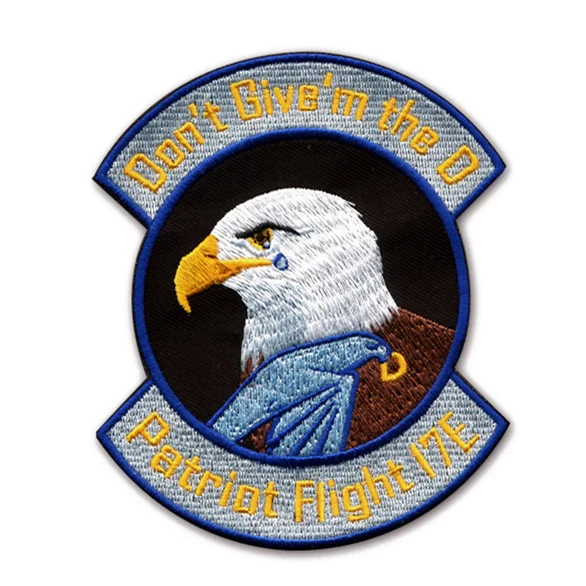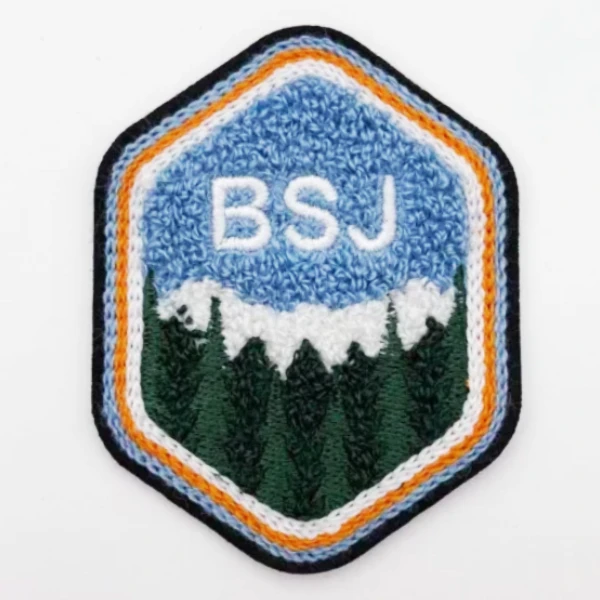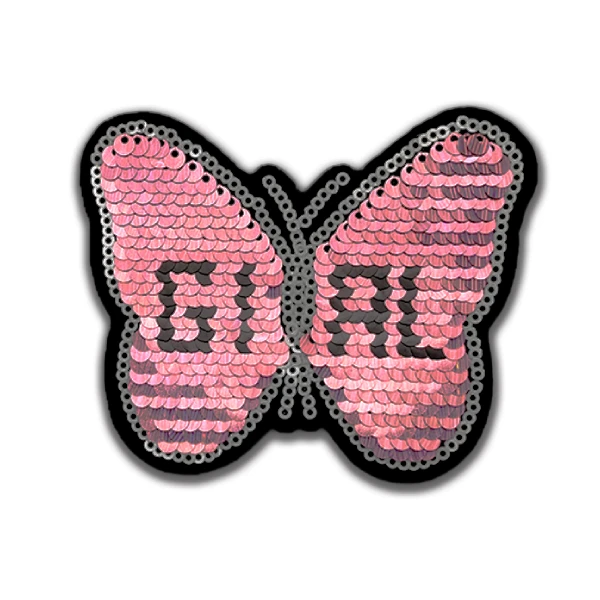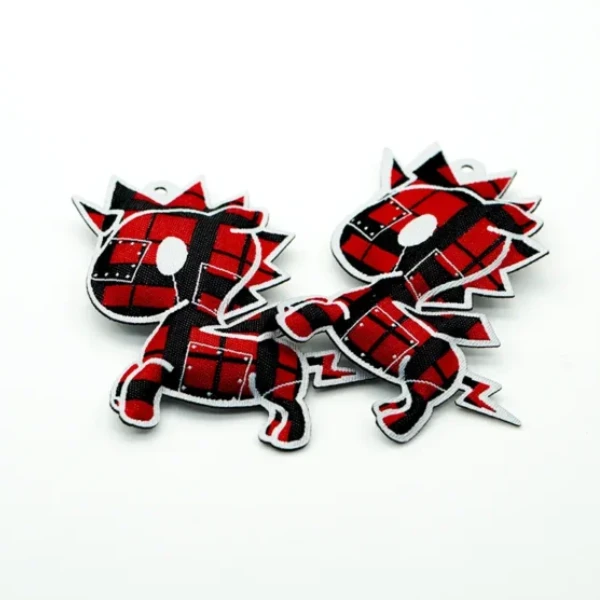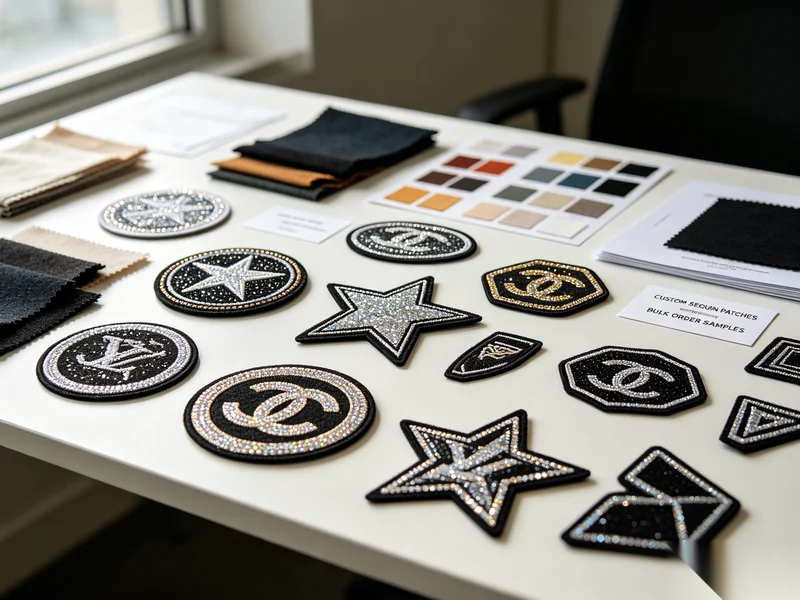
Sew embroidered patches refer to embroidered patches that are attached to garments by stitching, rather than using adhesive or heat. This traditional method remains the most reliable and long-lasting way to apply patches, especially for uniforms, workwear, and heavy-use apparel.
For businesses and brands, sew-on patches are often the preferred choice when durability and permanence are critical.
What Are Sew Embroidered Patches?
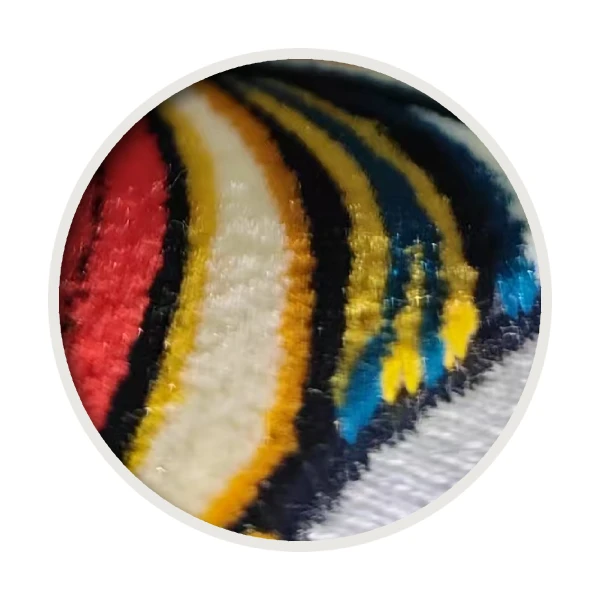
Sew embroidered patches are standard embroidered patches designed with a sew-on backing (no glue or heat adhesive). They are attached to garments using a sewing machine or hand stitching.
These patches typically include:
- Embroidered design (logo, text, or artwork)
- Fabric base (twill, felt, etc.)
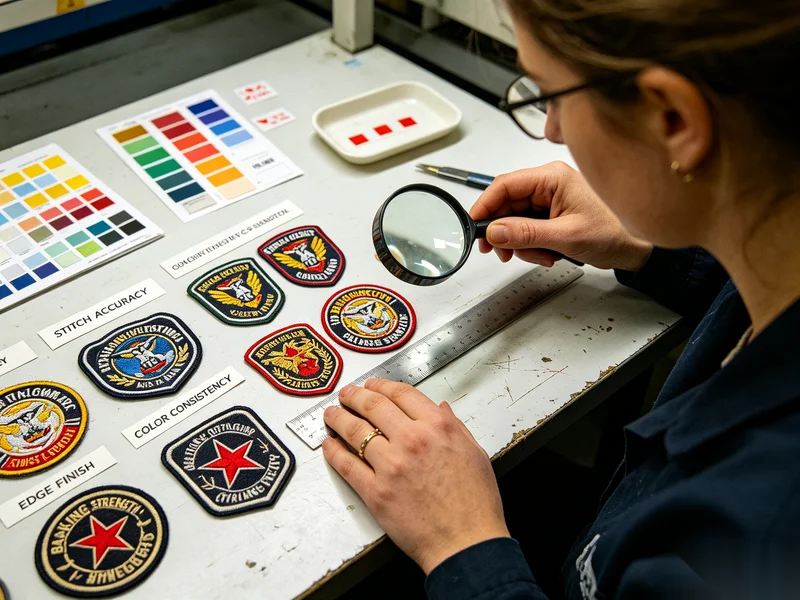
- Reinforced edge (merrowed or laser-cut)
- Plain backing for stitching
Because there is no adhesive layer, the patch remains flexible and breathable.

Why Choose Sew-On Patches?
Maximum Durability
Stitching ensures the patch stays securely attached, even after frequent washing and heavy use.
Heat Resistance
Unlike iron-on patches, sew-on patches are not affected by high temperatures.
Suitable for All Fabrics
They can be applied to materials that may not tolerate heat, such as nylon or delicate fabrics.
Long-Term Use
Ideal for uniforms, industrial clothing, and outdoor gear that require long-lasting performance.
Common Applications
Sew embroidered patches are widely used in industries where durability matters.
Workwear and Uniforms
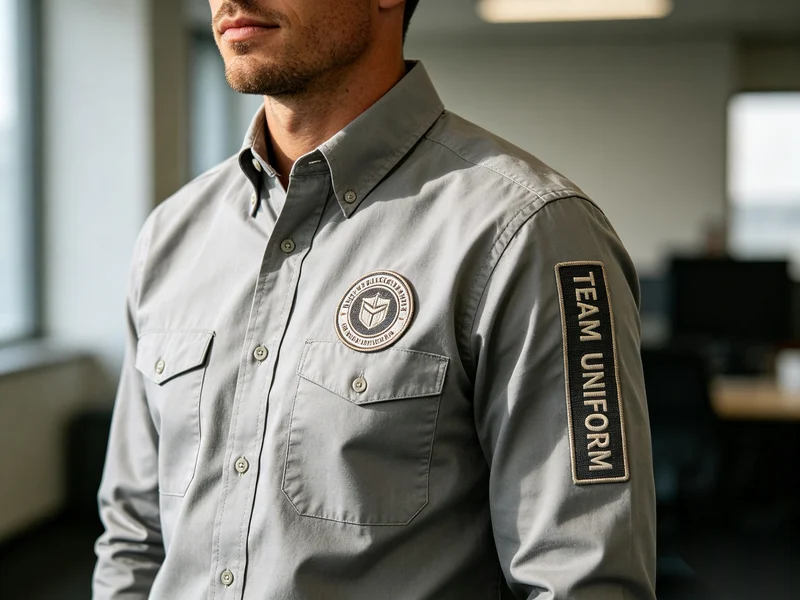
Company logos and employee identification patches.
Military and Tactical Gear
Rank, unit, and name patches that must withstand tough conditions.
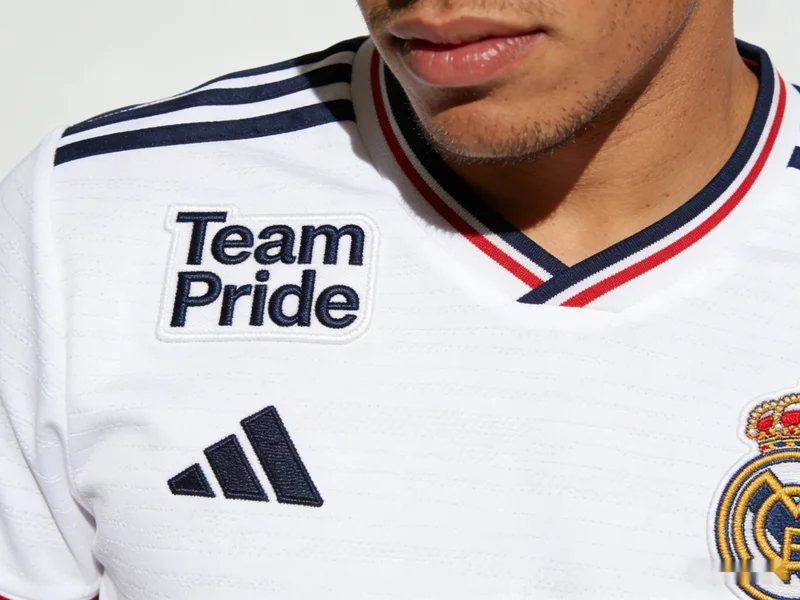
Sports Teams
Team logos and badges on jerseys or jackets.
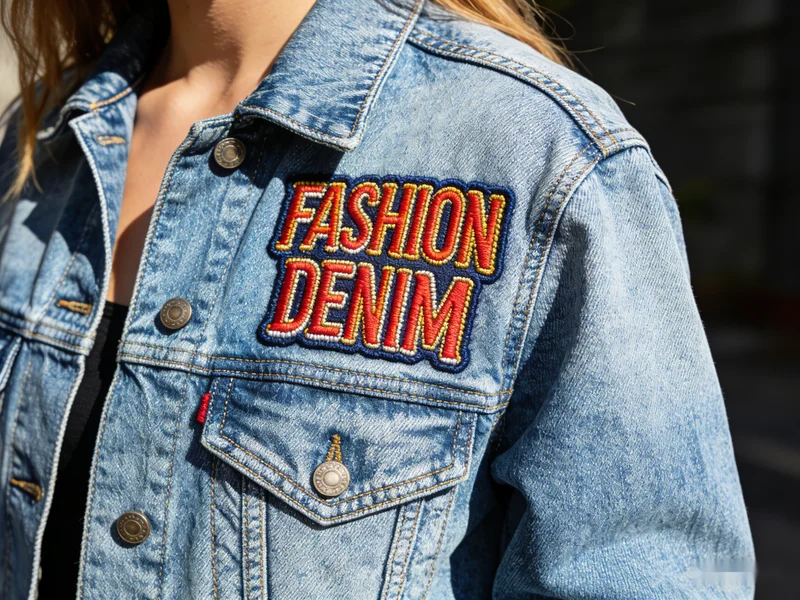
Fashion and Streetwear
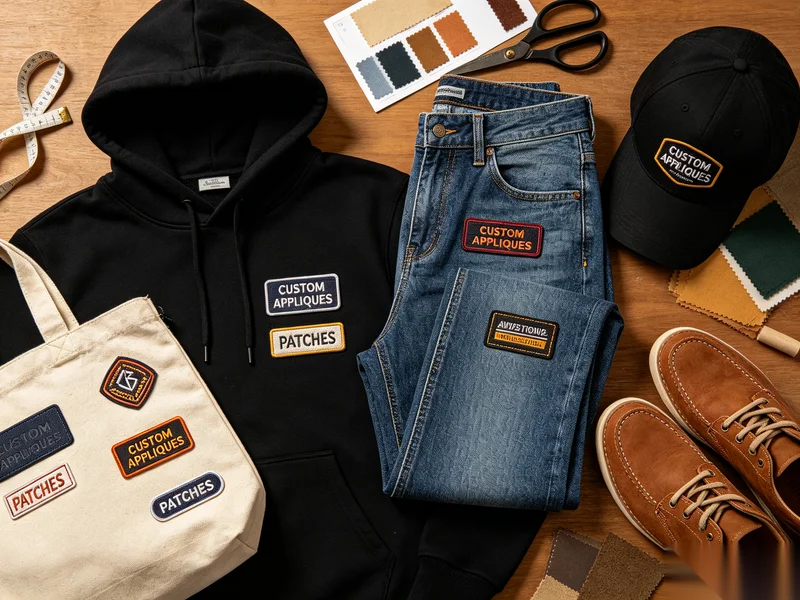
Permanent decorative patches on denim, jackets, and hoodies.
Sew-On vs Iron-On vs Velcro
| Type | Attachment | Durability | Flexibility |
|---|---|---|---|
| Sew-On | Stitching | ★★★★★ | Permanent |
| Iron-On | Heat adhesive | ★★★★☆ | Semi-permanent |
| Velcro | Hook & loop | ★★★☆☆ | Removable |
Sew-on patches are the best choice when you want long-term reliability without risk of peeling.
How to Sew Embroidered Patches
By Sewing Machine
- Place the patch in position
- Use a straight or zigzag stitch
- Sew along the edge of the patch
By Hand
- Use strong thread matching the patch border
- Stitch evenly around the edges
- Secure the thread at the end
For large or thick patches, machine sewing is recommended for better consistency.
Design Considerations for Sew-On Patches
To ensure easy application and durability:
- Choose patches with clear borders for stitching
- Avoid overly thick designs that are hard to sew
- Match patch size with garment placement
- Use strong edge finishing (merrowed or heat-cut)
These factors help improve both usability and final appearance.
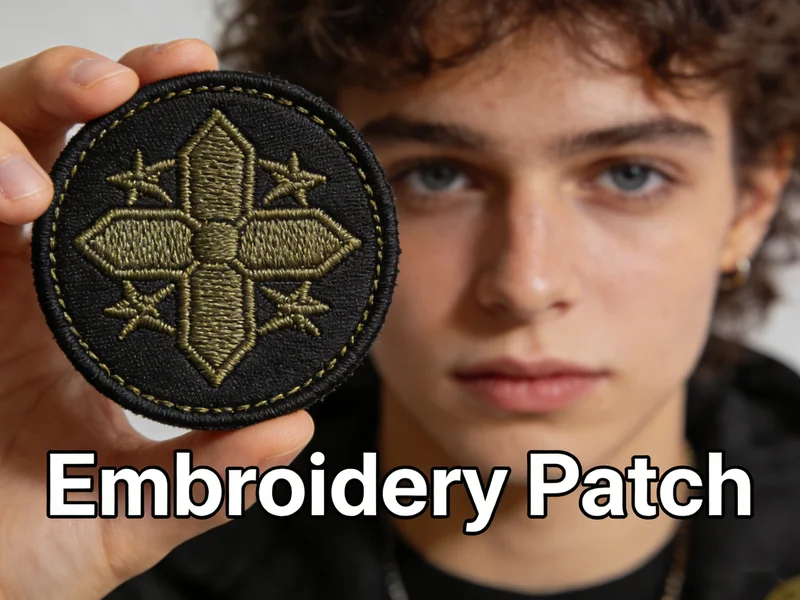
Why Sew-On Backing Is Preferred in B2B Orders
For bulk orders and professional use, sew-on patches are often the standard because:
- Lower production complexity (no adhesive layer needed)
- Better performance in industrial washing
- Reduced risk of returns or failures
- Suitable for long-term contracts and uniforms
This makes them a practical choice for manufacturers and large-scale buyers.
Final Thoughts
Sew embroidered patches remain the most dependable option for attaching patches to clothing. Their durability, versatility, and resistance to wear make them ideal for both functional and decorative use.
Whether for uniforms, branding, or fashion, sew-on patches provide a permanent, professional solution that stands the test of time.
About Author
——————————————————————————————————————————————

Alexander
Online Sales Manager
Alexander specialize in digital marketing and understanding customer psychology, providing clients with the right solutions through data insights and creative strategies.
——————————————————————————————————————————————