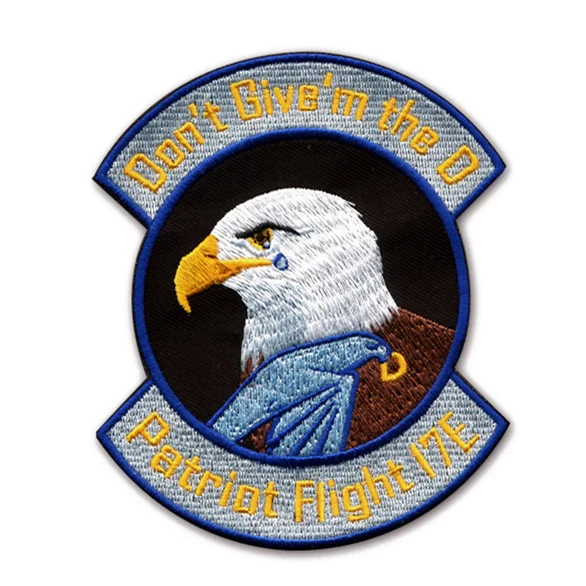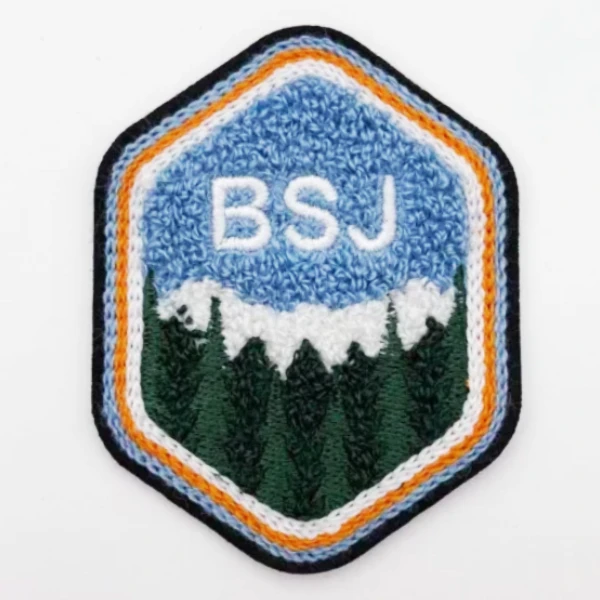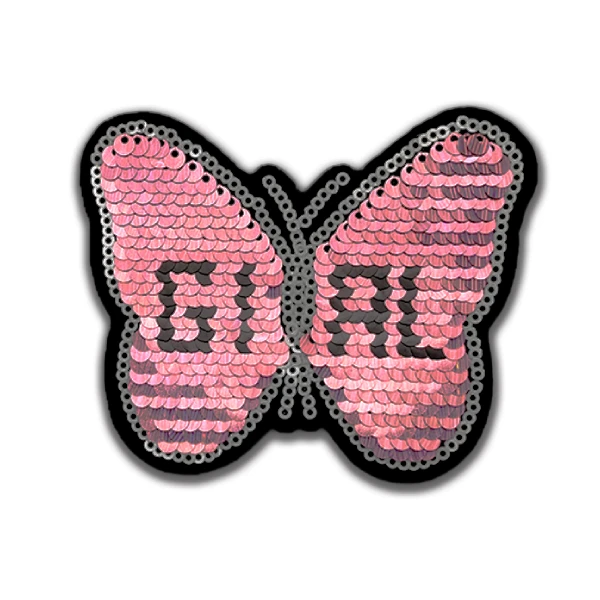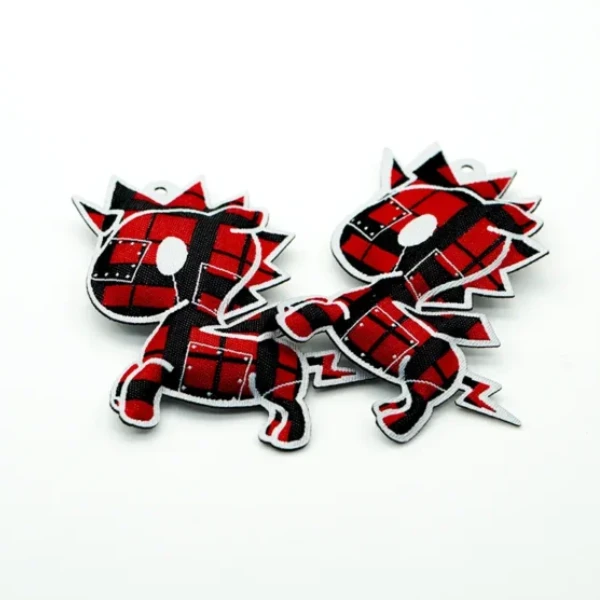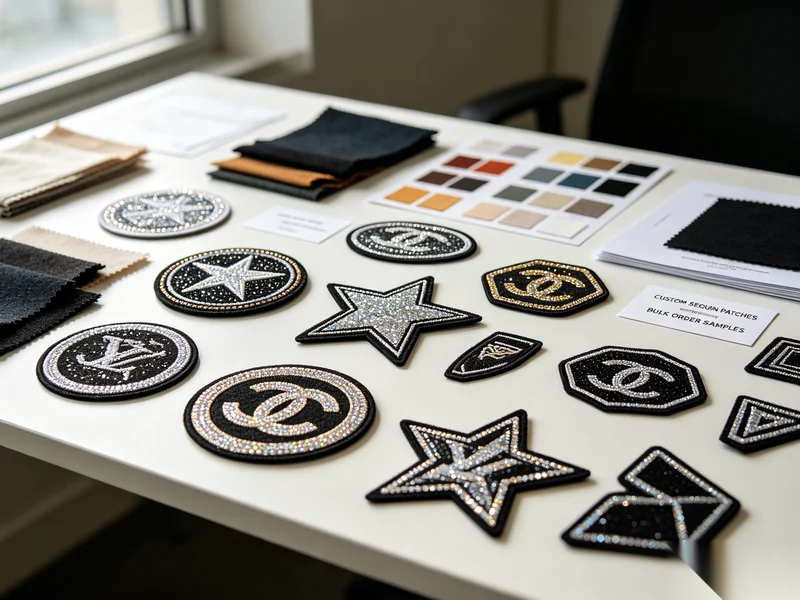
Iron on embroidery patches combine the texture and durability of traditional embroidery with the convenience of heat-activated backing. They are widely used in fashion, uniforms, promotional products, and DIY customization because they offer both visual depth and easy application.
For brands and bulk buyers, iron-on embroidered patches provide a balanced solution between efficiency and long-term performance.
What Are Iron On Embroidery Patches?
Iron-on embroidery patches are standard embroidered patches with a heat-seal adhesive layer applied to the back. When heat and pressure are applied (via household iron or heat press machine), the adhesive melts and bonds to the garment surface.
They maintain:
- Raised embroidery texture
- Strong thread density
- Structured border finishing
- Professional appearance
But with faster application compared to traditional sew-on patches.
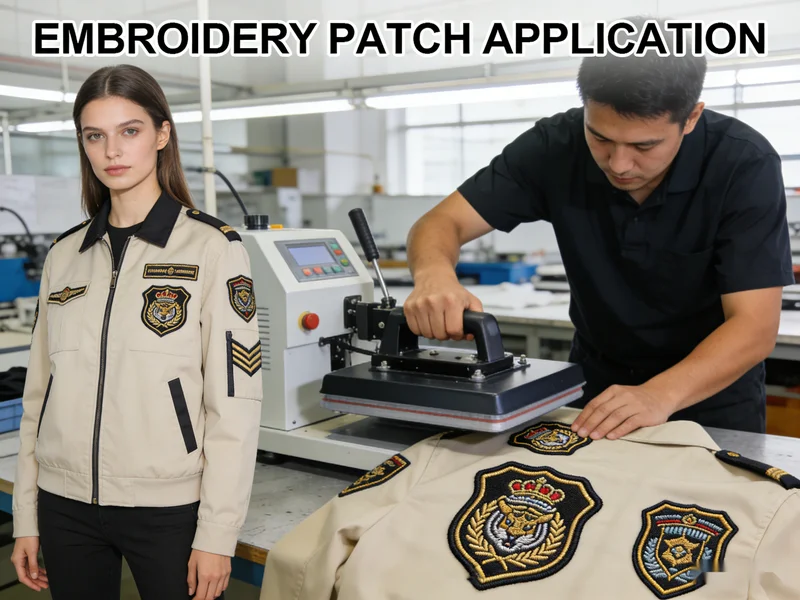
Why Choose Iron On Embroidered Patches?
Faster Application
No sewing skills required. This makes them ideal for:
- Retail-ready fashion items
- Event merchandise
- DIY consumers
- Small businesses customizing apparel
Clean & Consistent Placement
Heat pressing allows:
- Straight alignment
- Even pressure distribution
- Reduced stitching errors
For bulk production, this improves overall garment consistency.
Professional Texture
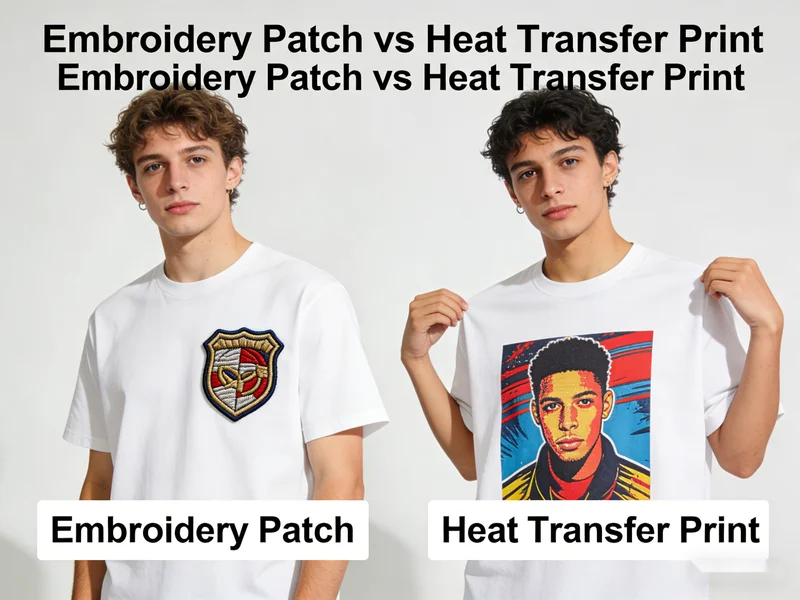
Unlike printed heat transfers, embroidered patches:
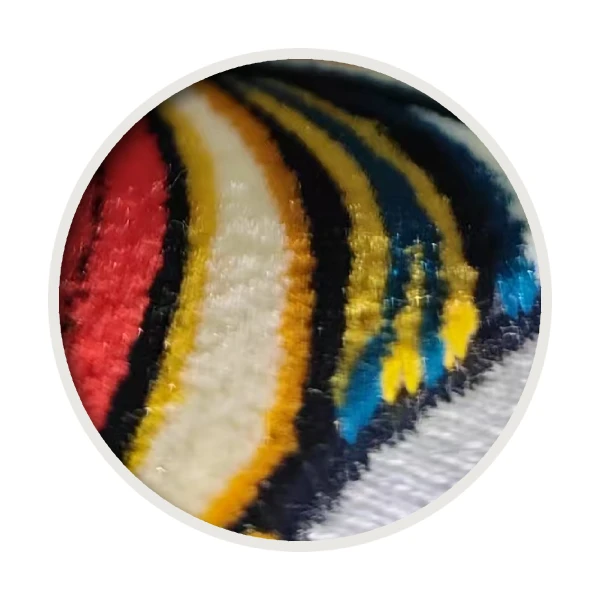
- Have 3D thread texture
- Offer durability
- Resist fading
- Create premium visual appeal
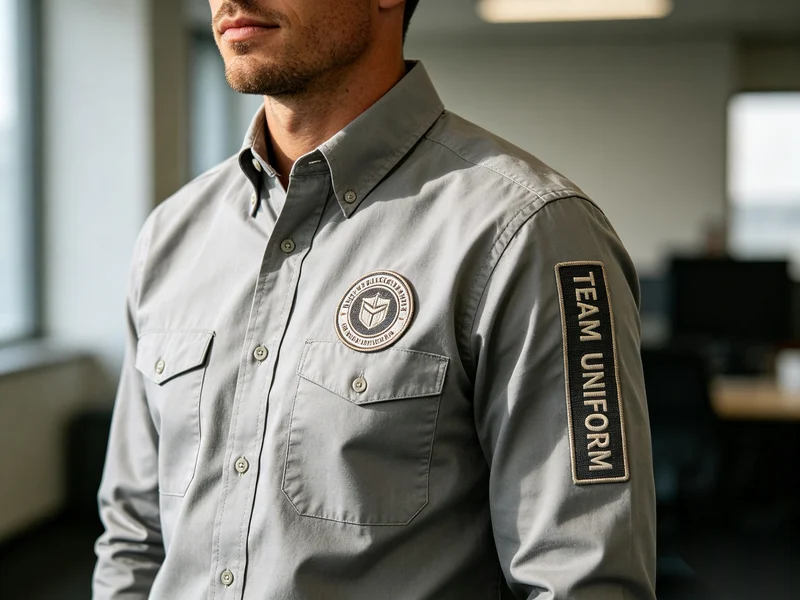
This makes them suitable for both casual and semi-professional garments.
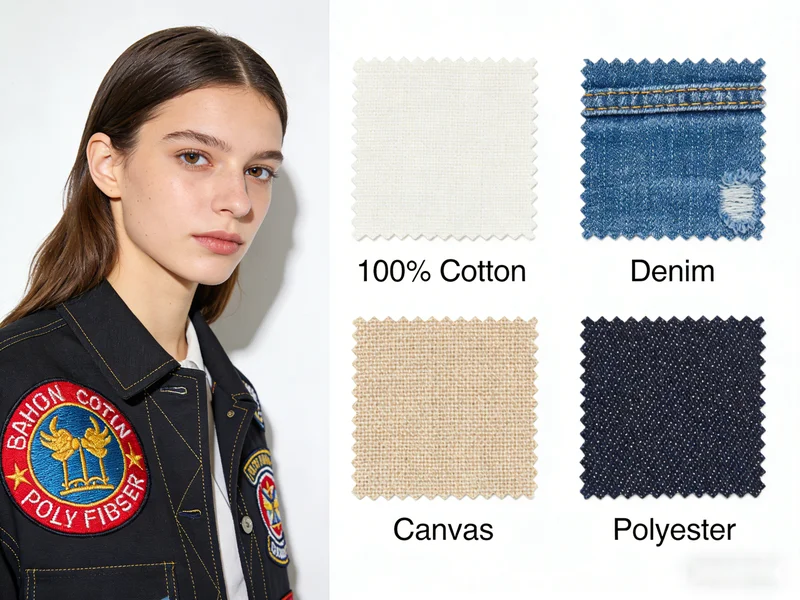
Best Fabrics for Iron On Embroidery Patches
Iron-on patches work best on:
- Cotton
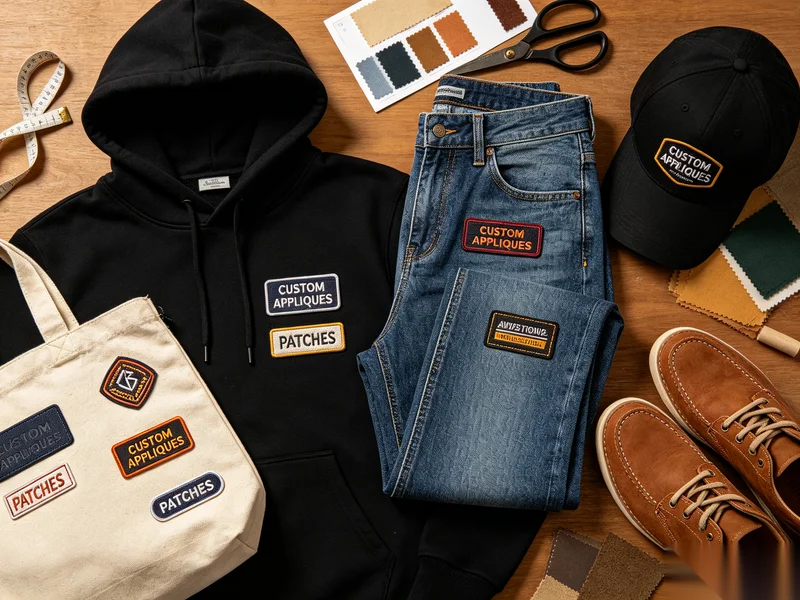
- Denim
- Canvas
- Polyester blends
They are not recommended for:
- Nylon
- Waterproof fabrics
- Stretch fabrics
- Leather (without special adhesive)
Always test heat tolerance before full production.
Design Styles That Work Best
Certain designs perform better with iron-on backing.
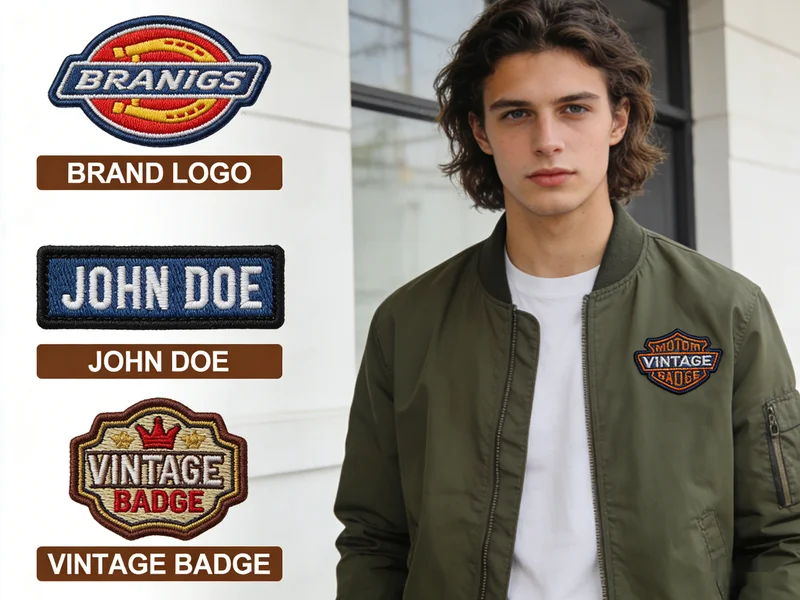
Bold Logos
Thick outlines help prevent edge lifting.
Lettering & Name Patches
Simple fonts ensure clear readability.
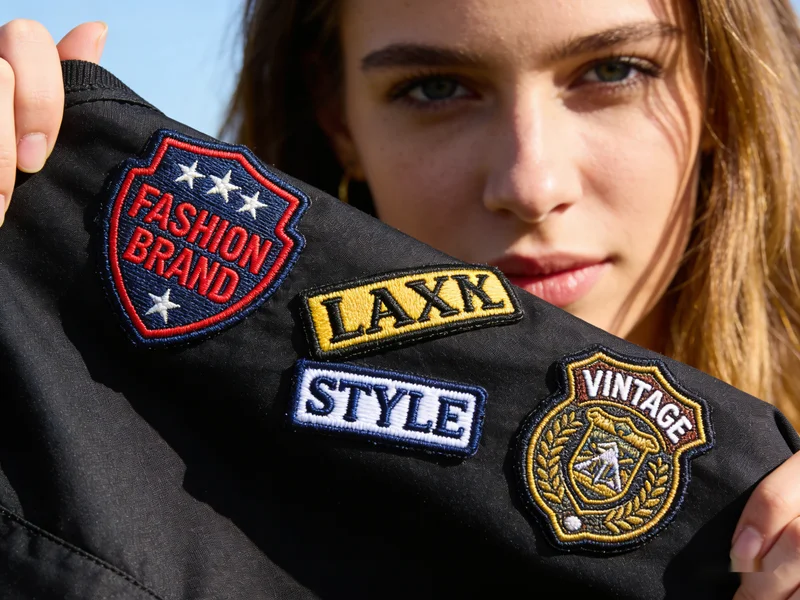
Vintage Badge Designs
Classic shapes bond evenly under pressure.
Medium to Large Patches
Larger surface area improves adhesion strength.
Extremely thin or intricate edges may require stitching reinforcement.
Iron On vs Sew On: Which Is Better?
| Feature | Iron On | Sew On |
|---|---|---|
| Application Speed | Fast | Slower |
| DIY Friendly | Yes | No |
| Durability | Good | Excellent |
| Heavy-Duty Use | Moderate | High |
For workwear or heavy washing conditions, combining heat press + perimeter stitching is recommended.
Application Tips for Long-Lasting Results
To ensure strong adhesion:
- Preheat garment to remove moisture
- Apply 150–180°C (300–350°F)
- Press firmly for 10–20 seconds
- Let cool completely before moving
- Wait 24 hours before washing
Proper pressure is just as important as temperature.
Common Mistakes to Avoid
- Moving the iron while pressing
- Using low temperature
- Applying to heat-sensitive fabrics
- Washing immediately after application
- Skipping surface preheating
These mistakes are the main reason iron-on patches peel.
Bulk Production Considerations
For brands and B2B buyers, iron-on embroidery patches offer:
- Faster garment assembly
- Reduced labor cost
- Consistent visual results
- Retail-ready packaging potential
Heat-seal backing is especially efficient for mid-scale apparel brands.
Final Thoughts
Iron on embroidery patches offer a smart balance between traditional craftsmanship and modern convenience. They deliver texture, durability, and easy application in one product.
Whether used for fashion, uniforms, promotions, or creative collections, they remain one of the most versatile patch solutions available today.