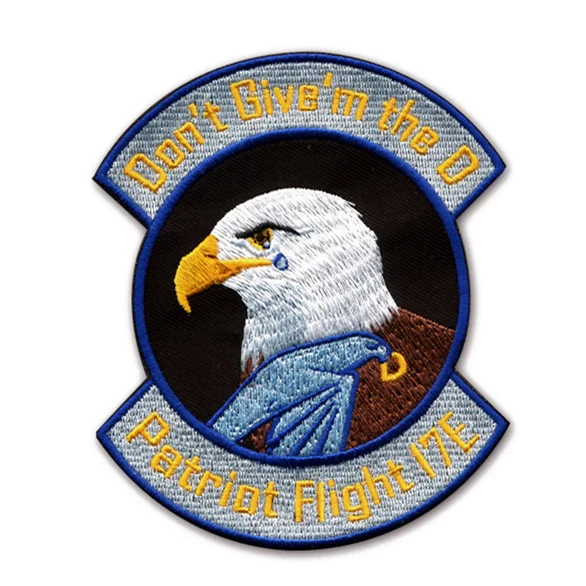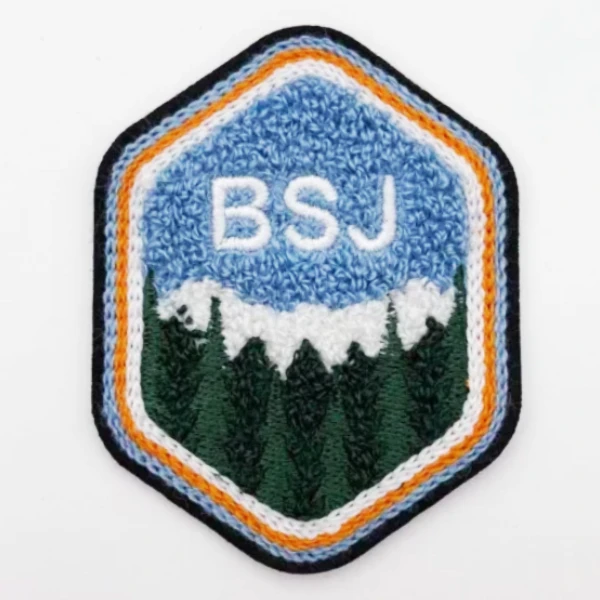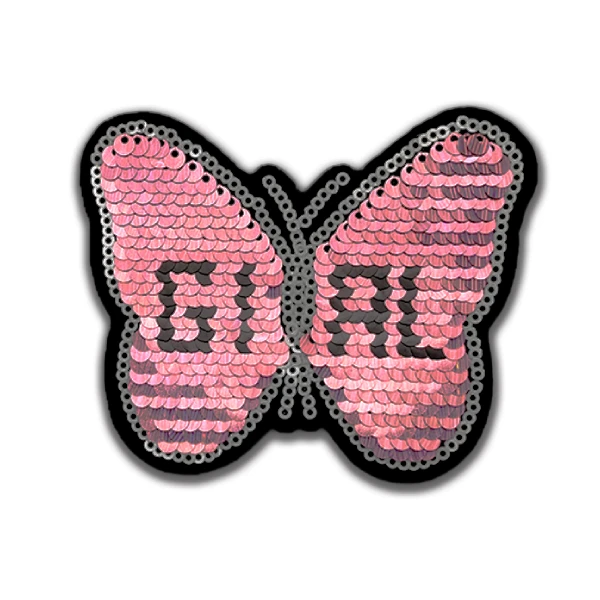
To sew on embroidered patches, position the patch on the garment, secure it with pins or adhesive, and stitch around the edges using a needle and thread or sewing machine. This method ensures strong, long-lasting attachment, making it ideal for uniforms, workwear, and durable apparel applications.
What Does It Mean to Sew On Embroidered Patches?
How to sew on embroidered patches refers to the process of attaching patches to fabric باستخدام stitching rather than heat or adhesive. This method is considered the most durable and reliable way to secure patches on garments.
For businesses and manufacturers, understanding how to attach embroidered patches to clothing ensures consistent quality, especially for uniforms, industrial apparel, and long-term use products.
What Tools Do You Need?
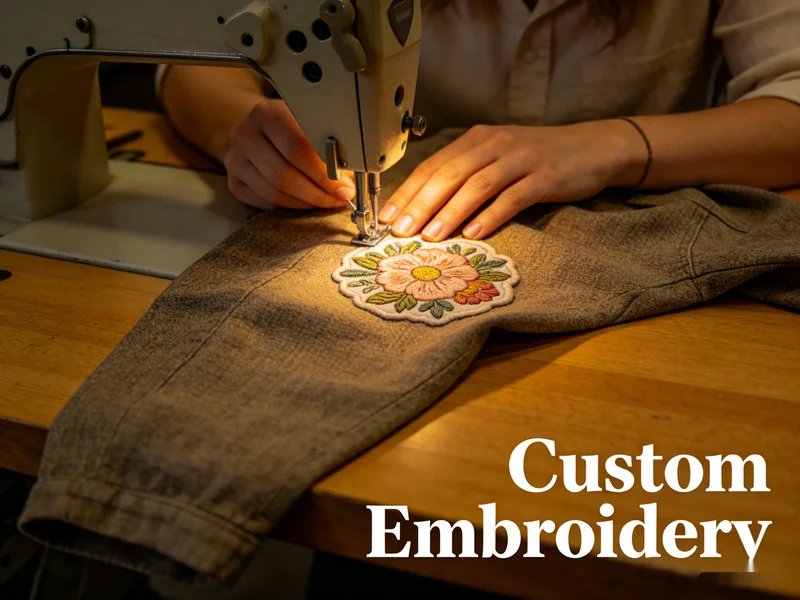
Before starting your sewing patches guide, it’s important to prepare the right tools.
You will need a needle (or sewing machine), strong thread that matches the patch border, scissors, and pins or temporary adhesive to hold the patch in place.
For bulk production, industrial sewing machines are typically used to ensure speed and consistency. For small-scale or manual work, learning to sew embroidered patches by hand is sufficient.
How to Sew On Embroidered Patches by Hand?
Hand sewing is a common method, especially for small batches or detailed placement.
First, position the patch on the garment and secure it with pins. Make sure it is aligned correctly.
Thread the needle and tie a knot at the end. Start stitching from the inside of the garment to hide the knot.
Use a simple running stitch or whip stitch around the edge of the patch. Keep stitches evenly spaced for a clean look.
Once you complete the circle, tie off the thread securely on the inside of the garment.
This method is reliable and allows precise control over placement.
How to Sew On Patches Using a Sewing Machine?
For larger volumes, machine sewing is more efficient.
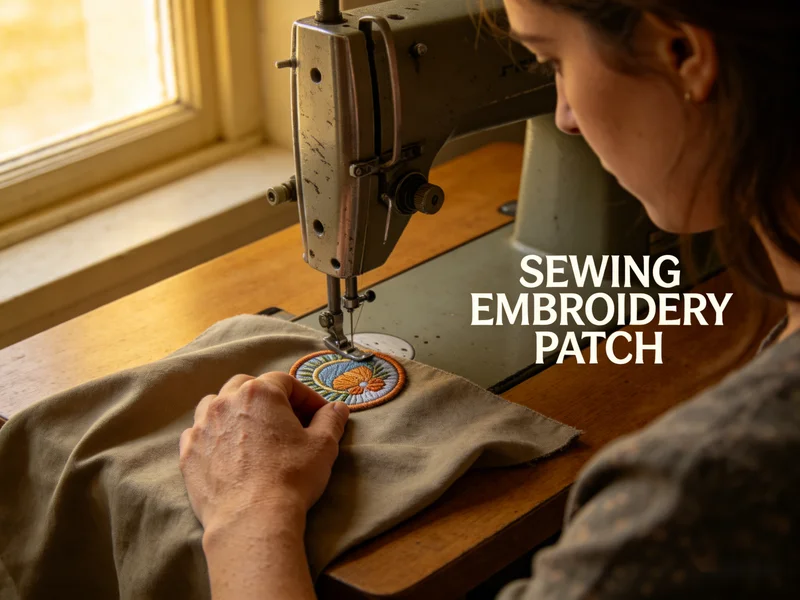
Place the patch in position and secure it. Set the sewing machine to a straight or zigzag stitch.
Carefully sew along the edge of the patch, ensuring consistent stitching. A zigzag stitch is often preferred because it reinforces the edges.
Machine sewing is faster and provides consistent results, making it ideal for businesses handling attach embroidered patches to clothing in bulk.
What Stitch Types Work Best?
Choosing the right stitch is important in any sewing patches guide.
A straight stitch is simple and clean, suitable for patches with defined borders.
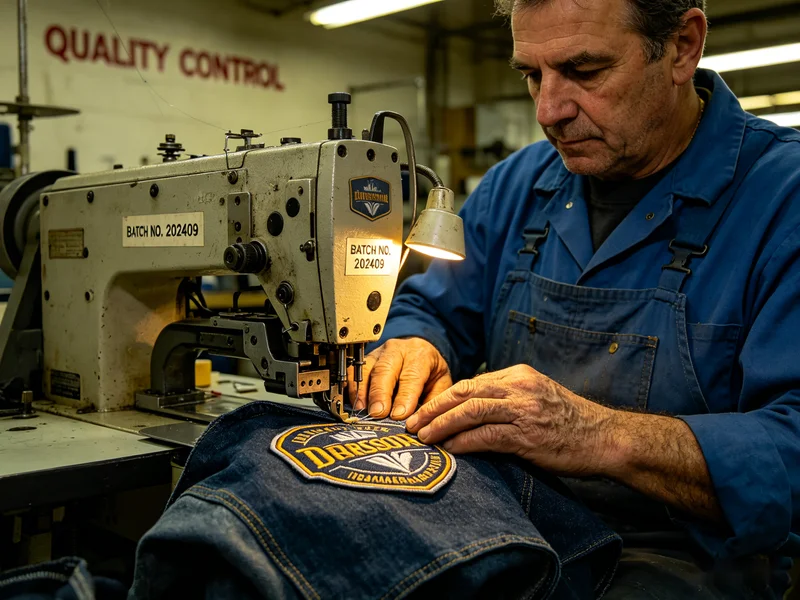
A zigzag stitch provides extra strength and flexibility, making it ideal for heavy-use garments.
A whip stitch is commonly used in hand sewing, especially for quick and durable attachment.
The choice depends on the application and required durability.
Where Should You Place the Patch?
Proper placement is essential when learning how to sew on embroidered patches.
Common areas include sleeves, chest, back panels, and hats. The placement should align with the garment design and purpose.
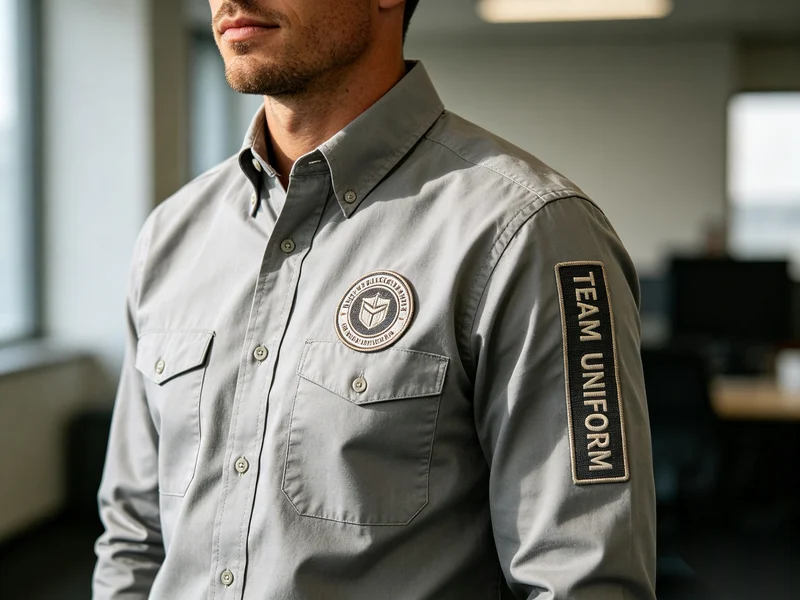
For uniforms, placement is usually standardized to maintain consistency. For fashion items, placement can be more creative.
Ensuring correct positioning before sewing helps avoid rework and ensures a professional result.

Common Mistakes to Avoid
When trying to sew embroidered patches by hand, there are several common mistakes to watch for.
Uneven stitching can affect the appearance and durability. Loose stitches may cause the patch to detach over time.
Incorrect placement can result in a poor visual outcome. Always double-check alignment before sewing.
Using weak thread can reduce durability, especially for heavy-use garments.
Avoiding these mistakes ensures a clean and long-lasting result.
When Should You Choose Sewing Over Iron-On?
Sewing is the preferred method in many professional applications.
It is ideal for garments that undergo frequent washing or heavy use, such as uniforms and workwear.
It is also suitable for fabrics that cannot withstand high heat.
While iron-on methods are faster, sewing provides superior durability, making it the best choice for long-term applications.
What Should B2B Buyers Consider?
For businesses, choosing the right method to attach embroidered patches to clothing is critical.
Production scale determines whether hand sewing or machine sewing is more appropriate.
Durability requirements should guide the choice of stitching method and thread quality.
Consistency is important for branding, so standardized placement and stitching processes should be implemented.
Working with experienced manufacturers ensures efficient and high-quality patch application.
FAQ
What is the best way to sew on embroidered patches?
Using a sewing machine with a zigzag stitch provides the strongest and most consistent results.
Can I sew patches by hand?
Yes, hand sewing is effective for small quantities or detailed placement.
What thread should I use?
Strong polyester or cotton thread that matches the patch border is recommended.
How long does it take to sew a patch?
Hand sewing may take 10–20 minutes, while machine sewing is much faster.
Is sewing better than ironing patches?
Yes, sewing provides greater durability, especially for heavy-use garments.
Can patches be removed after sewing?
Yes, but it requires careful removal of stitches to avoid damaging the fabric.
Learning how to sew on embroidered patches is essential for achieving durable and professional results in garment production. Whether done by hand or machine, sewing ensures strong attachment, making it the preferred method for businesses that prioritize quality, longevity, and consistent branding.
About Author
——————————————————————————————————————————————

Alexander
Online Sales Manager
Alexander specialize in digital marketing and understanding customer psychology, providing clients with the right solutions through data insights and creative strategies.
——————————————————————————————————————————————