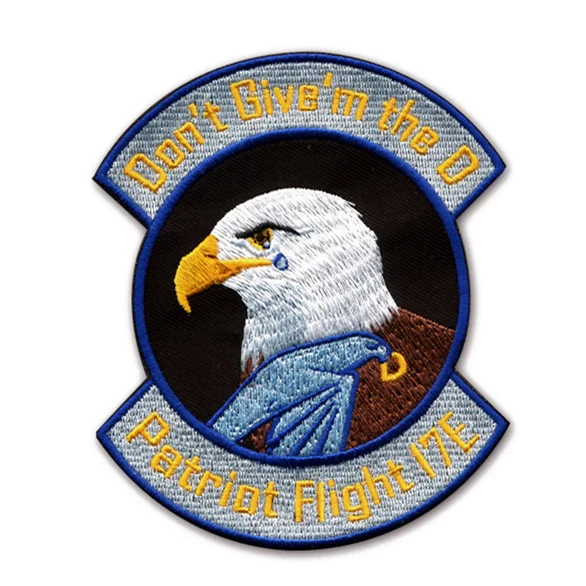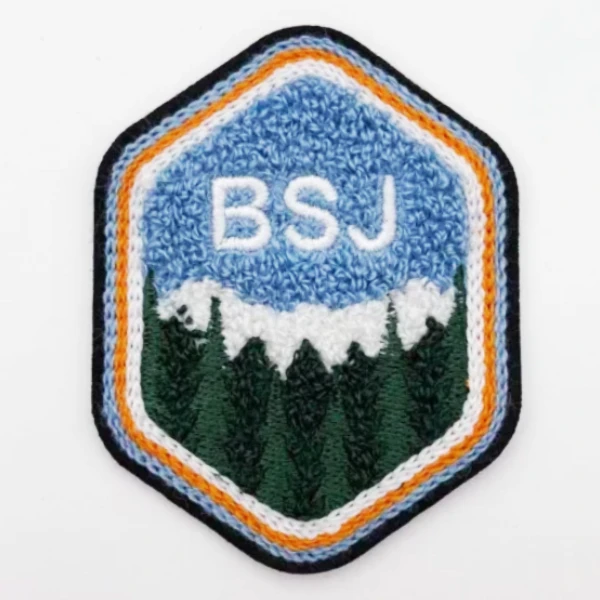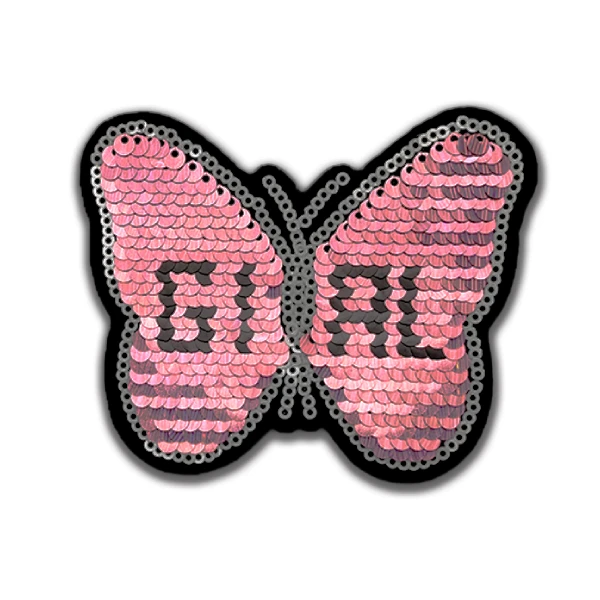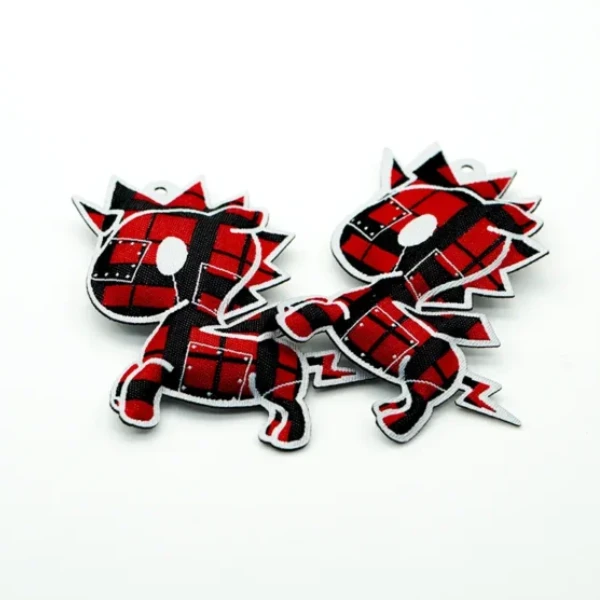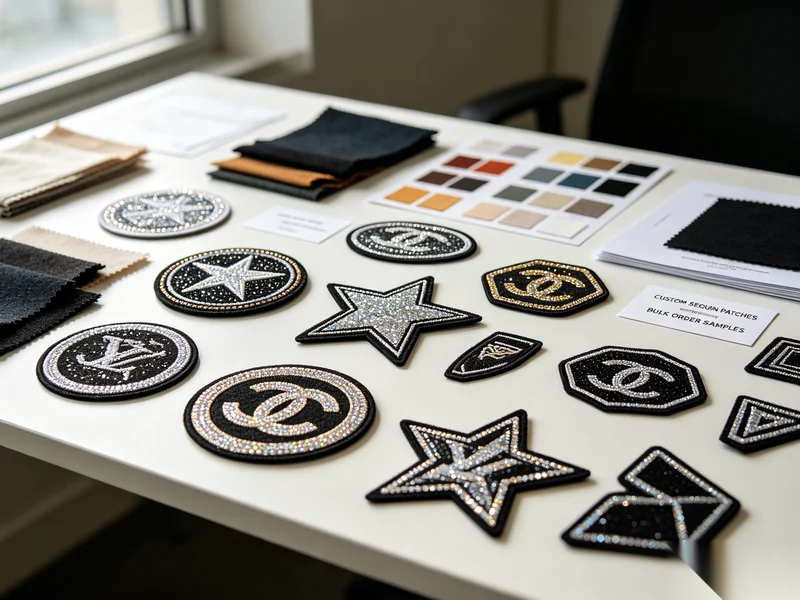
Football patches are more than decorative accessories. For sportswear brands, football clubs, supporter groups, and merchandise companies, patches represent team identity, brand recognition, and fan culture.
Whether you’re producing club crests, World Cup patches, championship badges, sponsor patches, or supporter emblems, understanding the manufacturing process helps ensure better product quality, lower production costs, and a stronger final product.
This guide explains how football patches are manufactured for brands, from artwork development to mass production, while highlighting key decisions that affect quality, durability, and cost.
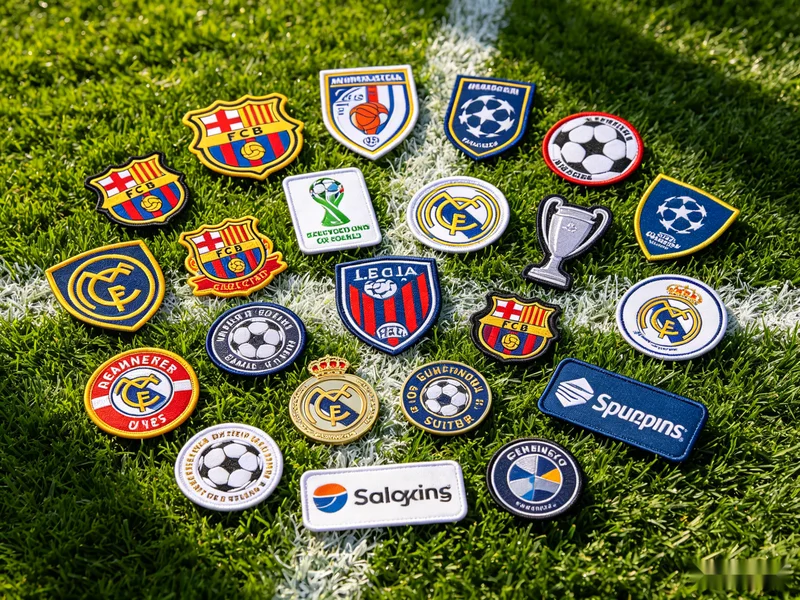
Why Football Brands Invest in Custom Patches
Football patches serve multiple purposes:
- Strengthen team identity
- Increase merchandise value
- Create collectible products
- Enhance jersey authenticity
- Promote sponsors and tournaments
For many sportswear brands, patches can significantly increase the perceived value of a jersey, jacket, cap, or fan product.
Step 1: Define the Purpose of the Football Patch
Before production begins, brands should determine where the patch will be used.
Professional Match Jerseys
Require:
- Lightweight construction
- Flexible materials
- Performance-focused design
Best choice:
- TPU heat transfer patches
Fan Merchandise
Require:
- Premium appearance
- Collectible value
- Strong durability
Best choices:
- Embroidered patches
- Woven patches
Outdoor Supporter Products
Require:
- Weather resistance
- Durability
- Easy cleaning
Best choices:
- PVC patches
- Silicone patches
Choosing the correct patch type before development reduces production mistakes and unnecessary costs.
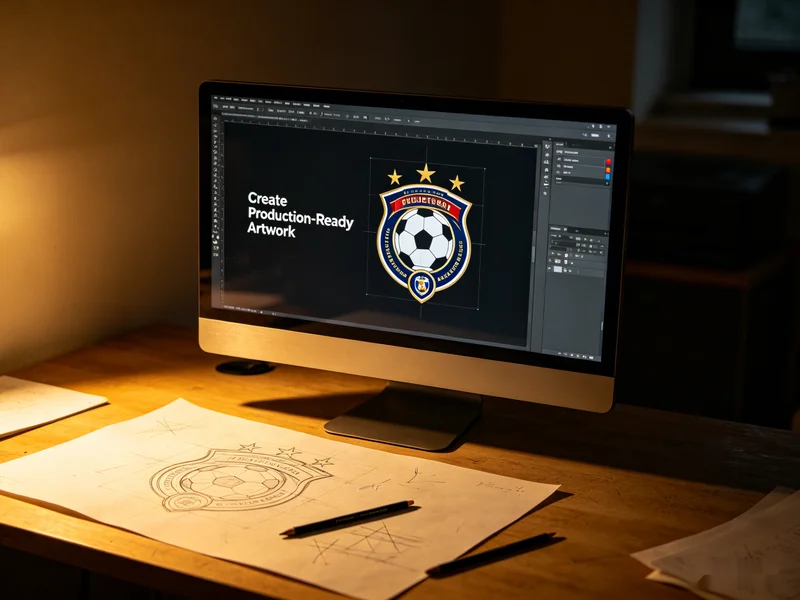
Step 2: Create Production-Ready Artwork
Every football patch begins with artwork.
The design may include:
- Club logo
- National flag
- Tournament emblem
- Sponsor branding
- Championship graphics
However, not every digital design can be manufactured directly.
Professional suppliers typically optimize artwork by:
- Simplifying small details
- Enlarging tiny text
- Adjusting line thickness
- Improving embroidery readability
Poor artwork preparation is one of the most common causes of production issues. Artwork often needs adjustment to account for stitch density, line thickness, and manufacturing limitations before production begins.
Step 3: Choose the Right Football Patch Material
Material selection directly affects appearance, performance, and pricing.
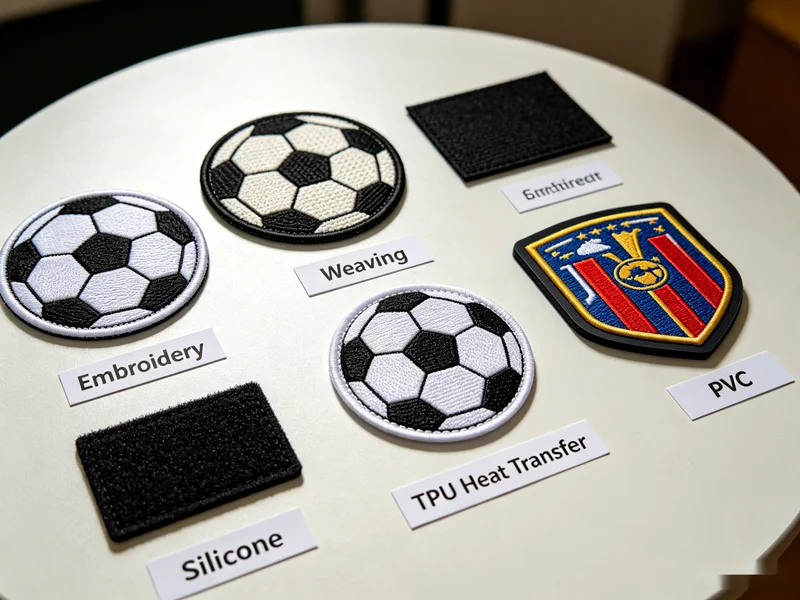
Embroidered Football Patches
Best for:
- Club badges
- Supporter patches
- Championship patches
Advantages:
- Traditional football appearance
- Premium texture
- High perceived value
Woven Football Patches
Best for:
- Detailed logos
- Small lettering
- Fine graphics
Advantages:
- High-definition details
- Smooth finish
- Lightweight construction
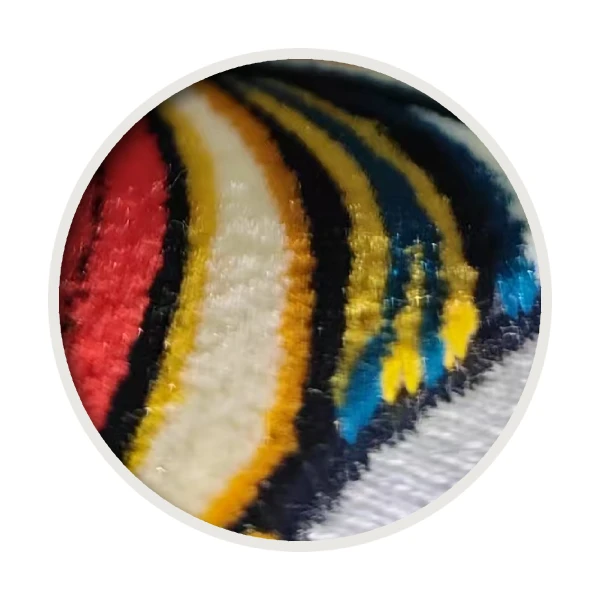
Woven patches can reproduce fine details and small text more effectively than embroidery because the design is woven directly into the patch.
TPU Heat Transfer Patches
Best for:
- Professional jerseys
- Performance apparel
Advantages:
- Lightweight
- Flexible
- Modern appearance
Many modern football jerseys use heat-applied badges rather than traditional embroidery.
Silicone Football Patches
Best for:
- Premium sportswear
- Fashion collaborations
Advantages:
- Soft touch
- 3D appearance
- Excellent durability
PVC Football Patches
Best for:
- Bags
- Outdoor gear
- Tactical products
Advantages:
- Waterproof
- Highly durable
- Strong weather resistance
PVC patch production requires custom molds and layered manufacturing processes, making it ideal for durable outdoor applications.
Step 4: Digitizing and Technical Development
For embroidered patches, artwork must be converted into machine-readable stitch files.
This process is called digitizing.
Digitizing determines:
- Stitch direction
- Stitch density
- Thread sequence
- Border construction
- Color order
A poorly digitized football crest can result in:
❌ Distorted logos
❌ Unclear text
❌ Loose stitching
❌ Uneven embroidery
Digitizing is one of the most critical stages because it translates artwork into technical production instructions.
Step 5: Sample Production
Before mass production, professional suppliers create samples.
This allows brands to verify:
- Colors
- Dimensions
- Materials
- Logo accuracy
- Attachment method
Questions to Ask During Sampling
- Is the logo clear?
- Is the text readable?
- Does the patch match the jersey fabric?
- Is the size appropriate?
Approving a sample before bulk production can prevent costly errors later.
Step 6: Select the Attachment Method
The backing option affects how the patch is applied.
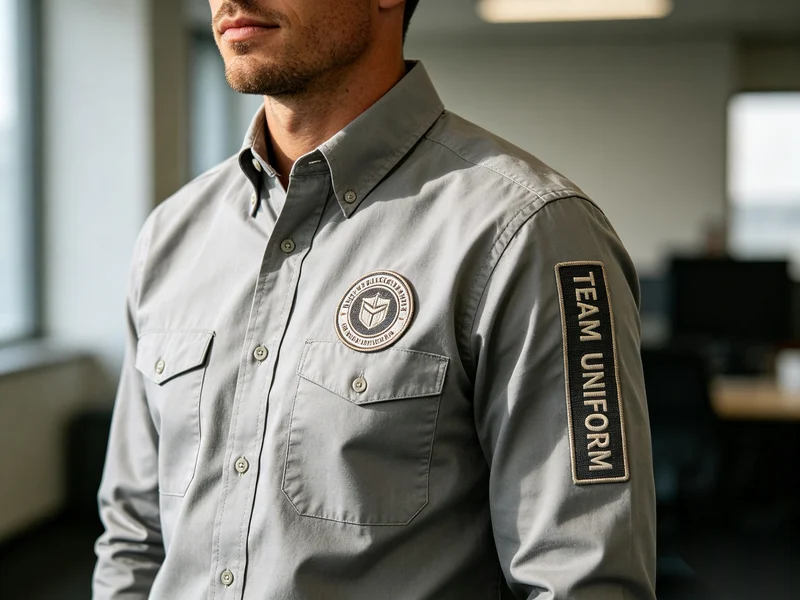
Sew-On Backing
Best for:
- Jerseys
- Team jackets
- Long-term durability
Most durable option.
Heat Seal Backing
Best for:
- Sportswear
- Retail merchandise
- Fast application
Heat-seal adhesives are commonly applied to the back of patches before cutting and finishing.
Velcro Backing
Best for:
- Tactical uniforms
- Collectible patches
- Interchangeable badges
Popular among supporter clubs and promotional products.
Step 7: Mass Production
After sample approval, manufacturing begins.
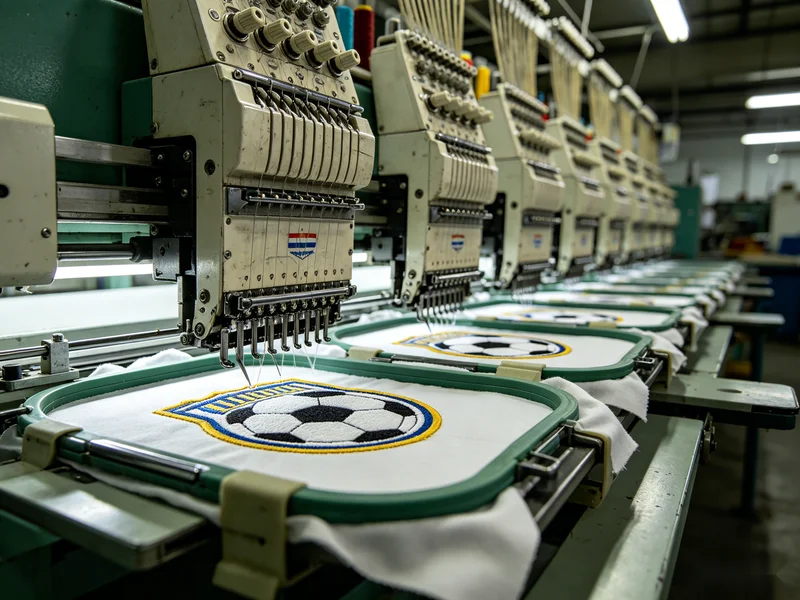
For embroidered football patches, production typically includes:
- Fabric preparation
- Machine embroidery
- Heat-seal application (if required)
- Cutting
- Border finishing
- Inspection
- Packaging
A typical embroidered patch production process involves embroidery, backing application, cutting to shape, and edge finishing.
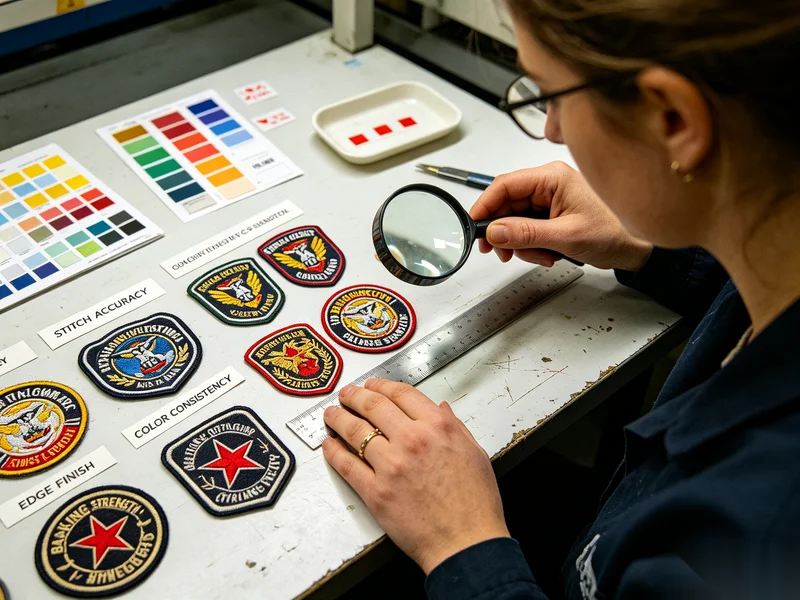
Step 8: Quality Control
Professional football patch manufacturers inspect:
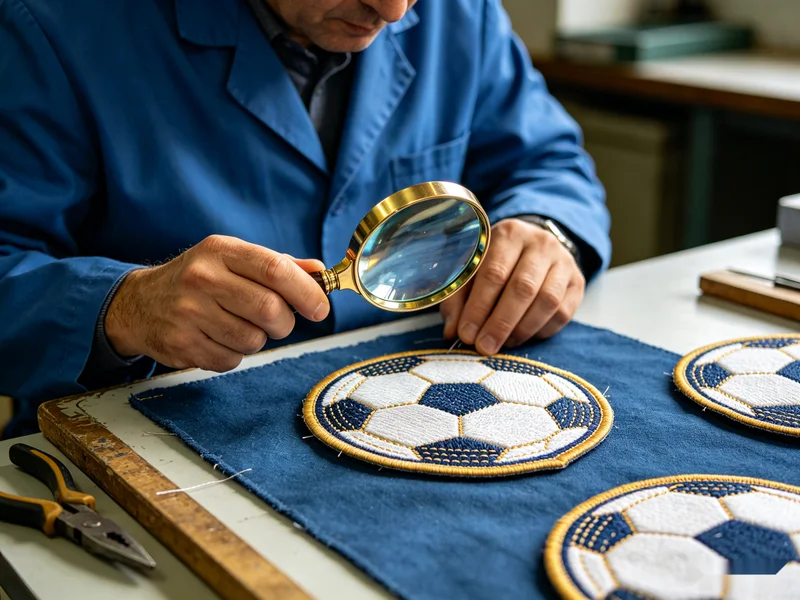
Embroidery Quality
Checking for:
- Missing stitches
- Thread breaks
- Uneven density
Color Accuracy
Ensuring consistency across production batches.
Border Quality
Inspecting:
- Merrowed edges
- Laser-cut edges
- Heat-cut edges
Adhesion Testing
For heat-transfer products, manufacturers test:
- Wash resistance
- Bonding strength
- Heat durability
Quality control is especially important for large-volume orders where consistency is critical.
Common Mistakes Football Brands Make
❌ Choosing the Wrong Patch Type
Using embroidery on ultra-lightweight jerseys may increase weight and reduce flexibility.
❌ Overcomplicated Artwork
Tiny text and excessive details often fail during production.
❌ Prioritizing Price Over Quality
Cheap patches frequently suffer from:
- Color inconsistencies
- Weak adhesives
- Poor embroidery quality
- Short lifespan
❌ Ignoring Production Capacity
Major tournaments can create sudden demand spikes.
Brands should choose manufacturers capable of supporting large-scale production.
Industry sourcing guidance consistently recommends evaluating delivery performance, production reliability, and quality systems—not just pricing.
Why Brands Choose BSJ for Football Patch Manufacturing
With 28 years of patch manufacturing experience, BSJ supports football brands, clubs, distributors, and promotional merchandise companies worldwide.
BSJ Manufacturing Capabilities
✅ Embroidered football patches
✅ Woven football badges
✅ TPU heat transfer patches
✅ Silicone football logos
✅ PVC football patches
✅ Sponsor patches
✅ Championship patches
✅ World Cup supporter badges
✅ OEM & ODM development
✅ Large-scale production capacity
✅ Strict quality control systems
From initial artwork development to final bulk production, BSJ provides a complete factory-direct solution for football patch manufacturing.
Final Thoughts
Understanding how to manufacture football patches for brands is essential for creating products that meet both performance and market expectations. The most successful football patches combine strong design, appropriate materials, reliable manufacturing, and strict quality control.
Whether you’re producing club crests, sponsor patches, supporter badges, championship emblems, or World Cup merchandise, partnering with an experienced manufacturer can significantly improve product quality and reduce sourcing risks.
With BSJ’s 28 years of in-house manufacturing expertise, brands can confidently develop football patches that deliver durability, professional appearance, and strong commercial value.
About Author
——————————————————————————————————————————————

Alexander
Online Sales Manager
Alexander specialize in digital marketing and understanding customer psychology, providing clients with the right solutions through data insights and creative strategies.
——————————————————————————————————————————————