To make embroidered patches that truly support business growth, you need more than design—you need scalable manufacturing, consistent quality, and the right production methods. Partnering with a professional patch manufacturer ensures your patches meet branding, durability, and cost requirements in bulk production.
What Does It Really Mean to “Make Embroidered Patches”?
When people search for how to make embroidered patches, they often think about the basic process—designing, stitching, and finishing. However, for businesses, especially B2B buyers, the meaning goes much deeper.
Making patches is not just about creating a single product. It’s about building a repeatable, scalable system that ensures every patch reflects your brand consistently across hundreds or thousands of units.
This is where custom embroidered patches manufacturing becomes critical. It transforms a simple idea into a reliable product line that supports your business growth.
Why DIY Patch Making Doesn’t Work for Scaling Brands
From a user’s perspective, trying to make patches in-house may seem cost-effective at first. But in reality, it often creates more challenges than benefits.
DIY production struggles with consistency. Each batch may look slightly different, which can damage brand identity.
It also limits scalability. Producing large quantities requires industrial machines, skilled technicians, and quality control systems.
Most importantly, it increases hidden costs—time, labor, material waste, and inefficiencies.
For brands aiming to grow, understanding how to make embroidery patches professionally is less about doing it yourself and more about choosing the right production partner.

The Real Process Behind Professional Patch Manufacturing
A professional patch manufacturer follows a structured and optimized process:
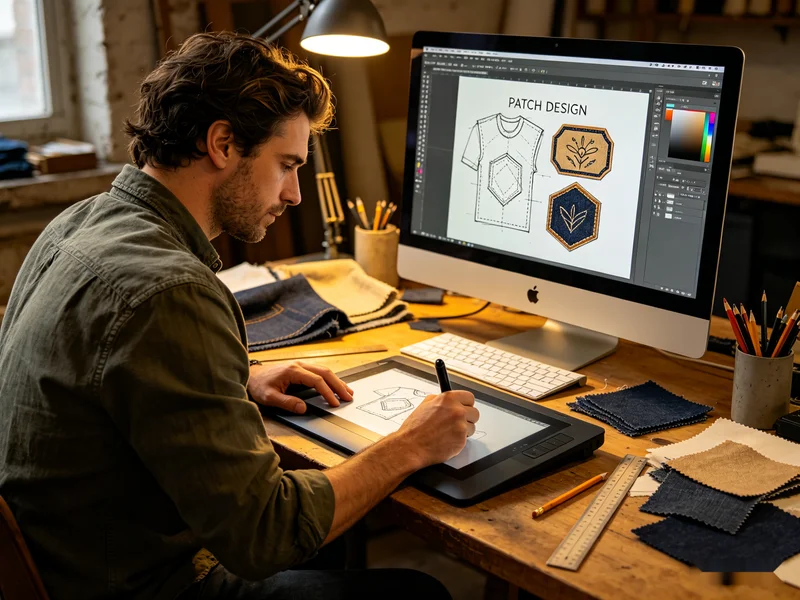
First, your design is digitized into a stitch file. This step determines how the embroidery machine will execute every detail.
Next, materials such as twill, felt, or specialty fabrics are selected based on durability and design requirements.
Then, high-speed embroidery machines produce the patches with precision and consistency.
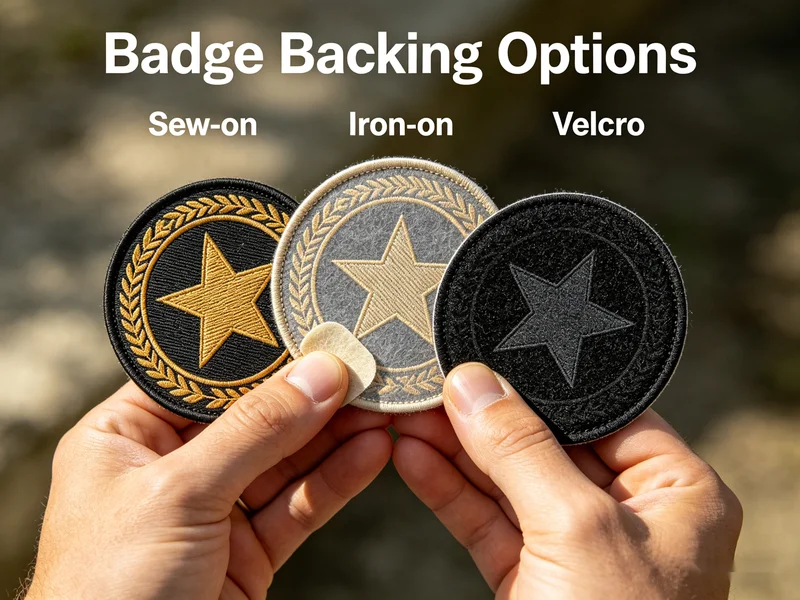
After embroidery, patches are cut, edged (merrowed or laser-cut), and prepared with backing options such as sew-on, iron-on, or Velcro.
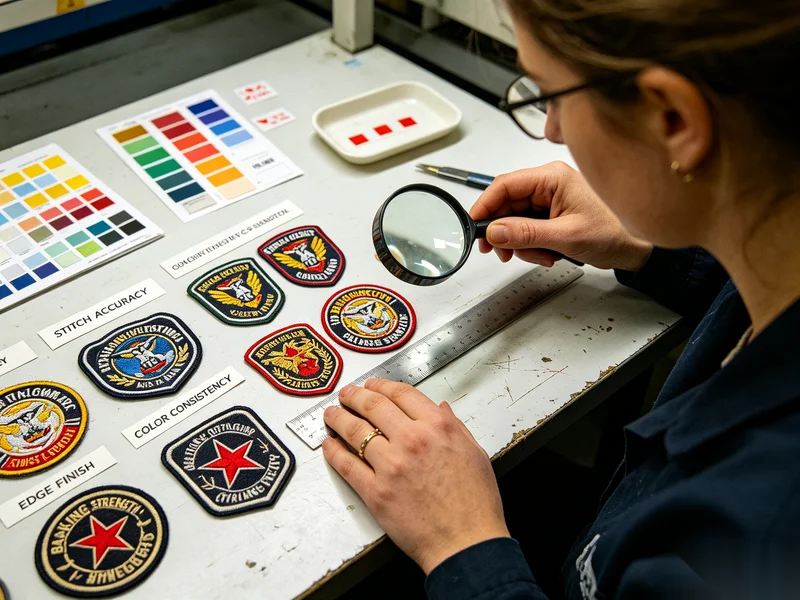
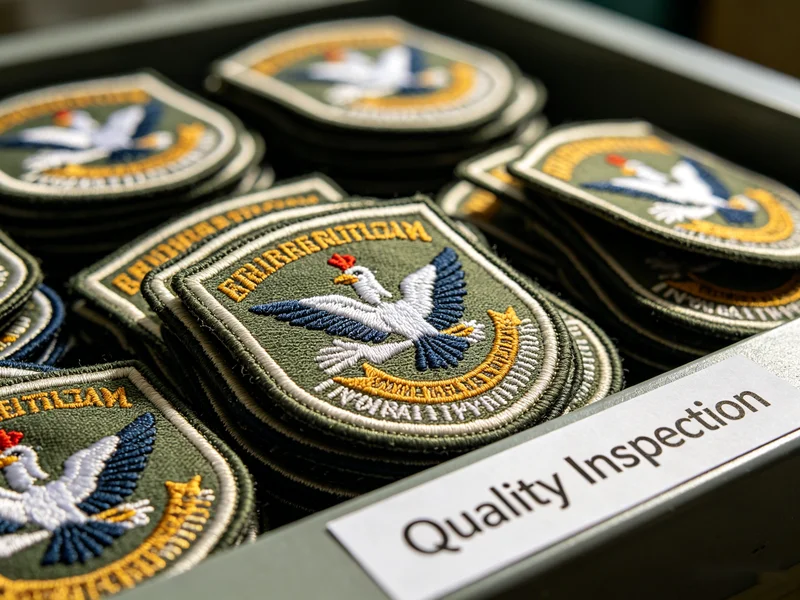
Finally, strict quality control ensures that every patch meets the same standard before shipment.
This process ensures that bulk orders maintain uniform quality—something DIY methods cannot achieve.
A New Perspective: Patches Are Not Products—They Are Brand Assets
Here’s a perspective many buyers overlook:
When you make embroidered patches, you’re not just producing accessories—you’re creating brand assets that travel with your customers.
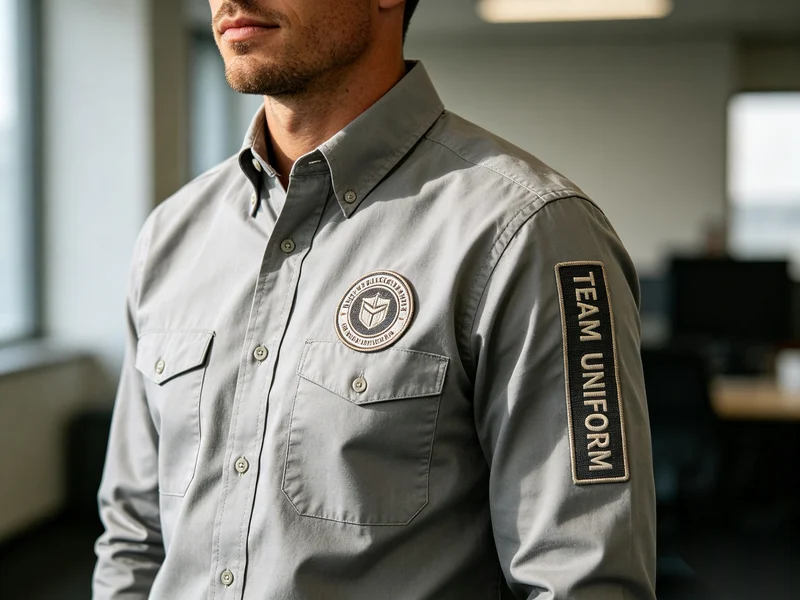
Think about where patches appear: uniforms, jackets, hats, bags. These are visible in public spaces, meaning your patch becomes a moving advertisement.
This changes how you should approach patch production:
- It’s not just about cost—it’s about brand perception
- It’s not just about design—it’s about durability over time
- It’s not just about quantity—it’s about consistency across all products
From this viewpoint, investing in professional patch manufacturing is not an expense—it’s a strategic decision.
Why Experience Matters: 28 Years of Manufacturing Insight
For B2B buyers, experience is one of the most important factors when choosing a supplier.
A manufacturer with 28 years of experience—like BSJ—understands not only production techniques but also market trends, material performance, and quality control.
This experience translates into:
- Better design optimization for embroidery
- More efficient production workflows
- Higher consistency in bulk orders
- Faster problem-solving during production
When you work with an experienced custom embroidered patches manufacturing partner, you reduce risks and improve overall efficiency.
How to Design Patches That Work in Real Production
From a user perspective, one of the biggest challenges is translating a digital design into a physical patch.
Not all designs work well with embroidery. Fine details, gradients, or very small text may not translate effectively.
To successfully make embroidered patches, consider these guidelines:
- Use bold lines and clear shapes
- Limit the number of colors for better clarity
- Ensure text is large enough to be readable
- Match design complexity with patch size
An experienced manufacturer can help optimize your design before production, saving time and cost.
What Should Businesses Focus on When Making Patches?
Instead of focusing only on “how to make embroidery patches,” businesses should prioritize the following:
Consistency – Every patch should look identical across all units
Durability – Patches must withstand washing, wear, and environmental conditions
Scalability – Production should support your business growth
Cost efficiency – Bulk production should reduce unit costs
Flexibility – Ability to adapt designs for different products
These factors determine whether your patches are just decorative items or valuable brand tools.
How to Choose the Right Patch Manufacturing Partner?
Selecting the right professional patch manufacturer is key to success.
Look for a supplier with proven experience in bulk production and a strong understanding of embroidery techniques.
Evaluate their ability to provide samples before mass production.
Check their quality control processes to ensure consistency.
Communication is also critical. A reliable partner should help optimize your design and guide you through the production process.
A long-term partnership can significantly improve efficiency and product quality.
FAQ
What is the best way to make embroidered patches for business use?
Working with a professional manufacturer ensures scalability, consistency, and cost efficiency.
Can I make patches myself for bulk orders?
DIY methods are not suitable for large-scale production due to limitations in equipment and consistency.
What affects the quality of embroidered patches?
Design, materials, stitching density, and manufacturing experience all play a role.
How long does it take to produce patches in bulk?
Typically 1–3 weeks depending on design complexity and order size.
Can manufacturers help optimize my design?
Yes, experienced manufacturers can adjust designs for better embroidery results.
Why is consistency important in patch production?
Consistent patches ensure strong brand identity and professional product appearance.
Making embroidered patches is not just a technical process—it’s a strategic decision that impacts your brand, product quality, and scalability. By working with an experienced manufacturer like BSJ, businesses can move beyond basic production and create patches that truly support long-term growth and brand success.
About Author
——————————————————————————————————————————————

Alexander
Online Sales Manager
Alexander specialize in digital marketing and understanding customer psychology, providing clients with the right solutions through data insights and creative strategies.
——————————————————————————————————————————————