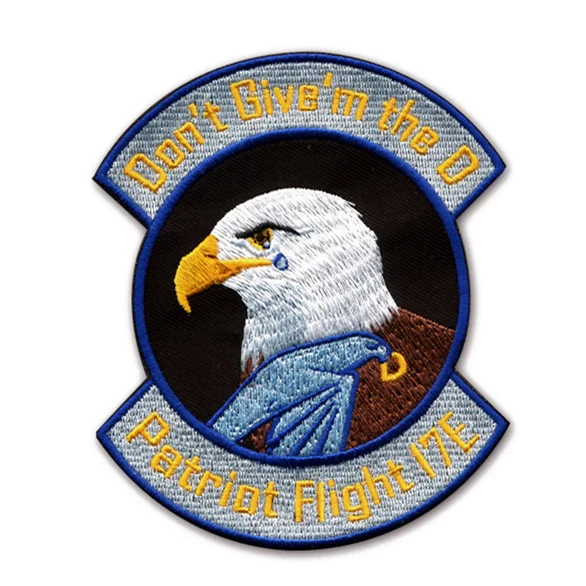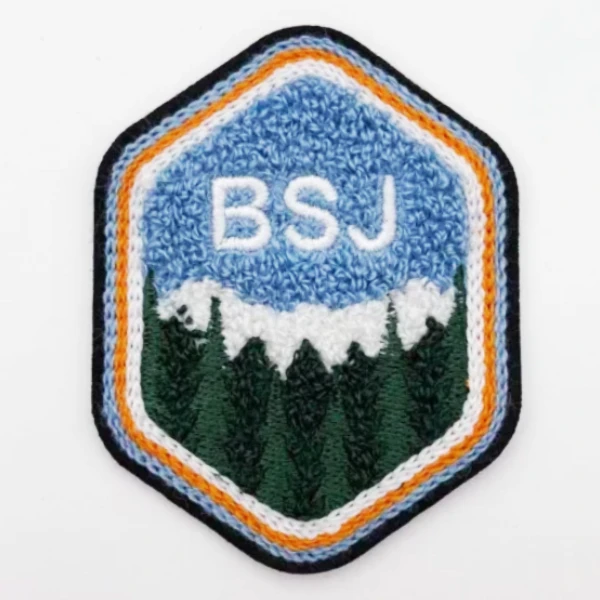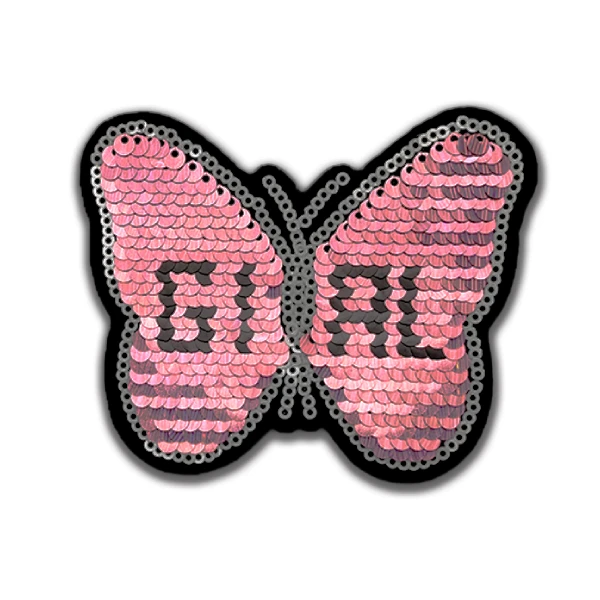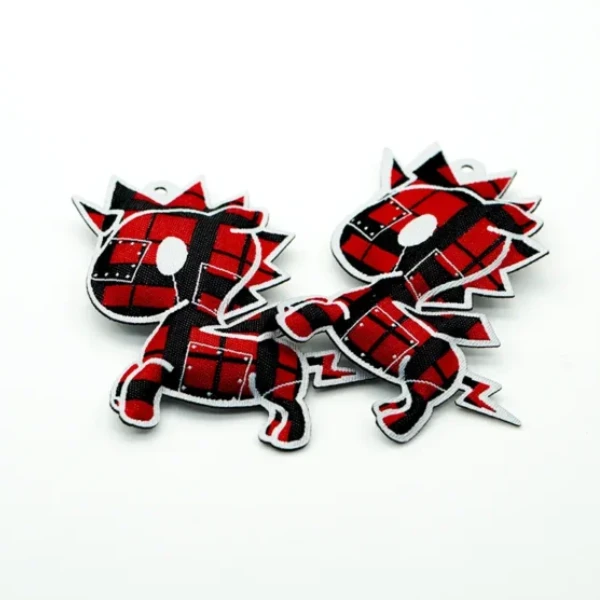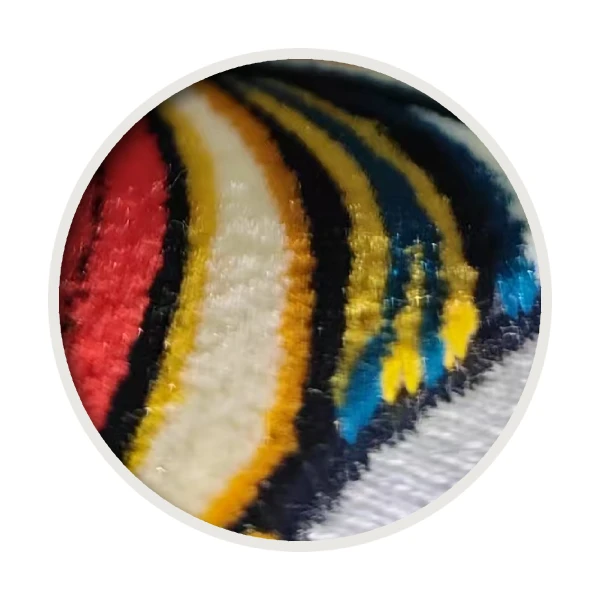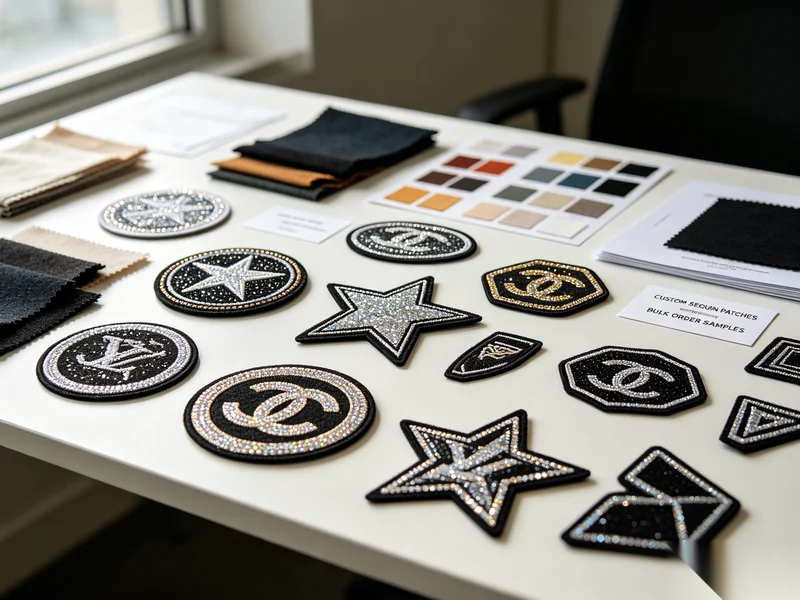
Embroidered patches are high-quality fabric emblems created by stitching designs onto durable base materials. For brands and manufacturers, learning how to make embroidered patches ensures consistency, scalability, and professional results. Businesses can produce custom embroidered patches in bulk for uniforms, corporate identity, and wholesale distribution.
✅ Quick Steps to Make Embroidered Patches (Business Workflow):
- Design and digitize the artwork.
- Select base fabric, threads, and backing type.
- Use professional embroidery machines for stitching.
- Trim and finish patch edges.
- Apply backing (sew-on, iron-on, Velcro, or heat seal).
- Package and prepare for wholesale or bulk delivery.
What Are Embroidered Patches in the Apparel Industry?
Embroidered patches are fabric-based insignias made using embroidery threads stitched into a backing material. They are widely used by:
- Corporations for branded workwear and promotional merchandise.
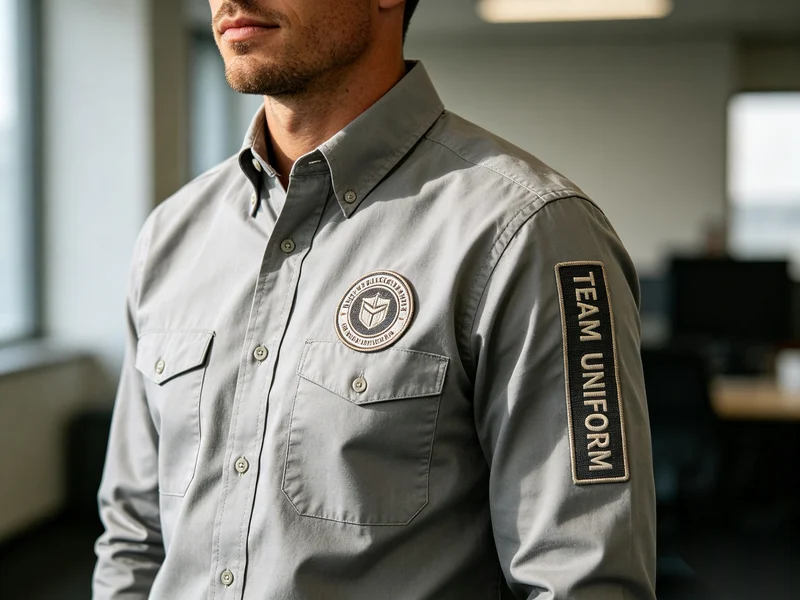
- Military, police, and security services for uniforms.
- Sports organizations for team logos and sponsorships.
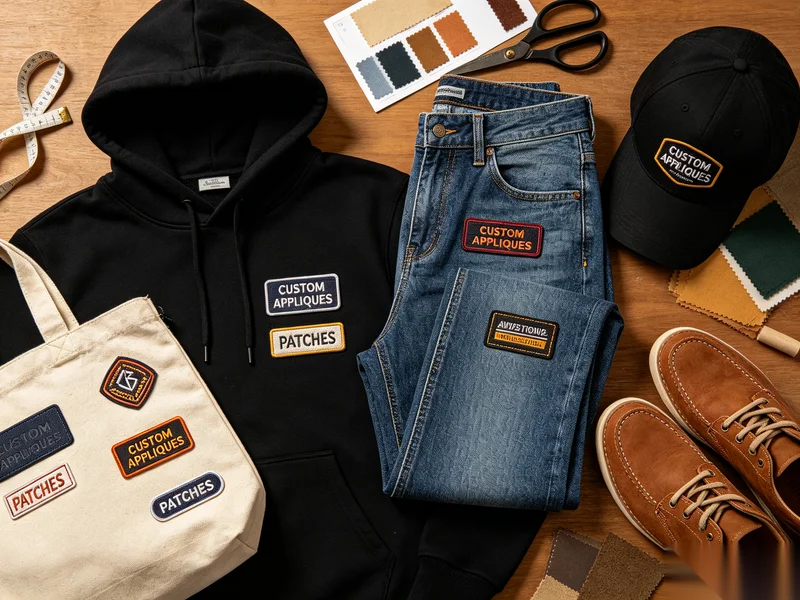
- Fashion brands for jackets, hats, and denim apparel.
In a B2B context, embroidered patches are not just decorative; they are branding assets that convey professionalism and identity.
Why Should Businesses Invest in Custom Embroidered Patches?
Custom embroidered patches provide several key advantages for companies:
- Scalability – Easily produced in bulk for wholesale orders.
- Consistency – Digitized designs ensure identical results for every patch.
- Durability – Sturdy threads and backing withstand industrial laundering.
- Versatility – Suitable for uniforms, bags, hats, and promotional goods.
- Brand Recognition – A cost-effective way to strengthen brand identity.
For B2B buyers, embroidered patches offer a balance of quality, cost efficiency, and flexibility.
How to Make Embroidered Patches (Step-by-Step Business Process)
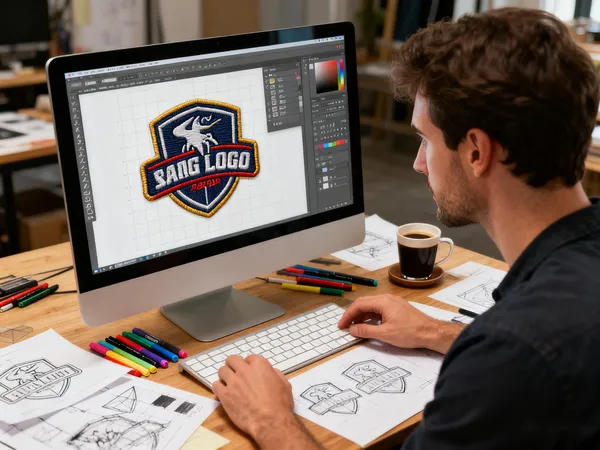
Step 1: Design and Digitization
- Artwork preparation: Start with a clean vector logo or design.
- Digitizing software: Converts artwork into stitch files readable by embroidery machines.
- Optimization: Adjust stitch density, underlay, and thread direction for high-quality results.
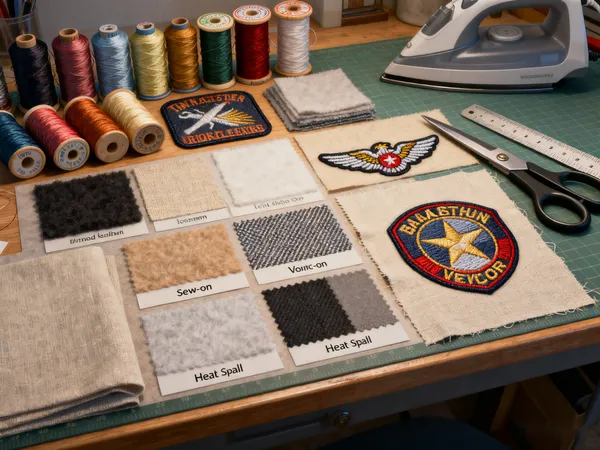
Step 2: Choose Base Materials
- Fabric options: Twill, felt, canvas, or polyester blends.
- Thread types:
- Polyester for durability and colorfastness.
- Rayon for a smooth, glossy finish.
- Backing materials:
- Sew-on (standard and permanent).
- Iron-on (heat-activated adhesive).
- Velcro (removable and reusable).
- Heat seal (industrial application).
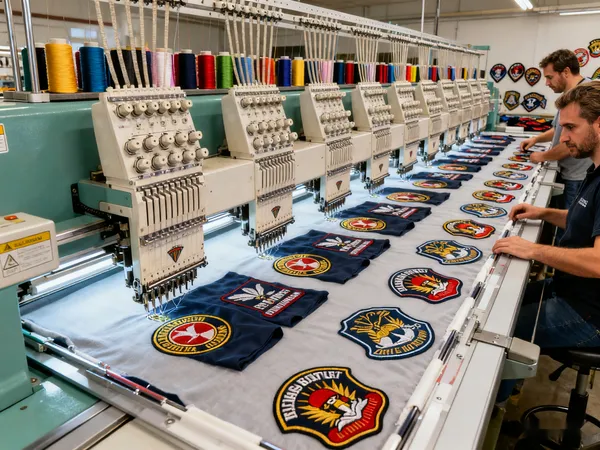
Step 3: Embroidery Production
- Machine embroidery: Multi-head embroidery machines handle bulk orders efficiently.
- Stitch types: Satin stitches for borders, fill stitches for solid areas, running stitches for details.
- Thread management: Color changes are automated for complex logos.
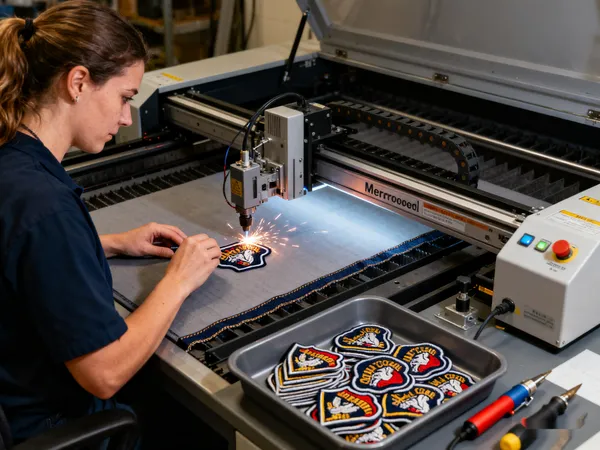
Step 4: Cutting and Edge Finishing
- Laser cutting: Precise for custom shapes.
- Merrowed borders: Thick, stitched edging for durability.
- Hot knife trimming: Prevents fabric fraying.
Step 5: Backing Application
Depending on customer requirements, patches can be finished with:
- Sew-on backing for permanent attachment.
- Iron-on adhesive for easy consumer application.
- Velcro for uniforms requiring frequent patch changes.
- Heat seal backing for industrial apparel production.
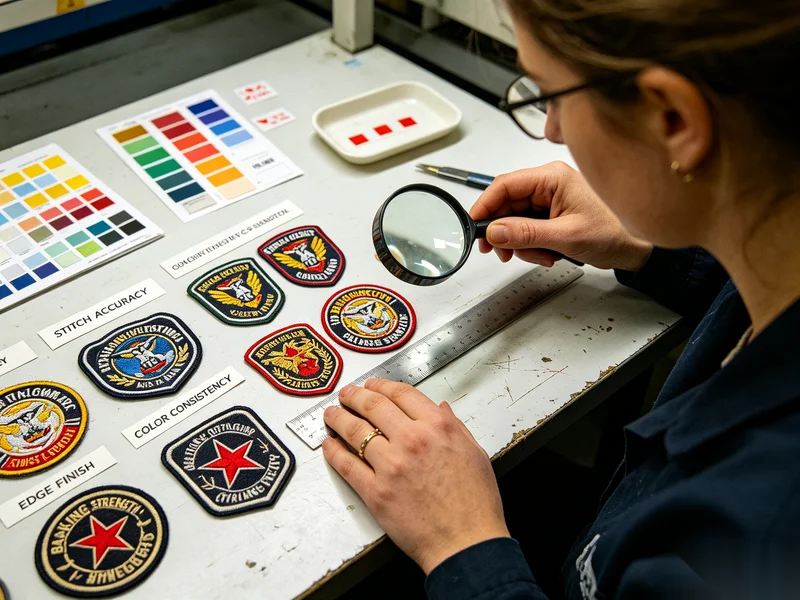
Step 6: Quality Control & Packaging
- Inspect stitching density, color accuracy, and backing adhesion.
- Package in bulk or individually, depending on B2B buyer requirements.
How Do Custom Embroidered Patches Compare to Other Branding Methods?
| Method | Advantages | Best Use Cases |
|---|---|---|
| Embroidered Patches | Durable, textured, professional appearance | Uniforms, wholesale branding, fashion |
| Printed Patches | High detail, low cost, faster turnaround | Promotional giveaways, complex artwork |
| Woven Labels | Smooth finish, fine detail | Retail apparel, luxury fashion |
| Heat Transfer Prints | Full color, photo-like detail | Sportswear, marketing campaigns |
👉 Businesses choose embroidered patches when they need long-lasting, premium-quality branding that reinforces identity.
Can Small Businesses Also Make Embroidered Patches?
Yes. While large-scale production requires industrial embroidery machines, smaller businesses can create embroidered patches using:
- Single-head embroidery machines for low-volume orders.
- Outsourcing digitization services to reduce setup costs.
- Partnering with wholesale patch manufacturers for bulk needs.
This flexibility makes embroidered patches accessible to both large corporations and small enterprises.
Best Practices for Professional Embroidered Patch Production
- Use High-Resolution Artwork: Clean designs digitize better.
- Test Samples Before Bulk Runs: Ensures color accuracy and thread density.
- Standardize Backings by Industry: Velcro for military, iron-on for retail, sew-on for uniforms.
- Ensure Consistent Quality Control: Even one defective patch can affect brand perception.
- Consider Eco-Friendly Materials: Recycled polyester threads and organic fabrics for sustainable branding.
Frequently Asked Questions (FAQ)
Q1: How long does it take to produce custom embroidered patches in bulk?
Most wholesale embroidery patches can be produced within 7–15 business days, depending on complexity and order size.
Q2: Can embroidered patches be washed and dried?
Yes. High-quality custom embroidered patches are resistant to machine washing, though line drying extends longevity.
Q3: What is the minimum order quantity for wholesale embroidered patches?
MOQ varies by supplier, but many manufacturers start from 100–200 pieces for wholesale pricing.
Q4: Do embroidered patches support fine details and small text?
Yes, but woven or printed patches may be better for very intricate artwork under 2 mm.
Q5: Can embroidered patches be applied without sewing?
Yes. Iron-on and heat seal backings allow easy application without stitching.
Conclusion
For companies exploring how to make embroidered patches, the process combines design digitization, material selection, embroidery, finishing, and quality control. By investing in professional production methods, businesses can create custom embroidered patches that are durable, scalable, and perfectly suited for uniforms, wholesale distribution, and corporate branding.
Whether your company requires small-batch prototypes or bulk wholesale embroidery patches, mastering this production workflow ensures consistent results and strengthens your brand identity.
About Author
——————————————————————————————————————————————

Alexander
Online Sales Manager
Alexander specialize in digital marketing and understanding customer psychology, providing clients with the right solutions through data insights and creative strategies.
——————————————————————————————————————————————