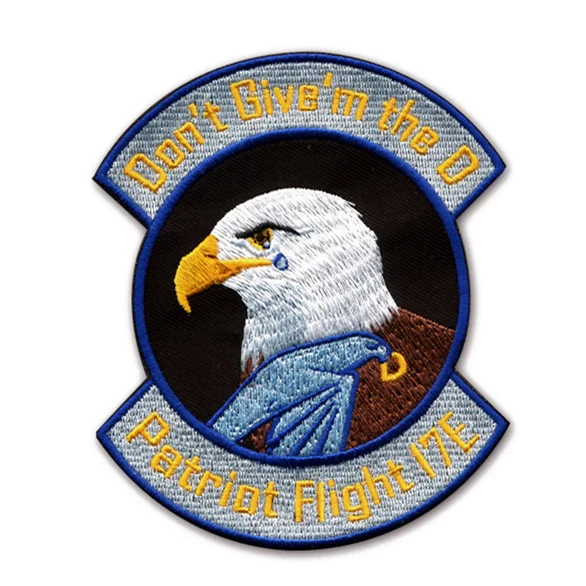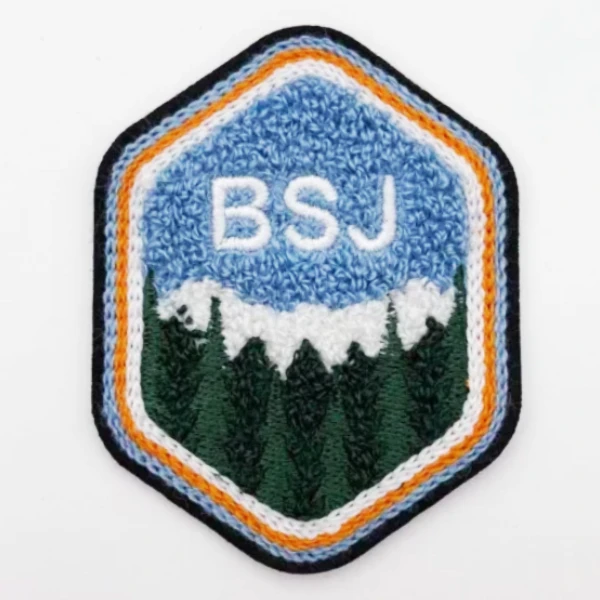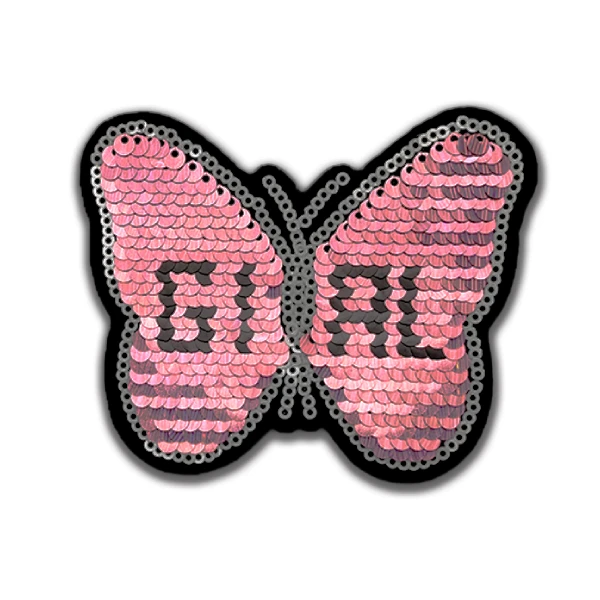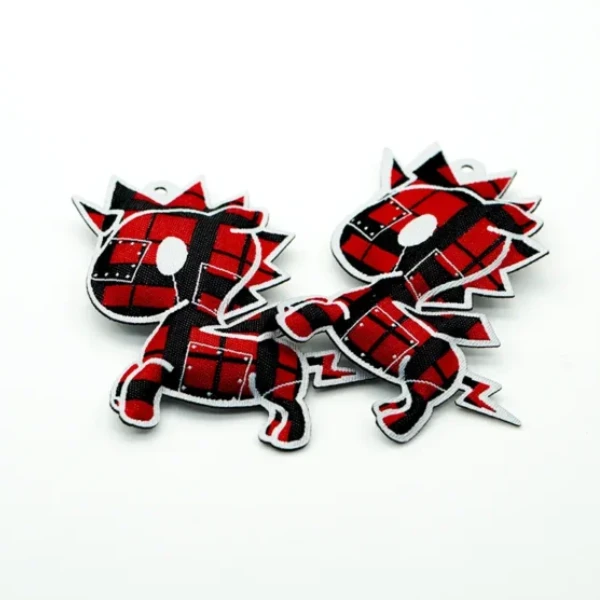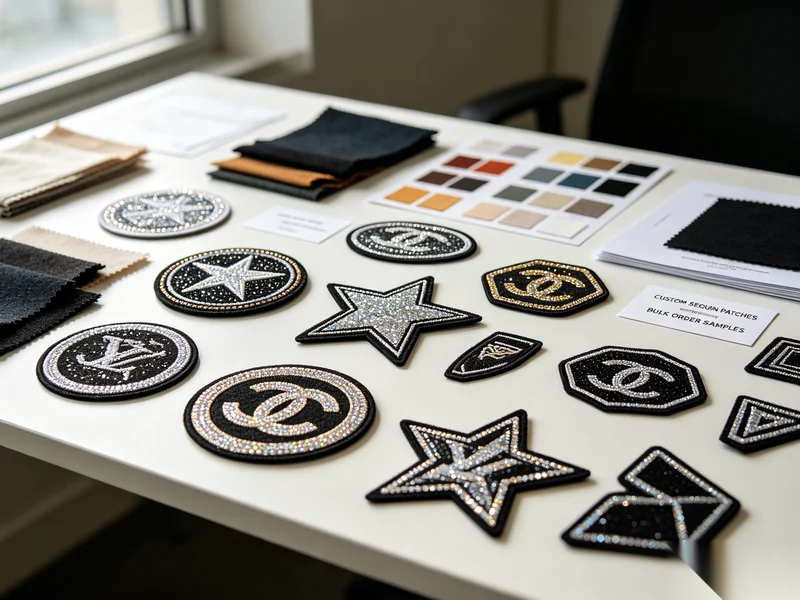
To design custom embroidered patches, brands should focus on clear visuals, balanced proportions, and embroidery-friendly details. Successful patch design combines strong identity, simple artwork, and thoughtful placement, ensuring the patch remains readable, durable, and visually impactful across different garments and use cases.
What Does It Mean to Design Custom Embroidered Patches?
Designing custom embroidered patches is the process of transforming brand ideas, logos, or concepts into stitch-based graphics that work at small and medium scales. Unlike digital-only artwork, embroidery design must consider thread structure, spacing, and visual clarity.
For B2B buyers, good patch design reduces sampling revisions and speeds up production.
Why Patch Design Matters More Than You Think
A patch often becomes the most noticeable element on a garment. Poor design can make even high-quality embroidery look cluttered or unclear.
Well-designed patches help:
- strengthen brand recognition
- improve garment aesthetics
- maintain consistency across product lines
- reduce production errors
Design is not decoration—it is strategy.
Start with Purpose Before You Design
Before creating artwork, clarify the patch’s role.
Ask:
- Is it a brand logo or identity marker?
- Is it decorative or informational?
- Will it be worn daily or occasionally?
Clear purpose guides size, style, and complexity.
Popular Styles When You Design Custom Embroidered Patches
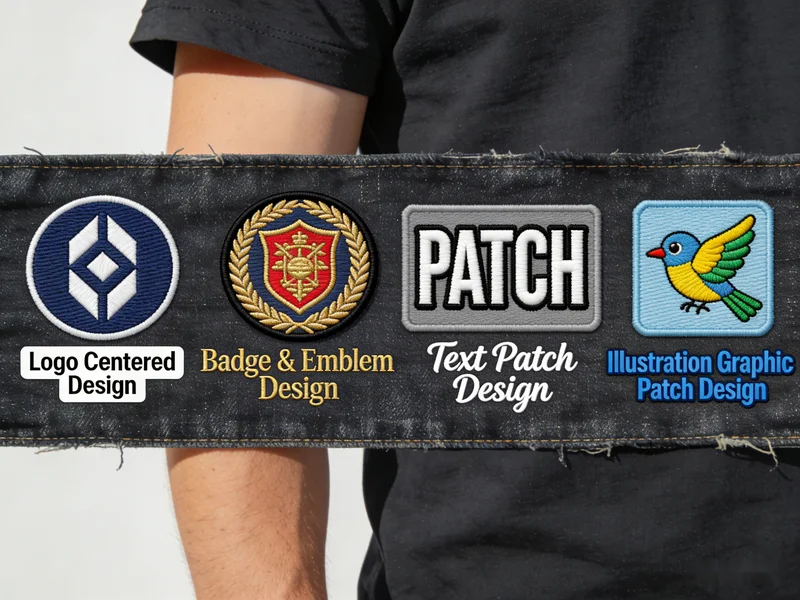
Logo-Centered Designs
Clean, recognizable logos adapted for embroidery.
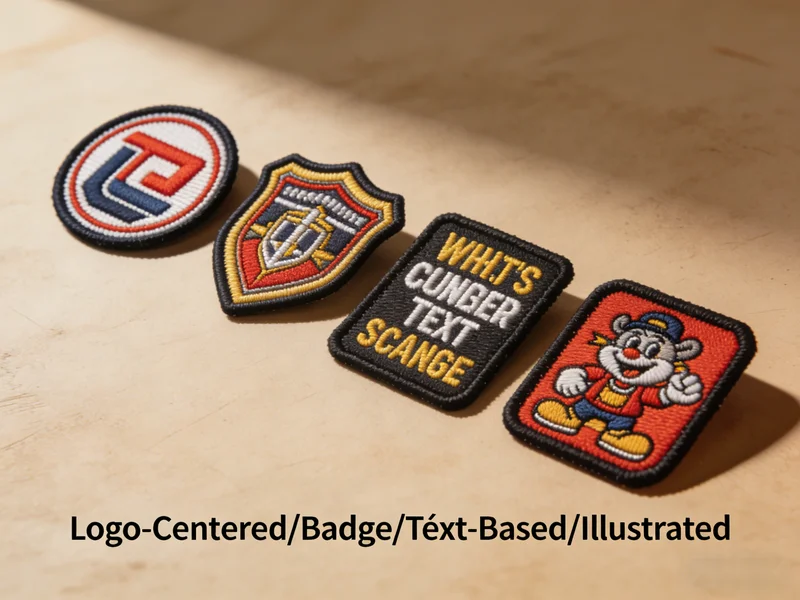
Badge & Emblem Designs
Circular, shield, or crest-style layouts that feel structured and timeless.
Text-Based Patches
Names, slogans, or locations designed with readable typography.
Illustrated Graphic Patches
Mascots, icons, or symbolic illustrations simplified for stitching.
Design style should align with brand positioning.
Key Design Principles for Custom Embroidered Patches
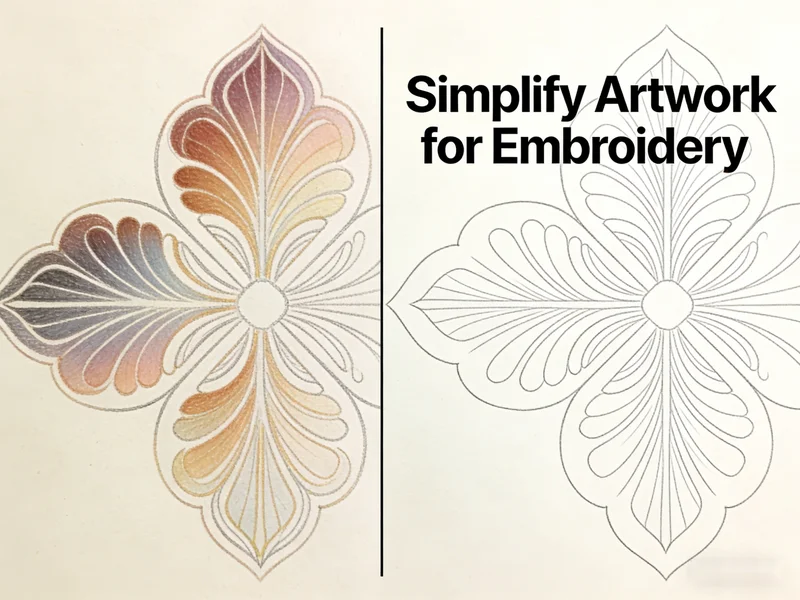
Simplify the Artwork
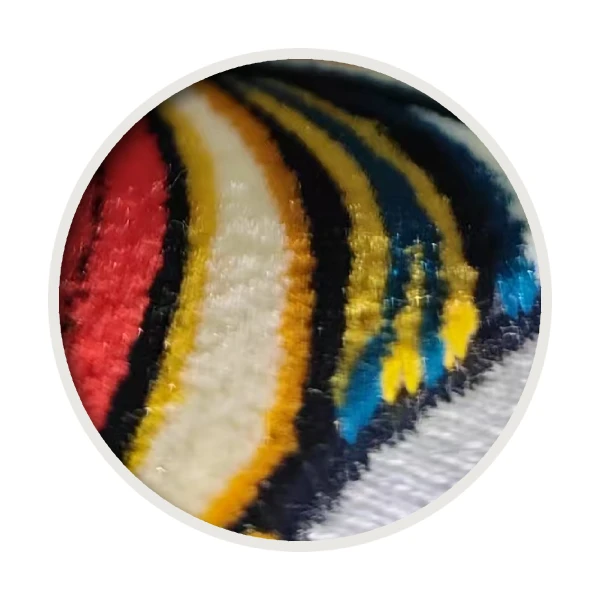
Avoid fine lines, gradients, and tiny details that do not translate well to embroidery.
Balance Detail and Space
Negative space helps stitches stand out and improves legibility.
Choose the Right Size
Design complexity must match patch size—smaller patches require bolder shapes.
Maintain Strong Contrast
High contrast between elements improves visibility on garments.
These principles ensure embroidery clarity.
Designing Patches for Different Garments
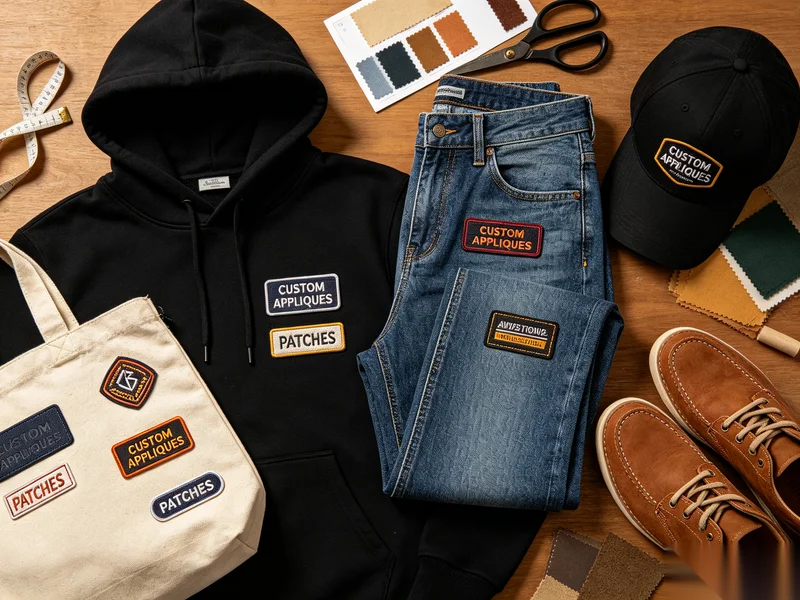
Jackets & Outerwear
Allow for larger, more detailed patches.
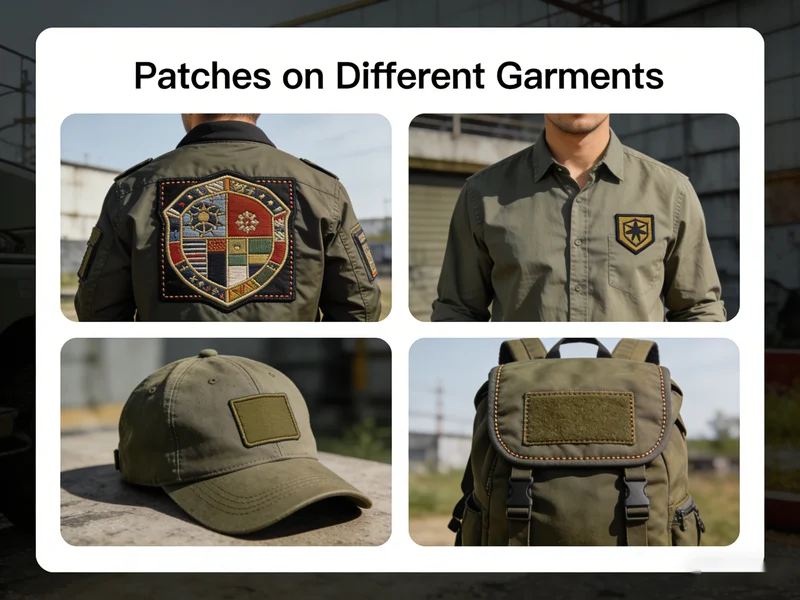
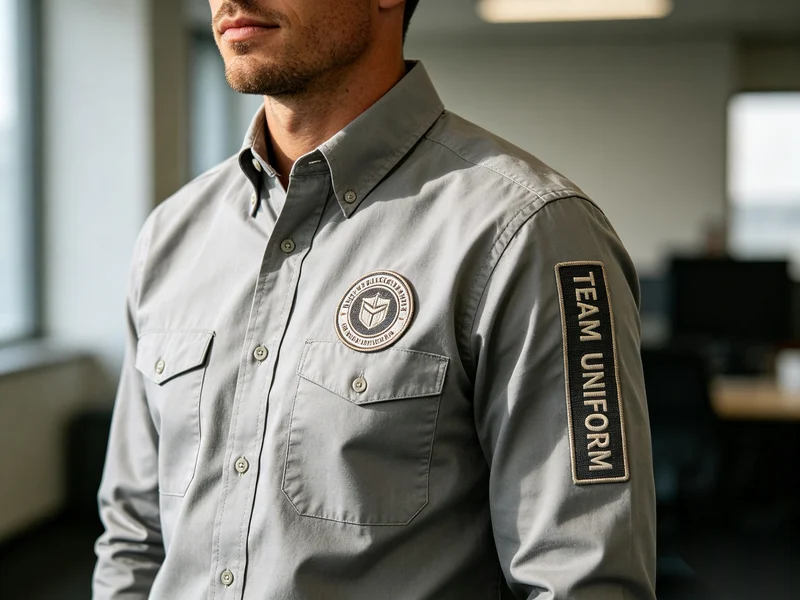
Shirts & Uniforms
Prioritize readability and clean layouts.
Hats & Accessories
Keep designs minimal and bold due to limited space.
Bags & Gear
Durability and edge definition are especially important.
Design should always consider final placement.
How to Prepare Artwork for Embroidered Patch Design
When preparing files:
- use vector artwork when possible
- keep text outlines clear
- avoid overlapping fine elements
- clearly indicate intended patch size
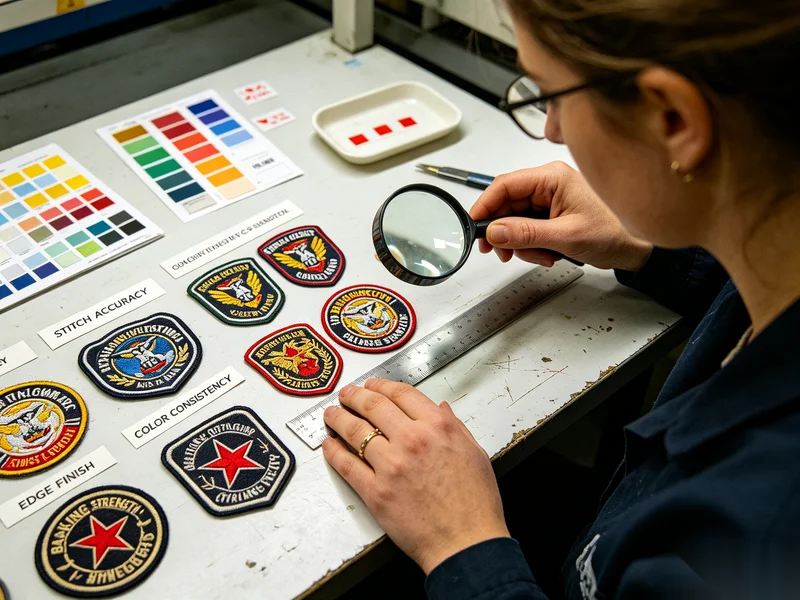
Professional patch makers can help refine designs before sampling.
Common Design Mistakes to Avoid
Overcomplicating the Design
Complex artwork often loses clarity when stitched.
Ignoring Scale
What looks good on screen may fail at small sizes.
Inconsistent Visual Language
Mismatch between patches weakens brand identity.
Designing Without Production Input
Early manufacturer feedback saves time and cost.
Avoiding these mistakes improves first-sample success.
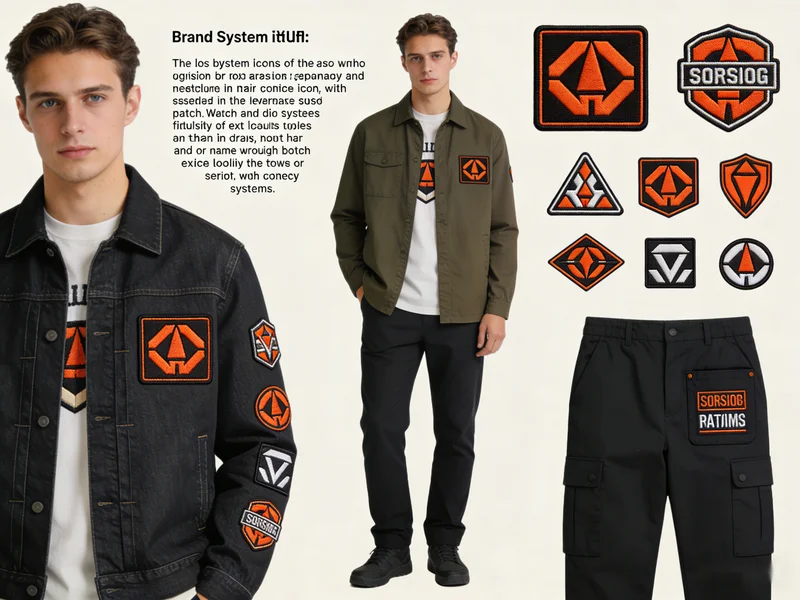
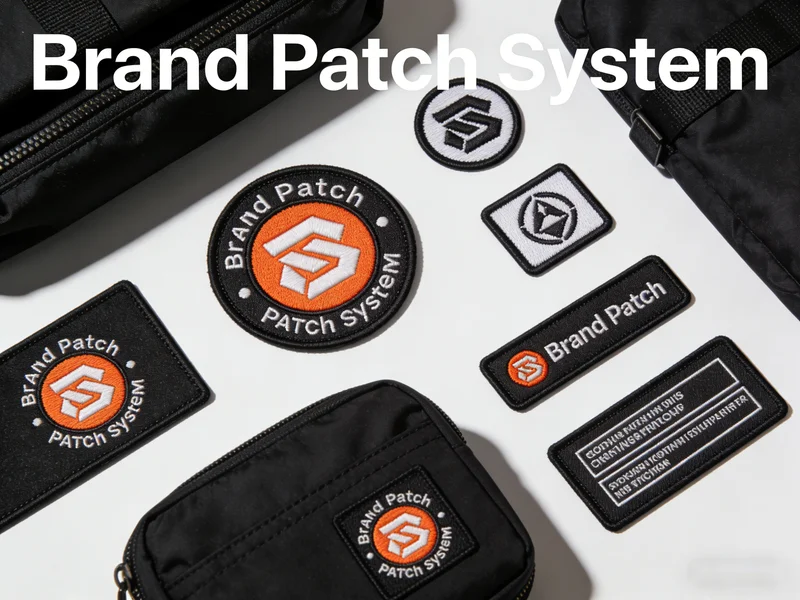
Design Custom Embroidered Patches for Brand Systems
Rather than designing one patch at a time, many brands create patch systems.
Examples include:
- primary logo patch
- secondary icon patch
- text or name patch
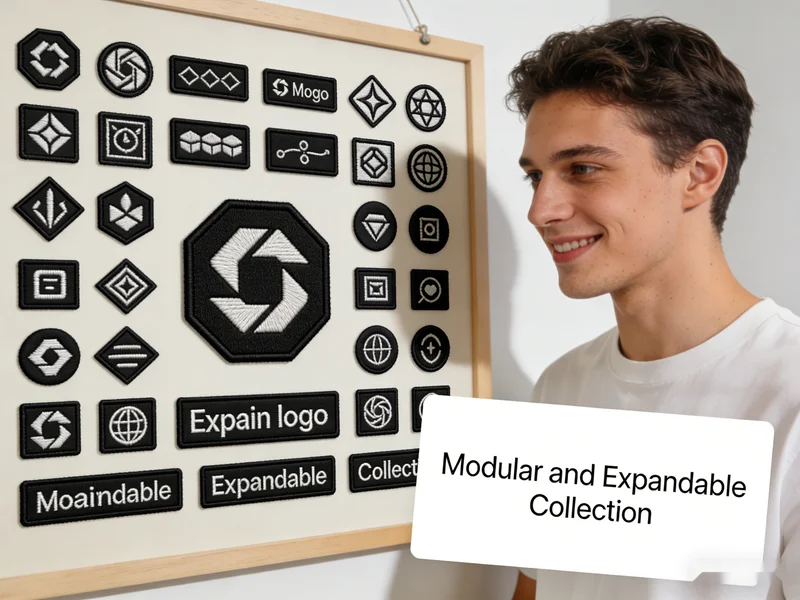
A system approach supports modular and scalable collections.
Design Inspiration Trends in Custom Embroidered Patches
Current trends include:
- simplified vintage aesthetics
- bold outlines and limited colors
- symbolic graphics instead of literal images
- clean typography-based designs
Trends should enhance, not overpower, brand identity.
FAQ: Design Custom Embroidered Patches
Q: Can any logo be used to design a patch?
Most logos can be adapted, but simplification is often necessary.
Q: Do I need embroidery experience to design patches?
No, professional manufacturers can assist with optimization.
Q: How many colors should a patch use?
Fewer colors usually improve clarity and efficiency.
Q: Can one design work across multiple garments?
Yes, when designed with scale and placement in mind.
Conclusion
To design custom embroidered patches successfully, brands must balance creativity with practicality. Strong patch design prioritizes clarity, purpose, and adaptability—ensuring the final embroidered result looks professional across garments and applications.
For B2B buyers, collaborating with an experienced embroidery patch maker during the design stage leads to faster approvals, fewer revisions, and consistent quality. Thoughtful design transforms patches from simple decorations into powerful brand elements that endure season after season.
About Author
——————————————————————————————————————————————

Alexander
Online Sales Manager
Alexander specialize in digital marketing and understanding customer psychology, providing clients with the right solutions through data insights and creative strategies.
——————————————————————————————————————————————