Direct Answer:
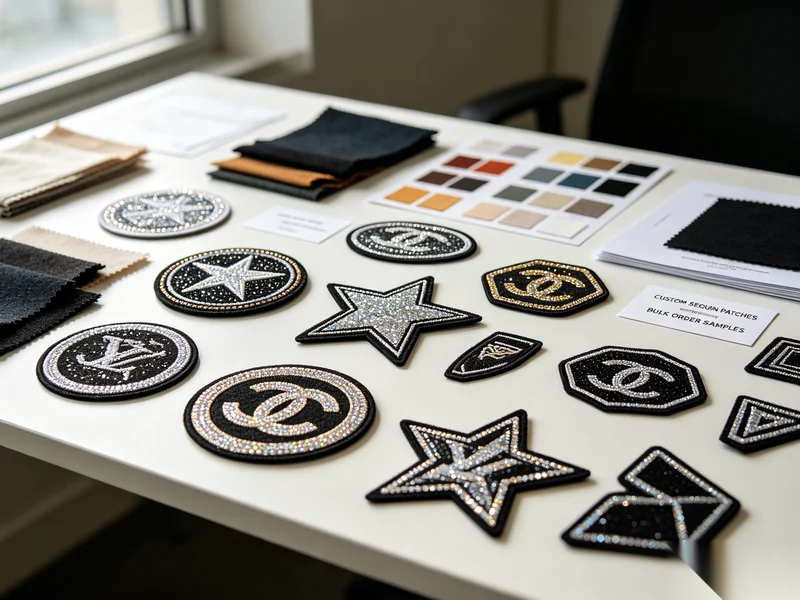
3D puff embroidered patches use foam under the stitching to create a raised, three-dimensional texture ideal for streetwear and sportswear branding. These patches add depth, style, and boldness to caps, jackets, and hoodies, offering a standout premium look that flat embroidery cannot achieve.
What Are 3D Puff Embroidered Patches?
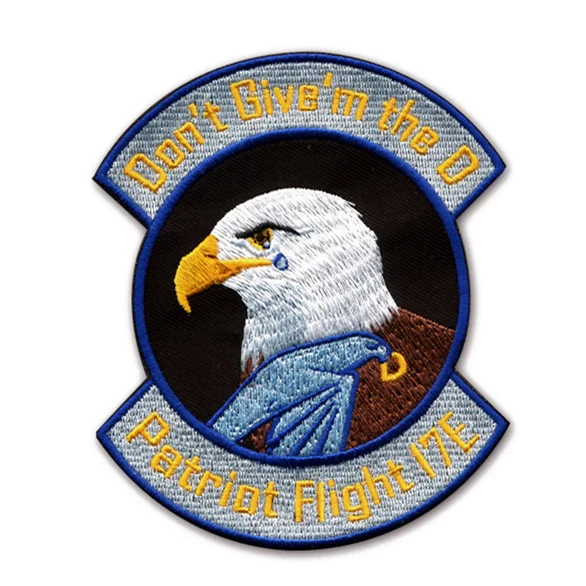
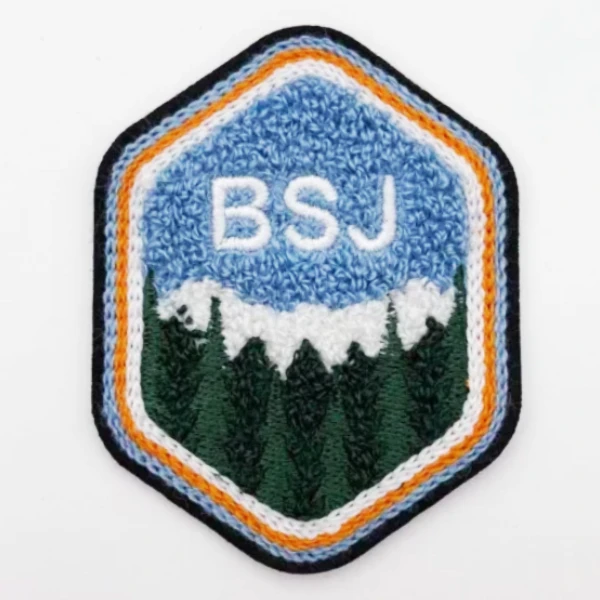
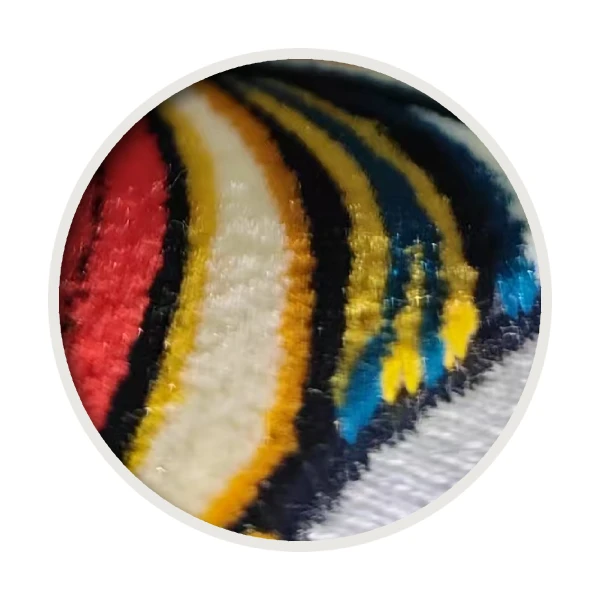
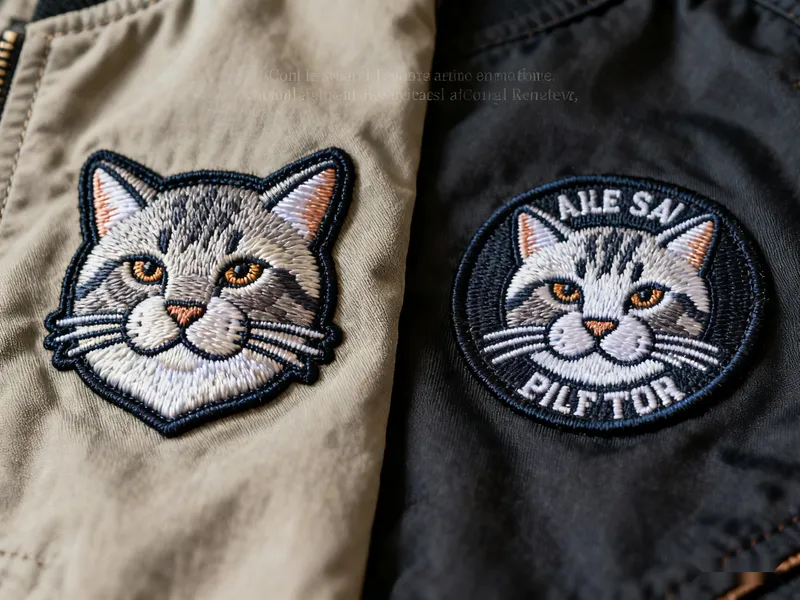
A 3D puff embroidered patch is created by placing a special foam material underneath the top layer of embroidery. As the stitches are applied, the foam compresses and shapes the design, forming a raised effect that adds visual depth and texture.
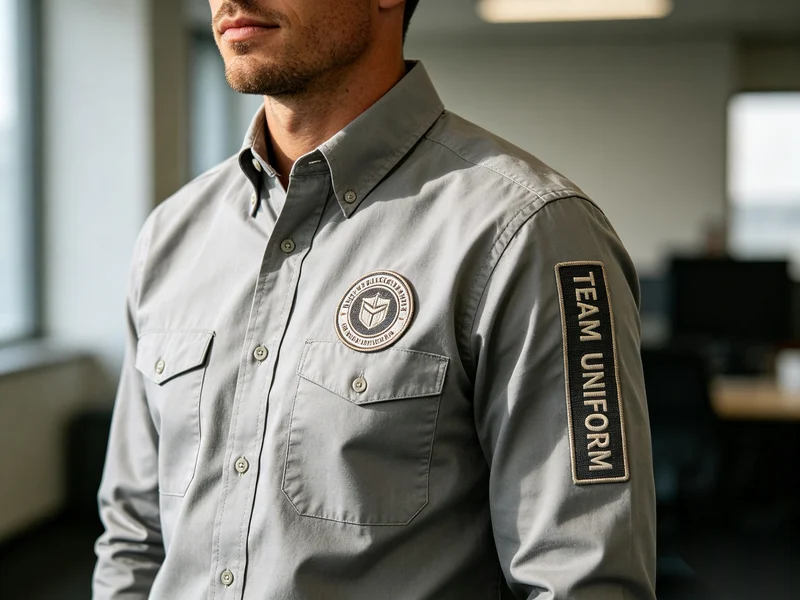
This technique is widely used in streetwear, sportswear, and team uniforms, where bold logos and dimensional effects help garments stand out with a modern, high-end feel.
Why Choose 3D Puff Embroidery for Streetwear and Sportswear?
Short Answer:
Because 3D puff embroidery gives your designs a bold, tactile edge that flat embroidery simply can’t match.
Detailed Reasons:
- Visual Depth and Texture – The raised stitching creates a premium, eye-catching look.
- Enhanced Brand Visibility – Perfect for bold logos on caps, hoodies, and jerseys.
- Durability – High-density foam and tight stitching make patches long-lasting.
- Fashion Relevance – 3D puff styles are a trend in urban and athletic apparel.
- Custom Flexibility – Works with letters, shapes, and logos of various sizes.
How 3D Puff Embroidery Works: Step-by-Step Process
| Step | Description |
|---|---|
| 1. Design Preparation | Convert the logo or artwork into a digital embroidery file with 3D puff settings. |
| 2. Foam Placement | A layer of foam is placed on top of the base fabric where raised stitching is required. |
| 3. Stitching the Outline | The machine embroiders the top layer, compressing and shaping the foam underneath. |
| 4. Foam Removal | Excess foam is carefully torn or melted away, leaving a clean 3D finish. |
| 5. Finishing Touches | Heat press or trimming ensures the patch maintains its sharp, raised form. |
Each step requires precision — too much density can crush the foam, while too little results in weak elevation.
Ideal Materials for 3D Puff Embroidered Patches
Choosing the right base material ensures both aesthetics and durability.
Recommended Fabrics:
- Twill (most common for structured designs)
- Felt (soft and vintage look)
- Canvas (durable and rugged texture)
- Leather (luxury or premium sportswear lines)
Recommended Threads:
- Polyester thread (resists breakage and maintains shape)
- Rayon thread (smooth, shiny finish for detailed logos)
Design Tips for Perfect 3D Puff Effects
- Use Bold Fonts or Logos – Thin lines don’t hold puff well; opt for thick, block-style designs.
- Avoid Small Details – Tiny text or complex patterns lose definition with foam.
- Outline with Flat Stitching – Combine flat embroidery for fine details with 3D puff for main lettering.
- Choose Contrast Colors – Dark thread on light fabric (or vice versa) enhances the 3D effect.
- Test Foam Thickness – Standard 2mm–6mm foam depth affects how “tall” your design looks.
Best Applications for 3D Puff Embroidered Patches
| Apparel Type | Use Case |
|---|---|
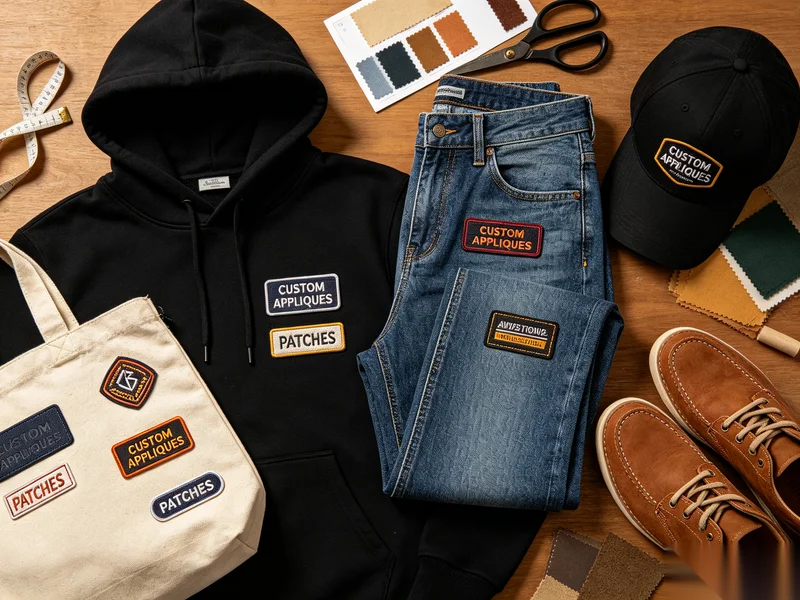
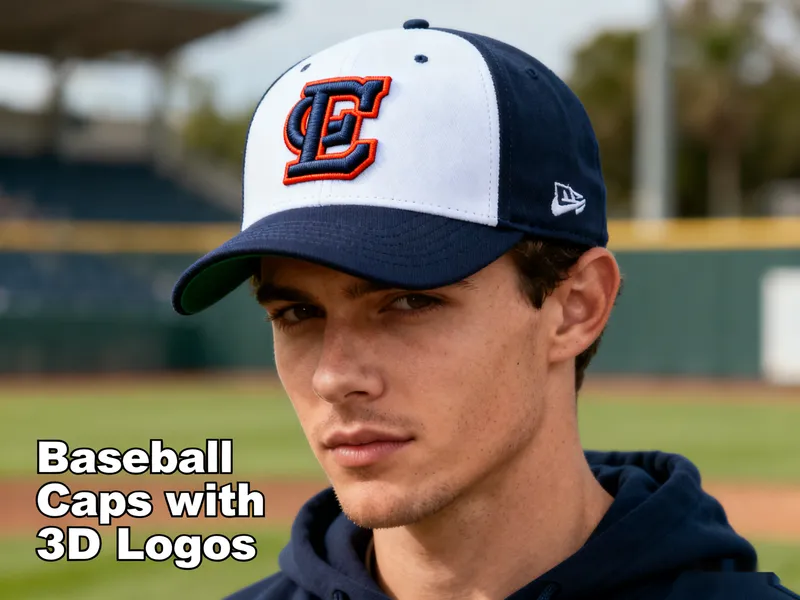
| Baseball Caps | Raised team logos or brand initials |
| Hoodies & Sweatshirts | Streetwear branding with high-contrast letters |
| Varsity Jackets | 3D school or team emblems |
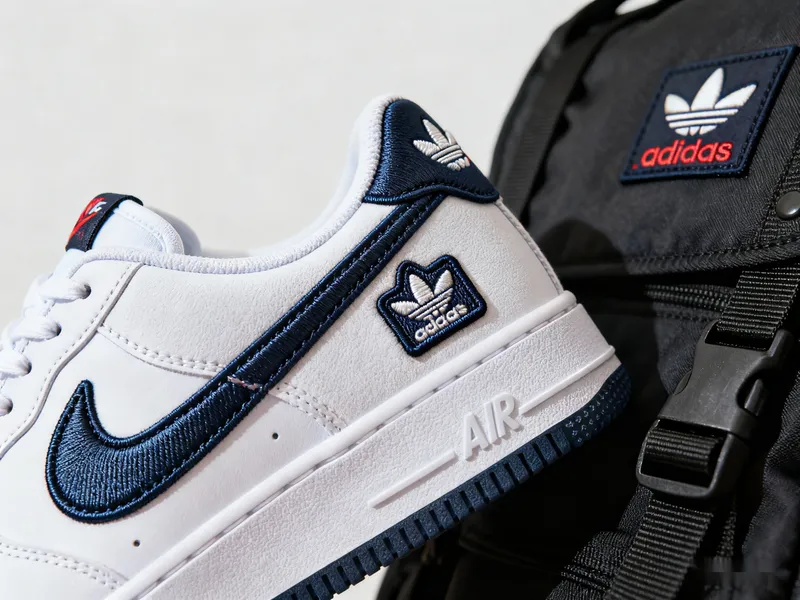
| Sneakers & Accessories | Mini puff patches for logo highlights |
| Sports Uniforms | Durable raised emblems for professional teams |
These applications help merge performance and aesthetics — making your brand identity pop both on and off the field.
Comparing 3D Puff vs. Flat Embroidery
| Feature | 3D Puff Embroidery | Flat Embroidery |
|---|---|---|
| Texture | Raised, dimensional | Smooth, flat |
| Visual Impact | Bold and eye-catching | Subtle and classic |
| Best for | Logos, streetwear, caps | Detailed text, fine art |
| Durability | High with foam support | High, but less textured |
| Production Cost | Slightly higher | Lower |
Conclusion: If your goal is impactful branding, 3D puff is the superior choice.
Common Mistakes to Avoid
❌ Using too-thin lines or small details
❌ Applying 3D puff on soft, stretchy fabrics
❌ Incorrect foam thickness selection
❌ Inadequate foam cleanup after stitching
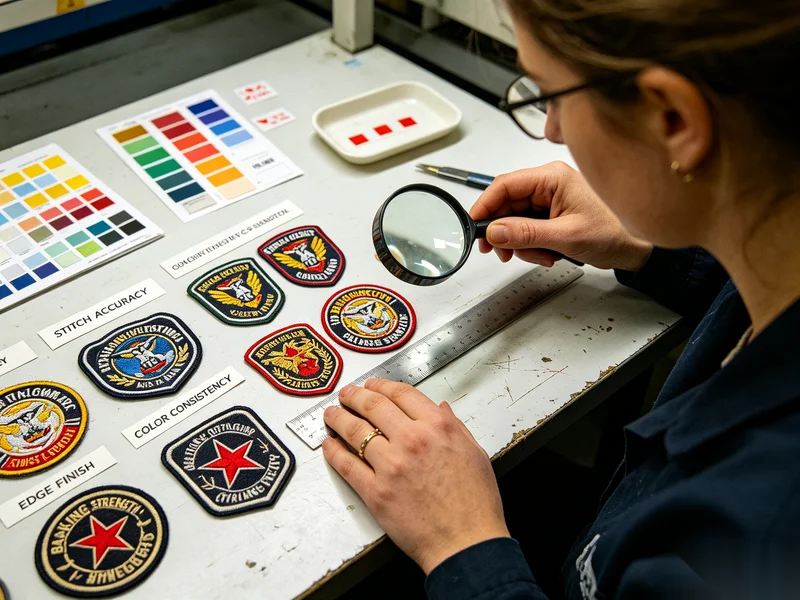
❌ Skipping test runs before mass production
Proper preparation ensures clean edges and professional results.
How to Customize Your 3D Puff Embroidered Patches
To create custom 3D embroidery designs, brands typically collaborate with a professional embroidery manufacturer that provides:
- Digitizing and sample approval
- Foam thickness customization (2mm, 3mm, 4mm, 6mm)
- Multiple backing options (iron-on, hook & loop, sew-on)
- Color-matched threads and base materials
This flexibility allows both streetwear brands and sportswear manufacturers to achieve consistent, scalable branding across products.
Backing Options for 3D Puff Embroidered Patches
| Backing Type | Features | Best Use |
|---|---|---|
| Sew-on | Permanent and professional | Jackets, uniforms |
| Iron-on | Easy application with heat press | Hats, hoodies |
| Hook & Loop (Velcro) | Reusable and detachable | Tactical or team apparel |
| Adhesive | Temporary use | Sample display, prototypes |
Choosing the right backing ensures both convenience and long-term wearability.
Final Thoughts: Why 3D Puff Embroidered Patches Are the Future of Bold Branding
In the world of streetwear and sportswear, visual distinction is everything. 3D puff embroidered patches give your brand that essential dimension — literally and stylistically. They communicate strength, confidence, and modern energy, transforming ordinary apparel into statement pieces.
Whether you’re designing for a sports team, lifestyle brand, or apparel label, mastering 3D puff embroidery means mastering the art of standing out.
About Author
——————————————————————————————————————————————

Alexander
Online Sales Manager
Alexander specialize in digital marketing and understanding customer psychology, providing clients with the right solutions through data insights and creative strategies.
——————————————————————————————————————————————