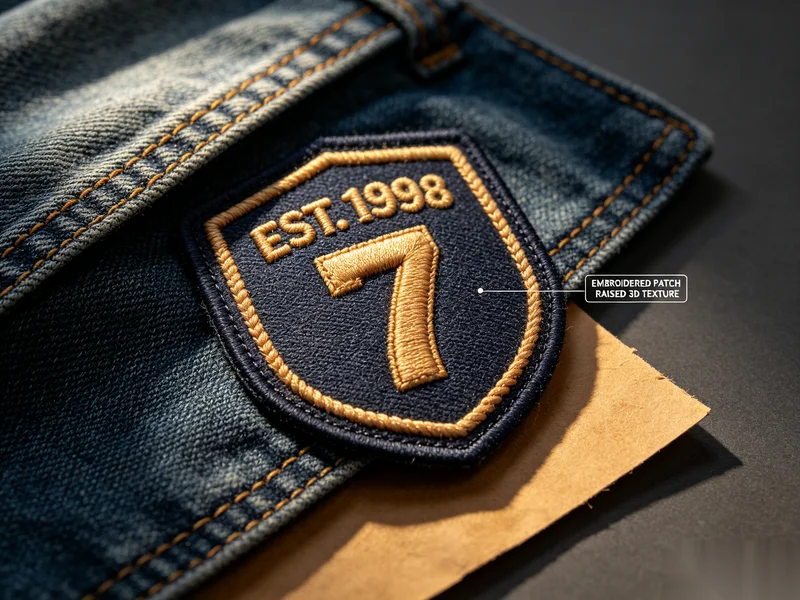
Patches to cover embroidery are specially designed patches used to hide unwanted logos, damaged stitching, or outdated branding on garments. They provide a fast, cost-effective solution for repair and rebranding, helping businesses extend product life while maintaining a clean and professional appearance.
What Are Patches to Cover Embroidery?
Patches to cover embroidery are practical textile solutions designed to conceal existing embroidery without removing it. Removing stitched logos can damage fabric, leaving visible marks or holes. Instead, applying a patch over the area ensures a cleaner and more efficient result.
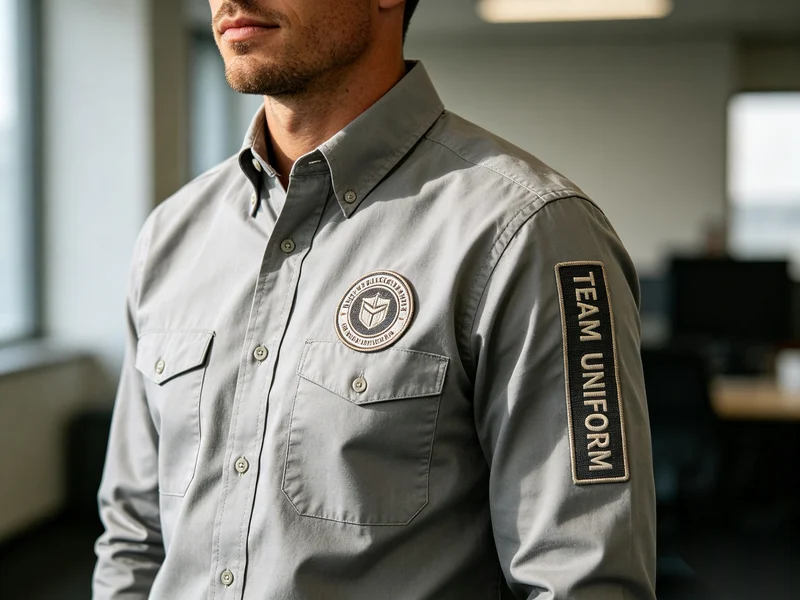
These patches are widely used in industries such as uniforms, workwear, and promotional apparel. For B2B buyers, cover up embroidery patches are especially valuable when dealing with excess inventory, branding updates, or quality control issues.
They allow businesses to reuse garments while maintaining a polished and consistent brand image.

Why Do Businesses Use Cover Up Embroidery Patches?
There are several key reasons why companies rely on repair embroidery patches.
One of the most common scenarios is rebranding. When a company updates its logo or visual identity, existing uniforms or products may become outdated. Instead of discarding them, businesses can apply custom cover patches to align with the new branding.
Another important use is correcting production errors. Mistakes such as incorrect logos, misspellings, or misaligned embroidery can be quickly fixed with a cover patch.
They are also useful for repairing damaged garments. Over time, embroidery may fade, fray, or become worn. Cover patches restore the appearance and extend the lifespan of the product.
Additionally, this solution reduces costs and supports sustainability by minimizing waste.
How Do Patches to Cover Embroidery Work?
The effectiveness of patches to cover embroidery depends on proper design and application.
The patch is typically designed slightly larger than the original embroidery to ensure full coverage. The shape and color are selected to either blend with the garment or highlight the new branding.
Once produced, the patch is applied directly over the existing embroidery using one of several methods:
- Sewing, which provides the most secure and long-lasting attachment
- Heat press (iron-on), which allows fast and efficient application
- Adhesive backing, suitable for temporary or low-stress uses
For professional results, precise positioning and proper attachment techniques are essential.
What Types of Patches Are Suitable for Covering Embroidery?
Different patch types can be used depending on the application and desired appearance.
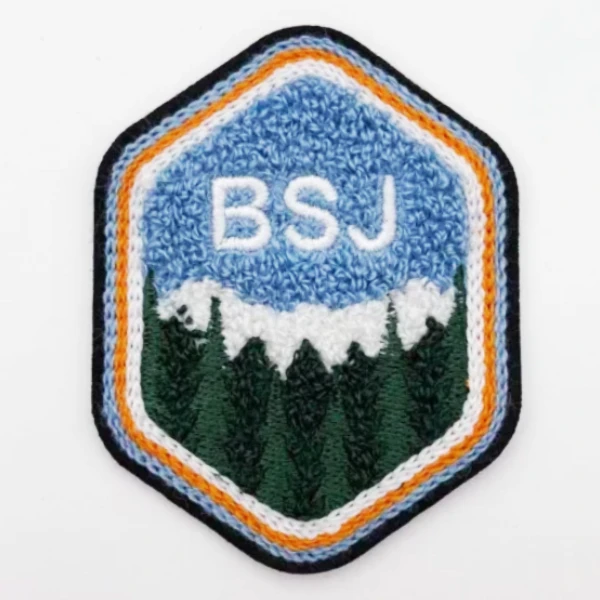
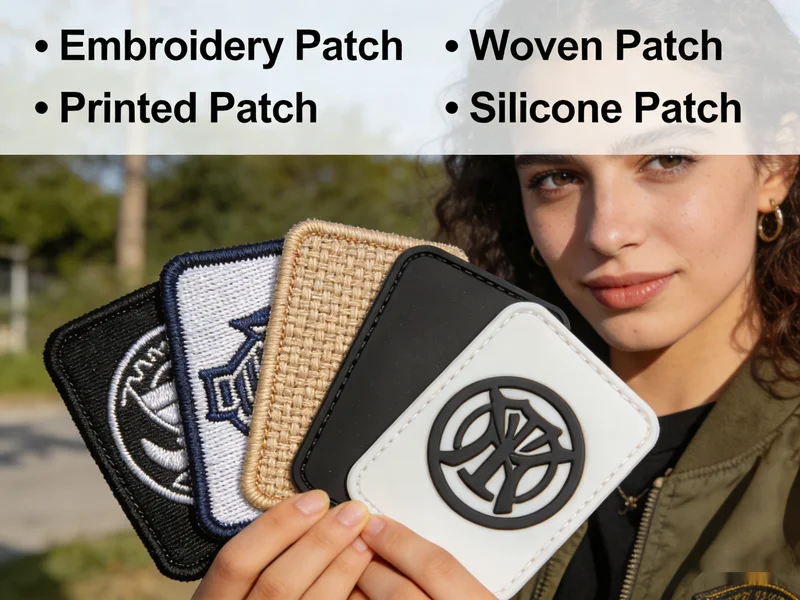
Embroidered patches are the most common choice because they match the texture of existing embroidery and provide a durable finish.
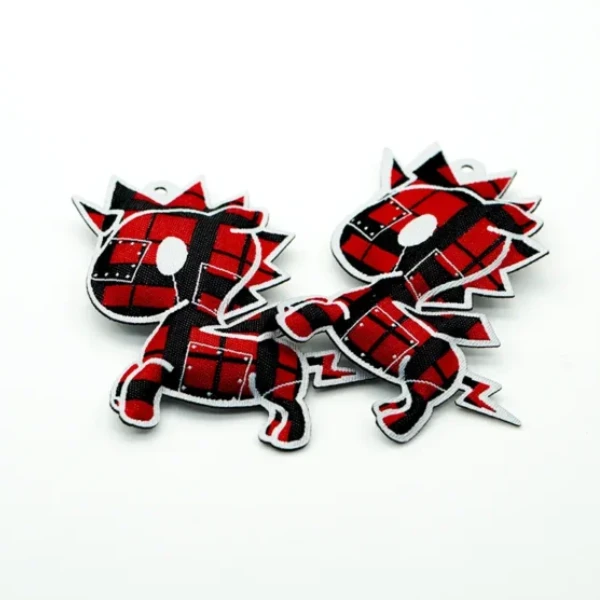
Woven patches are ideal for designs requiring fine details or smaller text. Printed patches work well for complex graphics or color gradients.
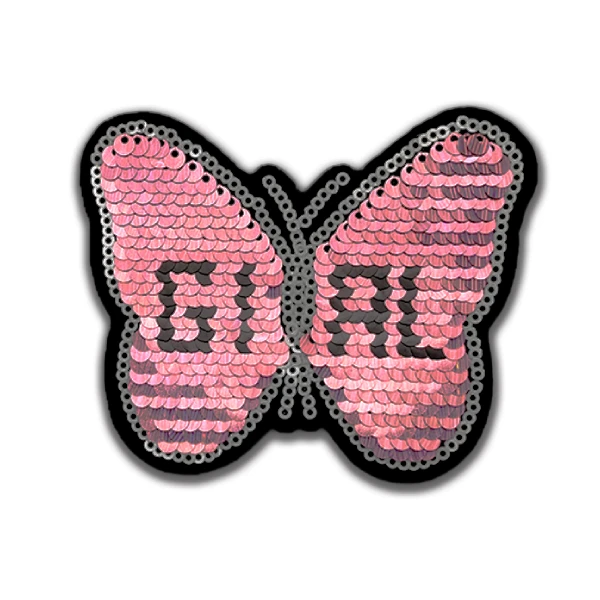
For more modern applications, silicone or rubber patches offer a bold, three-dimensional look and excellent durability, especially in outdoor or industrial environments.
Selecting the right type of cover up embroidery patches ensures both functional and visual success.
When Should You Use Repair Embroidery Patches?
Businesses typically use patches to cover embroidery in several practical situations.
They are highly effective during brand transitions, where large quantities of uniforms or products need updating quickly.
They are also used in manufacturing corrections, allowing companies to fix errors without restarting production.
In maintenance and after-sales scenarios, patches help repair worn or damaged garments, extending their usability.
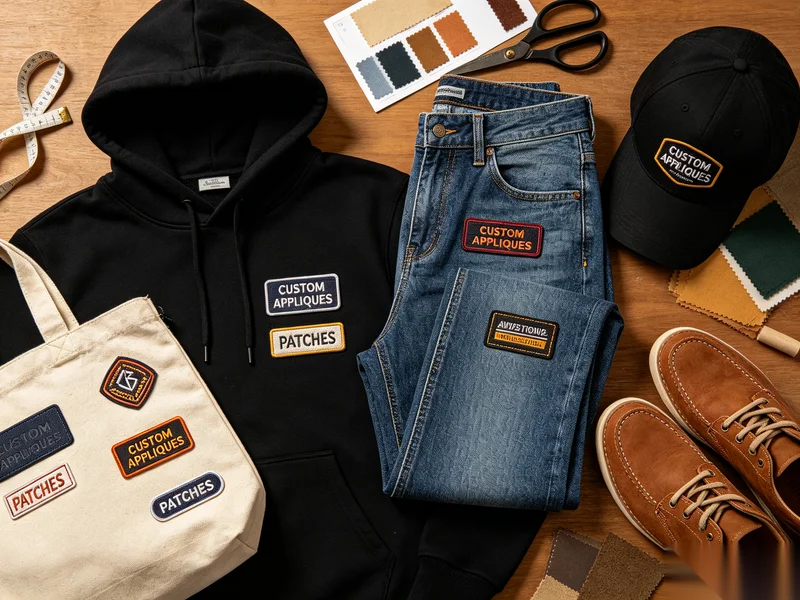
Retail brands may also use them creatively, layering patches to create unique or customized designs that add value to products.

What Should B2B Buyers Consider Before Ordering?
Before ordering custom cover patches, businesses should carefully evaluate their requirements.
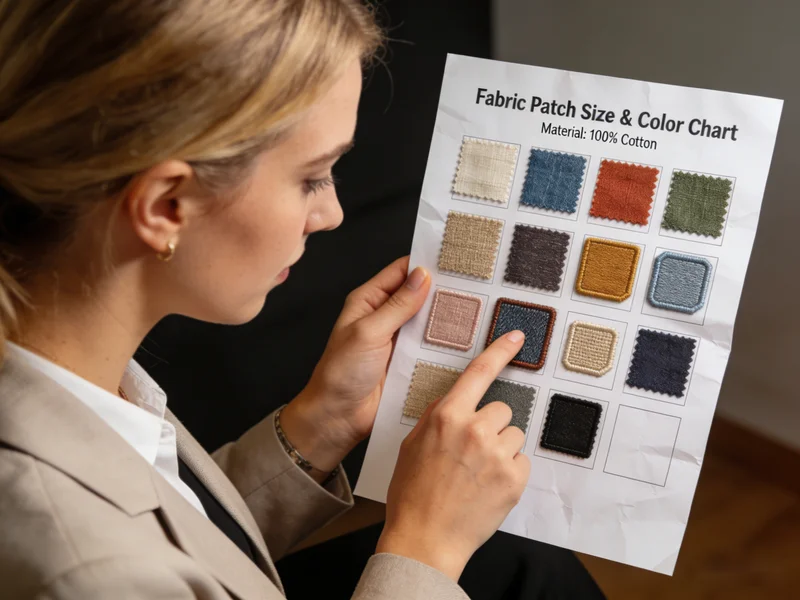
Size is critical to ensure complete coverage of the original embroidery. A patch that is too small may expose the old design, while one that is too large may affect aesthetics.
Color matching is important for maintaining a consistent appearance. The patch should either blend seamlessly or intentionally contrast for branding purposes.
Attachment method should be chosen based on usage conditions. Sew-on patches are best for durability, while iron-on options are suitable for quick application.
Material selection affects both durability and cost. Choosing the right fabric or material ensures long-term performance.
Finally, production capacity and lead time should align with project timelines, especially for bulk orders.
How to Achieve a Clean and Professional Result?
To ensure a high-quality outcome, attention to detail is essential when using repair embroidery patches.
Accurate measurement of the original embroidery area ensures proper coverage. Clean and precise application prevents wrinkles, lifting edges, or misalignment.
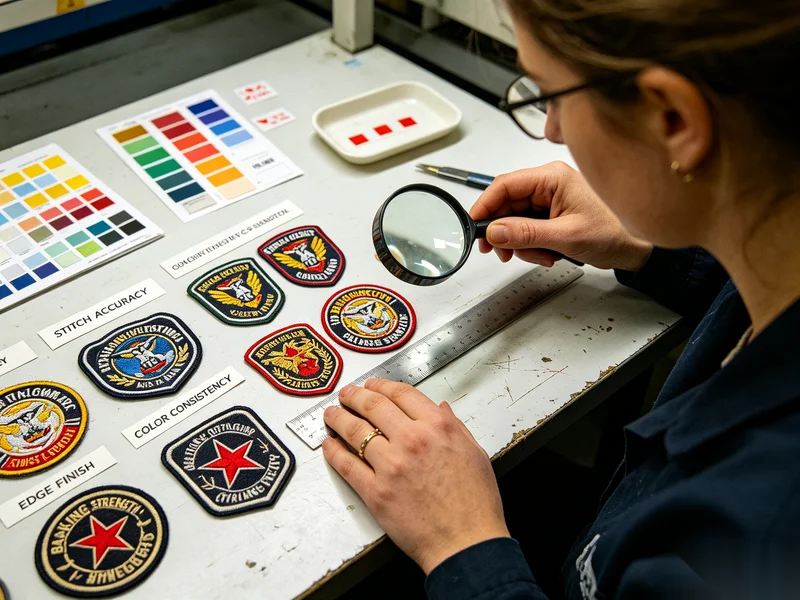
Using high-quality materials improves both durability and visual appeal. Testing samples before full production helps identify potential issues early.
Partnering with an experienced manufacturer ensures that the design, production, and application processes are optimized for your specific needs.
FAQ
What are patches to cover embroidery used for?
They are used to hide existing logos, repair damaged embroidery, or update branding on garments.
Can these patches completely hide old embroidery?
Yes, when properly designed and applied, they can fully conceal the original stitching.
What is the most durable way to attach a cover patch?
Sewing is the most durable method, especially for uniforms and workwear.
Are cover patches suitable for large-scale rebranding?
Yes, they are widely used by businesses to update large quantities of garments efficiently.
Can I customize the design of the patch?
Yes, patches can be fully customized in size, shape, color, and material.
How long does production usually take?
Production typically takes 1–3 weeks depending on order size and complexity.
Patches to cover embroidery provide businesses with a flexible, cost-effective, and sustainable solution for garment repair and rebranding. By allowing companies to reuse existing products while maintaining a professional appearance, they play an important role in modern apparel management and branding strategies.
About Author
——————————————————————————————————————————————

Alexander
Online Sales Manager
Alexander specialize in digital marketing and understanding customer psychology, providing clients with the right solutions through data insights and creative strategies.
——————————————————————————————————————————————