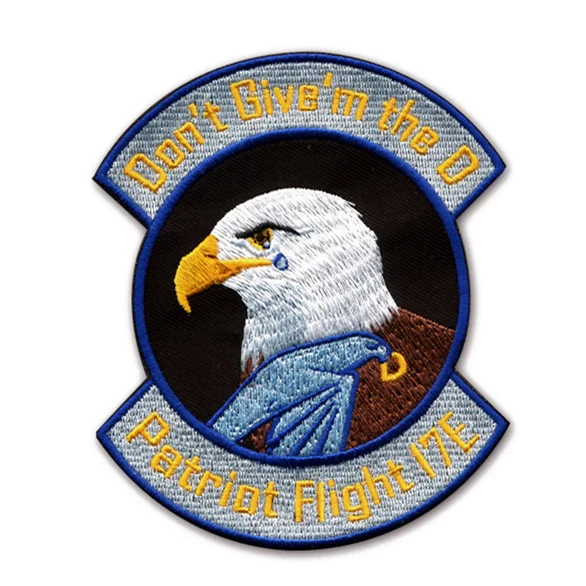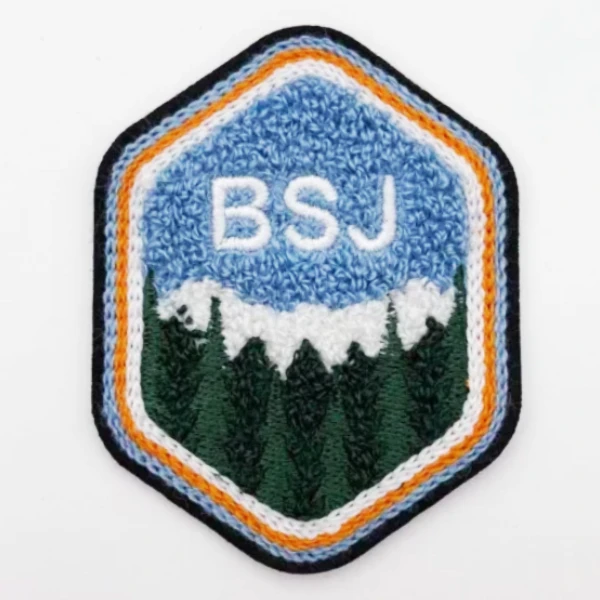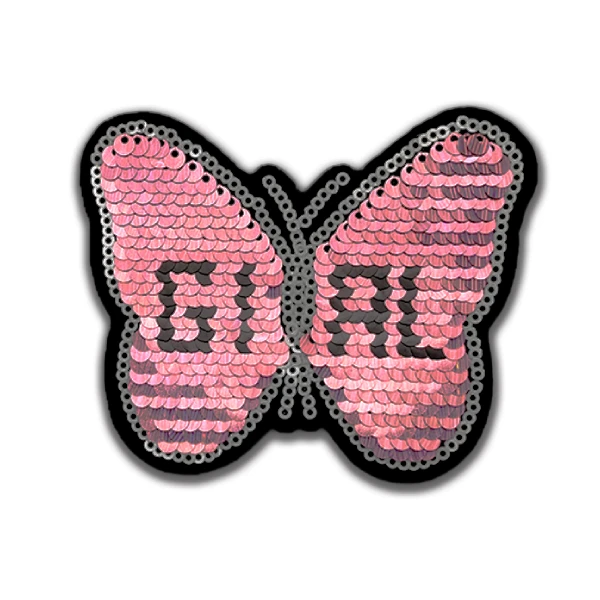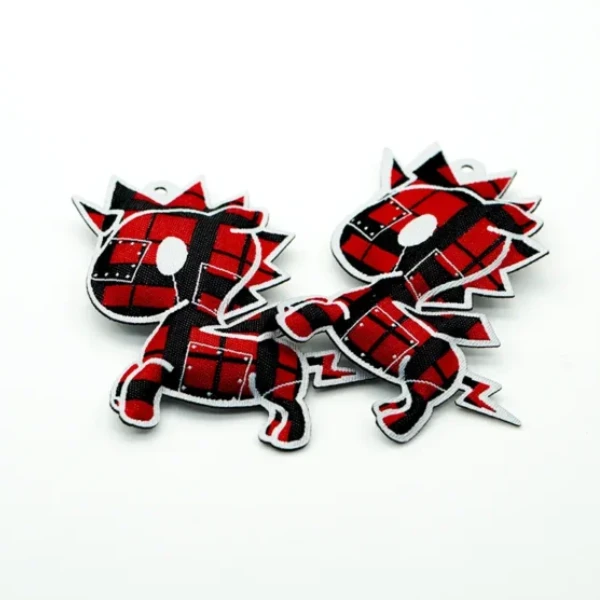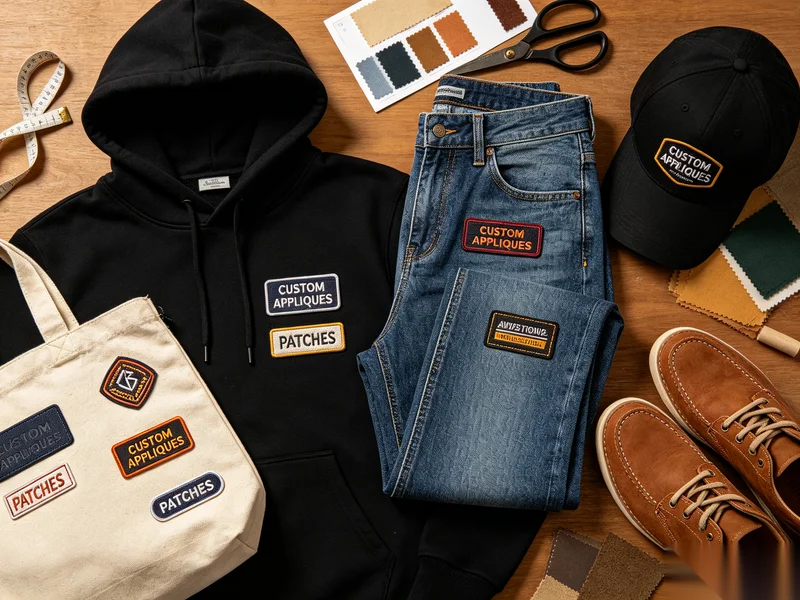
Making your own embroidered patches involves creating a design, selecting suitable materials, choosing embroidery methods, and producing finished patches with professional techniques. Businesses, clothing brands, and designers can use custom embroidered patches to add unique branding elements to apparel, accessories, uniforms, and promotional products.
What Does Making Your Own Embroidered Patches Mean?
Answer:
Making your own embroidered patches means creating customized fabric badges with unique designs, logos, text, or artwork using embroidery techniques. These patches are produced by stitching colored threads onto a fabric base to create a durable and decorative product.
For individuals, designers, and B2B businesses, custom embroidered patches provide a flexible way to add branding, decoration, and identification to different products.
Common applications include:
- Clothing brands
- Sports team uniforms
- Workwear
- Fashion accessories
- Hats and caps
- Bags
- Promotional merchandise
- Organization badges
While DIY embroidered patches can be created manually, professional patch manufacturers use advanced embroidery equipment and production processes to achieve consistent quality, especially for bulk orders.
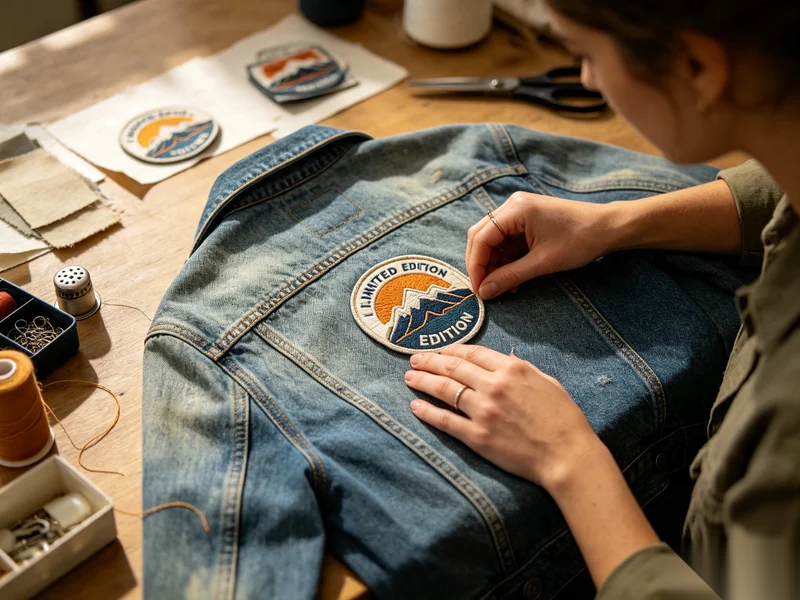
Why Are Businesses Interested in Making Their Own Embroidered Patches?
Answer:
Businesses are interested in making their own embroidered patches because custom patches create strong brand recognition, improve product appearance, and offer flexible customization options.
For clothing brands and manufacturers, embroidered patches provide several advantages:
1. Create Unique Product Identity
A custom patch allows businesses to showcase:
- Brand logos
- Special artwork
- Collection themes
- Team symbols
- Product stories
Instead of using standard decorations, brands can create exclusive designs that customers recognize.
2. Add Value to Products
A well-made embroidered patch can make ordinary products appear more premium.
For example:
- A plain jacket can become a branded fashion item
- A basic hat can become a limited-edition product
- A simple bag can gain a unique design feature
Small details often influence how customers perceive product quality.
3. Flexible Application Options
Custom embroidered patches can be attached to many products, including:
- Denim jackets
- Hoodies
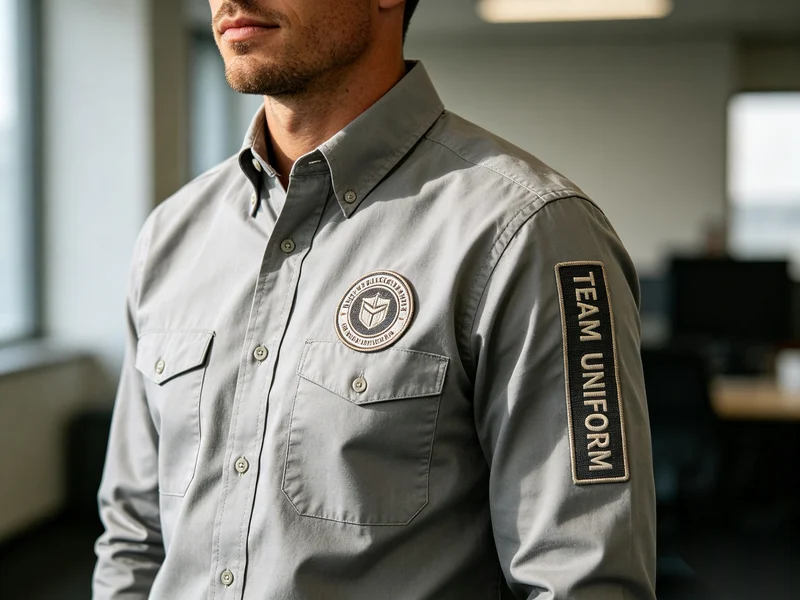
- Uniforms
- Backpacks
- Hats
- Sportswear
Different backing options allow businesses to choose the best application method.
How Do You Start Making Your Own Embroidered Patches?
Answer:
To start making your own embroidered patches, you need to prepare artwork, choose materials, select an embroidery method, and decide on finishing options. Professional production requires careful planning to achieve clear designs and durable results.
The basic process includes:
Step 1: Create or Prepare Your Patch Design
The first step is developing the artwork.
A good embroidered patch design should consider:
- Logo clarity
- Color selection
- Text size
- Patch shape
- Intended application
Simple and bold designs usually produce the best embroidery results because thread stitching has physical limitations.
For example, very small letters or extremely detailed graphics may need adjustment before production.
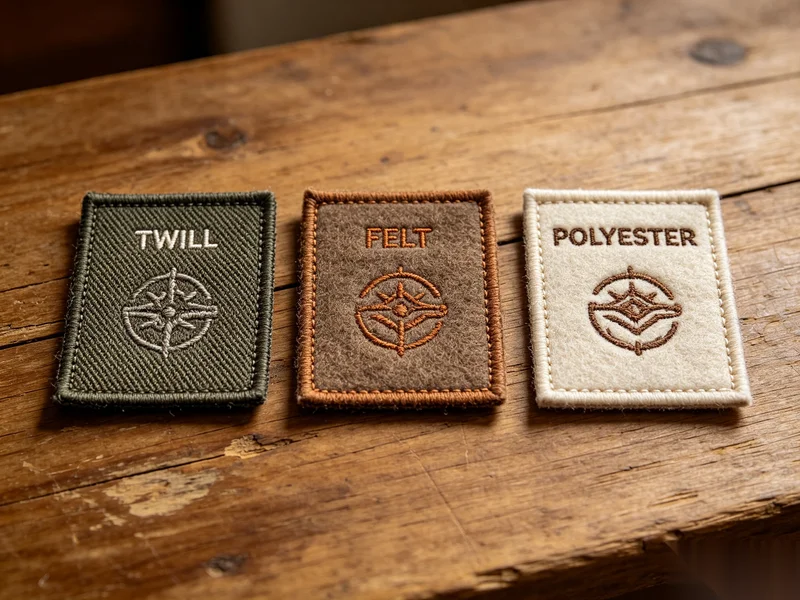
Step 2: Choose the Right Patch Material
The material affects the final appearance and durability.
Common materials include:
Twill Fabric
Twill is widely used as an embroidery base because it provides:
- Smooth surface
- Strong durability
- Good embroidery performance
Felt Fabric
Felt creates a classic and soft appearance, often used for vintage-style patches.
Polyester Fabric
Polyester provides:
- Color stability
- Good durability
- Easy maintenance
Step 3: Select Thread Colors
Thread selection is an important part of making embroidered patches.
Brands should consider:
- Logo colors
- Product background colors
- Contrast
- Brand consistency
Professional manufacturers can match thread colors to achieve accurate branding results.
Step 4: Choose Embroidery Style
Different embroidery techniques create different effects.
Popular options include:
Standard Embroidery
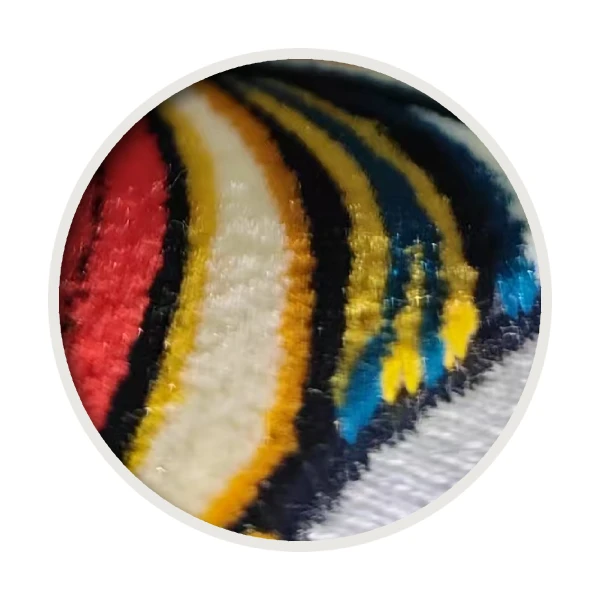
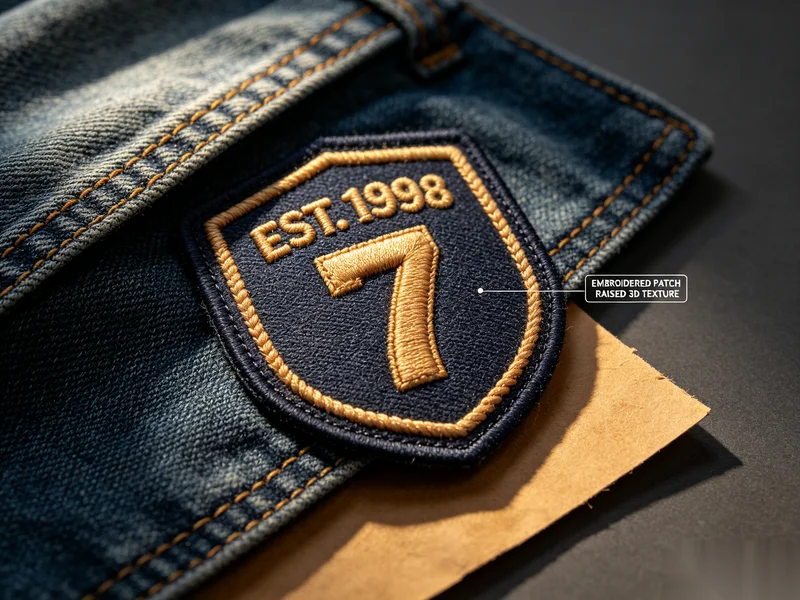
Provides a classic raised stitched appearance and works well for most logos.
3D Puff Embroidery
Creates extra height and texture for a more eye-catching effect.
Woven Patch Style
Uses thinner threads for more detailed designs and smaller text.
Combination Techniques
Some custom patches combine embroidery with other materials such as PVC or leather for unique effects.
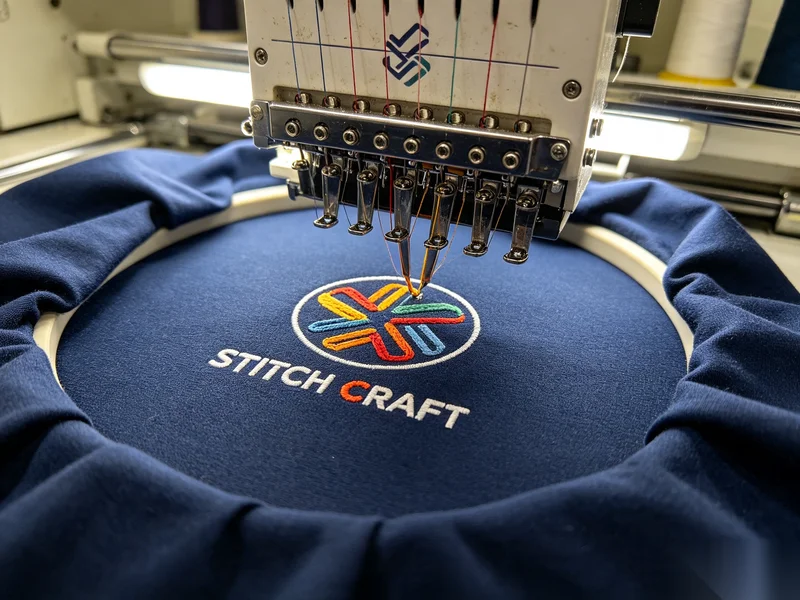
What Equipment Is Needed for Making Embroidered Patches?
Answer:
Making embroidered patches professionally requires embroidery machines, digitizing software, cutting equipment, and finishing tools. While handmade patches can be created with basic tools, commercial production requires specialized equipment.
Common equipment includes:
- Embroidery machines
- Computerized design software
- Thread systems
- Fabric cutting machines
- Heat press machines
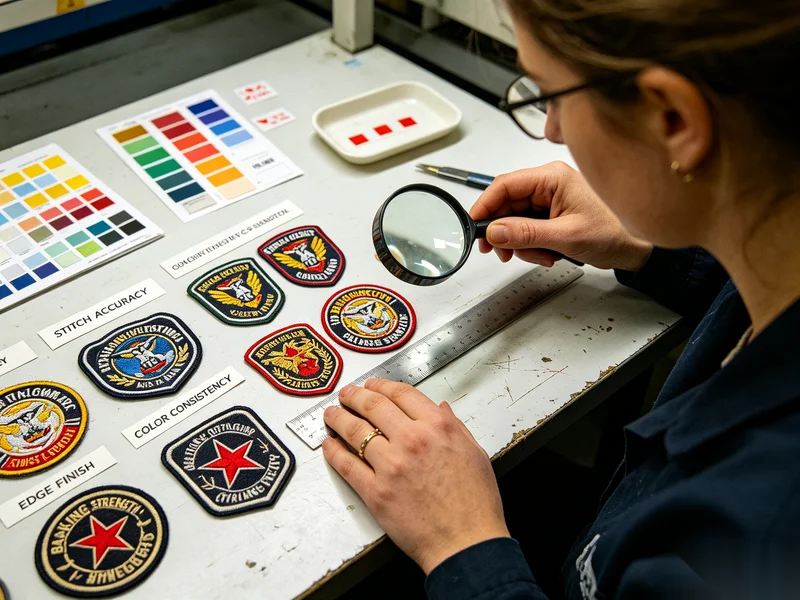
- Quality inspection tools
For businesses producing large quantities, professional manufacturing equipment ensures:
- Consistent quality
- Faster production
- Accurate stitching
- Lower production errors
What Are the Main Steps in Professional Embroidered Patch Production?
Answer:
Professional embroidered patch production includes design preparation, digitizing, embroidery, cutting, finishing, and quality inspection.
Design Digitizing
Before embroidery begins, artwork is converted into a machine-readable embroidery file.
Digitizing controls:
- Stitch direction
- Stitch density
- Thread sequence
- Color changes
This step determines how accurately the final patch represents the original design.
Embroidery Production
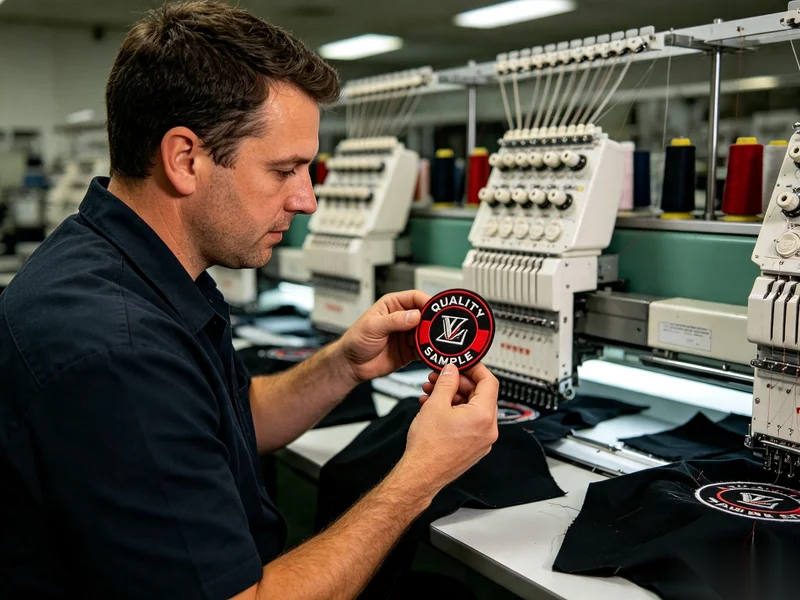
During embroidery, machines stitch the design onto fabric using selected threads.
Manufacturers control:
- Stitch quality
- Thread tension
- Color accuracy
- Production consistency
Cutting and Edge Finishing
After embroidery, patches are cut into their final shapes.
Common edge options include:
- Merrowed edges
- Laser-cut edges
- Heat-cut edges
These finishes improve appearance and prevent fraying.
Backing Application
Different backing methods serve different needs.
Options include:
- Sew-on backing
- Iron-on backing
- Adhesive backing
- Hook and loop backing
Businesses choose based on product use and customer requirements.

How Can Clothing Brands Design Better Custom Embroidered Patches?
Answer:
Clothing brands can design better custom embroidered patches by focusing on clear artwork, appropriate sizing, suitable colors, and practical application methods.
Important design tips include:
Keep Artwork Simple
Embroidery works best when designs have:
- Strong outlines
- Clear shapes
- Limited small details
Complex designs may lose clarity during stitching.
Choose the Correct Size
Patch size affects design quality.
Small patches are suitable for:
- Sleeves
- Hats
- Small logos
Large patches are suitable for:
- Jacket backs
- Promotional designs
- Statement fashion pieces
Consider Product Placement
The patch location influences design requirements.
For example:
- Hat patches need compact designs
- Jacket patches can include more details
- Uniform patches need clear identification
What Is the Difference Between DIY Embroidered Patches and Professionally Made Patches?
Answer:
DIY embroidered patches are usually handmade or produced with basic tools, while professional embroidered patches are manufactured using specialized equipment for consistent quality and larger production volumes.
| Feature | DIY Embroidered Patches | Professional Custom Patches |
|---|---|---|
| Production Method | Handmade or small tools | Industrial embroidery machines |
| Quantity | Small amounts | Bulk production |
| Detail Accuracy | Limited | High precision |
| Design Options | Basic | Wide customization |
| Best For | Personal projects | Brands and businesses |
For commercial applications, professional manufacturing provides better consistency and durability.
How Can Businesses Order Custom Embroidered Patches?
Answer:
Businesses can order custom embroidered patches by preparing their designs, selecting specifications, and working with experienced patch manufacturers.
The ordering process usually includes:
- Submit artwork or design ideas
- Confirm patch size and materials
- Select embroidery style and backing
- Approve samples
- Begin mass production
Professional suppliers can help optimize designs and recommend suitable production solutions.
Can Small Brands Start Making Their Own Embroidered Patches?
Answer:
Yes, small brands can start making their own embroidered patches to create unique products and strengthen brand identity. Custom patches are especially useful for startups, independent designers, and niche fashion brands.
Small businesses can use patches for:
- Limited collections
- Brand merchandise
- Special events
- Customer rewards
- Product customization
Embroidered patches allow small brands to create professional-looking products without large-scale manufacturing investments.
Why Are Custom Embroidered Patches Popular in Fashion Today?
Answer:
Custom embroidered patches are popular in fashion because they combine creativity, personalization, and traditional craftsmanship. They allow brands and customers to express unique styles through wearable designs.
Modern fashion trends value:
- Personalization
- Limited editions
- Handmade appearance
- Unique branding
Embroidered patches support these trends by providing a flexible decoration method for clothing and accessories.
Frequently Asked Questions About Making Your Own Embroidered Patches
1. Can I create embroidered patches with my own logo?
Yes. Businesses can create custom embroidered patches using their own logos, artwork, or design concepts.
2. What file format is needed for embroidered patch production?
Manufacturers usually accept high-quality design files such as AI, EPS, PDF, or other vector formats.
3. Are embroidered patches suitable for clothing brands?
Yes. Many clothing brands use embroidered patches to add unique branding and decorative elements.
4. What backing options are available for custom patches?
Common options include sew-on, iron-on, adhesive, and hook-and-loop backing.
5. Can embroidered patches include multiple colors?
Yes. Manufacturers can use multiple thread colors depending on design complexity and production requirements.
6. How long does it take to make custom embroidered patches?
Production time depends on design complexity, quantity, sampling approval, and finishing requirements.
Conclusion
Making your own embroidered patches is an effective way for businesses, designers, and clothing brands to create unique branding elements. From selecting the right design and materials to choosing embroidery techniques and finishing options, every step influences the final quality.
For companies looking to produce professional custom embroidered patches, working with an experienced manufacturer ensures better consistency, durability, and design results. Whether used for fashion collections, uniforms, accessories, or promotional products, embroidered patches remain a powerful tool for product customization and brand recognition.
About Author
——————————————————————————————————————————————

Alexander
Online Sales Manager
Alexander specialize in digital marketing and understanding customer psychology, providing clients with the right solutions through data insights and creative strategies.
——————————————————————————————————————————————