Quick Summary (for Featured Snippet)
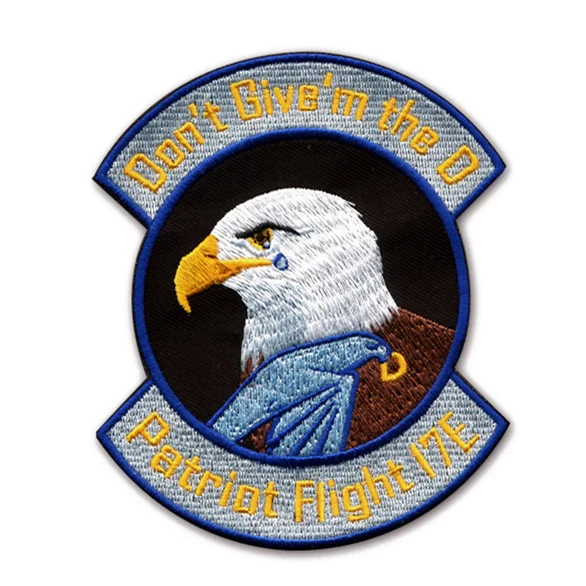
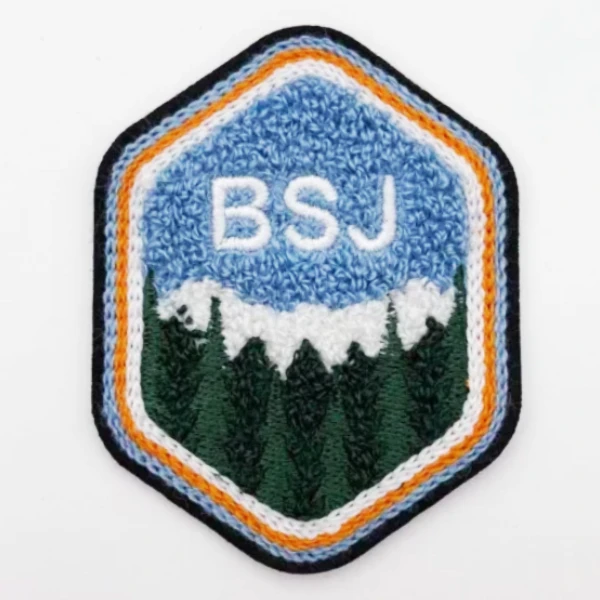
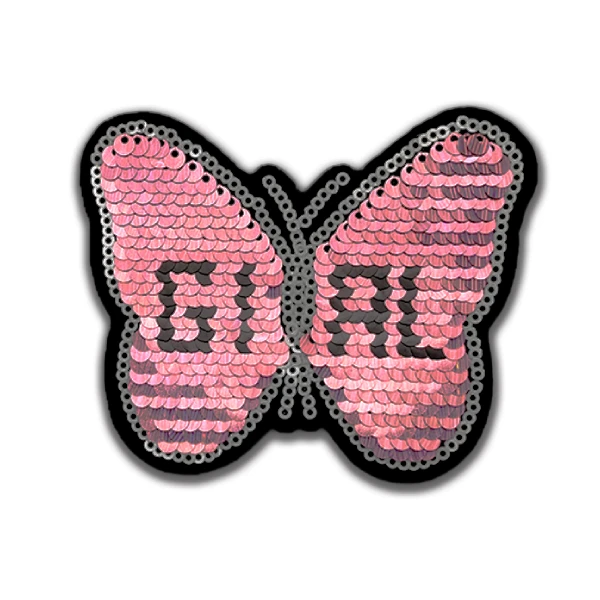
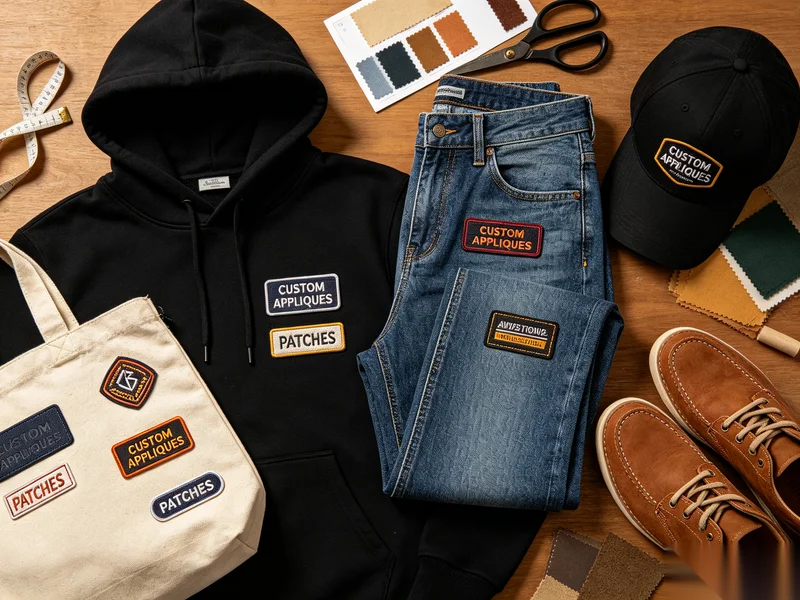
Embroidery patch letters are stitched alphabet patches made from twill, felt, or chenille materials. They are used to personalize garments, uniforms, and fashion pieces with textured letter designs — ideal for branding, team names, and apparel customization.
What Are Embroidery Patch Letters?
Short Answer (40–50 words):
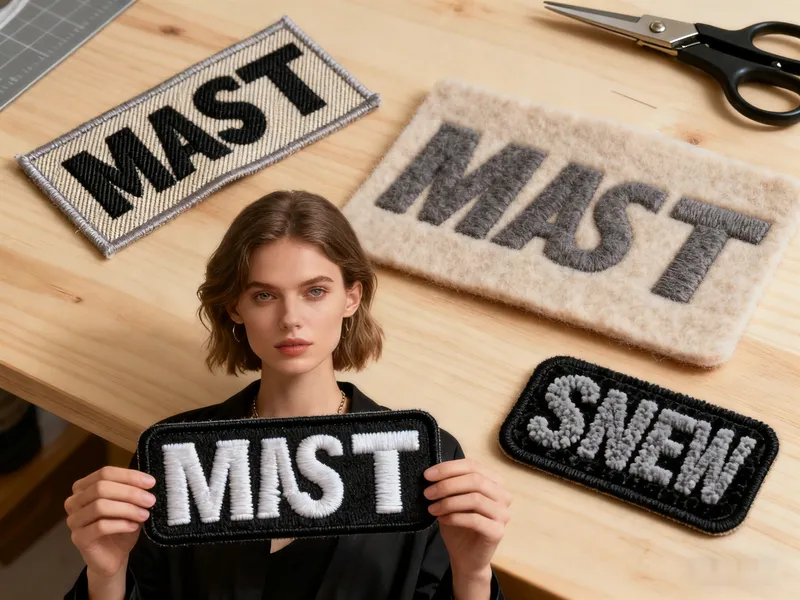
Embroidery patch letters are custom-stitched alphabet patches used to display names, initials, or slogans on clothing and accessories. They are durable, visually striking, and ideal for branding, school uniforms, sportswear, and streetwear, offering a professional and premium embroidered finish.
Detailed Explanation:
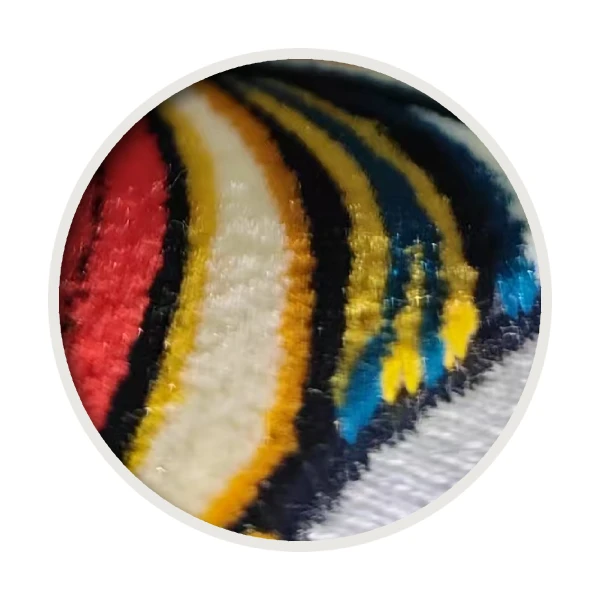
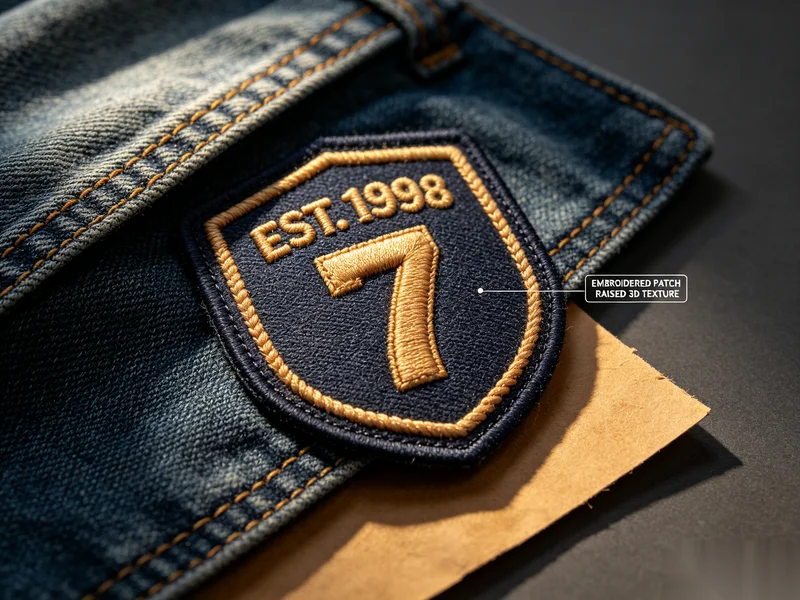
Each embroidered letter is made by stitching colored threads on a sturdy fabric base (like twill or felt). The finished patch can be attached by sewing, ironing, or Velcro backing. Unlike printed lettering, embroidery patch letters provide a 3D texture, vibrant color depth, and long-lasting performance.
Why Apparel Brands and Designers Use Embroidery Patch Letters
| Benefit | Description |
|---|---|
| High-End Appearance | Embroidered letters add premium, tactile texture to garments. |
| Durability | Withstand frequent washing and wear without fading. |
| Easy Application | Available with sew-on, iron-on, or hook-and-loop backing. |
| Full Customization | Any font, size, color, or texture can be created. |
| Reusability | Can be applied to different products or collections. |
For apparel brands, embroidery patch letters are a flexible design element — perfect for limited-edition collections, uniforms, or promotional apparel.
How Are Embroidery Patch Letters Made?
1. Design and Digitization
Artwork is converted into embroidery files (.DST format). Each letter’s stitch density, angle, and color transitions are programmed precisely.
2. Material Selection
Common base fabrics include twill, felt, denim, or chenille. Threads are chosen based on the desired sheen — matte for classic looks, rayon for glossy finishes.
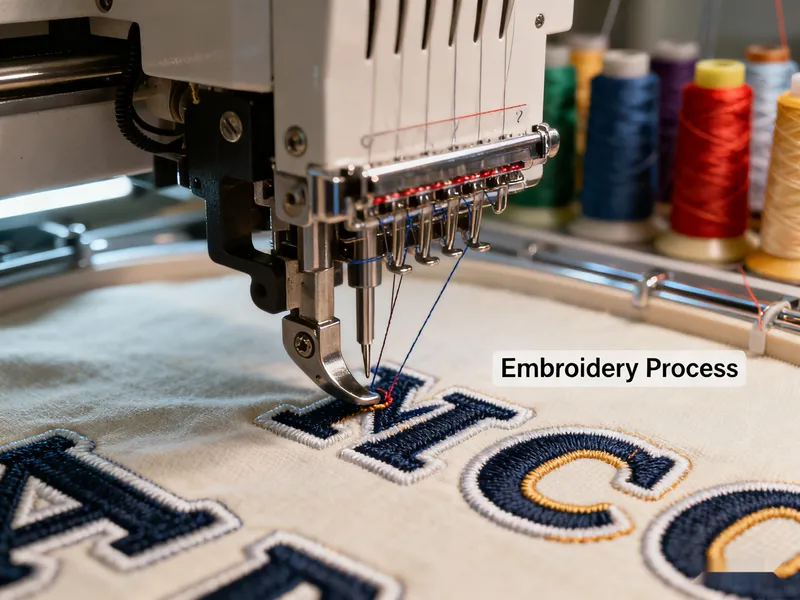
3. Embroidery Process
High-speed machines stitch each letter individually. Depending on design, edges can be left raw, heat-cut, or merrowed for a clean outline.
4. Backing Attachment
Different backing types are applied according to usage:
- Sew-on: For permanent application.
- Iron-on: For quick DIY attachment.
- Hook and loop: For removable options on uniforms or gear.
5. Cutting and Finishing
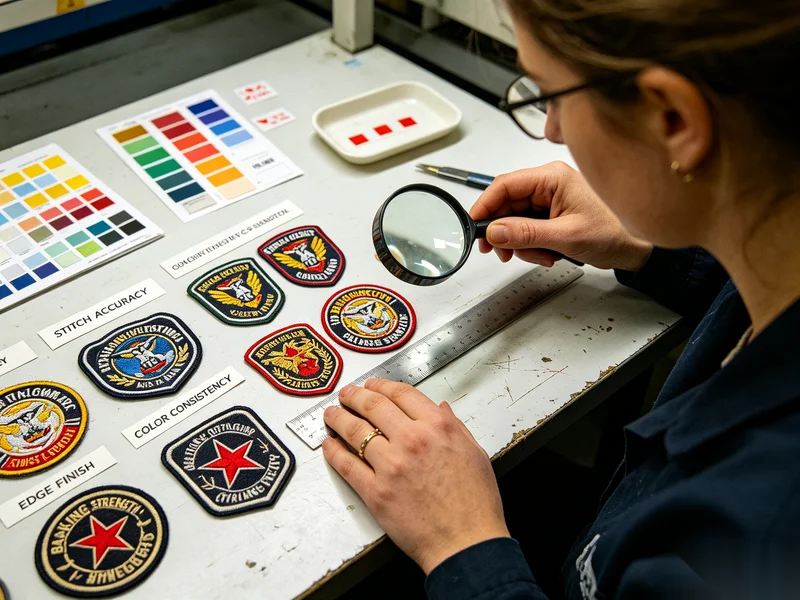
Letters are trimmed using laser or hot-cut technology, ensuring precision and no fraying. Quality inspection follows to check alignment, color accuracy, and border density.
Types of Embroidery Patch Letters
| Type | Features | Ideal Use |
|---|---|---|
| Twill Embroidery Letters | Classic flat style with defined stitching | Uniforms, workwear |
| Felt Letters | Soft, vintage texture | Retro fashion, varsity jackets |
| Chenille Letters | Fluffy, looped texture | Letterman jackets, hoodies |
| 3D Puff Letters | Raised surface with foam backing | Streetwear, caps |
| Woven Letters | Fine details and small text | Corporate or branding patches |
Each type gives a distinct aesthetic and texture — allowing designers to match the letter style with the garment’s overall theme.
How to Apply Embroidery Patch Letters
🔸 Sew-On Method
- Most durable, suitable for uniforms or heavy fabrics.
- Use matching thread for seamless attachment.
- Recommended for industrial or long-term wear.
🔸 Iron-On Method
- Ideal for retail or fashion collections.
- Apply heat at 150–160°C for 15–20 seconds with pressure.
- Best for cotton or denim surfaces.
🔸 Hook & Loop Method
- Perfect for removable branding or multi-use garments.
- Common in tactical gear or outdoor apparel.
Design Tips for Custom Embroidery Patch Letters
- Choose Readable Fonts: Block or varsity styles ensure clarity.
- Contrast Colors: Light thread on dark base fabric for better visibility.
- Mind the Size: Larger letters (2–4 inches) for outerwear, smaller (0.5–1 inch) for shirts.
- Experiment with Borders: Merrowed edges add volume; heat-cut edges suit minimalistic looks.
- Combine Materials: Mix chenille and embroidery for dynamic contrast.
Use Cases Across Industries
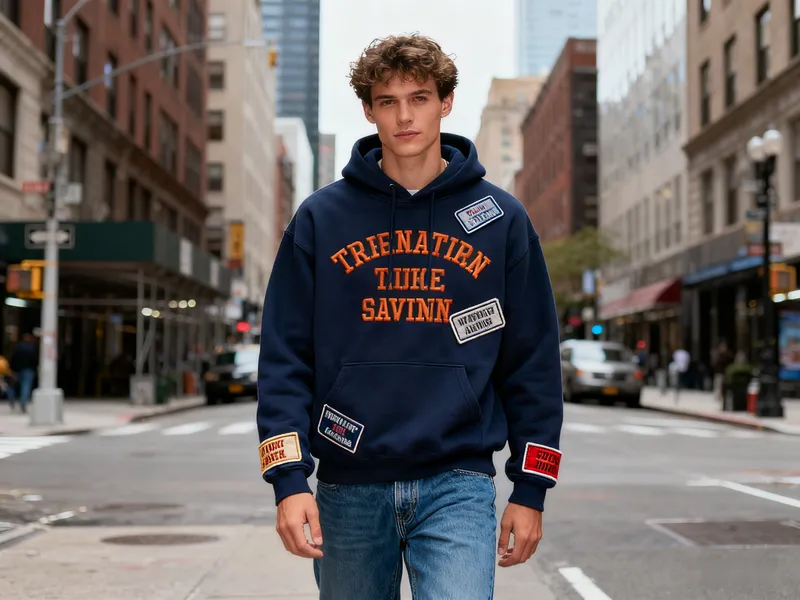
- Fashion & Streetwear: Custom monograms, slogans, or brand initials.
- Sportswear: Team names, numbers, or motivational words.
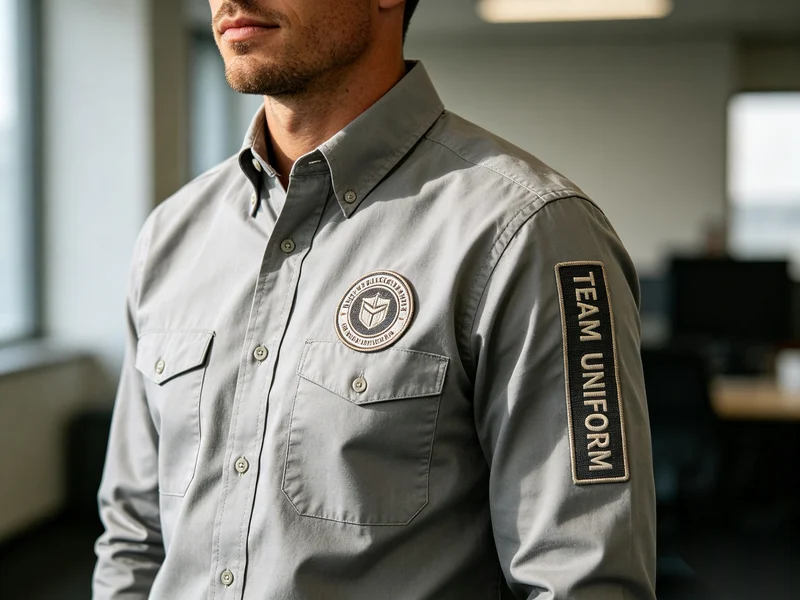
- Corporate Apparel: Company initials or position tags.
- School Uniforms: Varsity-style jackets and letterman logos.
- Accessories: Bags, hats, and denim embellishments.
The Advantage for Manufacturers and Apparel Brands
For B2B clients — such as clothing manufacturers, brand owners, or design studios — embroidery patch letters offer:
- Scalable production (easy mass customization)
- Brand identity flexibility
- Reduced production time
- No direct embroidery waste or risk of garment damage
These advantages make them a cost-efficient yet premium design element in today’s apparel manufacturing.
Final Thoughts
In a competitive fashion and uniform industry, embroidery patch letters represent more than decoration — they are symbols of identity, craftsmanship, and creativity.
Whether you’re a clothing manufacturer seeking scalable solutions or a designer aiming for unique textures, embroidery patch letters offer the perfect balance between customization, durability, and aesthetic appeal.
About Author
——————————————————————————————————————————————

Alexander
Online Sales Manager
Alexander specialize in digital marketing and understanding customer psychology, providing clients with the right solutions through data insights and creative strategies.
——————————————————————————————————————————————