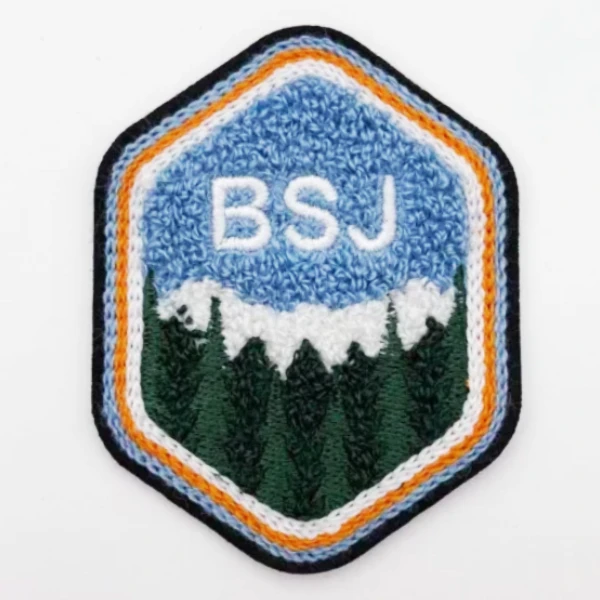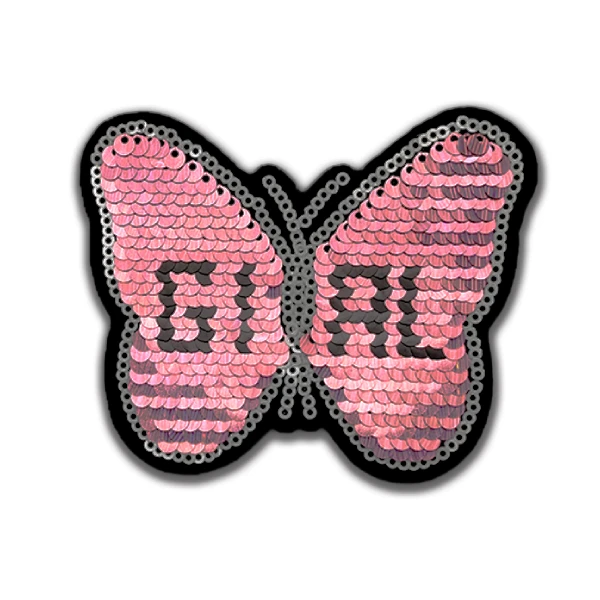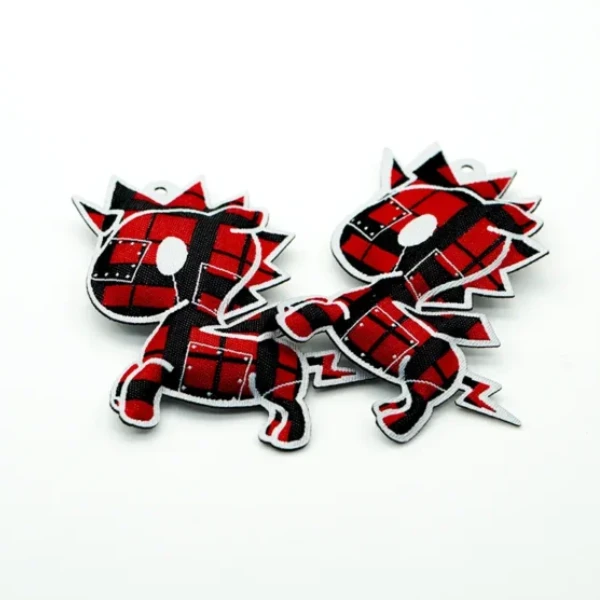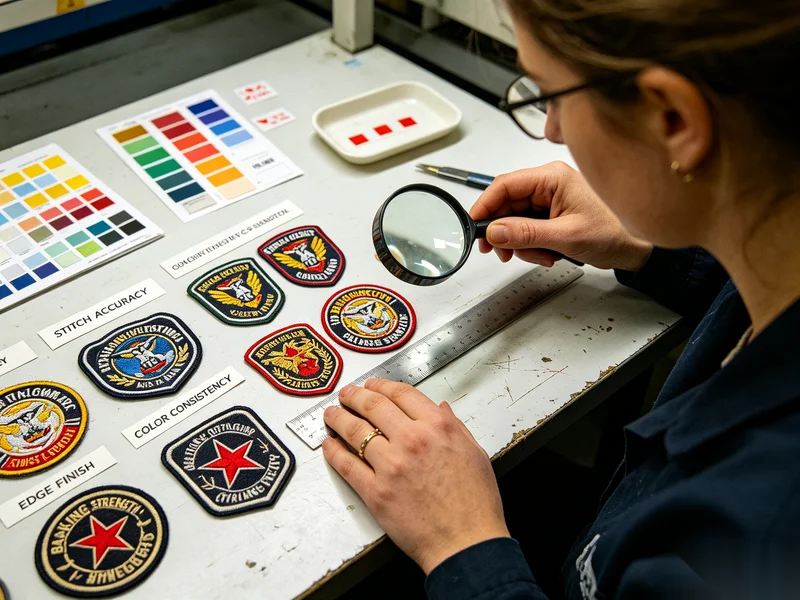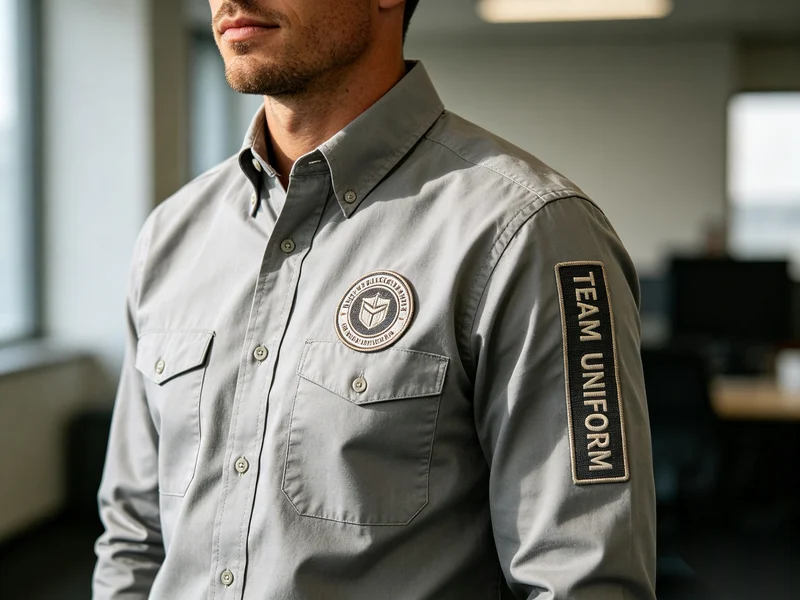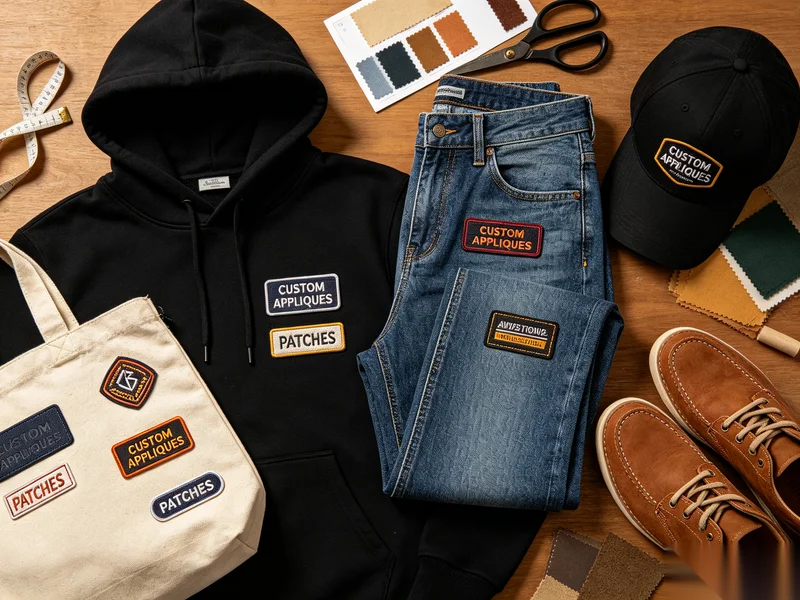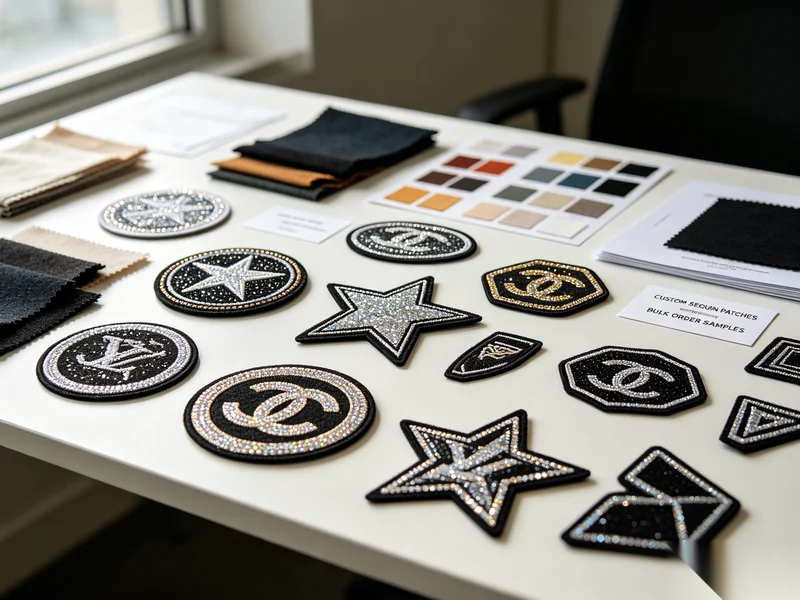
Heat transfer embroidery patches combine the classic texture of embroidery with the convenience of heat-activated backing. Instead of sewing patches onto garments, you can apply them quickly using a heat press or household iron.
This makes them a popular choice for fashion brands, sports teams, corporate uniforms, and promotional apparel.
In this guide, we’ll explain what heat transfer embroidery patches are, how they work, their advantages, and when to use them.
What Are Heat Transfer Embroidery Patches?
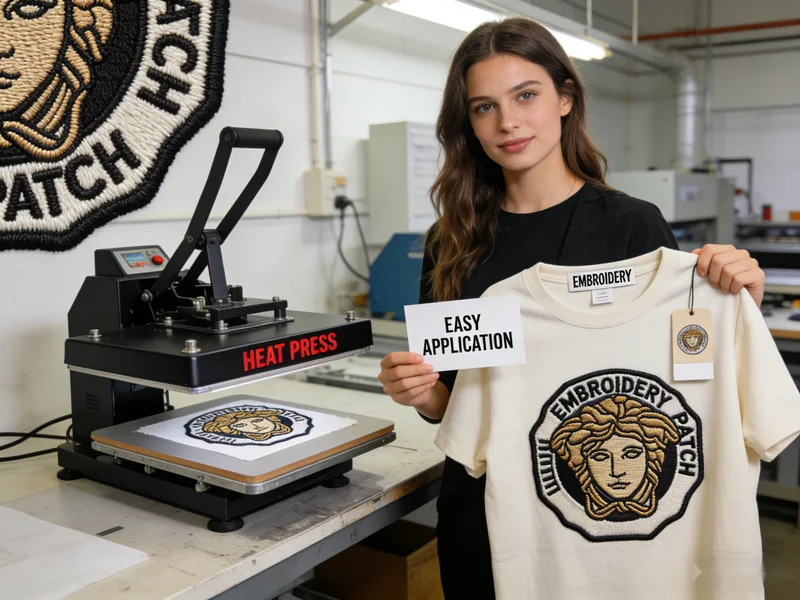
Heat transfer embroidery patches are traditional embroidered patches that feature a heat-seal adhesive backing. The front is stitched with embroidery threads, while the back is coated with a heat-activated glue layer.
When heat and pressure are applied:
- The adhesive melts
- The patch bonds to the fabric
- The patch attaches without sewing
They offer both decorative texture and fast application.
How Do Heat Transfer Embroidery Patches Work?
Application typically requires:
- Temperature: 150–170°C (300–340°F)
- Firm pressure
- 10–15 seconds pressing time
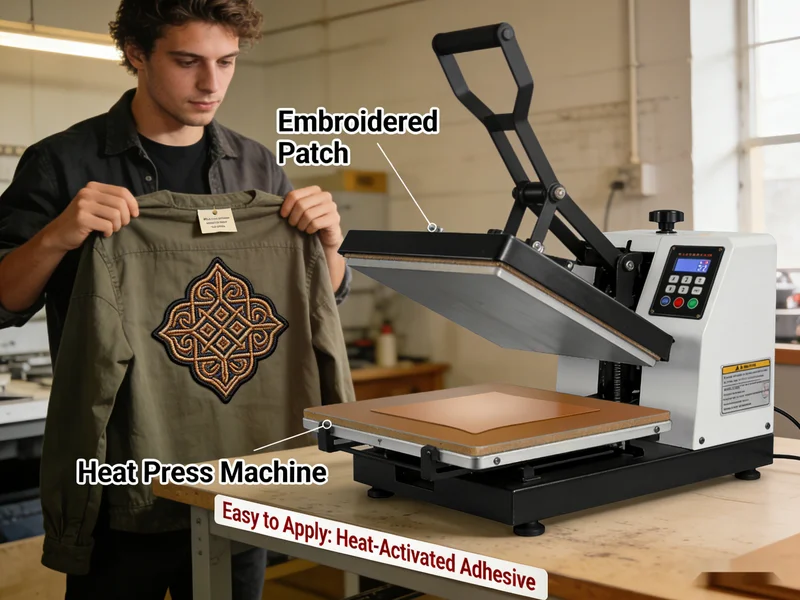
Steps:
- Position the patch on the garment
- Cover with protective cloth
- Apply heat and pressure
- Let cool before testing adhesion
For bulk production, a heat press machine ensures consistent results.
Advantages of Heat Transfer Embroidery Patches
🔥 Easy & Fast Application
No sewing skills required. Ideal for small brands and DIY customization.
🧵 Premium Embroidered Texture
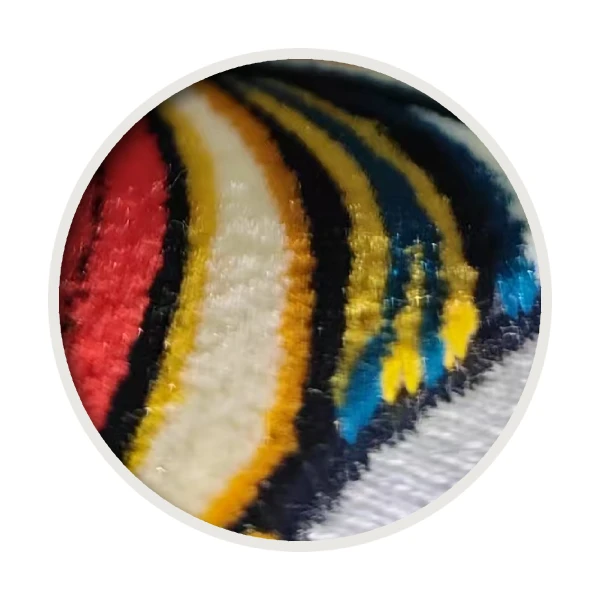
Unlike printed transfers, these patches maintain a raised, dimensional embroidery finish.
💰 Labor Cost Saving
Faster than stitching, especially for medium to large batches.
🎯 Versatile Usage
Suitable for:
- T-shirts
- Hoodies
- Jackets
- Hats
- Backpacks
- Uniforms
Heat Transfer vs Sew-On Embroidered Patches
| Feature | Heat Transfer Embroidery Patches | Sew-On Embroidery Patches |
|---|---|---|
| Application Speed | Fast | Slower |
| Tools Needed | Heat press or iron | Sewing machine or hand stitching |
| Durability | High (properly applied) | Very High |
| Removability | Difficult after bonding | Permanent stitching |
For industrial uniforms or heavy-duty use, some brands combine heat press + edge stitching for extra security.
Best Fabric Types for Heat Transfer Embroidery Patches
They work best on:
- Cotton
- Cotton blends
- Polyester
- Fleece
- Twill
Not recommended for:
- Waterproof fabrics
- Heat-sensitive materials
- Silicone-coated textiles
Always test before bulk application.
Design Considerations
When producing heat transfer embroidery patches:
✔ Avoid extremely thin details
✔ Keep text bold and legible
✔ Ensure strong thread density
✔ Choose appropriate patch size
✔ Match adhesive strength to garment type
Proper design ensures strong bonding and long-term durability.
Are Heat Transfer Embroidery Patches Washable?
Yes, when applied correctly:
- Machine washable
- Resistant to peeling
- Long-lasting under normal wear
For best results:
- Wash garments inside-out
- Avoid high heat drying
- Do not dry clean

Common Applications
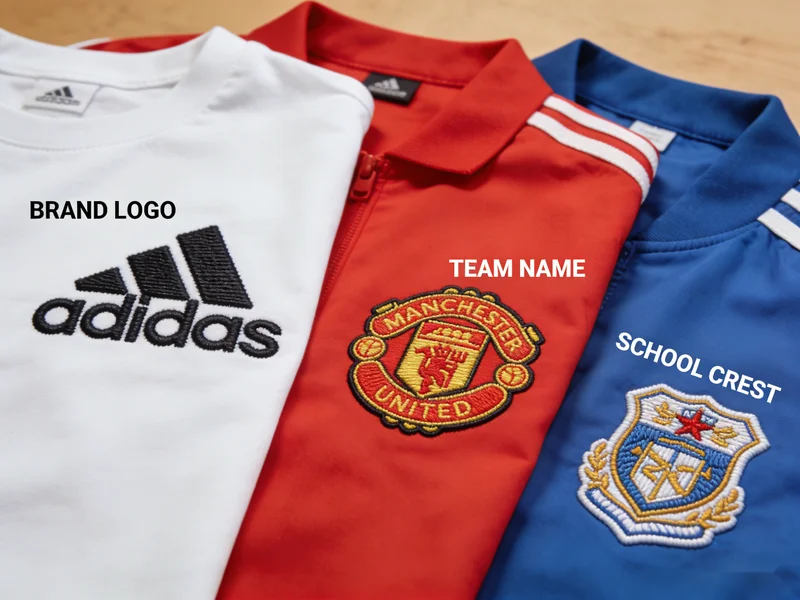
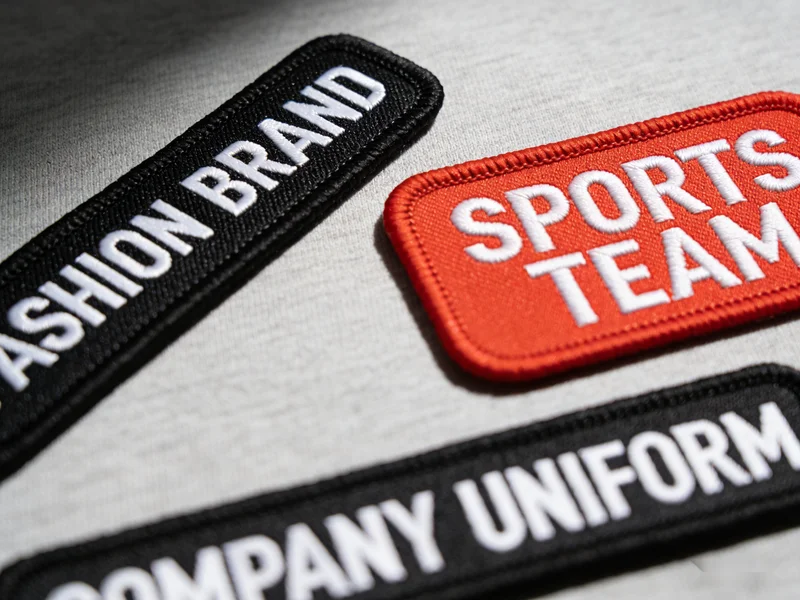
Heat transfer embroidery patches are widely used for:
- Fashion brand logos
- Team uniforms
- School badges
- Promotional merchandise
- Event apparel
- Streetwear collections
They are especially useful for brands that need flexible production without sewing lines.

When Should You Choose Heat Transfer Embroidery Patches?
Choose this option if:
✔ You want embroidered texture
✔ You need faster production
✔ You want clean, stitch-free attachment
✔ You produce small to medium runs
✔ You need scalable branding solutions
Final Thoughts
Heat transfer embroidery patches offer the perfect balance between classic embroidered aesthetics and modern production efficiency. They provide texture, durability, and convenience—making them a strong choice for today’s apparel brands and customization businesses.
If applied correctly, they can deliver professional results comparable to sewn patches while saving time and labor.
About Author
——————————————————————————————————————————————

Alexander
Online Sales Manager
Alexander specialize in digital marketing and understanding customer psychology, providing clients with the right solutions through data insights and creative strategies.
——————————————————————————————————————————————