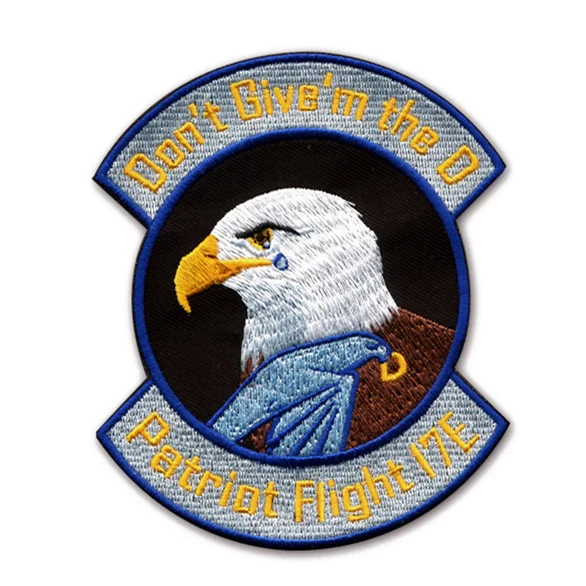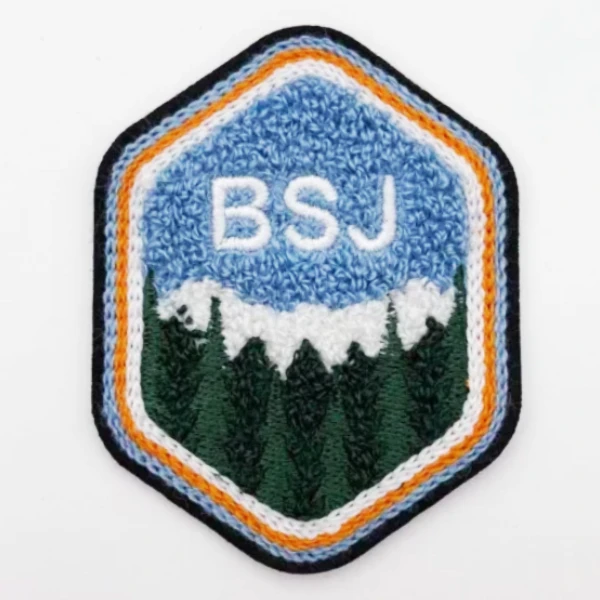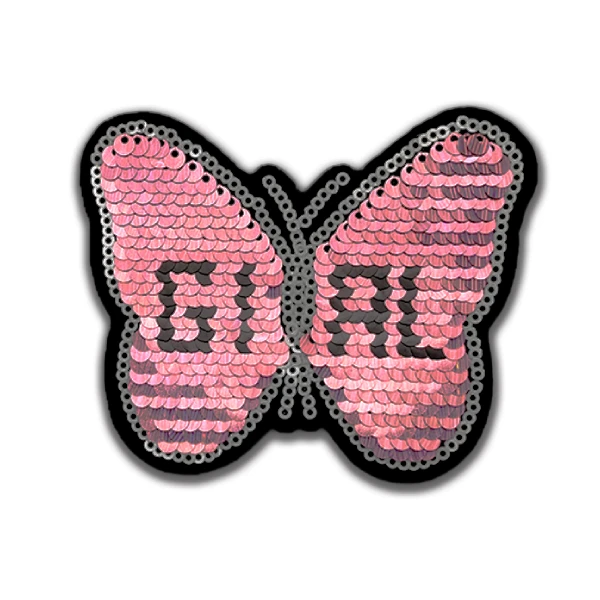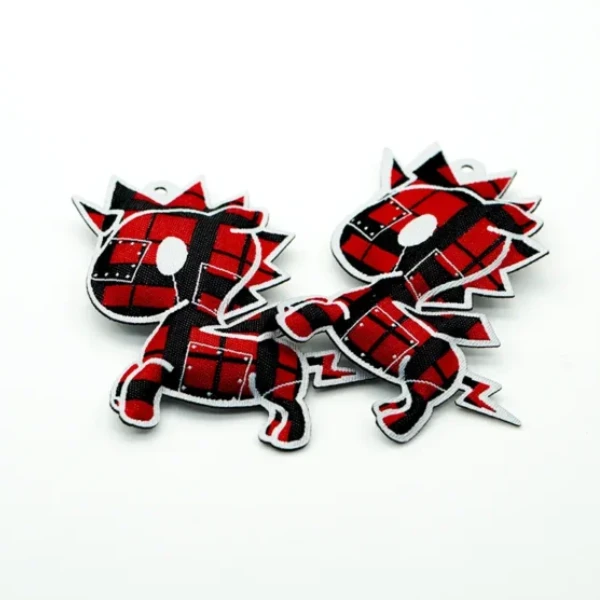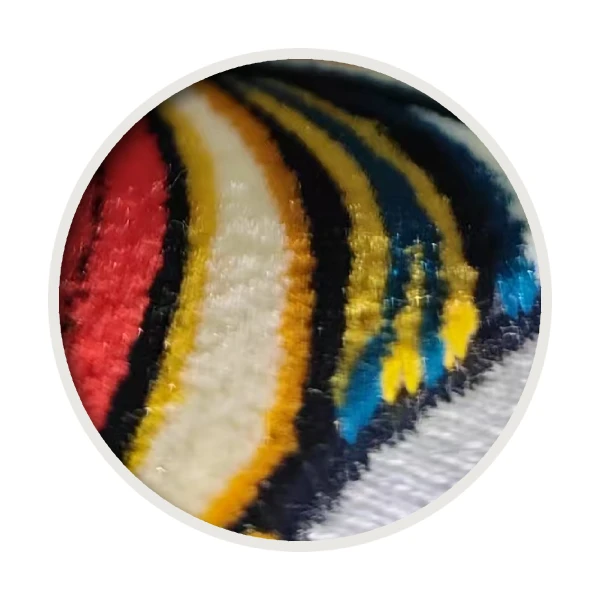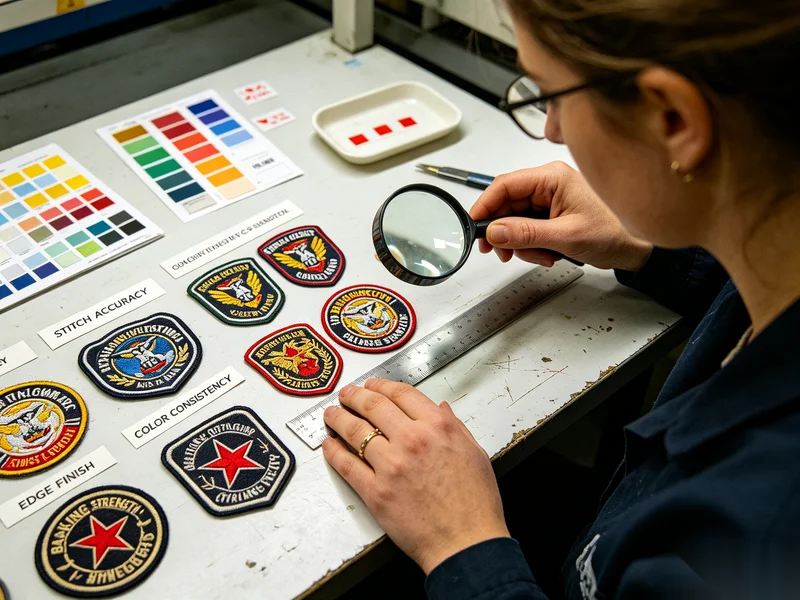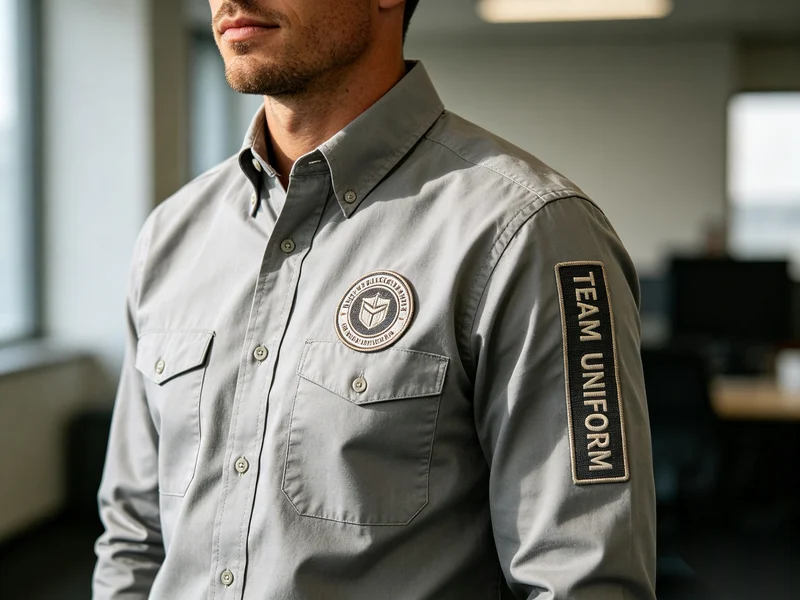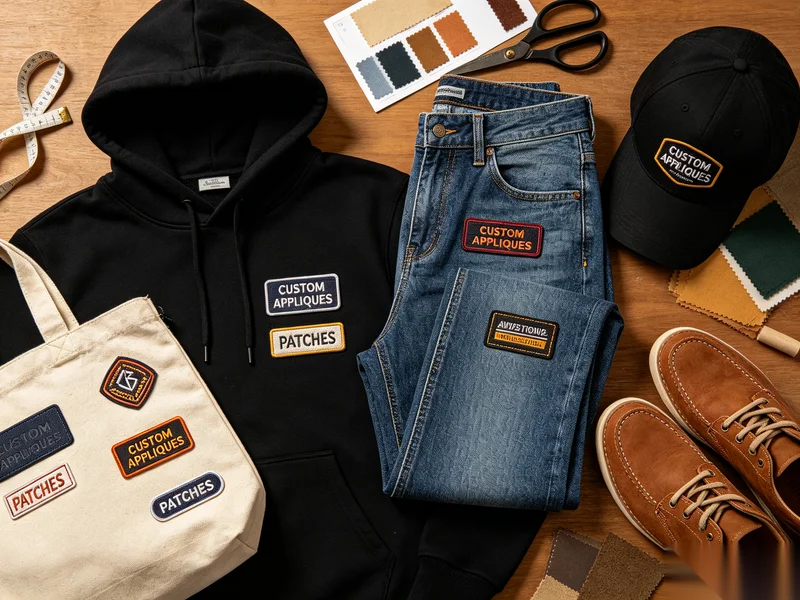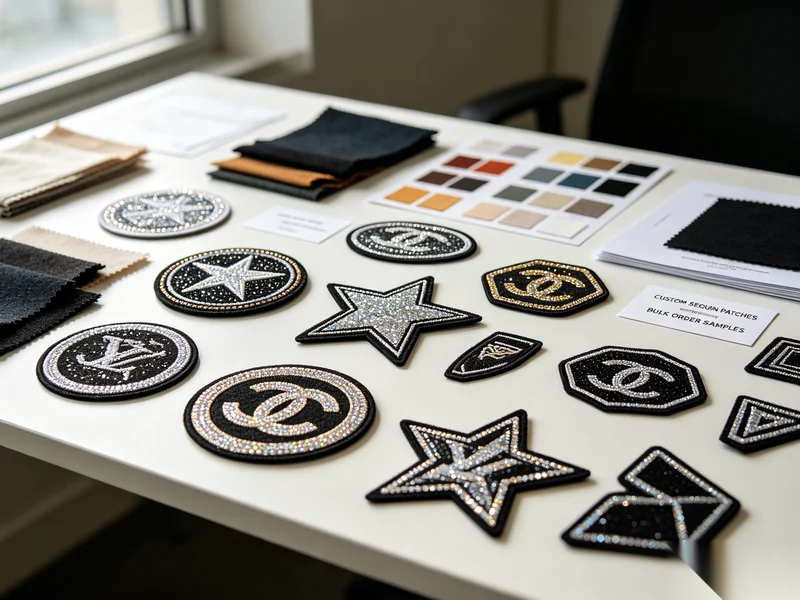
Choosing the right fabric for embroidery patches is one of the most important steps in creating durable, high-quality custom patches. The base fabric affects stitch clarity, color appearance, durability, thickness, and overall visual impact.
Whether you’re producing patches for fashion brands, uniforms, outdoor gear, or collector items, understanding fabric options helps ensure professional results.
Why Fabric Matters in Embroidery Patches
The base fabric directly influences:
- Stitch stability
- Edge finishing quality
- Durability and wear resistance
- Thickness and structure
- Overall appearance
A poor fabric choice can cause distortion, uneven stitching, or premature wear.
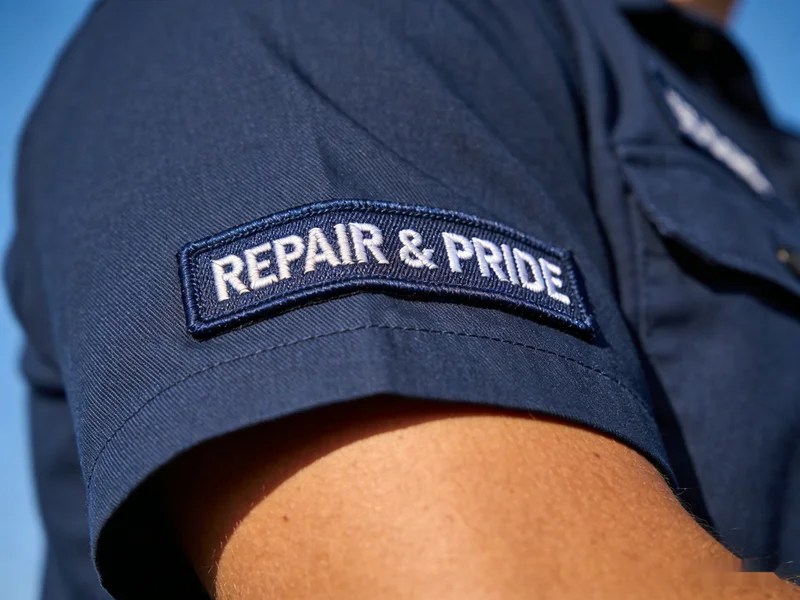
Most Popular Fabric Options for Embroidery Patches
1️⃣ Twill Fabric (Most Common Choice)
Best for: Uniforms, corporate patches, team logos
- Strong and tightly woven
- Smooth surface for clean embroidery
- Excellent durability
- Cost-effective for bulk production
Twill is the industry standard for most embroidered patches due to its balance between performance and price.
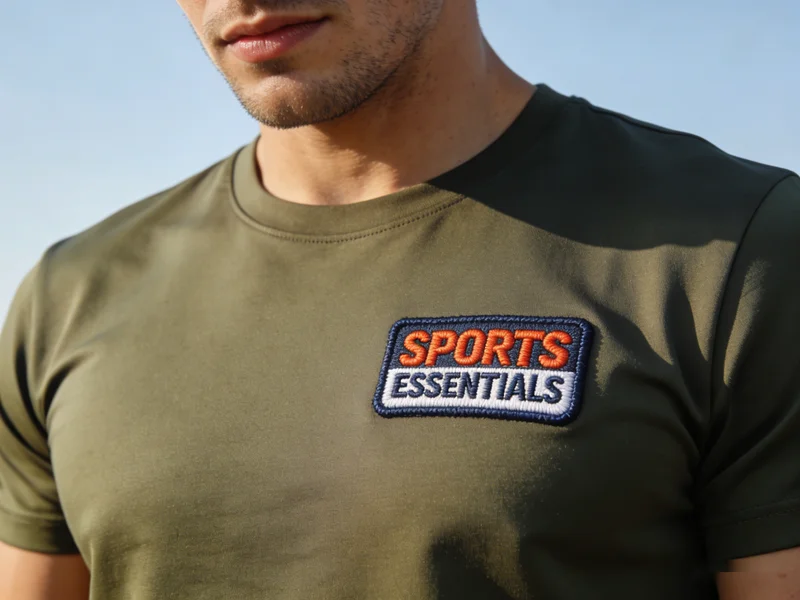
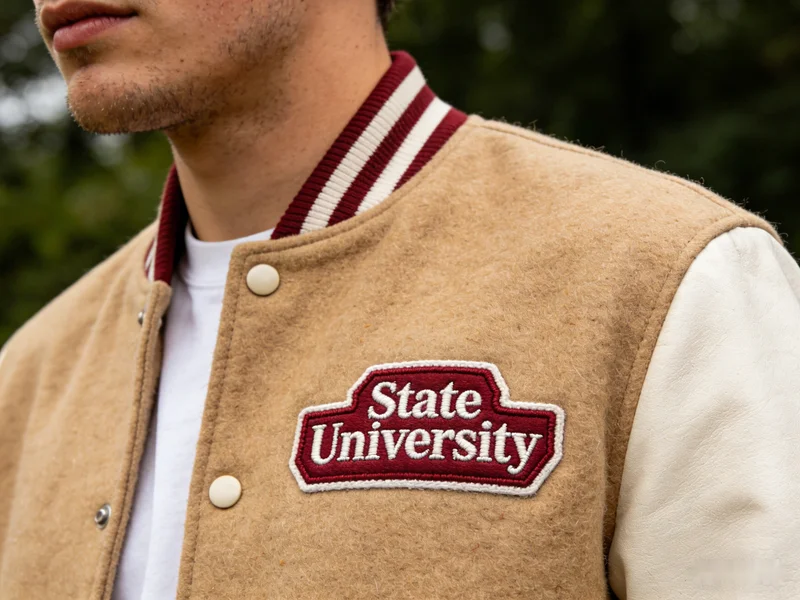
2️⃣ Felt Fabric
Best for: Vintage style, varsity patches, decorative use
- Soft texture
- Thicker appearance
- Great for chenille combinations
- Classic aesthetic
Felt is often used when a retro or collegiate look is desired.
3️⃣ Canvas Fabric
Best for: Outdoor gear, rugged branding
- Heavier texture
- High durability
- Structured feel
Canvas works well for tactical, workwear, or outdoor-focused brands.
4️⃣ Polyester Blends
Best for: Lightweight applications
- Smooth and stable
- Resistant to shrinkage
- Good color retention
Polyester bases are often selected for performance-oriented garments.
5️⃣ Specialty Fabrics
For unique branding projects, some manufacturers offer:
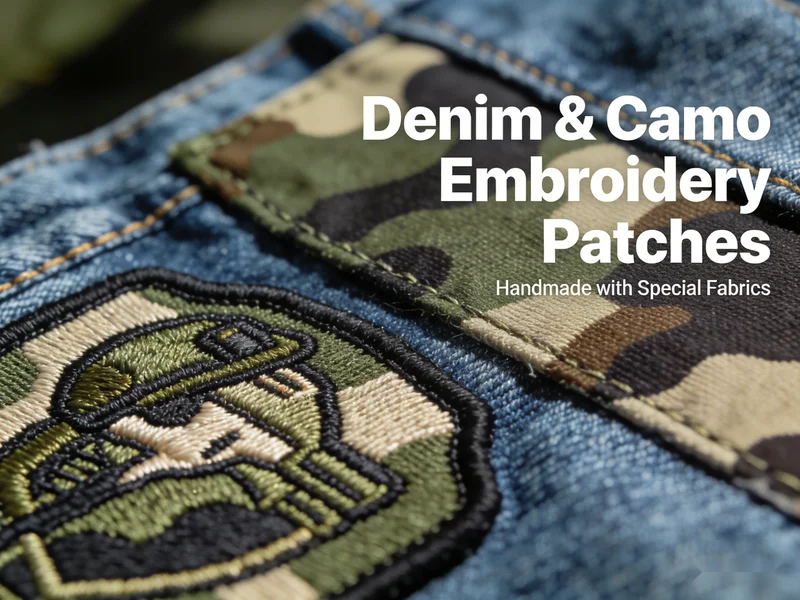
- Denim bases
- Camouflage fabrics
- Reflective materials
- Recycled fabrics
These are ideal for fashion or niche applications.
Key Factors When Choosing Fabric for Embroidery Patches
🔹 Stitch Density Compatibility
Fabric must support high stitch density without puckering.
🔹 Thickness & Structure
Thicker fabrics provide stronger structure but may increase production cost.
🔹 Edge Finish Compatibility
Some fabrics perform better with:
- Merrowed borders
- Laser-cut edges
- Heat-cut edges
🔹 Application Method
If using heat seal backing, the fabric must withstand pressing temperature.
Fabric Comparison Table
| Fabric Type | Durability | Texture | Cost Level | Best Use |
|---|---|---|---|---|
| Twill | High | Smooth | Medium | Uniforms & bulk orders |
| Felt | Medium | Soft | Medium | Varsity & vintage |
| Canvas | Very High | Textured | Medium-High | Outdoor gear |
| Polyester | High | Smooth | Medium | Performance apparel |
Fabric + Backing Combination Tips
The right fabric should also match the backing type:
- Twill + Sew-on → Most durable solution
- Twill + Heat seal → Convenient for apparel brands
- Felt + Sew-on → Classic varsity look
- Canvas + Velcro → Tactical or workwear use
Choosing compatible materials ensures long-term patch performance.
Common Mistakes to Avoid
❌ Choosing overly thin fabric for dense embroidery
❌ Using heat-sensitive fabric with iron-on backing
❌ Selecting rough texture for detailed small text
❌ Ignoring garment compatibility
Professional manufacturers typically provide material guidance before production.
Final Thoughts
Selecting the correct fabric for embroidery patches is essential for achieving professional quality, durability, and aesthetic impact.
For most projects, twill remains the safest and most versatile option. However, specialty fabrics like felt or canvas can elevate your patch design depending on branding goals and application scenarios.
If you’re unsure which fabric fits your project best, working with an experienced patch manufacturer can help you balance cost, durability, and visual performance.
About Author
——————————————————————————————————————————————

Alexander
Online Sales Manager
Alexander specialize in digital marketing and understanding customer psychology, providing clients with the right solutions through data insights and creative strategies.
——————————————————————————————————————————————