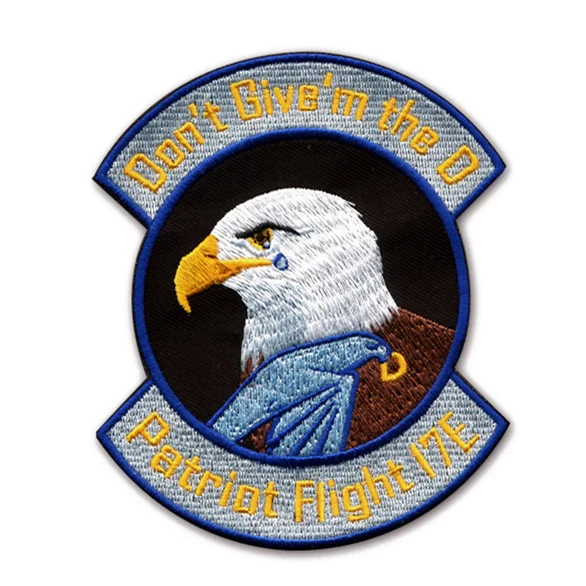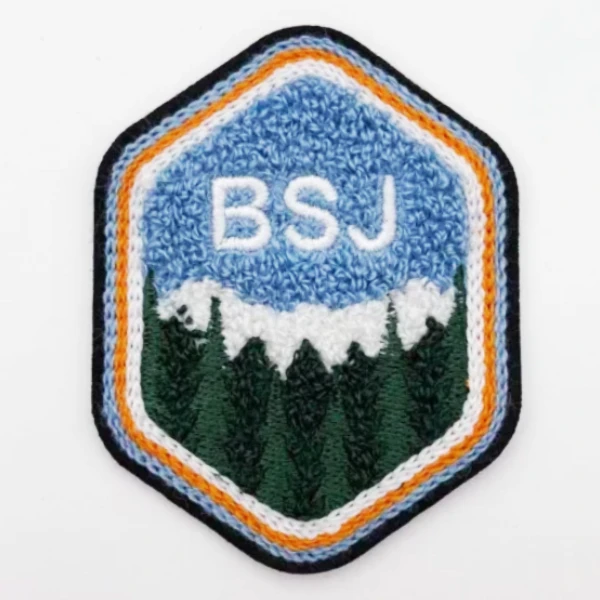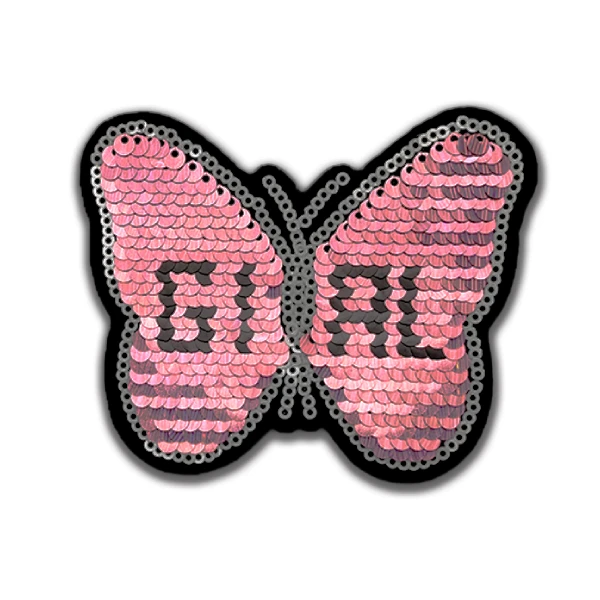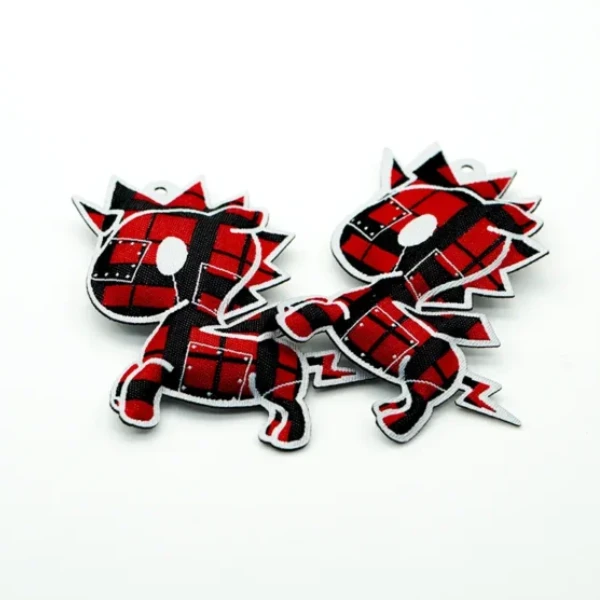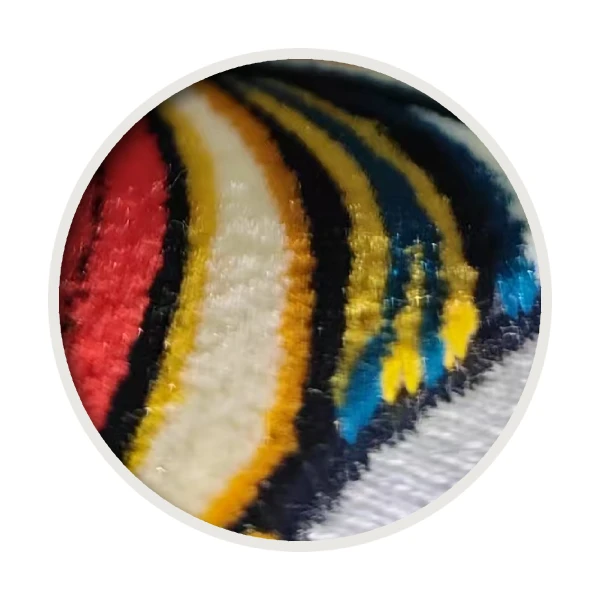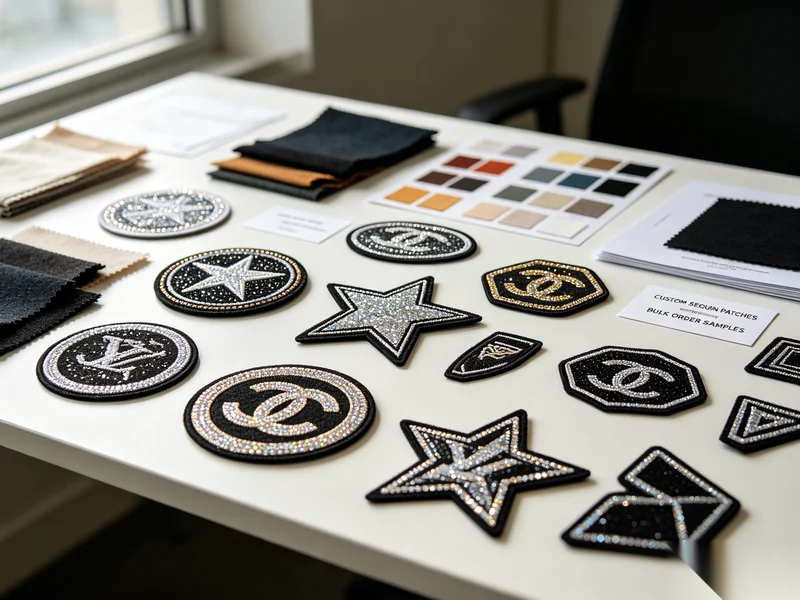
Embroidery trim is a decorative textile embellishment created with embroidered patterns, borders, or motifs. Commonly used on clothing, home textiles, accessories, and fashion products, embroidery trim adds texture, elegance, and visual interest while enhancing the overall appearance and value of finished products.
What Is Embroidery Trim?
Embroidery trim is a narrow decorative fabric strip featuring embroidered designs, patterns, or ornamental details. It is typically applied along edges, seams, collars, sleeves, hemlines, and accessories to create a more refined and customized appearance.
Unlike standard patches or badges, embroidery trim is designed to function as a continuous decorative element rather than a standalone logo or emblem.
Fashion brands, apparel manufacturers, and home textile producers often use embroidery trim to elevate product aesthetics and create distinctive designs.
Why Is Embroidery Trim Popular?
The popularity of embroidered trim comes from its ability to instantly enhance a product’s visual appeal.
Key benefits include:
- Elegant decorative effect
- Premium handcrafted appearance
- Increased product value
- Wide design flexibility
- Compatibility with various fabrics
- Suitable for both traditional and modern styles
Whether used in fashion apparel or home décor, embroidery trim helps products stand out in competitive markets.
Types of Embroidery Trim
Floral Embroidery Trim
Features flower-inspired patterns and decorative motifs.
Commonly used for:
- Dresses
- Blouses
- Children’s clothing
- Wedding apparel
- Home décor textiles
Geometric Embroidery Trim
Incorporates clean lines and repeating patterns.
Popular for:
- Contemporary fashion
- Uniform accents
- Decorative accessories
- Interior design products
Lace Embroidery Trim
Combines embroidery with lace-like construction.
Benefits include:
- Delicate appearance
- Lightweight feel
- Elegant finishing
- Luxury fashion applications
Ethnic and Traditional Embroidery Trim
Inspired by cultural and regional textile traditions.
Frequently used in:
- Traditional garments
- Festival clothing
- Artisan fashion collections
- Heritage textile products
Custom Embroidery Trim
Created according to specific branding or design requirements.
Custom options include:
- Logos
- Monograms
- Unique patterns
- Brand-specific motifs
Ideal for fashion brands seeking exclusive decorative elements.
How Is Embroidery Trim Manufactured?
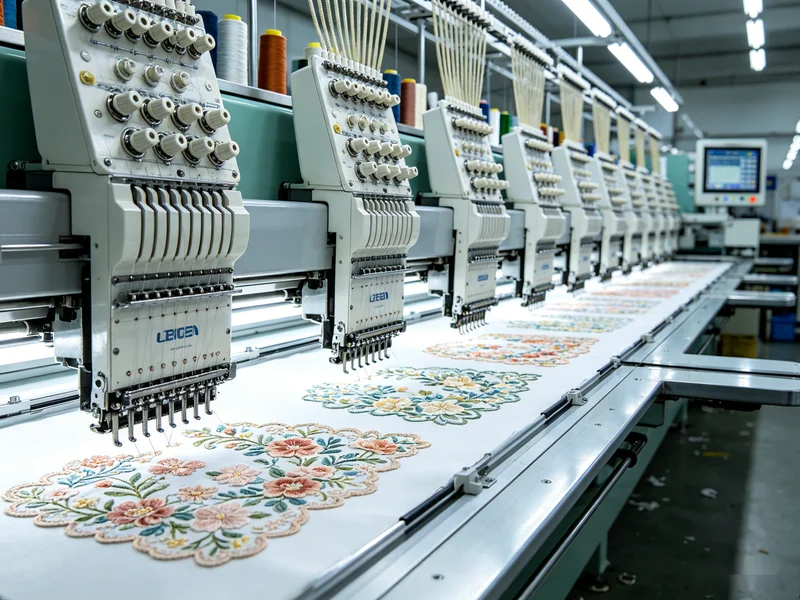
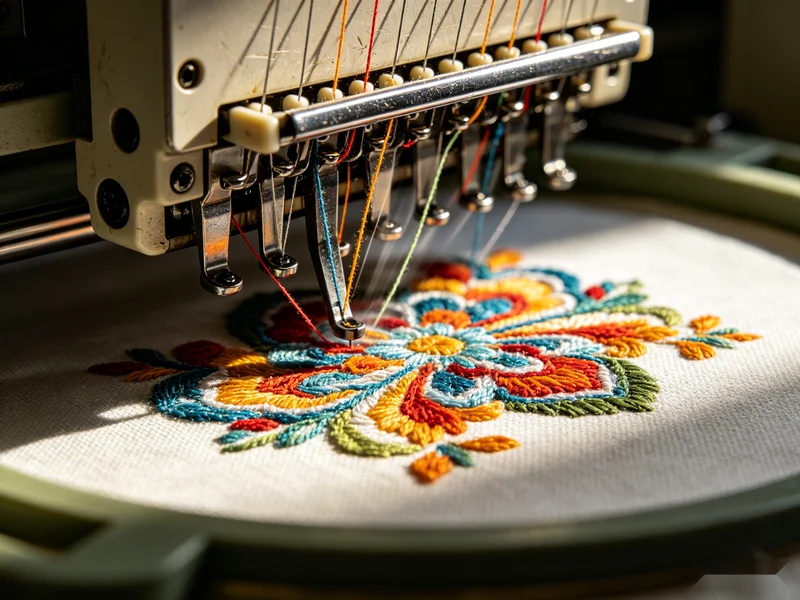
The production process for embroidery trim begins with artwork creation and pattern digitization.
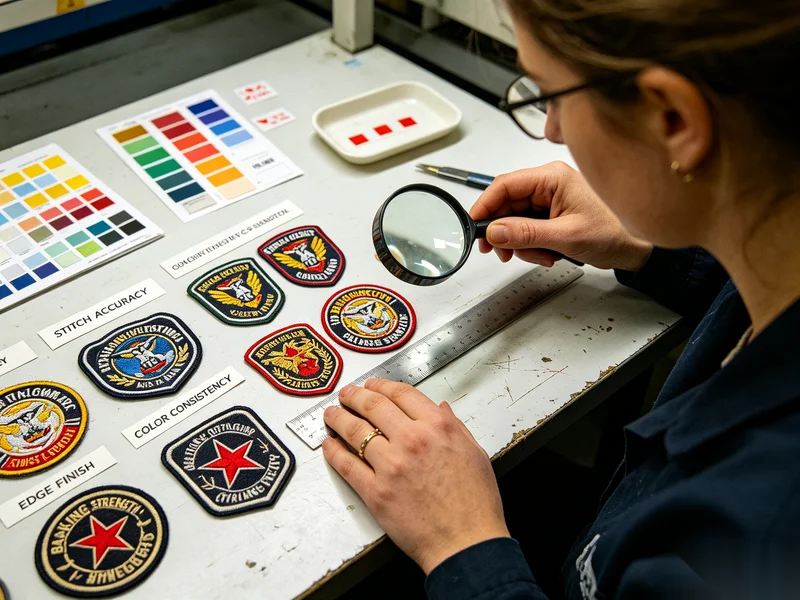
Modern embroidery machines stitch designs onto a base fabric using carefully selected thread colors and stitch techniques.
After embroidery is completed, the trim is:
- Cut to width
- Finished along the edges
- Inspected for quality
- Packaged for shipment
Advanced manufacturing technology allows for highly detailed and consistent production across large quantities.
Where Is Embroidery Trim Used?
Embroidered trim is widely used throughout the textile and fashion industries.
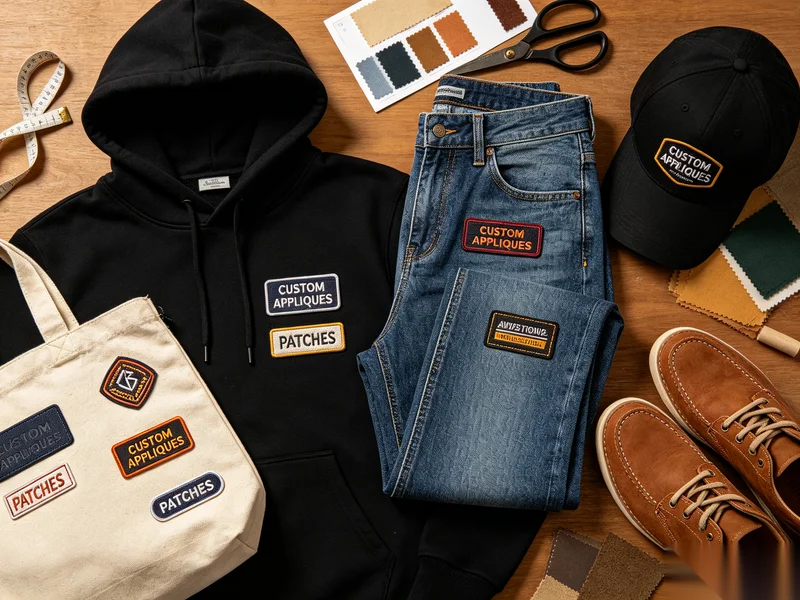
Common applications include:
Fashion Apparel
- Dresses
- Blouses
- Skirts
- Jackets
- Traditional garments
Children’s Clothing
Decorative trims add color and character to children’s fashion.
Home Textiles
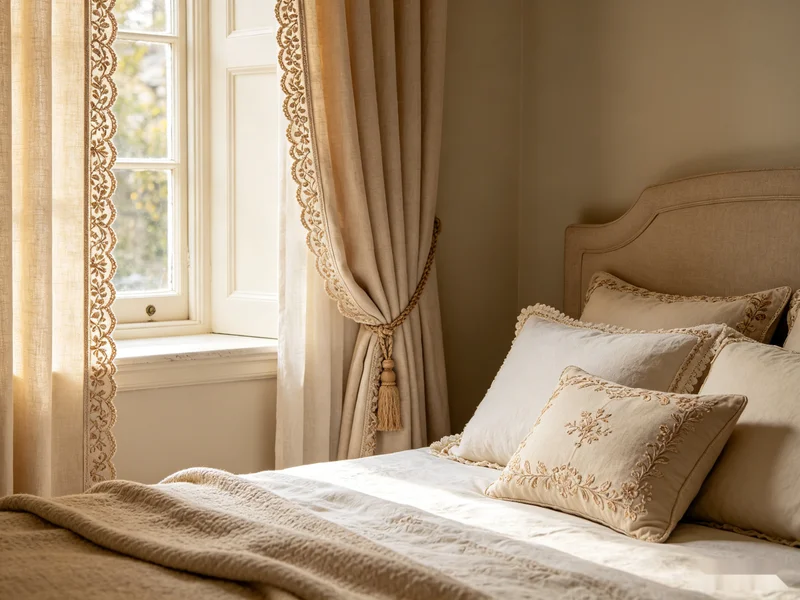
- Curtains
- Cushions
- Bedding
- Table linens
Accessories
- Handbags
- Hats
- Scarves
- Footwear
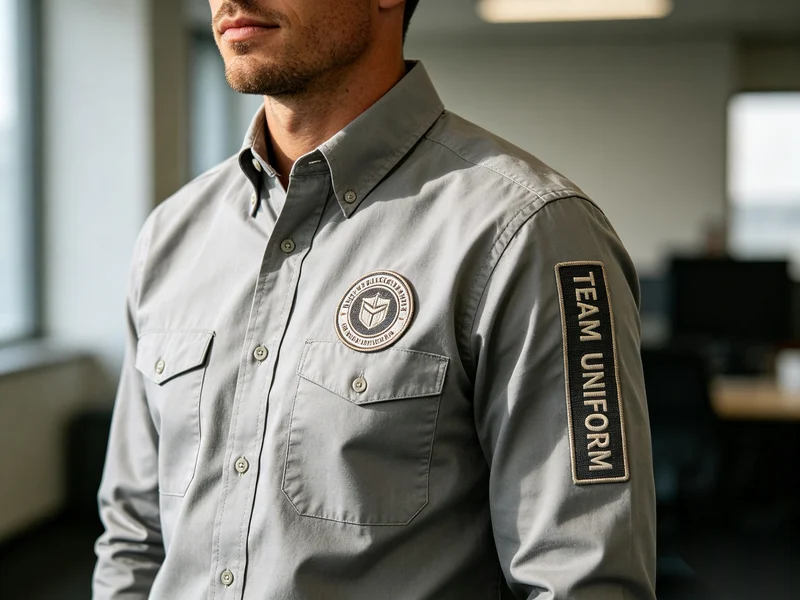
Uniforms and Costumes
Used to create decorative accents and distinguish premium garments.
What Materials Are Used for Embroidery Trim?
Manufacturers can produce embroidery trim using various materials.
Common options include:
- Polyester thread
- Rayon thread
- Cotton thread
- Metallic thread
- Lace fabrics
- Organza fabrics
- Satin fabrics
- Twill fabrics
Material selection depends on design requirements, durability needs, and budget considerations.
Advantages of Embroidery Trim
Enhanced Product Appearance
Embroidery trim adds texture and visual sophistication.
Strong Customization Potential
Designs, colors, widths, and patterns can be customized.
Versatile Applications
Suitable for apparel, accessories, and home décor.
Durable Construction
High-quality trims can withstand repeated use and washing.
Premium Brand Positioning
Decorative embroidery often increases perceived product value.
These advantages make embroidery trim a popular choice across multiple industries.
What Should B2B Buyers Consider?
When sourcing custom embroidery trim, buyers should evaluate:
Design Complexity
More intricate patterns may require higher production costs.
Material Selection
Different fabrics and threads affect durability and appearance.
Color Matching
Accurate color reproduction is essential for brand consistency.
Width and Length Specifications
Measurements should align with product requirements.
Manufacturing Capacity
Ensure suppliers can meet production schedules and volume demands.
Working with an experienced manufacturer helps optimize quality and efficiency.
Why Choose BSJ for Custom Embroidery Trim?
With 28 years of manufacturing experience, BSJ provides custom embroidery solutions for apparel brands, textile companies, and promotional product manufacturers worldwide.
BSJ offers:
- Custom embroidery trim production
- Precision embroidery technology
- Extensive material options
- Consistent quality control
- Flexible OEM and ODM services
- Large-scale production capacity
Our team works closely with customers to develop decorative trims that enhance product value and strengthen brand identity.
FAQ
What is embroidery trim?
Embroidery trim is a decorative embroidered border or fabric strip used to enhance apparel, accessories, and textile products.
Can embroidery trim be customized?
Yes. Patterns, colors, materials, widths, and lengths can all be customized.
What industries use embroidery trim?
Fashion, home textiles, accessories, uniforms, and costume manufacturing industries commonly use embroidery trim.
Is embroidery trim durable?
Yes. High-quality embroidery trim can withstand regular wear and repeated washing.
What materials are commonly used?
Polyester, rayon, cotton, metallic threads, satin, lace, and twill fabrics are widely used.
How long does production take?
Most custom embroidery trim orders can be completed within 1–3 weeks depending on design complexity and order quantity.
Final Thoughts
Embroidery trim is a versatile decorative element that combines craftsmanship, customization, and visual appeal. Whether used in fashion apparel, accessories, uniforms, or home textiles, custom embroidered trim helps brands create distinctive products that stand out in the marketplace.
For businesses seeking high-quality decorative textile solutions, partnering with an experienced manufacturer like BSJ ensures reliable production, consistent quality, and designs that add lasting value to every product.
About Author
——————————————————————————————————————————————

Alexander
Online Sales Manager
Alexander specialize in digital marketing and understanding customer psychology, providing clients with the right solutions through data insights and creative strategies.
——————————————————————————————————————————————